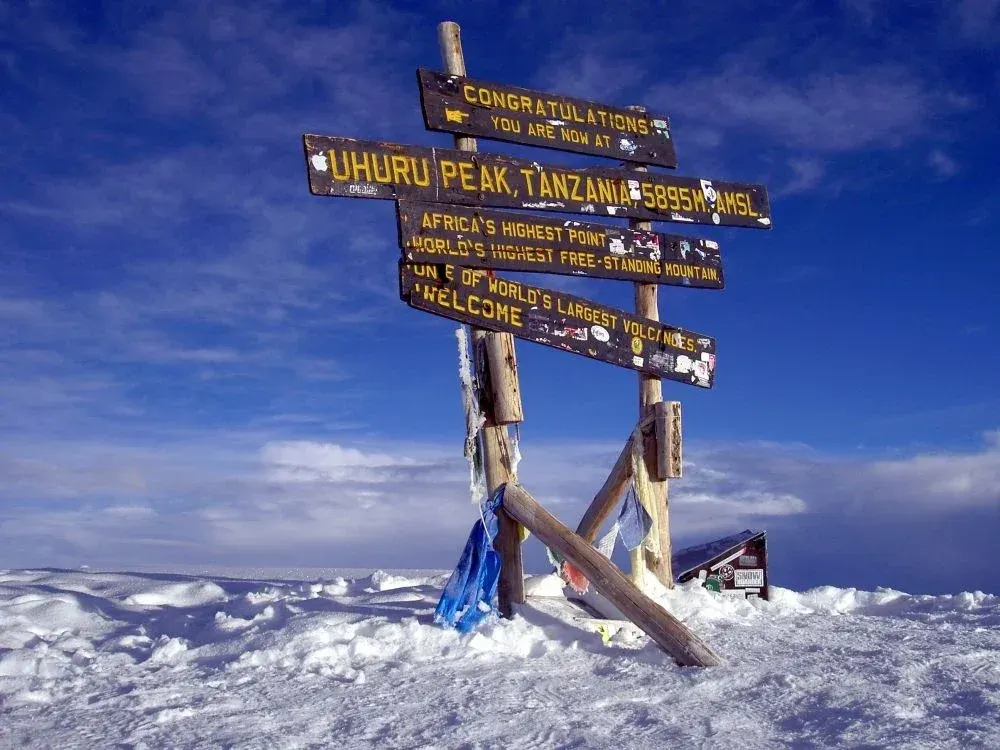
Mount Kilimanjaro
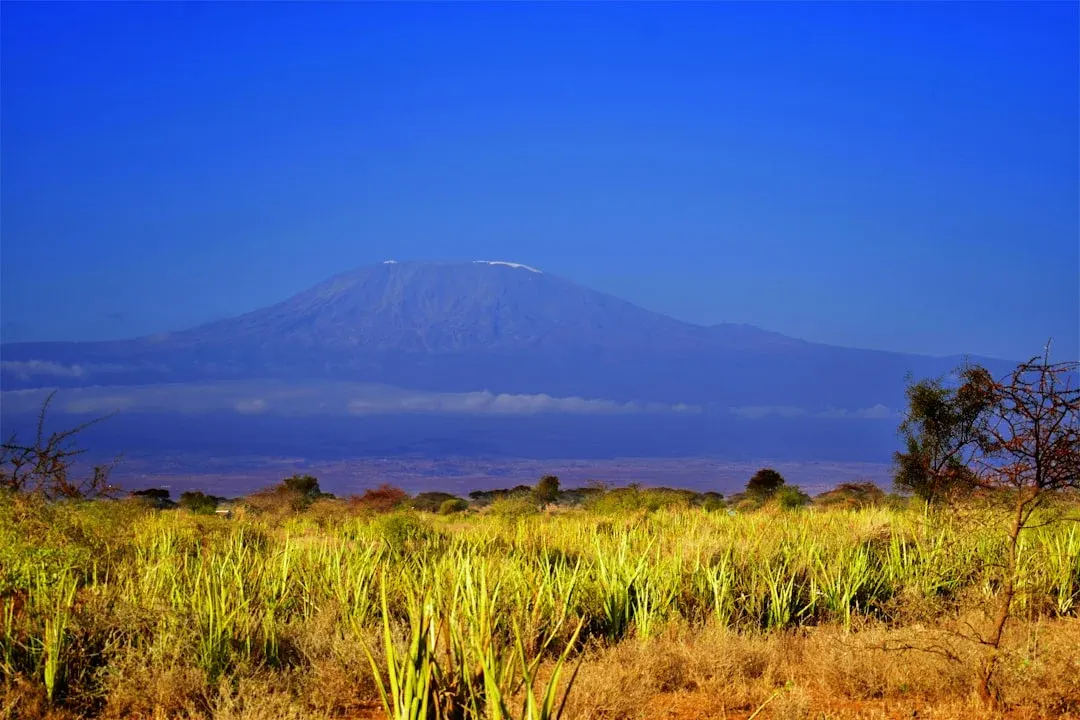
Rising straight out of the surrounding Tanzanian plains to 5,895 meters, Mount Kilimanjaro is both Africa’s highest summit and the world’s tallest free standing mountain. Because i…
Last updated:
Mount Kilimanjaro
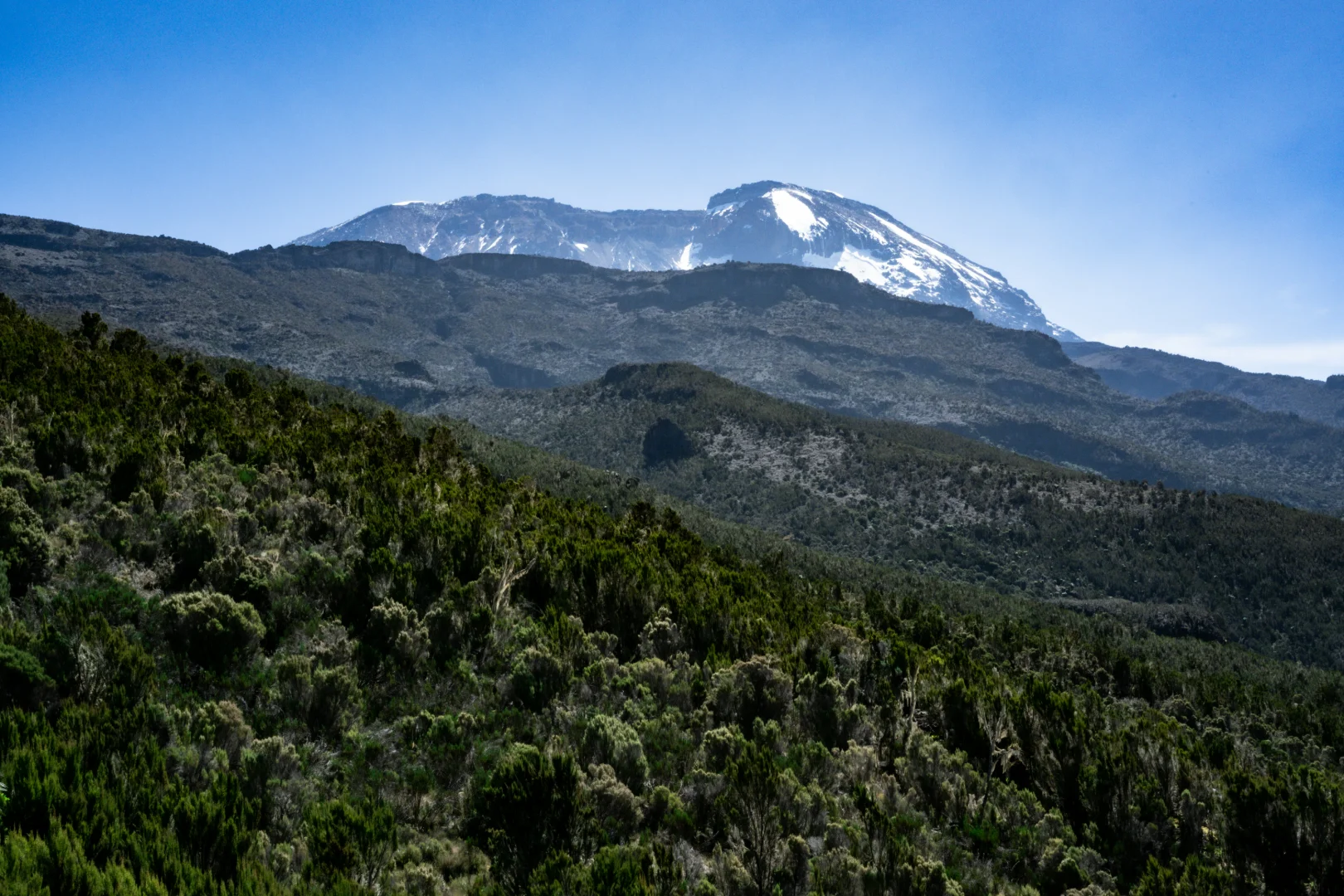
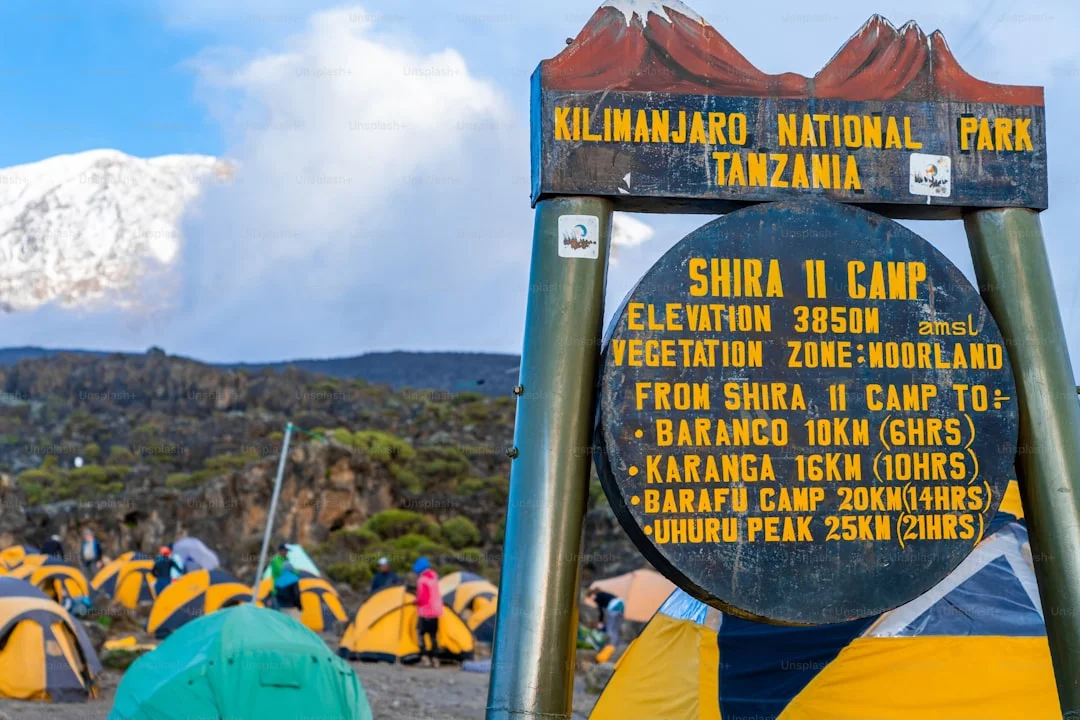
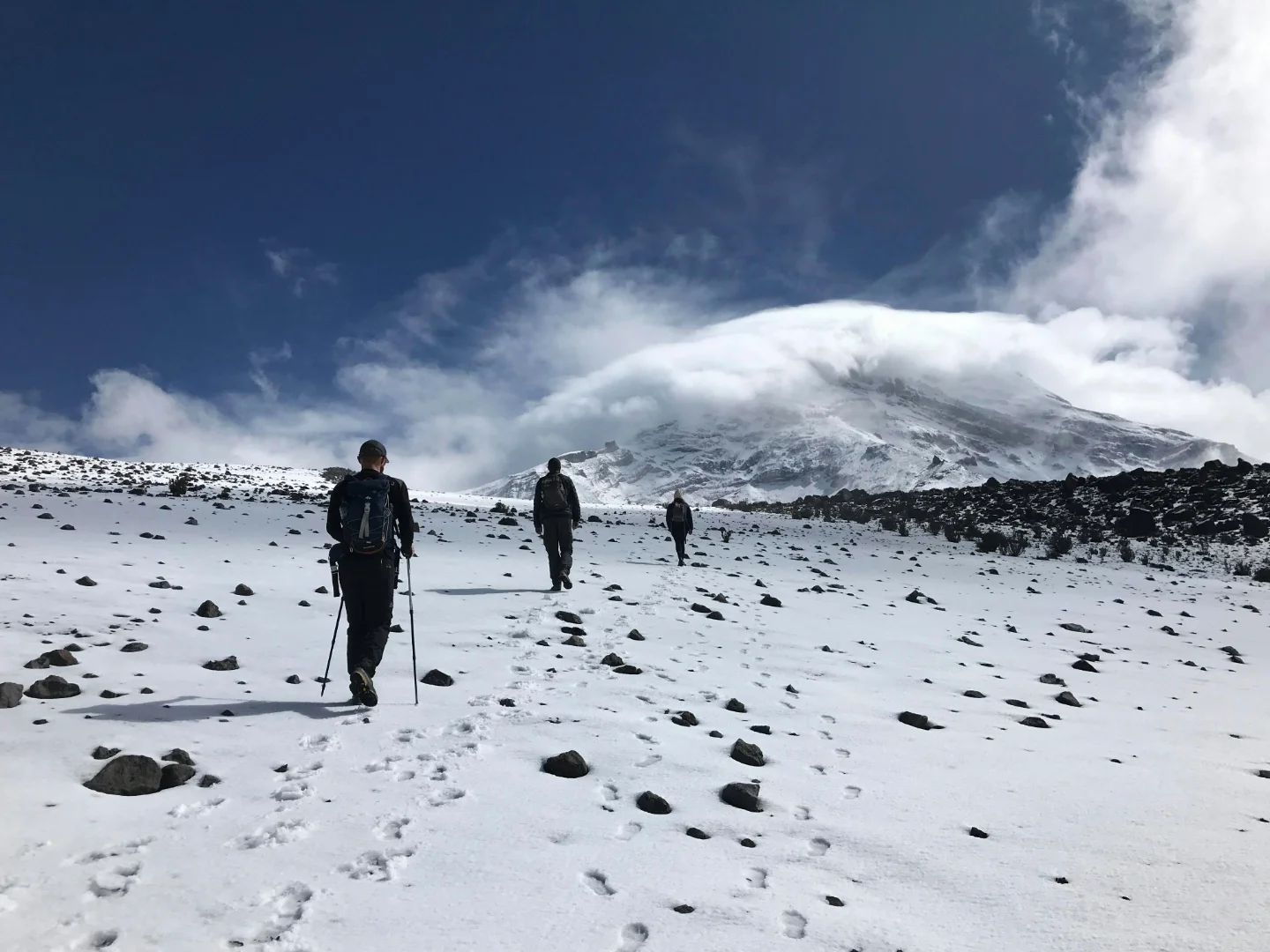
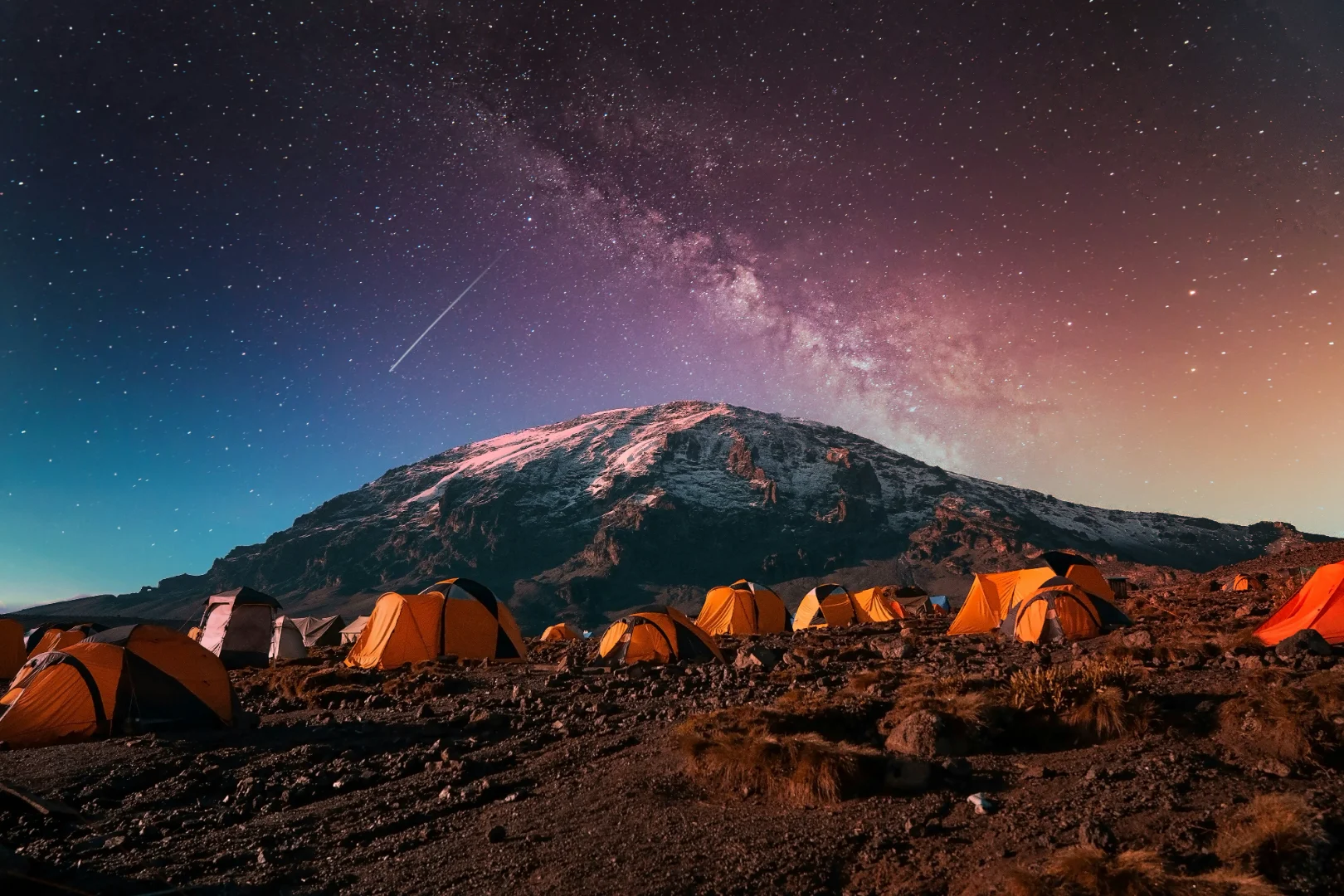
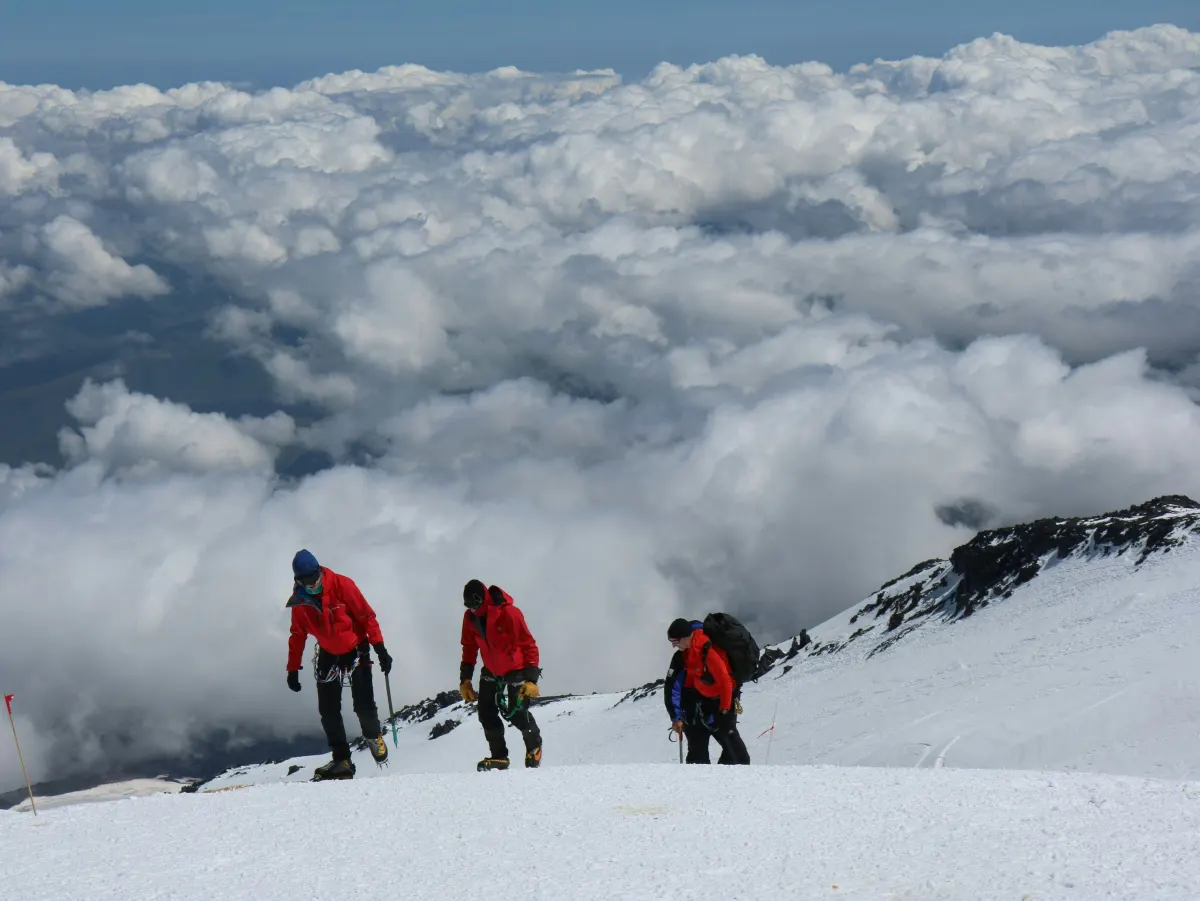
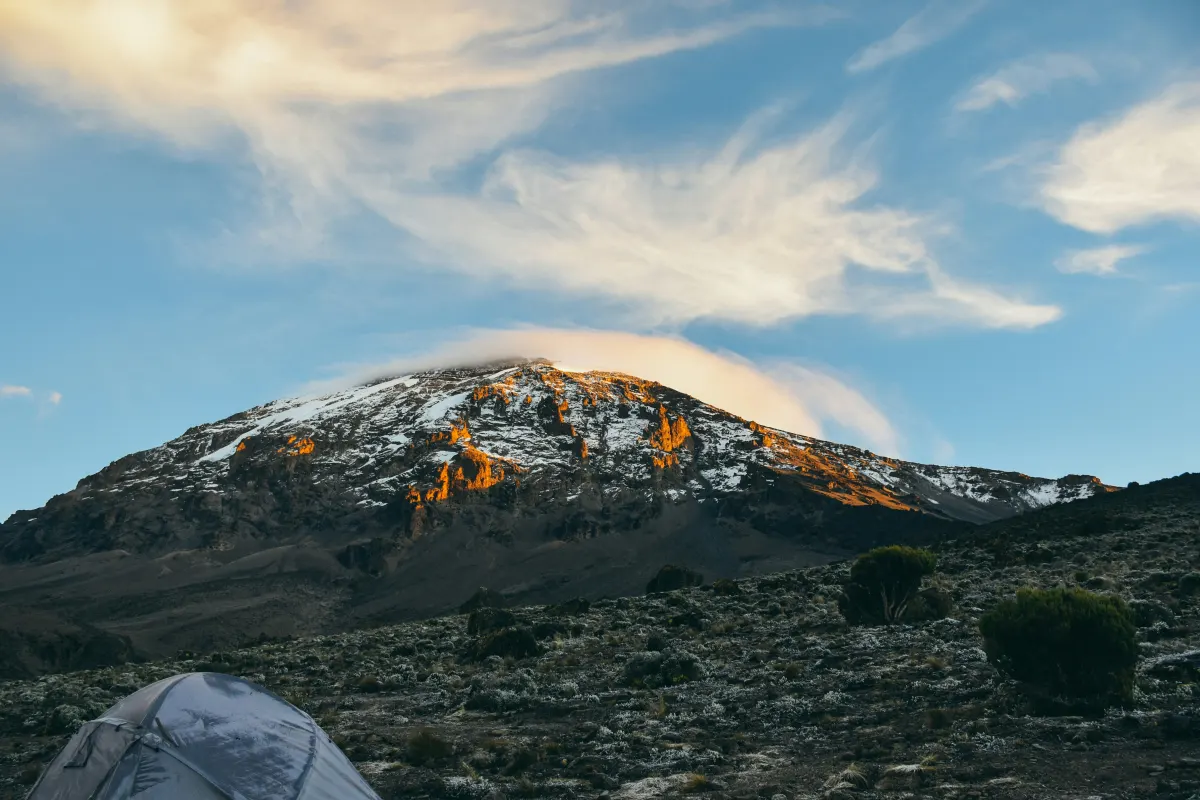
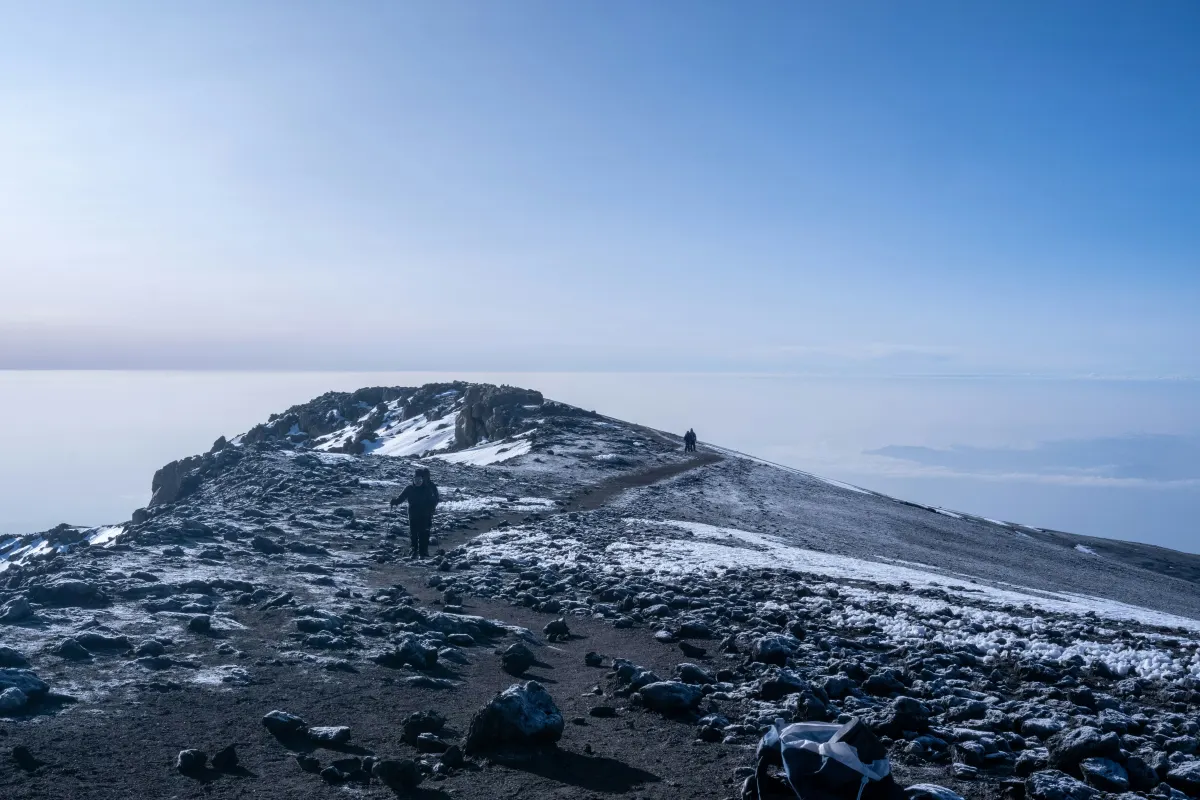
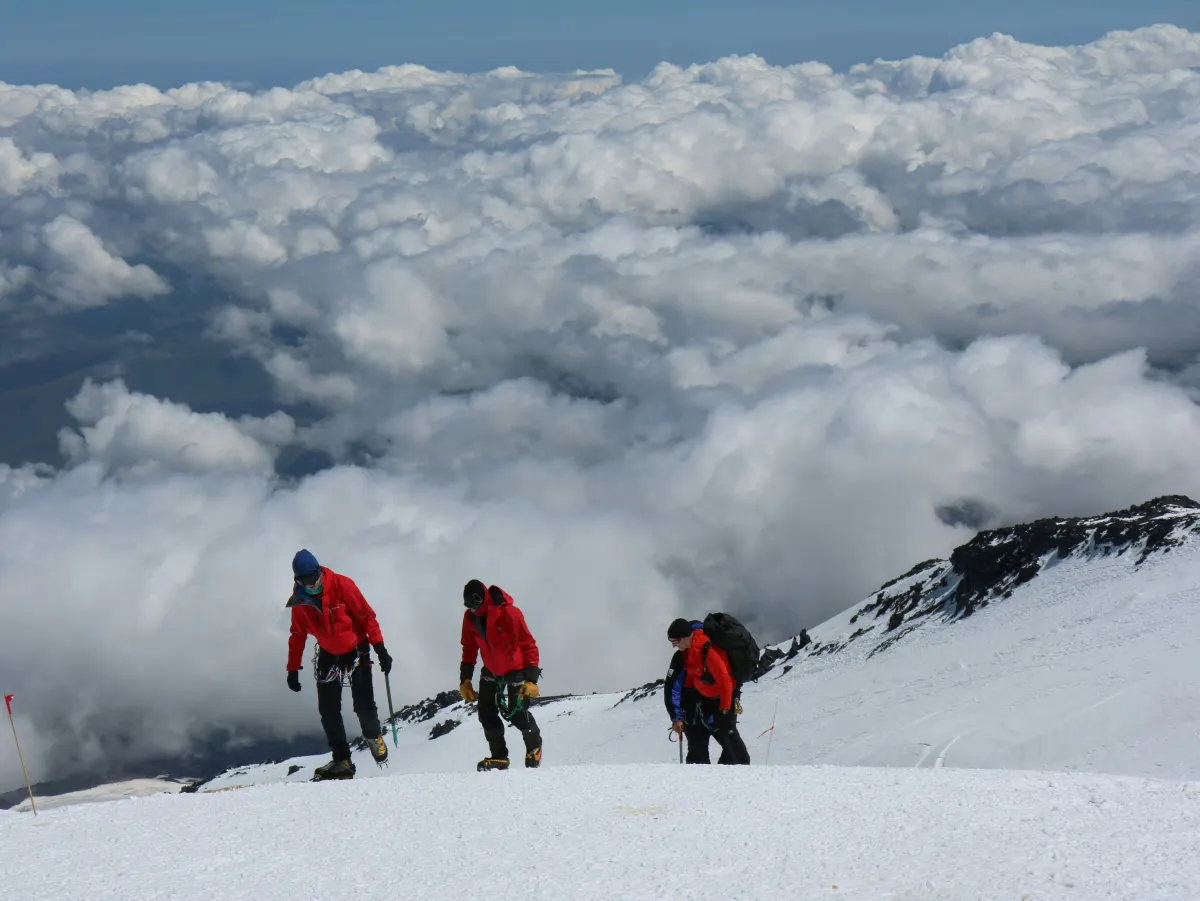
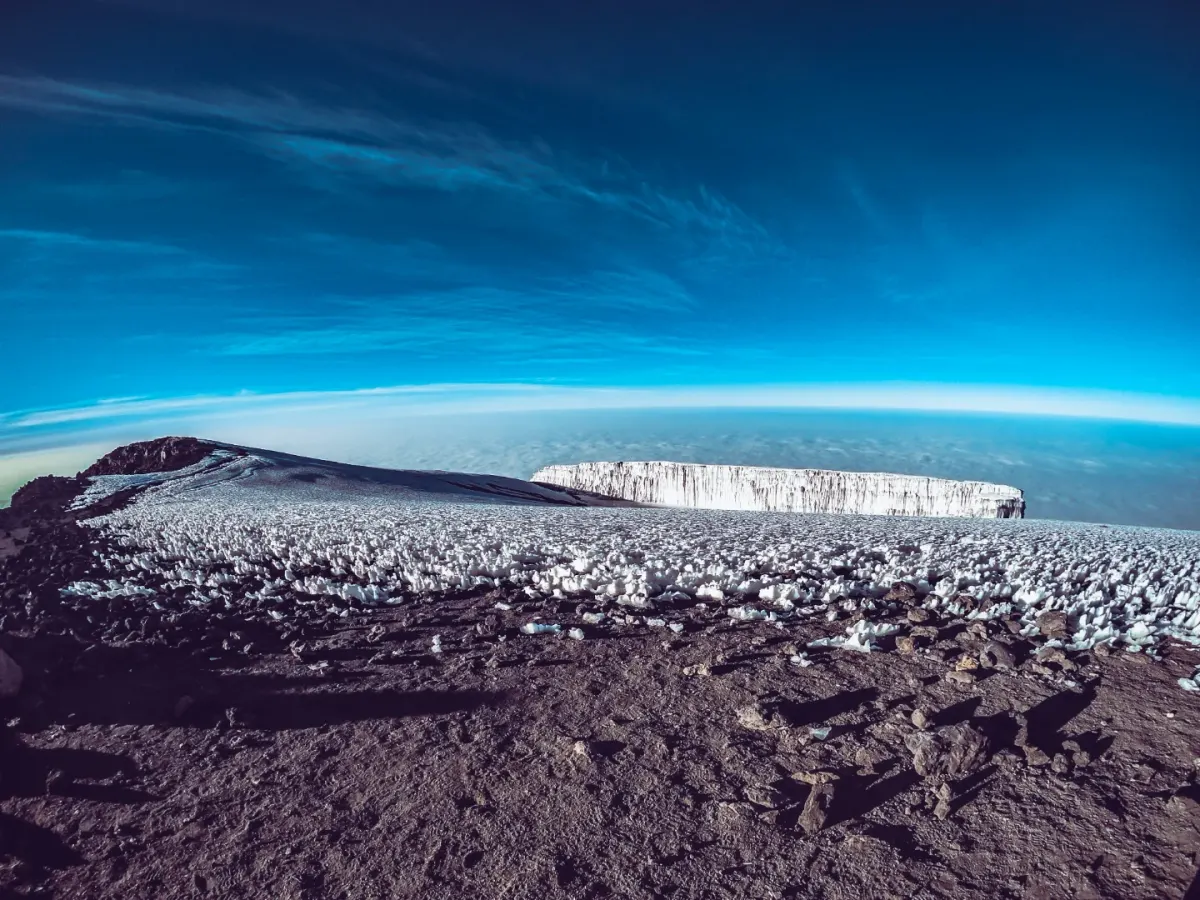
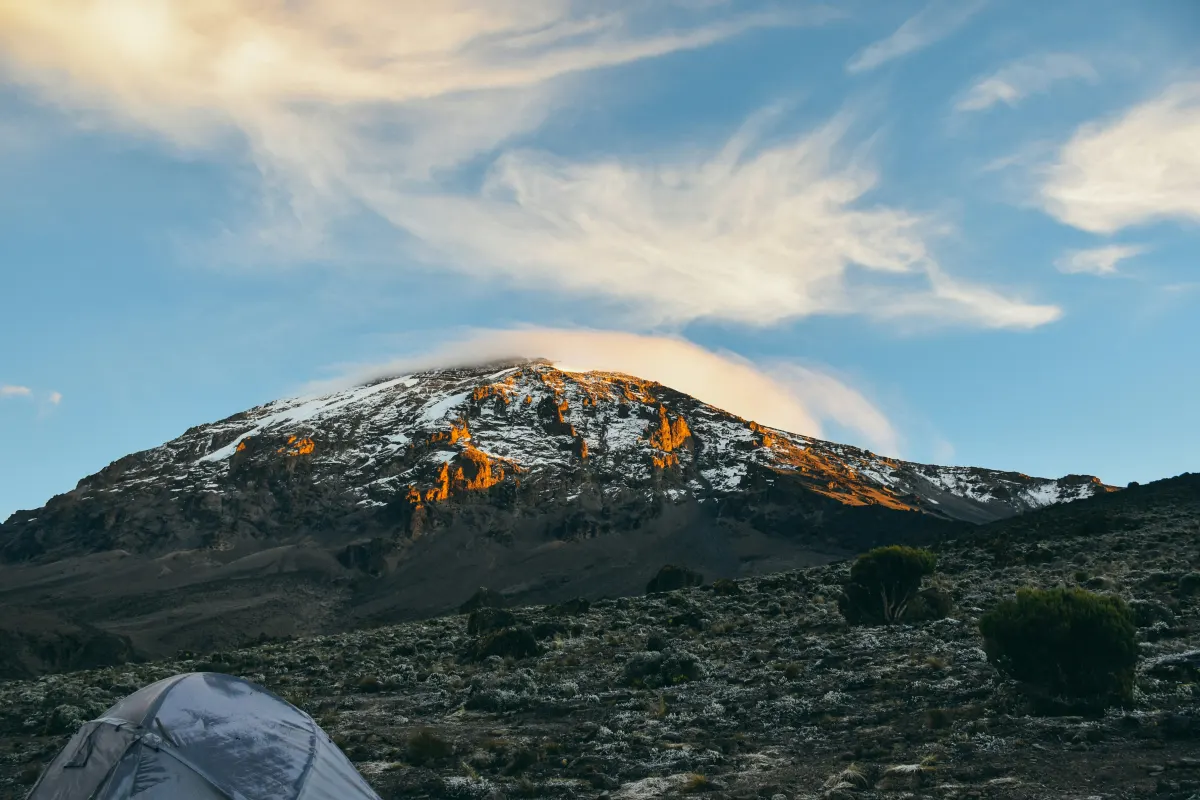
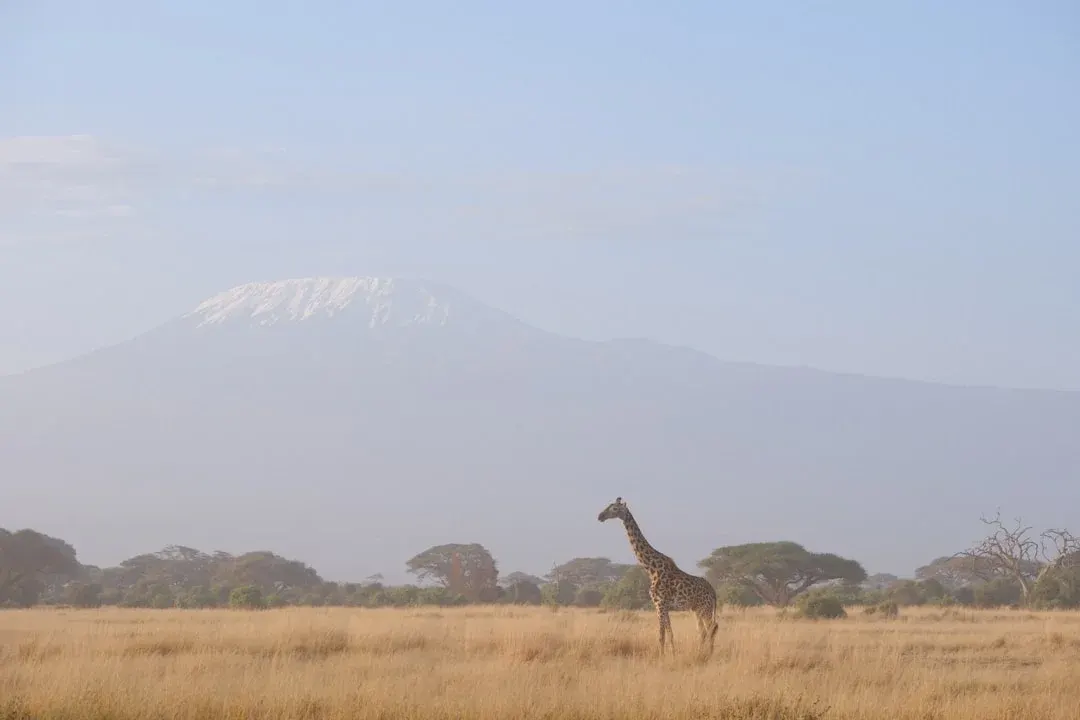
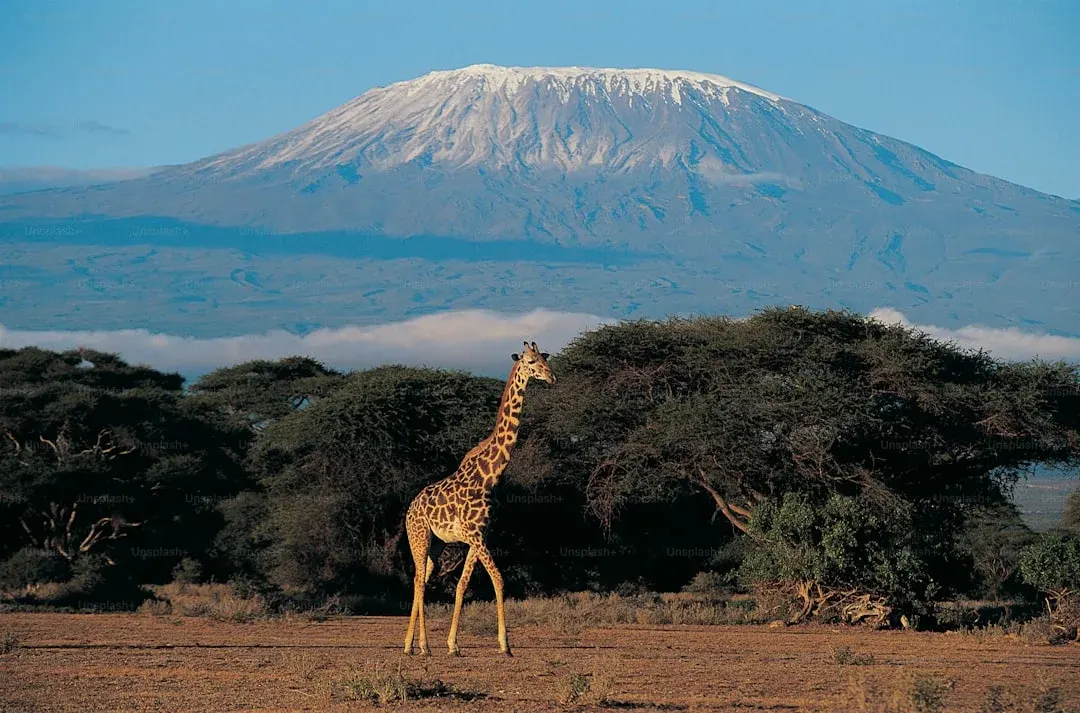
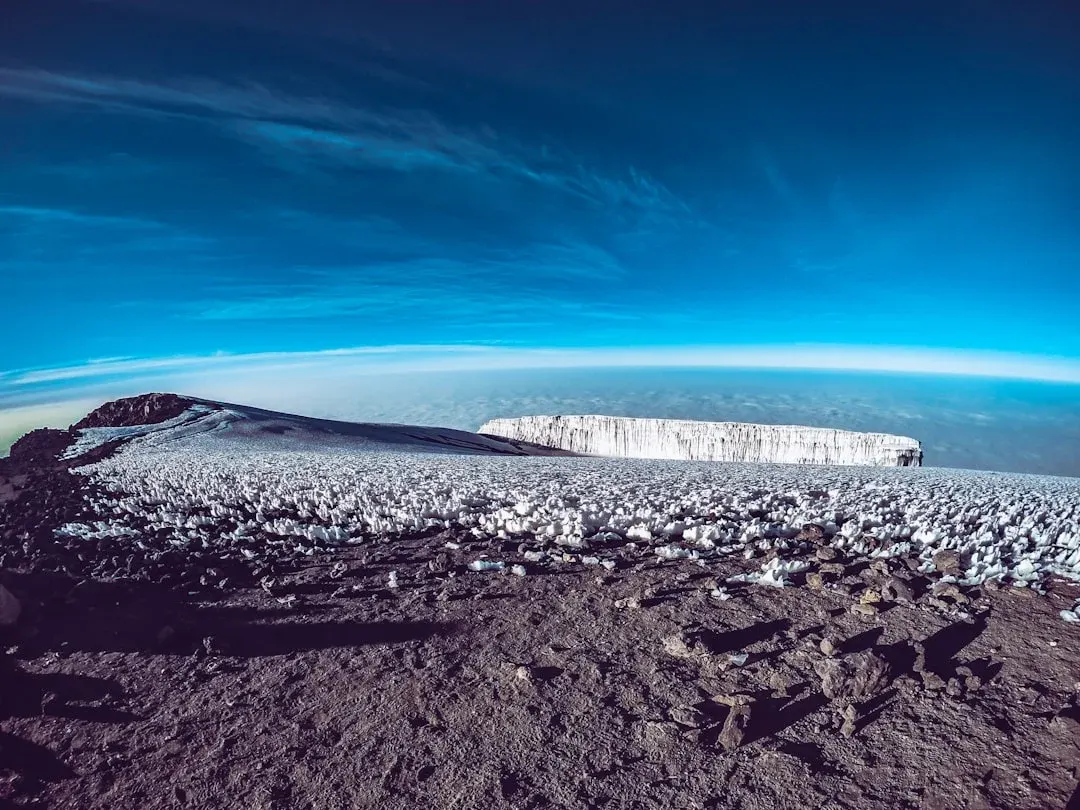
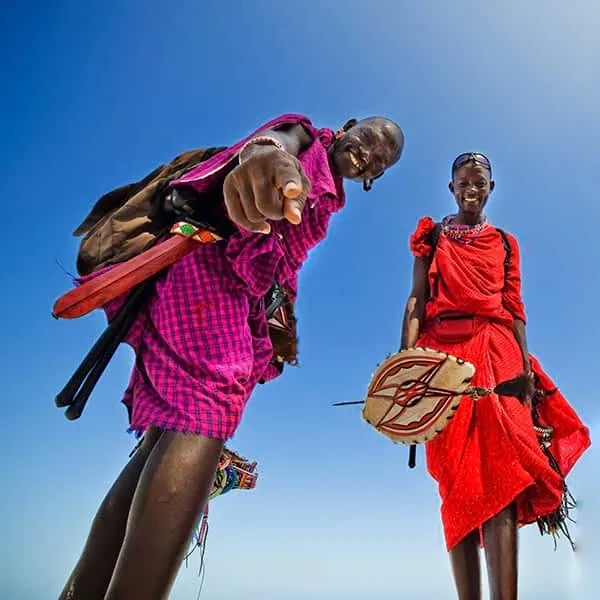
Rising straight out of the surrounding Tanzanian plains to 5,895 meters, Mount Kilimanjaro is both Africa’s highest summit and the world’s tallest free standing mountain. Because it sits alone rather than tucked inside a larger mountain range, its massive, snow-capped volcanic cone dominates the horizon for miles, creating one of the most recognizable silhouettes on earth. What draws tens of thousands of trekkers here every year is a rare appeal: you can stand on the "Roof of Africa" at Uhuru Peak without ropes, ice axes, or technical climbing experience just steady legs, mental grit, and enough days on the mountain to let your body adjust to the thinning air. Climbing Kilimanjaro feels like walking from the equator to the Arctic in less than a week. Every trek passes through five distinct climate zones as the trail gains elevation. Hikers start in warm, humid montane rainforest alive with black-and-white colobus monkeys, blue monkeys, and dripping moss, then break out into misty heath and moorland dotted with bizarre, prehistoric-looking giant groundsels and lobelias. Higher up, the vegetation vanishes into a stark, wind-swept alpine desert of dark volcanic rock and dust before the final push across loose scree and freezing temperatures toward the shimmering glaciers and jagged crater rim at the top. Seven established routes including scenic favorites like Lemosho, Machame, and Rongai, alongside the hut-supported Marangu trail offer different approaches, crowd levels, and scenery, though choosing a longer itinerary to "walk high and sleep low" remains the single best secret to reaching the summit safely. Just as memorable as the mountain itself is the crew that makes the climb possible. Tanzanian mountain guides, cooks, and porters carry gear, set up camp, prepare hot meals in freezing conditions, and set the slow, steady rhythm pole, pole that keeps climbers moving forward. That teamwork peaks during the grueling midnight summit push, when headlamps snake up the dark crater wall toward Stella Point just in time to watch the sun break over a sea of clouds from Uhuru Peak.
Kilimanjaro is a dormant stratovolcano with three cones: Kibo (the summit), Mawenzi, and Shira. Climbers pass through five distinct ecological zones — from cultivated farmland through rainforest, heather moorland, alpine desert, and finally the arctic summit zone. Around 35,000 people attempt the climb each year, with success rates varying from 50% to 85% depending on the route chosen.
January to March and June to October for clearest weather and highest summit success rates
Five climate zones from tropical base (25°C) to arctic summit (-20°C)
TZ, Kilimanjaro Region
Plan Your Visit
Ready to explore Mount Kilimanjaro? Our experts craft bespoke itineraries tailored to your travel dates and interests.
Browse Safari ToursGet a Custom QuoteWildlife & Activities
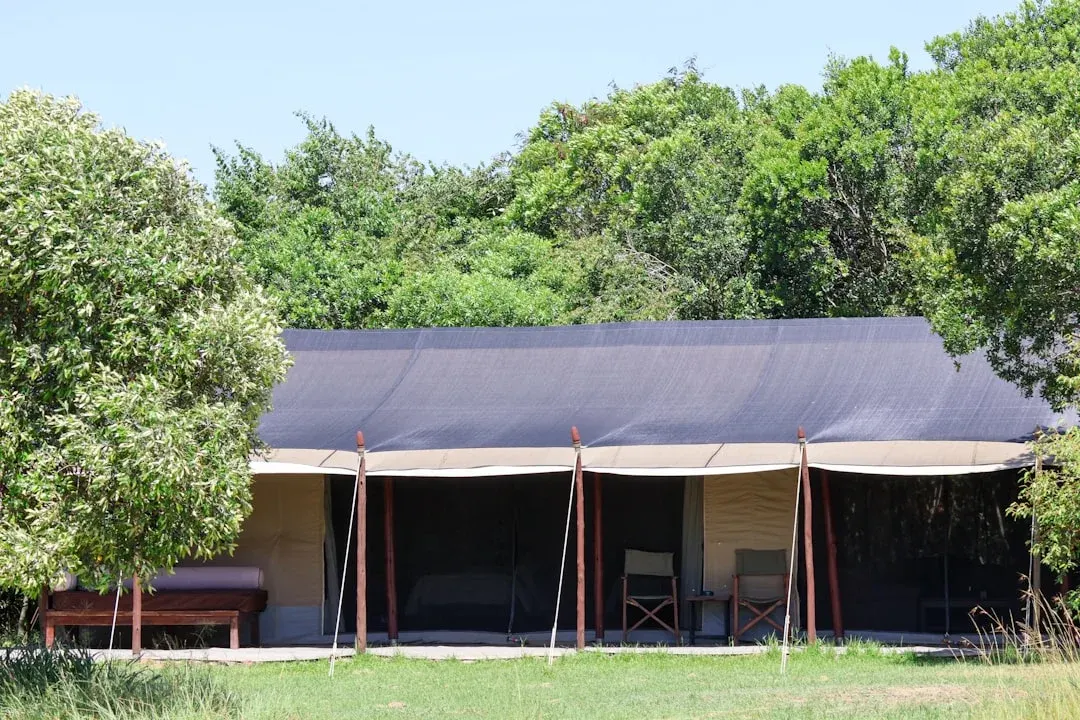
Exceptional Lodges
Hand-curated properties ranging from intimate tented camps to landmark lodges — chosen for extraordinary service and unrivalled wildlife access.
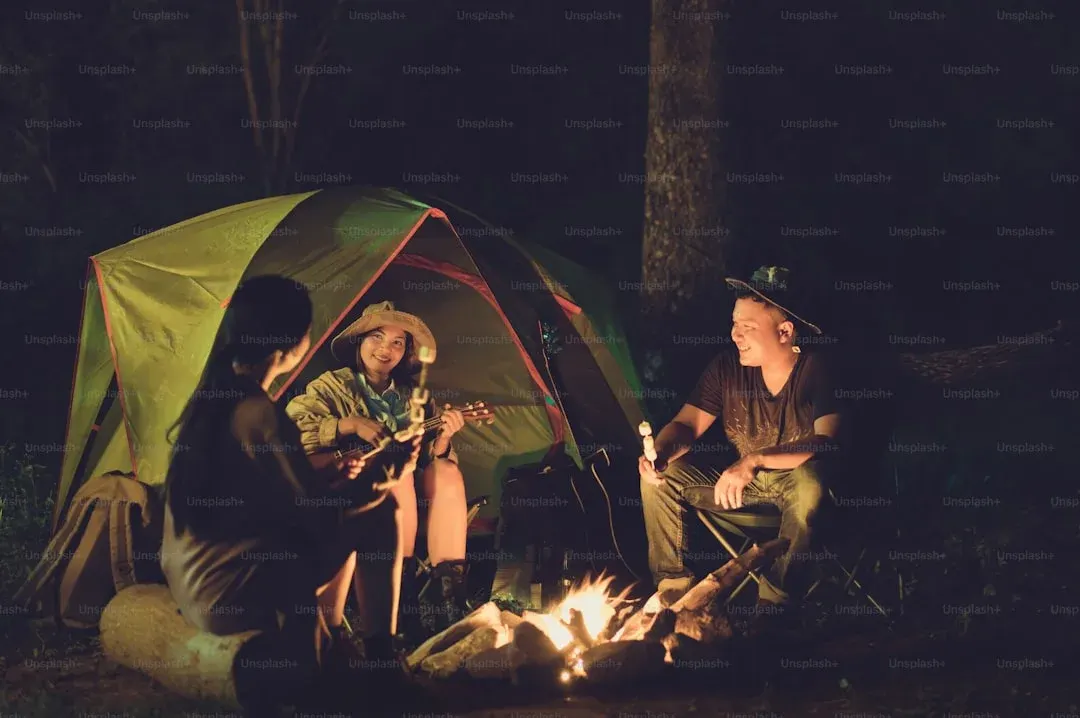
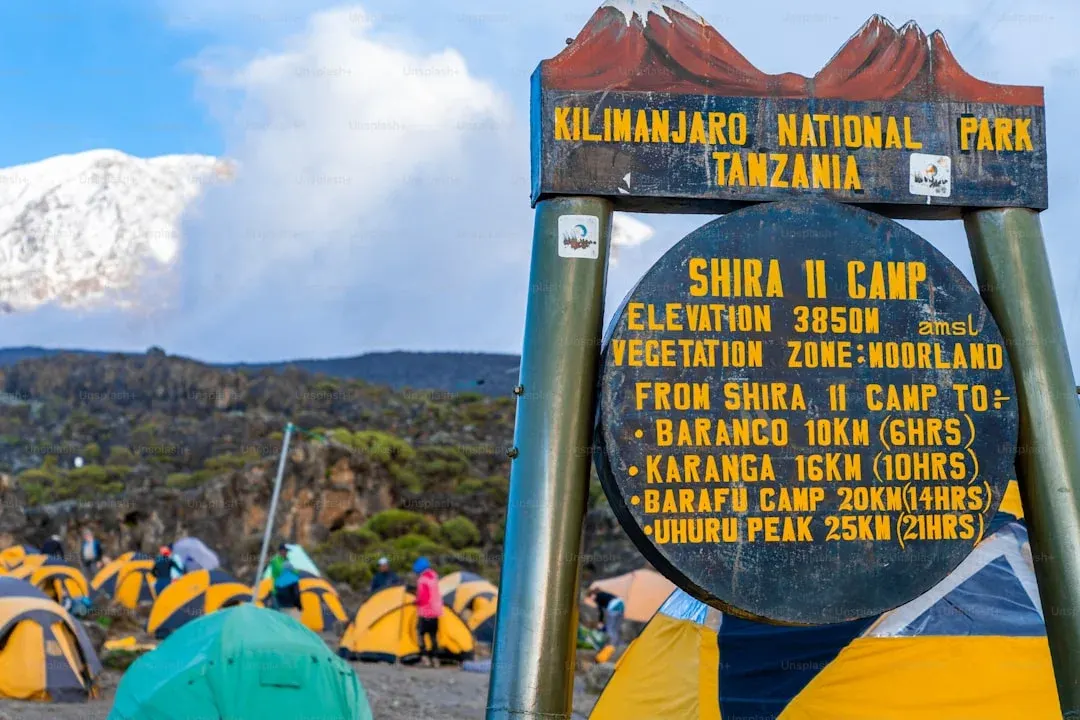
Safari Tours
Through the Lens
Nearby Destinations
Mount Kilimanjaro is waiting for you
Begin your African adventure with expert-guided safaris tailored to your interests.
Mount Kilimanjaro: Frequently Asked Questions
How high is Mount Kilimanjaro and where is it located?
Mount Kilimanjaro rises to 5,895 metres above the Tanzanian plains, making it Africa's highest peak and the world's tallest free-standing mountain.
Do I need technical climbing skills or mountaineering gear to reach the summit?
No technical climbing gear is required, because Uhuru Peak, the snow-capped summit, is reachable without technical climbing equipment, which is what makes it such a popular bucket-list trek.
What ecological zones do climbers pass through on Kilimanjaro?
Climbers pass through five distinct ecological zones: cultivated farmland, rainforest, heather moorland, alpine desert, and finally the arctic summit zone.
What is the success rate for climbing Kilimanjaro?
Around 35,000 people attempt the climb each year, and success rates vary from 50% to 85% depending on the route chosen.
What are the three cones that make up Mount Kilimanjaro?
Kilimanjaro is a dormant stratovolcano with three cones: Kibo, which holds the summit, plus Mawenzi and Shira.
How can I book a Kilimanjaro climb with Ecological Wilderness Adventure?
Ecological Wilderness Adventure can tailor a Kilimanjaro trek to your dates and preferences and provide a quote on request.