6-Day Umbwe Route Climb
Mountain Trekking · Trip EA-90E7

6-Day Umbwe Route Climb

Duration6days
Levelextreme
Scroll

Last updated:

Safari Overview

Your Journey

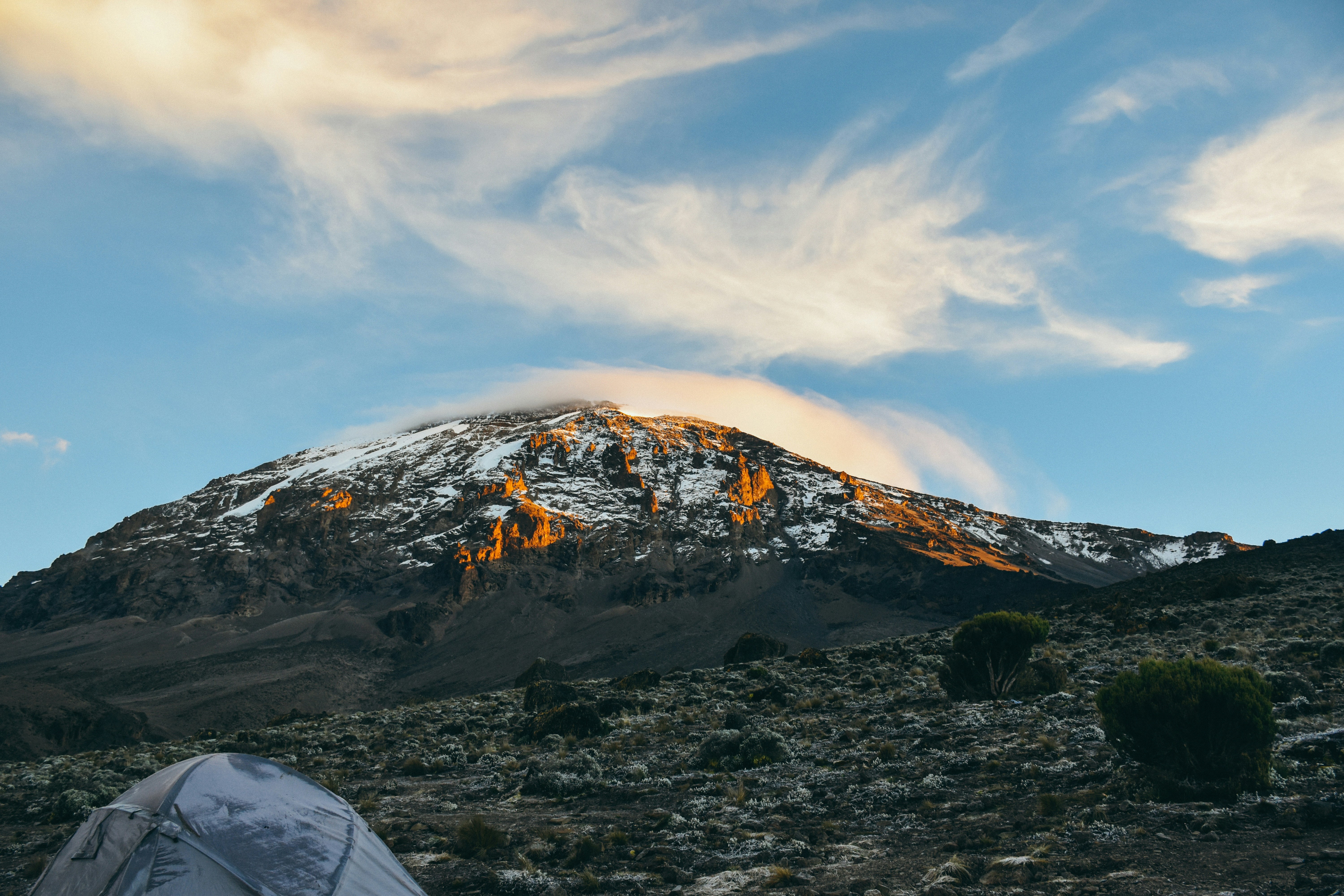
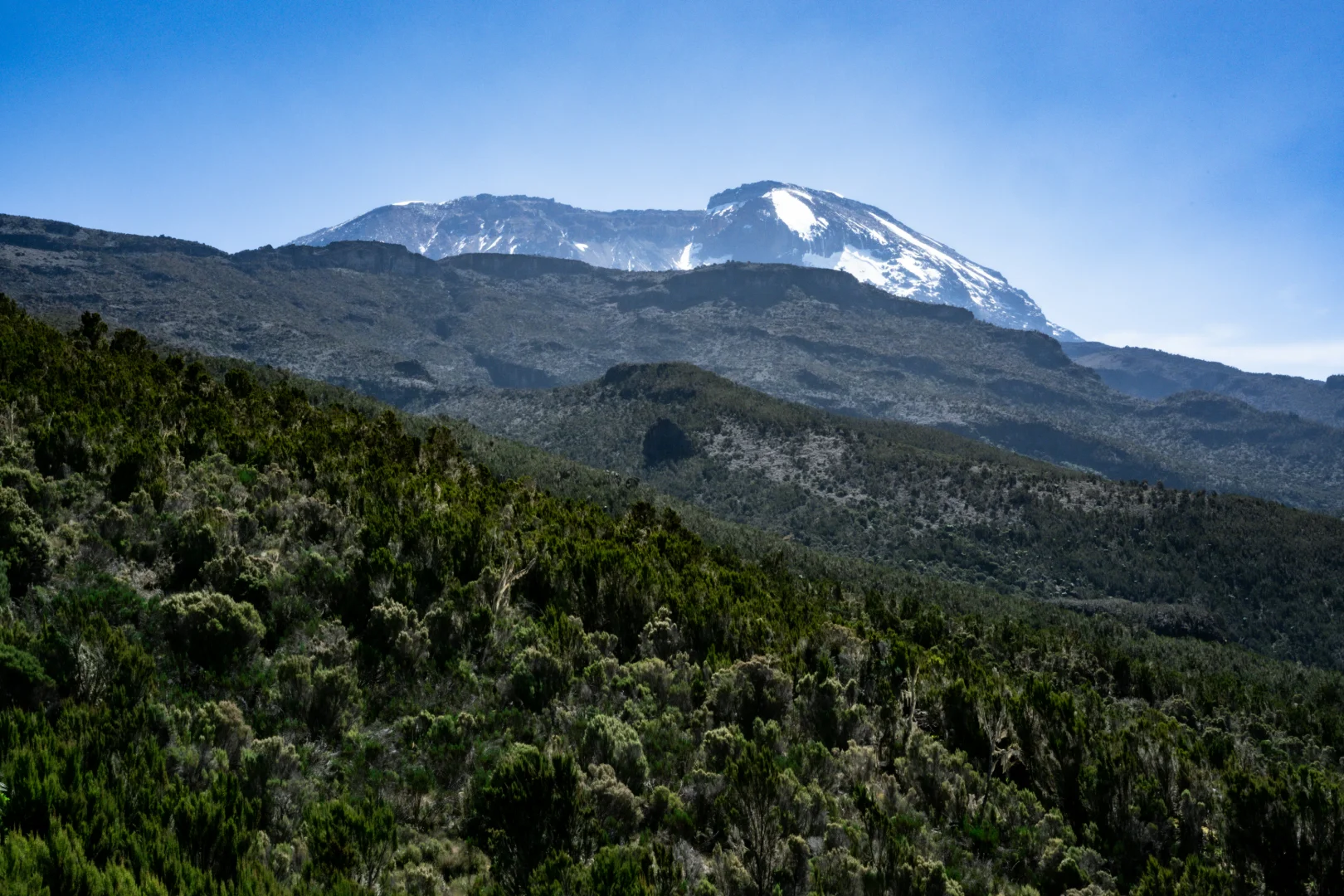
Umbwe takes the shortest, steepest line up Kilimanjaro's southern face. Our Umbwe Route 6 days itinerary starts at Umbwe Gate (1,600 m) and reaches Uhuru Peak (5,895 m) on day five. There's no technical climbing, but the route gains height quickly and gives your body little time to adjust. That's why we only recommend it to climbers with proven high-altitude experience, very good fitness and the willingness to turn back if their body says so. If this is your first high mountain, a longer route is the better choice.

Day one goes straight into the rainforest along a narrow ridge of roots and mud to Umbwe Cave Camp (2,850 m), beneath a rock overhang. Day two climbs more than 1,100 metres through moorland to Barranco Camp (3,960 m), right below the Barranco Wall. From here Umbwe joins the Machame line. You scramble up the Wall on day three and cross to Karanga Camp (3,995 m), a near-level day that helps with acclimatisation. Then you climb through alpine desert to Barafu Camp (4,673 m), an exposed ridge and the last camp before the top.

Summit night starts around midnight. You climb steep scree in the dark and cold to Stella Point on the crater rim, walk on to Uhuru Peak, then descend more than 2,800 metres to Mweka Camp. The last morning takes you down through the forest to Mweka Gate and your summit certificate. Talk to our Arusha team before you book. We'd rather help you choose the right route than see you on the wrong one.
Share This Safari
Safari Highlights
  • Steep rainforest ridge trail from Umbwe Gate on day one
  • Night beneath the rock overhang at Umbwe Cave Camp
  • Hands-on scramble up the Barranco Wall
  • Midnight summit push via Stella Point to Uhuru Peak
  • Descent through the forest to Mweka Gate and your certificate
6-Day Umbwe Route Climb Safari Overview
Featured6-Day Umbwe Route Climb

Comparing routes? Read our Umbwe Route guide for the altitude profile, summit success rate and a day-by-day breakdown of the route.

Day-by-Day Itinerary

Your Safari Unfolds

Your 6-day adventure across Africa's most spectacular wilderness areas

1
Day 1

Umbwe Gate (1,600 m) to Umbwe Cave Camp (2,850 m)

The climb starts at Umbwe Gate and heads straight into dense rainforest. There's no gentle warm-up on this route. The trail follows a narrow ridge between two river valleys and climbs steeply over tangled roots and muddy ground under a thick canopy, so trekking poles and good boots earn their place from the first hour. Take it slowly, drink plenty and let your guide set the pace. Umbwe Cave Camp sits beneath a rocky overhang in the upper forest zone. Lunch and dinner are included, and tonight is your first night in camp.

Meals:Lunch, Dinner
Steepest route on KilimanjaroDense rainforest ridge trailNarrow ridge between river valleysUmbwe Cave Camp overhang
2
Day 2

Umbwe Cave Camp (2,850 m) to Barranco Camp (3,960 m)

This is the steepest climbing day on the route. You gain more than 1,100 metres as the forest thins out into moorland and then alpine desert. The trail is steep and rocky, and it asks a lot of your legs. This much height in one day is also where altitude symptoms can start, so tell your guide early if you feel unwell. Barranco Camp sits in a dramatic spot below the Barranco Wall, with views of the southern glaciers. Breakfast, lunch and dinner are included.

Meals:Breakfast, Lunch, Dinner
Steepest climbing day on Kili1100m altitude gainForest-to-alpine-desert transitionBarranco Wall looming above camp
3
Day 3

Barranco Camp (3,960 m) to Karanga Camp (3,995 m)

The morning starts with the Barranco Wall, a steep rock face you scramble up using hands and feet. It's non-technical, but it does need concentration, and your guide will show you where to place each step. From the top you look out over the southern icefields and the route ahead. The trail then rises and dips across rocky ridges before dropping into the Karanga Valley, where camp sits beside a seasonal stream. You finish only slightly higher than you started, which gives your body a chance to catch up. All meals are included.

Meals:Breakfast, Lunch, Dinner
Barranco Wall scrambleSouthern icefield viewsRocky ridge traverseKaranga Valley camp
4
Day 4

Karanga Camp (3,995 m) to Barafu Camp (4,673 m)

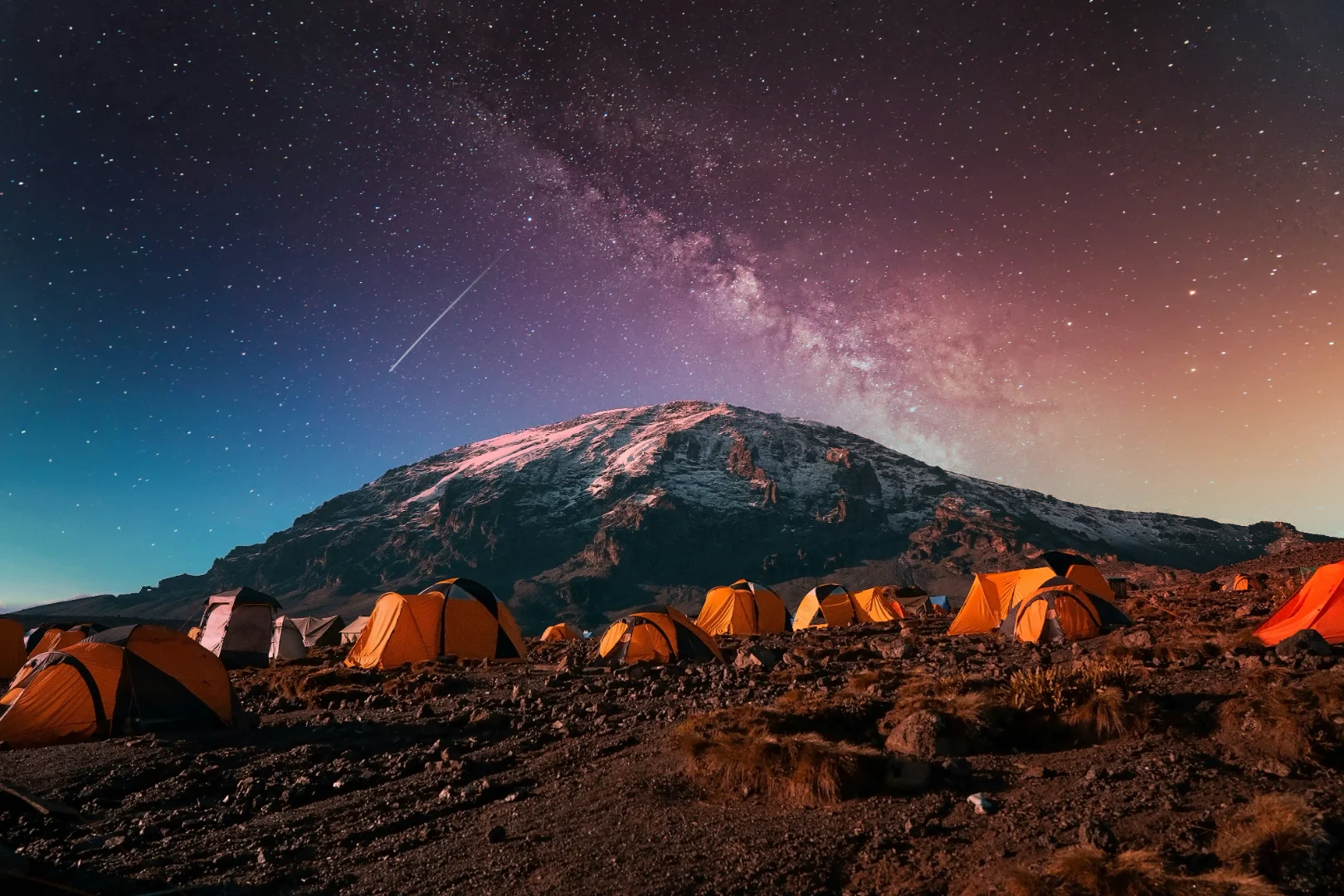
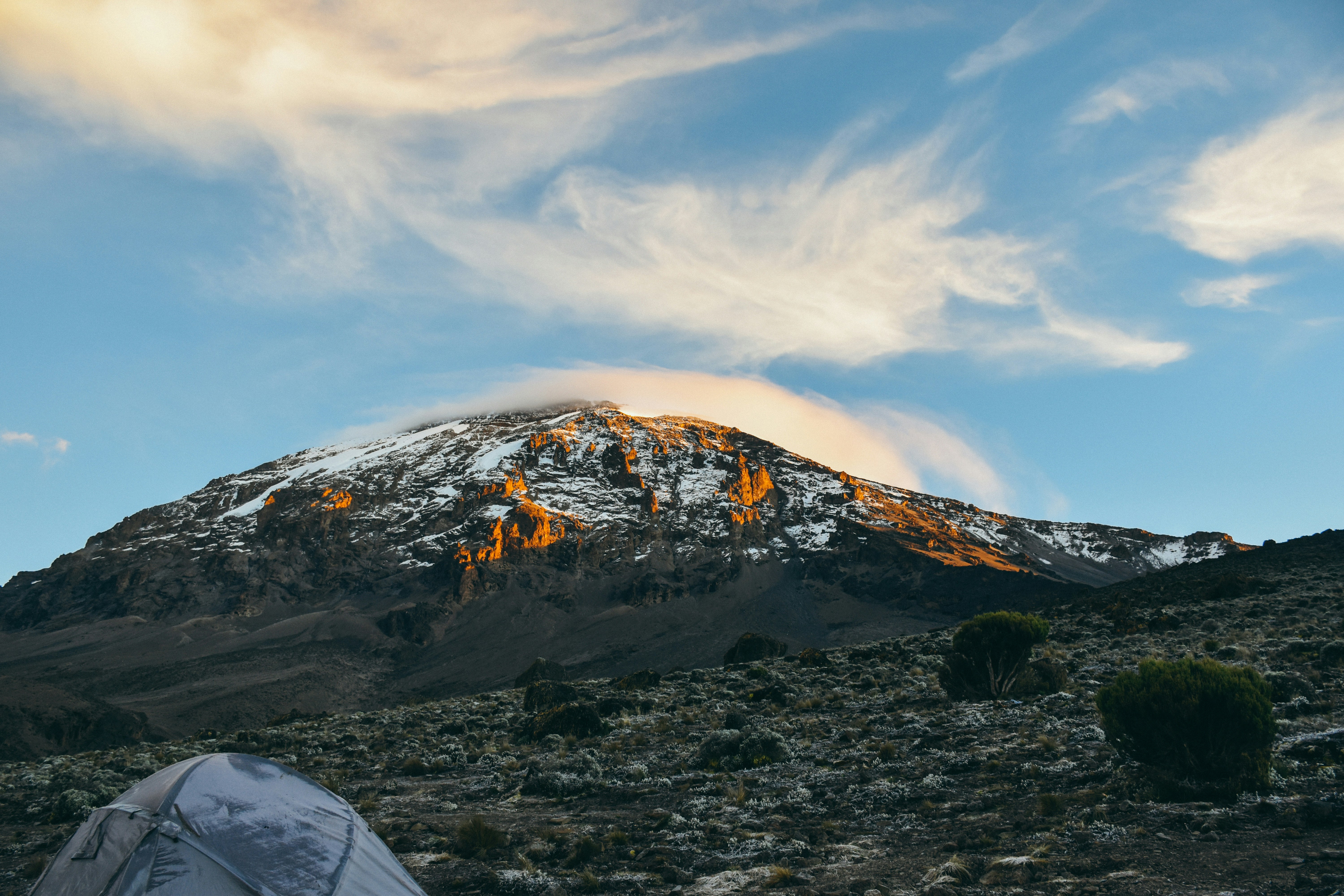
Today you climb through barren alpine desert and leave the last vegetation and water behind. The ground is loose volcanic scree, and the air feels noticeably thinner with each hour. Barafu Camp is an exposed, windswept spot on a rocky ridge and the final camp before the summit. You arrive with time to eat, rest and sort your summit kit before an early night, because the wake-up call comes before midnight. Breakfast, lunch and dinner are included.

Meals:Breakfast, Lunch, Dinner
Alpine desert ascentLast vegetation left behindBarafu summit base campExposed ridge camp
5
Day 5

Barafu Camp (4,673 m) to Uhuru Peak (5,895 m) to Mweka Camp (3,068 m)

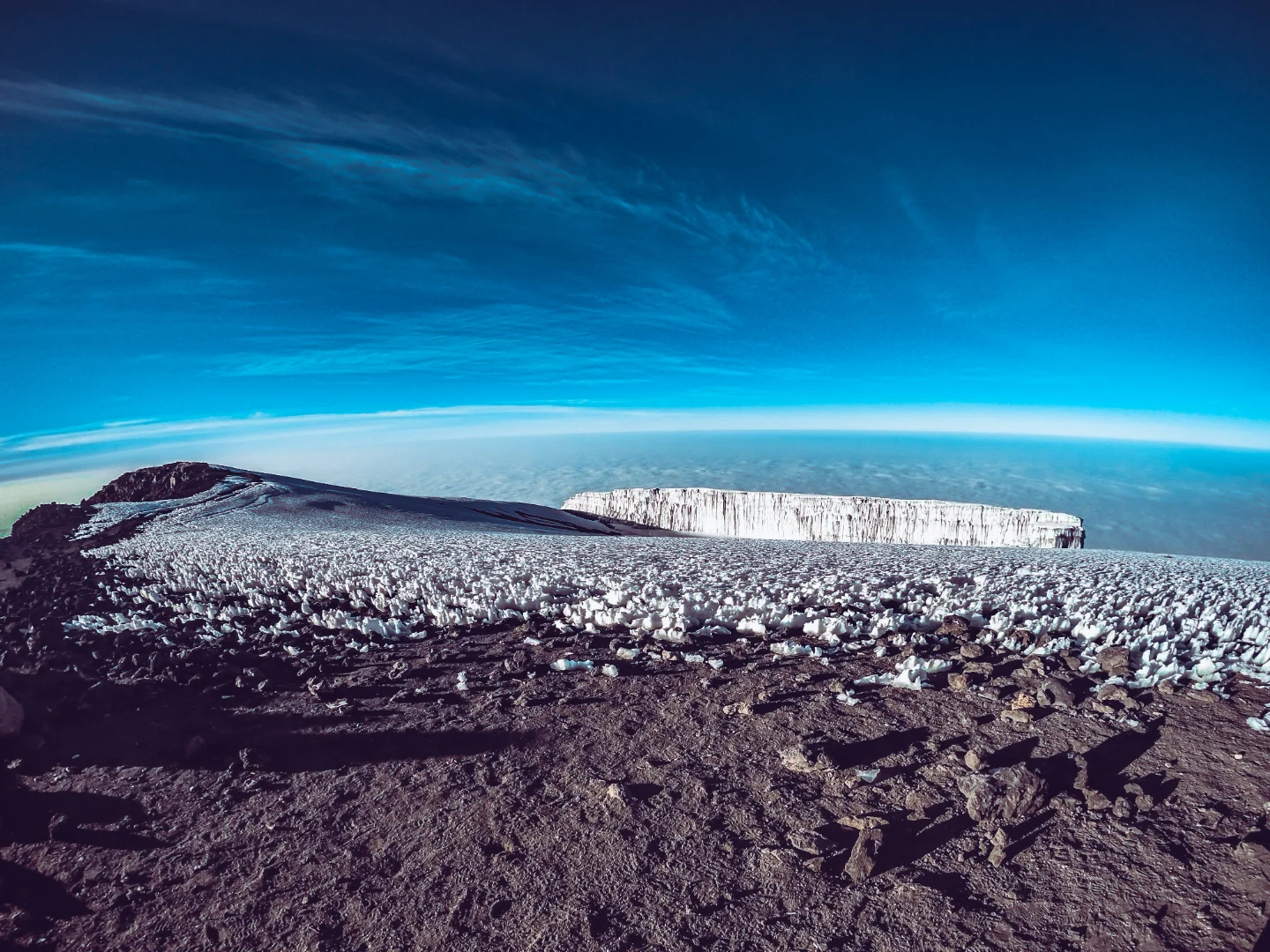
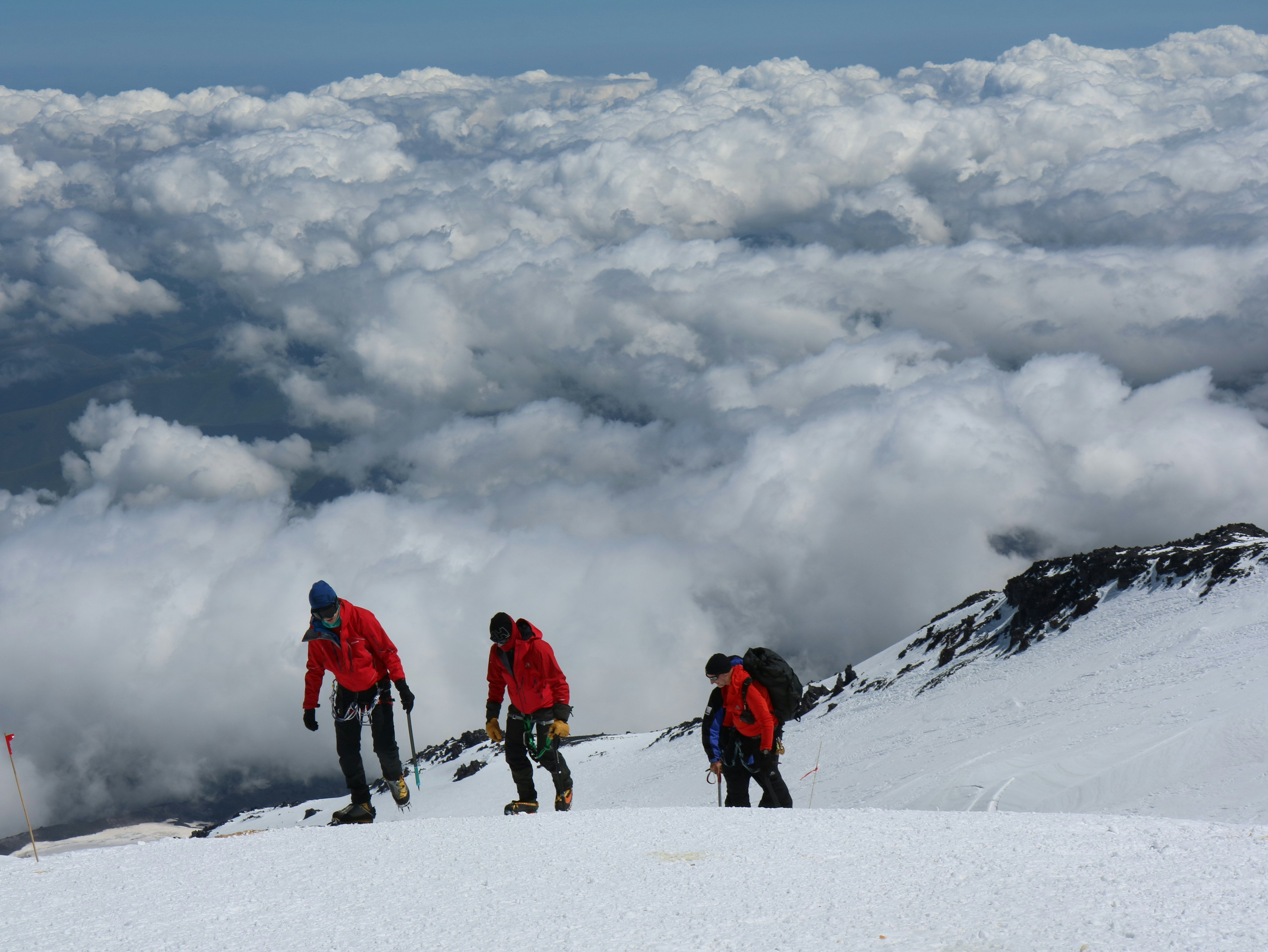
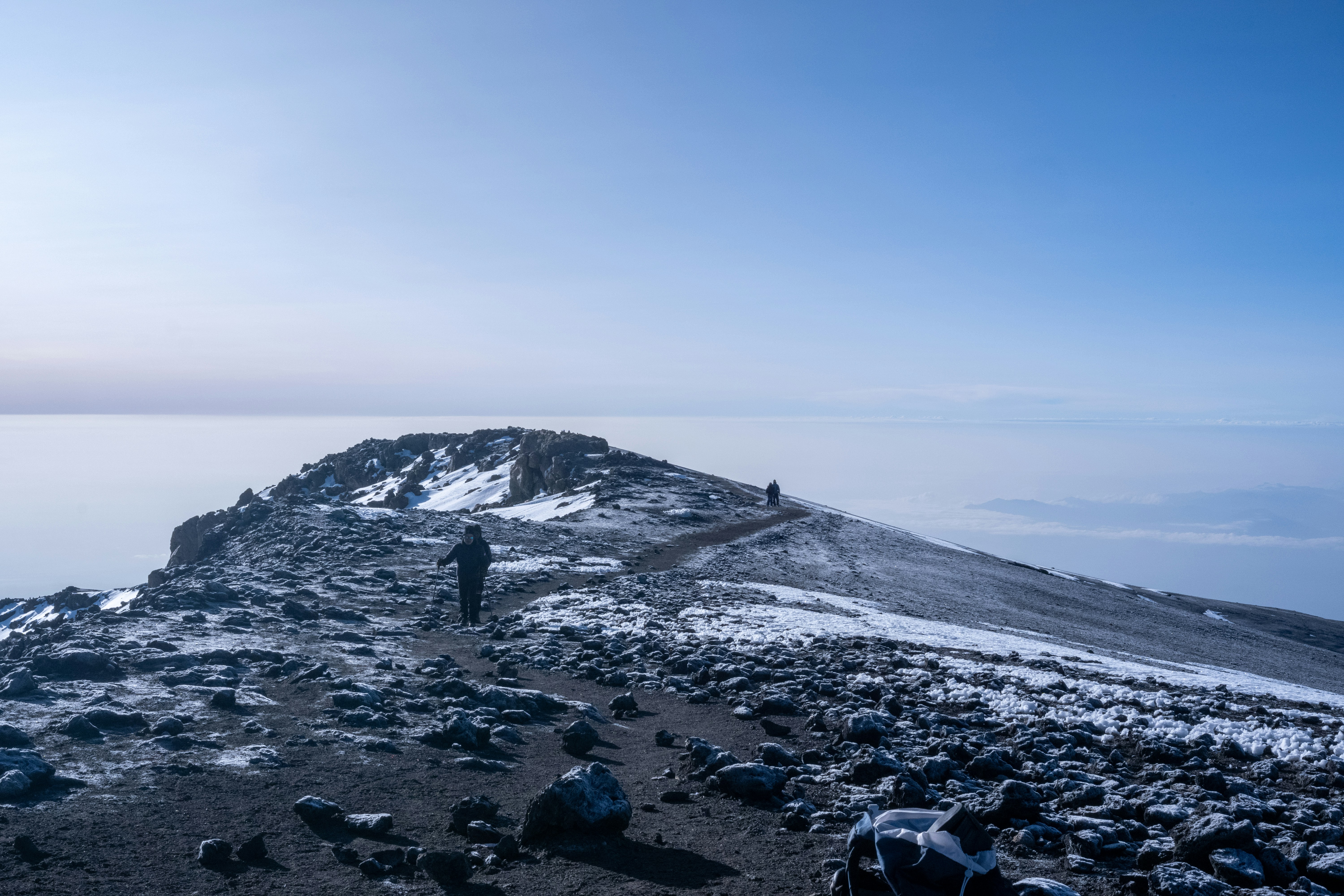
You leave Barafu around midnight and climb through darkness and bitter cold, switchbacking up steep scree toward the crater rim. Reaching Stella Point puts you on the edge of the crater. From there it's a final traverse to Uhuru Peak, the highest point in Africa. After photos at the top, the descent begins, and it's a long one: more than 2,800 metres down to Mweka Camp in the forest. It's the hardest day of the climb. Breakfast, lunch and dinner are included, and you sleep at Mweka Camp.

Meals:Breakfast, Lunch, Dinner
Midnight summit pushStella Point crater rimUhuru Peak (5895m) — Roof of Africa2800m descent in one day
6
Day 6

Mweka Camp (3,068 m) to Mweka Gate (1,640 m)

The last morning is an easier walk down through tropical rainforest. The air gets thicker and warmer as you drop, and you'll hear birdsong in the canopy again after days above the trees. Your knees will notice the descent, so poles help here too. At Mweka Gate you receive your summit certificate and celebrate the climb with your crew before saying goodbye. A transfer then takes you to your hotel. Breakfast is included.

Meals:Breakfast
Rainforest descentSummit certificate ceremonyCrew celebration and farewellTransfer to hotel
Safari Route Map

Route map unavailable

Contact us for detailed route information

Plan Your Safari

Dates & Pricing

Tailored quote

Designed around your journey

Tell us your dates and group size and our safari specialist will prepare a personal quote.

Departure

Contact us to discuss the best available travel dates for this safari.

What's Included

Your Safari Package

Complete Safari Package
  • Technical climbing guides
  • Advanced safety equipment
  • Premium camping gear
  • All climbing permits
  • Technical route support
  • Emergency rescue insurance
  • Small group luxury service
Not Included
  • International travel
  • Specialized climbing insurance
  • Personal technical gear
  • Professional guide tips
  • Entry visa fees
  • Personal expedition costs

We'll always tell you exactly what your safari covers before you pay. Need help with flights, visas, or insurance? Just ask — we arrange it all.

Safari Value Summary
Total Inclusions
7 Items
Meals Included
15 Meals
Accommodation
5 Nights
Game Drives
8+ Drives
Safari Days
6 Days
All-Inclusive Experience

Our safari package includes everything you need for an unforgettable adventure. No hidden costs or surprise charges.

Prefer it tailor-made? Design your safari
Independent Reviews

What Travellers Say About Us

Reviews of our safaris on independent platforms, from guests who travelled with our Arusha team.

Good to Know

6-Day Umbwe Route Climb: Frequently Asked Questions

How does acclimatisation work on the 6-day Umbwe Route?

Acclimatisation is limited, and that's the main challenge. You climb from Umbwe Gate (1,600 m) to Umbwe Cave Camp (2,850 m), then more than 1,100 metres to Barranco Camp (3,960 m). Day three to Karanga Camp (3,995 m) is a near-level day that helps, before Barafu Camp (4,673 m) and summit night. A longer route gives more time to adjust.

What are the camps and altitudes on the Umbwe Route?

You sleep at Umbwe Cave Camp (2,850 m) beneath a rock overhang, Barranco Camp (3,960 m) below the Barranco Wall, Karanga Camp (3,995 m) beside a seasonal stream and Barafu Camp (4,673 m) on an exposed ridge. After the summit you spend the last night at Mweka Camp (3,068 m) in the forest.

What is summit night like on Umbwe?

You leave Barafu Camp around midnight and climb steep scree switchbacks in darkness and bitter cold to Stella Point on the crater rim. From there you walk on to Uhuru Peak at 5,895 m. The descent is long, dropping more than 2,800 metres to Mweka Camp, so it's the most demanding day of the climb by some way.

What is the Barranco Wall?

The Barranco Wall is a steep rock face you scramble up on the morning of day three, using hands and feet. It's non-technical, and your guide shows you where to step. From the top there are fine views of the southern icefields. From Barranco onwards Umbwe follows the same line as the Machame route to Karanga and Barafu.

Where does the Umbwe climb start and finish?

The climb starts at Umbwe Gate (1,600 m) on the southern side of Kilimanjaro and finishes at Mweka Gate (1,640 m). There you receive your summit certificate and transfer to your hotel. Most climbers fly into Kilimanjaro International Airport, and our Arusha team arranges the transfers either side of the climb.

Should I choose Umbwe or a longer Kilimanjaro route?

Choose Umbwe only if you've climbed at high altitude before and know how your body responds. If this is your first high mountain, a longer route with more time to acclimatise is usually the better choice. Our Arusha team can talk through your experience honestly and help you decide before you commit.

What should I pack for the Umbwe Route?

Pack for steep, muddy forest and a freezing summit night: broken-in waterproof boots, trekking poles, thermal base layers, a fleece, an insulated jacket, a waterproof shell, warm gloves, a hat and a headlamp. Gloves with good grip help on the Barranco Wall. Personal gear is your responsibility, and we can advise on hire.

Do I need a visa and vaccinations to climb Kilimanjaro?

Most visitors need a Tanzanian tourist visa, which you can get through the official eVisa portal before you travel or on arrival at the airport. A yellow fever certificate is required if you arrive from, or transit through, a country with yellow fever risk. Speak to a travel clinic a few weeks before you fly.

How long is the 6-Day Umbwe Route Climb?

The 6-Day Umbwe Route Climb is 6 days and 5 nights. The day-by-day itinerary on this page shows where you go and stay each day.

Which parks and places does the 6-Day Umbwe Route Climb visit?

This trip visits Mount Kilimanjaro.

How difficult is the 6-Day Umbwe Route Climb?

It is rated very demanding: best suited to fit, experienced hikers.

What is the group size on the 6-Day Umbwe Route Climb?

It runs for groups of 2 to 8 travellers.

What is included in the 6-Day Umbwe Route Climb?

Included: Technical climbing guides, Advanced safety equipment, Premium camping gear, All climbing permits, Technical route support, Emergency rescue insurance and Small group luxury service.

What is not included in the 6-Day Umbwe Route Climb?

Not included: International travel, Specialized climbing insurance, Personal technical gear, Professional guide tips, Entry visa fees and Personal expedition costs.

Your safari is waiting

Join thousands of travelers who have experienced the magic of Africa's wildlife with us.