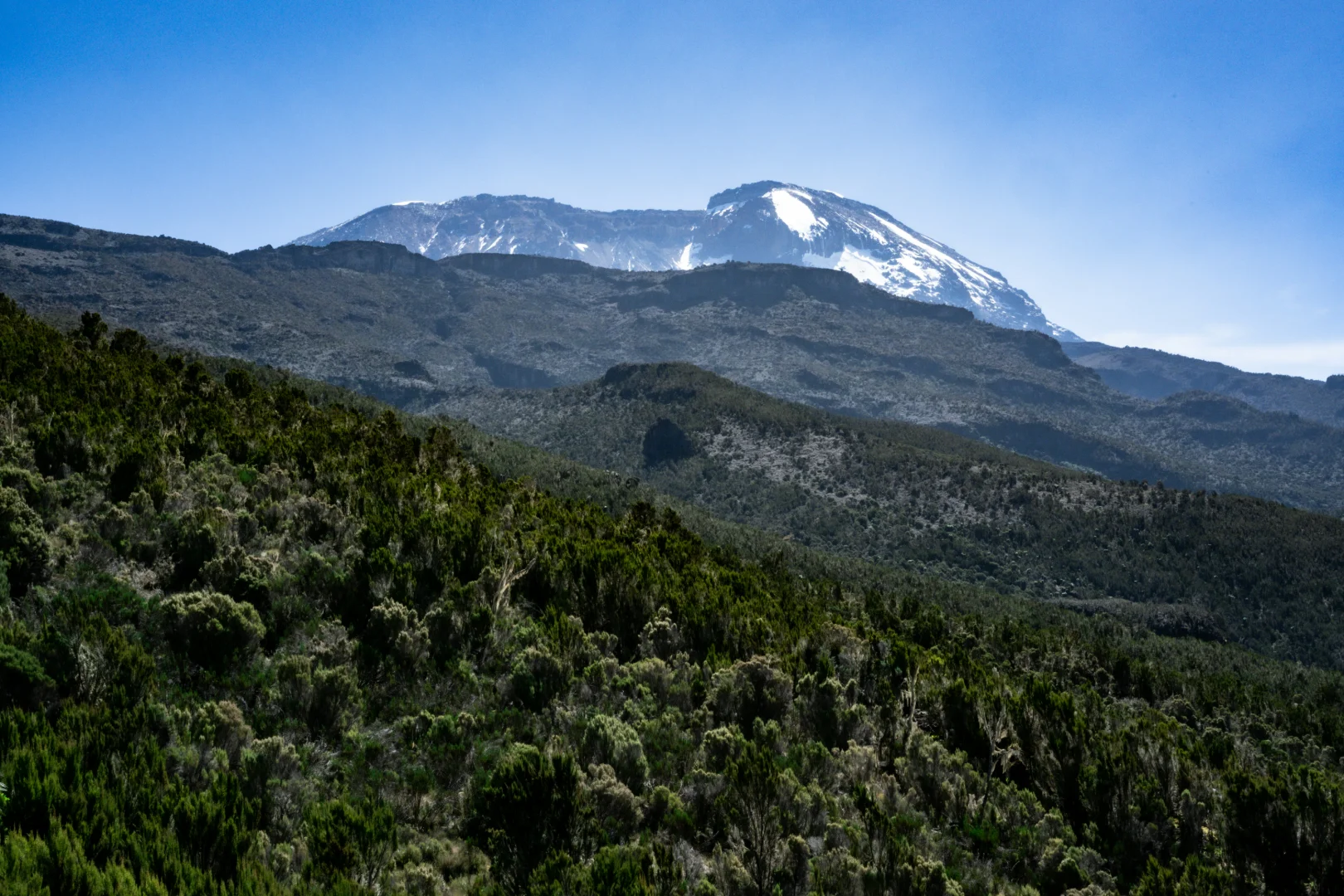
7 days
Machame Route
From $2,950
85% summit success
View route
Mount Kilimanjaro · 5,895 m
Stand on the Roof of Africa with a local crew that gets you there safely. 7 routes, summit success up to 95%, all-inclusive from $2,450.
The short answer
Climbing Kilimanjaro costs from $2,450 per person with us, all-inclusive, and takes 6–9 days. No technical skills are needed: it's a trek, not a climb. Choose 7 days or more for the best summit odds, and go January–March or June–October for the driest weather.
Route finder
Answer three quick questions, or tell us about yourself in your own words. We rank every route on the things that decide a good climb.
Your top 3 routes appear here
Ranked on summit success, acclimatisation days, scenery, crowds and price, weighted by what you tell us.
7 routes to the summit
Longer routes cost a little more but give your body time to adjust to altitude, and that is what gets people to the top.
7 days
From $2,950
85% summit success
View route
Best value
6 days
From $2,450
65% summit success
View route
Most scenic
8 days
From $3,190
90% summit success
View route
7 days
From $2,899
75% summit success
View route
Highest success
9 days
From $3,850
95% summit success
View route
6 days
From $2,899
60% summit success
View route
7 days
From $2,799
70% summit success
View route
Why climb with us
You don't need to have been at altitude before. What gets people to the top is pace, preparation and a crew that knows the mountain.
Included on every climb
Pulse-oximeter health checks on the mountain, emergency oxygen on every climb, and guides who watch for signs of altitude sickness every day.
Licensed local guides, a mountain cook and porters who carry your kit, so all you carry is a daypack.
No climbing skills needed. We pace the climb for your body and recommend itineraries with the days you need to acclimatise.
Park, camping and rescue fees, meals, camping gear and your mountain crew are included, and every route page lists exactly what isn't.
When to climb
Kilimanjaro can be climbed all year. The dry seasons, January to March and June to October, give the clearest summits and the most reliable trails.
July
Best for climbing
Peak season: dependable dry weather. Book early for the best dates.
Low rainfall
Five worlds in one week
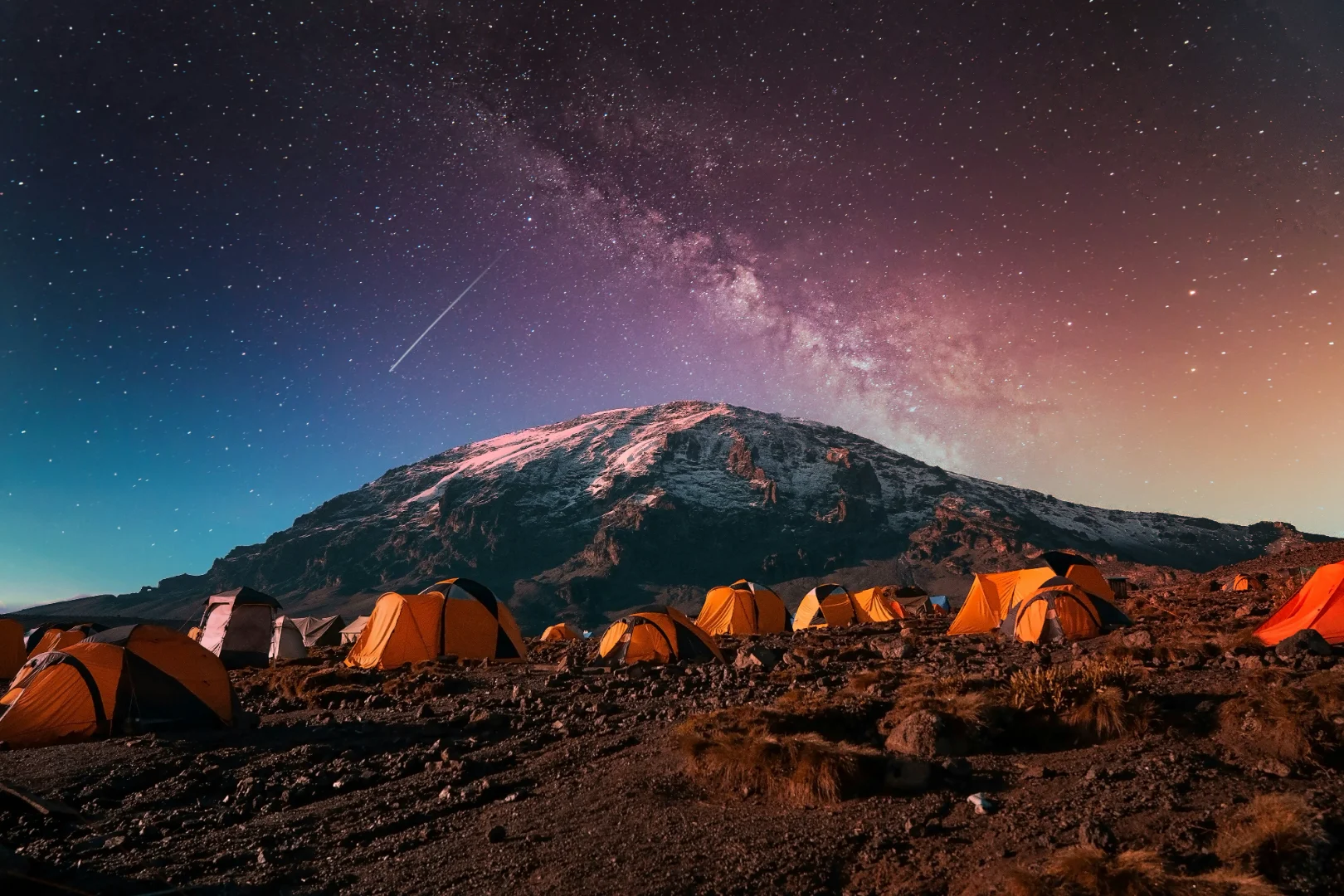
Every route climbs through five ecological zones, from farmland to the arctic summit. It's like walking from the equator to Antarctica in a week, so pack in layers.
Questions
Climbing Kilimanjaro typically costs between $2,450 to $6,000+ per person depending on the route, duration, and service level. Our all-inclusive packages start from $2,450 and include park fees ($70/day), professional TATO-licensed guides, porters (3:1 ratio), camping equipment, all meals on the mountain, and emergency evacuation insurance. Budget for an additional $250-350 in tips for guides and porters.
The best route depends on your priorities. The Lemosho Route (8 days, 90% success rate) offers the best combination of scenery and acclimatization. The Northern Circuit (9 days, 95% success rate) has the highest success rate. The Machame Route is most popular for its stunning views, while Marangu is the only route with hut accommodation.
Kilimanjaro climbs range from 5 to 9 days depending on the route. We recommend routes of 7+ days for better acclimatization and higher success rates. The Northern Circuit is the longest at 9 days, while Marangu and Umbwe can be done in 5-6 days (though with lower success rates).
Kilimanjaro is generally safe when climbed with experienced guides and proper preparation. The main risks are altitude sickness (which proper acclimatization prevents), weather exposure, and falls. Our guides carry emergency oxygen, first aid equipment, and have evacuation protocols. The overall fatality rate is very low at approximately 0.03%.
No technical climbing experience is required for Kilimanjaro - it is a trek, not a technical climb. However, you should be in good physical condition, able to walk 4-8 hours per day for multiple days. We recommend cardio training (hiking, running, cycling) for 2-3 months before your climb.
The best times to climb Kilimanjaro are during the dry seasons: January-March and June-October. These periods offer the clearest skies, best visibility, and highest success rates. June-October is the most popular (and busiest) season. January-March is equally good with slightly fewer crowds.
Start planning
Tell us roughly when and who's coming. A Kilimanjaro specialist replies within 24 hours with dates, a full price and honest advice on the right route.