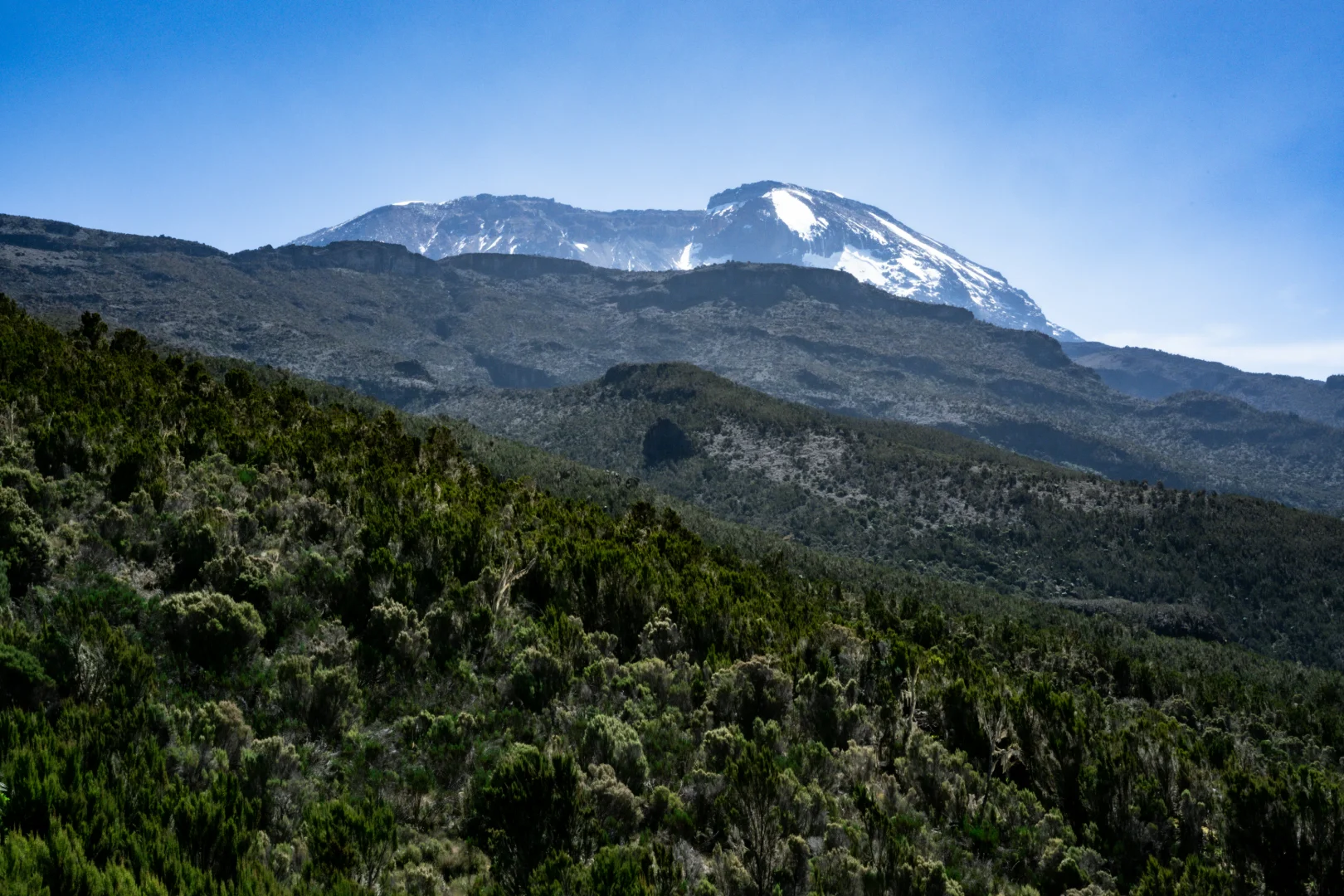
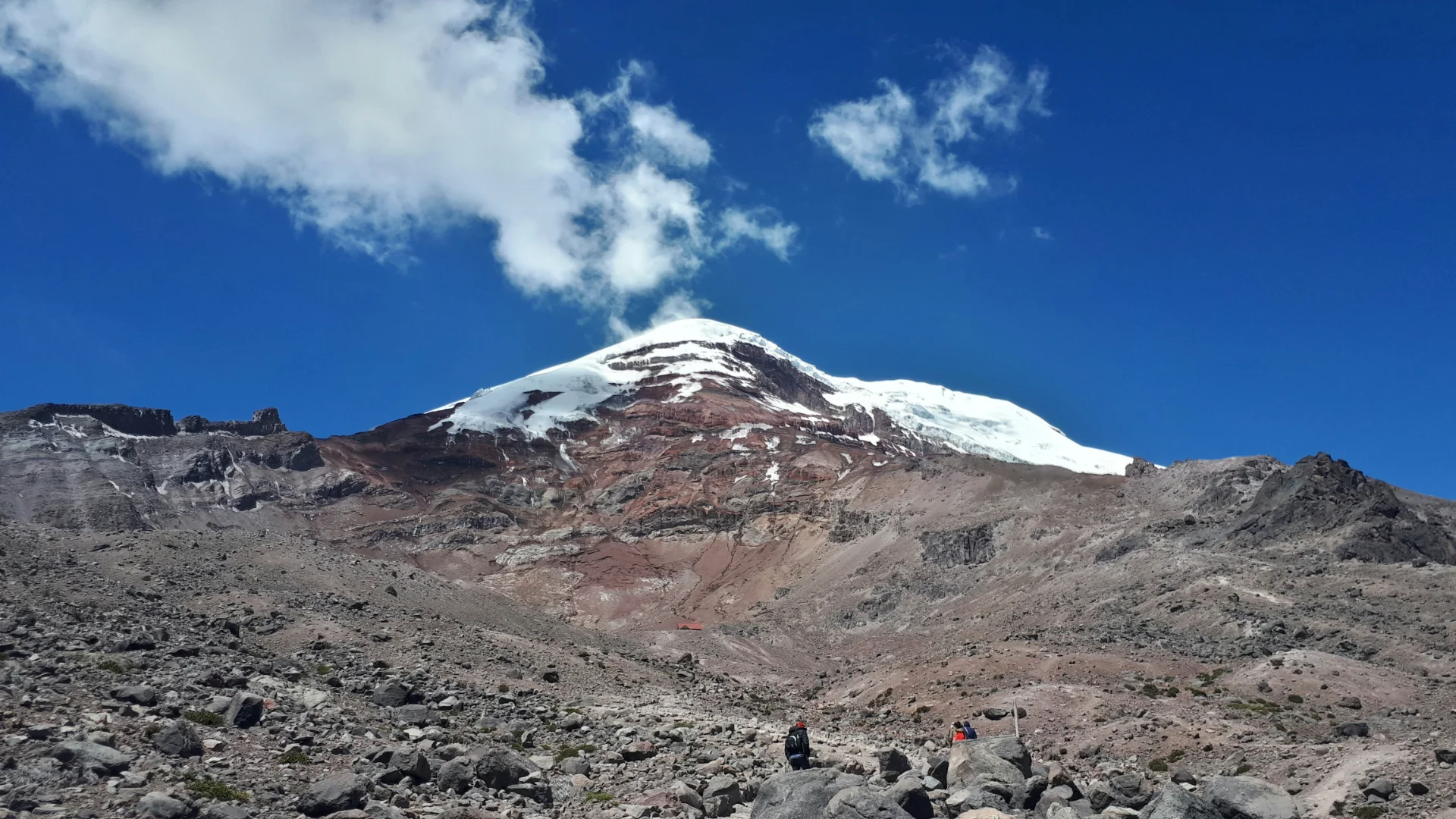
The ultimate Kilimanjaro experience offering the longest route to Uhuru Peak. This premium 9-day expedition makes a 360-degree circumnavigation providing perspectives fewer than 5% of climbers witness. Beginning via Lemosho through rainforest to Shira Plateau, the route veers north to traverse the mountain's remote northern slopes in wilderness solitude. Days three through five showcase unique northern terrain with lunar landscapes, volcanic ash fields, and rock formations. You'll pass beneath northern ice fields while enjoying unprecedented solitude - encountering no other parties for days. Northern views extend across Kenyan plains toward Mount Kenya. The routing brilliance lies in altitude profile: nine days allow exceptionally gradual gain with multiple "climb high, sleep low" cycles. This extended acclimatization produces an exceptional 95% success rate - Kilimanjaro's highest. By summit night, those nine days of preparation make the critical difference. Summit approaches from the east with a steady push to Uhuru Peak (5,895m). For serious mountaineers who understand the journey matters as much as the summit.
Side-by-side comparison of all Kilimanjaro routes
| Route | Duration | Distance | Difficulty | Success Rate | Scenery | From Price |
|---|---|---|---|---|---|---|
| Machame Route | 6 | moderate | 85% |
Essential gear for your Kilimanjaro climb. Pack smart — your porters carry up to 15kg.
Follow this 12-week training plan to arrive summit-ready
Build aerobic base
Everything you need to know about climbing Kilimanjaro via the Kilimanjaro Northern Circuit
The Kilimanjaro Northern Circuit is rated as "moderate" difficulty. It spans over 9, reaching a maximum altitude of . The 95% success rate reflects this difficulty level. This route is suitable for fit beginners with proper preparation.
Compare different paths to the summit
Begin at Londorossi Gate on the western side of Kilimanjaro and drive to the Lemosho trailhead. Hike through lush, pristine rainforest to Mti Mkubwa (Big Tree) Camp. The forest canopy is thick and atmospheric.
The Northern Circuit is the longest route on Kilimanjaro — there is no rush. Enjoy the peaceful forest start.
Ascend from forest through heath and onto the Shira Plateau. The route is the same as the Lemosho approach for the first two days. The vast plateau stretches ahead with Kibo looming to the east.
Here the Northern Circuit diverges from other routes. Instead of heading to Lava Tower, you turn north and traverse below the glaciers on the remote northern flanks of Kibo. Moir Hut sits in a dramatic rocky valley with virtually no other trekkers.
Continue the northern traverse through the most remote section of the mountain. The trail passes through alpine desert with unique views of the northern icefields and glaciers that few trekkers ever see. Buffalo (Cape eland) sometimes roam this area.
Continue the northern traverse eastward, gradually descending slightly. The landscape is barren and volcanic, with views toward Kenya and the Amboseli plains to the north. You rejoin the area used by the Rongai route near Third Cave.
Ascend from Third Cave to School Hut at the base of the Kibo cone. The trail crosses the upper saddle and the landscape becomes increasingly barren. This is your final camp before the summit attempt.
An additional rest day at School Hut to let your body fully adjust before the summit push. Take a short walk toward the Kibo crater rim or simply rest in camp. The extra acclimatisation day is a key advantage of the 9-day Northern Circuit.
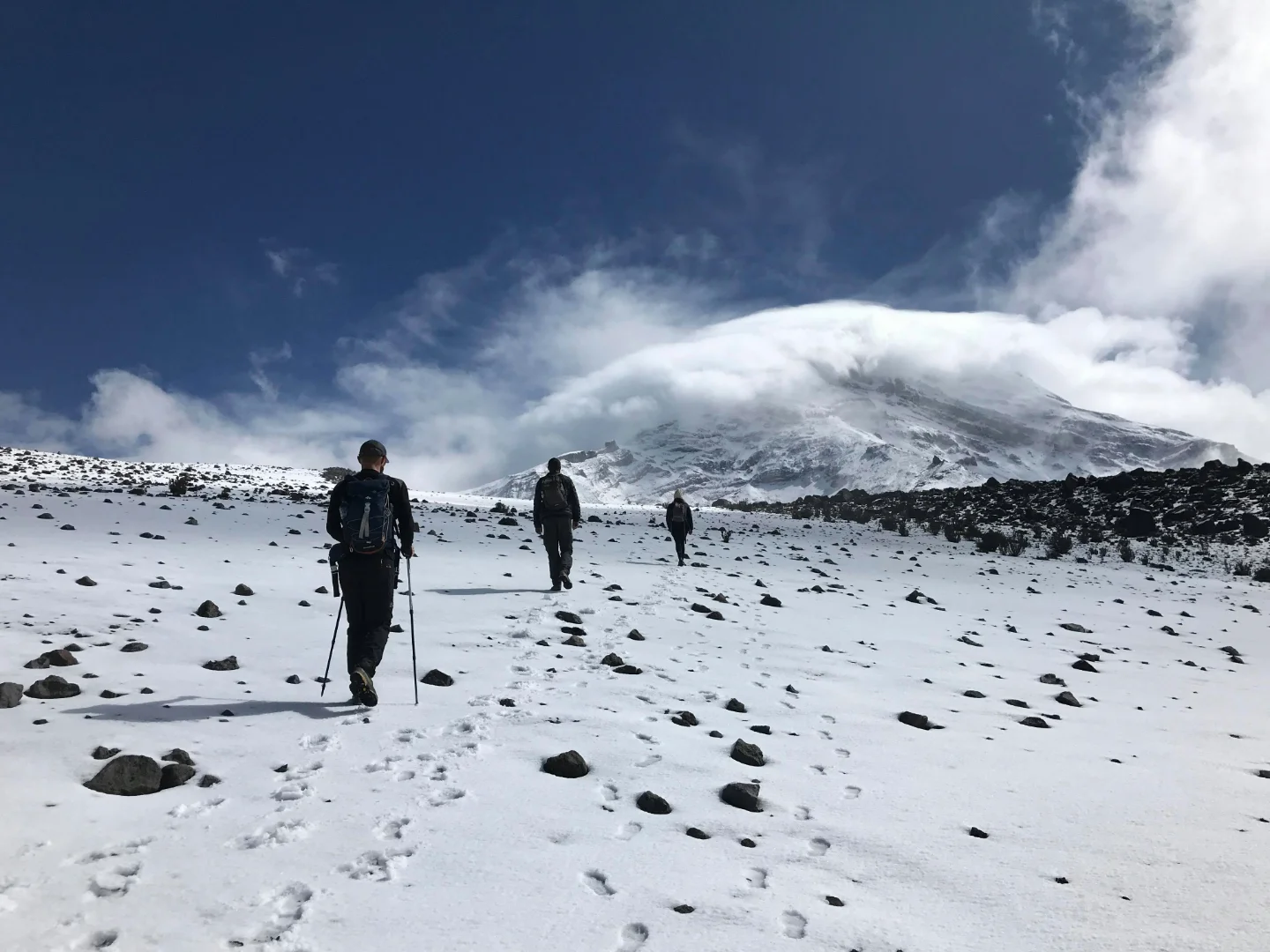
The summit push departs around midnight. Climb steep scree switchbacks to Gilman's Point (5,681 m) on the crater rim, then traverse to Stella Point and Uhuru Peak (5,895 m). After the summit, descend to Barafu and continue down to Mweka Camp.
The final descent through rainforest to Mweka Gate. After nine days on the mountain, the lush greenery and birdsong feel like a welcome home. Collect certificates, tip the crew, and celebrate completing the longest route on Kilimanjaro.
Longest route at 9 days — requires significant time commitment
Most expensive route due to extended duration
Remote northern slopes have limited rescue access
Long distances between some camps (up to 14km/day)
| $3,470 |
| Marangu Route | 5 | moderate | 65% | $2,750 |
| Lemosho Route | 7 | moderate | 90% | $3,560 |
| Rongai Route | 6 | moderate | 75% | $2,899 |
| Kilimanjaro Northern Circuit | 9 | moderate | 95% | $4,350 |
| Umbwe Route | 6 | moderate | 60% | $2,899 |
| Shira Route | 7 days | 62 km | moderate | 70% | $2,799 |
Build endurance and leg strength
Peak training and taper
The Kilimanjaro Northern Circuit has a 95% summit success rate, which is one of the highest among Kilimanjaro routes. This is due to the 9 itinerary allowing excellent acclimatization time.
The Kilimanjaro Northern Circuit expedition starts from $4,350 per person. This all-inclusive price covers park fees, professional guides, porters, camping equipment, meals, and emergency evacuation insurance.
The best months for the Kilimanjaro Northern Circuit are . These periods offer the driest conditions and clearest skies for summit attempts.
The standard Kilimanjaro Northern Circuit itinerary is 9, covering . This duration is optimal for acclimatization, giving you the best chance of reaching Uhuru Peak.
Yes, the Kilimanjaro Northern Circuit is suitable for beginners with good fitness. All climbers should prepare with cardio training 2-3 months before the expedition.
The long day across the Shira Plateau can feel exposed — bring sun protection and a wind layer.
You will likely be the only group at Moir Hut — enjoy the solitude. Take short acclimatisation walks in the afternoon.
This is an excellent acclimatisation day — you are walking at altitude without significant elevation change. Stay hydrated and well-fed.
Sleep low tonight before climbing high tomorrow — your body will appreciate the 'walk high, sleep low' benefit after days at altitude.
Arrive early, eat well, and try to sleep by late afternoon. You will be woken around 11 PM for the summit push.
Focus on eating, drinking, and resting. Mental preparation is just as important as physical — visualise reaching the summit.
After 9 days of acclimatisation your body is well prepared — trust the process. Move steadily and do not stop for long in the cold.
Savour the final walk — you have just completed the most scenic and comprehensive route on Kilimanjaro.