9-Day Northern Circuit Climb
Mountain Trekking · Trip EA-A073

9-Day Northern Circuit Climb

Duration9days
Levelchallenging
Scroll

Last updated:

Safari Overview

Your Journey

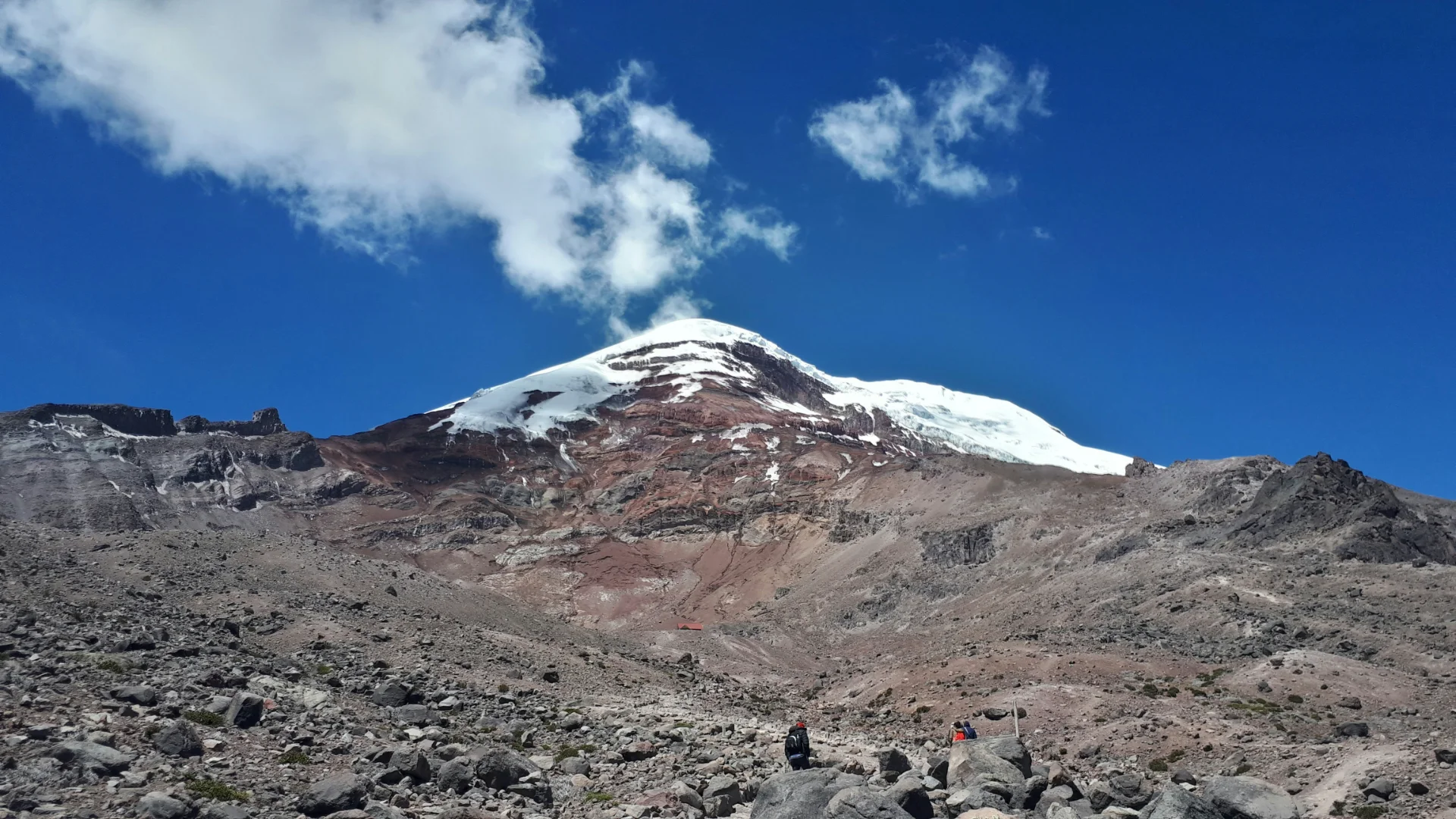
The Kilimanjaro Northern Circuit, 9 days from gate to gate, is the longest route on the mountain. It starts at Londorossi Gate on the western slopes, crosses the Shira Plateau, then swings north around Kibo on trails where you may not see another group for days. You only turn toward the summit after circling most of the mountain. It's for fit trekkers who want a slow, gradual acclimatisation profile and value quiet as much as the top.

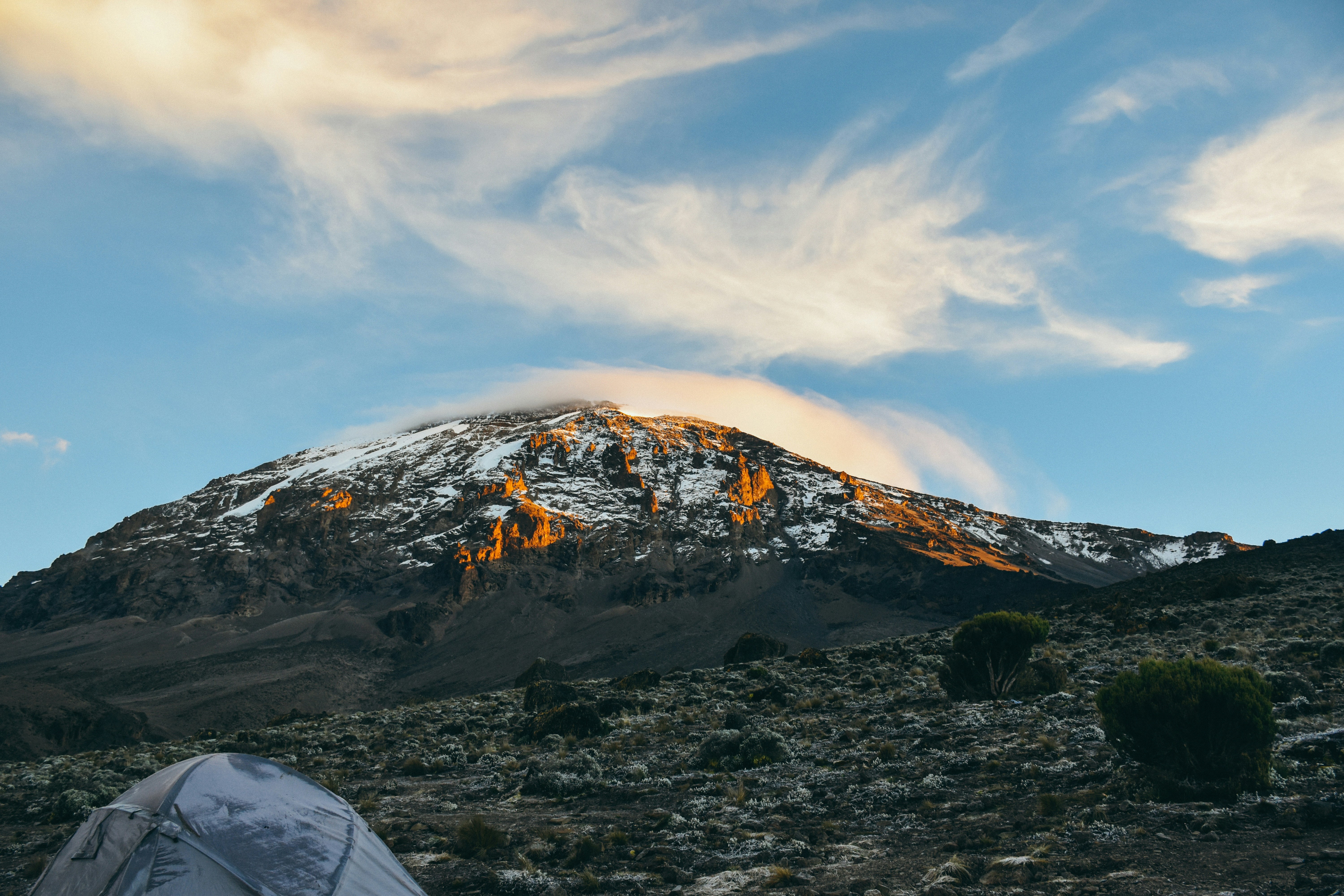
Day one climbs through montane forest to Mti Mkubwa camp at 2895m. Day two leaves the trees for the heather moorland of the Shira Plateau and Shira 2 Camp. From there the route parts company with the busier trails and heads north to Moir Hut, then traverses the remote northern slopes through Buffalo (Pofu) Camp and Third Cave, with views out to the Kenyan plains and the Amboseli basin. Day six crosses the Saddle between Mawenzi and Kibo to School Hut at 4750m.

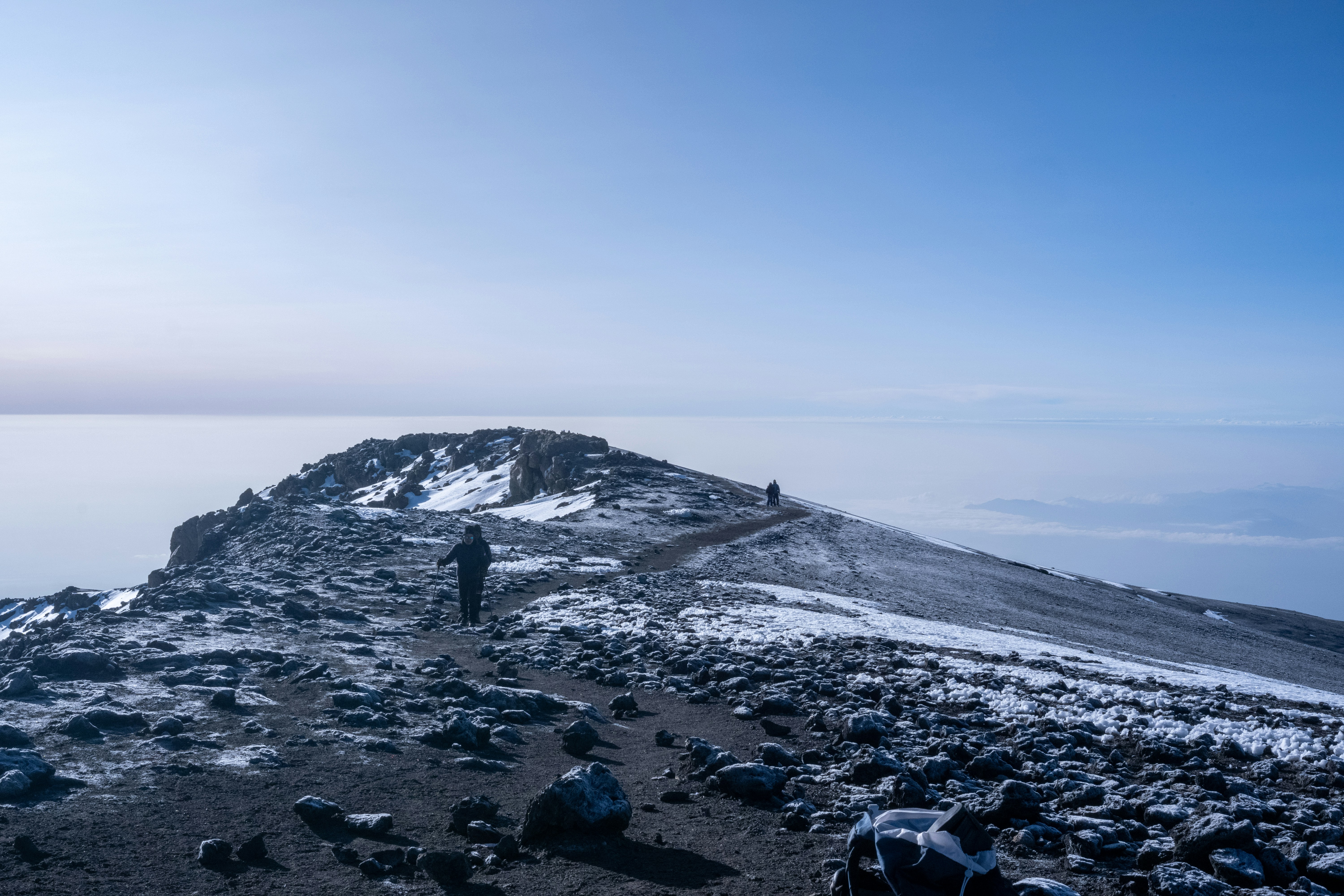
What sets the route apart is day seven, a full acclimatisation day at School Hut with short walks and a summit briefing. You leave around midnight, climb scree by headlamp to the crater rim and reach Uhuru Peak at 5895m as dawn breaks. Then it's a long descent to Mweka Camp and, on the last morning, down through the rainforest to Mweka Gate. Our Arusha team can advise on training and the best months to climb.

Share This Safari
Safari Highlights
  • Remote northern traverse where other groups are rare
  • Heather moorland and giant groundsels on the Shira Plateau
  • Views north to the Kenyan plains and Amboseli basin
  • Full acclimatisation day at School Hut before the summit
  • Dawn on the crater rim at Uhuru Peak, 5895m
  • Final walk down through rainforest to Mweka Gate
9-Day Northern Circuit Climb Safari Overview
Featured9-Day Northern Circuit Climb

Comparing routes? Read our Kili Northern Circuit guide for the altitude profile, summit success rate and a day-by-day breakdown of the route.

Day-by-Day Itinerary

Your Safari Unfolds

Your 9-day adventure across Africa's most spectacular wilderness areas

1
Day 1

Londorossi Gate to Mti Mkubwa Camp (2895m)

You drive to Londorossi Gate on the western side of Kilimanjaro, where the climb begins. The first stretch on foot runs through dense montane forest, shaded and cool, with moss-draped trees and ferns along the trail. Keep an eye on the canopy, as the forest is good for birds and primates. The path climbs gently, which makes it an easy first day for your legs. Camp tonight is Mti Mkubwa, which means 'Big Tree', in a small clearing ringed by tall Podocarpus trees at 2895m. Meals: lunch and dinner.

Meals:Lunch, Dinner
Londorossi Gate — western approachDense montane forestEndemic birdlife and primatesMti Mkubwa forest camp
2
Day 2

Mti Mkubwa Camp (2895m) to Shira 2 Camp (3840m)

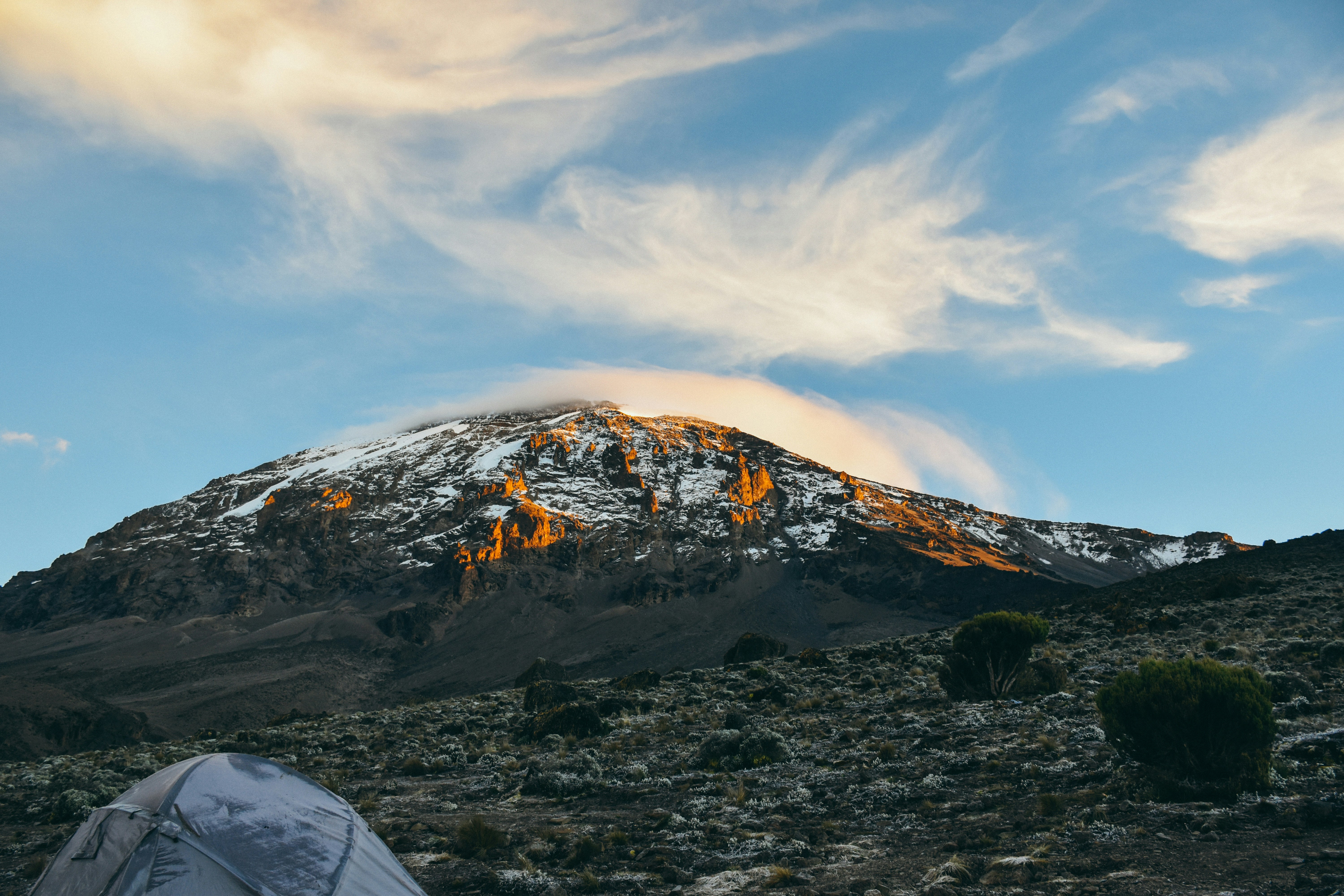
The trail climbs out of the forest and onto the Shira Plateau, one of Kilimanjaro's ancient collapsed calderas. Heather moorland stretches out in every direction, and giant groundsels start to appear as you gain height. After the shade of the forest it's an open, exposed day, so keep your sun hat and sunscreen handy. Shira 2 Camp, at 3840m, looks east to the Kibo summit cone. It's your first proper view of where you're heading. Meals: breakfast, lunch and dinner.

Meals:Breakfast, Lunch, Dinner
Shira Plateau — ancient calderaHeather moorland crossingGiant groundselsKibo summit views
3
Day 3

Shira 2 Camp (3840m) to Moir Hut (4200m)

This is where the Northern Circuit leaves the other routes. Instead of heading east toward Lava Tower, you turn north around the mountain. The ground becomes alpine, with volcanic rock formations and sparse plants, as the trail climbs to Moir Hut at 4200m. From here on you're on the most remote and least-used section of Kilimanjaro, and other climbers become scarce. Moir Hut is your highest camp so far and an early step in the slow acclimatisation profile. Meals: breakfast, lunch and dinner.

Meals:Breakfast, Lunch, Dinner
Northern traverse beginsMost remote route on KilimanjaroAlpine volcanic formationsMoir Hut camp
4
Day 4

Moir Hut (4200m) to Buffalo/Pofu Camp (4070m)

Today's walk contours around the remote northern slopes, through country very few climbers see. On clear days the views reach north across the Kenyan plains to the Amboseli basin, and you see Kibo from an angle the southern routes don't offer. Buffalo Camp, also called Pofu Camp, sits at 4070m, a little lower than Moir Hut, which helps your body adjust. It's one of the quietest campsites on Kilimanjaro. Meals: breakfast, lunch and dinner.

Meals:Breakfast, Lunch, Dinner
Remote northern slopes traversePanoramic views to Kenya and AmboseliQuietest campsite on KilimanjaroUnique northern perspective of Kibo
5
Day 5

Buffalo/Pofu Camp (4070m) to Third Cave (3870m)

You carry on along the northern traverse through the least-visited part of the mountain, where meeting another trekking group is rare. The ground is stark volcanic terrain, with old lava flows and rock formations worn down over millennia of erosion. Third Cave camp sits under a rocky overhang on the north-east flank at 3870m. Sleeping lower again is deliberate: it gives you one more easier night before the climb onto the high Saddle. Meals: breakfast, lunch and dinner.

Meals:Breakfast, Lunch, Dinner
Quietest section of KilimanjaroAncient lava flows and formationsPristine wilderness experienceThird Cave rocky overhang camp
6
Day 6

Third Cave (3870m) to School Hut (4750m)

Today crosses the Saddle, the barren alpine desert between Mawenzi and Kibo. It's a wide expanse of volcanic gravel where plants have all but disappeared, and it feels more like walking on the moon than on a mountain in Africa. The air is thin up here, so every step is slow and deliberate. School Hut sits at the base of the summit cone at 4750m, with views back to the jagged pinnacles of Mawenzi. You sleep here for two nights. Meals: breakfast, lunch and dinner.

Meals:Breakfast, Lunch, Dinner
The Saddle — alpine desertLunar volcanic landscapeSchool Hut base campMawenzi Peak views
7
Day 7

Acclimatisation Day at School Hut (4750m)

An extra day at School Hut, and the main reason this route gives you such a gradual climb. You don't sit still all day: short walks around camp and toward the lower slopes of the summit cone keep you active without wearing you out. The rest of the time is for resting, eating and drinking plenty of water. Your guides go over the summit plan and check your kit, and you turn in early for the midnight start. Meals: breakfast, lunch and dinner.

Meals:Breakfast, Lunch, Dinner
Extra acclimatization for summit successShort acclimatization walksSummit briefing and gear checkRest and preparation day
8
Day 8

School Hut (4750m) to Uhuru Peak (5895m) to Mweka Camp (3068m)

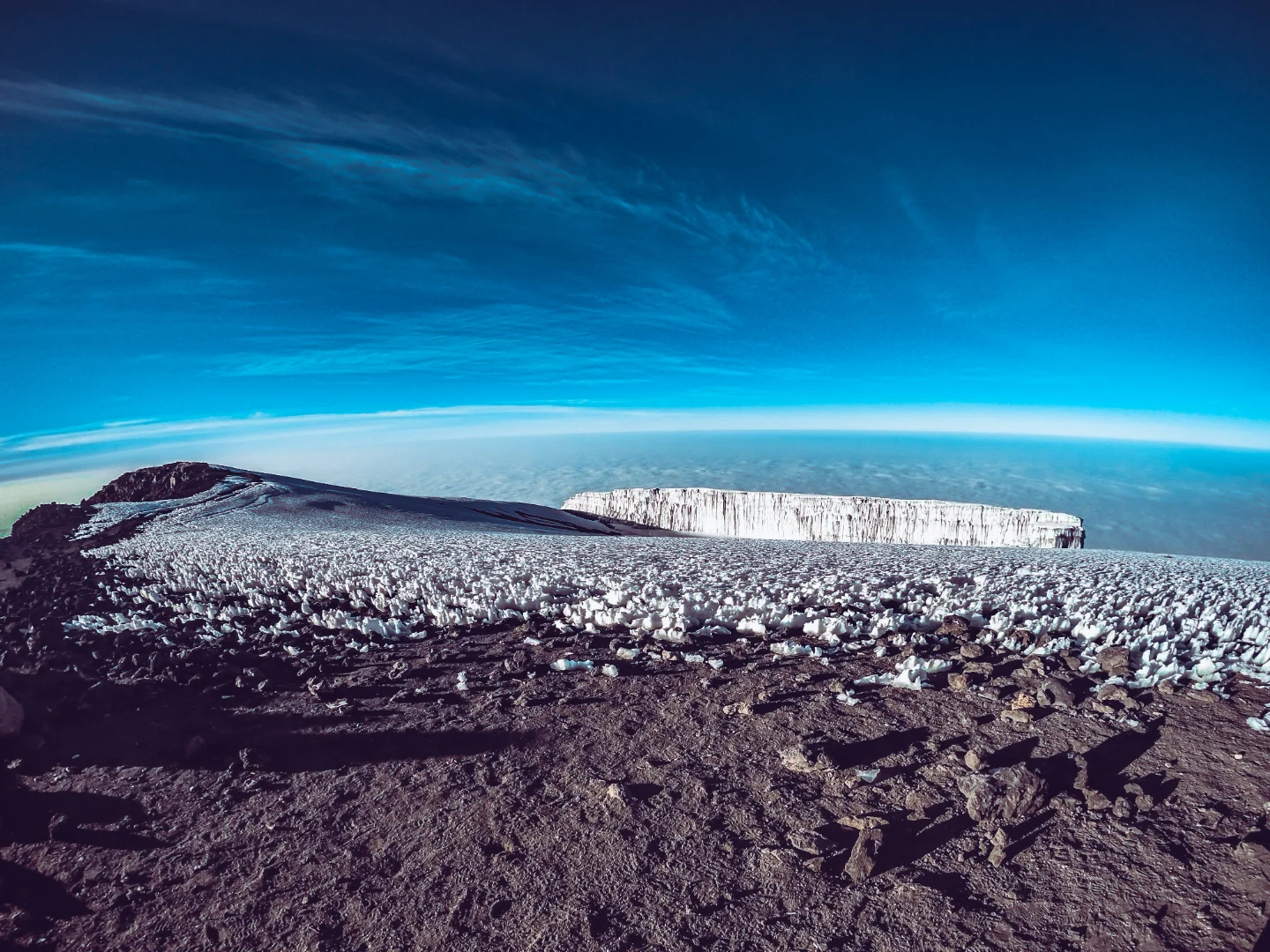
The summit push starts around midnight. You climb steep scree by headlamp under a sky full of stars, reach the crater rim and follow it to Uhuru Peak at 5895m, the highest point in Africa. Dawn lights up the glaciers and the volcanic crater below you. After time at the top, you descend to Barafu and keep going all the way down to Mweka Camp at 3068m, back in the forest. It's a very long day, so save some energy for the way down. Meals: breakfast, lunch and dinner.

Meals:Breakfast, Lunch, Dinner
Midnight summit attemptUhuru Peak (5895m) — Roof of AfricaCrater and glacier sunriseFull descent to forest zone
9
Day 9

Mweka Camp (3068m) to Mweka Gate (1640m)

The last morning takes you down through the rainforest from Mweka Camp to Mweka Gate at 1640m. After the bare summit cone, the thick forest air and green canopy feel a world away from where you stood the day before. The porters sing on the way down and the whole crew is in high spirits. At the gate you receive your summit certificate and say goodbye to the team who looked after you for nine days. Meals: breakfast.

Meals:Breakfast
Rainforest descentSummit certificate presentationCrew farewell celebrationTransfer to hotel
Safari Route Map

Route map unavailable

Contact us for detailed route information

Plan Your Safari

Dates & Pricing

Tailored quote

Designed around your journey

Tell us your dates and group size and our safari specialist will prepare a personal quote.

Departure

Contact us to discuss the best available travel dates for this safari.

What's Included

Your Safari Package

Complete Safari Package
  • Private expedition chef
  • Heated luxury camping
  • Personal porter service
  • All premium permits
  • Luxury ground transport
  • Comprehensive medical support
  • Satellite communication
  • Professional photography service
Not Included
  • International first-class flights
  • Premium travel insurance
  • Personal luxury gear
  • Expedition team gratuities
  • Visa and permit processing
  • Personal luxury shopping

We'll always tell you exactly what your safari covers before you pay. Need help with flights, visas, or insurance? Just ask — we arrange it all.

Safari Value Summary
Total Inclusions
8 Items
Meals Included
24 Meals
Accommodation
8 Nights
Game Drives
14+ Drives
Safari Days
9 Days
All-Inclusive Experience

Our safari package includes everything you need for an unforgettable adventure. No hidden costs or surprise charges.

Prefer it tailor-made? Design your safari
Independent Reviews

What Travellers Say About Us

Reviews of our safaris on independent platforms, from guests who travelled with our Arusha team.

Good to Know

9-Day Northern Circuit Climb: Frequently Asked Questions

What is the best time of year to climb the Northern Circuit?

The drier months, roughly January to early March and late June to October, are the most reliable for any Kilimanjaro route. The northern slopes tend to be drier than the southern side, which helps on this route. There are no fixed departure dates listed, so ask us and we'll advise on the best window for your plans.

Why is acclimatisation so gradual on the Northern Circuit?

Because the route circles the mountain before the summit, you gain height slowly and even sleep lower on some nights. After Shira 2 Camp (3840m) you climb to Moir Hut (4200m), then drop to Buffalo Camp (4070m) and Third Cave (3870m) before crossing to School Hut (4750m). A full rest day there, with short walks, comes before summit night.

What are the camps and altitudes on the Northern Circuit?

From Londorossi Gate you camp at Mti Mkubwa (2895m), Shira 2 Camp (3840m), Moir Hut (4200m), Buffalo or Pofu Camp (4070m), Third Cave (3870m) and School Hut (4750m), where you spend two nights. After Uhuru Peak (5895m) you descend to Mweka Camp (3068m) and finish the next morning at Mweka Gate (1640m).

How quiet is the Northern Circuit compared with other routes?

It's the quietest way up the mountain. From Moir Hut the trail traverses the remote northern slopes, where you may see few or no other groups for days, and Buffalo Camp is one of the most peaceful campsites on Kilimanjaro. On clear days the views stretch north to the Kenyan plains and the Amboseli basin.

What is summit night like from School Hut?

You leave School Hut around midnight and climb steep scree by headlamp under the stars. You reach the crater rim and follow it to Uhuru Peak at 5895m as dawn lights the glaciers and the crater below. After the summit you descend via Barafu all the way to Mweka Camp in the forest, so it's a long, tiring day.

Who is the Northern Circuit best suited to?

Fit trekkers who want a slow, gradual acclimatisation profile and value solitude as much as reaching the summit. There are no technical climbing sections, but the days are long, you sleep high at Moir Hut, Buffalo Camp and School Hut and summit night is hard. Our Arusha team can advise on fitness preparation before you commit to dates.

Where does the Northern Circuit climb start and finish?

It starts at Londorossi Gate on the western slopes of Kilimanjaro, reached by road, and finishes at Mweka Gate on the southern side. That's where you receive your summit certificate and say goodbye to your crew. Ask our Arusha team about hotel nights before and after the climb, and the transfers to and from the gates.

What should I pack for the Northern Circuit?

Pack for two cold nights at School Hut and a sub-zero summit night: thermal base layers, a fleece, an insulated down jacket, a waterproof shell, warm gloves, a hat and a headlamp. Add broken-in boots, trekking poles and sun protection for the high, exposed northern traverse. Keep your main kit in a soft duffel for the porters.

How long is the 9-Day Northern Circuit Climb?

The 9-Day Northern Circuit Climb is 9 days and 8 nights. The day-by-day itinerary on this page shows where you go and stay each day.

Which parks and places does the 9-Day Northern Circuit Climb visit?

This trip visits Mount Kilimanjaro.

How difficult is the 9-Day Northern Circuit Climb?

It is rated challenging: good fitness is recommended.

What is the group size on the 9-Day Northern Circuit Climb?

It runs for groups of 2 to 8 travellers.

What is included in the 9-Day Northern Circuit Climb?

Included: Private expedition chef, Heated luxury camping, Personal porter service, All premium permits, Luxury ground transport, Comprehensive medical support, Satellite communication and Professional photography service.

What is not included in the 9-Day Northern Circuit Climb?

Not included: International first-class flights, Premium travel insurance, Personal luxury gear, Expedition team gratuities, Visa and permit processing and Personal luxury shopping.

Your safari is waiting

Join thousands of travelers who have experienced the magic of Africa's wildlife with us.