Rongai Route on Mount Kilimanjaro
Moderate

Rongai Route

Northern approach from Kenya border. Remote wilderness with wildlife sightings. Drier climate, fewer crowds. Steady gradient with 75% success over 7 days. Perfect for solitude seekers.

All-inclusive from

$2,899

per person · final price depends on dates & group size

Summit success75%
Duration
6 days
Summit success
75%
Distance
73 km
Summit
5,895 m

Overview

Why climb the Rongai Route

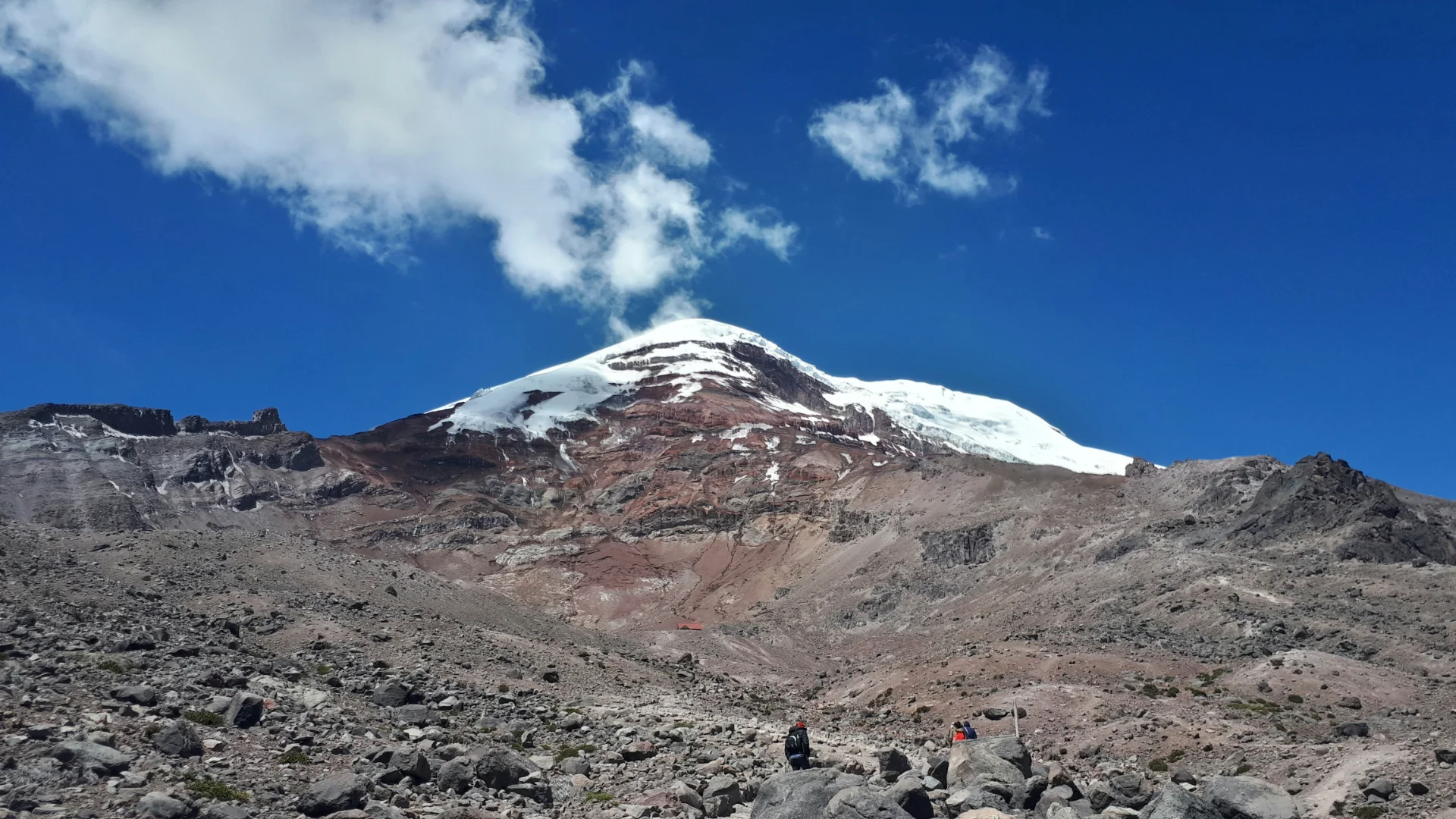
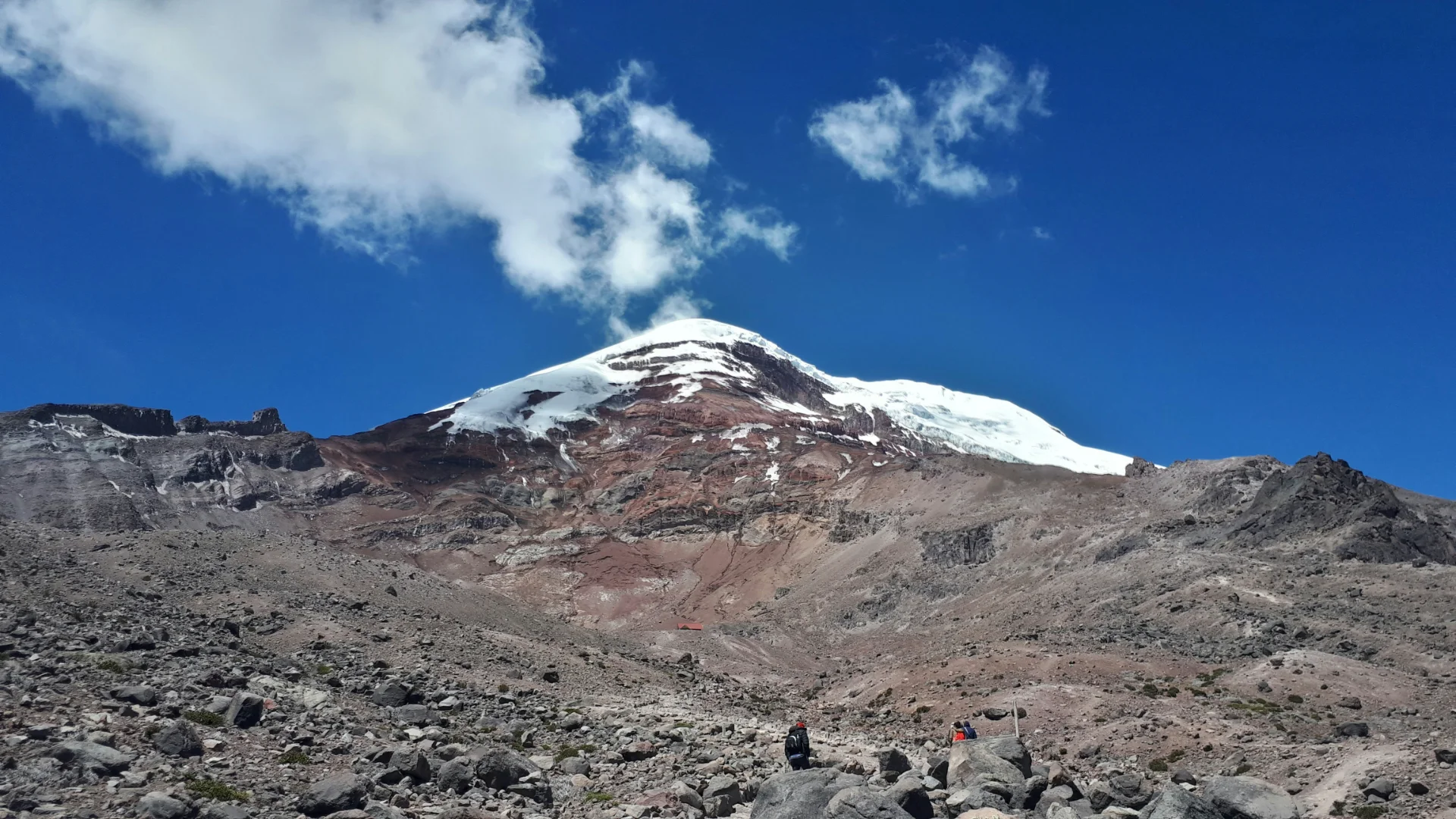
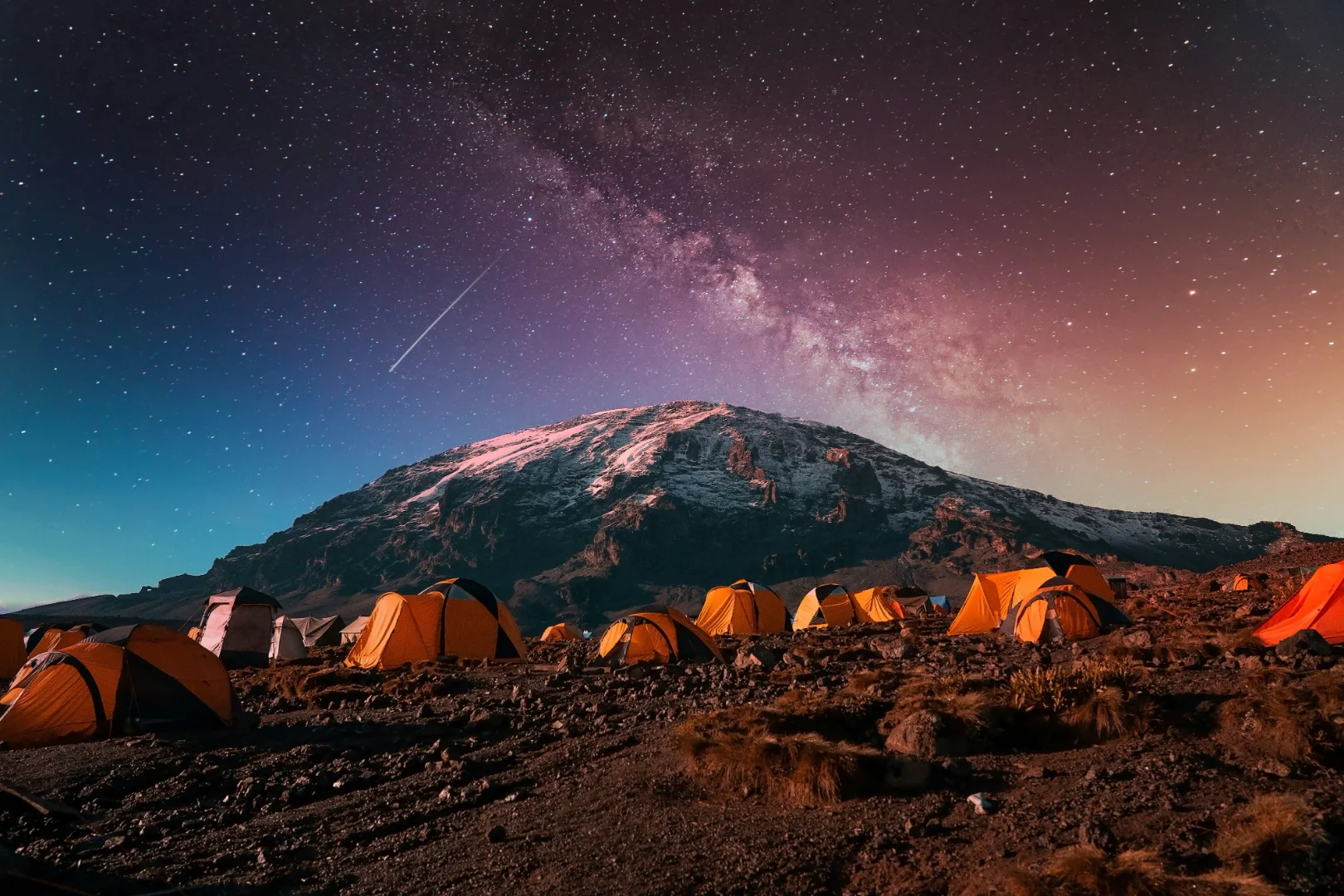
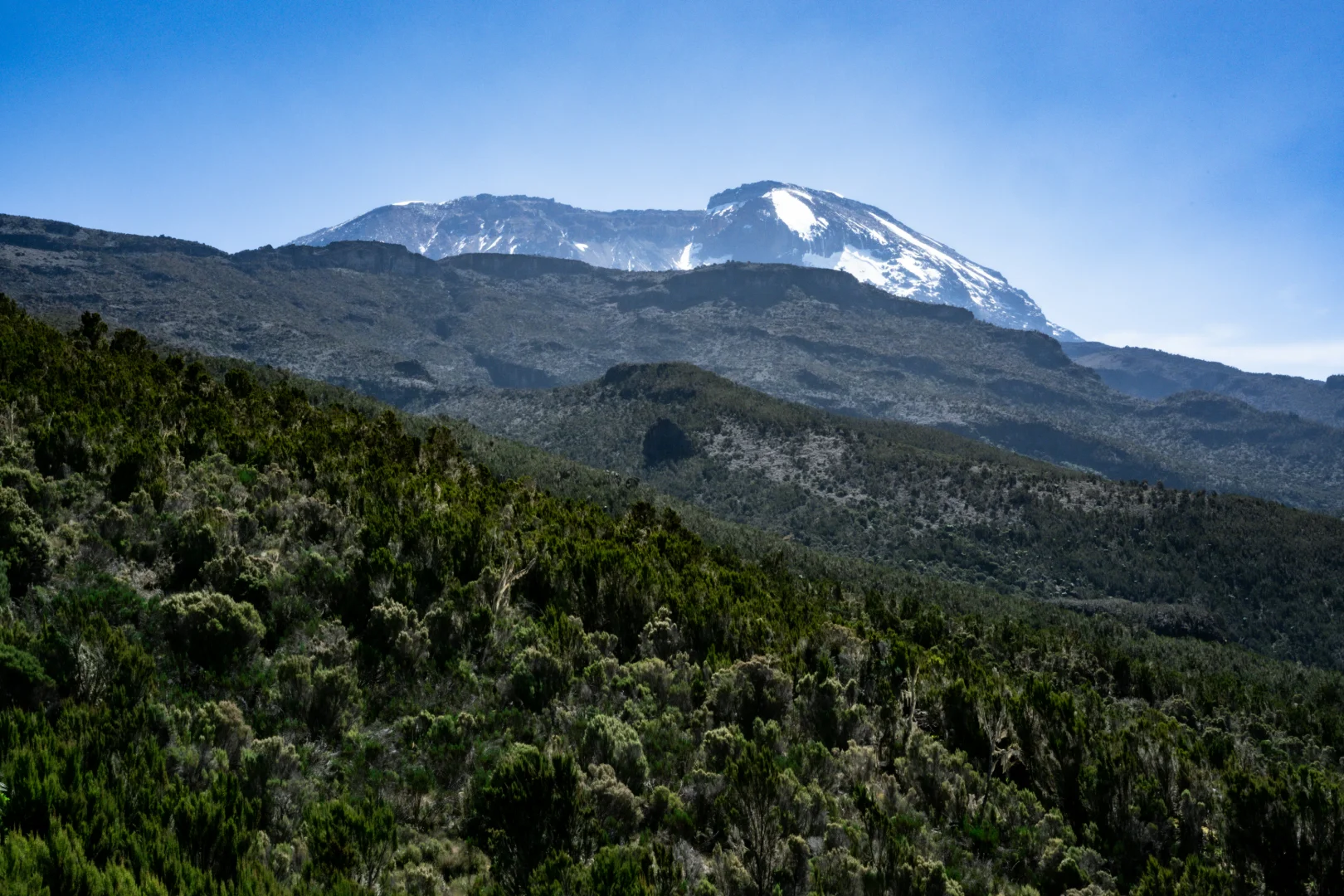
Approach from the quieter northern side near Kenya border for genuine wilderness. Starting at Nalemuru Gate (2,000m), you enter remote terrain away from tourist routes. The opening day through pine forest provides wildlife viewing - colobus monkeys and unique birds. Day two continues gentle ascent through moorland opening to views toward Kenyan plains and Mount Kenya. The trail traverses rolling hills to Second Cave Camp (3,450m). Days three and four bring you to Mawenzi Tarn Camp (4,330m) beneath Mawenzi Peak spires. The gentle profile allows gradual acclimatization, achieving 75% success rate over 7 days. Summit night follows standard Kibo route, with descent via Marangu giving you both mountain sides. The route offers consistent weather patterns due to being in the mountain's rain shadow - northern slopes receive less precipitation than southern routes. Perfect for those seeking solitude, reliable conditions, and steady climbing rhythm. Ideal for first-timers wanting quieter trails and nature enthusiasts appreciating wildlife encounters.
  • Northern approach
  • Different weather patterns
  • Wildlife viewing
  • Less crowded
  • Unique vegetation zones
Starts at Rongai Gate Ends at Marangu Gate

Day by day

7-day itinerary

Total trekking
73 km
Time walking
~42 h
Highest camp
4,750 m
Summit day
Day 6
  1. The Rongai route approaches Kilimanjaro from the north, near the Kenyan border. The trail starts through cultivated farmland before entering pine forest and then native montane forest. The drier northern slopes see far fewer trekkers.

    Rongai Gate → Simba Camp+675 mLunch, Dinner
    Gentle forest trail, drier than southern routesQuiet northern approach with few other trekkersViews toward Kenya and the Amboseli plainsPine plantation transitioning to native forest

    Guide's tip: The drive to Rongai Gate takes about 3 hours from Moshi — depart early. The northern side receives less rain, so the trail is often dry and dusty.

Altitude profile

How the climb builds

Each dot is where you sleep. Steady height gain, with nights spent lower than the day's high point, gives your body time to adapt before summit night.

Altitude profileDay 1: 1,950 to 2,625 metres. Day 2: 2,625 to 3,450 metres. Day 3: 3,450 to 3,600 metres. Day 4: 3,600 to 4,330 metres. Day 5: 4,330 to 4,750 metres. Day 6: 4,750 to 3,720 metres. Day 7: 3,720 to 1,860 metres.CultivationRainforestHeath & moorlandAlpine desertArctic summit2,0003,0004,0005,0006,000Uhuru Peak 5,895 mDay 1Day 2Day 3Day 4Day 5Day 6Day 7
Climb high, sleep low. Point at a day to see where you walk and sleep. Gaining height by day and sleeping lower is how your body adjusts to altitude.

The price

What's included

Included

  • Professional, licensed mountain guides
  • Porters and mountain cook
  • All park, camping and rescue fees
  • Quality tents and camping equipment
  • All meals on the mountain
  • Filtered drinking water
  • Pulse-oximeter health checks
  • Emergency oxygen
  • Summit certificate

Compare routes

How the Rongai Route compares

Sort by any column. Longer itineraries usually mean higher summit success.

Kilimanjaro routes compared. Select a column heading to sort.
Kili Northern Circuit9Moderate95%$3,850
Lemosho Route7Moderate90%$3,190
Machame Route7Moderate85%$2,950
Rongai RouteThis route6Moderate75%$2,899
Shira Route7Moderate70%$2,799
Marangu Route5Moderate65%$2,450
Umbwe Route6Moderate60%$2,899

Packing checklist

What to pack

Tick items off as you pack; your progress is saved on this device. Porters carry up to 15 kg of your kit.

Packed 0 of 310%
Clothing
Footwear
Gear
Health & hygiene
Nice to have

12-week plan

How to train for summit day

  1. 01

    12–8 weeks out

    Build your aerobic base

    • Walk or hike 3–4 times a week, building from 30 minutes to 2 hours
    • Add 2–3 cardio sessions: running, cycling or swimming
    • Start stair or incline-treadmill sessions
    • Core strength twice a week
  2. 02

    8–4 weeks out

    Endurance and leg strength

    • Weekend hikes of 4–6 hours carrying 8–10 kg
    • Stair sessions up to 30–45 minutes
    • Lunges, squats and step-ups
    • Walk on uneven trails, not just pavement
  3. 03

    4–1 weeks out

    Peak, then taper

    • Back-to-back long hikes to simulate consecutive trekking days
    • Train in your actual boots, pack and poles
    • Final week: ease off, rest and hydrate
    • See your doctor about altitude medication
  • If you can hike 6–8 hours with a daypack, you are ready.
  • You can't train for altitude. Only time on the mountain helps, so choose more days.
  • Summit night is 7–8 hours in the dark and cold, so prepare your head as well as your legs.
  • Practise drinking 3–4 litres of water on training hikes.

Questions

Rongai Route FAQ

How many days does the Rongai Route take?

The standard Rongai Route itinerary is 6 days on the mountain. It is one of the shorter itineraries; adding an acclimatisation day improves your summit chances.

What is the summit success rate on the Rongai Route?

Our climbers reach the summit on the Rongai Route about 75% of the time. Longer itineraries score higher because the extra days let you acclimatise before summit night.

How difficult is the Rongai Route?

The Rongai Route is rated moderate: no technical climbing, but you need good general fitness for long walking days at altitude. No ropes or climbing skills are needed: it is a high-altitude trek.

What is summit day like on the Rongai Route?

Summit day is day 6, a long push of about 14 hours. You usually start around midnight to reach Uhuru Peak (5,895 m) near sunrise, then descend to a lower camp to sleep.

How much does it cost to climb Kilimanjaro via the Rongai Route?

The Rongai Route starts from $2,899 per person. The final price depends on your dates and group size.

When is the best time to climb the Rongai Route?

The driest, most reliable months are January to early March and June to October. April, May and November are the rainy months; the trails are quieter but wetter.

Start planning

Climb the Rongai Route

Tell us when and who's coming. A Kilimanjaro specialist replies within 24 hours with dates, a full quote and honest advice.

Climbers
2

Free, no obligation. Reply within 24 hours from a Kilimanjaro specialist.

Other routes

Try the route finder →
Machame Route, Mount Kilimanjaro
7 days

Machame Route

Kilimanjaro's most scenic route. Dramatic landscapes from rainforest to alpine desert. Features the thrilling Barranco Wall scramble. Excellent acclimatization with 85% success rate over 7 days.

Summit success85%
Moderate
From
$2,950
per person
Marangu Route, Mount Kilimanjaro
Best value
5 days

Marangu Route

The original "Coca-Cola Route" with permanent hut accommodation. Gentler gradient but rapid altitude gain. 65% success rate over 5 days. Best suited for budget-conscious climbers seeking shelter.

Summit success65%
Moderate
From
$2,450
per person
Lemosho Route, Mount Kilimanjaro
Most scenic
7 days

Lemosho Route

The gold standard route. Pristine wilderness, exceptional scenery, optimal acclimatization. Traverses stunning Shira Plateau. Highest success rate at 90% over 8 days. Premium experience for first-timers.

Summit success90%
Moderate
From
$3,190
per person

Rongai Route

From $2,899

Get a quote