Barranco Camp
Barranco Camp
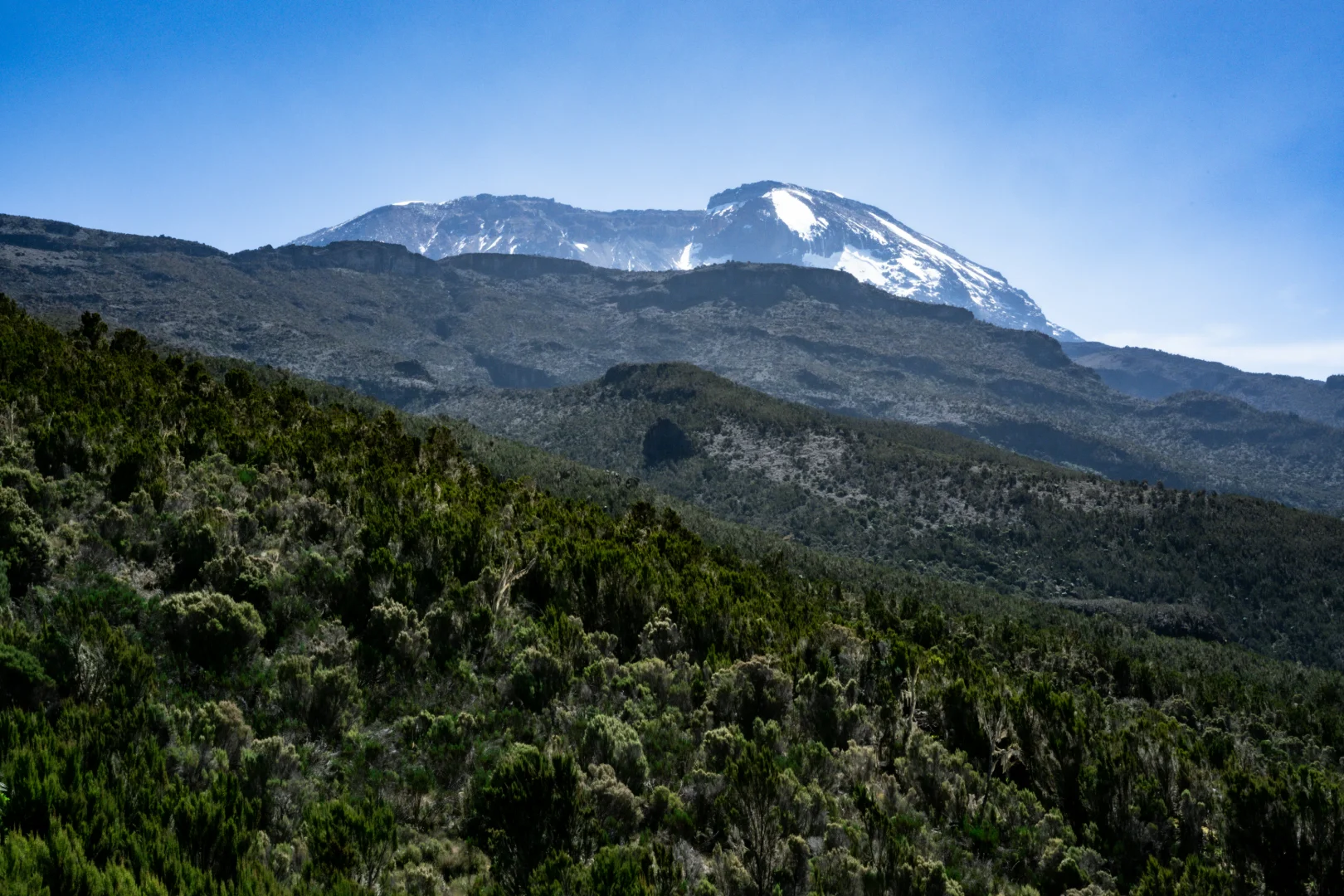
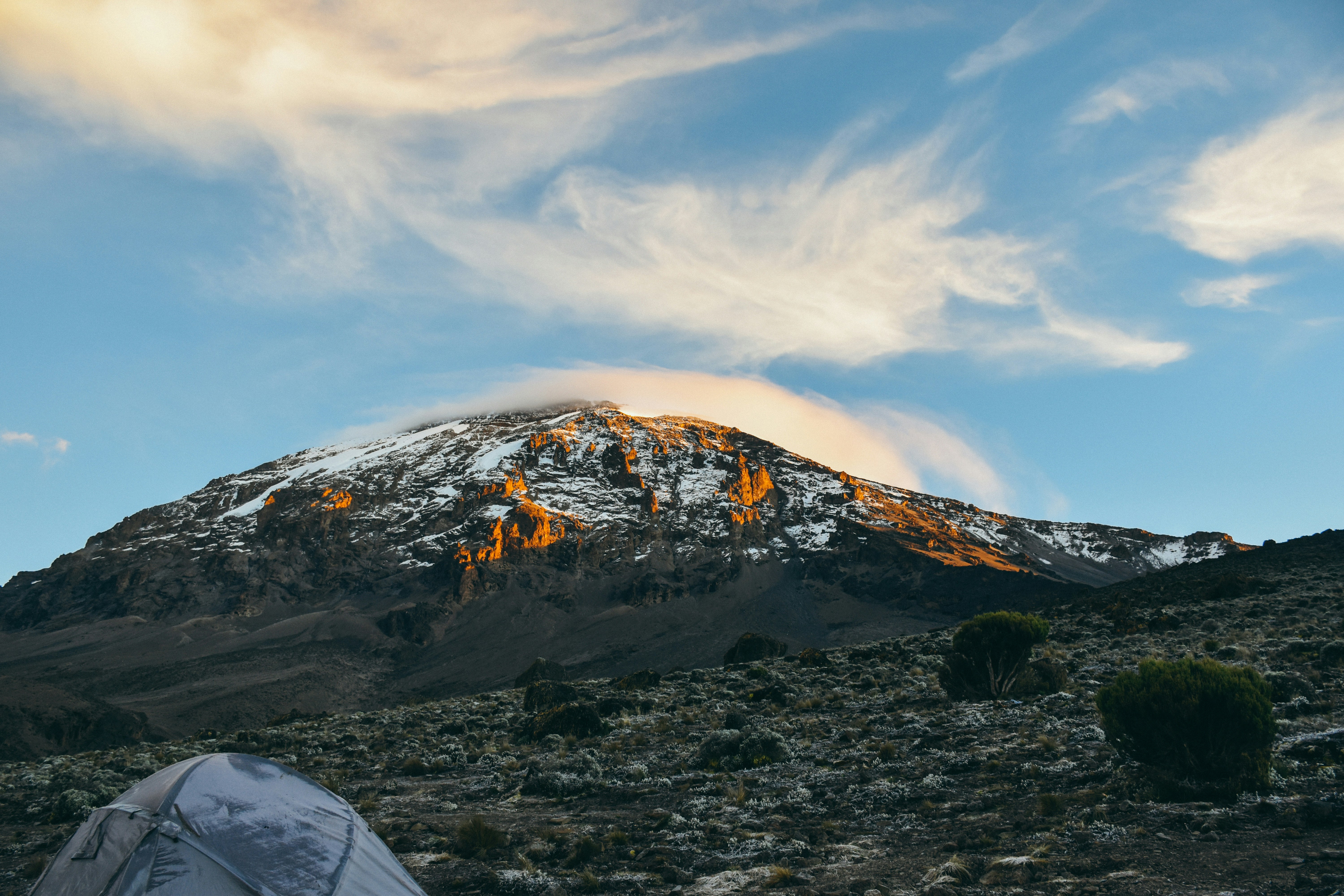
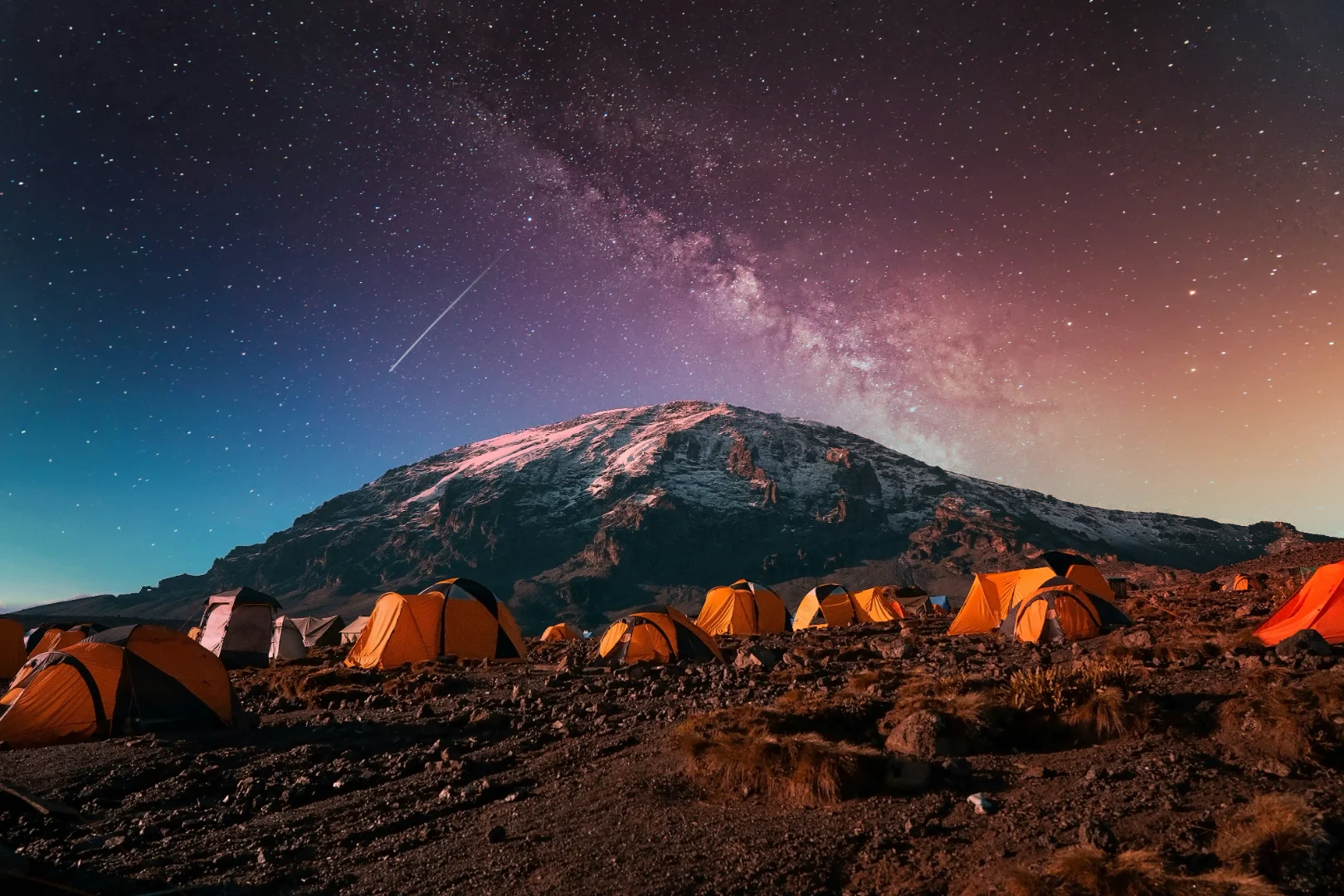
Barranco Camp is a key acclimatization stop on the Machame, Lemosho, and Umbwe routes up Mount Kilimanjaro at approximately 3,960 metres in the alpine desert zone. The camp sits at the base of the famous Barranco Wall — a 257-metre near-vertical rock face that looms above and must be scrambled at dawn the following morning. Despite its intimidating appearance, the Barranco Wall is a hands-and-feet scramble rather than a technical climb, and it ranks among Kilimanjaro's most exhilarating passages. The campsite's dramatic position beneath the cliff face and surrounded by giant groundsel and lobelia plants creates a surreal high-altitude landscape unlike anywhere else on Earth. Cold nights and thin air test trekkers' resolve, but the sense of accomplishment at this elevation and the camaraderie among climbing groups make Barranco one of the most memorable camps on the mountain.
Book Your Stay
Ready to experience Barranco Camp? Our safari experts will craft the perfect itinerary.
Barranco Valley, Mount Kilimanjaro National Park, Tanzania
3.0890° S, 37.3180° E
Amenities & Facilities
Mountain Tent
Two-person mountain tent pitched by your crew at 3,960m. Altitude: alpine desert zone.
Through the Lens
Nearby Destinations
Explore more of Tanzania's iconic wildlife destinations near Barranco Camp.
Barranco Camp is waiting for you
Experience luxury accommodation in the heart of Africa's finest wildlife reserves.
Barranco Camp: Frequently Asked Questions
Which Kilimanjaro routes spend a night at Barranco Camp?
Barranco Camp sits on the Machame, Lemosho and Umbwe routes, and it is a standard overnight stop for trekkers climbing via any of them. It is positioned at roughly 3,960 metres in Kilimanjaro's alpine desert zone.
Does Barranco Camp help with acclimatization?
Yes. It is a key acclimatization stop on the mountain, letting trekkers sleep high in the alpine desert zone before continuing to higher camps, though the cold nights and thin air make it a genuine test of resolve.
How hard is the Barranco Wall to climb?
The Barranco Wall is a 257-metre near-vertical rock face, but it is a hands-and-feet scramble rather than a technical climb, and it ranks among Kilimanjaro's most exhilarating passages. Trekkers normally tackle it at dawn the morning after sleeping at Barranco Camp.
Do I need ropes or climbing gear for the Barranco Wall?
No technical climbing equipment or rope work is required, since the Wall is scrambled using hands and feet with a guide. Its intimidating appearance above camp is far more dramatic than the actual climbing.
What is the landscape and camping like at Barranco Camp?
The campsite sits dramatically at the base of the Barranco Wall, surrounded by giant groundsel and lobelia that create a surreal high-altitude landscape found nowhere else on Earth. Nights here are cold with thin air, and trekkers camp in tents as on Kilimanjaro's other camping routes.
Can I book Barranco Camp as a standalone stay or get a price?
Barranco Camp is a campsite on Kilimanjaro trekking routes rather than a bookable lodge stay, so it is arranged as part of a full Machame, Lemosho or Umbwe itinerary. Ecological Wilderness Adventure can tailor and quote a Kilimanjaro trek including Barranco Camp on request.