ZanzibarArchipelago
The spice island paradise off Tanzania's coast, Zanzibar combines pristine white-sand beaches, turquoise waters, and centuries of Swahili culture. Stone Town's labyrinthine streets…
Last updated:
Zanzibar Archipelago
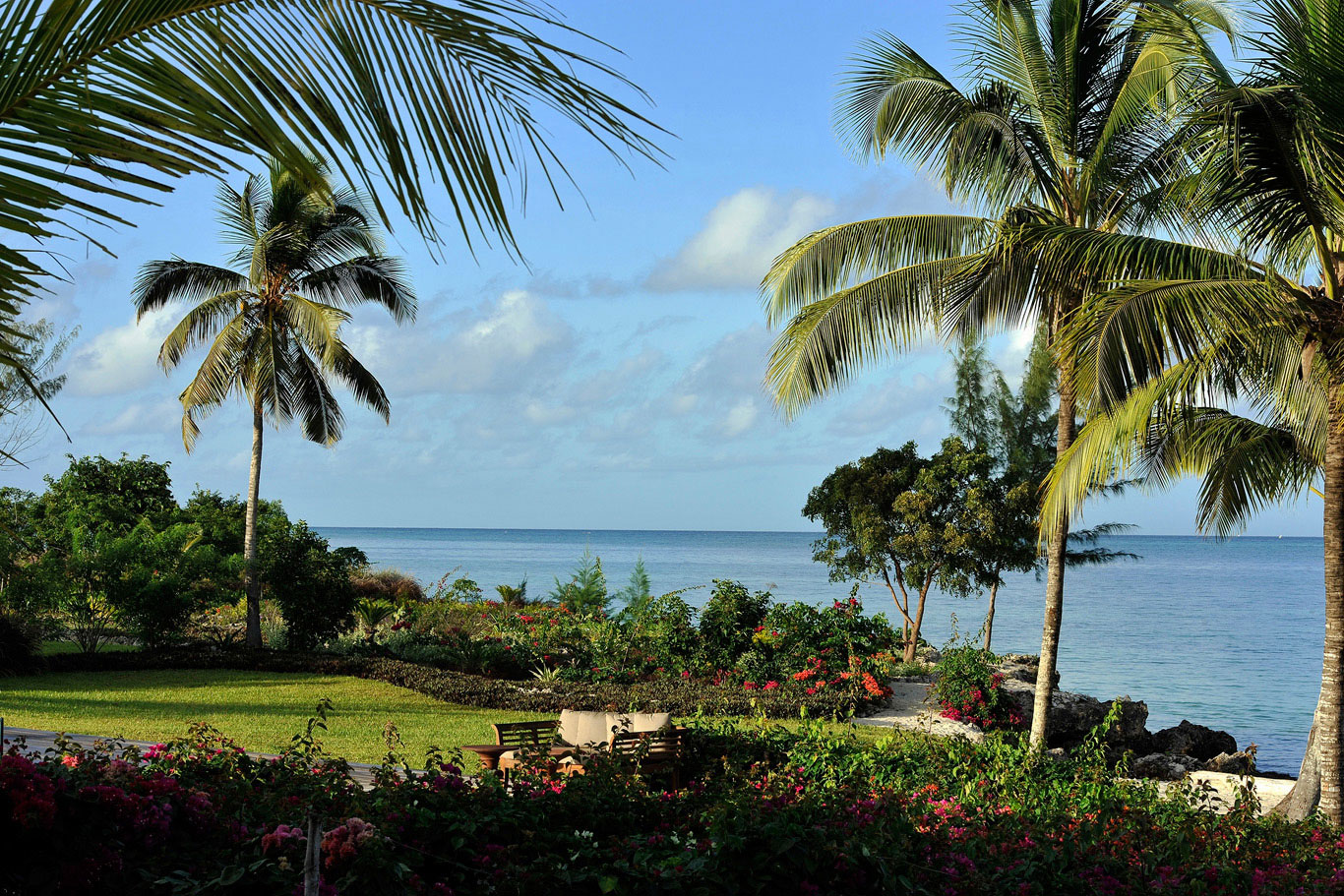
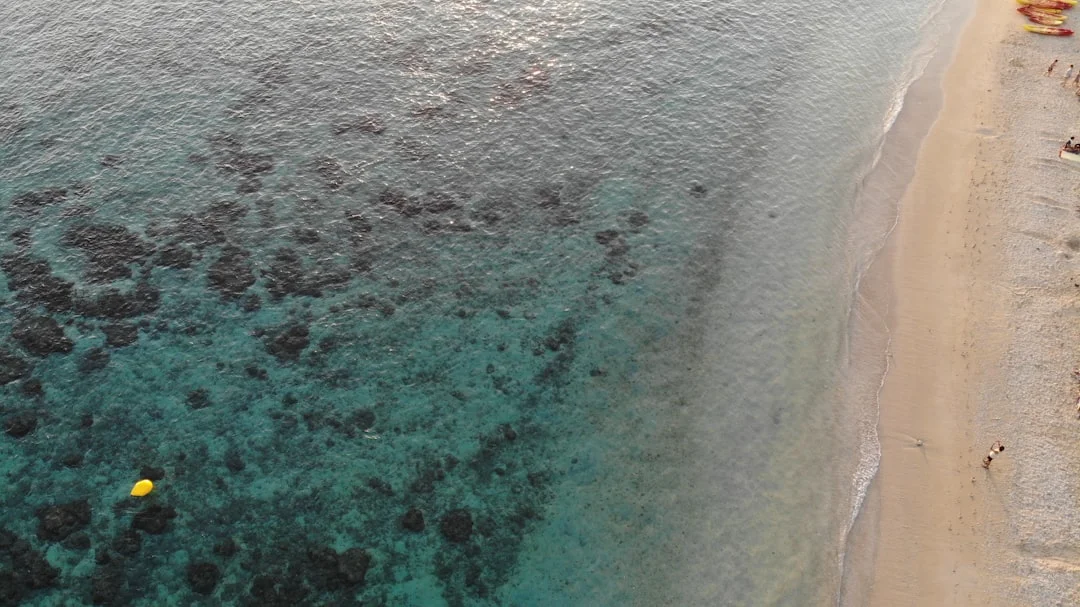
The spice island paradise off Tanzania's coast, Zanzibar combines pristine white-sand beaches, turquoise waters, and centuries of Swahili culture. Stone Town's labyrinthine streets, spice plantations, and world-class diving make it the perfect post-safari extension.
June to October (dry), December to February (hot and dry). Avoid April-May heavy rains.
Tropical maritime, 25-35°C year-round with sea breezes
TZ, Zanzibar
Plan Your Visit
Ready to explore Zanzibar Archipelago? Our experts craft bespoke itineraries tailored to your travel dates and interests.
Browse Safari ToursGet a Custom QuoteExplore the Park
Distinct ecosystems within Zanzibar Archipelago, each with unique wildlife and seasonal patterns.
Wildlife & Activities
Exceptional Lodges
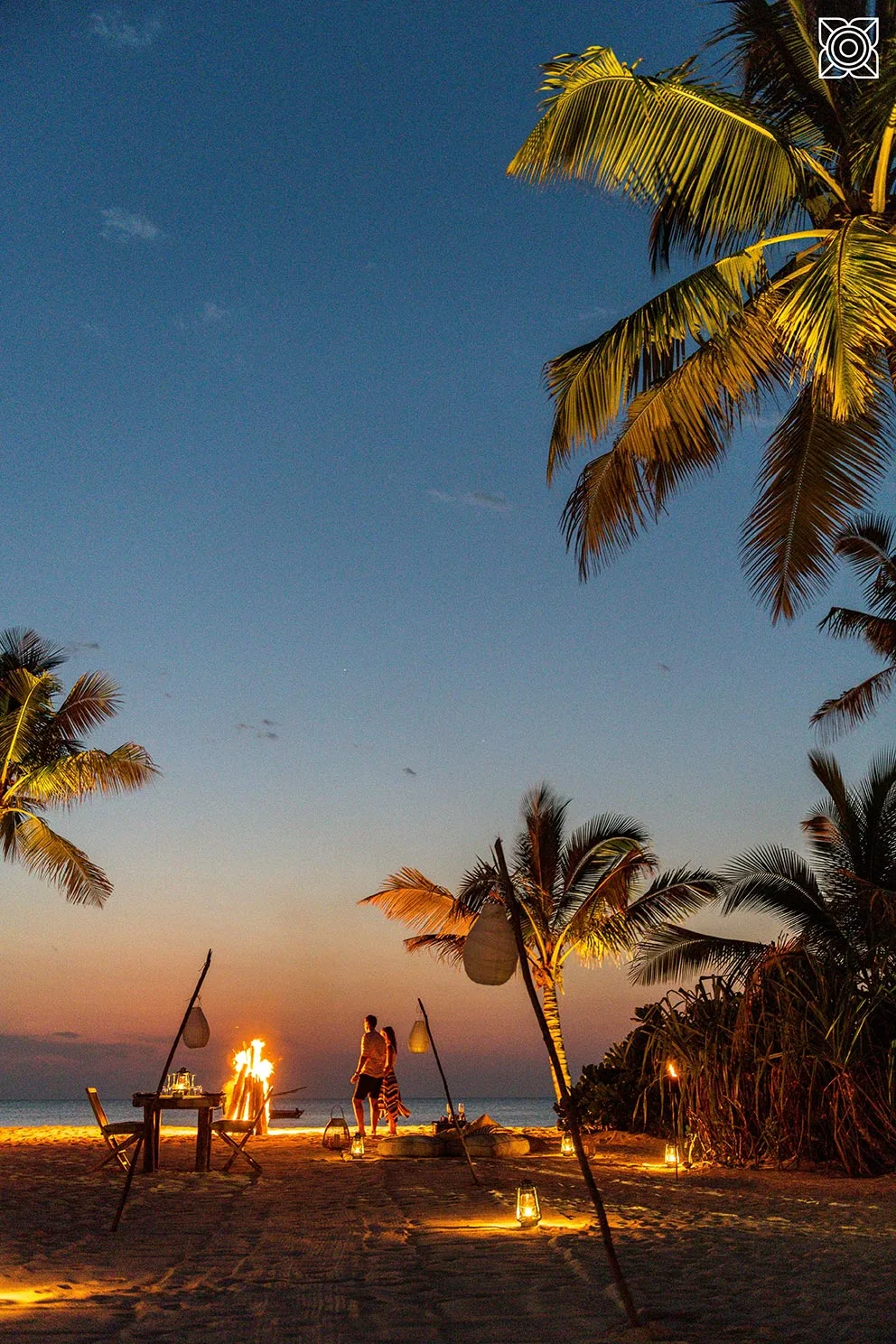
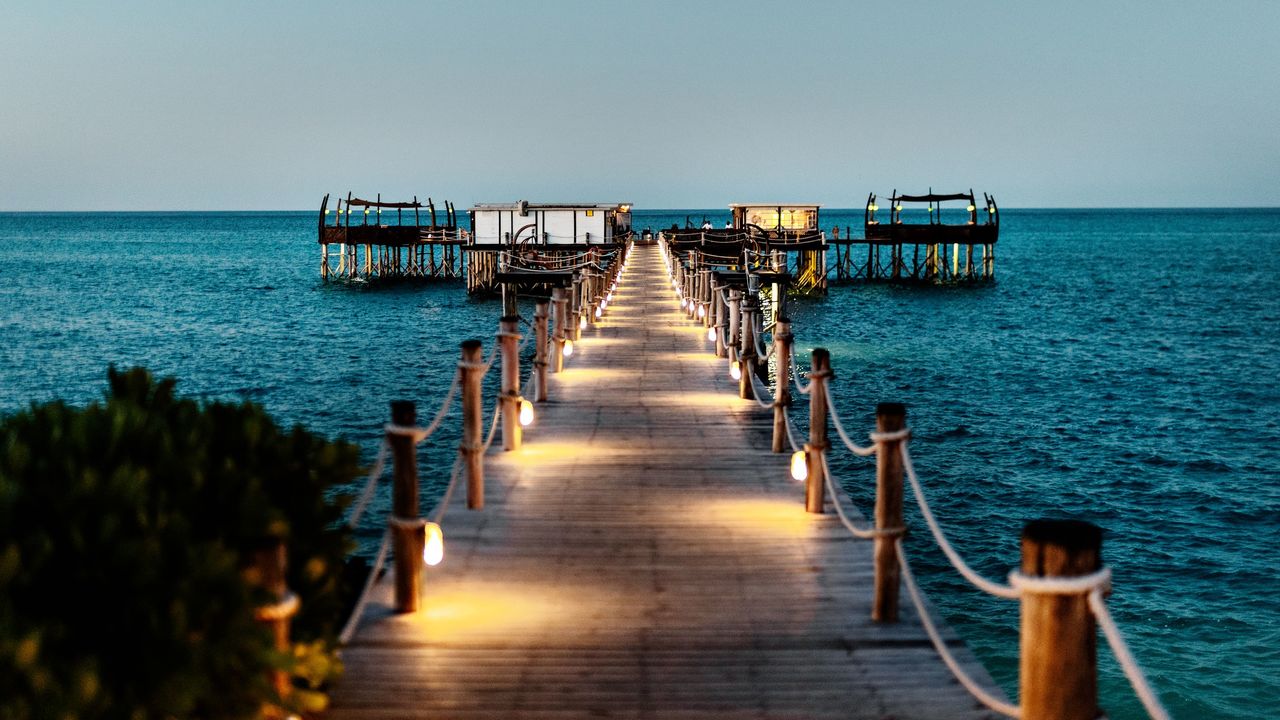
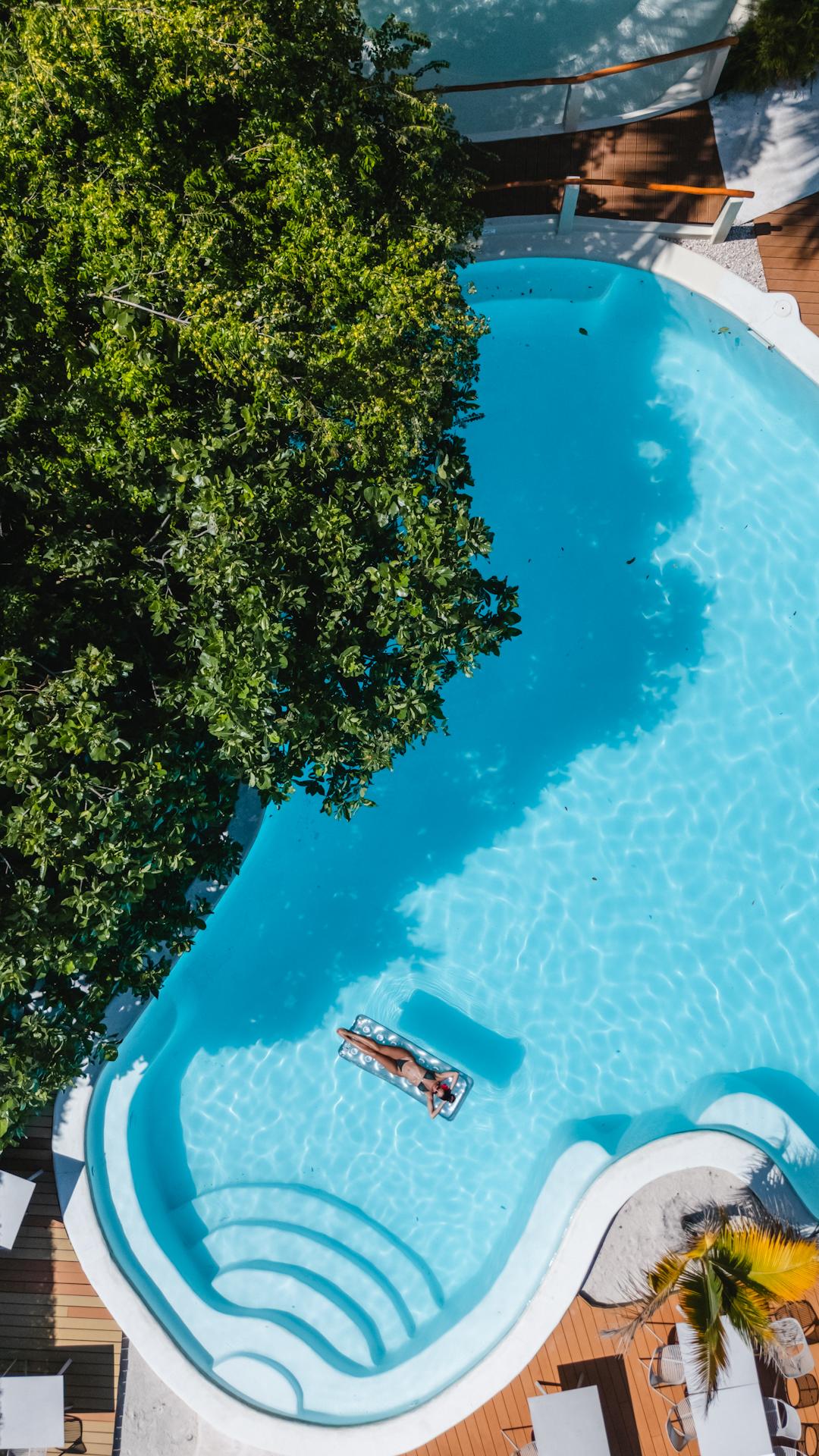
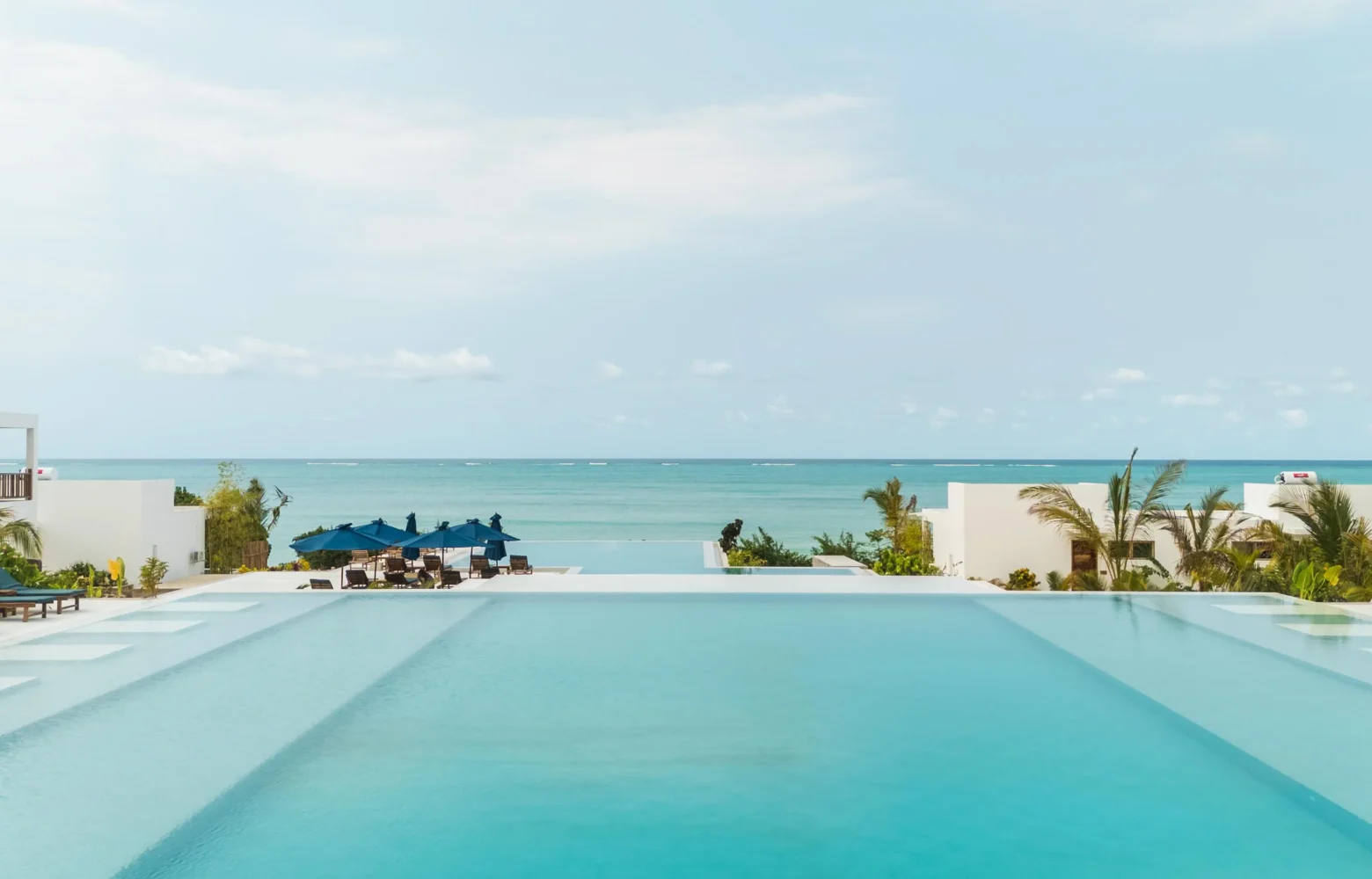
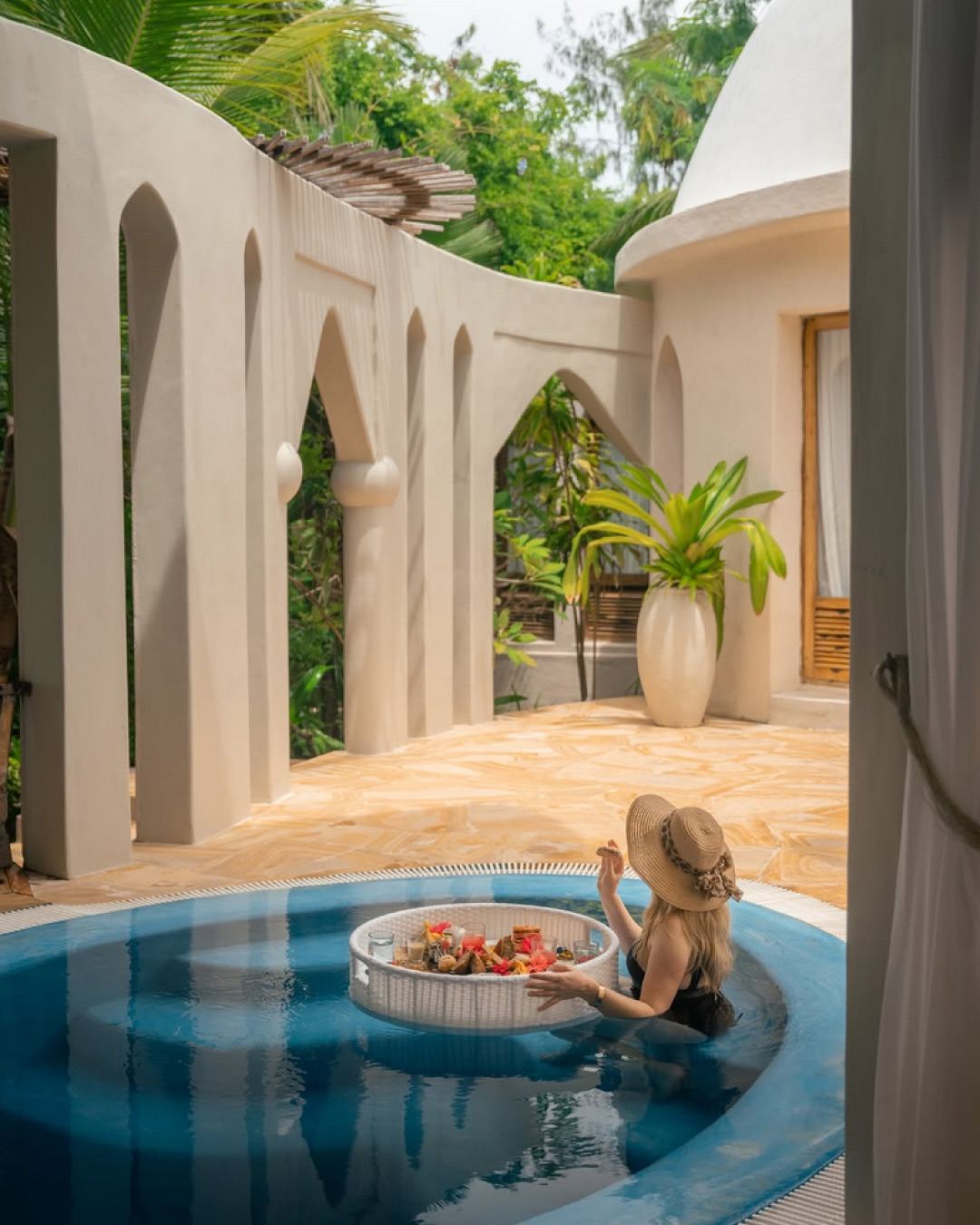
Hand-curated properties ranging from intimate tented camps to landmark lodges — chosen for extraordinary service and unrivalled wildlife access.




Safari Tours

Through the Lens
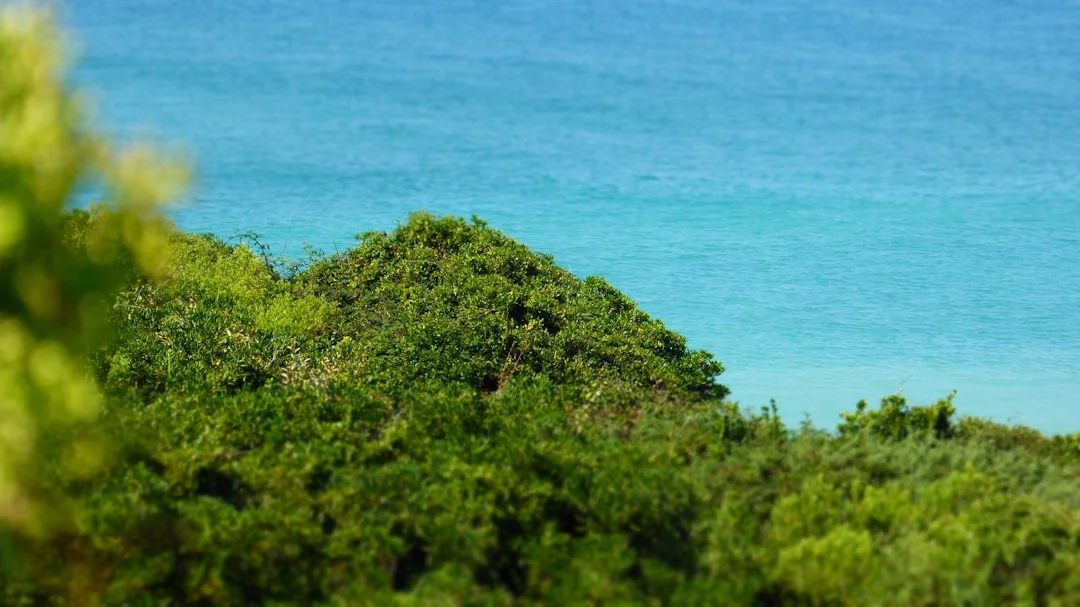
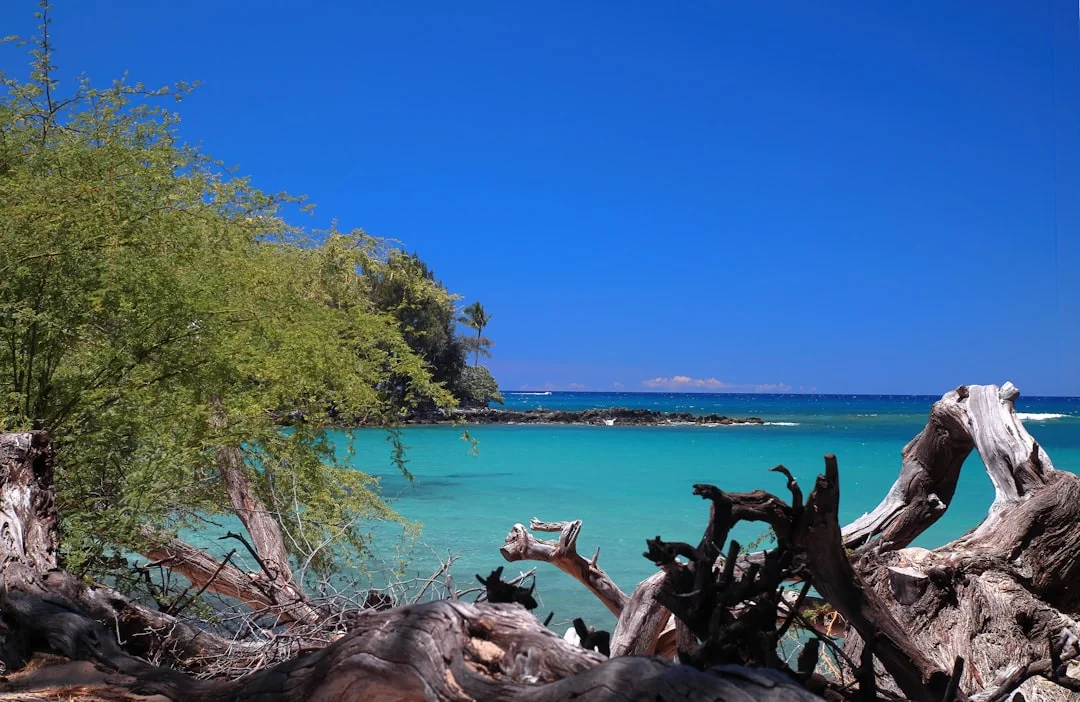

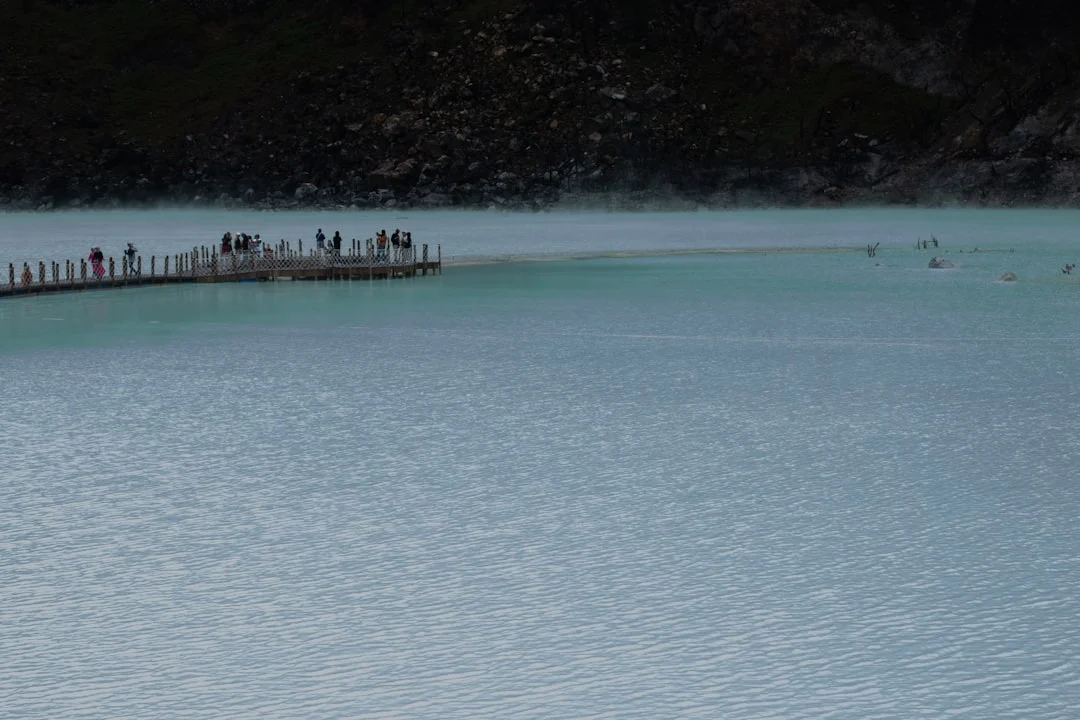
Nearby Destinations

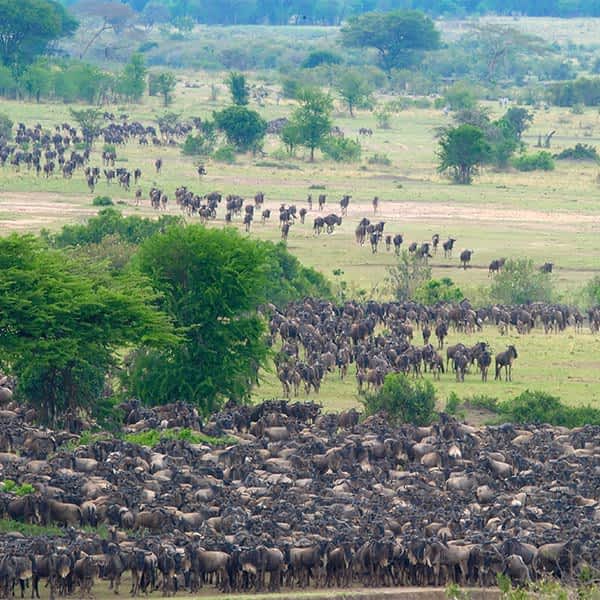
Zanzibar Archipelago is waiting for you
Begin your African adventure with expert-guided safaris tailored to your interests.
Zanzibar Archipelago: Frequently Asked Questions
Where is the Zanzibar Archipelago and what islands does it include?
The Zanzibar Archipelago lies in the Indian Ocean off the coast of Tanzania, East Africa, and is best known for its white-sand beaches, turquoise water and centuries-old Swahili culture. The main islands are Unguja, usually just called Zanzibar, and Pemba, along with a number of smaller islets, and Stone Town is the historic heart of Unguja.
Can I add Zanzibar to a Tanzania safari itinerary?
Yes. Zanzibar is the classic post-safari extension, letting you swap dusty game drives for beach time, and Ecological Wilderness Adventure can build it into a tailor-made Tanzania itinerary so the safari and island stay flow together. We quote each trip individually, so just tell us your dates and interests.
What is there to do in Stone Town?
Stone Town is a UNESCO World Heritage Site of narrow, labyrinthine lanes where you can wander historic Swahili architecture, markets and waterfront while soaking up centuries of coastal culture. It is the natural starting point for a Zanzibar stay before heading to the beaches.
Is Zanzibar only about beaches, or is there more to see and do?
Beyond the beaches, Zanzibar offers spice plantation visits, which trace the island's role in the historic spice trade, and world-class diving and snorkelling on its reefs. Culture, food and history are just as much a part of the archipelago as the sand and turquoise water.
How do travellers get to Zanzibar?
Most visitors fly into Zanzibar International Airport, which has connections from Dar es Salaam and other regional hubs as well as some international flights, or arrive by ferry from Dar es Salaam. Ecological Wilderness Adventure can arrange the connecting flights and transfers as part of your itinerary.
When is the best time of year to visit Zanzibar?
The driest and most popular months are generally June to October and January to February, when conditions suit both beach time and diving. The long rains fall roughly from March to May, which brings lower humidity and fewer visitors.