17-Day Great Migration Photographic Safari 2027
Trip EA-4957

17-Day Great Migration Photographic Safari 2027

From$13,600per person
Duration17days
Levelmoderate
Book Now
Scroll

Last updated:

Safari Overview

Your Journey

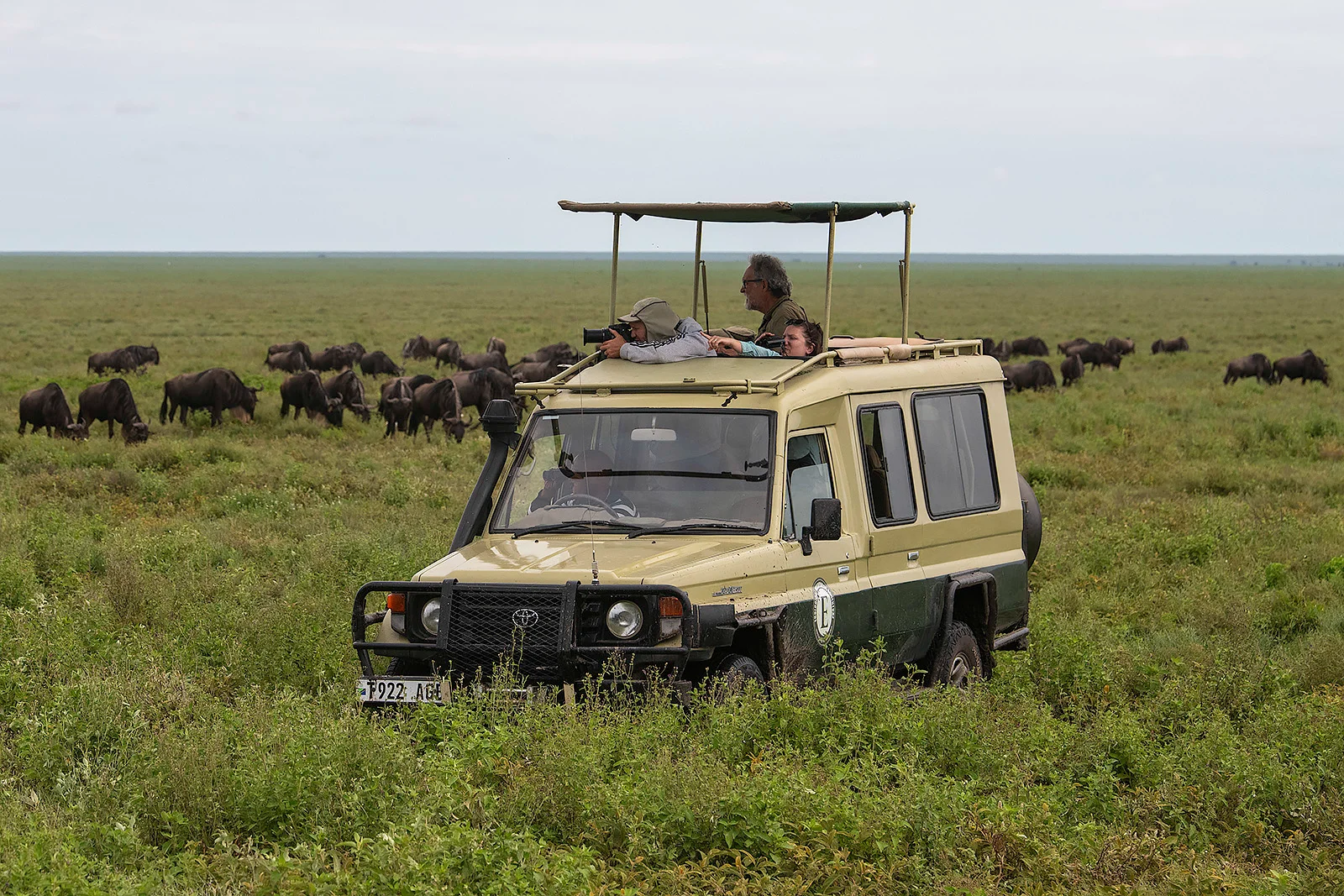
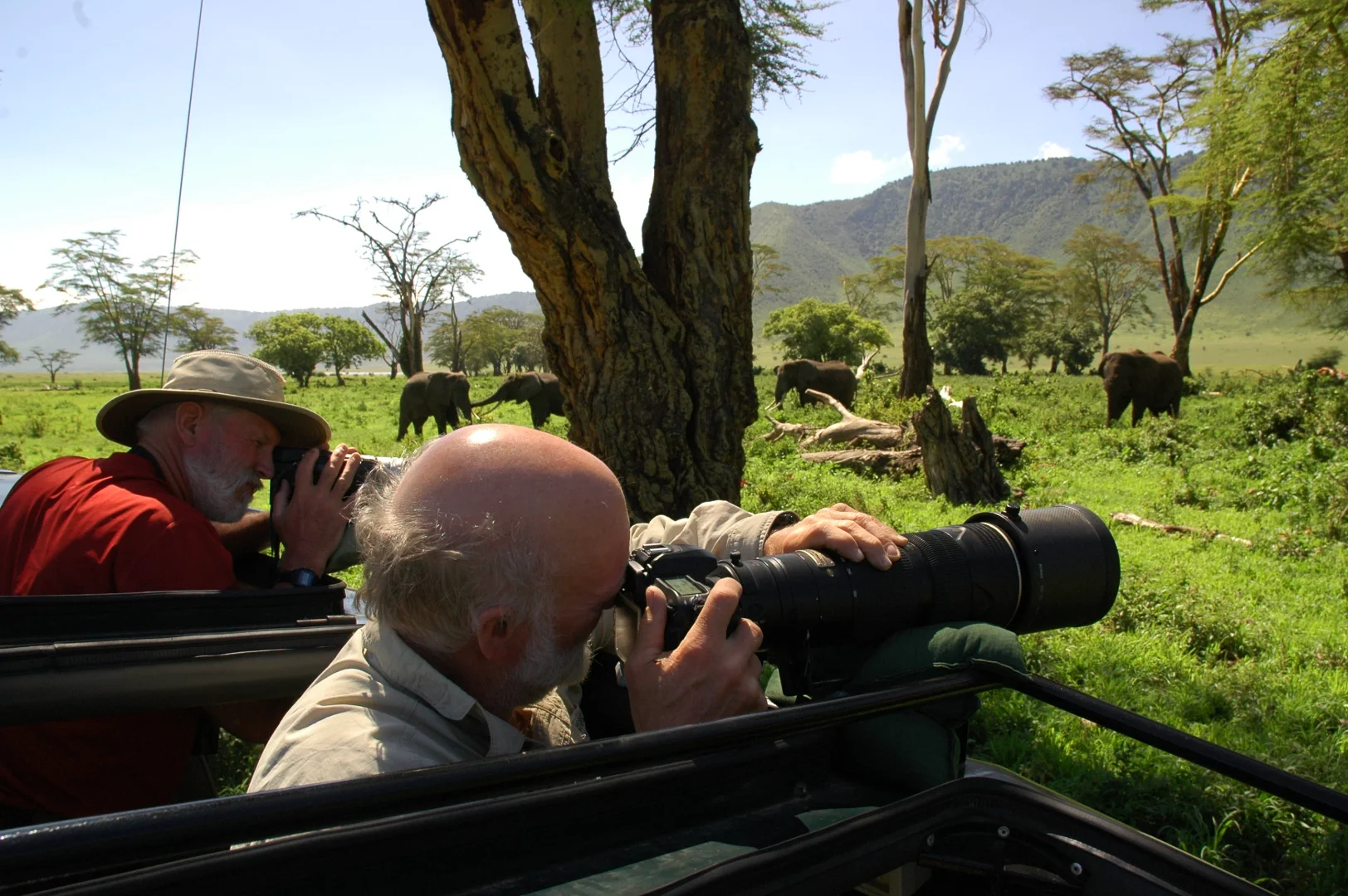
This is a 17-day photographic safari for people who travel with a camera and want time to use it properly. The 2027 departure starts on 14 February, which puts the Ndutu days in the wildebeest calving season. The route runs from Tarangire National Park to Lake Manyara, Ngorongoro Crater, the Ndutu plains and the Central Serengeti. It's a shared group trip limited to 12 participants in four stretched Land Cruisers, with drives planned around the golden hours.

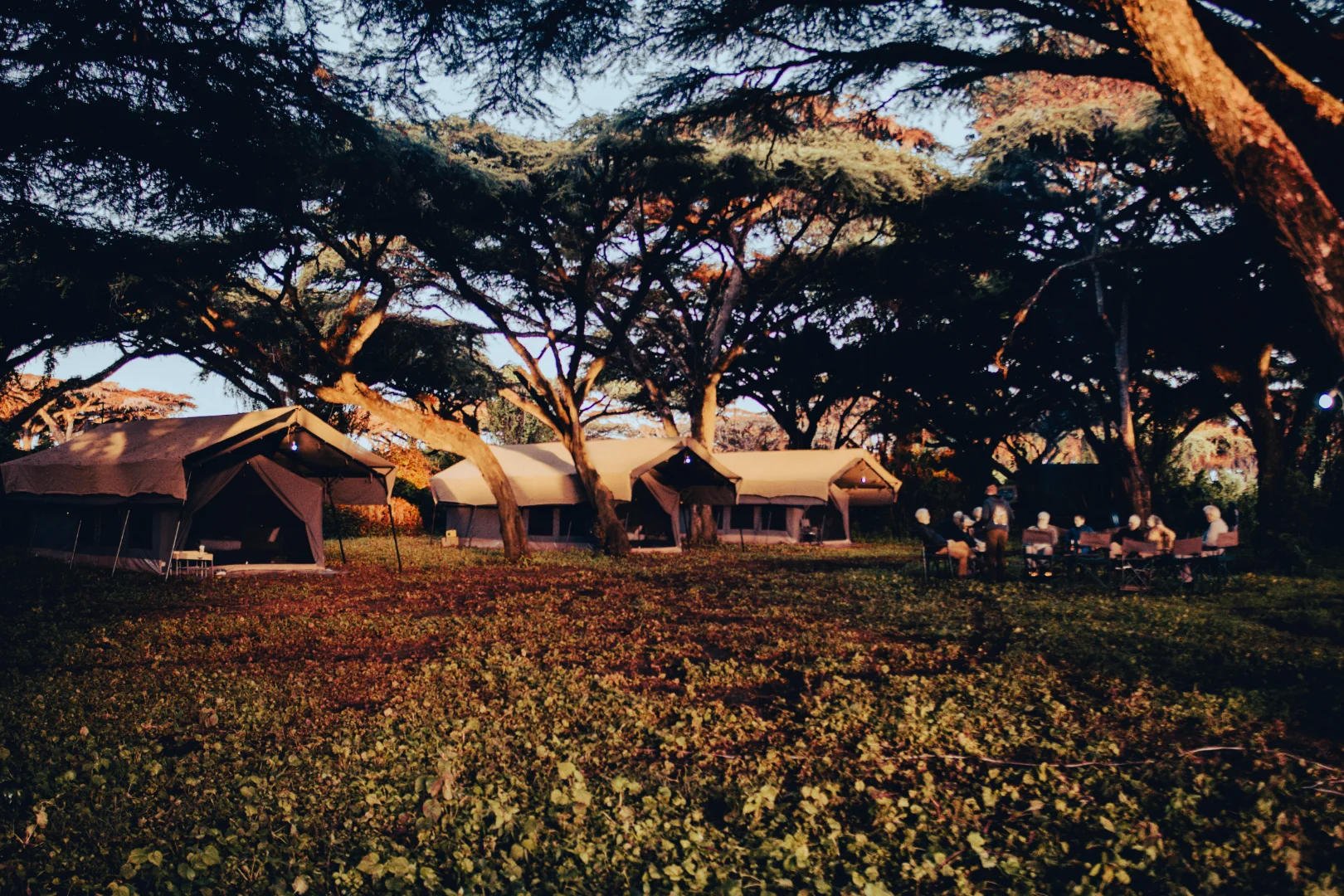
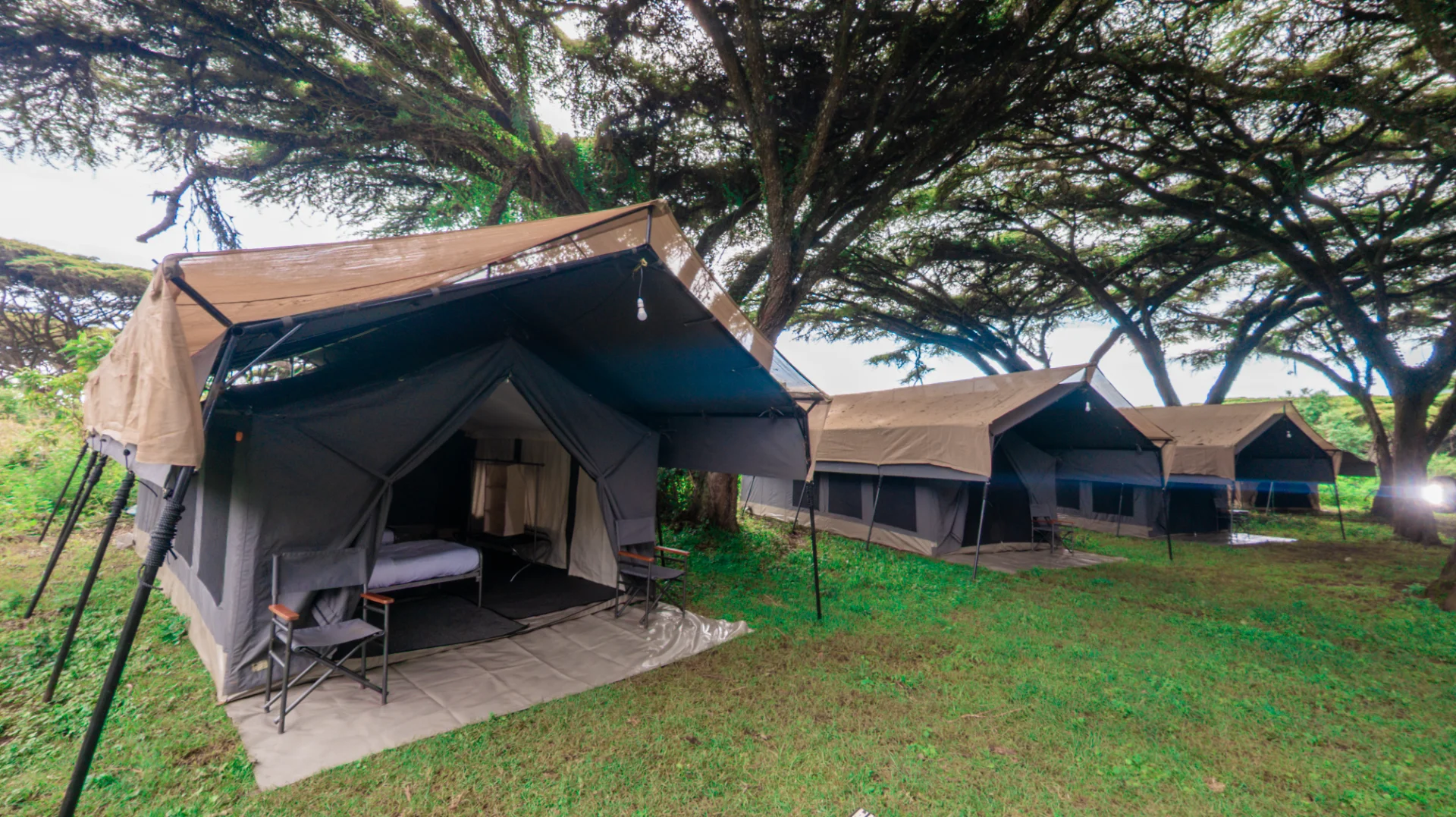
Two slow days at Kia Lodge, near Kilimanjaro International Airport, let you rest, set up your gear and get a full briefing. Then it's three nights at the EWA Private Mobile Camp in Tarangire for elephants and baobabs, and three at Tortilis Camp Manyara for tree-climbing lions and birdlife. The EWA Private Mobile Camp in Ngorongoro follows, with a full day on the crater floor and a Maasai village visit. Both EWA camps are used only by this group.

Savannah Ndutu Camp is your base for three nights with the calving herds and the lions, cheetahs and hyenas that follow them. Kati Kati Tented Camp hosts the last two nights, for big cats in the Seronera Valley and an optional sunrise balloon flight. You fly back to Kilimanjaro on the final day. Ask our Arusha team if you'd like any part of it changed, or a private version on other dates.

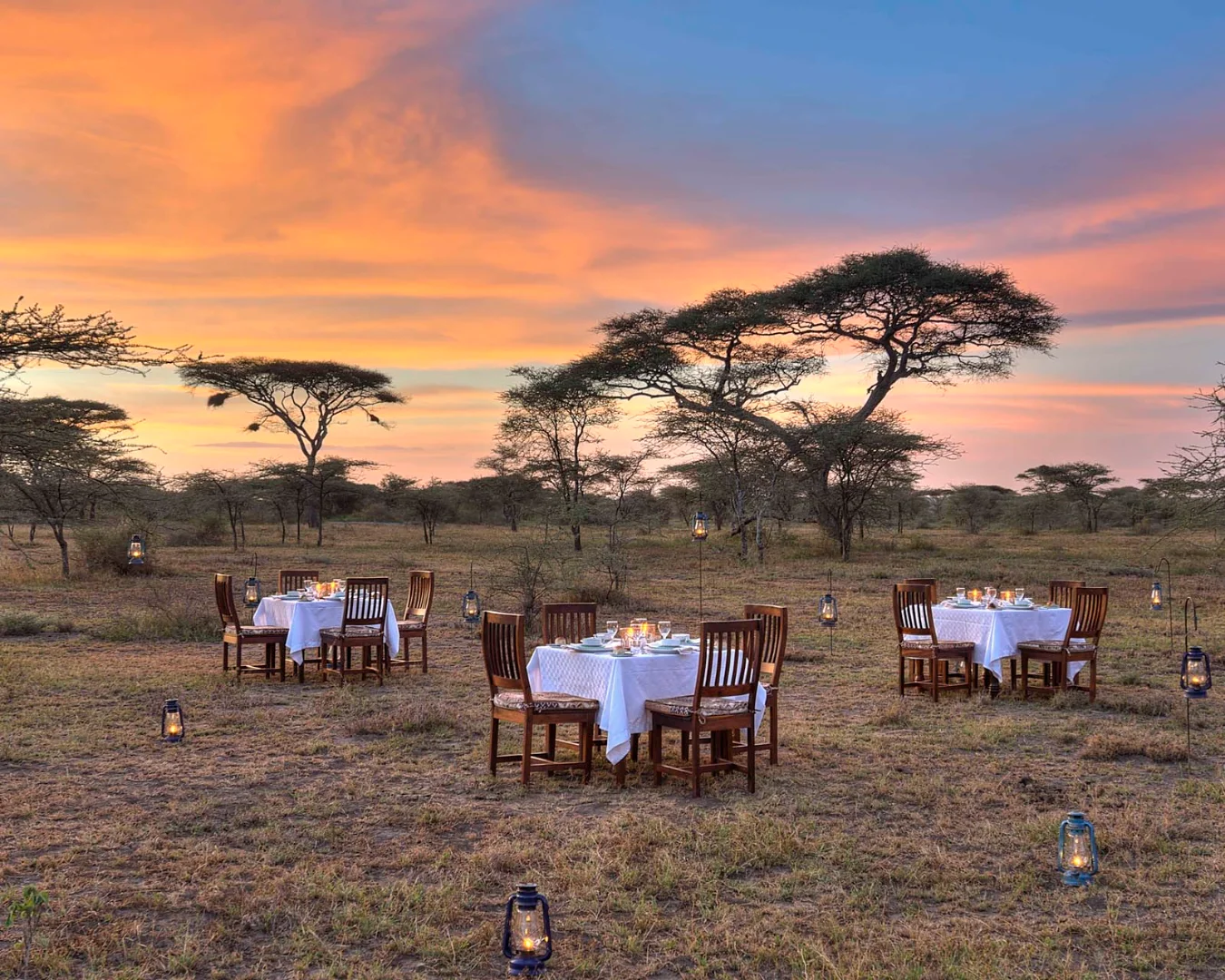
Golden hours photography, Private Mobile Camp only for this particular group

Share This Safari
Safari Highlights
  • Two full days in Tarangire among elephants and baobabs
  • Tree-climbing lions and flamingos at Lake Manyara
  • Full-day photography on the Ngorongoro Crater floor
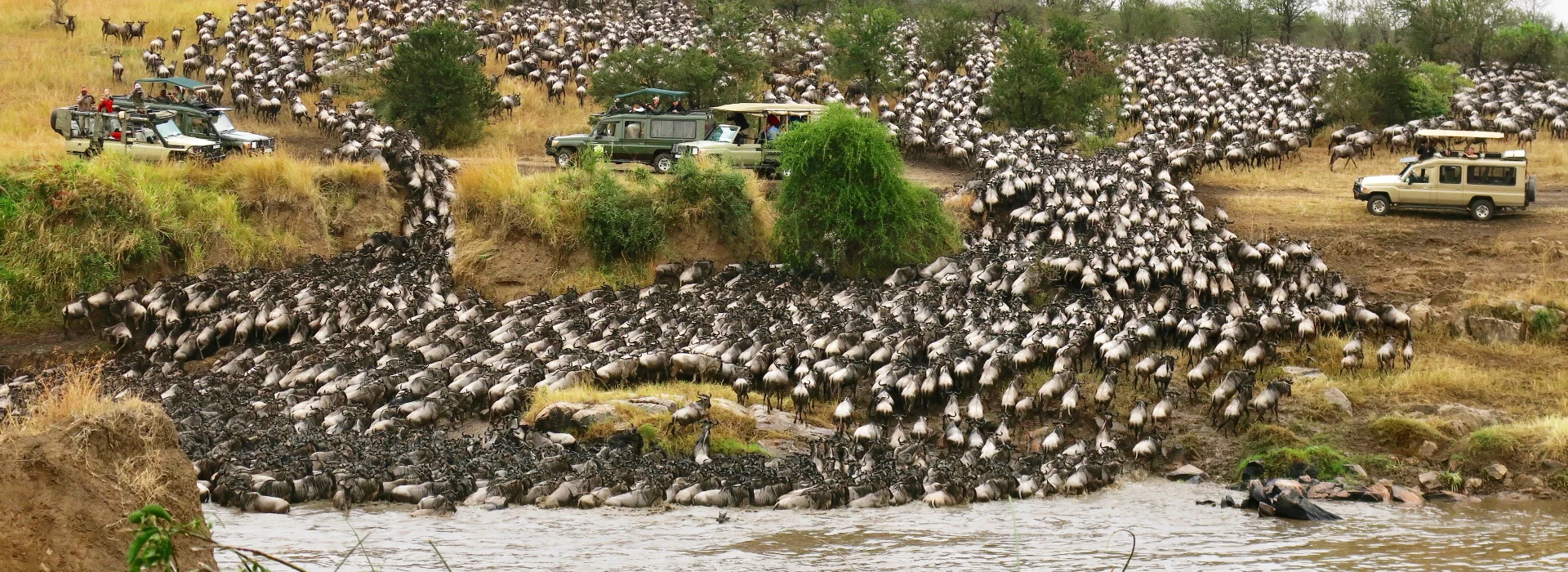
  • Wildebeest calving on the Ndutu plains in February
  • Big cats in the Seronera Valley, Central Serengeti
  • Private EWA mobile camps used by this group only
17-Day Great Migration Photographic Safari 2027 Safari Overview
Featured17-Day Great Migration Photographic Safari 2027
From$13,600per person
Book Now
Day-by-Day Itinerary

Your Safari Unfolds

Your 17-day adventure across Africa's most spectacular wilderness areas

1
Day 1

Arrival and Briefing at Kia Lodge

Arusha City

You're met at Kilimanjaro International Airport and taken to Kia Lodge, close to the airport, for the first two nights. The rest of the day is for getting over the flight. Sit by the pool, unpack your camera gear and check it over. Later there's a detailed safari briefing covering the itinerary, wildlife photography tips and the practical information you'll need. Dinner is included tonight. If your flight lands late, tomorrow's free day gives you a buffer.

Meals:Dinner
2
Day 2

Rest and Preparation at Kia Lodge

Arusha City

A second quiet day before the driving starts. Use it to finish setting up your equipment, test your settings and go over photography techniques, with time by the pool in between. It can feel slow, but starting rested matters on a trip with this many early mornings and long days in the field. Breakfast, lunch and dinner are included, and it's your second night at Kia Lodge. Tomorrow you head for Tarangire.

Meals:Breakfast, Lunch, Dinner
3
Day 3

Kia Lodge to Tarangire National Park

Tarangire National Park

Today you drive to Tarangire National Park, known for its large elephant populations and its mix of savanna, swamp and woodland. You start exploring straight away, photographing elephants, lions, giraffes, zebras and the park's birds. The baobab trees are the signature subject here, and the evening light behind them is worth waiting for. Your base for three nights is the EWA Private Mobile Camp in Tarangire, used only by this group. Breakfast, lunch and dinner are included.

Meals:Breakfast, Lunch, Dinner
4
Day 4

Tarangire Photography: Wildlife and Landscapes

Tarangire National Park

A full day in Tarangire built around photography sessions. You work on wildlife interactions, practise composition with the baobabs as a frame, and spend time on the park's bird species. Your guide positions the vehicle for the light, and with no rush to move on you have room to try different approaches at each sighting. In the evening there's a photo review back at camp and a plan for the next day. All meals are included at the EWA Private Mobile Camp.

Meals:Breakfast, Lunch, Dinner
5
Day 5

Tarangire Cultural Experience

Tarangire National Park

Today mixes wildlife and people. There's an optional visit to a nearby Maasai village to learn about their way of life and, with permission, to photograph it. Always ask before photographing anyone, and your guide will help with that. The rest of the day is spent back in Tarangire, working with different light and animal behaviour from the previous days. It's your last night at the EWA Private Mobile Camp in Tarangire, with breakfast, lunch and dinner included.

Meals:Breakfast, Lunch, Dinner
6
Day 6

Tarangire to Lake Manyara National Park

Lake Manyara National Park

You drive to Lake Manyara National Park, which sits at the foot of the Great Rift Valley escarpment. The habitats change quickly here, from groundwater forest to the soda lake, and the first afternoon is about getting to know them and how the light falls on each. Your guide also starts looking for the park's tree-climbing lions, the main subject for tomorrow. You check into Tortilis Camp Manyara for three nights, with all meals included.

Meals:Breakfast, Lunch, Dinner
7
Day 7

Lake Manyara Tree-Climbing Lions

Lake Manyara National Park

Today's main subject is the tree-climbing lions Lake Manyara is known for, though no sighting is ever certain. Between lions, you photograph large baboon troops, hippos and the birdlife, including flamingos along the lake's edge. The Rift Valley escarpment and the lake give you strong landscape frames as well. In the evening there's an optional night game drive if you want to try photographing nocturnal species. Breakfast, lunch and dinner are included, with the night at Tortilis Camp Manyara.

Meals:Breakfast, Lunch, Dinner
8
Day 8

Lake Manyara Birdlife and Landscapes

Lake Manyara National Park

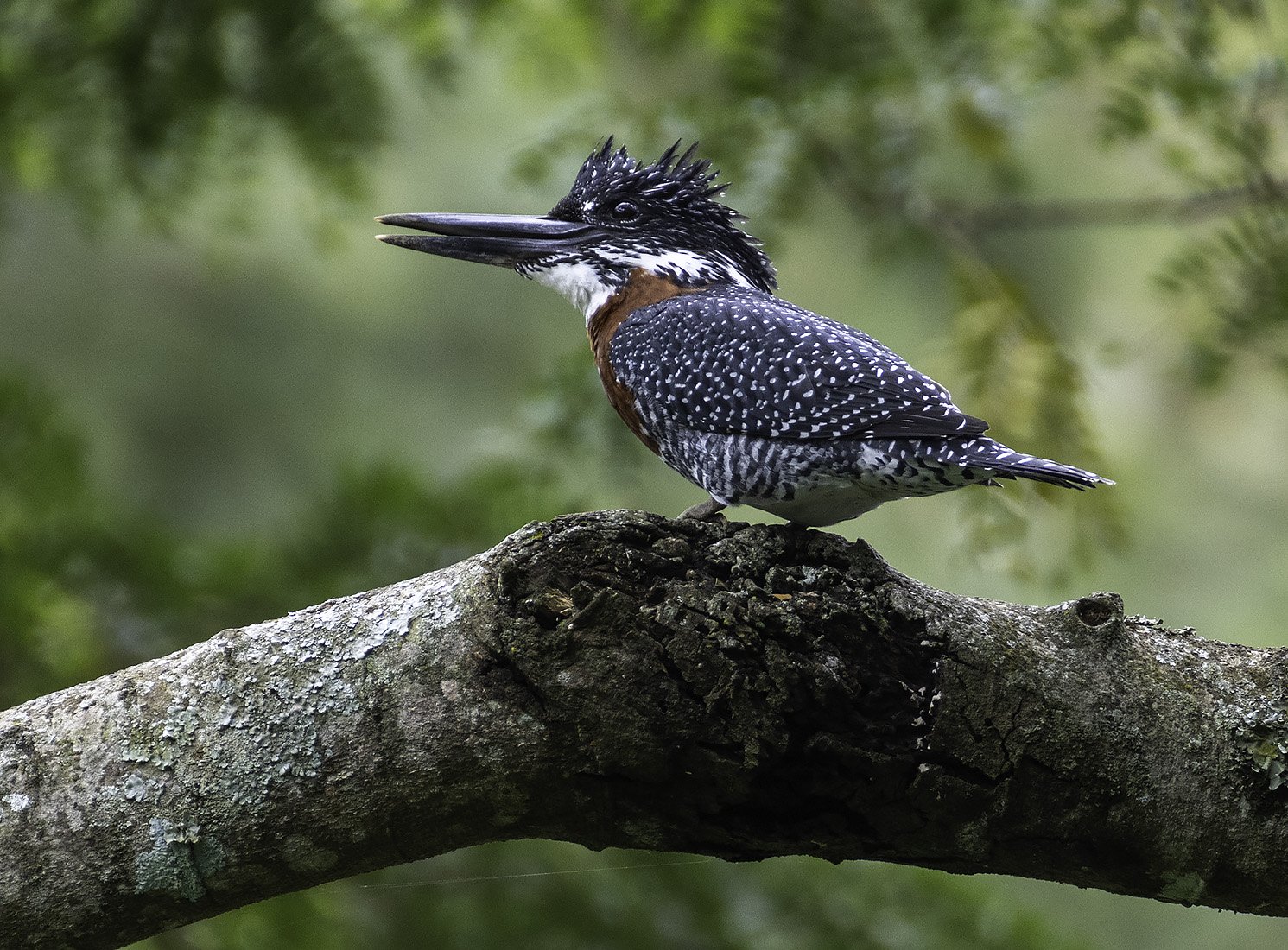
A day set aside for bird photography and landscapes. Manyara's birdlife gives you plenty to work with, and it's a good chance to practise flight photography: tracking a moving bird, choosing shutter speeds, timing the shot. You also spend time on wider compositions that show the lake ecosystem as a whole, and on handling the changing light through the day. All meals are included, and it's your last night at Tortilis Camp Manyara before you climb to Ngorongoro.

Meals:Breakfast, Lunch, Dinner
9
Day 9

Lake Manyara to Ngorongoro Conservation Area

Ngorongoro Crater

Today you head up to the Ngorongoro Conservation Area and the EWA Private Mobile Camp, used only by this group, for three nights. A small private camp means the activities can stay flexible. In the afternoon you start exploring the crater rim area and get ready for tomorrow's descent: check your gear, plan your lenses and think about the light on the crater floor. The highlands are cooler, so keep a warm fleece handy. Breakfast, lunch and dinner are included.

Meals:Breakfast, Lunch, Dinner
10
Day 10

Ngorongoro Crater Photography

Ngorongoro Crater

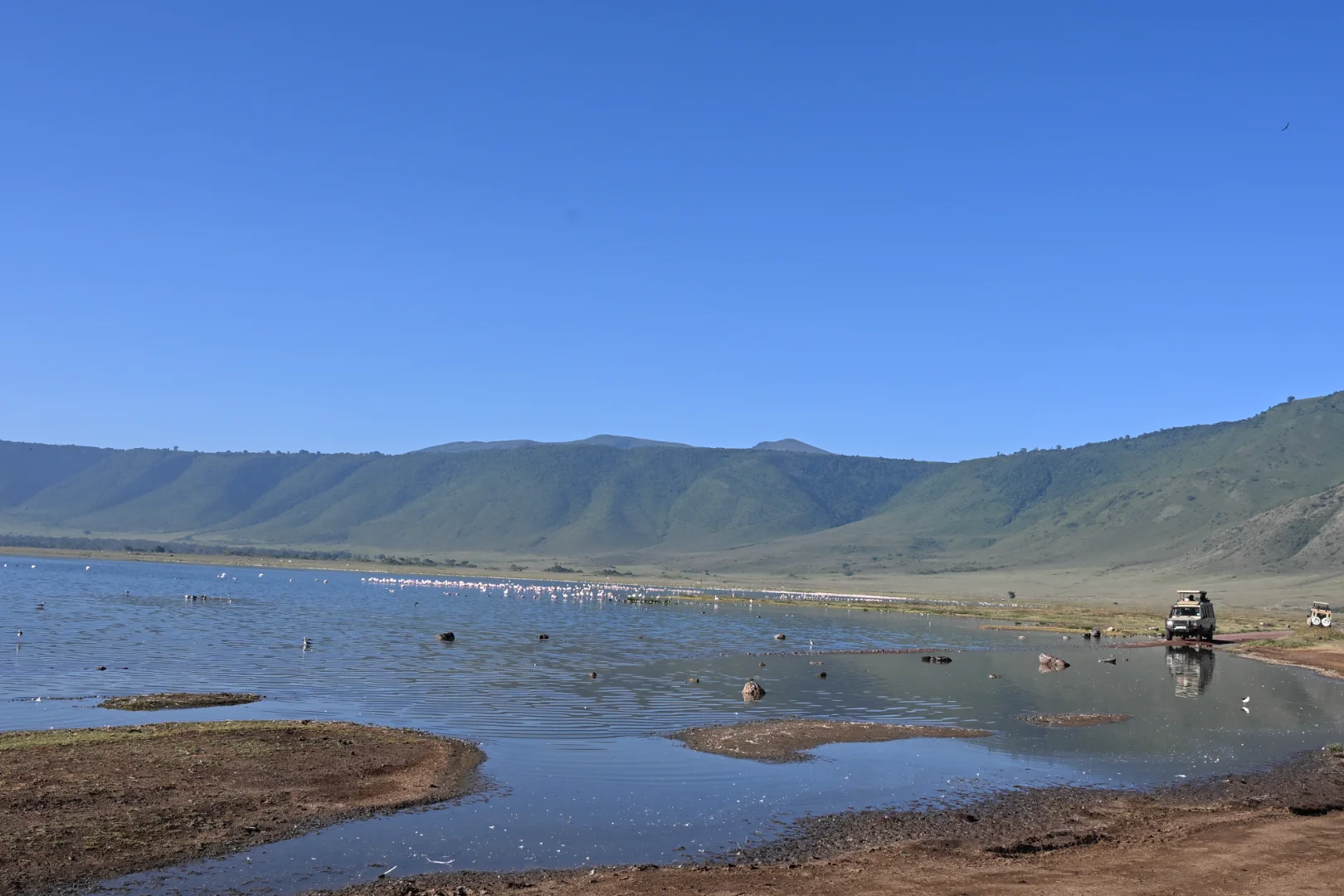
A full day of photography on the crater floor. Ngorongoro holds a high concentration of wildlife in a relatively small area, which gives you a lot of subjects in one day. Your guide looks for black rhinos, lions, elephants, buffaloes and leopards, though none of them can be promised. Expect to spend longer at fewer sightings rather than ticking animals off. The crater descent fee is included. You return to the EWA Private Mobile Camp in the evening, with all meals included.

Meals:Breakfast, Lunch, Dinner
11
Day 11

Ngorongoro Cultural and Wildlife Day

Ngorongoro Crater

Today includes a visit to a Maasai village to learn about their traditions and daily life, and to photograph them with permission. You also go back into the crater, working different areas and different light from yesterday. Because the camp is private to this group, the timing of the day can be shaped around what the group wants most. Breakfast, lunch and dinner are included, and it's your last night at the EWA Private Mobile Camp in Ngorongoro.

Meals:Breakfast, Lunch, Dinner
12
Day 12

Ngorongoro to Serengeti (Ndutu Region)

Ndutu Area

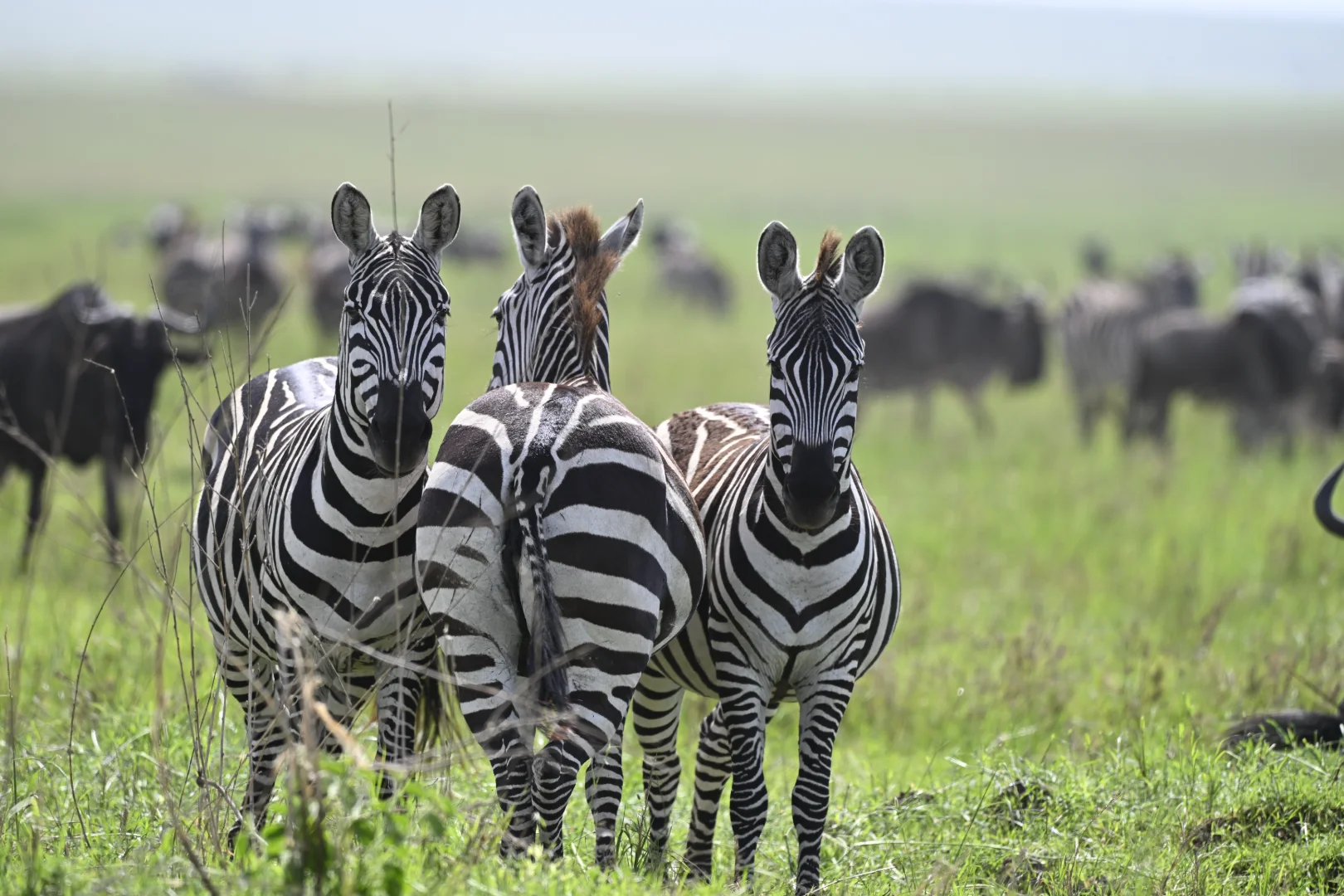
Today you travel to the Ndutu region of the Serengeti ecosystem, where the migration herds spread across the short-grass plains in February. Once there, you start exploring the plains and woodlands, photographing wildebeest and zebras and getting a feel for where the herds are concentrated. Savannah Ndutu Camp is your base for three nights, so there's no need to see everything today. Use the evening to back up your cards and sort your gear for the calving days ahead. Breakfast, lunch and dinner are included.

Meals:Breakfast, Lunch, Dinner
13
Day 13

Ndutu Calving Season Photography

Ndutu Area

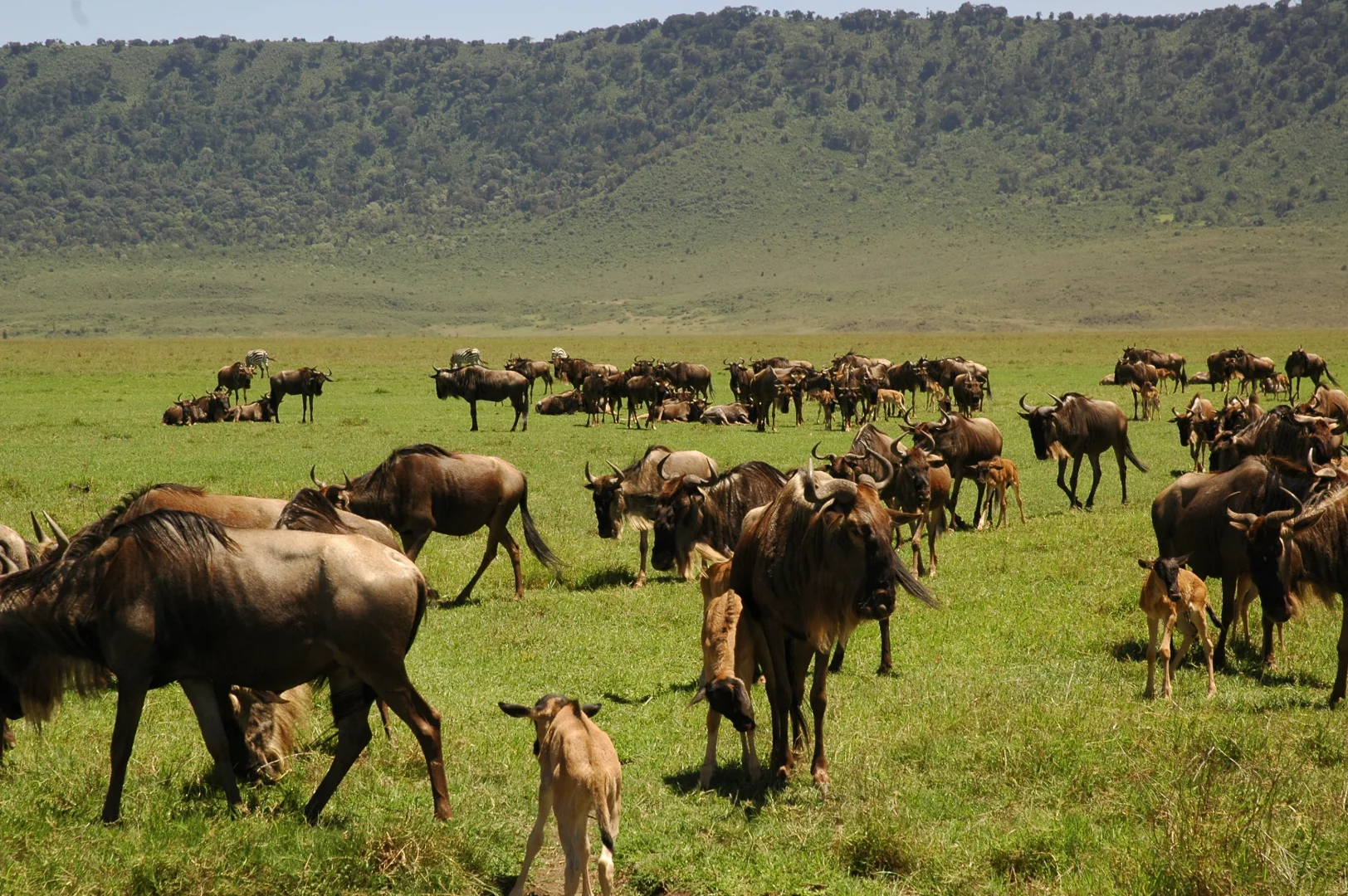
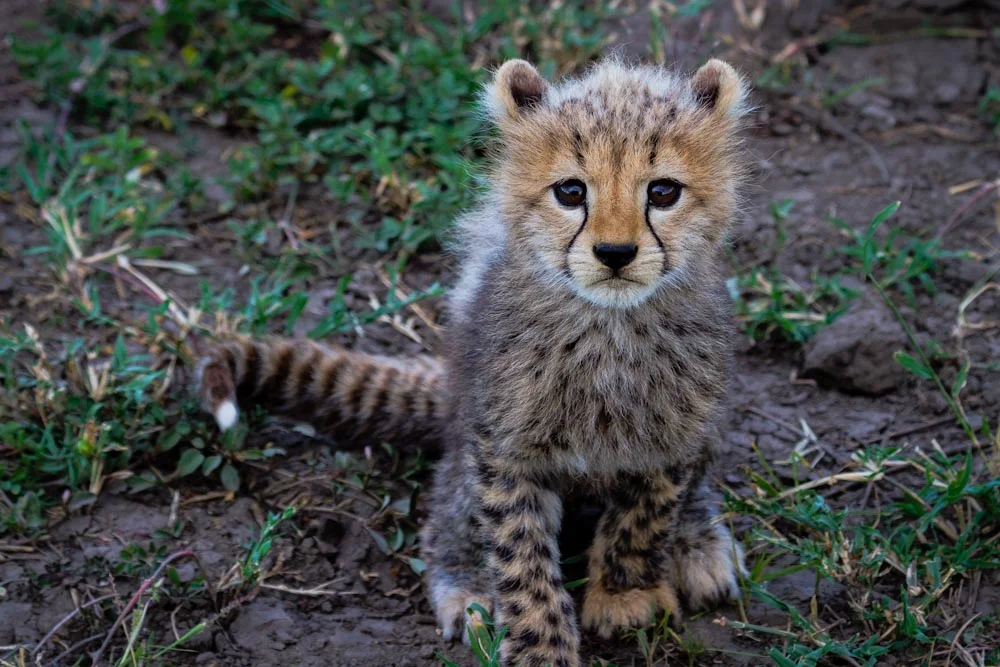
On a February departure, this is calving season. Thousands of newborns arrive on the plains, and they draw predators: lions, cheetahs and hyenas are often close to the herds. Today is about predator-prey interactions and newborn behaviour, from calves finding their feet to a possible chase. Your guide follows the activity and tries to set you up with good light and a clear line of sight. All meals are included, with the night at Savannah Ndutu Camp.

Meals:Breakfast, Lunch, Dinner
14
Day 14

Ndutu Landscape and Wildlife Photography

Ndutu Area

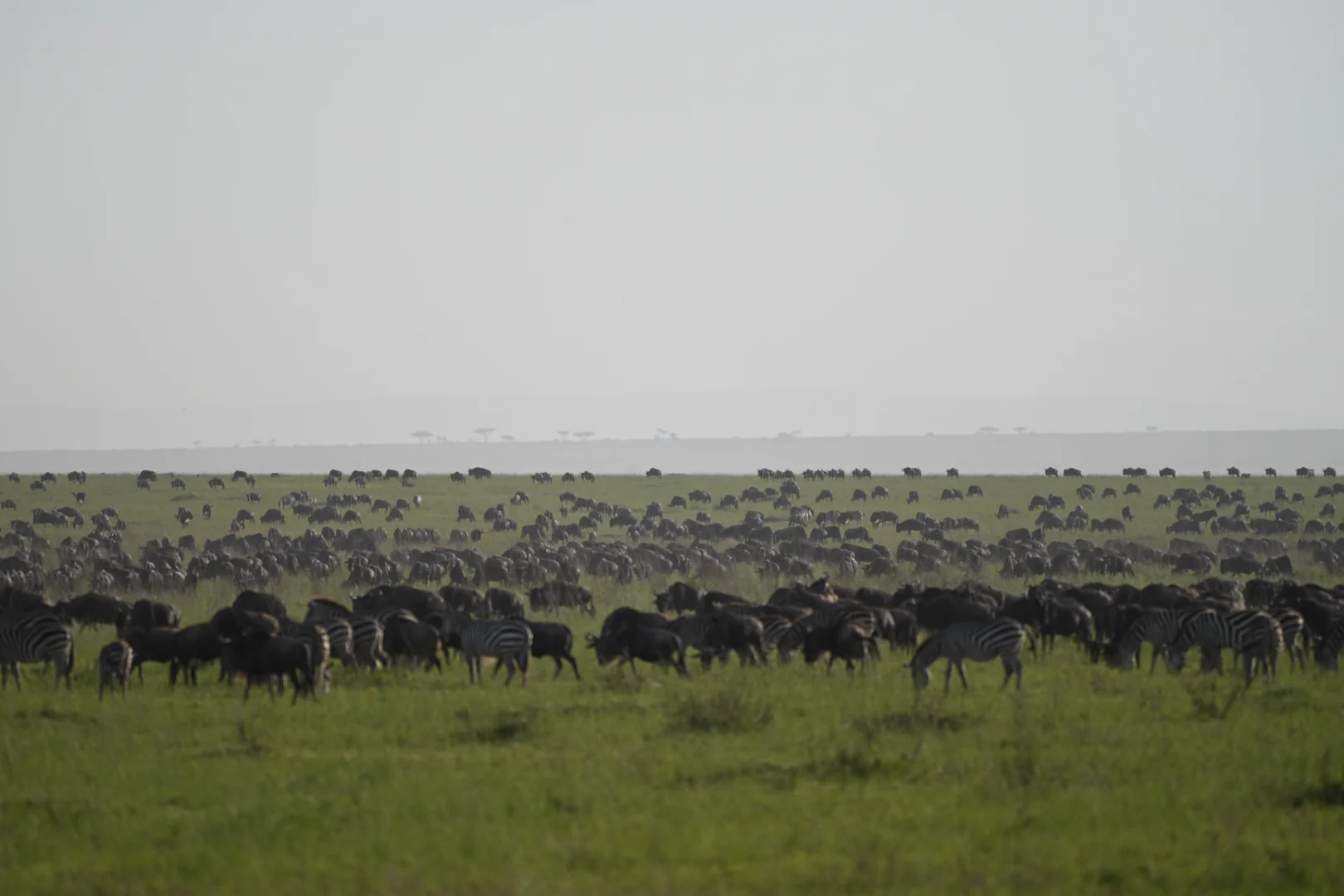
Today you use the soft light of early morning and late afternoon for landscapes and for wildlife in its setting. It's a day for composition: trying different focal lengths, wide shots of the herds across the plains, and frames that show the Serengeti ecosystem during the migration rather than single animals. The middle of the day is a good time to back up cards and review images. Breakfast, lunch and dinner are included, and it's your last night at Savannah Ndutu Camp.

Meals:Breakfast, Lunch, Dinner
15
Day 15

Central Serengeti: Seronera Valley

Central Serengeti

You move to the Central Serengeti, an area known for its wildlife all year round. The focus here is big cats: leopards in the acacia trees and cheetahs on the open plains. You spend the afternoon exploring the Seronera Valley and its concentrations of wildlife. Expect some long waits at sightings, which is often where the best frames come from. Kati Kati Tented Camp is your base for the final two nights. Breakfast, lunch and dinner are included.

Meals:Breakfast, Lunch, Dinner
16
Day 16

Central Serengeti Photography Day

Central Serengeti

A full photography day in the Central Serengeti. It can start with an optional hot air balloon flight at sunrise for aerial images of the plains; tell us early if you want a place. Later you visit the hippo pools to photograph hippos wallowing and interacting. The afternoon golden hour is the time for wildlife and landscapes in warm light. It's your last night on safari, at Kati Kati Tented Camp, with all meals included.

Meals:Breakfast, Lunch, Dinner
17
Day 17

Return to Kilimanjaro and Departure

Arusha City

There's time for a final morning game drive and breakfast before you transfer to the airstrip for the flight back to Kilimanjaro International Airport. At Kia Lodge you have a day room to freshen up, repack and make sure your camera equipment is packed safely before your international flight. Keep lenses and bodies in your carry-on camera bag and clothes in a soft duffel for the light aircraft. Breakfast and lunch are included.

Meals:Breakfast, Lunch
Safari Route Map
Route Overview

Arusha City → Arusha City → Tarangire National Park → Tarangire National Park → Tarangire National Park → Lake Manyara National Park → Lake Manyara National Park → Lake Manyara National Park → Ngorongoro Crater → Ngorongoro Crater → Ngorongoro Crater → Ndutu Area → Ndutu Area → Ndutu Area → Central Serengeti → Central Serengeti → Arusha City

Plan Your Safari

Dates & Pricing

From

$13,600

per person

Departure

February 14, 2027

12 spots available

Book Now
What's Included

Your Safari Package

Complete Safari Package
  • Full board accommodation at handpicked lodges and camps
  • All game drives in 4x4 safari vehicles with pop-up roofs
  • Professional English-speaking safari guide
  • Park entry fees for all national parks and conservation areas
  • Ngorongoro Crater descent fee
  • Bottled water during game drives
  • All transfers and transportation
  • Emergency medical evacuation insurance
Not Included
  • International flights
  • Visa fees
  • Travel insurance (recommended)
  • Alcoholic beverages
  • Tips and gratuities for guide and lodge staff
  • Personal items and souvenirs
  • Optional activities not mentioned in itinerary
  • Additional meals and drinks outside of full board

We'll always tell you exactly what your safari covers before you pay. Need help with flights, visas, or insurance? Just ask — we arrange it all.

Safari Value Summary
Total Inclusions
8 Items
Meals Included
48 Meals
Accommodation
16 Nights
Game Drives
30+ Drives
Safari Days
17 Days
All-Inclusive Experience

Our safari package includes everything you need for an unforgettable adventure. No hidden costs or surprise charges.

Prefer it tailor-made? Design your safari
Independent Reviews

What Travellers Say About Us

Reviews of our safaris on independent platforms, from guests who travelled with our Arusha team.

Good to Know

17-Day Great Migration Photographic Safari 2027: Frequently Asked Questions

When is the 2027 photographic safari, and what season is it timed for?

The 2027 departure starts on 14 February, which puts the Ndutu days in the wildebeest calving season. In February the herds spread across the short-grass plains of the southern Serengeti ecosystem, and the newborn calves draw lions, cheetahs and hyenas. The rest of the route, through Tarangire, Lake Manyara, Ngorongoro and the Central Serengeti, has good resident wildlife at the same time.

Why does the trip start with two rest days at Kia Lodge?

So you start the safari rested and ready for long days in the field. Kia Lodge is a boutique hotel close to Kilimanjaro International Airport, with a pool. You use the time to rest, set up and test your camera gear, and join a detailed briefing on the itinerary and wildlife photography. It's also a buffer if a flight arrives late.

Is this a shared group trip, or can I book it privately?

This is a shared group departure limited to 12 participants in four stretched Land Cruisers, so you travel with other keen photographers. The EWA private mobile camps are used only by this group, which keeps things small and flexible. If you'd rather travel privately on a similar route or on other dates, our Arusha team can build a tailored version and send you a quote.

What will we photograph in Tarangire and Lake Manyara?

Tarangire is about elephants, baobab compositions, lions, giraffes, zebras and birds, with three nights to work different light. At Lake Manyara, based at Tortilis Camp Manyara, the focus shifts to tree-climbing lions, baboon troops, hippos and flamingos along the shore, plus a full day for bird and flight photography. There's also an optional night drive at Manyara.

How much time do we get on the Ngorongoro Crater floor?

You have a full day of photography on the crater floor on day ten, and more crater time on day eleven around a Maasai village visit. The crater holds a high concentration of wildlife in a small area, and your guide looks for black rhinos, lions, elephants, buffaloes and leopards. You stay three nights at the EWA Private Mobile Camp in Ngorongoro.

What are the camps like on this photographic safari?

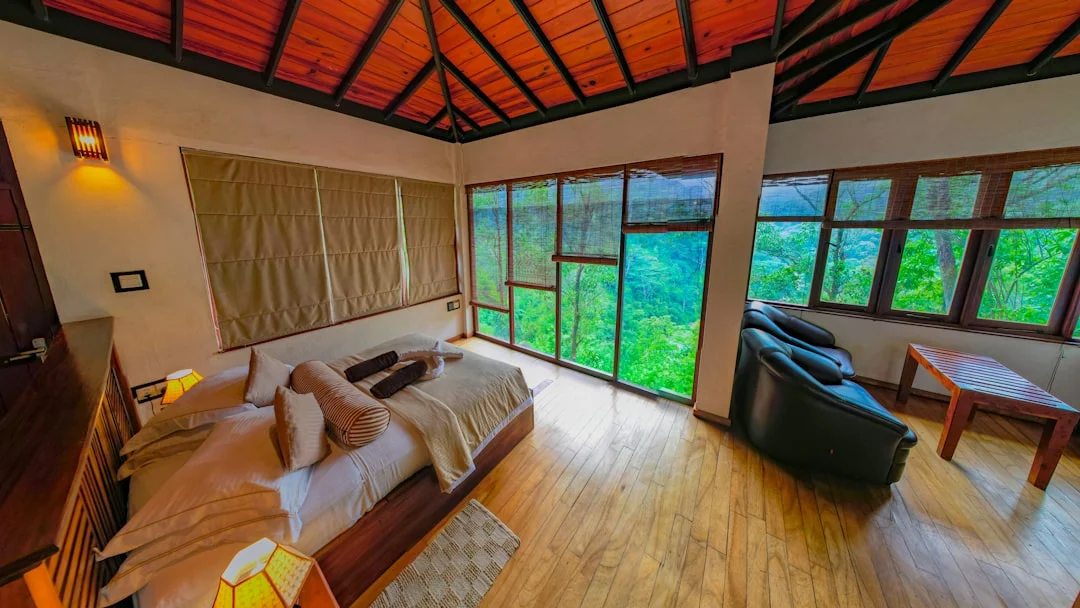
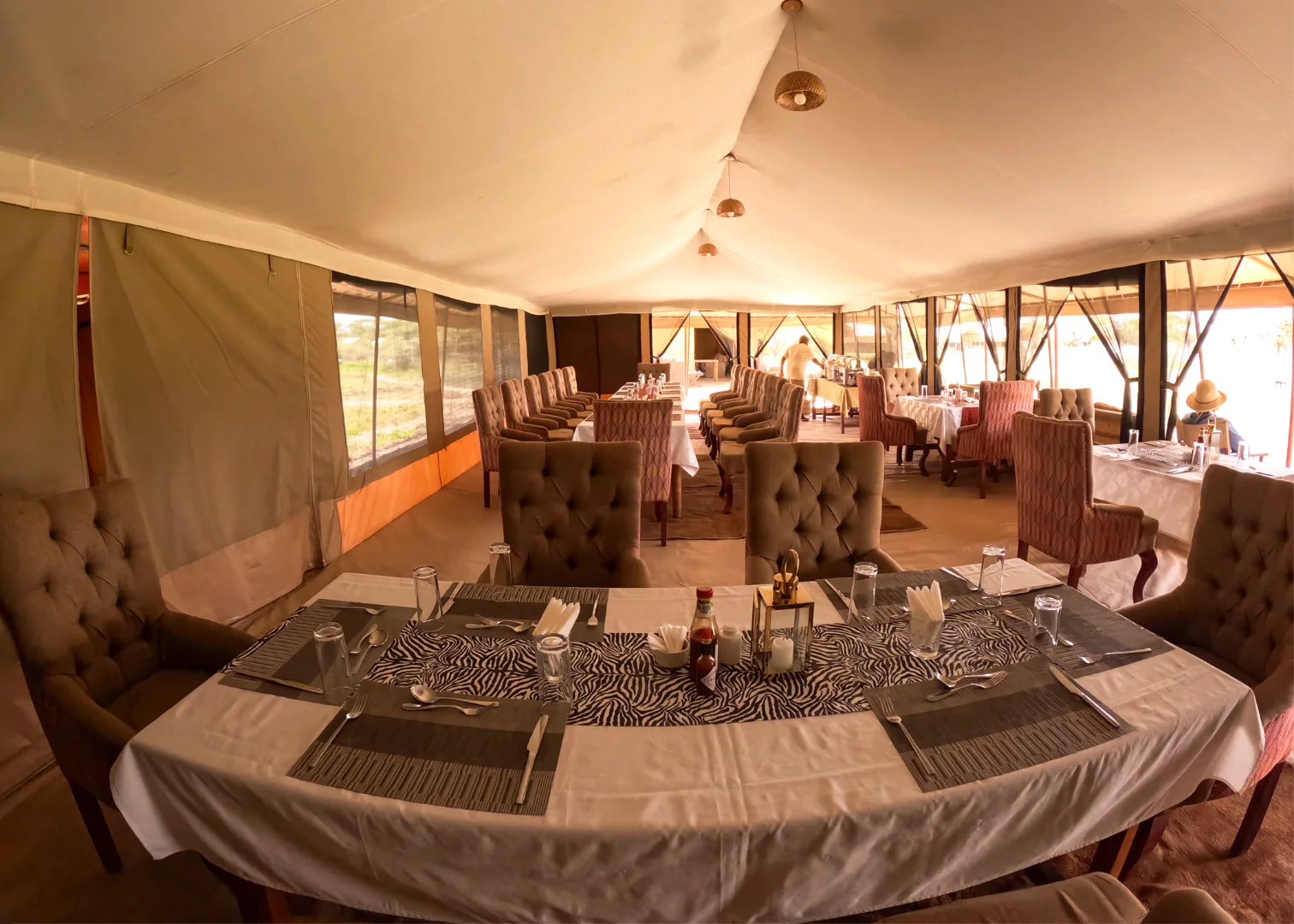
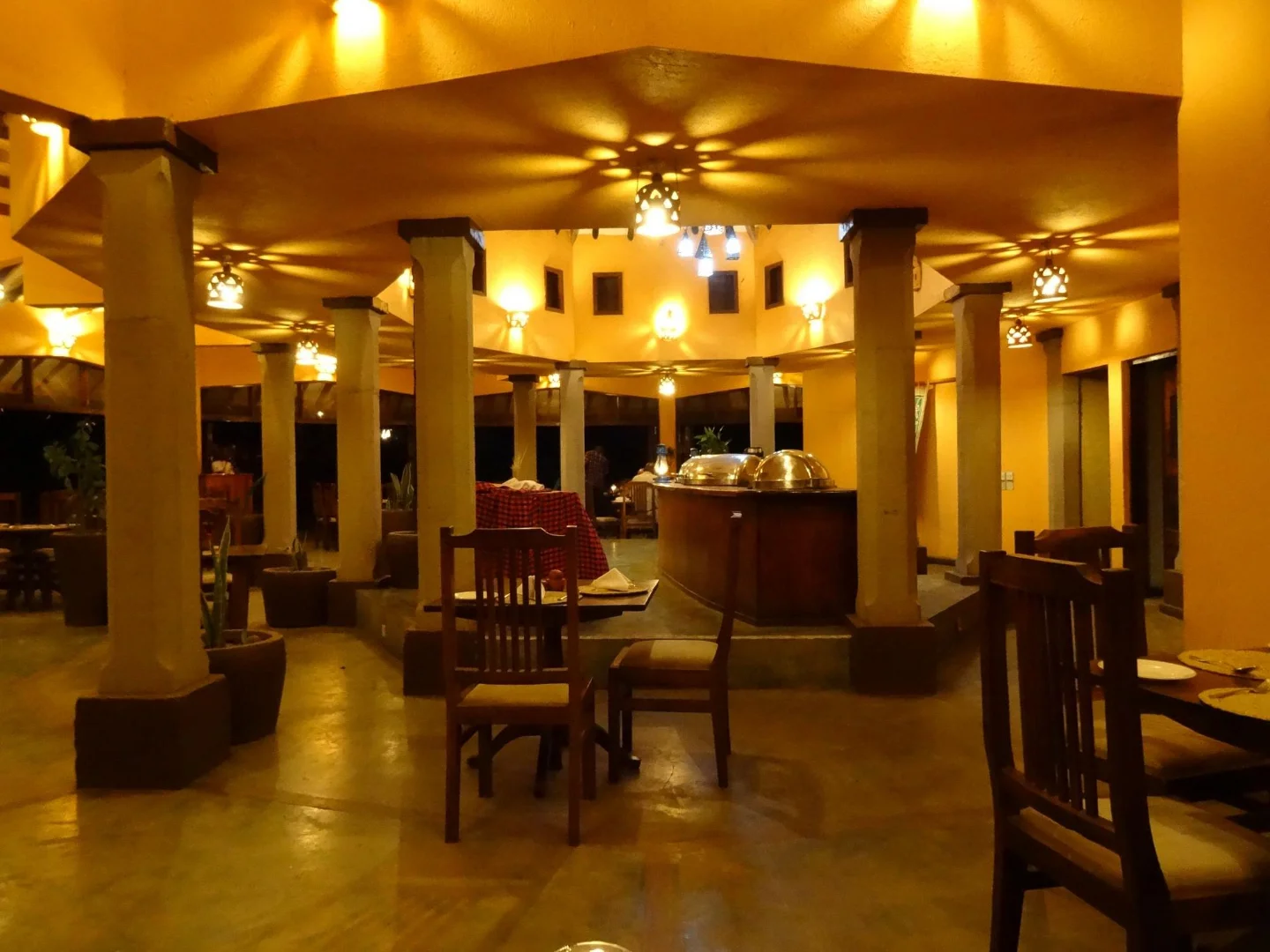
Mostly tented, chosen to keep you close to the wildlife. You stay at the EWA private mobile camps in Tarangire and Ngorongoro, which are for this group only, at Tortilis Camp Manyara and Kati Kati Tented Camp, and at Savannah Ndutu Camp, a tented camp on the calving plains. Kia Lodge, near Kilimanjaro airport, bookends the trip, with a day room on the last day.

Is there a hot air balloon option in the Serengeti?

Yes. Day sixteen in the Central Serengeti has an optional sunrise hot air balloon flight for aerial photographs of the plains. It isn't included, so tell us early if you want it and we'll help arrange it. The rest of that day goes to the hippo pools and the golden light around the Seronera Valley, where leopards and cheetahs are the main subjects.

Are there cultural photography opportunities on this trip?

Yes, there are two chances to visit a Maasai village. The first is an optional visit near Tarangire on day five, and the second is a planned visit in the Ngorongoro area on day eleven. Both are a chance to learn about Maasai traditions and daily life as well as to photograph them. Always ask before photographing people; your guide can help.

How do we get back to Kilimanjaro at the end of the safari?

On the last day you fly from a Serengeti airstrip back to Kilimanjaro International Airport, after a final morning game drive and breakfast. A day room at Kia Lodge lets you freshen up, repack and secure your camera equipment before your international flight. Because of the light aircraft, pack clothes in a soft duffel bag and keep lenses and bodies in your carry-on camera bag.

How long is the 17-Day Great Migration Photographic Safari 2027?

The 17-Day Great Migration Photographic Safari 2027 is 17 days and 16 nights. The day-by-day itinerary on this page shows where you go and stay each day.

Which parks and places does the 17-Day Great Migration Photographic Safari 2027 visit?

This trip visits Tarangire National Park, Lake Manyara National Park, Ngorongoro Crater, Ndutu Area and Central Serengeti.

How difficult is the 17-Day Great Migration Photographic Safari 2027?

It is rated moderate: a reasonable level of general fitness is enough.

What is the group size on the 17-Day Great Migration Photographic Safari 2027?

It runs for groups of 2 to 12 travellers.

How much does the 17-Day Great Migration Photographic Safari 2027 cost?

Prices start from USD 13,600 per person. The final price depends on your travel dates and group size.

What is included in the 17-Day Great Migration Photographic Safari 2027?

Included: Full board accommodation at handpicked lodges and camps, All game drives in 4x4 safari vehicles with pop-up roofs, Professional English-speaking safari guide, Park entry fees for all national parks and conservation areas, Ngorongoro Crater descent fee, Bottled water during game drives, All transfers and transportation and Emergency medical evacuation insurance.

What is not included in the 17-Day Great Migration Photographic Safari 2027?

Not included: International flights, Visa fees, Travel insurance (recommended), Alcoholic beverages, Tips and gratuities for guide and lodge staff, Personal items and souvenirs, Optional activities not mentioned in itinerary and Additional meals and drinks outside of full board.
From

$13,600

Book Now

Your safari is waiting

Join thousands of travelers who have experienced the magic of Africa's wildlife with us.

Book Now