NgorongoroConservation Area
In northern Tanzania, the Ngorongoro Crater drops 600 meters from its misty rim into the world’s largest intact volcanic caldera. A UNESCO World Heritage Site, this sunken basin co…
Last updated:
Ngorongoro Conservation Area
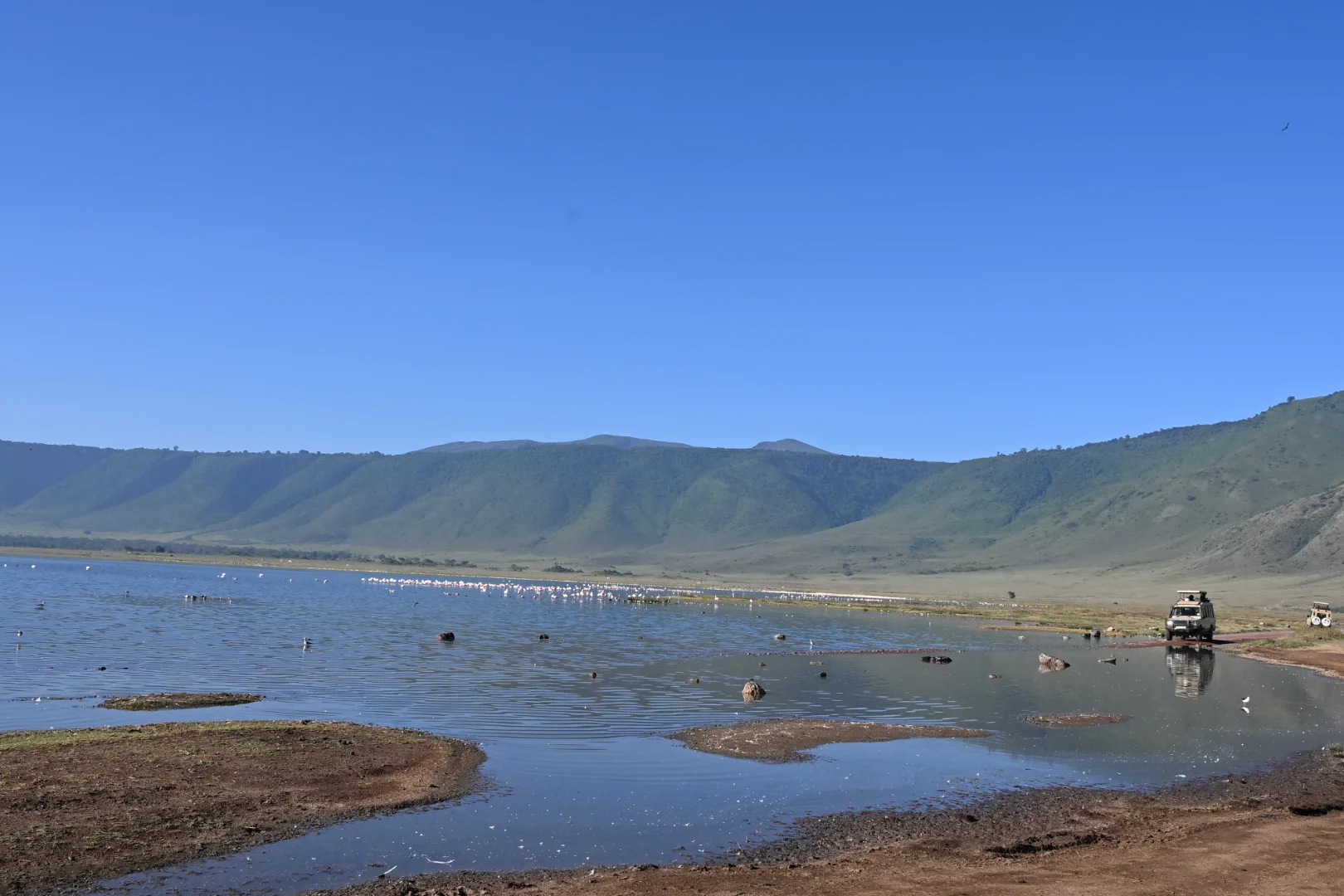
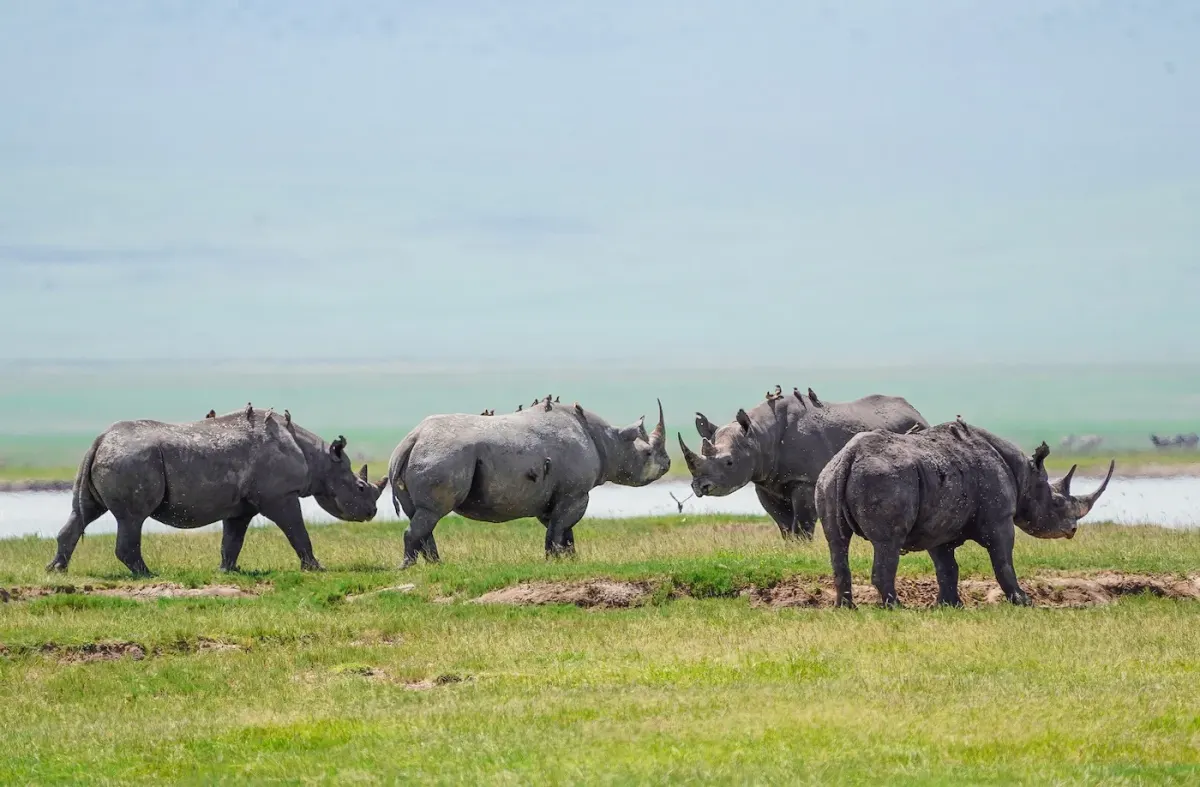
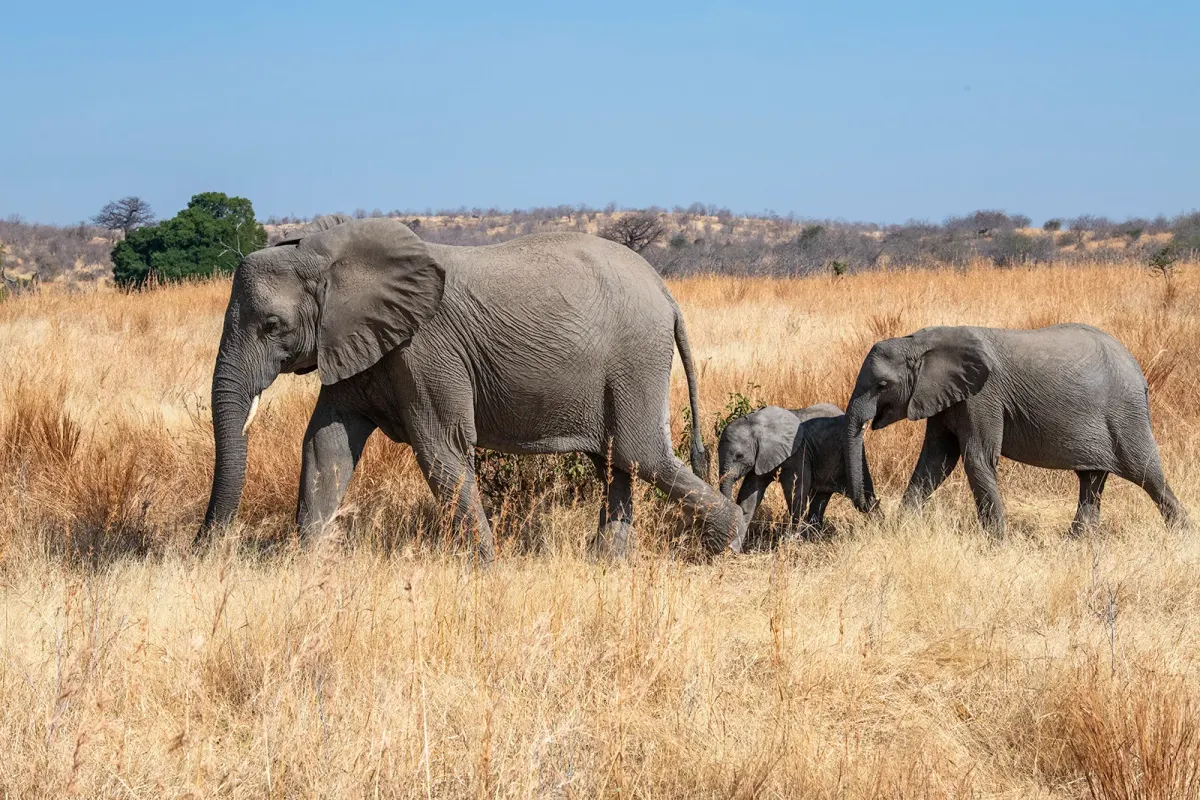
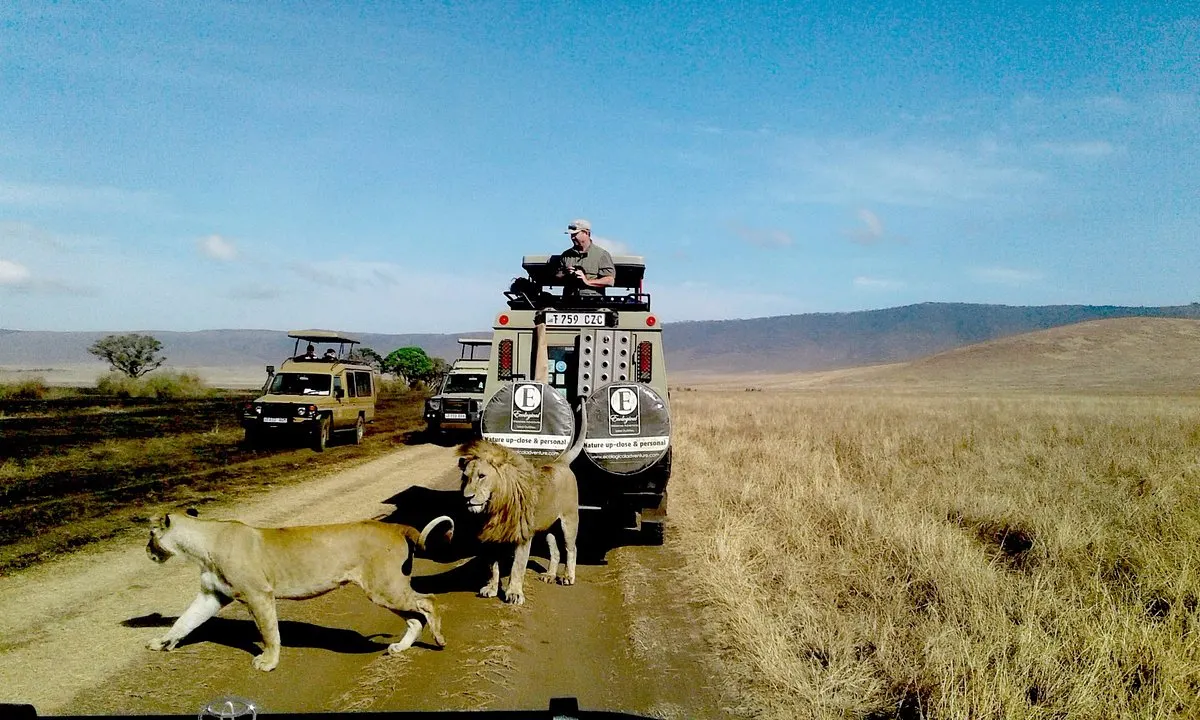
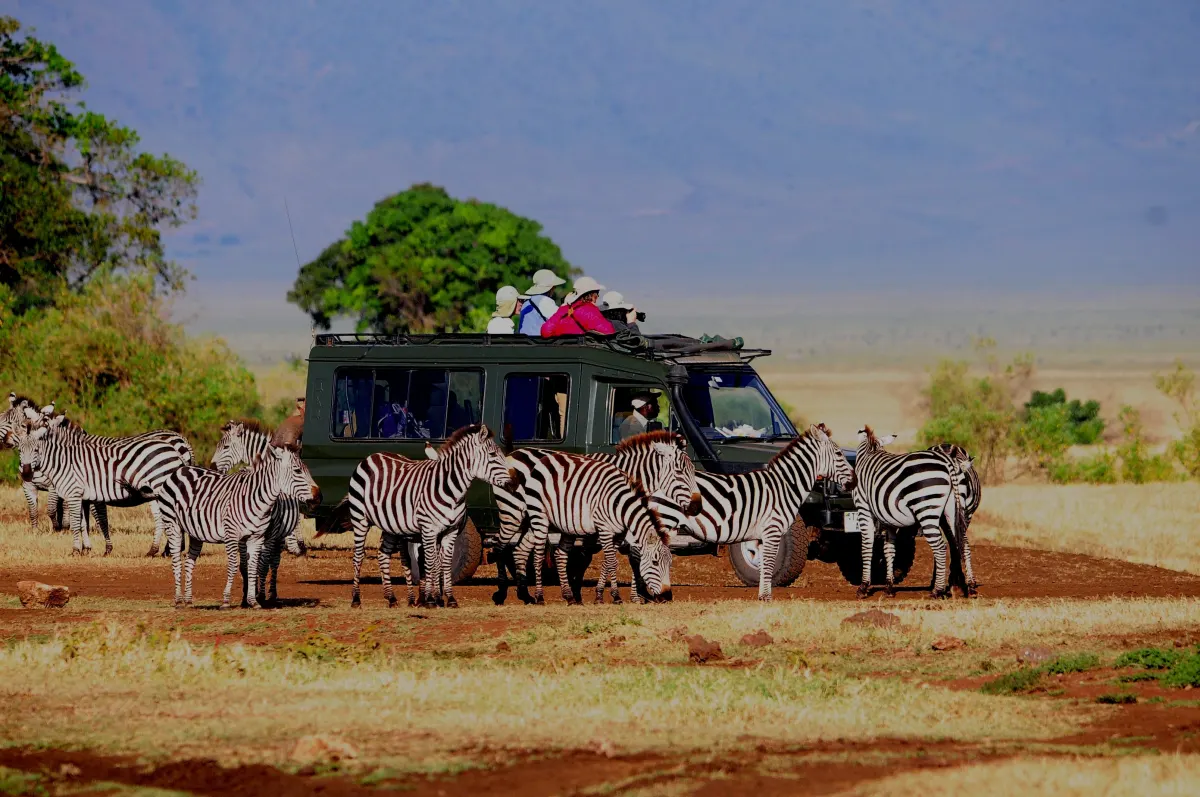
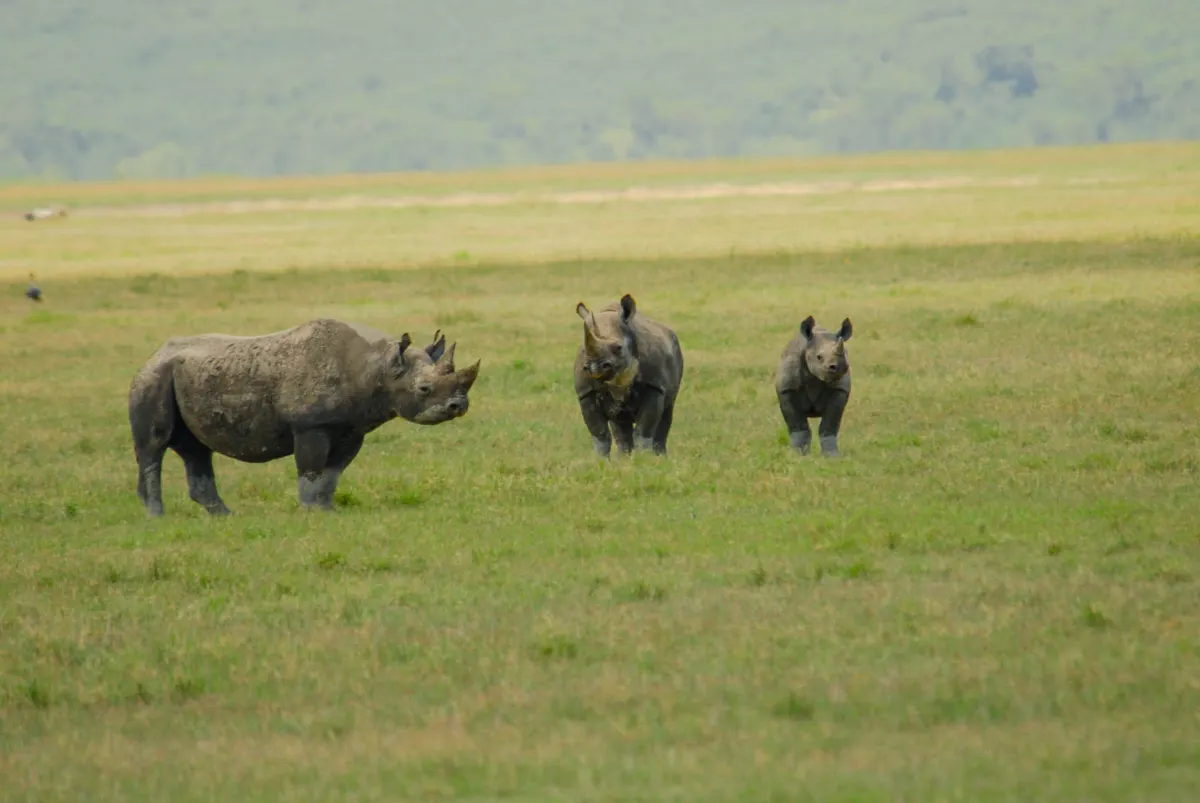
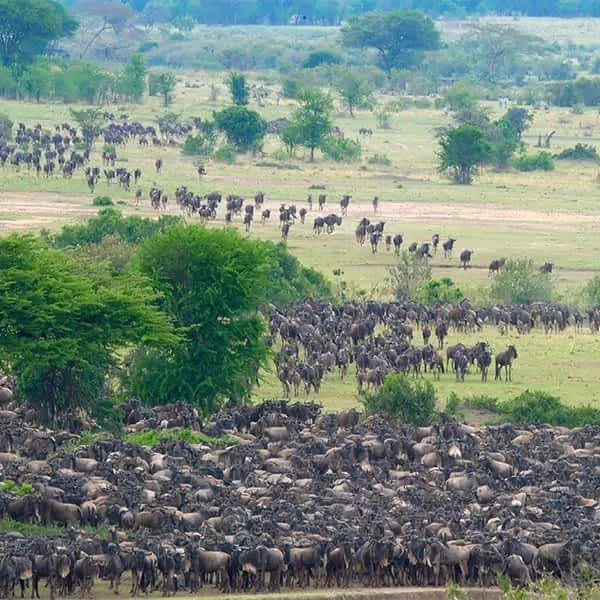
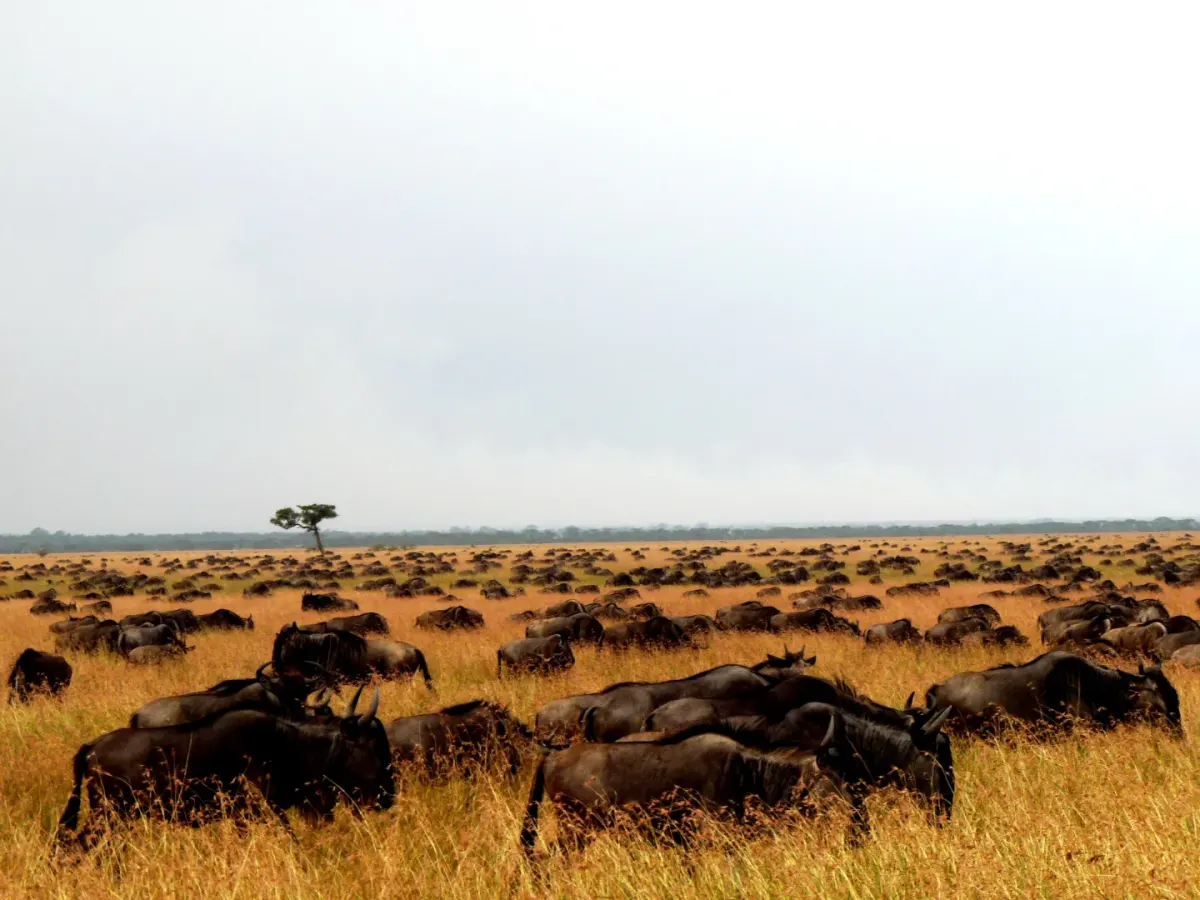
In northern Tanzania, the Ngorongoro Crater drops 600 meters from its misty rim into the world’s largest intact volcanic caldera. A UNESCO World Heritage Site, this sunken basin covers 260 square kilometers and holds roughly 25,000 large animals inside its steep natural walls. Because water and grass stay available all year, most animals never migrate—giving visitors a rare chance to see a huge cross-section of East African wildlife in a single day. Down on the crater floor, open short-grass plains give way to fever-tree woods, swamps, and Lake Magadi, a shallow soda lake in the center of the bowl. Wildebeest, zebras, buffaloes, and gazelles graze in thick herds, supporting a dense population of lions and spotted hyenas. Along the edge of the Lerai Forest, big bull elephants browse under yellow-barked acacias, while endangered black rhinos sometimes step out onto the open flats. Spotting all of the Big Five in one afternoon is genuinely realistic here. Water pulls in another layer of life. Hippos crowd into the freshwater pools around Ngoitokitok Springs, and Lake Magadi’s alkaline shallows often turn pink with thousands of flamingos feeding along the shore. Ngorongoro isn't walled off from local life, either. Maasai herders still bring their cattle down the steep crater trails to graze and drink alongside wild herds, continuing a routine that goes back generations. Big in scale and packed with wildlife from rim to floor, the crater feels like a self-contained world.
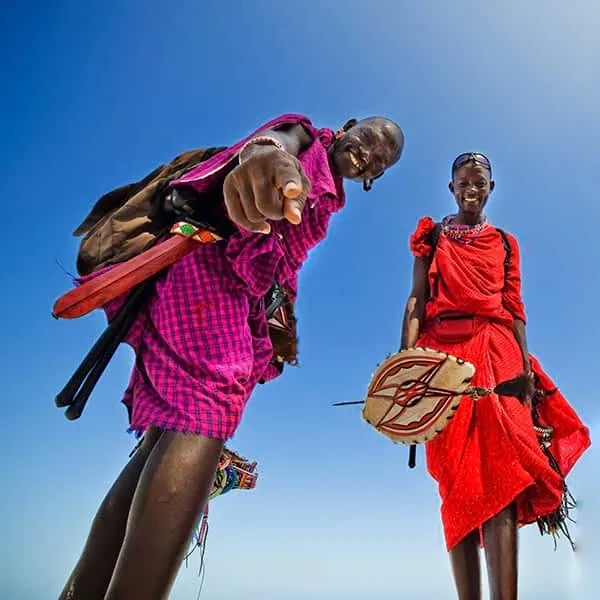
Beyond the famous crater, the Ngorongoro Conservation Area spans 8,292 square kilometres of highland plains, forests, and lakes — including the Empakaai Crater, Olduvai Gorge, and the shifting sands of the active Ol Doinyo Lengai volcano. It is the only conservation area in Tanzania where Maasai people live alongside wildlife.
Most visitors see only the crater, but the wider area rewards an extra day. Olduvai Gorge, where early human fossils were found, lies on the road between the crater and the Serengeti, so it fits into the transfer. Empakaai Crater, a smaller caldera with a lake on its floor, suits a morning of walking on the rim. A night in Karatu or on the rim lets you do these without rushing.
Year-round; best June to September for dry season. December to March for wildebeest calving nearby.
Cool highland climate, temperatures 10-25°C. Fog and rain common on crater rim.
TZ, Northern Circuit
Plan Your Visit
Ready to explore Ngorongoro Conservation Area? Our experts craft bespoke itineraries tailored to your travel dates and interests.
Browse Safari ToursGet a Custom QuoteWildlife & Activities
Safari Tours
Through the Lens
Nearby Destinations
Ngorongoro Conservation Area is waiting for you
Begin your African adventure with expert-guided safaris tailored to your interests.
Ngorongoro Conservation Area: Frequently Asked Questions
How does the Ngorongoro Crater compare with other safari destinations in Tanzania?
The Ngorongoro Crater is the world's largest intact volcanic caldera and a UNESCO World Heritage Site, and its 260 square kilometre floor holds roughly 25,000 large animals. That concentration makes it one of Africa's most reliable wildlife viewing destinations.
Is the Ngorongoro Conservation Area only the crater?
No. The crater is the headline feature, but the conservation area spans 8,292 square kilometres of highland plains, forests and lakes. It also contains the Empakaai Crater, Olduvai Gorge and the shifting sands of the active Ol Doinyo Lengai volcano.
Do people live inside the Ngorongoro Conservation Area?
Yes. It is the only conservation area in Tanzania where Maasai people live alongside wildlife.
Can Olduvai Gorge and Ol Doinyo Lengai be visited as part of a Ngorongoro trip?
Both sites lie within the Ngorongoro Conservation Area, along with the Empakaai Crater, so they can be worked into the same itinerary. Ecological Wilderness Adventure can tailor a route and quote it on request.
Is Ol Doinyo Lengai an active volcano?
Yes, Ol Doinyo Lengai is an active volcano, and its shifting sands are one of the features found within the Ngorongoro Conservation Area.
How can I arrange a safari to the Ngorongoro Conservation Area?
Ecological Wilderness Adventure is a TATO-licensed Tanzania and East Africa safari tour operator, and can tailor an itinerary and quote a trip on request.