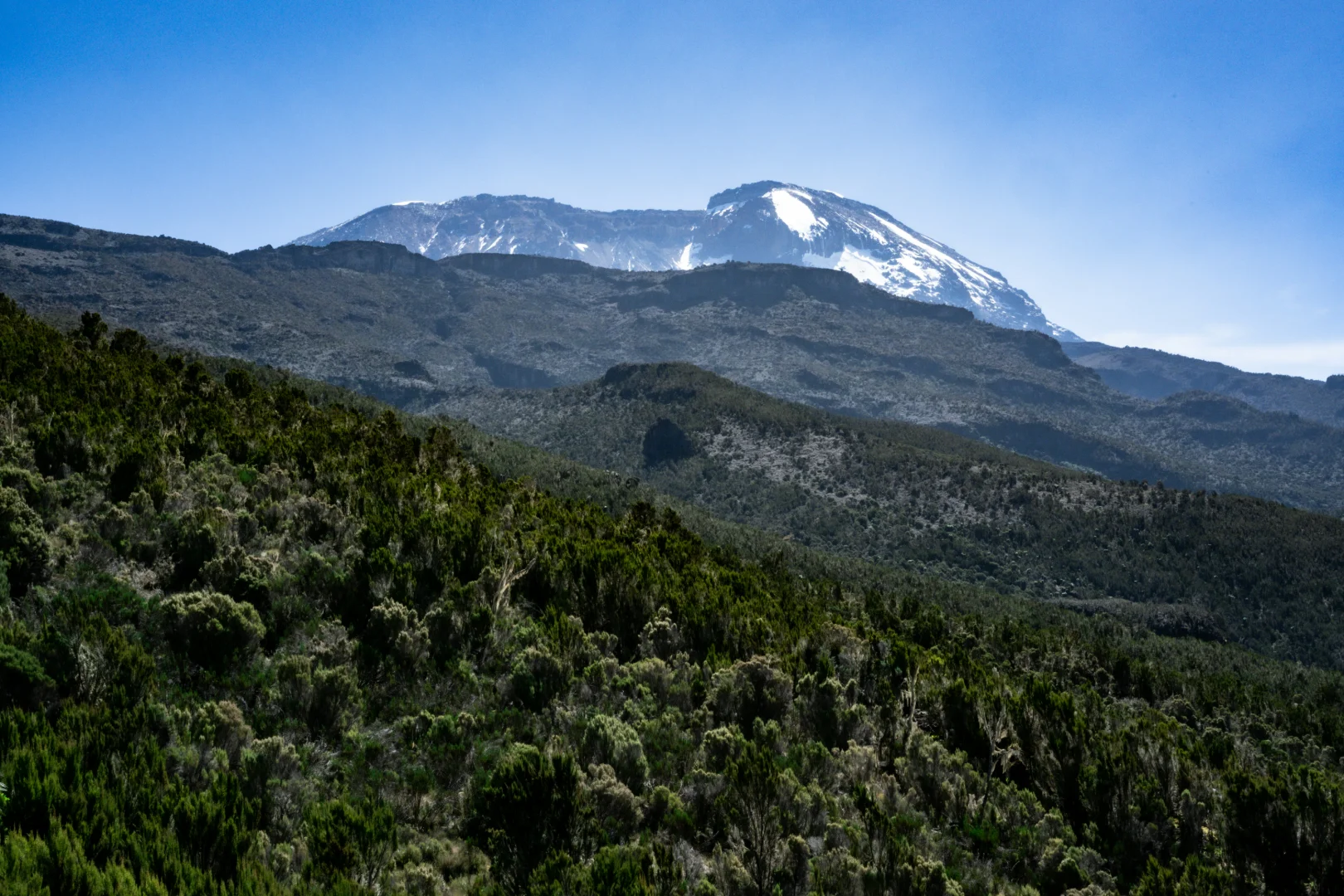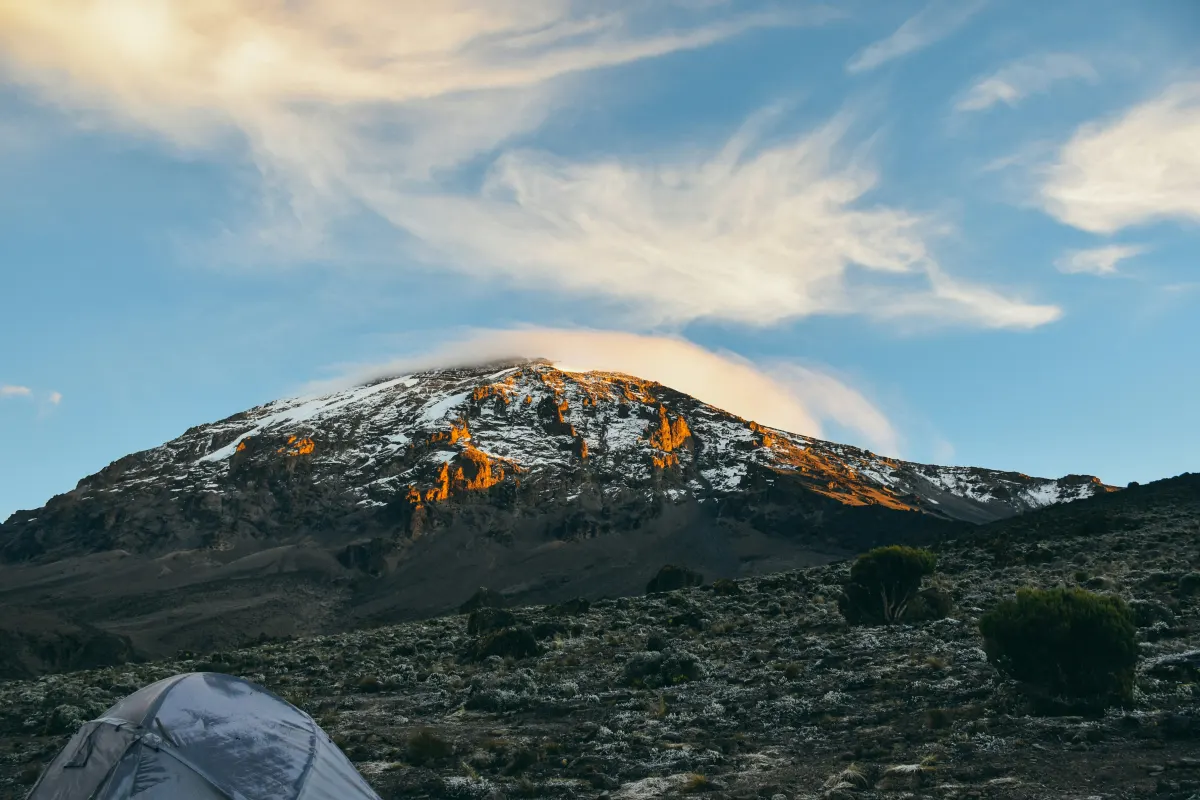
Dreaming of standing on the Roof of Africa? Our comprehensive Kilimanjaro climbing guide covers all 8 routes, costs, training, best times to climb, and insider tips from our expert guides with 20+ years experience.
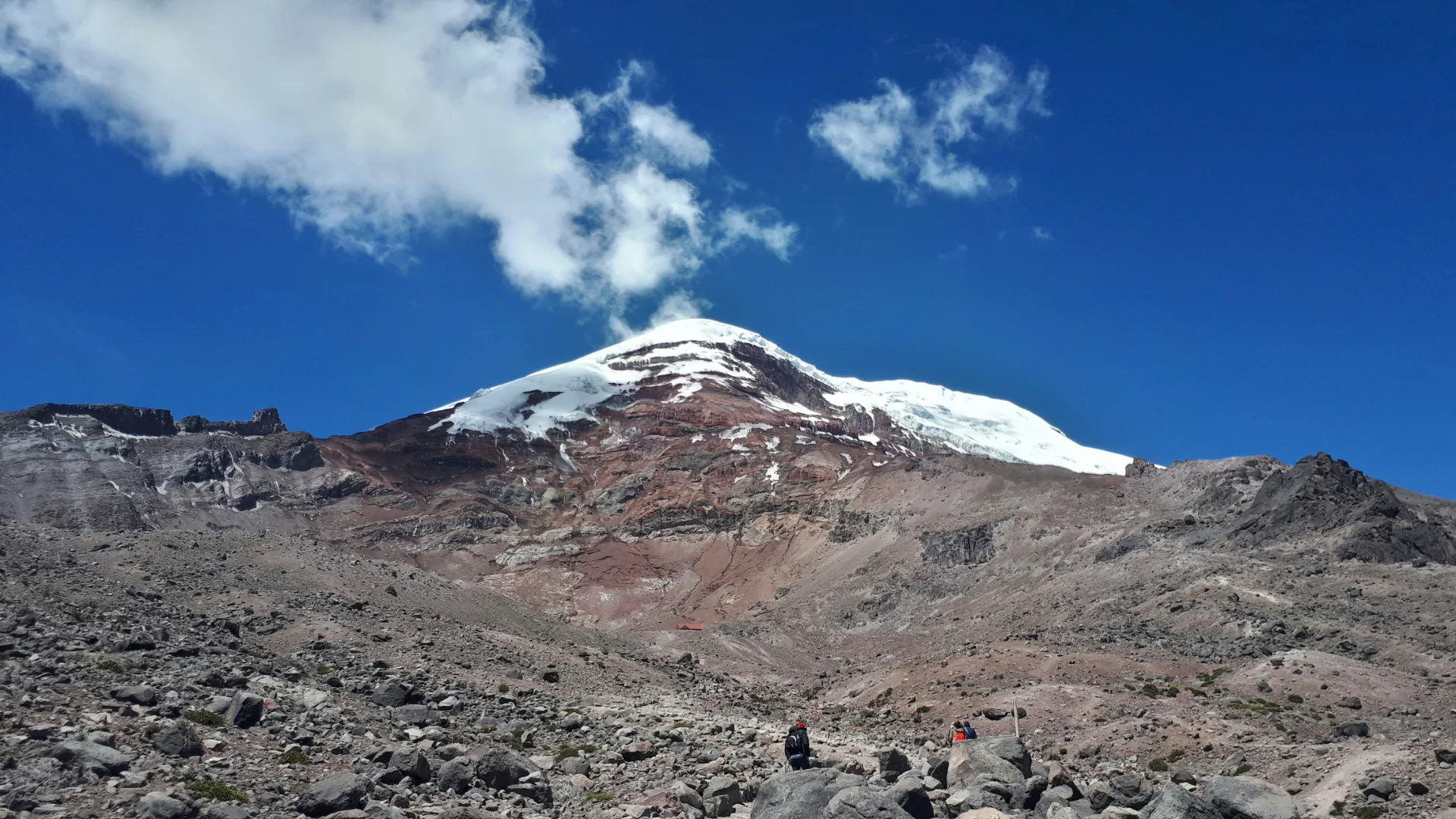
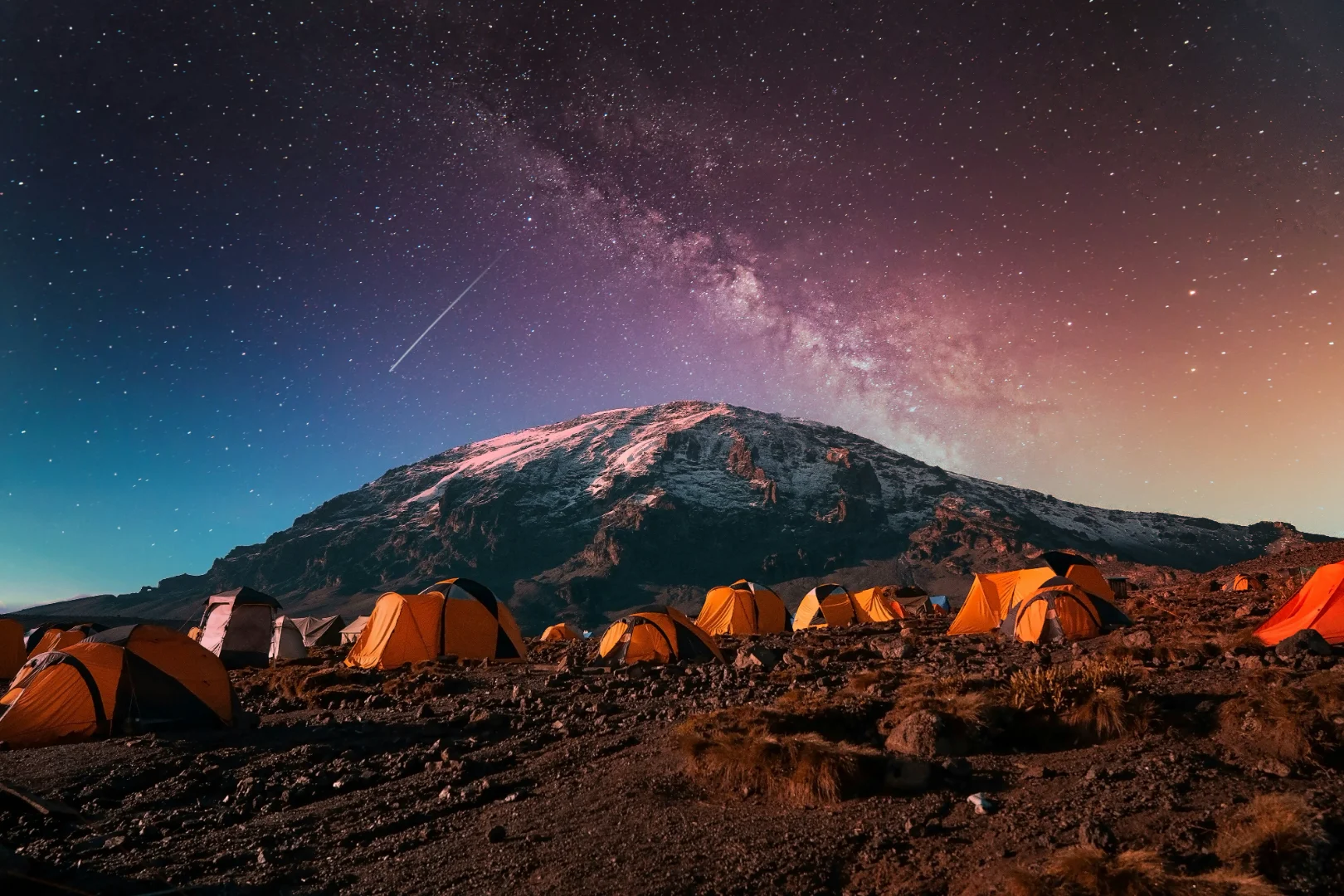
Mount Kilimanjaro, standing at 5,895 meters (19,341 feet), is Africa's highest peak and the world's tallest free-standing mountain. As one of the Seven Summits, it attracts over 50,000 climbers annually, offering a once-in-a-lifetime adventure without requiring technical mountaineering skills.
All our routes are on the Kilimanjaro climbing page.
Why Climb Kilimanjaro?
- No Technical Skills Required: Unlike other major peaks, Kilimanjaro is a trekking mountain - no ropes, ice axes, or climbing experience needed
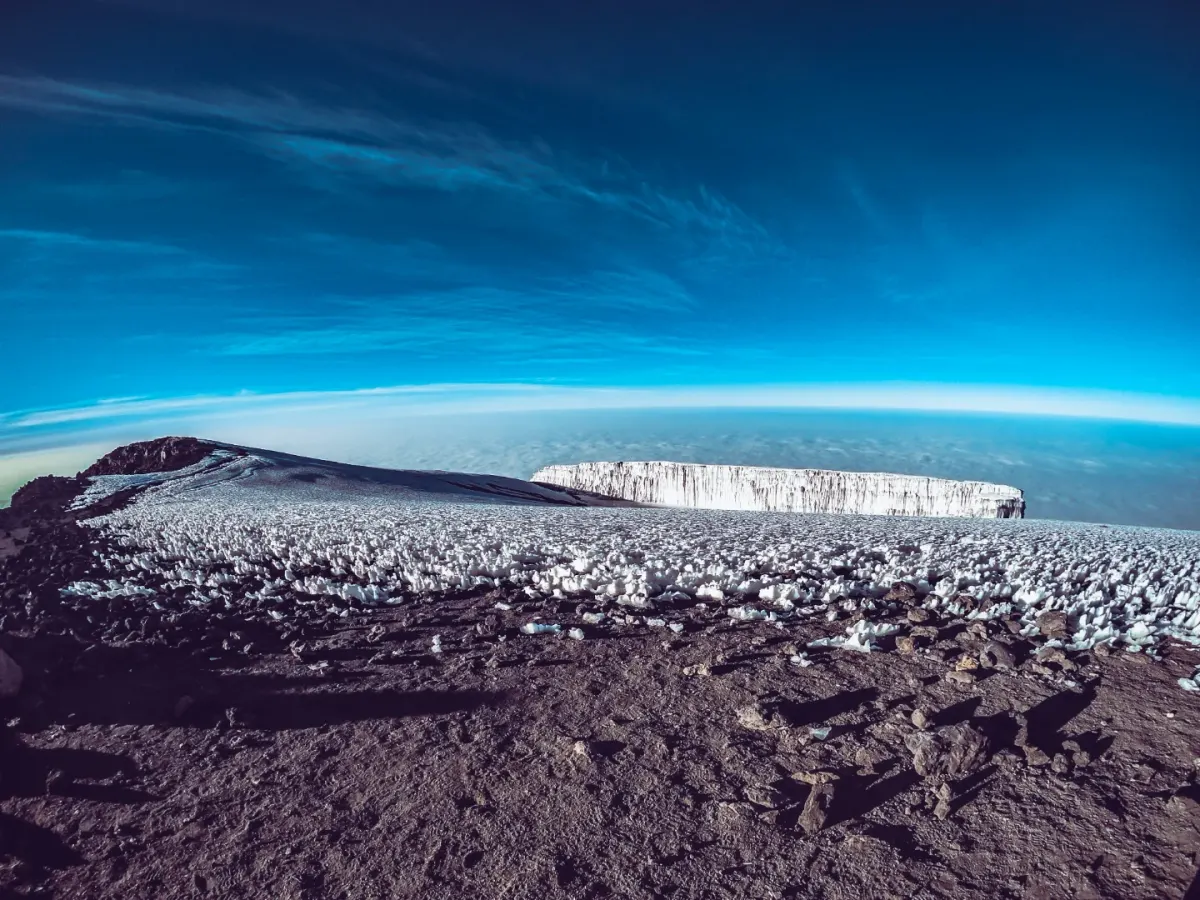
- Diverse Ecosystems: Trek through 5 climate zones from rainforest to arctic summit
- Uhuru Peak Success: Average 65% success rate (increases to 80-95% on longer routes)
- Accessible Adventure: Suitable for fit individuals aged 10-80+
- Life-Changing Experience: Standing on the Roof of Africa is truly unforgettable
Kilimanjaro Routes Compared: All 8 Routes Explained
1. Machame Route (Whiskey Route) ⭐ Most Popular
Duration: 6-7 days
Difficulty: Moderate-Challenging
Success Rate: 70-85%
Scenery: ⭐⭐⭐⭐⭐
Crowds: High
Why Choose Machame:
- Excellent acclimatization profile ("climb high, sleep low")
- Stunning and diverse scenery
- Higher success rates than shorter routes
- Well-maintained trails and campsites
Best For: First-time climbers seeking balance between challenge and success
Route Highlights:
- Day 1: Rainforest trek to Machame Camp (3,000m)
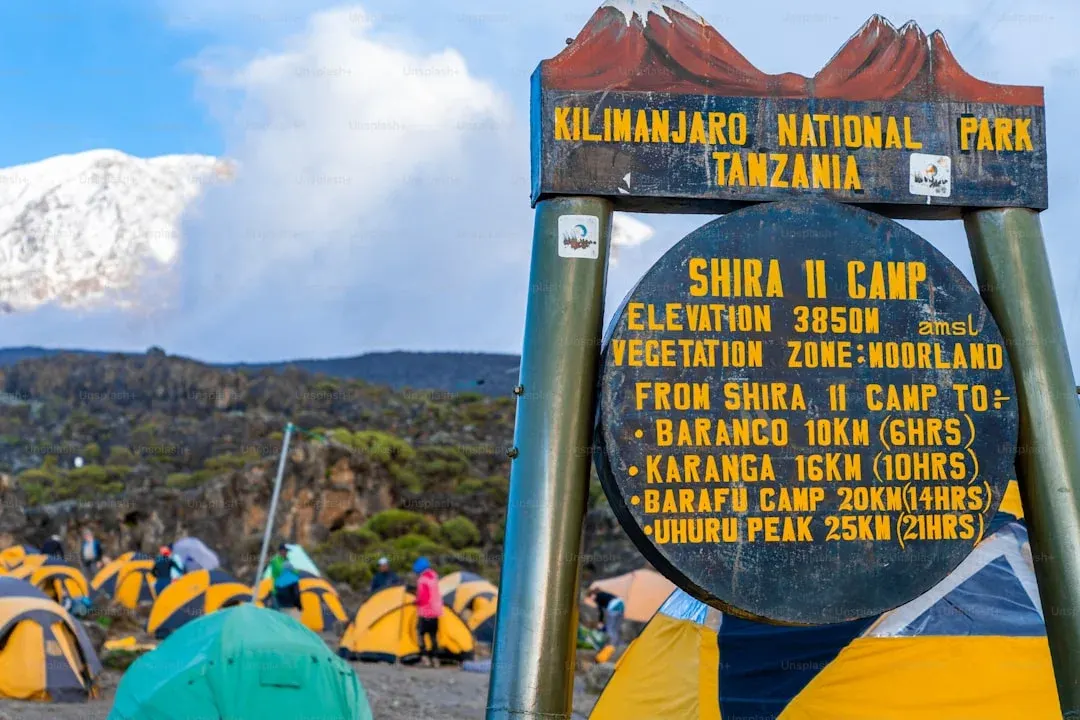
- Day 2: Moorland zone to Shira Camp (3,850m)
- Day 3: Acclimatization hike to Lava Tower (4,600m), descend to Barranco Camp
- Day 4: Challenging Barranco Wall climb
- Day 5: Alpine desert to Barafu Camp (4,600m)
- Day 6: Summit night - Uhuru Peak (5,895m) and descent
Read the full Machame Route guide.
2. Lemosho Route ⭐ Best Scenery
Duration: 7-8 days
Difficulty: Moderate
Success Rate: 85-95%
Scenery: ⭐⭐⭐⭐⭐
Crowds: Low-Moderate
Why Choose Lemosho:
- Highest success rates of all routes
- Remote and pristine western approach
- Superior acclimatization
- Breathtaking views of Shira Plateau
Best For: Those prioritizing success and willing to invest in more days
Key Difference: Longer route allows better acclimatization, less crowded than Machame initially
Read the full Lemosho Route guide.
3. Northern Circuit ⭐ Longest & Most Scenic
Duration: 8-9 days
Difficulty: Moderate
Success Rate: 90-95%
Scenery: ⭐⭐⭐⭐⭐
Crowds: Very Low
Why Choose Northern Circuit:
- Highest success rate of all routes (90-95%)
- Circumnavigates entire mountain - see Kilimanjaro from all sides
- Best acclimatization due to length
- Most remote and quiet route
- Views of Kenya's wilderness
Best For: Experienced trekkers wanting the ultimate Kilimanjaro experience
Premium Choice: Most expensive but highest success rate and most spectacular
Read the full Northern Circuit guide.
4. Rongai Route ⭐ Only Northern Approach
Duration: 6-7 days
Difficulty: Moderate
Success Rate: 70-80%
Scenery: ⭐⭐⭐⭐
Crowds: Low
Why Choose Rongai:
- Approaches from Kenya border (north)
- Drier climate - better during rainy season
- Gentler gradients than Machame
- True wilderness feel
- Different descent route (Marangu)
Best For: Climbing during wet season (March-May, November), those seeking solitude
Read the full Rongai Route guide.
5. Marangu Route (Coca-Cola Route)
Duration: 5-6 days
Difficulty: Moderate
Success Rate: 55-65%
Scenery: ⭐⭐⭐
Crowds: High
Why Choose Marangu:
- Only route with hut accommodation (no camping)
- Same ascent and descent path
- Considered "easier" but lower success rate due to rapid ascent
- Good for those who prefer not to camp
Best For: Those who prefer hut accommodation, though we recommend the 6-day option for better acclimatization
Important: Despite reputation as "easiest," success rate is lower due to poor acclimatization profile
Read the full Marangu Route guide.
6. Umbwe Route ⭐ Most Challenging
Duration: 6-7 days
Difficulty: Very Challenging
Success Rate: 60-70%
Scenery: ⭐⭐⭐⭐
Crowds: Very Low
Why Choose Umbwe:
- Steepest, most direct route
- Dramatic and beautiful
- Very quiet
- Serious challenge for experienced trekkers
Best For: Very fit, experienced high-altitude trekkers seeking the ultimate challenge
Warning: Rapid altitude gain makes this route tough - only recommended for very fit climbers
Read the full Umbwe Route guide.
7. Shira Route
Duration: 7-8 days
Difficulty: Moderate-Challenging
Success Rate: 75-85%
Similar to Lemosho but starts higher, potentially causing early altitude issues. We recommend Lemosho instead.
Read the full Shira Route guide.
8. Mweka Route
Descent-only route - used by most routes for descent due to direct path and good conditions.
Best Time to Climb Kilimanjaro
Peak Seasons (Best Weather)
January - March
- Pros: Warm, clear, excellent visibility, drier trails
- Cons: Can be colder at summit
- Crowds: Moderate-High
- Perfect For: Those seeking warmest conditions
June - October
- Pros: Coolest temperatures, dry season, clear skies
- Cons: Colder summit nights, more crowded
- Crowds: High (July-August peak)
- Perfect For: European summer vacationers
Shoulder Seasons
April - May & November
- Wet Season: More rain, especially April-May
- Pros: Fewer crowds, lower prices (15-25% savings), lush scenery
- Cons: Muddy trails, more cloud cover
- Best Route: Rongai (drier northern side)
Our Recommendation: Late January-February or September-October for optimal balance of weather and crowds
Kilimanjaro Climbing Costs
Budget Climbs: $1,500-$2,200
- Larger groups (10+ climbers)
- Basic equipment and food
- Minimum crew sizes
- Often rush routes (5-6 days)
- Lower success rates
Warning: Budget operators may cut corners on safety, crew welfare, and equipment quality
Mid-Range Climbs: $2,500-$3,500 (Recommended)
- Quality equipment and meals
- Professional guides
- Fair crew wages
- Proper safety protocols
- Good success rates
- 7-8 day routes
Premium Climbs: $4,000-$6,000+
- Small groups or private climbs
- Premium equipment (Nemo tents, North Face sleeping bags)
- Gourmet meals
- Extra safety measures (portable altitude chambers, oxygen)
- Luxury camping setup
- Extended routes (8+ days)
What's Included:
✓ Park fees ($800-$1,000) ✓ Professional guide, assistant guides, porters, cook ✓ All camping equipment (tents, sleeping mats) ✓ 3 meals daily plus snacks ✓ Drinking water ✓ Emergency oxygen ✓ First aid kit ✓ Airport transfers
Not Included:
✗ Flights to Tanzania ✗ Visa ($50-$100) ✗ Tips for crew ($200-$300 recommended) ✗ Personal gear (sleeping bag, clothing) ✗ Travel insurance (mandatory) ✗ Drinks and snacks
Training for Kilimanjaro
Fitness Requirements
Kilimanjaro doesn't require technical skills, but demands:
- Ability to trek 6-8 hours daily
- Good cardiovascular fitness
- Strong legs for steep sections
- Mental resilience
12-Week Training Program
Weeks 1-4: Base Building
- 3-4 hikes per week (2-3 hours each)
- Include hills/stairs
- Focus on endurance
Weeks 5-8: Build Intensity
- Longer hikes (4-6 hours)
- Add weighted backpack (5-8kg)
- Include back-to-back hiking days
- Altitude training if possible
Weeks 9-12: Peak & Taper
- Peak training: 6-8 hour hikes with 8-10kg pack
- Practice with your actual gear
- Final 2 weeks: reduce volume, maintain intensity
- Focus on rest and nutrition
Key Exercises:
- Cardiovascular: Running, cycling, swimming (3-4x weekly)
- Strength: Squats, lunges, step-ups (2-3x weekly)
- Core: Planks, crunches for stability
- Stair Climbing: Excellent Kilimanjaro-specific training
Altitude Acclimatization Strategies
The #1 Success Factor
Proper acclimatization is the single most important factor for summit success.
Follow These Rules:
- Climb High, Sleep Low: Gain altitude during day, sleep lower
- Pole Pole (Slowly, Slowly): The Swahili mantra - pace is everything
- Stay Hydrated: Drink 4-5 liters daily
- Eat Well: Even when not hungry - fuel is essential
- Diamox Consideration: Consult doctor about acetazolamide (altitude medication)
Recognize Altitude Sickness Symptoms:
- Headache
- Nausea
- Dizziness
- Fatigue
- Shortness of breath
- Loss of appetite
Critical: Tell your guide immediately if experiencing symptoms
Essential Packing List
Clothing Layers (Crucial)
Base Layer:
- Moisture-wicking tops and bottoms
- Thermal underwear for summit night
Mid Layer:
- Fleece jacket or down jacket
- Insulated pants
Outer Layer:
- Waterproof jacket (Gore-Tex)
- Waterproof pants
- Down parka for summit (-20°C capability)
Extremities:
- Warm hat and sun hat
- Balaclava or buff
- Sunglasses (UV400)
- Warm gloves and liner gloves
- Quality hiking boots (broken in!)
- Gaiters (recommended)
Equipment:
- Sleeping bag (-10°C to -15°C rating)
- Headlamp with extra batteries
- Trekking poles (highly recommended)
- Daypack (25-35L)
- Duffel bag for porters (max 15kg)
- Water bladder or bottles (3L capacity)
Personal Items:
- Sunscreen SPF 50+
- Lip balm with SPF
- Hand sanitizer
- Wet wipes
- Personal medications
- Diamox (if prescribed)
- Altitude sickness medication
- Anti-diarrheal medication
- Blister treatment
Summit Night: What to Expect
12:00 AM - 1:00 AM: Wake up, hot tea, light breakfast 1:00 AM - 2:00 AM: Begin summit push 6:00 AM - 8:00 AM: Reach Stella Point (5,739m) 7:00 AM - 9:00 AM: Final push to Uhuru Peak (5,895m) 8:00 AM - 10:00 AM: Summit celebration, photos 10:00 AM - 2:00 PM: Descend to high camp 2:00 PM - 5:00 PM: Continue descent to lower camp
Distance: 6km ascent, 15km total with descent Elevation Gain: 1,200m Duration: 12-16 hours total Temperature: -20°C to -10°C at summit
Summit Night Tips:
- Layer properly before starting (don't wait until cold)
- Start slow - conserve energy
- Use trekking poles for stability
- Regular sips of water
- Focus on breathing - deep, rhythmic breaths
- Mental strength is key - break it into small goals
Why Choose Ecological Wilderness Adventure for Your Kilimanjaro Climb?
✓ 20+ Years Experience: Our expert guides have summited 100+ times ✓ 85-95% Success Rates: Above industry average through proper acclimatization ✓ Safety First: Emergency oxygen, portable altitude chambers, experienced medical support ✓ Ethical Practices: Fair wages and treatment for all crew members ✓ Quality Equipment: Premium camping gear, North Face equipment ✓ Small Groups: Maximum 8 climbers per group for personalized attention ✓ Comprehensive Support: Pre-climb briefings, 24/7 communication, post-climb follow-up
Book Your Kilimanjaro Adventure Today
Ready to conquer the Roof of Africa? Our expert team will help you choose the perfect route and prepare for success.
Call: +255 780 900003 | +255 694 950 644
Email: info@ecologicaladventure.com
Your summit awaits - let's get you there!
Plan this trip: Machame Route 7 Days: Kilimanjaro Day-by-Day Itinerary, Lemosho Route 8 Days: Kilimanjaro Day-by-Day Itinerary, Marangu Route 6 Days: Kilimanjaro Climb with Hut Stays, Rongai Route 7 Days: Kilimanjaro from the North Side, Umbwe Route 6 Days: Steep, Direct Kilimanjaro Climb and Kilimanjaro Northern Circuit Route: 9-Day Climb.

Ecological Wilderness Adventure
Expert safari guide and writer at Ecological Wilderness Adventure, a TATO-licensed operator based in Arusha, Tanzania with 20+ years of experience crafting authentic wildlife expeditions across East Africa.
Published October 5, 2025