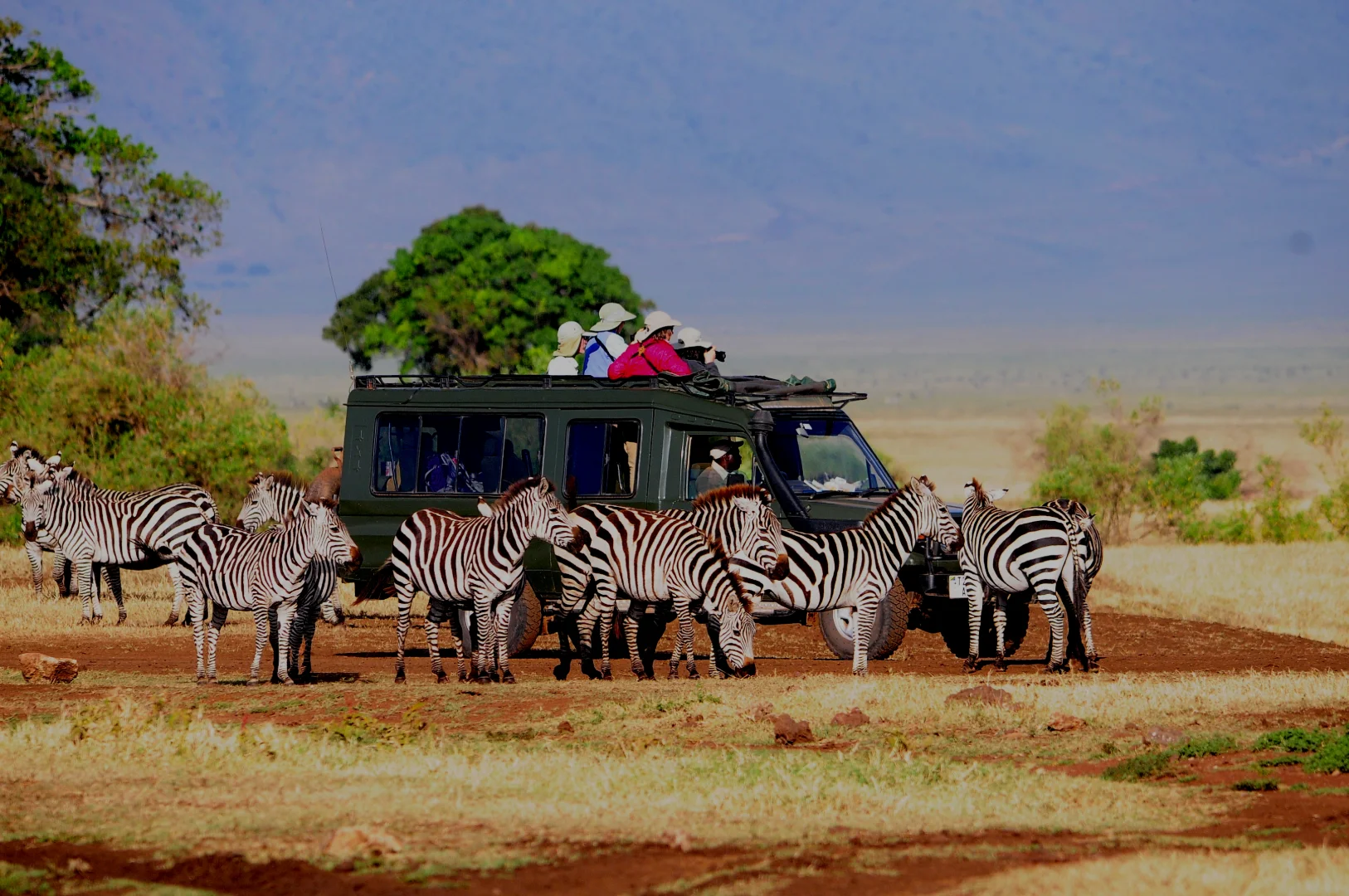
Discover why the Serengeti ecosystem is Africa's most celebrated wildlife sanctuary. From the Great Migration to the Big Five, explore what makes this 30,000 km² wilderness the planet's premier safari destination.
When people dream of Africa, they dream of the Serengeti. Those endless golden plains, the silhouette of acacia trees against a fiery sunset, lions lazing on kopjes, and millions of hooves thundering across the savanna. I've spent my entire adult life in this ecosystem, and I want to share why the Serengeti isn't just a place—it's the very soul of wild Africa.
The Serengeti's Global Significance
- UNESCO World Heritage Site since 1981
- Largest terrestrial mammal migration on Earth
- Last intact savanna ecosystem where ancient migrations continue
- Highest concentration of predators in Africa
- One of the "Seven Natural Wonders of Africa"
What Makes the Serengeti Africa's Crown Jewel
Africa has many spectacular safari destinations—the Okavango Delta, Kruger, the Masai Mara, Etosha—but the Serengeti stands apart. Here's why travelers from around the world consider it the ultimate African wildlife experience:
1. The Great Migration: Nature's Greatest Spectacle
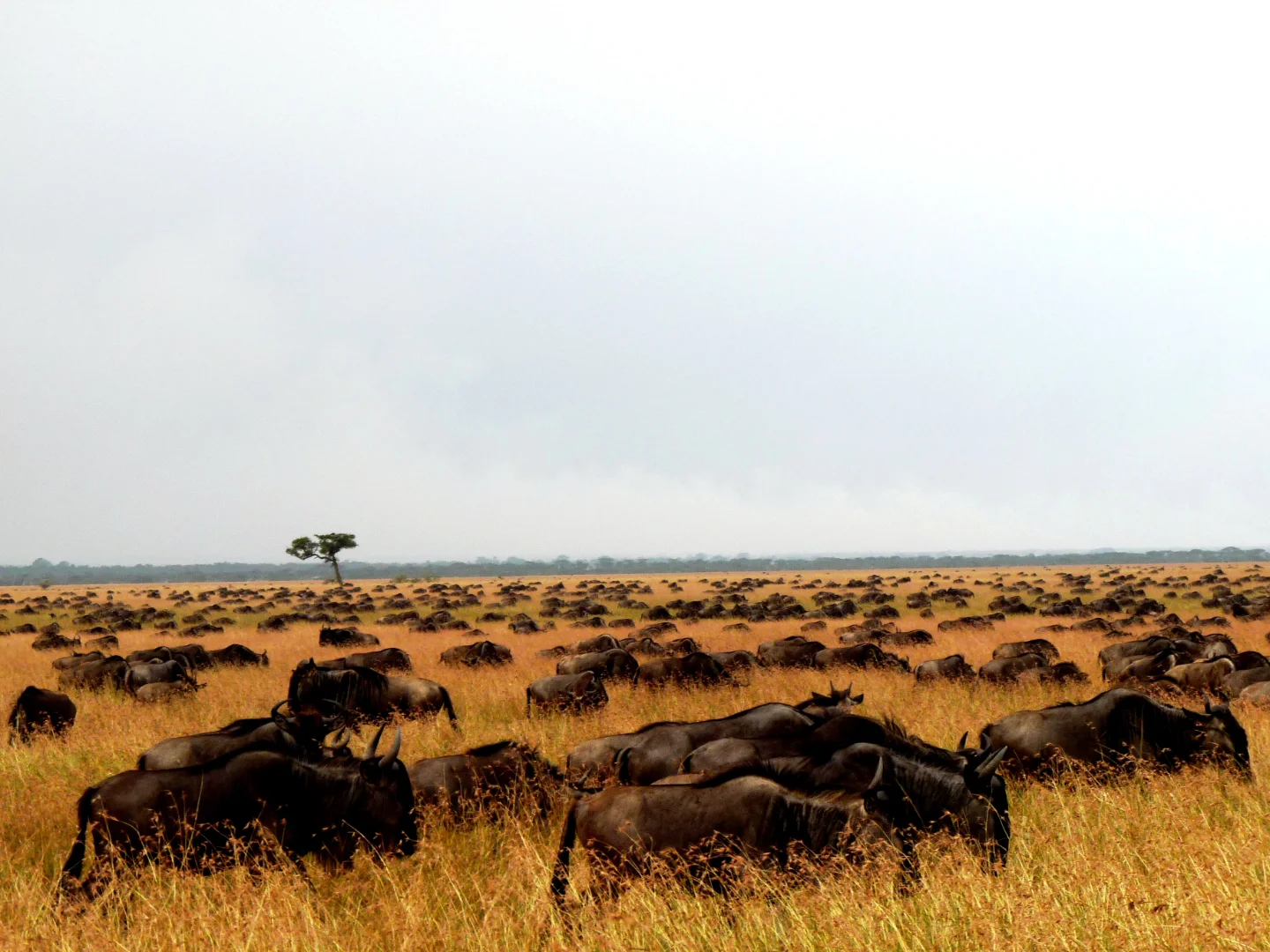
The Great Wildebeest Migration is the Serengeti's headline act—and nothing else on Earth compares. Approximately 1.5 million wildebeest, 400,000 zebras, and 200,000 Thomson's gazelles complete an annual 1,000-kilometer circular journey following the rains and fresh grazing.
I've witnessed the migration for 18 years, and every crossing still raises the hair on my arms. Standing at the Mara River in August, watching thousands of wildebeest gather courage before plunging into crocodile-infested waters—that's the rawest, most visceral wildlife experience you can have anywhere on the planet.
2. Predator Paradise
The Serengeti hosts Africa's highest concentration of large predators. Where else can you see:
- 3,000+ lions — Africa's largest population in a single ecosystem
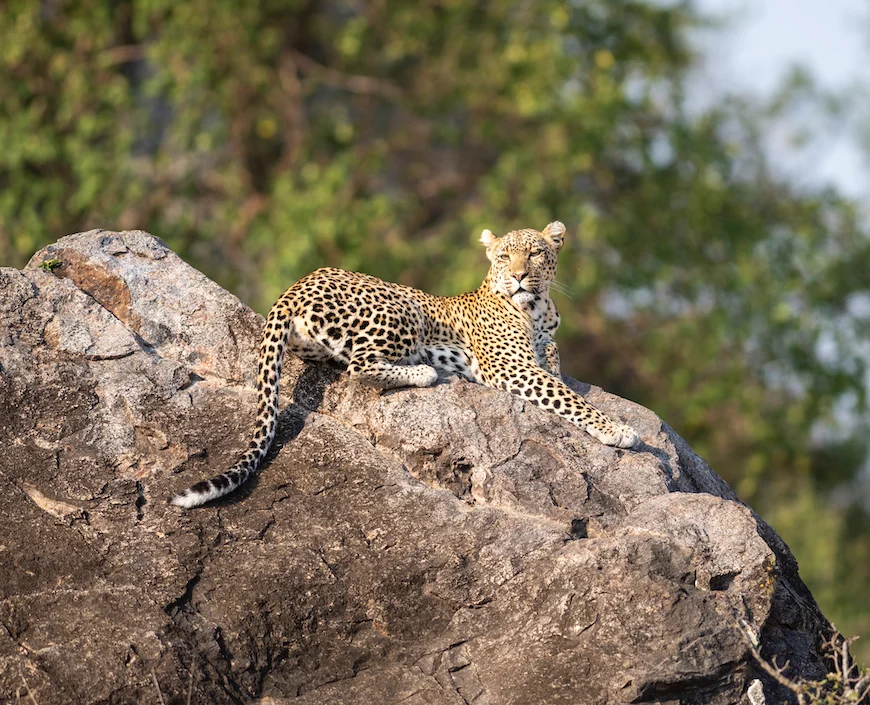
- 1,000+ leopards — Seronera has the continent's densest population
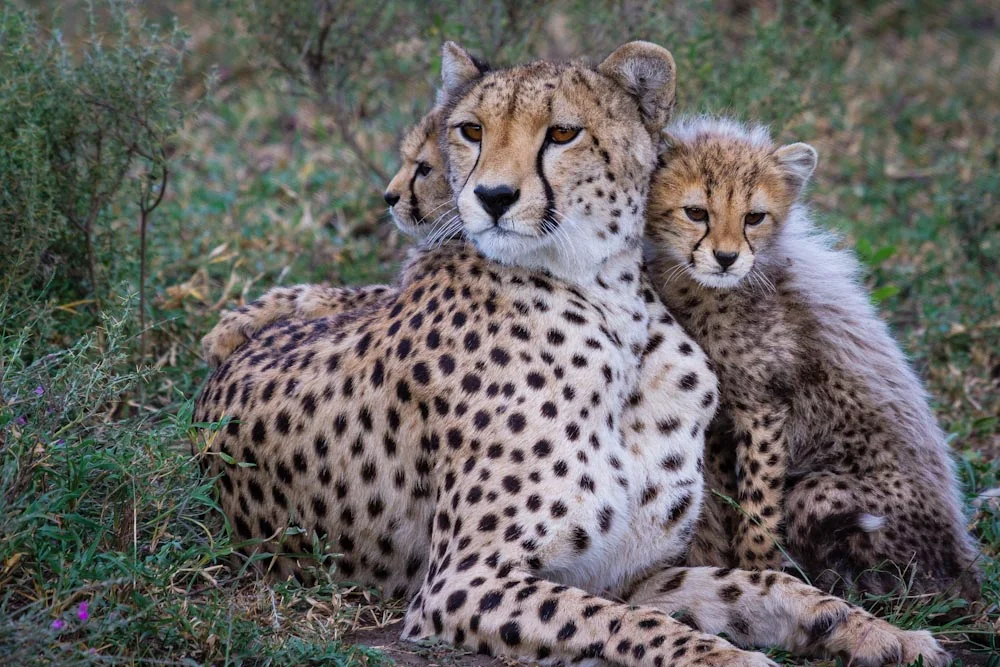
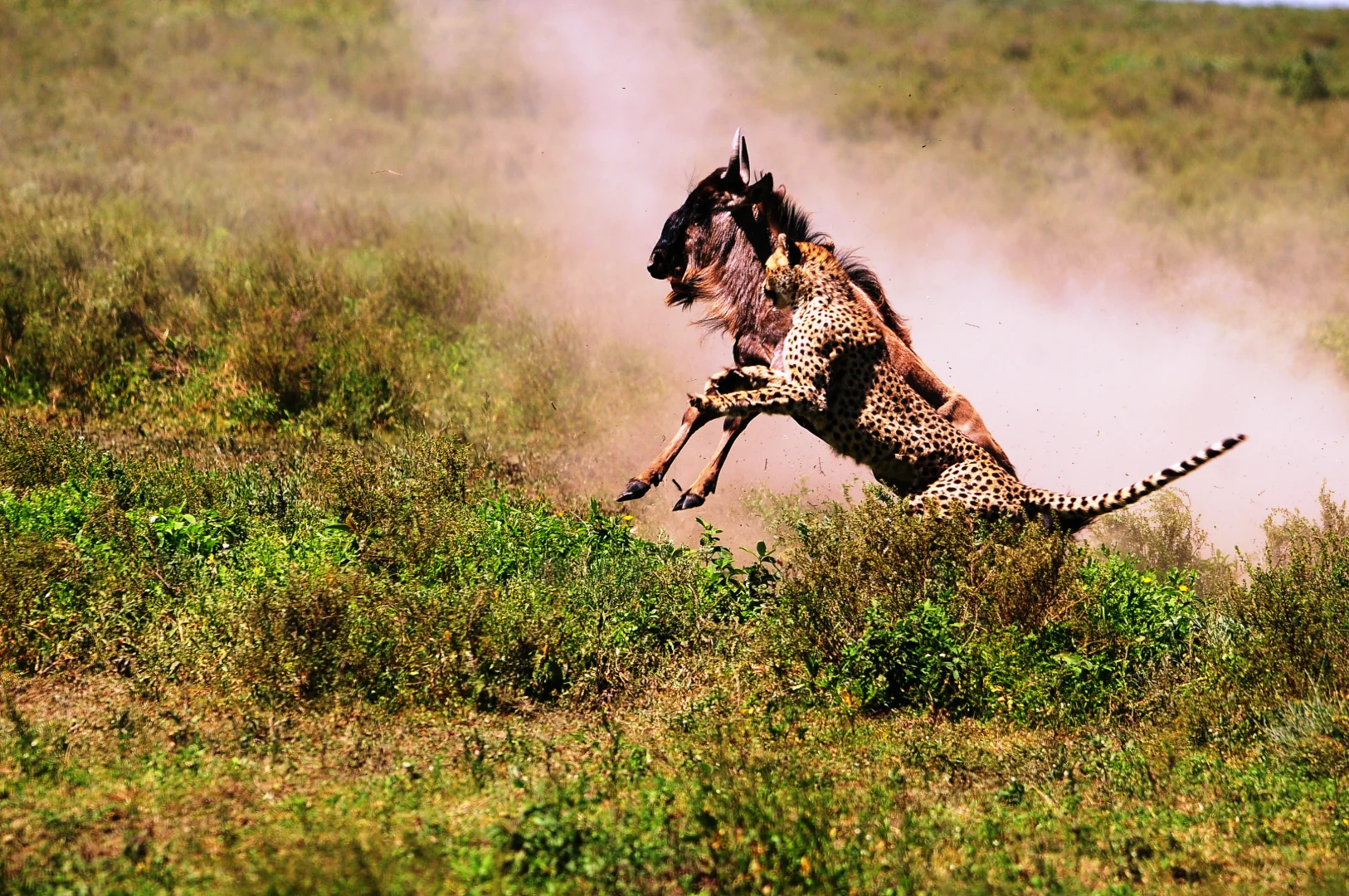
- 300+ cheetahs — The southeastern plains are a cheetah paradise
- 7,500+ spotted hyenas — Often underestimated, always fascinating
- African wild dogs — Rare but present, especially in the north
On a typical week-long safari, we see lions daily, leopards 4-5 times, cheetahs 3-4 times, and witness at least one successful hunt. The predator-prey dynamics here are unmatched.
3. The Last Intact Ecosystem
What truly distinguishes the Serengeti is its ecological integrity. This is the last place on Earth where land-based wildlife migrations occur naturally and at scale. The Serengeti-Mara ecosystem functions almost exactly as it did before human civilization—a living window into the Africa that our ancestors knew.
The Serengeti-Mara Ecosystem:
- Total Area: ~30,000 km² (12,000 sq miles)
- Tanzania (Serengeti): 14,763 km²
- Kenya (Masai Mara): 1,510 km²
- Conservation Areas: Ngorongoro, Loliondo, Maswa
How the Serengeti Compares to Other African Destinations
| Feature | Serengeti | Kruger | Okavango |
|---|---|---|---|
| Migration | ✅ 2 million animals | ❌ No migration | ⚠️ Small seasonal |
| Big Cats | ✅ Exceptional | ✅ Very good | ✅ Good |
| Open Plains | ✅ Vast grasslands | ⚠️ Mostly bush | ⚠️ Waterways |
| Crowd Levels | ⚠️ Varies by area | ⚠️ Can be busy | ✅ Exclusive |
| Photography | ✅ Iconic shots | ✅ Good variety | ✅ Unique angles |
The Serengeti Through the Seasons
December to March: The Calving Season
The southern Serengeti plains transform into a vast nursery. Approximately 500,000 wildebeest calves are born in a synchronized explosion over just 2-3 weeks. The timing overwhelms predators—there are simply too many babies to eat, ensuring species survival.
This is my favorite time to guide. Watching a wobbly calf take its first steps, then seeing it run with the herd just 7 minutes later—that's the miracle of evolution in action. Our 6-Day Tanzania Safari at $3,350 is timed perfectly for calving season.
April to May: The Green Season
The rains transform brown plains into emerald carpets. Fewer tourists mean exclusive sightings, and the photography is stunning with dramatic skies and lush landscapes. Migratory birds arrive in thousands, and resident wildlife is sleek and healthy.
June to October: The Dry Season
The herds push north toward the Masai Mara, crossing the treacherous Grumeti and Mara Rivers. This is the classic Serengeti experience—dramatic river crossings, dense concentrations of wildlife around water sources, and prime predator activity. Our 17-Day Migration Photo Safari at $9,950 follows the herds throughout this spectacular period.
November: The Return
Short rains trigger the migration's return south. The herds stream across the Serengeti in vast columns, pregnant females racing to reach the calving grounds before giving birth. The cycle begins anew.
The Maasai Connection
The Serengeti isn't just a wildlife sanctuary—it's the ancestral home of the Maasai people who have coexisted with wildlife for centuries. Understanding this human-wildlife relationship adds profound depth to your safari experience.
The word "Serengeti" itself comes from the Maasai language—"Siringet," meaning "endless plains." Traditional Maasai land use practices, including seasonal cattle grazing, actually helped maintain the ecosystem's health. Today, conservation efforts increasingly involve Maasai communities as partners rather than outsiders.
Our guided visits to authentic Maasai villages allow you to learn about their culture, traditions, and intimate knowledge of wildlife behavior—knowledge that our guides have learned from and still rely upon.
Conservation Challenges and Hope
The Serengeti faces real threats: poaching, climate change, human-wildlife conflict, and development pressure. But there's genuine hope. Tanzania has committed to protecting this ecosystem, and tourism revenue directly funds conservation efforts.
When you visit the Serengeti, your park fees ($71.40 per adult per day) support:
- Anti-poaching patrols: Rangers protect wildlife 24/7
- Research programs: Monitoring lion, leopard, and wild dog populations
- Community programs: Benefits for local villages reduce wildlife conflict
- Infrastructure: Roads, airstrips, and ranger stations
Every safari is an investment in the Serengeti's future. That's not marketing—it's how conservation in Africa actually works.
Frequently Asked Questions
Why is the Serengeti famous?
The Serengeti is famous for hosting the Great Wildebeest Migration—the largest terrestrial animal migration on Earth with 2 million animals. It's also renowned for exceptional Big Five sightings, the highest concentration of large predators in Africa, and iconic savanna landscapes that define the African safari experience.
What does "Serengeti" mean?
Serengeti comes from the Maasai word "Siringet," meaning "endless plains" or "the place where the land runs on forever." Standing on the southern plains watching the horizon stretch in every direction, the name makes perfect sense.
Is the Serengeti the best safari in Africa?
For first-time safari visitors, yes—the Serengeti offers the most complete African wildlife experience with guaranteed Big Five opportunities, the migration, exceptional predator sightings, and iconic landscapes. Experienced safari travelers often rank it alongside the Okavango Delta and Kruger, each offering unique experiences.
How big is the Serengeti compared to other parks?
Serengeti National Park covers 14,763 km² (5,700 sq miles)—roughly the size of Northern Ireland or Connecticut. The greater ecosystem including the Masai Mara and conservation areas spans 30,000 km². Compare this to Kruger (19,485 km²) and the Masai Mara (1,510 km²).
What animals are unique to the Serengeti?
While no species are exclusive to the Serengeti, it's the only place to witness the Great Migration at this scale. The Serengeti also has one of Africa's few remaining black rhino populations, the continent's largest lion population, and uniquely habituated leopards in the Seronera Valley that allow exceptional close-up viewing.
Experience the Serengeti for Yourself
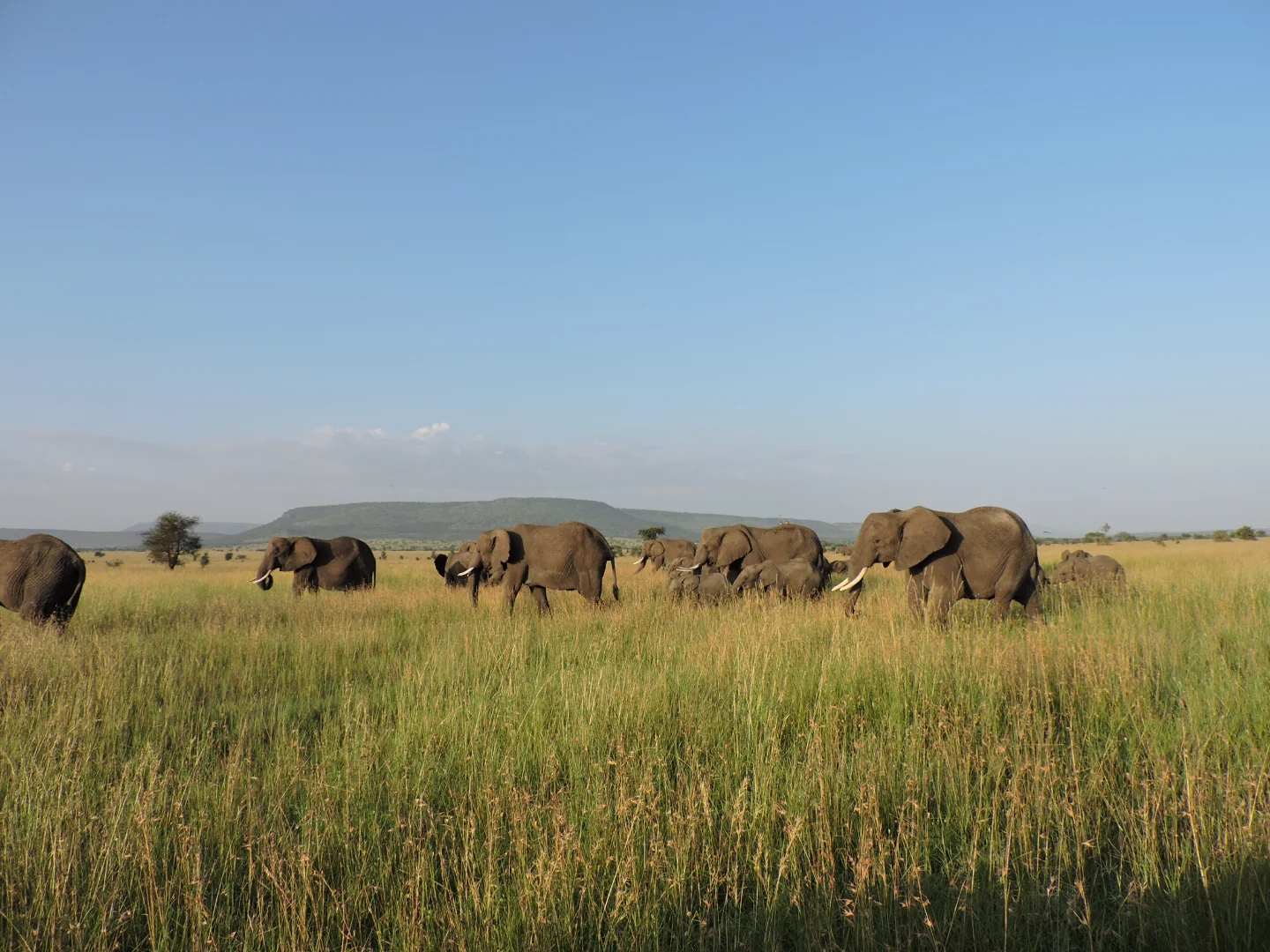
No article, documentary, or photograph can capture what it feels like to be there. The smell of dust and grass, the sound of a lion's roar echoing across the plains at night, the sight of the sun setting behind a lone acacia tree as elephants amble past—these moments live in your soul forever.
Ready to See Africa's Greatest Wilderness?
From 3-day introductions starting at $1,899 to 17-day migration odysseys at $9,950, we'll match you with the perfect Serengeti experience.
Explore Serengeti SafarisContinue Your Serengeti Research

Ecological Wilderness Adventure
Expert safari guide and writer at Ecological Wilderness Adventure, a TATO-licensed operator based in Arusha, Tanzania with 20+ years of experience crafting authentic wildlife expeditions across East Africa.
Published April 16, 2026
You Might Also Enjoy
Serengeti National Park 2026: Complete Guide to Africa's Greatest Wildlife Sanctuary
Comprehensive guide to Serengeti National Park covering 14,763 km² of pristine wilderness. Discover the best regions, wildlife hotspots, seasonal patterns, and expert tips from guides who know every corner of this UNESCO World Heritage site.
Tanzania's Serengeti National Park: The Crown Jewel of East Africa
Explore Tanzania's most treasured natural heritage—the Serengeti National Park. Learn about its history, conservation success story, and why this 14,763 km² wilderness is central to Tanzania's identity and global wildlife conservation.
Serengeti African Safari 2026: The Ultimate Guide to Africa's Most Iconic Safari
Experience the quintessential African safari in the Serengeti. From the Great Migration to Big Five encounters, discover why the Serengeti defines what an African safari should be. Expert guide with real packages from $1,899.