The camps worth the rate, private concessions vs parks, real costs, and when a luxury safari is not worth the premium.
A luxury Tanzania safari starts around $850 per person per day and climbs past $1,500, and what the money buys is not gold taps. It buys exclusivity: private concessions with no other vehicles at your sighting, camps of eight to twelve tents where staff outnumber guests, guides who have worked the same ground for decades, and light aircraft instead of long transfer days. We place guests in these camps year-round. This guide names the properties worth the rate, what each is actually like, and where the extra money stops adding anything.
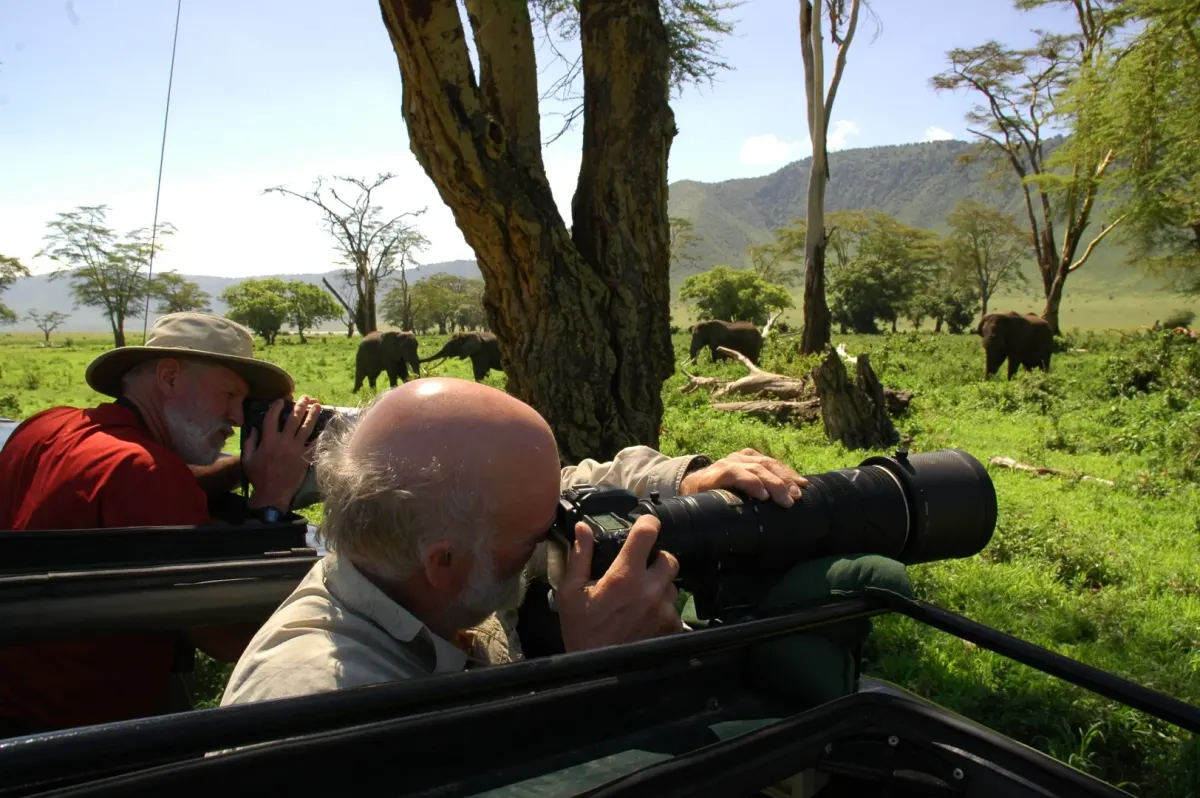
What Defines a Luxury Tanzania Safari?
Luxury in the bush means something different from luxury in a city hotel. The hallmarks that actually matter:
- Exclusivity. Private concessions and small camps where you are often the only vehicle at a sighting.
- Guiding. The best guides command the best salaries, and the top camps hire them. This changes what you see more than any thread count does.
- Flexibility. No fixed schedule. Stay with a leopard until it moves. Take breakfast wherever the morning finds you.
- Scale. Eight to twelve rooms, staff who remember your preferences without asking.
- Logistics. Light aircraft between regions instead of seven hours of road.
- Dining. Bush breakfasts, sundowners in the right spot at the right hour, dinner under the stars.
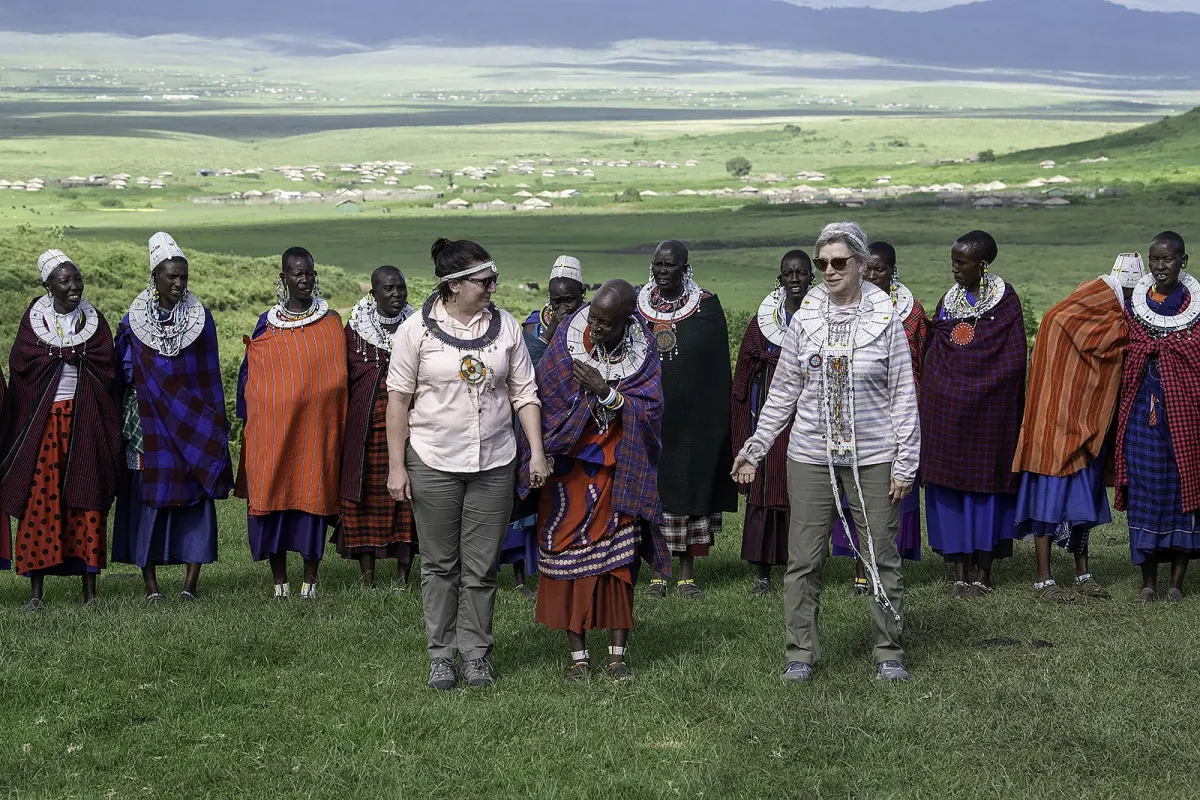
Private Concessions vs National Parks
This distinction drives most of the price difference, so it is worth understanding before you book. Inside a national park, even the most expensive lodge follows park rules: designated roads only, back in camp by dark, no walking in most areas, and any passing vehicle may join your sighting. On private concessions bordering the parks, camps can drive off-road to follow animals, run night drives for the nocturnal cast, walk with armed guides, and set up meals anywhere, with no other vehicles at all.
The strongest itineraries combine both: a concession camp for the freedom, plus time inside the Serengeti or the Ngorongoro Crater for the wildlife density nothing else matches.
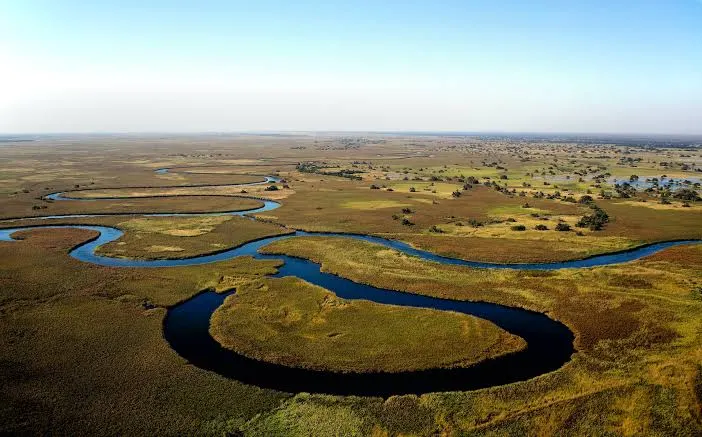
The Lodges and Camps, Region by Region
Serengeti
- Four Seasons Safari Lodge Serengeti — the full-service option in the central Serengeti: a waterhole in front of the infinity pool, a spa, and the consistency the brand is known for.
- Singita Sasakwa, Faru Faru (from $2,800 a night) and Sabora — three faces of the Singita Grumeti concession in the western corridor, as close to a private Serengeti as money gets.
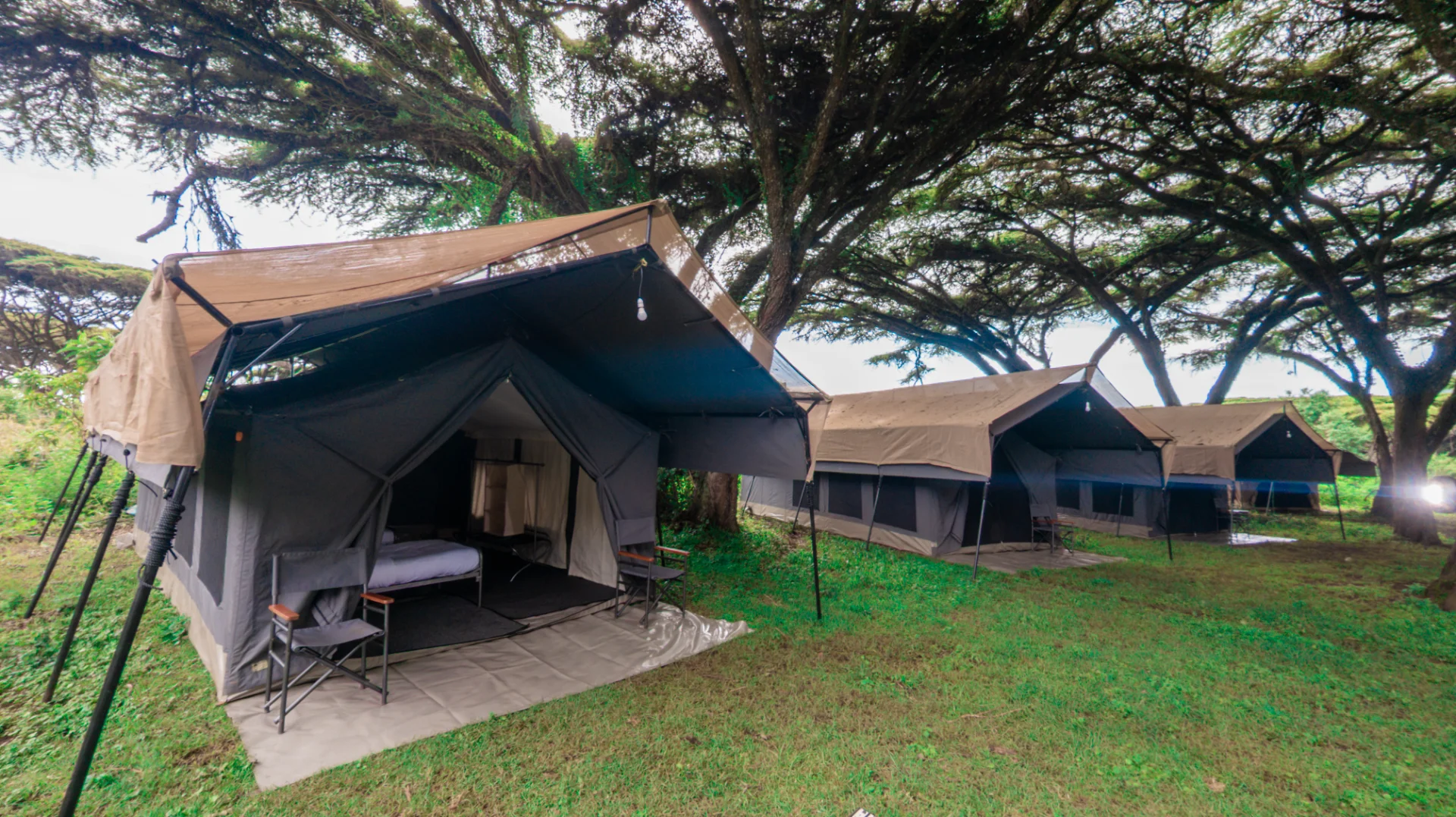
- &Beyond Serengeti Under Canvas (from $1,900 a night) — a mobile camp that moves with the migration, so the herds are a game drive away in most months.
- Klein's Camp — &Beyond's private concession in the far north-east, with off-road driving and night drives.
- Lemala Kuria Hills — glass-fronted suites in the northern Serengeti, placed for the July–October Mara River crossings.
- ENVI Sisini Serengeti — contemporary architecture and an infinity pool over the central plains, for travellers who want design-hotel polish in the bush.
- Elewana Serengeti Pioneer Camp — 1930s-expedition styling in the south-central Moru area.
Ngorongoro
- Entamanu Ngorongoro — Nomad's camp on the quiet side of the crater rim, built to come down in the green season and the closest thing to having the rim to yourself.
- The Manor at Ngorongoro — a Cape Dutch-style estate among coffee plantations near Karatu: cottage suites, horses, and afternoon tea a world away from canvas.
- Crater's Edge and Ngorongoro Kuhama Camp — small camps near the rim, positioned for first-light descents to the crater floor.
- Lemala Osonjoi Lodge — Lemala's newest lodge in the Ngorongoro highlands, a short drive from the descent road.
- Gibb's Farm — a working coffee farm outside Karatu, more country house than safari camp, and many guests' favourite two nights of the whole trip.
Tarangire
- Tarangire Treetops — treehouse suites built around baobabs on a private concession, which means night drives and walking safaris in elephant country.
- EWA Private Mobile — Tarangire (from $560 a night) — our own private mobile camp: one party at a time, set where the elephants are that season.
For how these compare with the best mid-range properties, see the best safari lodges in Tanzania and our lodge safari guide.
Beyond the Game Drive
Hot-air balloon safaris. An hour over the plains at first light, then a champagne breakfast where you land. $550–600 per person, and worth it once, especially in migration season.
Walking safaris. On foot with an armed guide, the bush rearranges itself: tracks, dung, insects and plants replace the checklist. Available on private concessions and in the Ngorongoro Conservation Area.
Helicopter and light-aircraft flying. Arusha to the Serengeti is 1 to 1.5 hours by air against 7 to 8 by road, and the park's several airstrips let you position precisely. Helicopter transfers and photographic flights can be arranged for remote areas.
Cultural visits. The genuine version, arranged through the camps' own community relationships: a morning in a working boma, not a staged show.
Family and Honeymoon Safaris
Most luxury camps welcome families, with family tents, flexible mealtimes and guides who pace drives to a child's attention span; a few have minimum ages, and we generally suggest eight and up for the long days. For honeymoons, the standard additions are private bush dinners, couples' spa treatments and a beach week after the parks — Mnemba off Zanzibar being the classic ending. Our honeymoon safari guide covers the timing and the camps that do it best.
What a Luxury Safari Costs
Plan on $850 to $1,500-plus per person per day all-in, against roughly $450 a day for a good mid-range lodge safari. The gap pays for the concession access, the guide, the aircraft and the staff ratio, not just the room. As live examples from our own tours: the 4-Day Mara River Fly-In Safari is $3,250 all-inclusive, the 12-Day Predators & Prey Safari is $7,850, and the 17-Day Great Migration Photographic Safari is $13,600. The honest breakdown of where every dollar goes is in our safari cost guide.
When is it not worth it? If your priority is purely the number of animals in front of the vehicle, a well-run mid-range safari in the right season delivers nearly everything the luxury trip does. Pay the premium for privacy, flexibility and guiding, or don't pay it at all.
Frequently Asked Questions
What is the difference between a $500-a-night and a $1,500-a-night lodge?
At the lower figure you get excellent accommodation, good food and competent guiding inside the park rules. The higher figure buys a private concession (off-road, night drives, no other vehicles), the region's best guides, a prime position such as the crater rim or a crossing point, and a staff ratio that makes service invisible.
Is a luxury safari worth the extra cost?
For wildlife alone, no: the animals do not check rates. For privacy at sightings, freedom to follow the day, and camps that are destinations in themselves, yes. Decide which trip you are buying before you pay for the other one.
How far ahead should I book?
Nine to twelve months for July to October, since the best camps hold eight to twelve rooms and fill first. Green-season dates can sometimes be arranged three to four months out — the green season safari is also when these camps cost least.
Is tipping expected at luxury camps?
Yes. Budget $25–50 a day for your guide and $20–30 a day for camp staff, usually via the camp's shared tip box. We send detailed guidance with final documents.
What should I pack?
The same as any safari: neutral colours, layers, soft bag, camera. There is no dress code worth the name even at the top camps; nobody has ever needed a jacket at dinner in the Serengeti.
Ready to plan? Tell us your dates and your non-negotiables — privacy, a particular camp, the crossings, the crater — and we'll build the itinerary around them, including an honest view of where mid-range would serve you just as well.
Plan this trip: 8 Day Tanzania Safari: Serengeti, Ndutu & Ngorongoro and Tanzania Safari and Zanzibar: 12-Day Bush & Beach Trip.

Ecological Wilderness Adventure
Expert safari guide and writer at Ecological Wilderness Adventure, a TATO-licensed operator based in Arusha, Tanzania with 20+ years of experience crafting authentic wildlife expeditions across East Africa.
Published April 16, 2026
You Might Also Enjoy
Serengeti Safari Package Prices 2027: Complete Cost Breakdown & Budget Guide
Transparent pricing guide for Serengeti safaris in 2026. From budget camping at $250/day to luxury lodges at $1,500/day, discover exactly what your Tanzania safari will cost with real package prices and insider tips.
Tanzania Safari Camping 2027: Tented Camps, Mobile Safaris & Budget Options
Experience authentic Tanzania safari camping from luxury tented camps to budget mobile safaris. Comprehensive guide to camps, costs, what to expect, and our top recommendations.