When should you visit Serengeti? Month-by-month guide to migration location, wildlife highlights, weather, and pricing throughout the year.
The Serengeti delivers extraordinary wildlife year-round, but timing your visit determines whether you witness river crossings, calving herds, or resident wildlife without migration crowds. Here's exactly what each month offers.
Serengeti Season Overview
| Period | Migration Location | Highlights | Prices |
|---|---|---|---|
| Jan-Mar | Southern Serengeti | Calving season | High |
| Apr-May | Central/Western | Green season, mating | Low |
| Jun | Western Corridor | Pre-crossing buildup | Moderate |
| Jul-Sep | Northern/Mara River | River crossings | Peak |
| Oct | Central, moving south | Late crossings | High |
| Nov-Dec | Central to Southern | Short rains, return | Moderate |
Best Months for Specific Goals
River Crossings: July-September
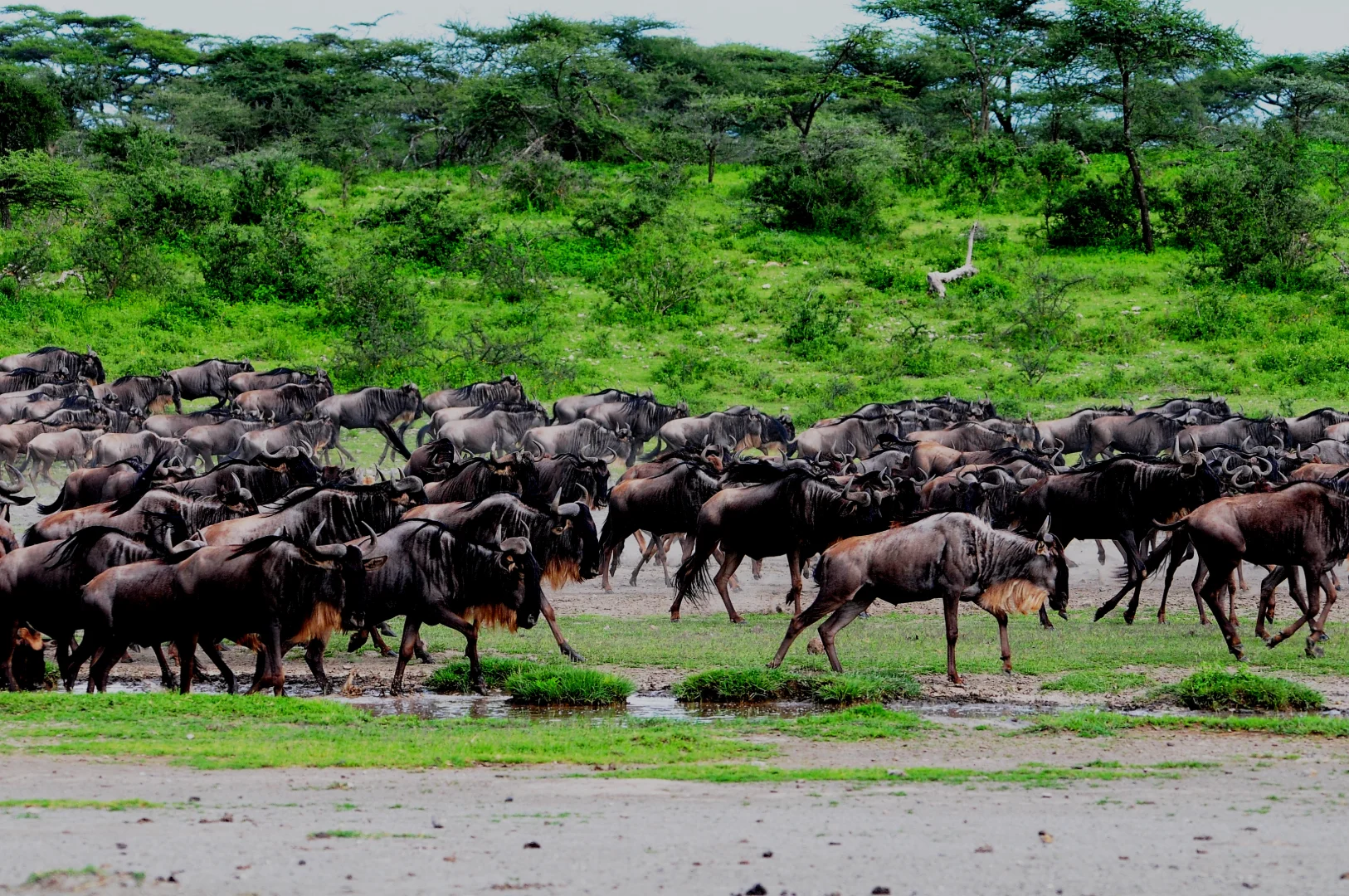
The famous Mara River crossings occur when migration herds reach northern Serengeti. Crocodiles, drownings, and mass chaos create safari's most dramatic imagery. August typically sees peak crossing frequency.
Trade-offs: Highest prices, maximum crowds, booking required 6-12 months ahead.
Calving Season: January-February
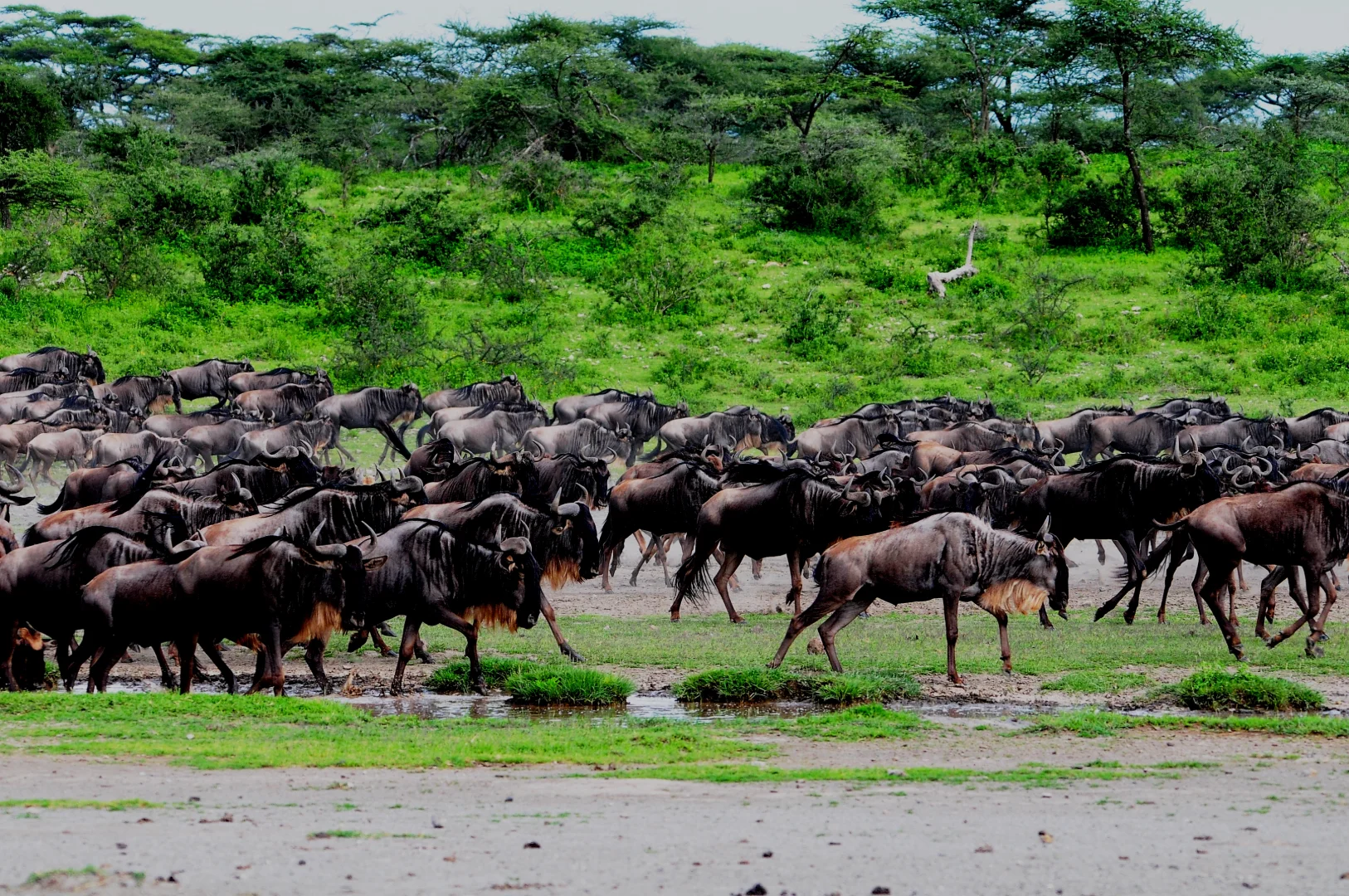
Southern Serengeti plains host 500,000+ wildebeest births over 2-3 weeks. Predators concentrate for easy hunting. Drama rivals river crossings with significantly fewer vehicles.
Trade-offs: Specific location required (Ndutu area), hot temperatures, high season pricing.
Best Value: June or November
June offers excellent wildlife as migration gathers in western corridor—prices below peak, weather pleasant, crowds manageable. November sees migration returning south with short rains greening landscape.
Trade-offs: June crossings haven't started; November has scattered showers.
Fewest Crowds: April-May
Green season brings dramatic landscapes, mating behavior, and solitude. Wildlife remains excellent despite some dispersal. Significant discounts reward flexible travelers.
Trade-offs: Rainy conditions, tall grass, some lodges closed.
Month-by-Month Breakdown
January
Migration: Southern Serengeti, calving begins
Weather: Hot, dry, excellent visibility
Best Areas: Ndutu, Kusini, southern plains
Wildlife: Calving herds, predator concentrations
Crowds: Moderate (post-holiday)
February
Migration: Peak calving, southern plains
Weather: Hottest month, dry
Best Areas: Ndutu area specifically
Wildlife: Maximum calving action, predators feasting
Crowds: Moderate to high (calving draws visitors)
March
Migration: Herds moving toward central Serengeti
Weather: Rains beginning late month
Best Areas: Central Serengeti, Seronera
Wildlife: Transition period, late calving
Crowds: Decreasing
April-May
Migration: Central and western Serengeti, mating
Weather: Heavy rains, lush green
Best Areas: Central woodlands, western corridor
Wildlife: Dispersed but present, excellent birds
Crowds: Very low
April-May Secret
Mating season occurs during the rains—bulls compete aggressively for females. This behavior creates drama missed by dry-season visitors. Combined with 30-50% discounts and empty parks, green season rewards adventurous travelers.
June
Migration: Western corridor, approaching Grumeti River
Weather: Drying, pleasant temperatures
Best Areas: Western Serengeti, Grumeti
Wildlife: Massed herds, Grumeti crossings begin
Crowds: Building but manageable
July
Migration: Northern Serengeti, first Mara crossings
Weather: Cool and dry, ideal
Best Areas: Northern Serengeti, Mara River camps
Wildlife: River crossings begin, massive herds
Crowds: High (peak season begins)
August
Migration: Peak crossings, northern Serengeti/Mara
Weather: Cool, dry, perfect
Best Areas: Mara River, Lamai, Kogatende
Wildlife: Maximum crossing drama
Crowds: Highest of year
September
Migration: Crossings continue, some herds in Kenya
Weather: Warming, still dry
Best Areas: Northern Serengeti
Wildlife: Continued crossings, resident wildlife excellent
Crowds: High but decreasing
October
Migration: Returning south through central Serengeti
Weather: Hot, very dry
Best Areas: Central Serengeti, Seronera
Wildlife: Waterhole concentrations, predator activity
Crowds: Moderate
November
Migration: Central/southern movement with rains
Weather: Short rains, greening
Best Areas: Central Serengeti
Wildlife: Migration moving, migratory birds arriving
Crowds: Low
December
Migration: Reaching southern Serengeti
Weather: Rains tapering, pleasant
Best Areas: Central to southern Serengeti
Wildlife: Herds settling for calving preparation
Crowds: High (holidays)
Where to Stay by Season
Southern Serengeti (December-March)
Ndutu Safari Lodge, Lake Masek Tented Camp, mobile camps. Essential for calving season.
Central Serengeti (Year-round Base)
Seronera area lodges work year-round for resident wildlife. Good fallback when migration location uncertain.
Western Corridor (May-July)
Grumeti camps and lodges. Prime for pre-crossing buildup and Grumeti River crossings.
Northern Serengeti (July-October)
Lamai, Kogatende, Mara River camps. Essential for famous crossings. Book 6-12 months ahead.
Why Trust This Guide
Our Serengeti Expertise
- 20+ years Serengeti operations
- Monthly tracking of migration patterns
- Direct relationships with all Serengeti regions
- Updated annually with current patterns
Frequently Asked Questions
What is the single best month for Serengeti?
No single "best"—it depends on priorities. August for river crossings. February for calving. June for value with excellent wildlife. Each delivers unique experiences. Most first-timers target July-August or January-February. See our complete timing guide.
Can I see good wildlife without the migration?
Absolutely. Serengeti hosts resident populations of lion, leopard, cheetah, elephant, buffalo, giraffe, and diverse antelope year-round. Migration adds spectacle but isn't required for excellent safari. Shoulder seasons often provide better predator viewing with fewer vehicles.
How far in advance should I book?
Peak months (July-August): 6-12 months essential for preferred camps. Calving season (January-February): 4-6 months. Shoulder/green season: 2-3 months usually sufficient. Popular camps and specific locations book earliest.
What if migration isn't where expected?
Migration timing varies 2-4 weeks based on rainfall. Quality operators adjust itineraries based on current locations. Book with flexible operators, choose mobile camps that follow herds, and trust experienced guides over rigid schedules.
Is Serengeti worth visiting in rainy season?
For the right travelers, yes. Green season (April-May) offers 30-50% discounts, dramatic landscapes, mating behavior, and solitude. Wildlife remains excellent though dispersed. Not recommended for first-timers expecting classic dry-season imagery, but excellent for repeat visitors and photographers.
Plan Your Serengeti Timing
Share your travel dates and priorities. We'll recommend the best Serengeti regions for your specific timing and design an itinerary maximizing your experience.
Plan Serengeti Safari View Serengeti ToursPlan this trip: Serengeti and Ngorongoro Safari: 6-Day Tanzania Trip, 7 Day Tanzania Safari: Serengeti, Ngorongoro & Tarangire and Great Migration Safari Tanzania: 9 Days in Serengeti.

Ecological Wilderness Adventure
Expert safari guide and writer at Ecological Wilderness Adventure, a TATO-licensed operator based in Arusha, Tanzania with 20+ years of experience crafting authentic wildlife expeditions across East Africa.
Published April 17, 2026
You Might Also Enjoy
Best Month for Tanzania Safari: Expert Analysis for 2026
Which month is truly best for Tanzania safari? Expert analysis comparing wildlife, weather, crowds, and value across all 12 months.
Tanzania Safari Calendar 2026: Choose Your Perfect Month
Visual Tanzania safari calendar showing migration location, weather, wildlife highlights, and pricing for every month of 2025.