Serengeti or Ngorongoro Crater? Detailed comparison of Tanzania's two most famous parks covering wildlife, costs, best timing, and which suits your safari style.
Tanzania's two most iconic destinations offer vastly different experiences despite being neighbors. Choosing between them—or understanding how to combine them—determines the character of your safari. Here's everything you need to decide.
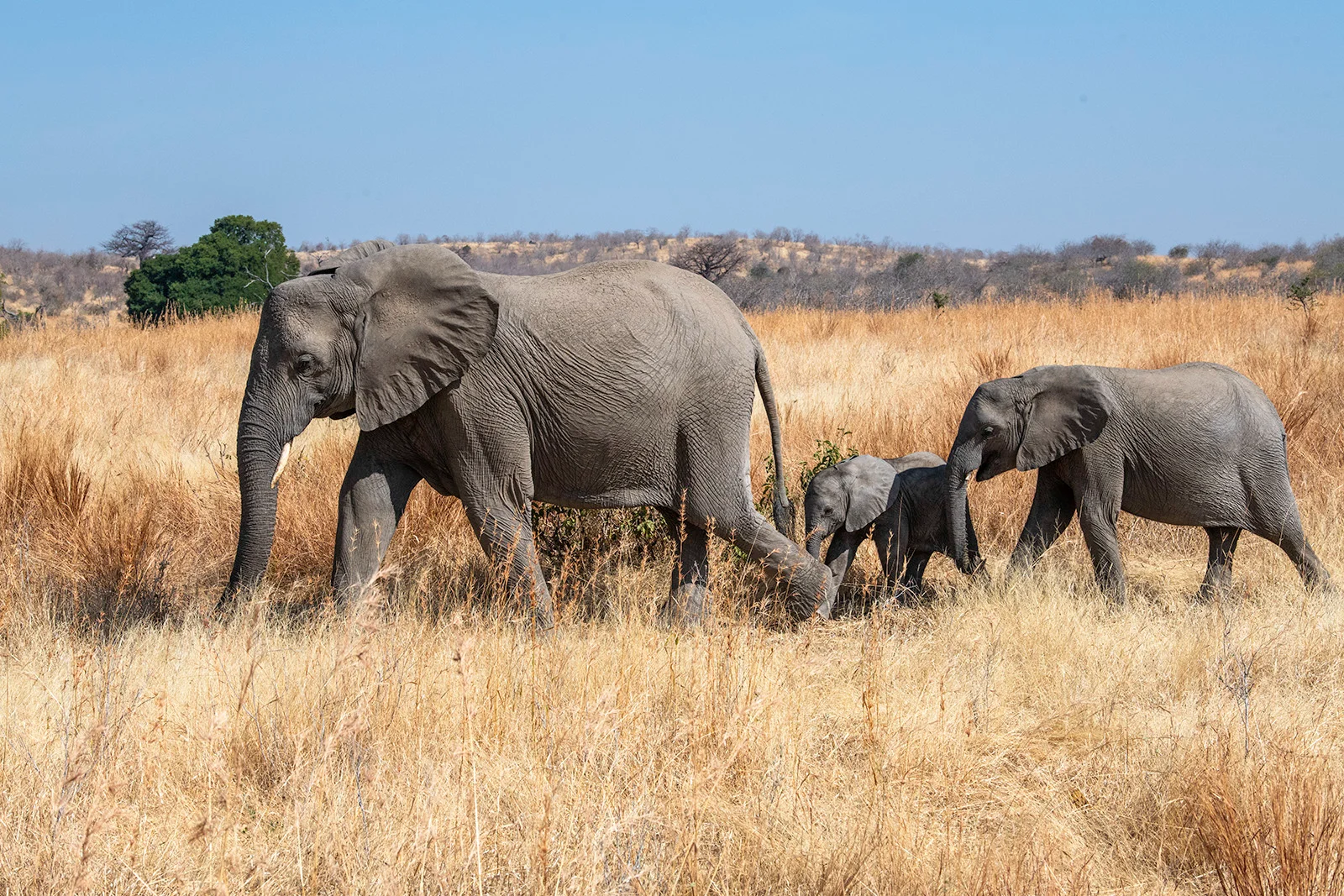
Quick Comparison
| Factor | Serengeti | Ngorongoro |
|---|---|---|
| Size | 14,750 km² | 260 km² (crater floor) |
| Landscape | Endless plains, kopjes | Volcanic crater |
| Big Five | Yes (rhino rare) | Yes (all reliable) |
| Migration | Yes (seasonal) | No |
| Park Fee | $70.80/day | $70.80 + $295 crater |
| Time Needed | 3-5 days minimum | 1-2 days |
| Crowds | Variable by area | Concentrated in crater |
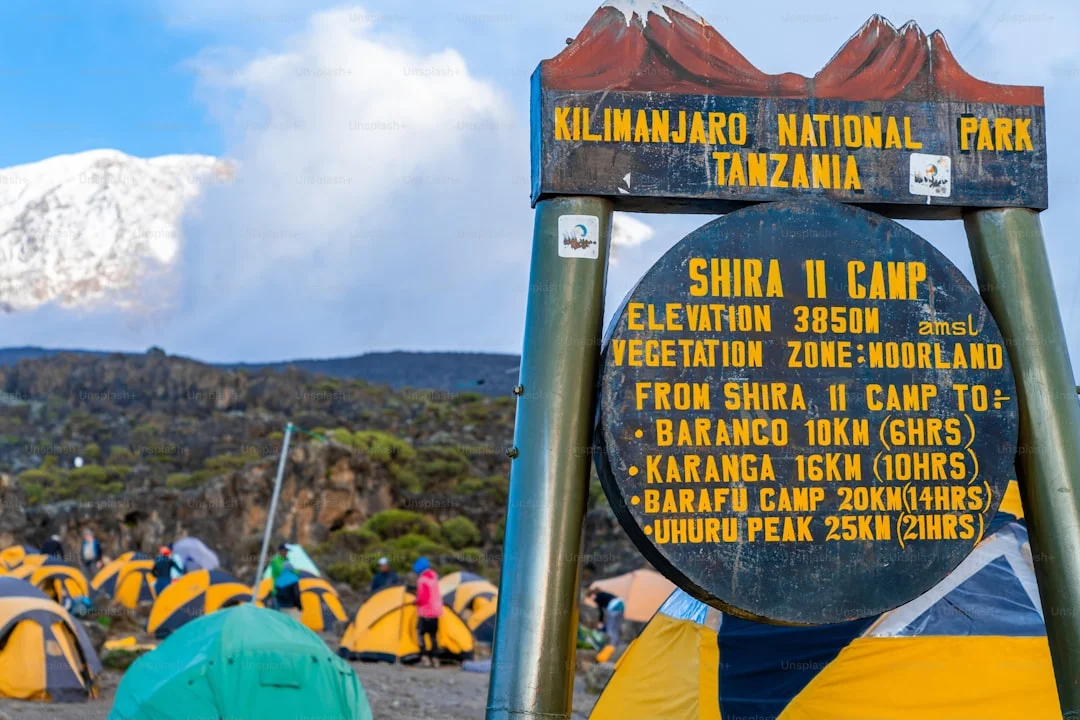
Serengeti National Park
The Experience
Serengeti means "endless plains" in Maasai—and endless it is. This is Africa as you've imagined it: vast grasslands stretching to the horizon, acacia-dotted savannas, rocky kopjes harboring lions, and the greatest wildlife spectacle on Earth—the Great Migration.
Why Choose Serengeti
- The Migration: Two million wildebeest and zebra create unmatched wildlife drama
- Predator Viewing: Highest lion density in Africa, excellent cheetahs on plains
- Space and Scale: True wilderness feeling with room to explore
- Diversity: Different ecosystems—plains, woodlands, rivers, kopjes
- Photography: Classic African imagery opportunities
Serengeti Challenges
- Vast size requires strategic planning and adequate time
- Wildlife location varies seasonally
- July-August migration areas get crowded
- Rhino sightings rare (they exist but are elusive)
Best For
Migration enthusiasts, photographers, travelers with 4+ days, those seeking classic African plains experience.
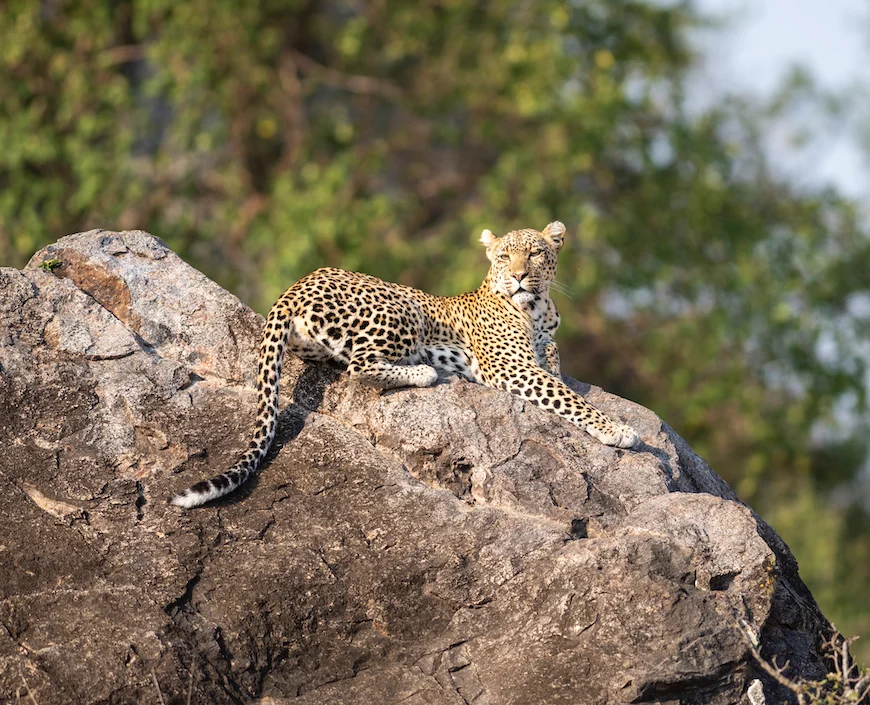
Ngorongoro Crater
The Experience
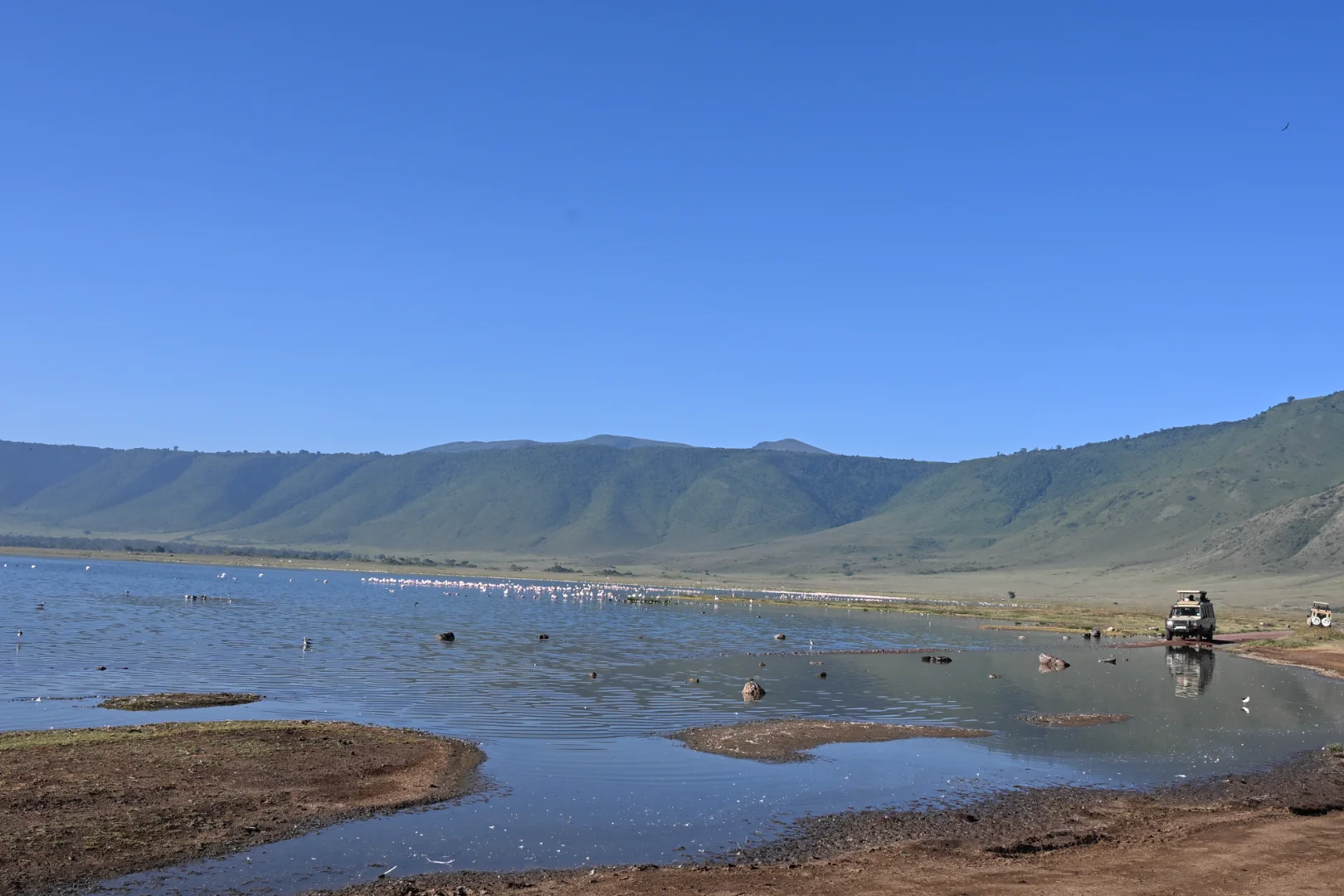
Imagine a natural colosseum 610 meters deep and 20 kilometers wide, home to 25,000+ large animals that rarely leave. The Ngorongoro Crater is a geological wonder where Big Five viewing reaches its most reliable anywhere in Africa.
Why Choose Ngorongoro
- Reliable Big Five: All five species viewable in single day
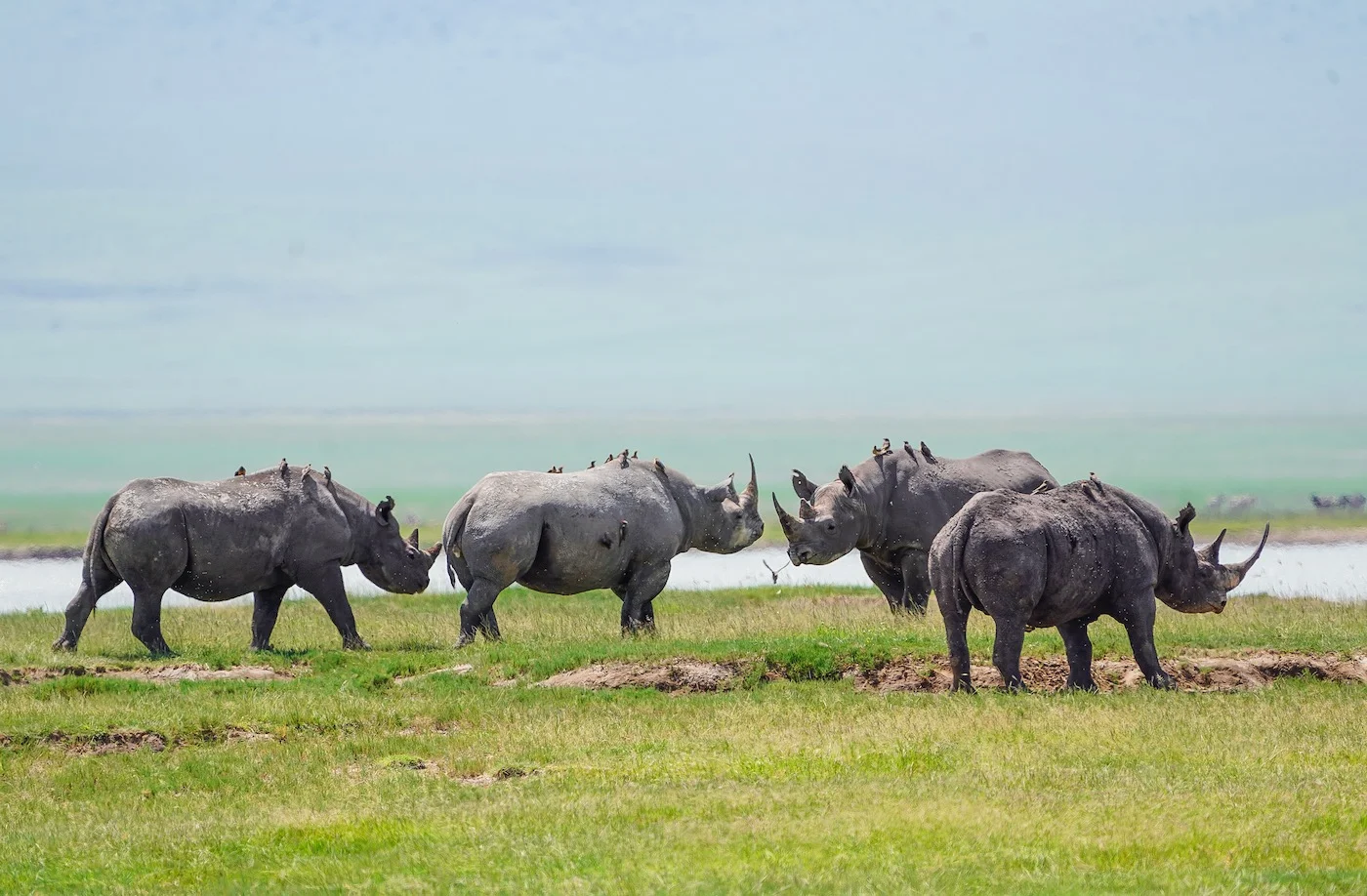
- Black Rhino: Best chance in Tanzania for critically endangered species
- Concentrated Wildlife: Dense animal populations in small area
- Unique Scenery: Dramatic crater walls create unforgettable backdrop
- Time Efficient: Full Big Five experience in one day
Ngorongoro Challenges
- $295 vehicle crater fee adds significant cost
- Six-hour time limit in crater restricts exploration
- Can feel crowded, especially 10 AM-3 PM
- No migration—resident wildlife only
- Limited accommodation on crater rim (expensive)
Best For
Big Five completists, travelers with limited time, rhino seekers, those combining with Serengeti.
Our Recommendation
Don't choose—combine them. Most successful Tanzania itineraries include both, spending 3-4 days in Serengeti for scale and migration, plus 1-2 days at Ngorongoro for crater Big Five. They're neighbors; visiting one without the other means missing half of Tanzania's magic.
Wildlife Comparison
Big Five Reliability
| Animal | Serengeti | Ngorongoro |
|---|---|---|
| Lion | Excellent (3,000+) | Excellent (60+) |
| Leopard | Good (Seronera best) | Occasional |
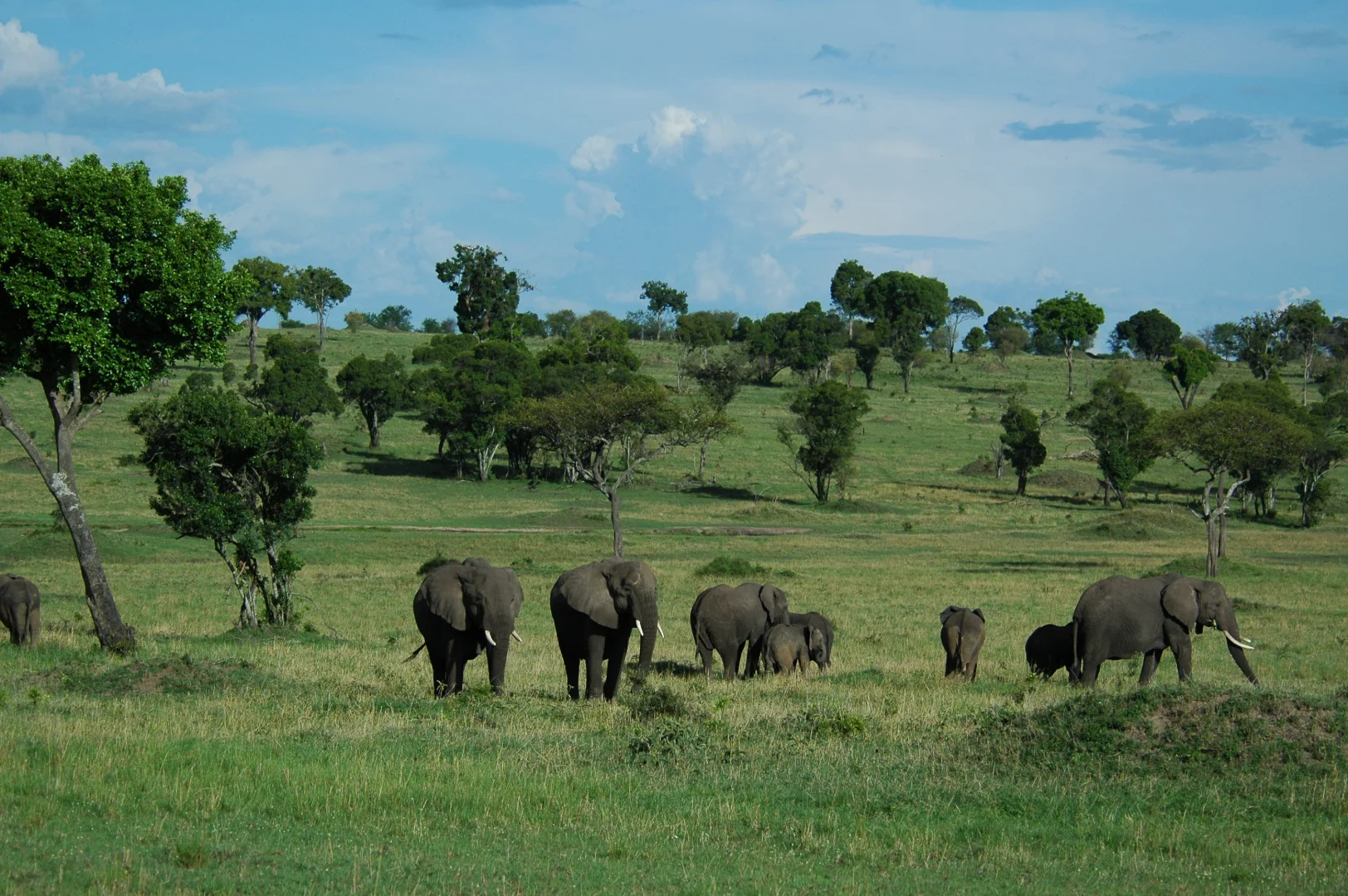
| Elephant | Good | Excellent |
| Buffalo | Good | Excellent (herds) |
| Rhino | Rare | Good (best in Tanzania) |
Other Wildlife
Serengeti Specialties: Cheetah (best viewing in Africa), migration herds, hippo pools, crocodiles (Grumeti/Mara rivers), diverse antelope species.
Ngorongoro Specialties: Flamingos (crater lake), dense wildebeest/zebra populations, large tusked elephants, hyena clans, golden jackals.
Cost Comparison
Park Fees (Per Person Per Day)
- Serengeti: $70.80
- Ngorongoro: $70.80 + $295 crater service fee (split among vehicle passengers)
Accommodation
- Serengeti: $200-2,000/night depending on location and luxury level
- Ngorongoro: Crater rim lodges $400-1,500/night; crater floor limited to Ngorongoro Crater Lodge ($2,000+/night)
Sample Costs Comparison
2 Days Serengeti Only: ~$800-1,200 per person (mid-range)
1 Day Ngorongoro Only: ~$500-700 per person (including crater fee)
Combined 3 Days: ~$1,400-2,000 per person (optimal experience)
Time Requirements
Serengeti Minimum Time
Two nights/three days provides meaningful experience. Three to four nights allows exploration of different ecosystems. Migration-focused trips benefit from 4-5 nights in strategic locations.
Ngorongoro Minimum Time
One full day in crater delivers complete Big Five experience. Two days allows morning and afternoon crater visits (different light, animal activity) or combining crater with Olduvai Gorge/Maasai cultural visits.
When to Visit Each
Serengeti Best Months
- Migration Crossings: July-September (northern)
- Calving Season: January-February (southern)
- General Viewing: Year-round excellent
- Avoid: April-May (rain, some roads difficult)
Ngorongoro Best Months
- Best Visibility: June-October (dry season)
- Fewer Crowds: November, March
- Year-round: Crater wildlife consistent
- Avoid: Peak afternoon (crowds concentrate)
Why Trust This Guide
Our Comparative Experience
- 20+ years operating in both destinations
- Hundreds of itineraries combining both parks
- Direct knowledge of current conditions
- TATO certified operator
Frequently Asked Questions
Can I see the Great Migration in Ngorongoro?
No. The migration occurs only in the Serengeti-Mara ecosystem. Ngorongoro has resident wildebeest and zebra populations (not migrating), but the famous two-million-animal migration doesn't enter the crater. For migration, Serengeti is essential.
Which has better rhino sightings?
Ngorongoro by far. The crater supports around 30 black rhinos in a contained area, making sightings reasonably reliable (though not guaranteed). Serengeti has rhinos but they're extremely rare to spot in the vast wilderness.
Is Ngorongoro Crater worth the extra fee?
Yes, for most travelers. The $295 crater fee (split among passengers) buys access to a unique ecosystem with near-guaranteed Big Five viewing. First-time safari visitors particularly benefit from the crater's concentrated wildlife. The scenery alone justifies visiting.
Can I do both in one day?
Technically possible but not recommended. The drive between them takes 3-4 hours, leaving inadequate time for either. Budget minimum one full day for Ngorongoro Crater plus 2-3 days minimum for meaningful Serengeti exploration. Combined trips typically run 5-7 days.
Which is better for photography?
Both excel differently. Serengeti offers classic African plains imagery, migration drama, and varied landscapes. Ngorongoro provides dramatic crater backdrop and concentrated wildlife for close encounters. Serious photographers want both.
Plan Your Combined Safari
Most travelers visit both—they're neighbors offering complementary experiences. Share your dates, and we'll design the optimal Serengeti-Ngorongoro combination for your safari.
Plan Combined Safari View ItinerariesPlan this trip: Serengeti and Ngorongoro Safari: 6-Day Tanzania Trip and Ngorongoro Crater Day Trip from Arusha: Full-Day Safari.

Ecological Wilderness Adventure
Expert safari guide and writer at Ecological Wilderness Adventure, a TATO-licensed operator based in Arusha, Tanzania with 20+ years of experience crafting authentic wildlife expeditions across East Africa.
Published April 17, 2026
You Might Also Enjoy
Ngorongoro Crater 2026: Complete Guide to Africa's Eighth Wonder
Discover the Ngorongoro Crater—the world's largest intact volcanic caldera and Africa's premier Big Five destination. Expert guide covering wildlife, best time to visit, crater lodges, and safari tips from local guides.
Tanzania Safari Itinerary: How to Plan Your Perfect 3-14 Day Adventure
Building a Tanzania safari itinerary involves more than picking parks from a list. The order you visit them, how long you spend in each, and which combination you choose fundamentally shapes your experience. This guide shares operational knowledge from hundreds of safari itineraries to help you plan a trip that matches your priorities.
Ngorongoro Crater Safari 2026: Complete Visitor Guide
Plan your 2026 Ngorongoro Crater visit. Learn about the best times, wildlife, fees, and insider tips for this UNESCO World Heritage Site.