How your safari contributes to wildlife conservation and community development in Tanzania.
Every safari you take contributes to one of Africa's greatest conservation success stories. Tanzania's national parks and reserves protect some of the world's most iconic wildlife—and your visit directly funds their survival. Here are the real success stories that prove responsible tourism makes a difference.
Conservation Impact at a Glance
- Park Fees Generated: $100+ million annually
- Protected Land: 38% of Tanzania (highest in Africa)
- Elephant Recovery: Population stabilizing after poaching crisis
- Black Rhino: Numbers increasing in protected areas
- Community Benefits: 25%+ of tourism revenue to local communities
The Serengeti: A Conservation Triumph
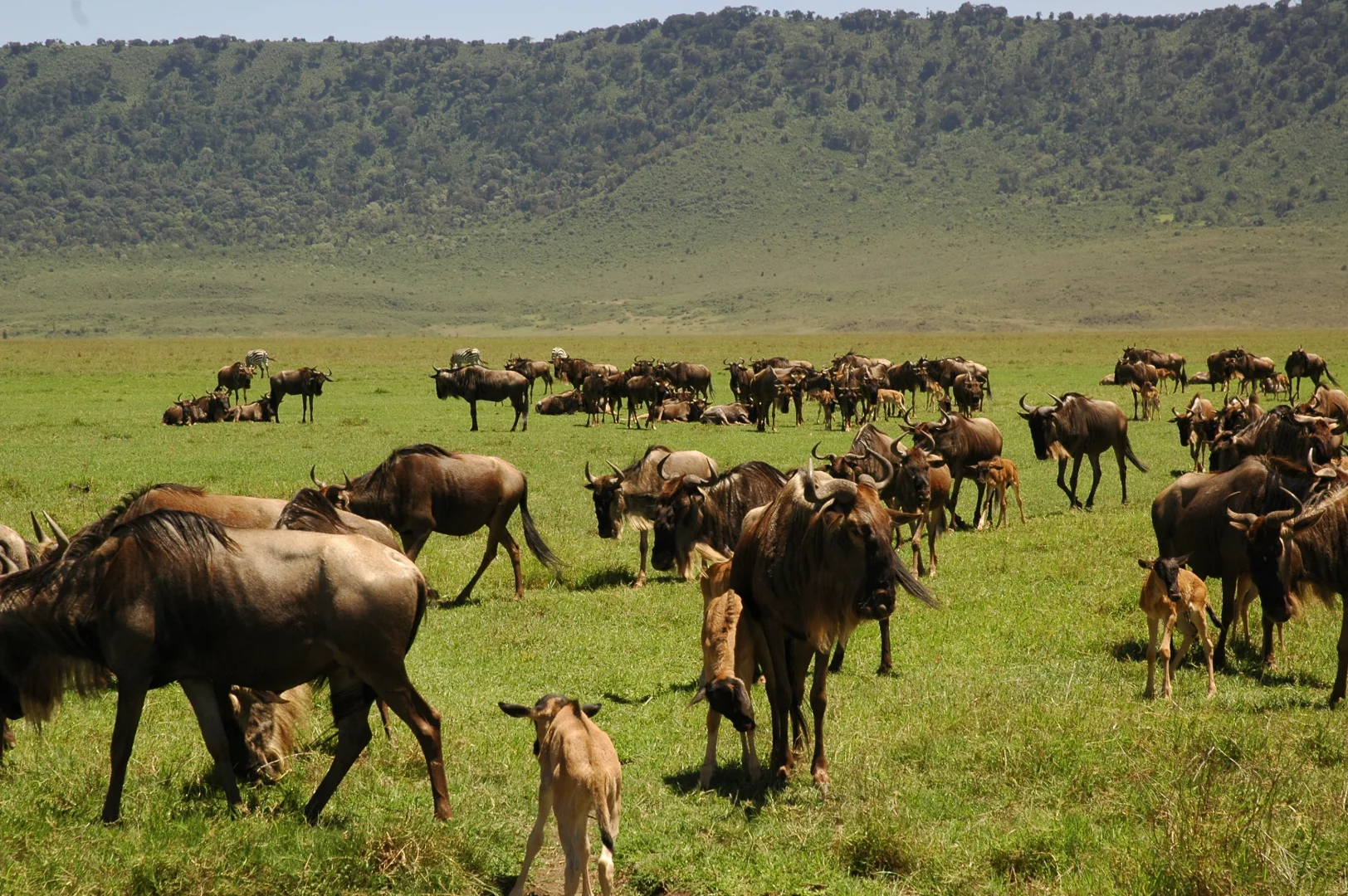
The Serengeti is perhaps the world's greatest conservation success story. Designated a UNESCO World Heritage Site in 1981, this ecosystem supports the largest remaining intact migration of large mammals on Earth.
Then (1970s)
- • Rampant poaching
- • Minimal funding for rangers
- • Human-wildlife conflict
- • Threatened ecosystem
Now (2024)
- • 1.5+ million wildebeest thriving
- • 3,000+ lions (largest population in Africa)
- • Anti-poaching units well-funded
- • Tourism driving conservation
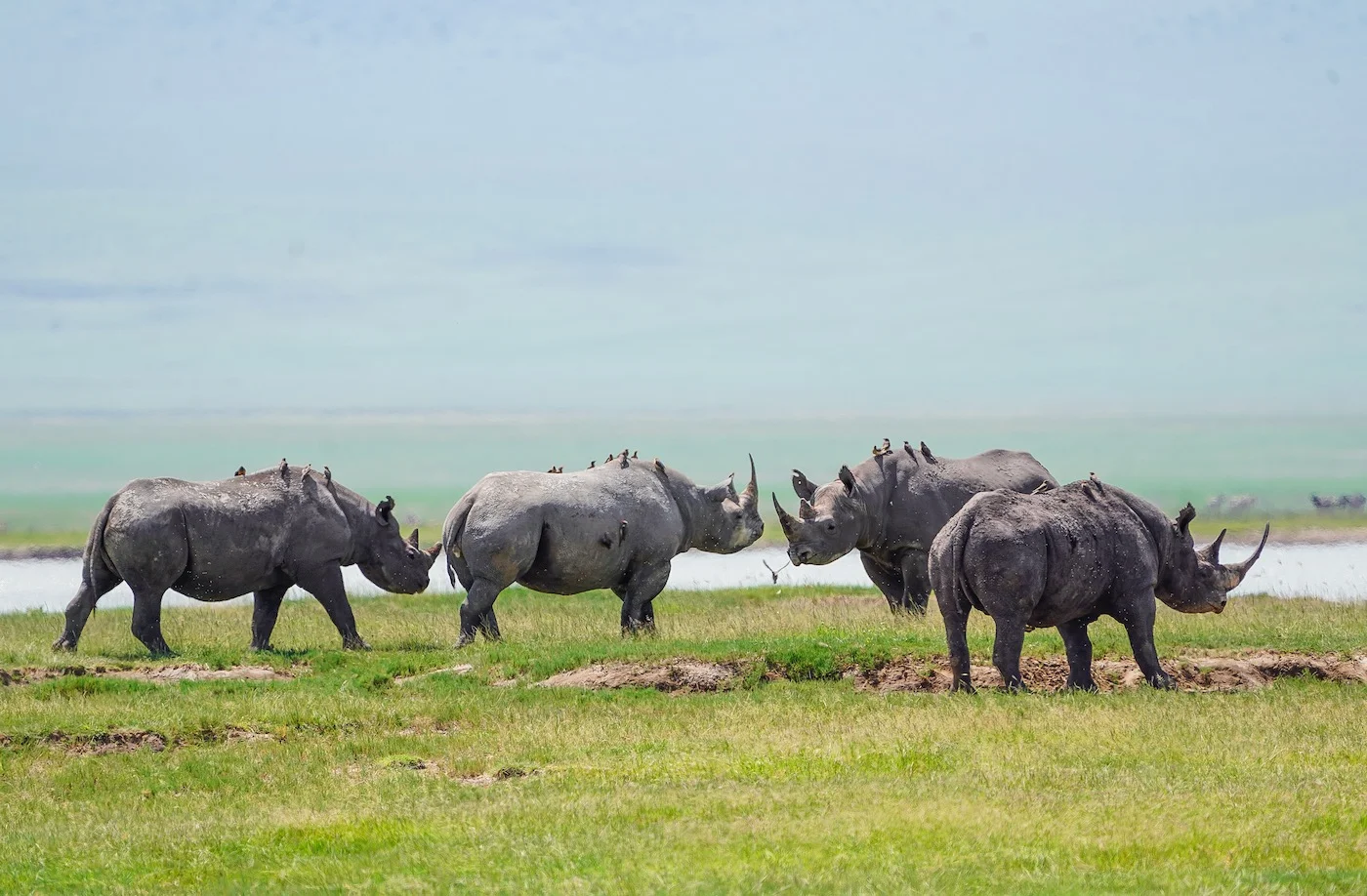
Black Rhino Recovery Program
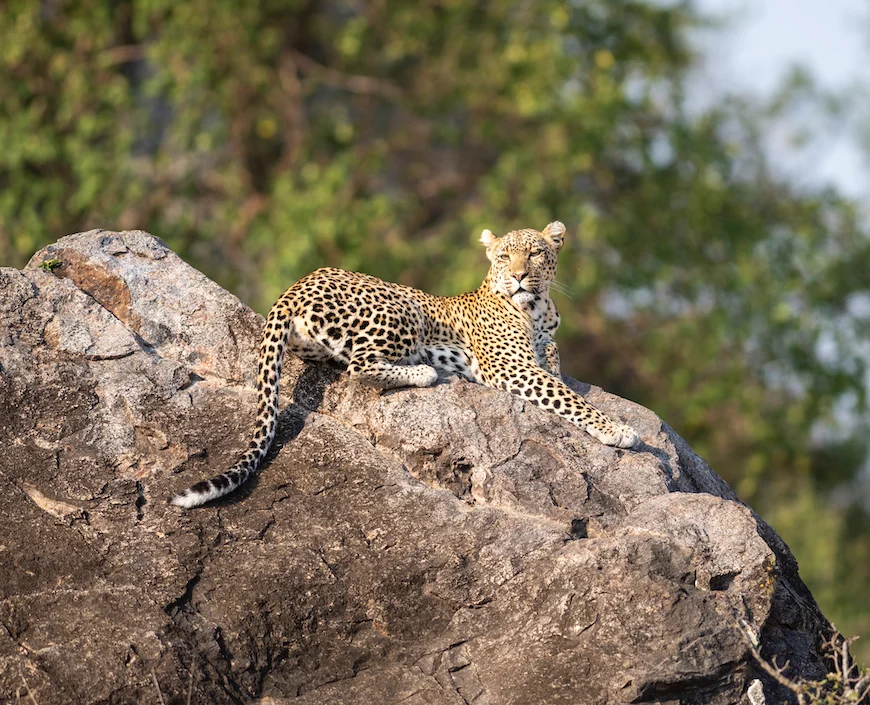
Tanzania's black rhino population was devastated by poaching in the 1970s-80s, dropping from over 10,000 to fewer than 100 individuals. Today, thanks to intensive protection efforts funded largely by tourism, the population is slowly recovering.
The Ngorongoro Crater hosts one of Tanzania's most successful rhino recovery programs. According to the IUCN Red List, black rhinos remain critically endangered, but populations in well-protected areas are increasing.
Ngorongoro Rhino Protection:
- 24/7 Ranger Patrols: Dedicated rhino monitoring teams
- Individual Tracking: Each rhino identified and monitored
- Tourism Funding: Park fees directly fund protection
- Current Population: 26-30 individuals (stable/growing)
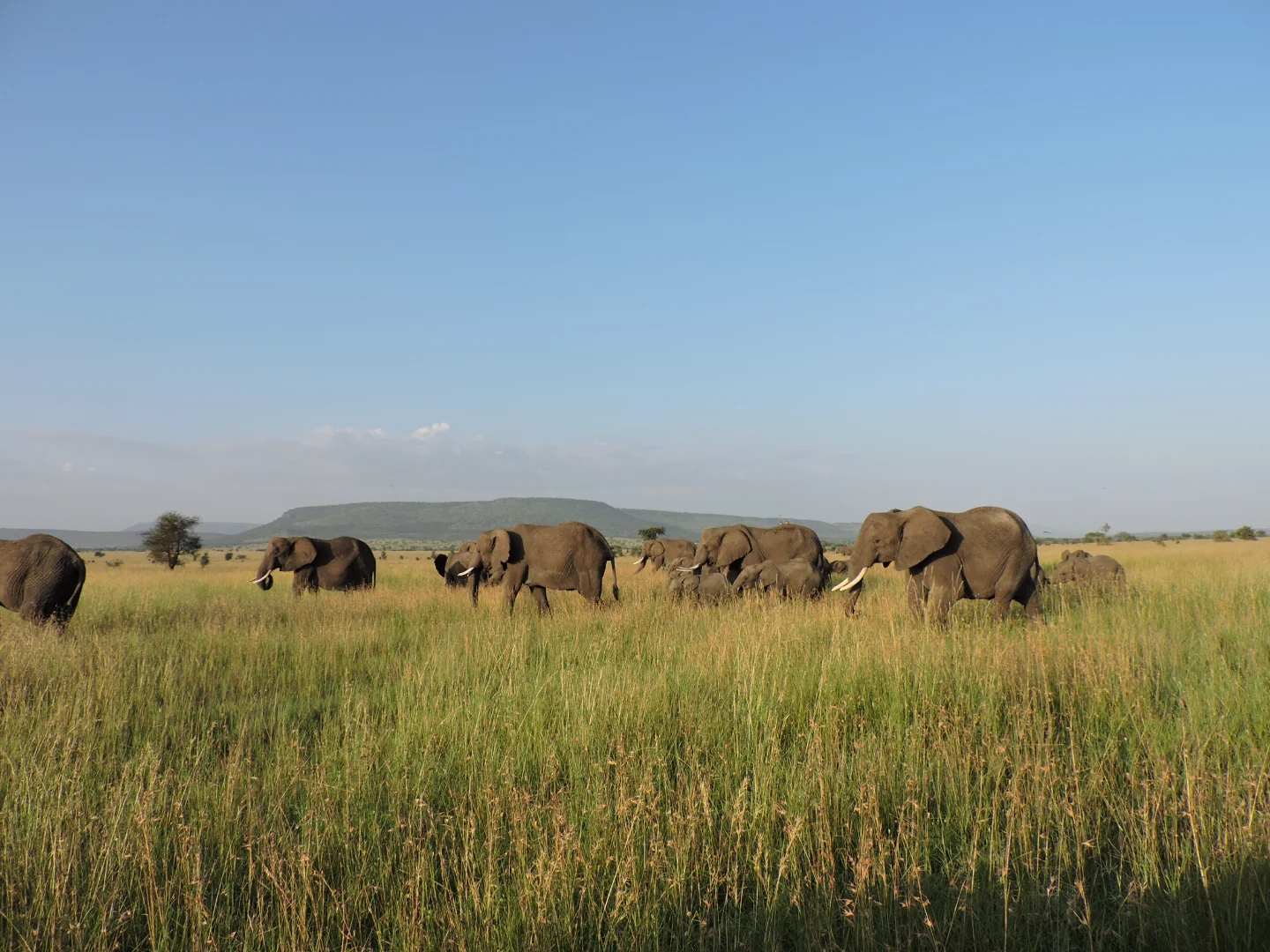
Elephant Conservation Success
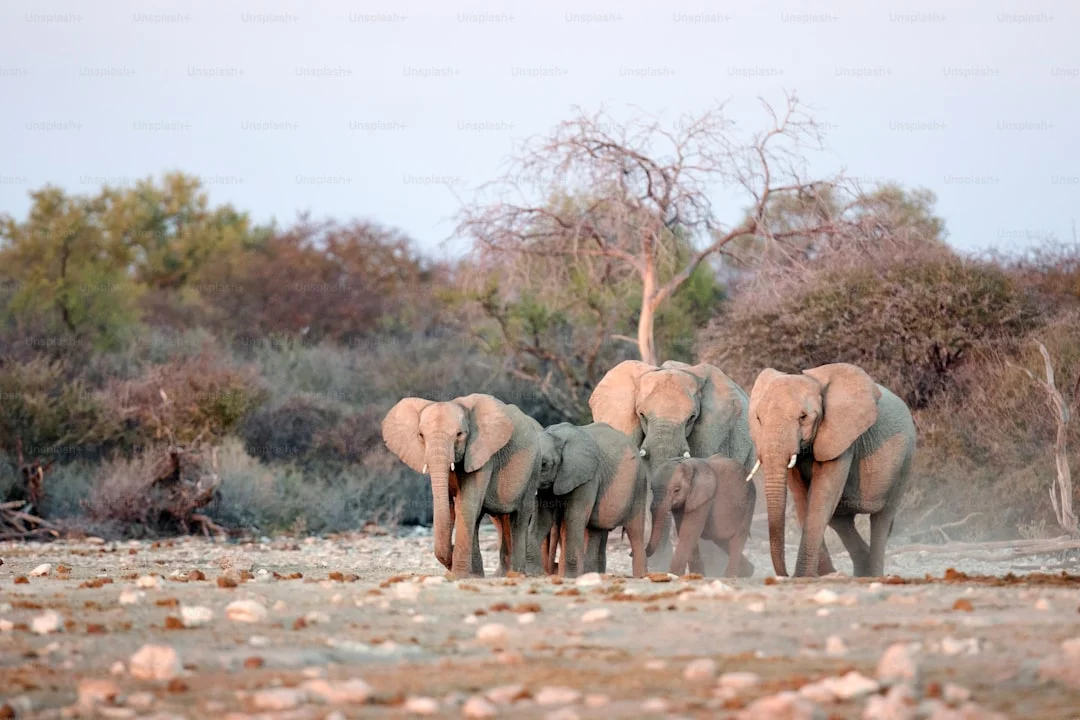
Tanzania's elephant population suffered catastrophic losses during the ivory poaching crisis of the 2000s-2010s. The World Wildlife Fund reports that elephant numbers dropped by over 60% in some areas.
Today, intensive anti-poaching efforts, funded significantly by safari tourism, have stabilized populations in key areas:
- Tarangire National Park: One of Africa's highest elephant densities (3,000+)
- Selous/Nyerere: Population stabilizing after crisis
- Ruaha: Largest elephant population in East Africa
Community Conservation Partnerships
Perhaps the most important conservation development has been the partnership between wildlife authorities and local communities. Tanzania's Wildlife Management Areas (WMAs) put conservation directly in community hands.
How Community Conservation Works
- Revenue Sharing: Communities receive 25%+ of tourism income
- Employment: Locals hired as guides, rangers, lodge staff
- Land Protection: Communities incentivized to preserve habitat
- Anti-Poaching: Local scouts report illegal activity
The Ngorongoro Conservation Area is a pioneer in this model—approximately 90,000 Maasai live alongside wildlife, receiving tourism benefits while maintaining traditional pastoralism.
Wild Dog Recovery
African wild dogs are among the continent's most endangered large carnivores, with only about 6,600 remaining. Tanzania hosts significant populations in Selous/Nyerere, Ruaha, and the Serengeti ecosystem.
Conservation efforts funded by tourism have helped stabilize wild dog populations through:
- Habitat corridor protection
- Vaccination programs (preventing disease from domestic dogs)
- Community education to reduce human-wildlife conflict
- Research and monitoring programs
How Your Safari Helps
Every safari directly contributes to conservation through multiple channels:
| Funding Source | Where It Goes | Impact |
|---|---|---|
| Park Entry Fees | TANAPA (Tanzania National Parks) | Ranger salaries, anti-poaching, infrastructure |
| Conservation Fees | Ngorongoro Conservation Area Authority | Wildlife protection, community programs |
| Concession Fees | Wildlife Management Areas | Community development, habitat protection |
| Lodge Operations | Local employment & suppliers | Economic alternatives to poaching |
Choosing Conservation-Focused Operators
Not all safari operators are equal in their conservation commitment. Look for:
- Local Employment: Do they hire Tanzanian guides and staff?
- Community Partnerships: Do they support local villages?
- Environmental Practices: Waste management, water conservation, solar power
- Conservation Contributions: Direct donations to wildlife projects
- Certification: Look for TATO (Tanzania Association of Tour Operators) membership
Frequently Asked Questions
How does my safari help conservation?
Your safari fees directly fund wildlife protection through park entry fees (supporting rangers and anti-poaching), conservation levies, lodge concession fees to communities, and local employment. Tanzania's parks generate over $100 million annually, making tourism the primary funding source for conservation.
Are there still rhinos in Tanzania?
Yes, though numbers are small. The Ngorongoro Crater hosts about 26-30 black rhinos under intensive protection. The Serengeti has a small but growing population, and private reserves like Grumeti have successful rhino reintroduction programs. Sightings are possible but not guaranteed.
How do local communities benefit from safari tourism?
Communities benefit through direct employment (guides, lodge staff, rangers), revenue sharing (25%+ of tourism income in many areas), cultural tourism fees, and local supply contracts. The Ngorongoro Conservation Area alone supports 90,000 Maasai residents through tourism revenue sharing.
What percentage of park fees goes to conservation?
TANAPA (Tanzania National Parks Authority) reinvests the majority of park fees into conservation activities including ranger salaries, anti-poaching operations, road maintenance, and wildlife monitoring. A percentage also goes to surrounding communities. Private concessions typically allocate 15-30% directly to conservation initiatives.
Further Reading
- UNESCO: Serengeti National Park World Heritage →
- WWF: African Elephant Conservation →
- IUCN Red List: Black Rhinoceros Status →
- Tanzania National Parks Authority (TANAPA) →
Support Conservation Through Travel
Every safari with us contributes directly to wildlife protection and community development. See how your adventure makes a difference.
Explore Conservation Safaris
Ecological Wilderness Adventure
Expert safari guide and writer at Ecological Wilderness Adventure, a TATO-licensed operator based in Arusha, Tanzania with 20+ years of experience crafting authentic wildlife expeditions across East Africa.
Published January 9, 2025