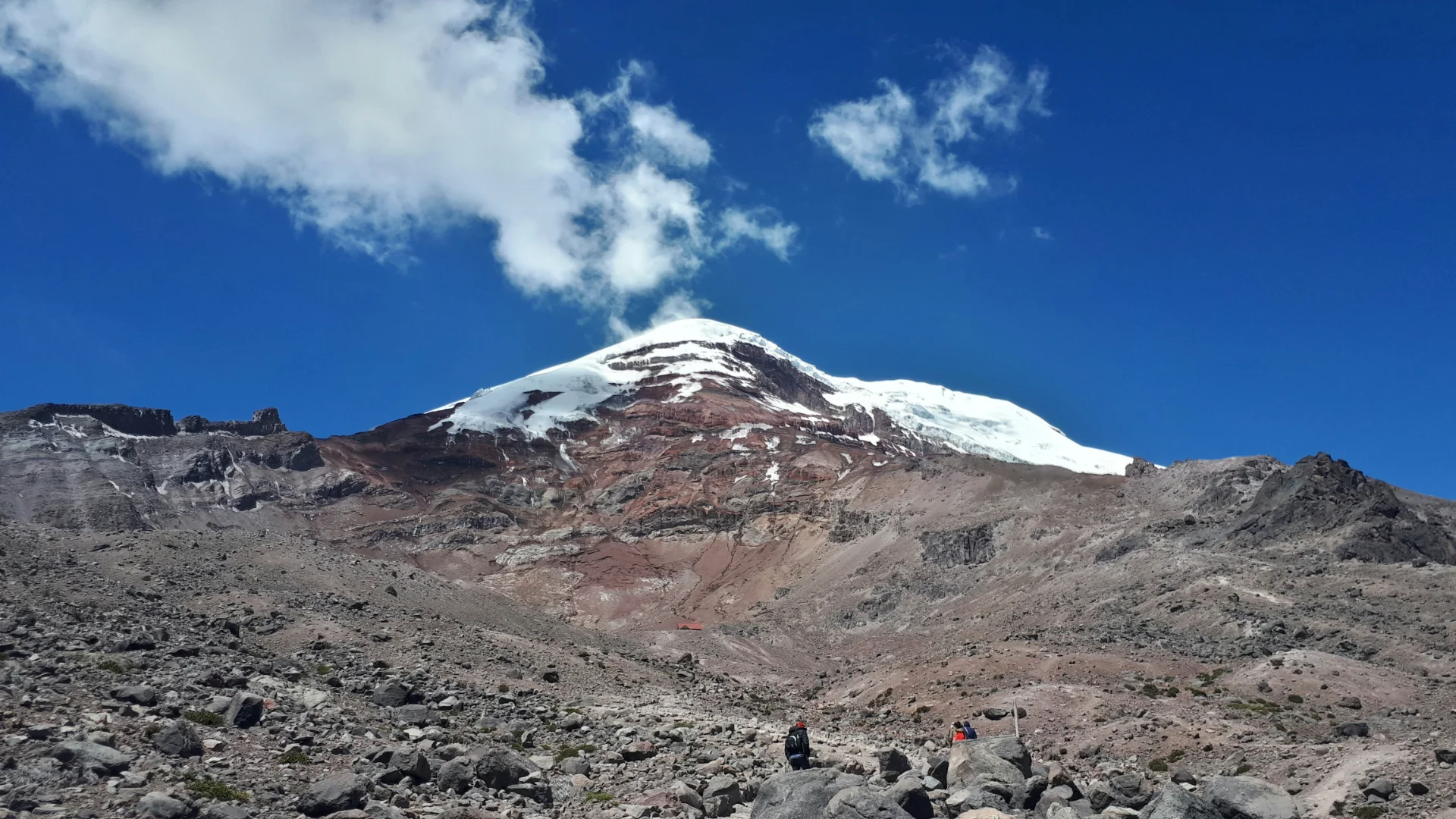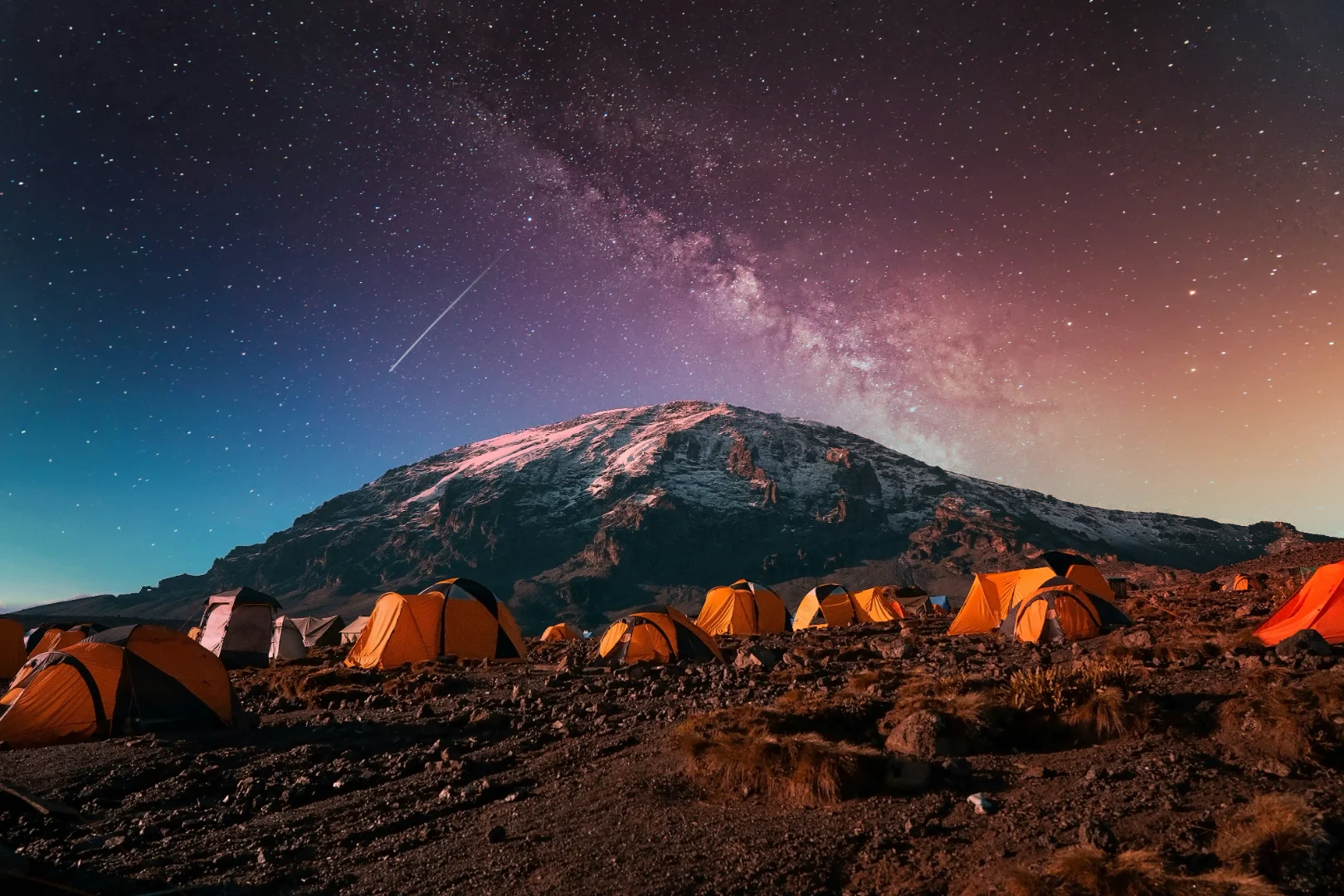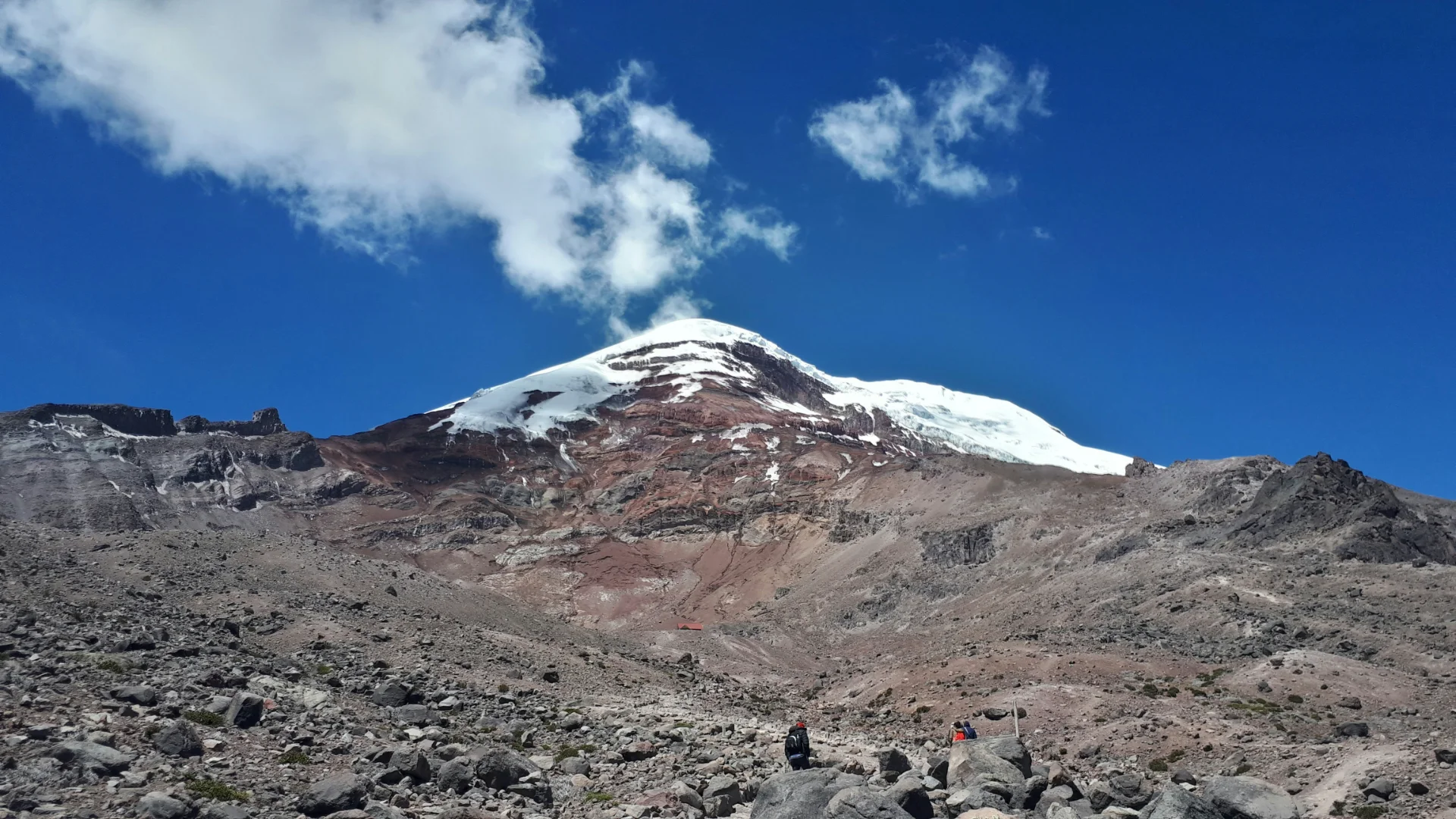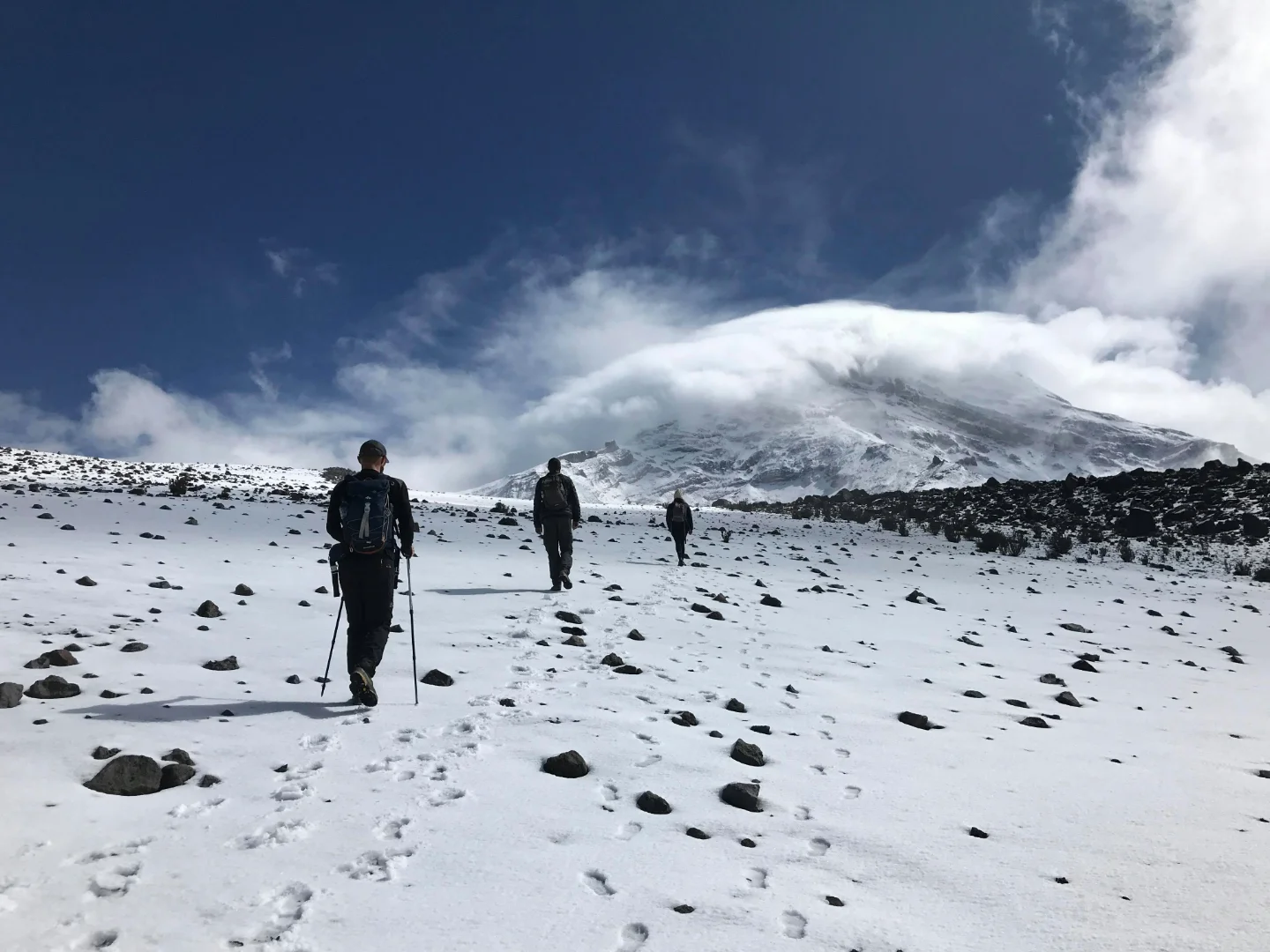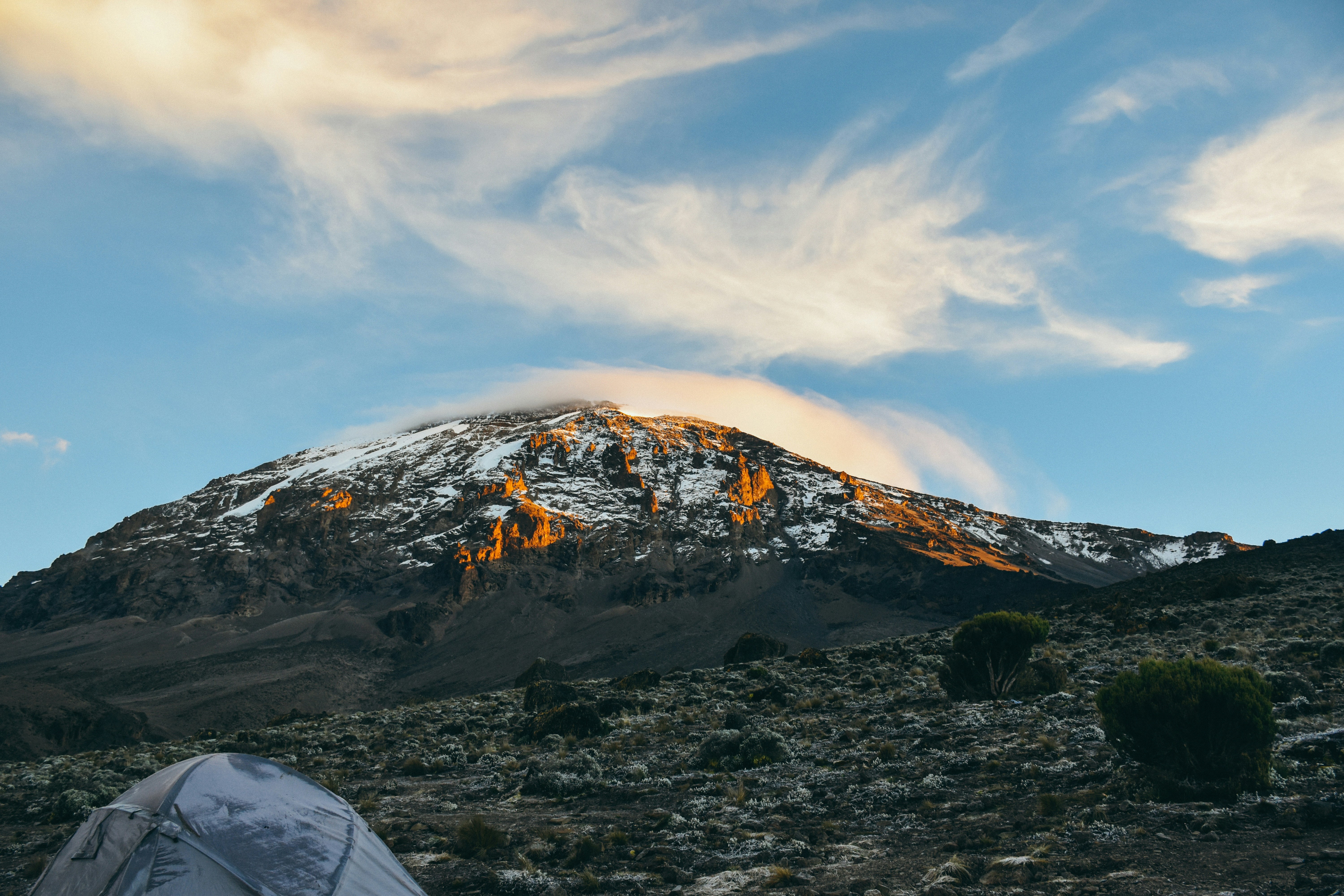
Dreaming of standing on the Roof of Africa? Our comprehensive Kilimanjaro climbing guide covers all 8 routes, costs, training, best times to climb, and insider tips from our expert guides with 20+ years experience.
Mount Kilimanjaro, standing at 5,895 meters (19,341 feet), is Africa's highest peak and the world's tallest free-standing mountain. As one of the Seven Summits, it attracts over 50,000 climbers annually, offering a once-in-a-lifetime adventure without requiring technical mountaineering skills.
Why Climb Kilimanjaro?
- No Technical Skills Required: Unlike other major peaks, Kilimanjaro is a trekking mountain - no ropes, ice axes, or climbing experience needed
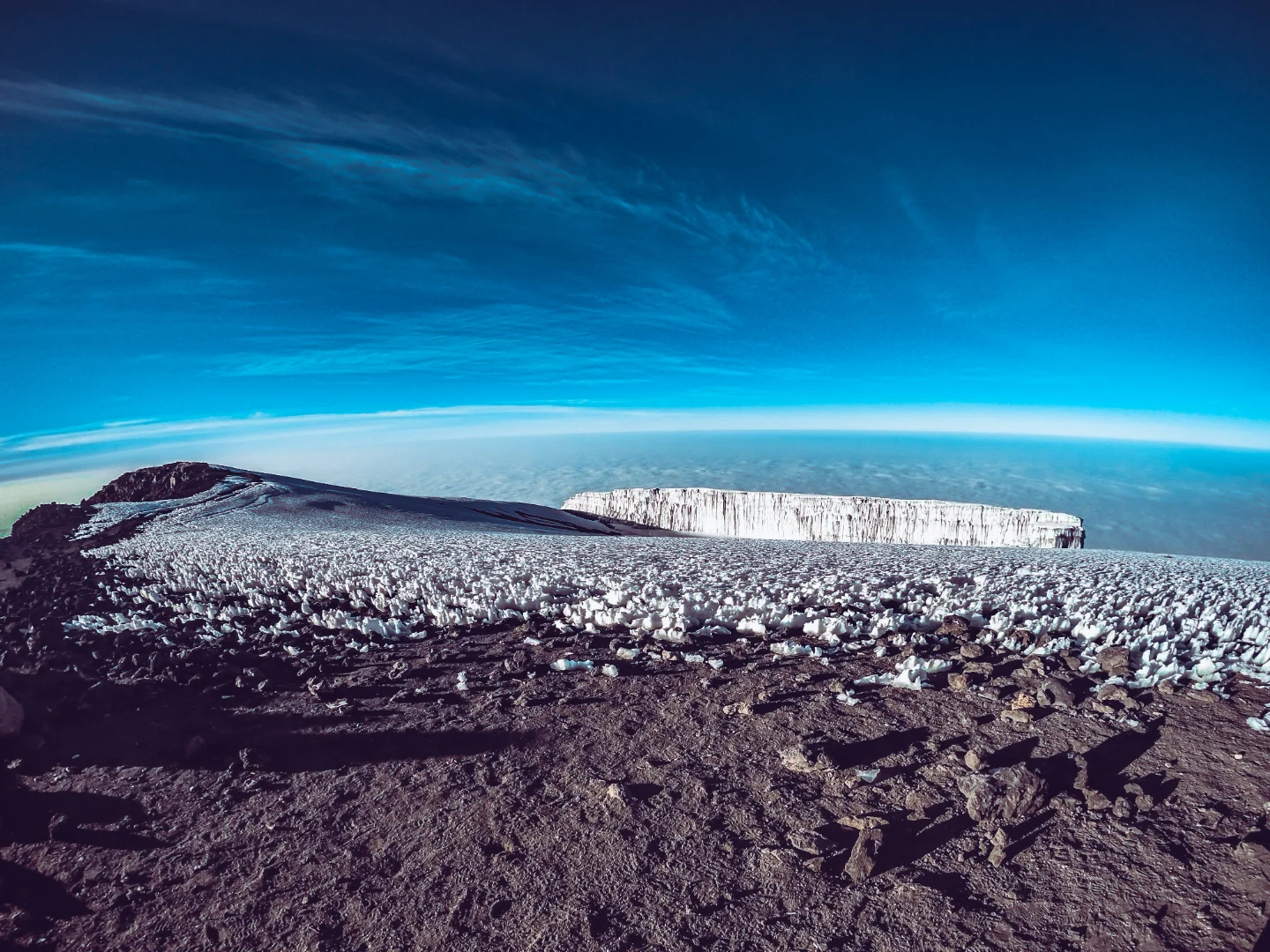
- Diverse Ecosystems: Trek through 5 climate zones from rainforest to arctic summit
- Uhuru Peak Success: Average 65% success rate (increases to 80-95% on longer routes)
- Accessible Adventure: Suitable for fit individuals aged 10-80+
- Life-Changing Experience: Standing on the Roof of Africa is truly unforgettable
Kilimanjaro Routes Compared: All 8 Routes Explained
1. Machame Route (Whiskey Route) ⭐ Most Popular
Duration: 6-7 days
Difficulty: Moderate-Challenging
Success Rate: 70-85%
Scenery: ⭐⭐⭐⭐⭐
Crowds: High
Why Choose Machame:
- Excellent acclimatization profile ("climb high, sleep low")
- Stunning and diverse scenery
- Higher success rates than shorter routes
- Well-maintained trails and campsites
Best For: First-time climbers seeking balance between challenge and success
Route Highlights:
- Day 1: Rainforest trek to Machame Camp (3,000m)
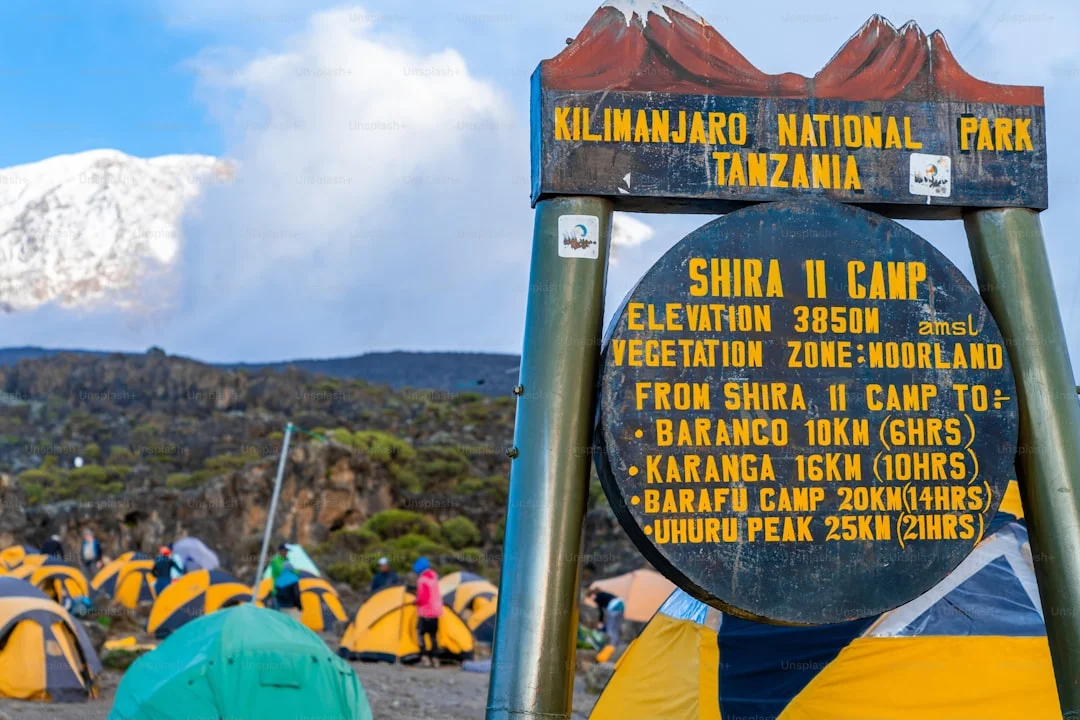
- Day 2: Moorland zone to Shira Camp (3,850m)
- Day 3: Acclimatization hike to Lava Tower (4,600m), descend to Barranco Camp
- Day 4: Challenging Barranco Wall climb
- Day 5: Alpine desert to Barafu Camp (4,600m)
- Day 6: Summit night - Uhuru Peak (5,895m) and descent
2. Lemosho Route ⭐ Best Scenery
Duration: 7-8 days
Difficulty: Moderate
Success Rate: 85-95%
Scenery: ⭐⭐⭐⭐⭐
Crowds: Low-Moderate
Why Choose Lemosho:
- Highest success rates of all routes
- Remote and pristine western approach
- Superior acclimatization
- Breathtaking views of Shira Plateau
Best For: Those prioritizing success and willing to invest in more days
Key Difference: Longer route allows better acclimatization, less crowded than Machame initially
3. Northern Circuit ⭐ Longest & Most Scenic
Duration: 8-9 days
Difficulty: Moderate
Success Rate: 90-95%
Scenery: ⭐⭐⭐⭐⭐
Crowds: Very Low
Why Choose Northern Circuit:
- Highest success rate of all routes (90-95%)
- Circumnavigates entire mountain - see Kilimanjaro from all sides
- Best acclimatization due to length
- Most remote and quiet route
- Views of Kenya's wilderness
Best For: Experienced trekkers wanting the ultimate Kilimanjaro experience
Premium Choice: Most expensive but highest success rate and most spectacular
4. Rongai Route ⭐ Only Northern Approach
Duration: 6-7 days
Difficulty: Moderate
Success Rate: 70-80%
Scenery: ⭐⭐⭐⭐
Crowds: Low
Why Choose Rongai:
- Approaches from Kenya border (north)
- Drier climate - better during rainy season
- Gentler gradients than Machame
- True wilderness feel
- Different descent route (Marangu)
Best For: Climbing during wet season (March-May, November), those seeking solitude
5. Marangu Route (Coca-Cola Route)
Duration: 5-6 days
Difficulty: Moderate
Success Rate: 55-65%
Scenery: ⭐⭐⭐
Crowds: High
Why Choose Marangu:
- Only route with hut accommodation (no camping)
- Same ascent and descent path
- Considered "easier" but lower success rate due to rapid ascent
- Good for those who prefer not to camp
Best For: Those who prefer hut accommodation, though we recommend the 6-day option for better acclimatization
Important: Despite reputation as "easiest," success rate is lower due to poor acclimatization profile
6. Umbwe Route ⭐ Most Challenging
Duration: 6-7 days
Difficulty: Very Challenging
Success Rate: 60-70%
Scenery: ⭐⭐⭐⭐
Crowds: Very Low
Why Choose Umbwe:
- Steepest, most direct route
- Dramatic and beautiful
- Very quiet
- Serious challenge for experienced trekkers
Best For: Very fit, experienced high-altitude trekkers seeking the ultimate challenge
Warning: Rapid altitude gain makes this route tough - only recommended for very fit climbers
7. Shira Route
Duration: 7-8 days
Difficulty: Moderate-Challenging
Success Rate: 75-85%
Similar to Lemosho but starts higher, potentially causing early altitude issues. We recommend Lemosho instead.
8. Mweka Route
Descent-only route - used by most routes for descent due to direct path and good conditions.
Best Time to Climb Kilimanjaro
Peak Seasons (Best Weather)
January - March
- Pros: Warm, clear, excellent visibility, drier trails
- Cons: Can be colder at summit
- Crowds: Moderate-High
- Perfect For: Those seeking warmest conditions
June - October
- Pros: Coolest temperatures, dry season, clear skies
- Cons: Colder summit nights, more crowded
- Crowds: High (July-August peak)
- Perfect For: European summer vacationers
Shoulder Seasons
April - May & November
- Wet Season: More rain, especially April-May
- Pros: Fewer crowds, lower prices (15-25% savings), lush scenery
- Cons: Muddy trails, more cloud cover
- Best Route: Rongai (drier northern side)
Our Recommendation: Late January-February or September-October for optimal balance of weather and crowds
Kilimanjaro Climbing Costs 2025
Budget Climbs: $1,500-$2,200
- Larger groups (10+ climbers)
- Basic equipment and food
- Minimum crew sizes
- Often rush routes (5-6 days)
- Lower success rates
Warning: Budget operators may cut corners on safety, crew welfare, and equipment quality
Mid-Range Climbs: $2,500-$3,500 (Recommended)
- Quality equipment and meals
- Professional guides
- Fair crew wages
- Proper safety protocols
- Good success rates
- 7-8 day routes
Premium Climbs: $4,000-$6,000+
- Small groups or private climbs
- Premium equipment (Nemo tents, North Face sleeping bags)
- Gourmet meals
- Extra safety measures (portable altitude chambers, oxygen)
- Luxury camping setup
- Extended routes (8+ days)
What's Included:
✓ Park fees ($800-$1,000) ✓ Professional guide, assistant guides, porters, cook ✓ All camping equipment (tents, sleeping mats) ✓ 3 meals daily plus snacks ✓ Drinking water ✓ Emergency oxygen ✓ First aid kit ✓ Airport transfers
Not Included:
✗ Flights to Tanzania ✗ Visa ($50-$100) ✗ Tips for crew ($200-$300 recommended) ✗ Personal gear (sleeping bag, clothing) ✗ Travel insurance (mandatory) ✗ Drinks and snacks
Training for Kilimanjaro
Fitness Requirements
Kilimanjaro doesn't require technical skills, but demands:
- Ability to trek 6-8 hours daily
- Good cardiovascular fitness
- Strong legs for steep sections
- Mental resilience
12-Week Training Program
Weeks 1-4: Base Building
- 3-4 hikes per week (2-3 hours each)
- Include hills/stairs
- Focus on endurance
Weeks 5-8: Build Intensity
- Longer hikes (4-6 hours)
- Add weighted backpack (5-8kg)
- Include back-to-back hiking days
- Altitude training if possible
Weeks 9-12: Peak & Taper
- Peak training: 6-8 hour hikes with 8-10kg pack
- Practice with your actual gear
- Final 2 weeks: reduce volume, maintain intensity
- Focus on rest and nutrition
Key Exercises:
- Cardiovascular: Running, cycling, swimming (3-4x weekly)
- Strength: Squats, lunges, step-ups (2-3x weekly)
- Core: Planks, crunches for stability
- Stair Climbing: Excellent Kilimanjaro-specific training
Altitude Acclimatization Strategies
The #1 Success Factor
Proper acclimatization is the single most important factor for summit success.
Follow These Rules:
- Climb High, Sleep Low: Gain altitude during day, sleep lower
- Pole Pole (Slowly, Slowly): The Swahili mantra - pace is everything
- Stay Hydrated: Drink 4-5 liters daily
- Eat Well: Even when not hungry - fuel is essential
- Diamox Consideration: Consult doctor about acetazolamide (altitude medication)
Recognize Altitude Sickness Symptoms:
- Headache
- Nausea
- Dizziness
- Fatigue
- Shortness of breath
- Loss of appetite
Critical: Tell your guide immediately if experiencing symptoms
Essential Packing List
Clothing Layers (Crucial)
Base Layer:
- Moisture-wicking tops and bottoms
- Thermal underwear for summit night
Mid Layer:
- Fleece jacket or down jacket
- Insulated pants
Outer Layer:
- Waterproof jacket (Gore-Tex)
- Waterproof pants
- Down parka for summit (-20°C capability)
Extremities:
- Warm hat and sun hat
- Balaclava or buff
- Sunglasses (UV400)
- Warm gloves and liner gloves
- Quality hiking boots (broken in!)
- Gaiters (recommended)
Equipment:
- Sleeping bag (-10°C to -15°C rating)
- Headlamp with extra batteries
- Trekking poles (highly recommended)
- Daypack (25-35L)
- Duffel bag for porters (max 15kg)
- Water bladder or bottles (3L capacity)
Personal Items:
- Sunscreen SPF 50+
- Lip balm with SPF
- Hand sanitizer
- Wet wipes
- Personal medications
- Diamox (if prescribed)
- Altitude sickness medication
- Anti-diarrheal medication
- Blister treatment
Summit Night: What to Expect
12:00 AM - 1:00 AM: Wake up, hot tea, light breakfast 1:00 AM - 2:00 AM: Begin summit push 6:00 AM - 8:00 AM: Reach Stella Point (5,739m) 7:00 AM - 9:00 AM: Final push to Uhuru Peak (5,895m) 8:00 AM - 10:00 AM: Summit celebration, photos 10:00 AM - 2:00 PM: Descend to high camp 2:00 PM - 5:00 PM: Continue descent to lower camp
Distance: 6km ascent, 15km total with descent Elevation Gain: 1,200m Duration: 12-16 hours total Temperature: -20°C to -10°C at summit
Summit Night Tips:
- Layer properly before starting (don't wait until cold)
- Start slow - conserve energy
- Use trekking poles for stability
- Regular sips of water
- Focus on breathing - deep, rhythmic breaths
- Mental strength is key - break it into small goals
Why Choose Ecological Wilderness Adventure for Your Kilimanjaro Climb?
✓ 20+ Years Experience: Our expert guides have summited 100+ times ✓ 85-95% Success Rates: Above industry average through proper acclimatization ✓ Safety First: Emergency oxygen, portable altitude chambers, experienced medical support ✓ Ethical Practices: Fair wages and treatment for all crew members ✓ Quality Equipment: Premium camping gear, North Face equipment ✓ Small Groups: Maximum 8 climbers per group for personalized attention ✓ Comprehensive Support: Pre-climb briefings, 24/7 communication, post-climb follow-up
Book Your Kilimanjaro Adventure Today
Ready to conquer the Roof of Africa? Our expert team will help you choose the perfect route and prepare for success.
Call: +255 780 900003 | +255 694 950 644
Email: info@ecologicaladventure.com
Your summit awaits - let's get you there!
Plan this trip: Machame Route 7 Days: Kilimanjaro Day-by-Day Itinerary, Lemosho Route 8 Days: Kilimanjaro Day-by-Day Itinerary, Marangu Route 6 Days: Kilimanjaro Climb with Hut Stays, Rongai Route 7 Days: Kilimanjaro from the North Side, Umbwe Route 6 Days: Steep, Direct Kilimanjaro Climb and Kilimanjaro Northern Circuit Route: 9-Day Climb.

Ecological Wilderness Adventure
Expert safari guide and writer at Ecological Wilderness Adventure, a TATO-licensed operator based in Arusha, Tanzania with 20+ years of experience crafting authentic wildlife expeditions across East Africa.
Published October 5, 2025
You Might Also Enjoy
Best Time for an African Safari: Month-by-Month Guide
When to go on an African safari: dry season, migration, calving and green season months for Tanzania, Kenya, Uganda and Rwanda.
How Much Does a Tanzania Safari Really Cost? Honest 2026 Pricing
Get honest Tanzania safari pricing for 2025. We break down real costs from budget camping to luxury lodges, including hidden fees most operators won't mention.
Kruger vs Serengeti: Which Safari Is Right for You?
Kruger or Serengeti? Compare Africa's two most famous safari destinations. Wildlife, costs, self-drive options, and which suits your travel style.