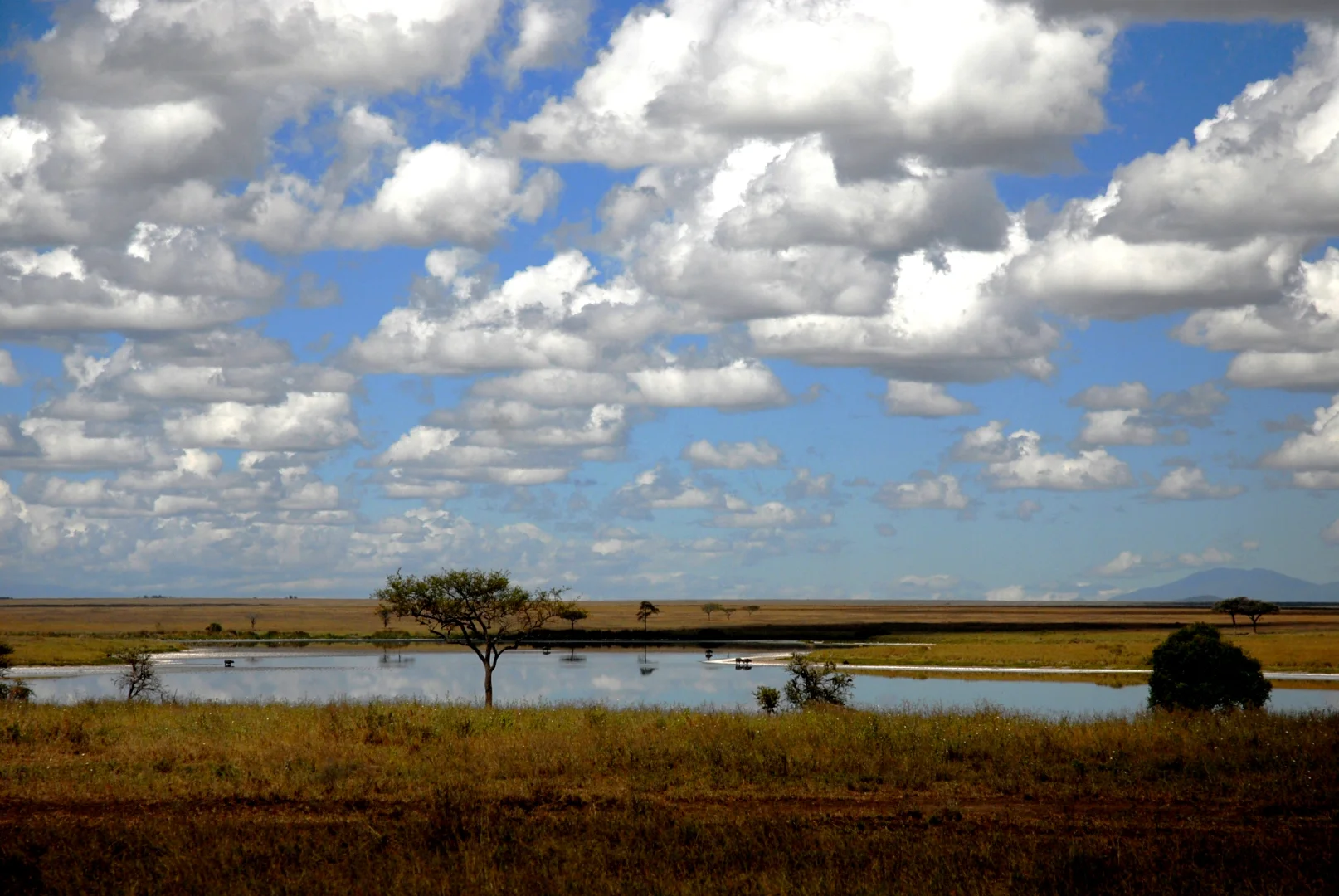
When to go on an African safari: dry season, migration, calving and green season months for Tanzania, Kenya, Uganda and Rwanda.
The best time for an African safari in East Africa is the long dry season, June to October. Grass is short, animals gather at the remaining water, and the Great Migration crosses the Mara River from July. But that is only one answer. January and February bring the calving season, April and May cost the least, and gorilla treks run all year. Here is how the year actually plays out, country by country.
The Short Answer
| If you want | Go in | Where |
|---|---|---|
| The best all-round game viewing | June to October | Tanzania's Northern Circuit, Kenya's Maasai Mara |
| Mara River crossings | July to October | Northern Serengeti (Tanzania), Maasai Mara (Kenya) |
| Calving season and predator action | January to February | Ndutu, southern Serengeti |
| The lowest prices and fewest vehicles | April to May | Tanzania (some lodges close) |
| Gorilla trekking in drier conditions | June to September, December to February | Uganda, Rwanda |
| Safari plus beach | June to October, January to February | Tanzania with Zanzibar |
How East Africa's Seasons Work
East Africa doesn't have summer and winter the way Europe or North America does. It has dry seasons and rainy seasons, and those decide almost everything about a safari.
- Long dry season (June to October): cool mornings, dusty plains, thin bush. Animals stay close to rivers and waterholes, so they are easier to find. This is peak season, with peak prices.
- Short rains (November to December): short afternoon showers, the land turns green, and the herds move back south to the Serengeti's short-grass plains. November is good value; the Christmas weeks are not.
- Short dry season (January to February): warm, mostly dry and green. In Tanzania this is calving season.
- Long rains (March to May): the heaviest rain of the year, the fewest visitors and the lowest rates. April and May are the wettest months.
Rain here rarely means a washed-out day. Even in the wet months it tends to come as heavy afternoon storms, and mornings are often clear. What changes is the state of the roads, which camps are open, and how spread out the animals are.
Month by Month
January and February
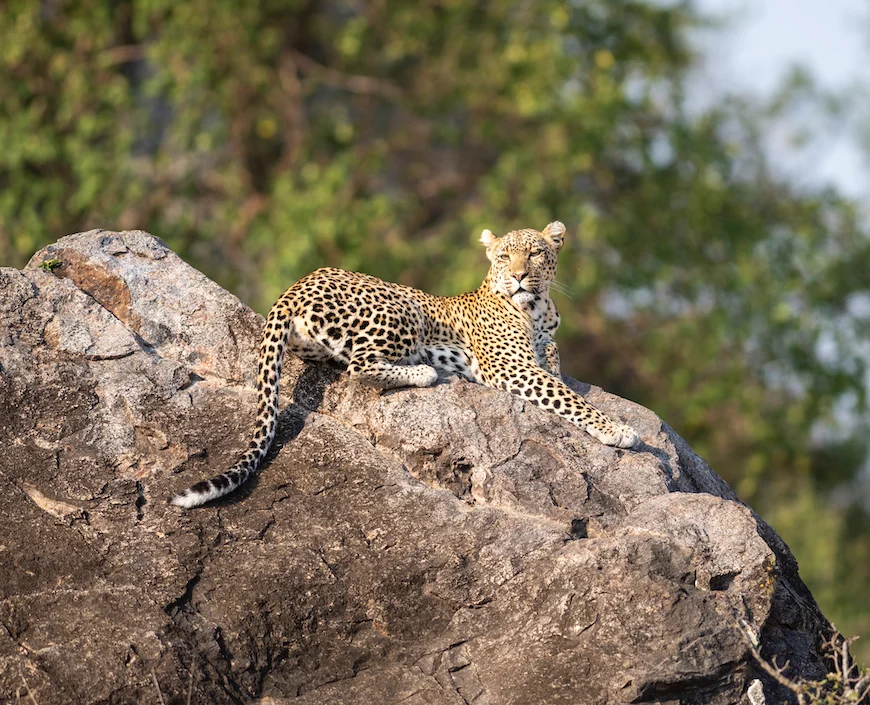
The wildebeest herds are on the southern Serengeti plains around Ndutu. At the peak of calving in February, around 8,000 calves are born a day, and lions, cheetahs and hyenas follow them closely. It is warm (25 to 31°C), mostly dry, and a good window for Kilimanjaro too. Prices sit in the middle.
March to May
The long rains. The herds drift from the south into the central and western Serengeti. Crowds are very low and prices are the lowest of the year, often 30 to 50% below peak in Tanzania. Some lodges close in April and May, so check before you fix dates. It is also the best birding season, with migratory species arriving.
June
The dry season starts. The herds gather in the western Serengeti and the first Grumeti River crossings happen. Game viewing is strong almost everywhere, and the Kilimanjaro climbing season opens.
July to September
The classic safari months. The migration reaches the northern Serengeti and the Mara River crossings begin in July. Kenya's Maasai Mara hosts the herds from roughly mid-July to early October. August is the busiest month, with the most vehicles at the crossings and the highest prices, so book well ahead. In Tarangire, elephant numbers peak in the dry months, with up to 3,000 gathering along the river.
October
Still dry and hot, with the vegetation at its thinnest. Crossings continue early in the month, then the herds start back south. Some lodges move to shoulder pricing.
November and December
The short rains green the plains and the herds return to the southern Serengeti ready for calving. November is quiet and well priced. Expect holiday rates over Christmas and New Year.
For the full Tanzania calendar, with temperatures and crowd levels, see our best time to visit Tanzania guide.
Best Time by Country
Tanzania
Tanzania works all year because the migration stays in the Serengeti ecosystem for most of it. June to October is the strongest period for general game viewing; January and February are the best months for calving. If budget matters more than the migration, April and May give you the parks almost to yourself. See where the herds are each month in our Great Migration calendar.
Kenya
Kenya shares the same dry season, and the Maasai Mara is at its best from mid-July to early October, when the herds cross in from Tanzania. Outside that window the Mara still has a lot of resident big cats. Our Kenya vs Tanzania safari comparison covers which country suits which trip.
Uganda and Rwanda
Gorilla trekking runs all year, but June to September and December to February are the driest months. Trails are less muddy and the light is better for photographs. These are also the busiest months for permits, so book early. See Uganda and Rwanda for more on each country.
Southern Africa
We operate in East Africa, but for comparison: in Botswana, South Africa, Namibia and Zambia the dry season, and so the best game viewing, generally falls in the southern winter, roughly May to October. If you are choosing between regions, East Africa has the migration and the gorillas; southern Africa has its own wetlands and desert landscapes.
Best Time for Your Trip
A first safari
June to October. Animals are easiest to find and the weather is most predictable. A route through Tarangire, the Serengeti and Ngorongoro, like our Great Migration Safari, covers the essentials.
Families
The July and August school holidays line up with peak season. Book early, and consider a private vehicle so children can stop when they want.
Photographers
The dry season gives clear views and dramatic crossings. The green months give clean air, storm light and newborn animals. Many photographers prefer February for the calving.
Honeymoons and beach add-ons
Zanzibar is best from June to October and in January and February, which fits neatly with the safari seasons. See Zanzibar.
Safari with Kilimanjaro
The main climbing windows are January to February and June to October, the same as the safari dry seasons. See our Kilimanjaro climbs.
Frequently Asked Questions
What is the best month for an African safari?
For East Africa, August is often called the best month for wildlife, but it is also the busiest and most expensive. July and September offer almost the same wildlife with slightly fewer vehicles. February is the best month for calving.
Is the rainy season a bad time for a safari?
No. You see fewer vehicles, pay lower prices and get green landscapes and newborn animals. The trade-offs are muddier roads, some closed lodges in April and May, and animals that are more spread out.
When can I see the Great Migration?
All year in Tanzania, because the herds move in a loop through the Serengeti. The Mara River crossings run from about July to October, and calving happens around Ndutu in January and February. Crossing dates shift by two to three weeks from year to year, depending on rainfall.
How far ahead should I book?
For July to September, and for gorilla permits, book six to twelve months ahead. Green season trips can usually be arranged at shorter notice.
Not sure which month fits your plans? Tell us your dates and we'll suggest where the wildlife will be.

Ecological Wilderness Adventure
Expert safari guide and writer at Ecological Wilderness Adventure, a TATO-licensed operator based in Arusha, Tanzania with 20+ years of experience crafting authentic wildlife expeditions across East Africa.
Published October 10, 2026
You Might Also Enjoy
How Much Does a Tanzania Safari Really Cost? Honest 2026 Pricing
Get honest Tanzania safari pricing for 2025. We break down real costs from budget camping to luxury lodges, including hidden fees most operators won't mention.
Kruger vs Serengeti: Which Safari Is Right for You?
Kruger or Serengeti? Compare Africa's two most famous safari destinations. Wildlife, costs, self-drive options, and which suits your travel style.
What $100 Buys You in Tanzania: Safari Budget Perspective
Put Tanzania safari costs in perspective. See what $100 actually buys across different aspects of your trip, from park fees to local experiences.