What Kenya adds to a Tanzania safari, how the border crossing works, and the itineraries that cover both sides of the Mara River.
The Serengeti and the Masai Mara are one ecosystem with a border drawn through it: some 30,000 km² of connected grassland that the wildebeest cross without a passport. Travelers can't do the same, but combining Kenya and Tanzania in a single safari is far easier than most people assume, and as a Tanzanian operator we run Kenya itineraries year-round — on their own, or stitched onto a northern-circuit safari. This guide covers what Kenya adds, how the border actually works, and the trips we run across it.
What Kenya Adds to a Tanzania Safari
If you have time for only one country, our honest advice is in our Kenya vs Tanzania comparison. But the two-country trip is not about either/or — it is about what each side does best:
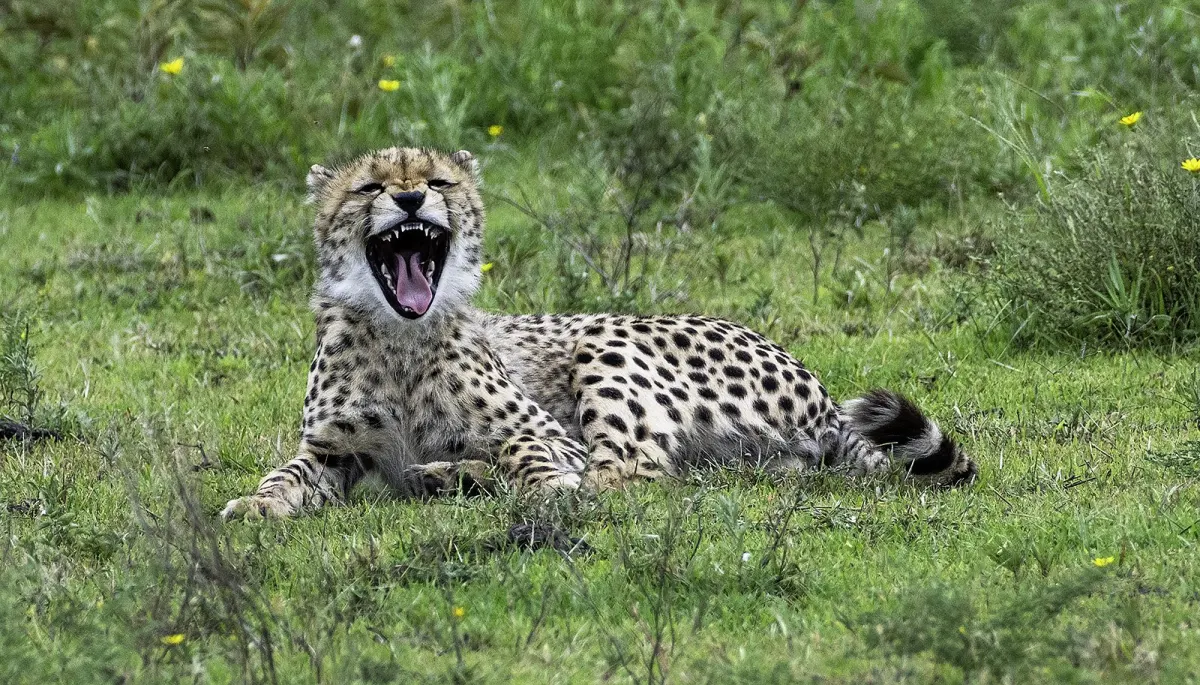
- The Masai Mara. Kenya's slice of the shared ecosystem is small — 1,510 km² against the Serengeti's 14,763 — and that is precisely its appeal: the wildlife is concentrated, the big-cat viewing is famously dense, and from roughly July to October the migration herds are on the Mara side, crossing the river that made the place a television star. How it differs from the Serengeti, drive by drive, is in our Serengeti vs Masai Mara guide.
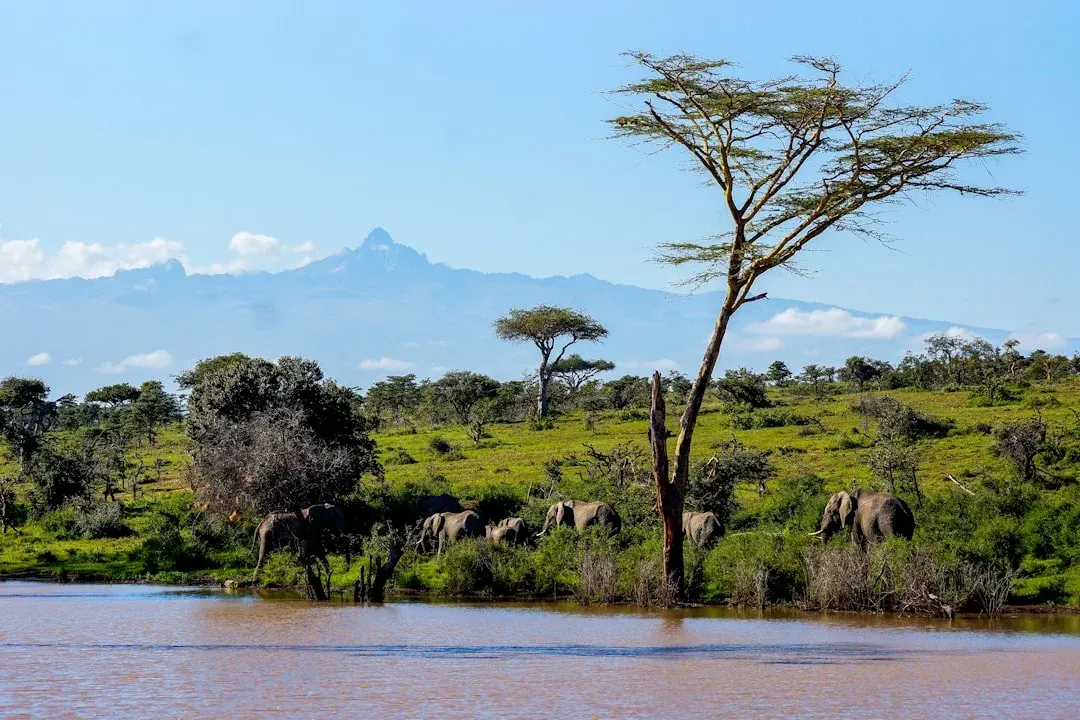
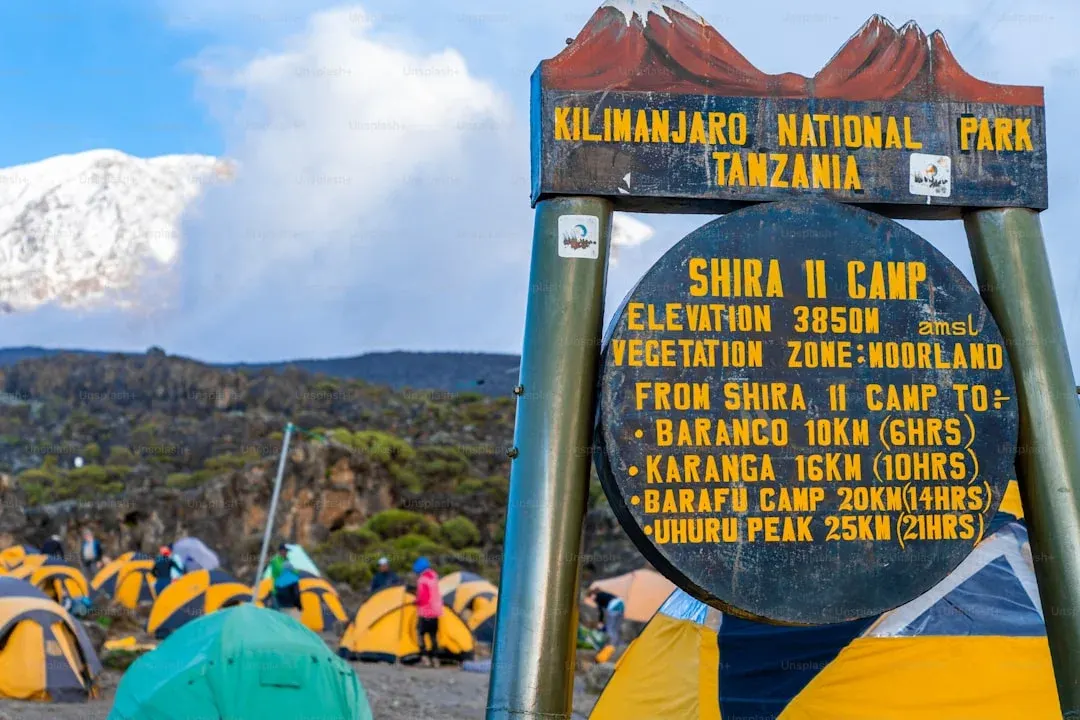
- Amboseli. The postcard that actually exists: elephant herds walking beneath Kilimanjaro. The mountain is in Tanzania; the classic view of it is from Kenya.
- Tsavo. Kenya's giant wilderness, red-dust elephants and far fewer vehicles, for travelers who want space more than checklists.
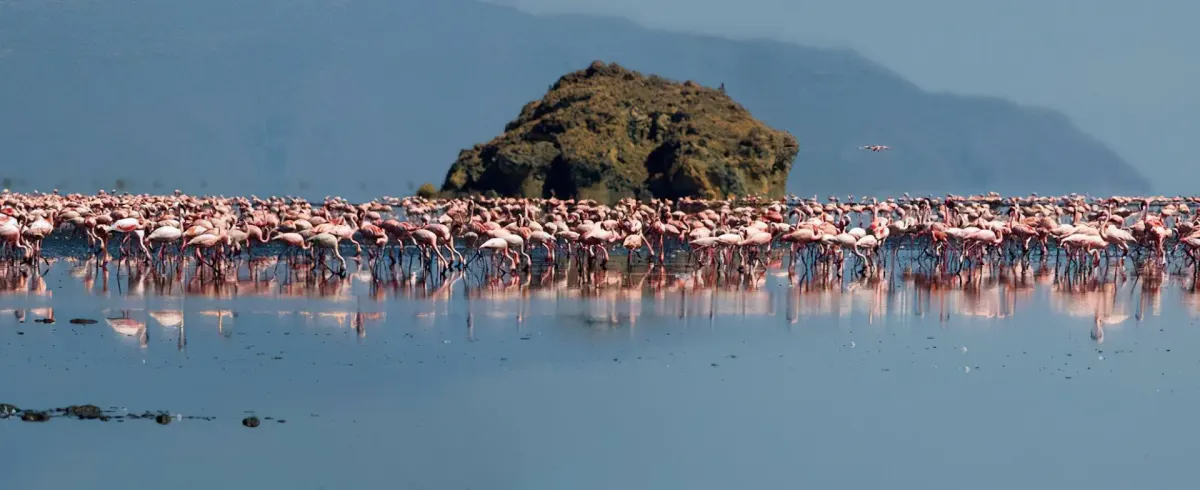
- The Rift Valley lakes and Samburu. Flamingos and rhino at Nakuru, boat safaris at Naivasha, and in Samburu the northern specials — species you will not see on the southern circuit at all.
How the Border Actually Works
The crossing most itineraries use is Namanga, on the road between Arusha and Nairobi; trips pairing the Serengeti with the Mara can also route around the lake region. The honest version of the logistics:
- Visas are straightforward. Tanzania issues visas on arrival or online; Kenya uses an electronic travel authorisation applied for before you fly. Your operator should walk you through both before departure — we do it as part of the booking.
- You change vehicles and guides at the border. Tanzanian safari vehicles generally cannot operate inside Kenyan parks, and vice versa. A well-run crossing means your Kenyan guide is waiting on the other side and the handover costs you minutes, not a morning. This is the single detail that separates a smooth two-country safari from a frustrating one, and it is why booking both halves with one responsible operator matters.
- There is no driving "through" the shared ecosystem. You cannot cross from the Serengeti directly into the Mara inside the parks; the migration does, people do not. Itineraries route via the road borders, or fly.
The Kenya Trips We Run
- 10-Day Kenya Highlights Safari — the full sweep: the Mara, the Rift Valley lakes, Amboseli, done at a pace that leaves room to breathe.
- 4-Day Maasai Mara Big Cat Safari — the short, sharp version, built for the river-crossing months and the cat viewing the Mara is famous for. Works on its own or bolted to a Tanzanian itinerary.
- 6-Day Amboseli & Tsavo Circuit — elephants under Kilimanjaro, then the big empty of Tsavo.
- 10-Day Kenya Safari & Diani Beach — Kenya's answer to the safari-beach combination, ending on the white sand south of Mombasa.
More on the destination itself, parks and seasons included, is on our Kenya page.
A Two-Country Itinerary That Works
The shape we build most often for travelers with around two weeks: start in Arusha, run the Tanzanian northern circuit — Tarangire, the Serengeti, a Ngorongoro Crater day — then cross at Namanga and finish with the Masai Mara and a Nairobi departure. In the July–October window this sequence follows the migration itself: you watch the herds in the northern Serengeti, then meet them again on the Mara side of the river. Run it in reverse for January–March, when the action is the calving season on the Serengeti's southern plains.
Where to Stay in Kenya
All bookable through us, from the same catalogue as our Tanzanian lodges:
- Masai Mara: Mara Serena Safari Lodge on its ridge above the plains, Governors' Camp on the river in the heart of the reserve, Kicheche Mara North for the intimate conservancy experience, and solid mid-range stalwarts in Sarova Mara Game Camp, Keekorok Lodge and Ashnil Mara Camp.
- Amboseli: Porini Amboseli Camp in a private conservancy, or Tortilis Camp with the Kilimanjaro view from the mess tent.
- The lakes and the north: Lake Nakuru Sopa Lodge, Lake Naivasha Sopa Resort and Samburu Sopa Lodge cover the Rift Valley arc.
- Nairobi: a night at the Nairobi Serena, Hemingways Nairobi or the EKA Hotel brackets the trip at whichever comfort level the safari ran at.
When to Go
For the Mara specifically, July to October is the headline season — the herds and the river crossings are on the Kenyan side. The Mara is a year-round reserve, though: its resident cats do not leave when the wildebeest do, and the quieter months are kinder to both the budget and the view out the window. Amboseli's elephants and the Kilimanjaro backdrop work in any season, with the clearest mountain views in the dry months. If the migration is the organizing idea of your trip, start from the herd calendar in our migration guide and let the countries follow from it.
Frequently Asked Questions
Can a Tanzanian operator run my Kenya safari?
Yes — this is normal practice across East Africa. We plan and price the whole itinerary, and the Kenyan legs run with our partner guides and vehicles on the ground there. You get one booking, one point of responsibility, and a handover at the border instead of two separate trips to coordinate.
Serengeti or Masai Mara — which should I prioritise?
Outside July–October, the Serengeti, without much argument: it is bigger, more varied, and holds the migration for most of the year. Inside that window it is a genuine contest, which is exactly what our Serengeti vs Masai Mara page is for. The two-country trip exists so you do not have to choose.
How many days does the Kenya leg need?
Three nights in the Mara is the honest minimum for the crossings; four lets a river day fail and not matter. A Kenya-only trip that covers the Mara plus Amboseli or the lakes wants eight to ten days, which is the shape of our Kenya Highlights itinerary.
Is Kenya more or less expensive than Tanzania?
Broadly comparable at the same tier — the cost drivers are park fees, vehicles and lodge level in both countries. The two-country premium is mostly the border logistics and an extra pair of transfer days, not the daily rate.
Thinking about both sides of the river? Send us your dates and we'll tell you honestly which country — or which combination — your timing favours, and price the itinerary both ways.

Ecological Wilderness Adventure
Expert safari guide and writer at Ecological Wilderness Adventure, a TATO-licensed operator based in Arusha, Tanzania with 20+ years of experience crafting authentic wildlife expeditions across East Africa.
Published November 17, 2026
You Might Also Enjoy
Botswana vs Tanzania Safari: An Honest Comparison
Okavango water safaris against the migration and the crater: who each country suits, what each costs, and when to go.
Tanzania Safari & Zanzibar Beach: The 10-Day Itinerary
Six days on safari, four on Zanzibar: the day-by-day plan, costs by tier, and where to stay on the island.
Best Time for an African Safari: Month-by-Month Guide
When to go on an African safari: dry season, migration, calving and green season months for Tanzania, Kenya, Uganda and Rwanda.