Why does this photo safari depart on 3 October 2026?
+
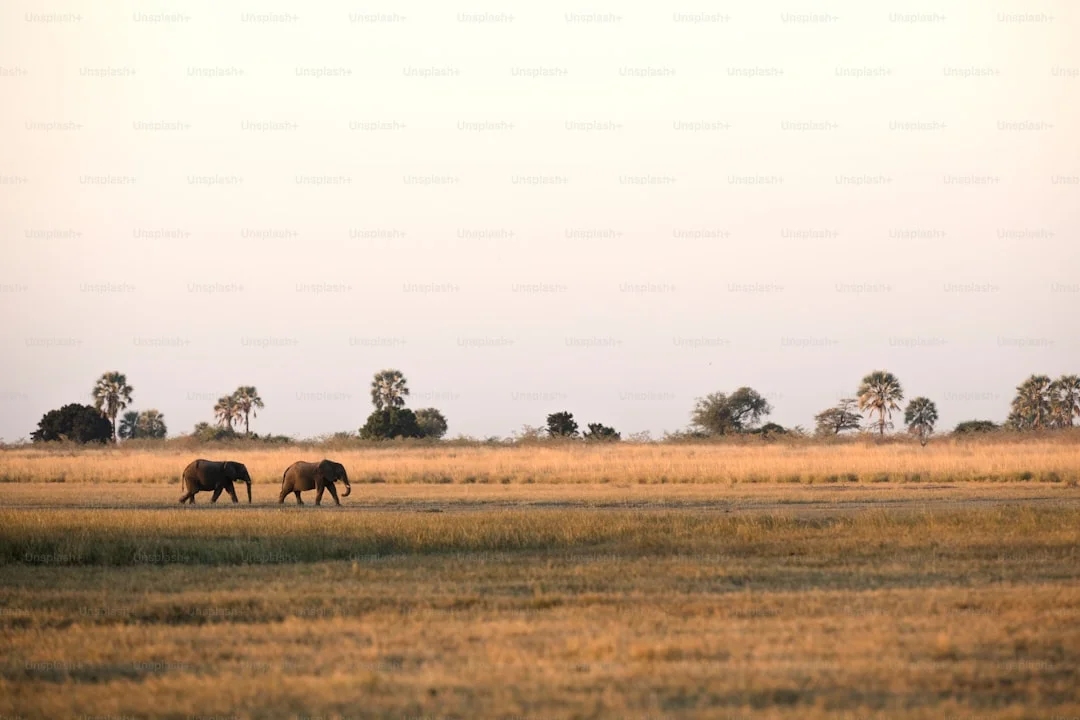
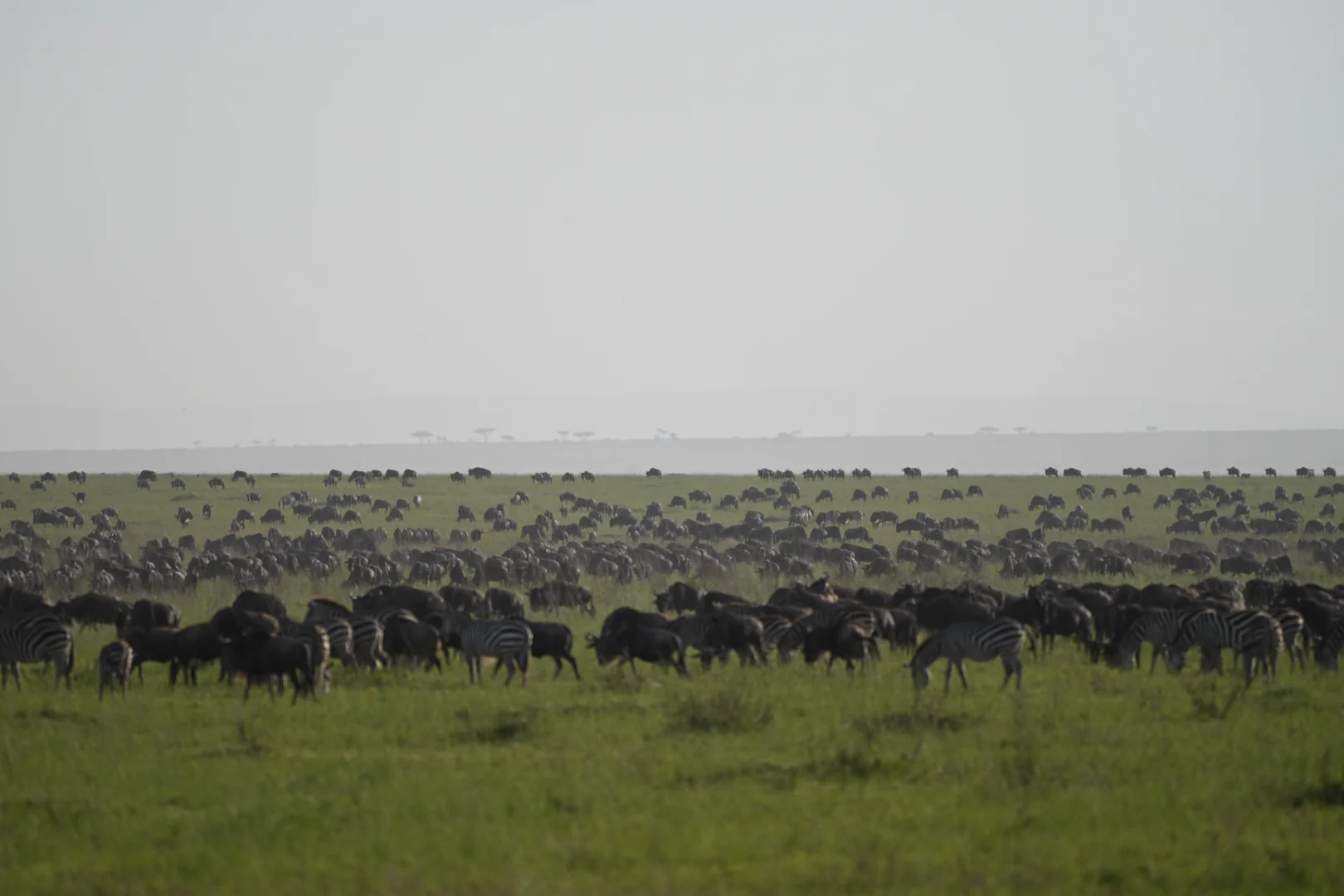
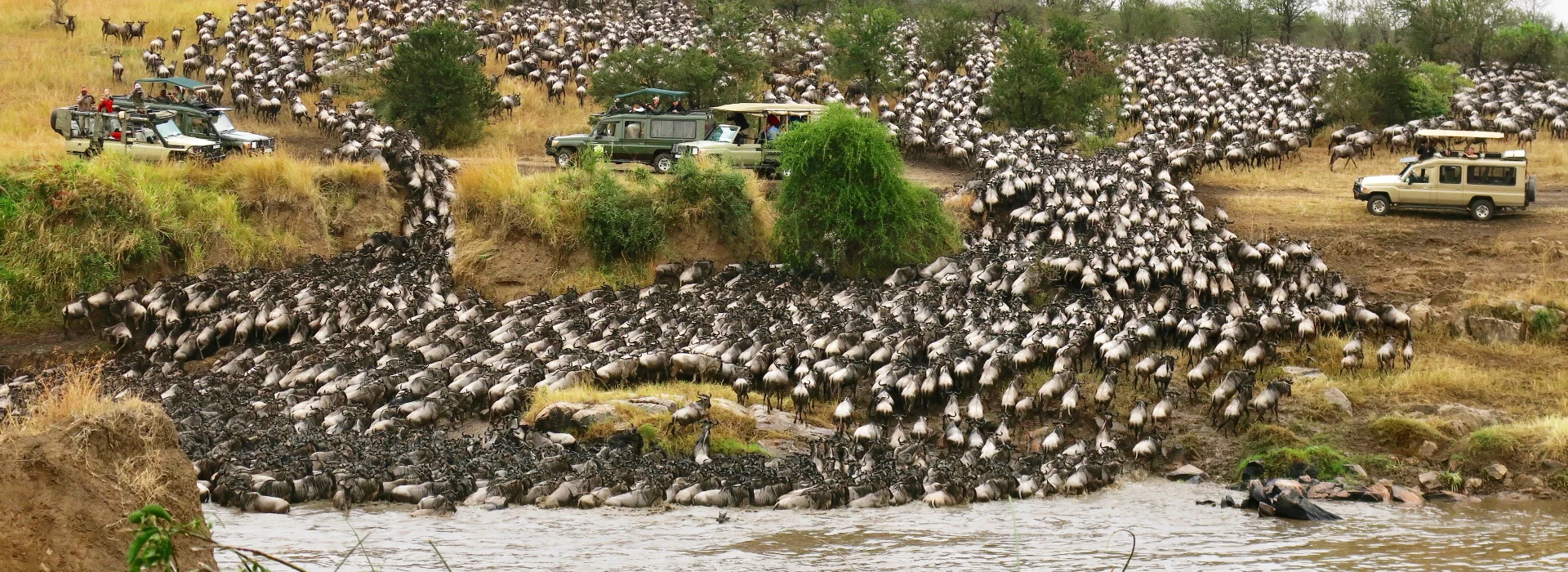
Early October falls in the window when the Great Migration herds are usually in the Northern Serengeti and crossing the Mara River. The date puts you on the riverbanks for four nights at the heart of that period. Crossings depend on the herds, the rain and the grazing, so no single day is predictable, which is why we give you three full days at the river rather than one.
What happens on the Mara River crossing days in the Northern Serengeti?
+
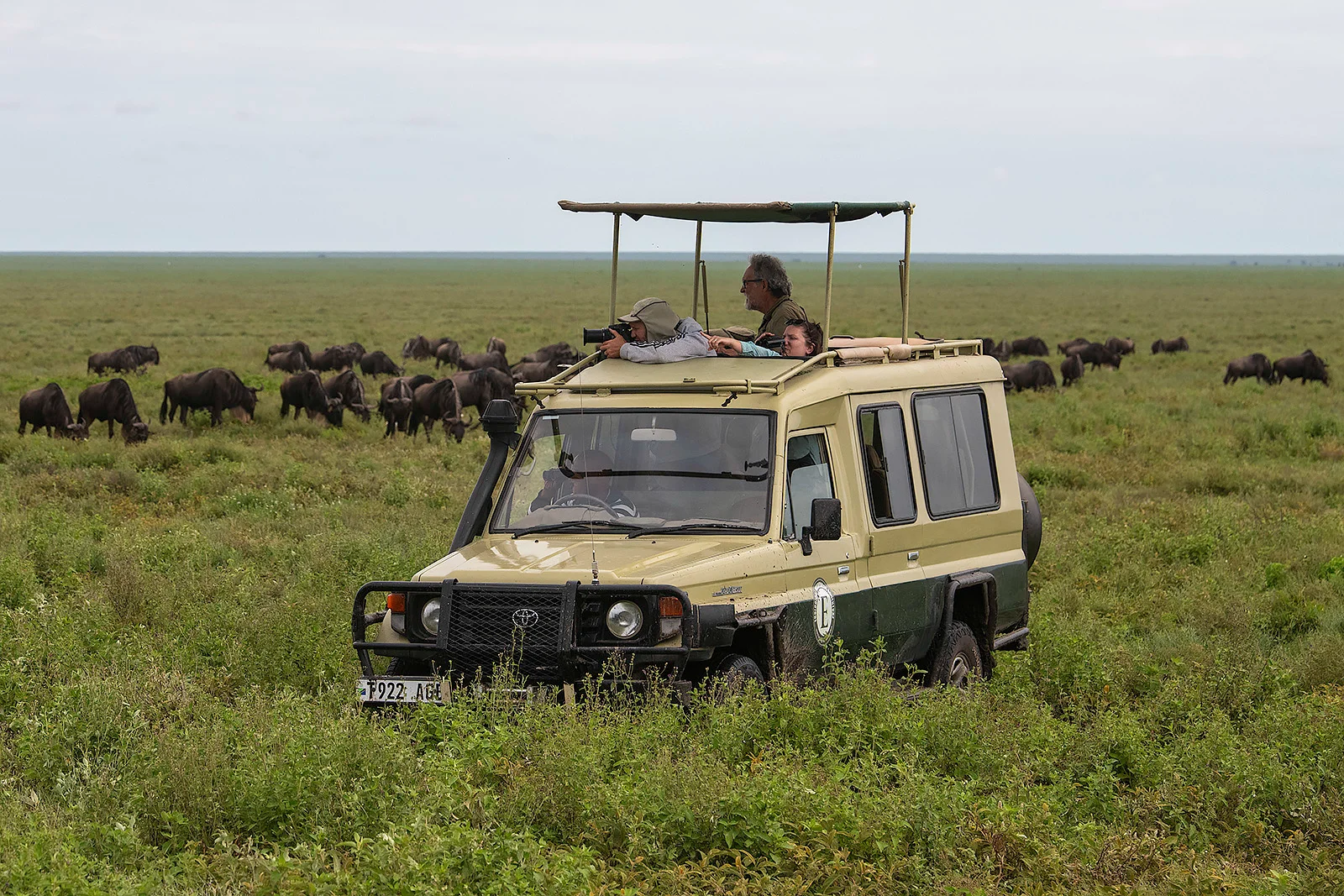
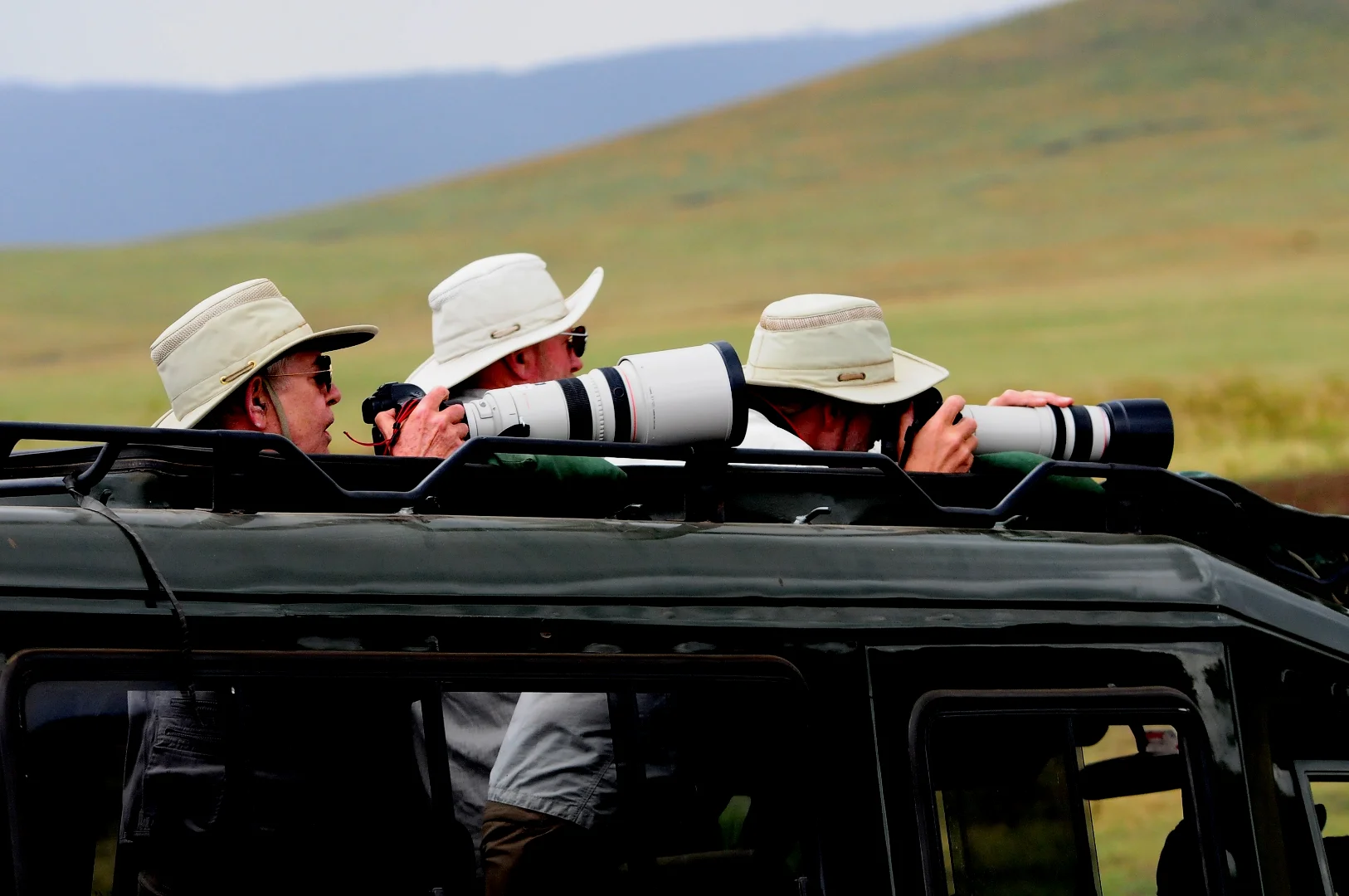
You spend most of days three to five parked at vantage points along the Mara River, waiting for the wildebeest to mass on the banks and commit to the water. Sometimes the herds hesitate for hours, other times they surge across at first light. Your guide positions the vehicle where crocodiles and predators often wait, and on the last day may try other crossing points or follow the lions, leopards and hyenas trailing the herds.
Where do you stay at the Mara River and in the Seronera Valley?
+
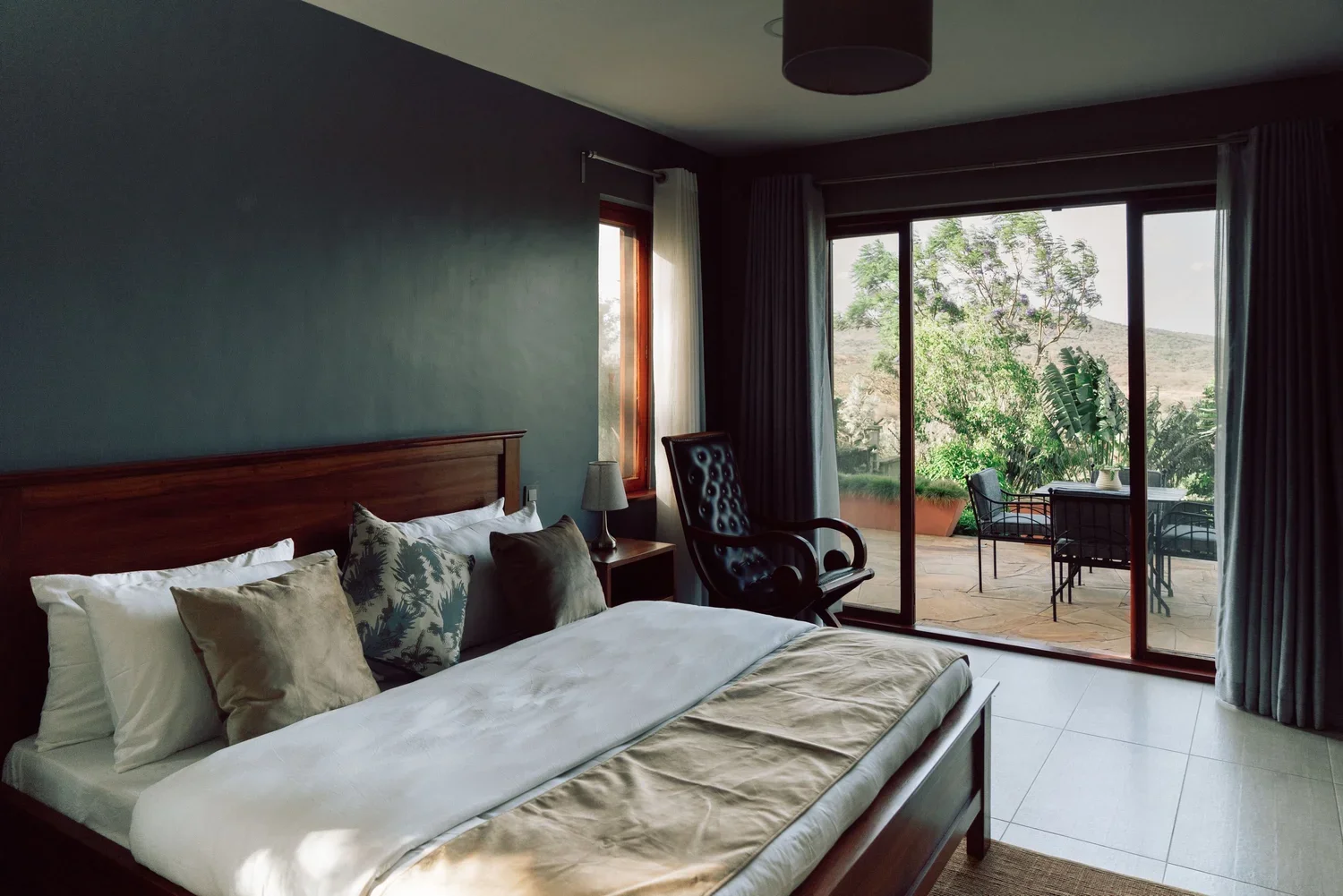
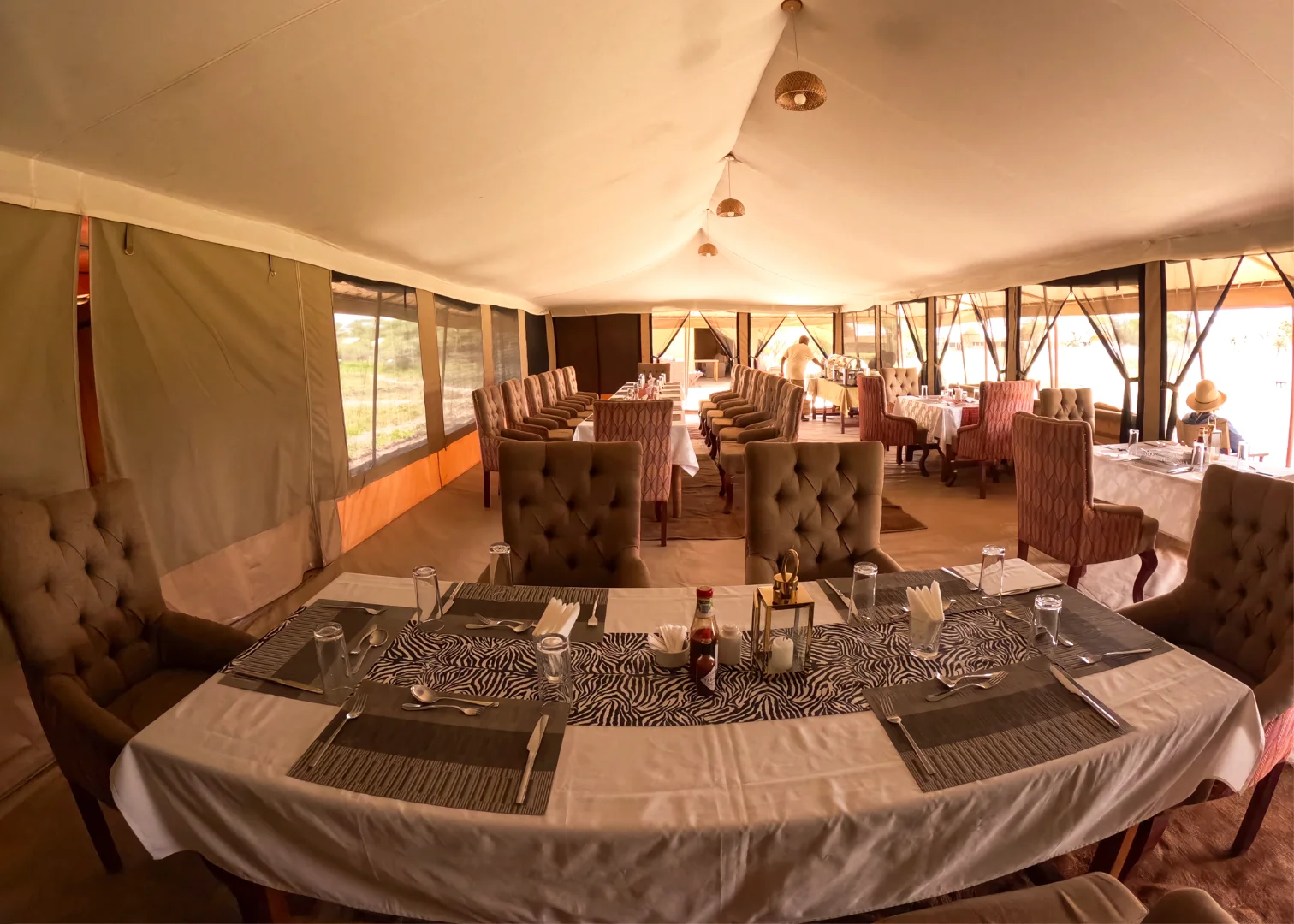
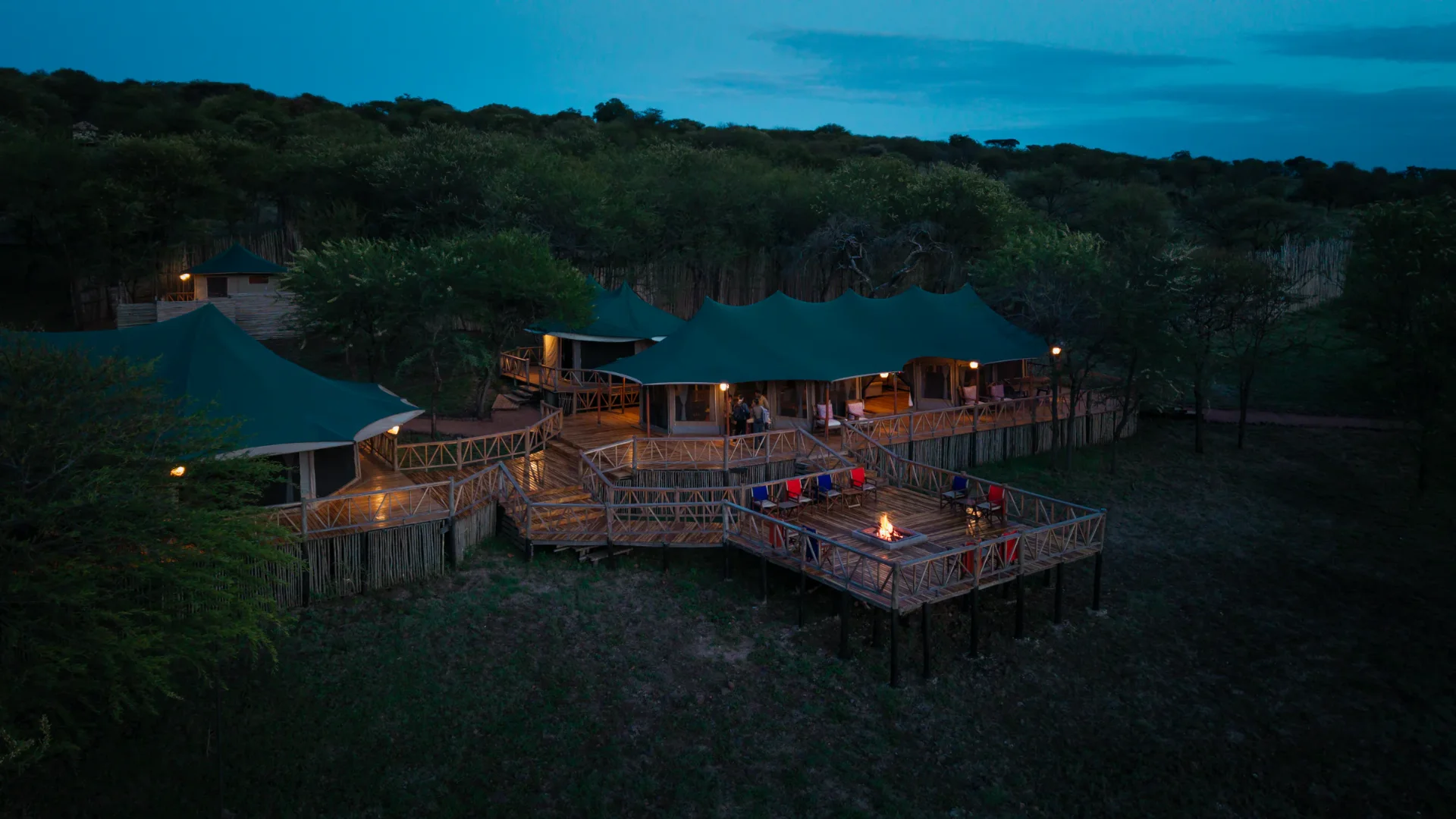
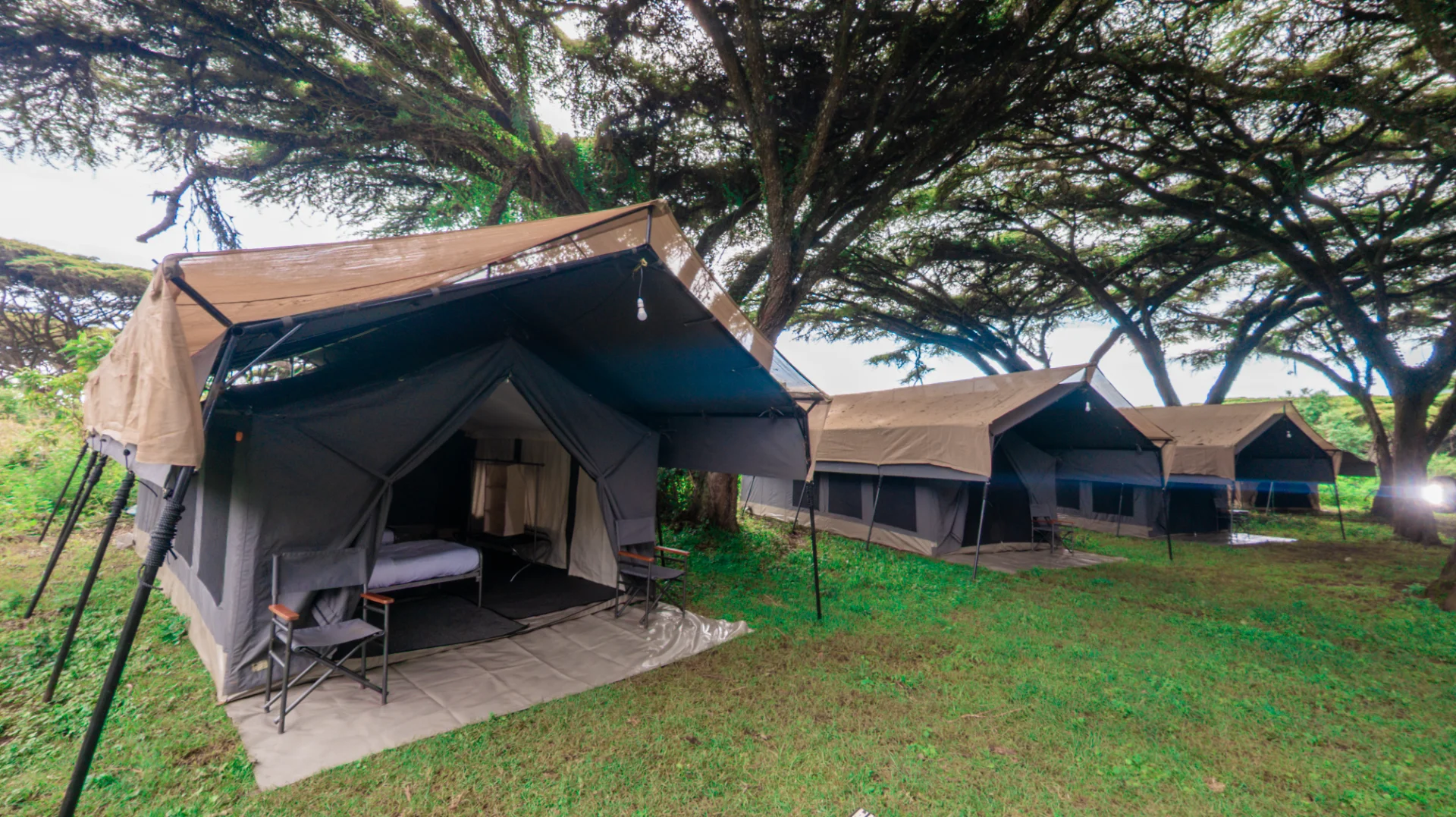
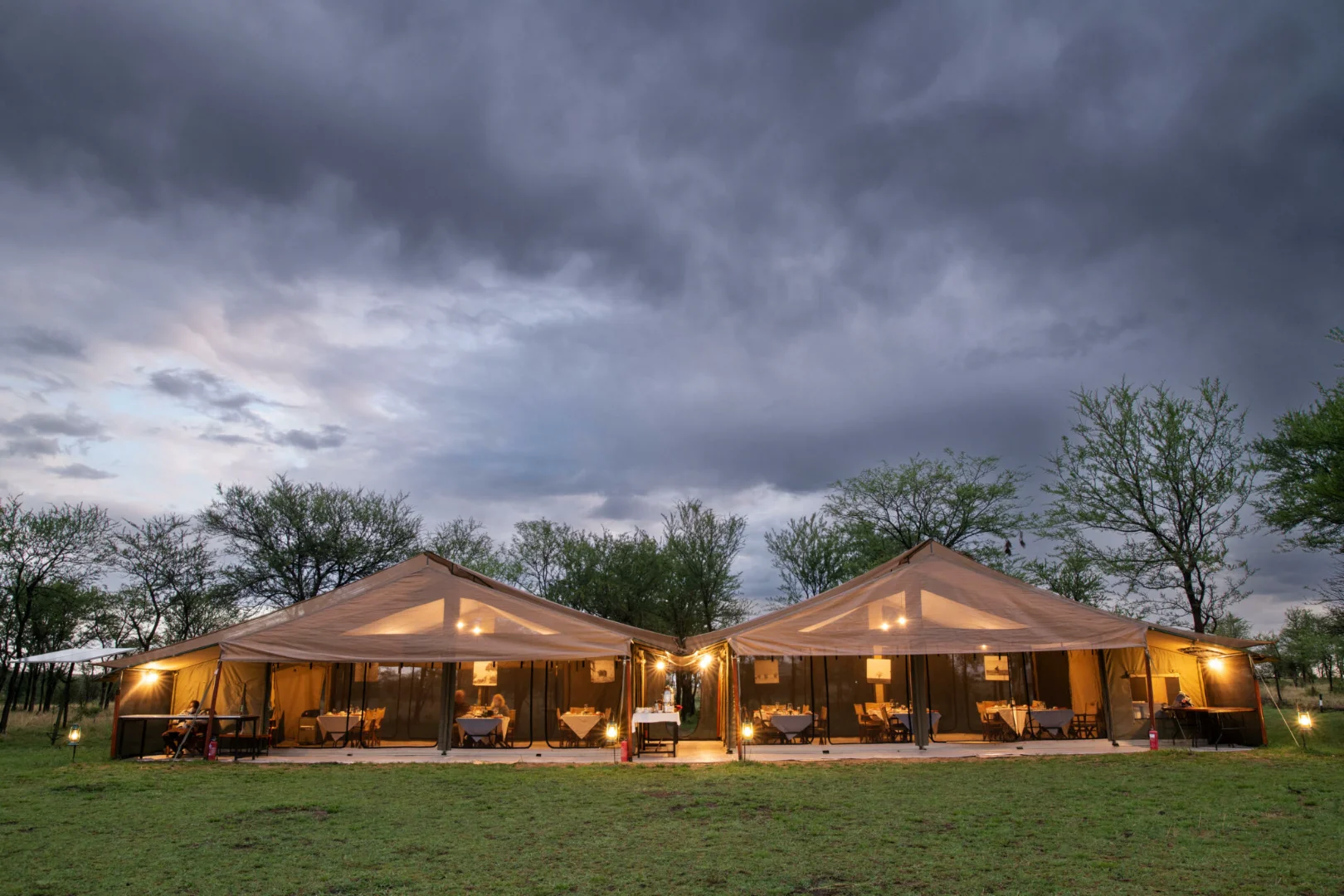
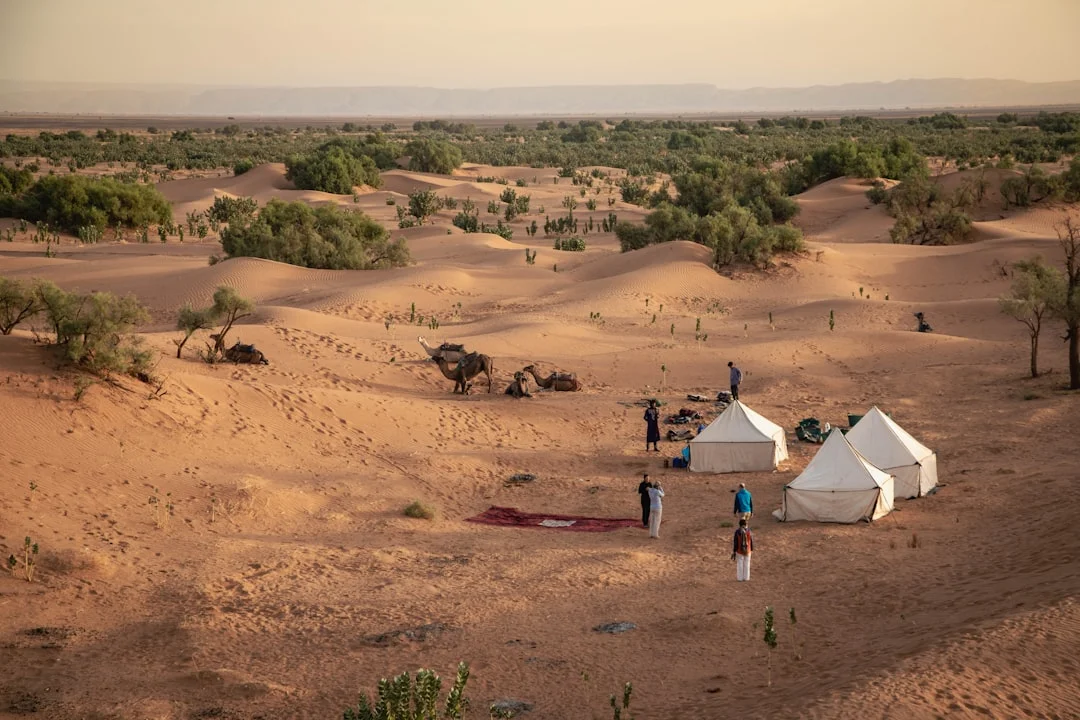
In the north you spend four nights at Savannah Mara River Tented Camp, a mobile camp set close to the river so little time is lost reaching the crossing points, with evenings around the campfire. For the Seronera Valley you move to Enkirari Wilderness Camp, a luxury tented camp in the Central Serengeti, for three nights of big cat tracking.
What big cats can I photograph around Seronera in the Central Serengeti?
+
Seronera is resident predator country, so the focus shifts from the herds to lions, leopards and cheetahs. Your guide scans the kopjes for lion prides, checks the sausage trees for resting leopards and works the open plains where cheetahs hunt. Early mornings bring the best light and the best chance of hunting activity, and three full days give you plenty of attempts.
Can I take a hot air balloon flight over the Serengeti on this trip?
+
Yes, a sunrise balloon flight is available as an optional extra during the Seronera days, and day seven is the morning the itinerary sets aside for it. Balloon places are limited, so tell our Arusha team when you book and we will reserve a seat and confirm the current rate for your date.
What is the camp like for the Ngorongoro Crater section?
+
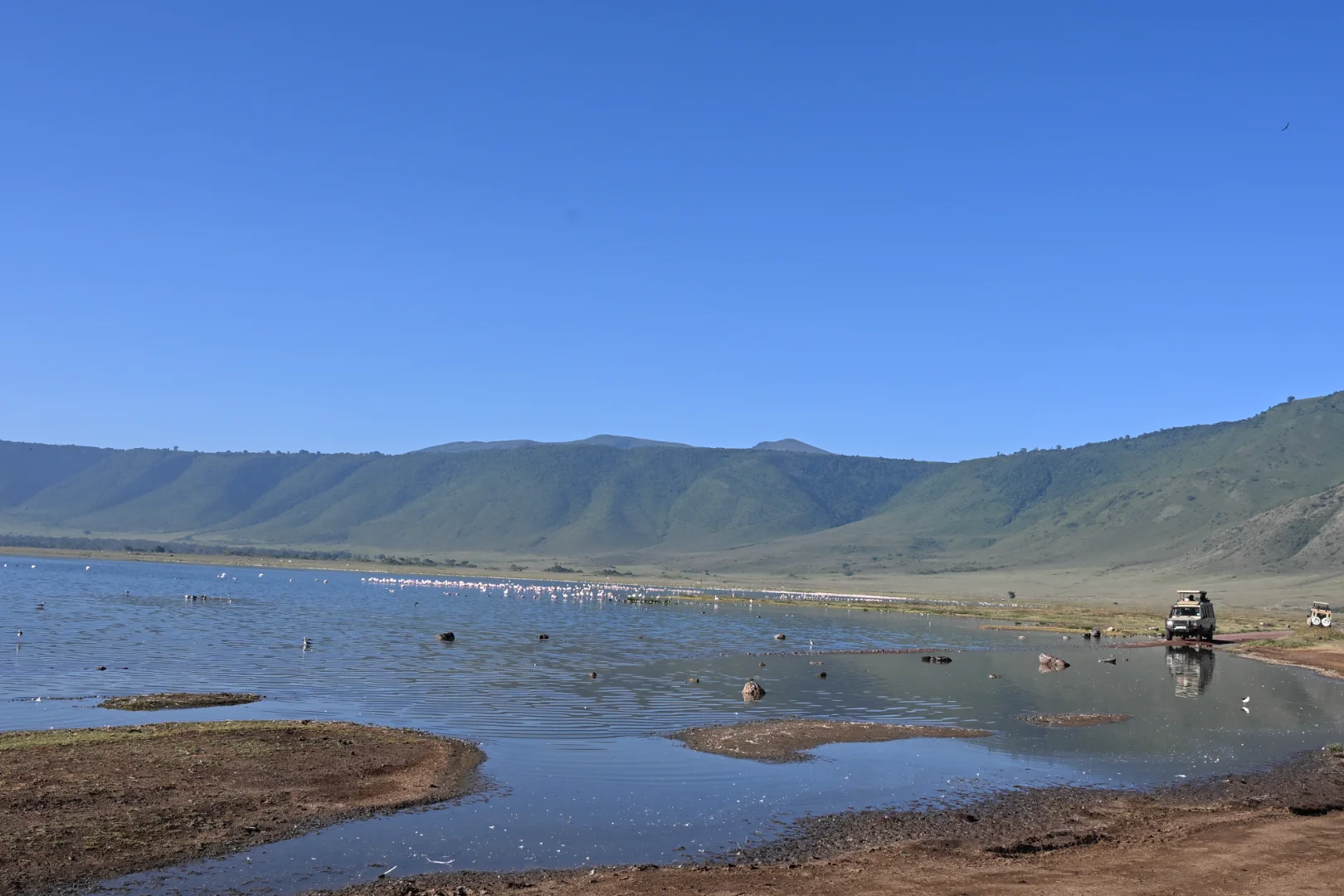
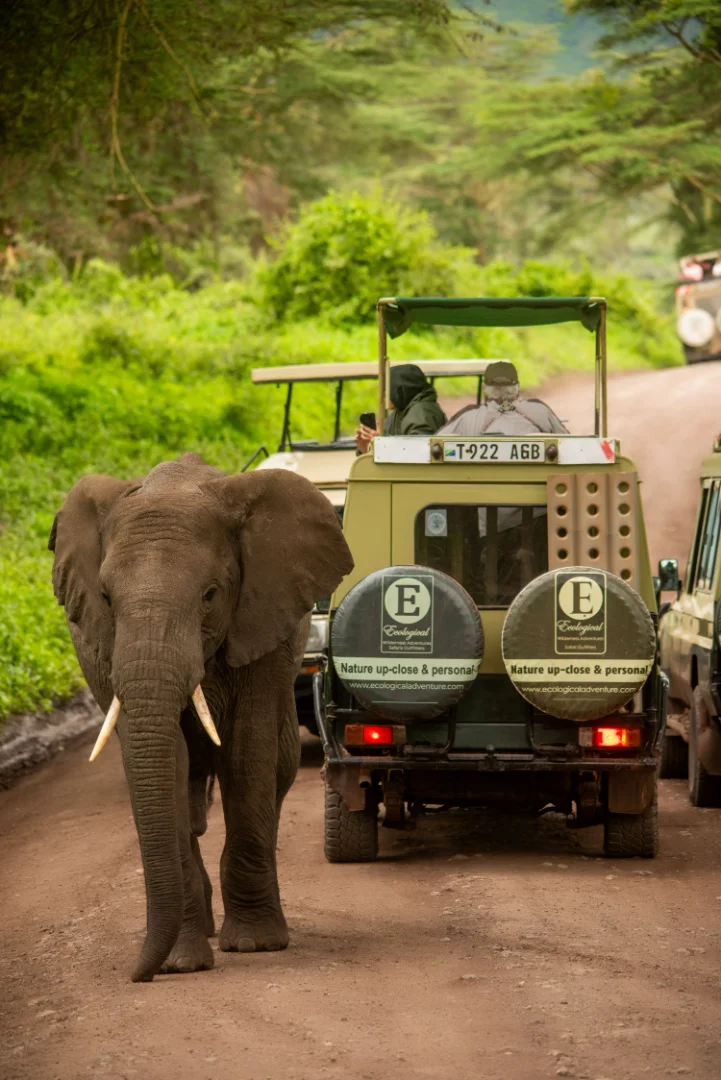
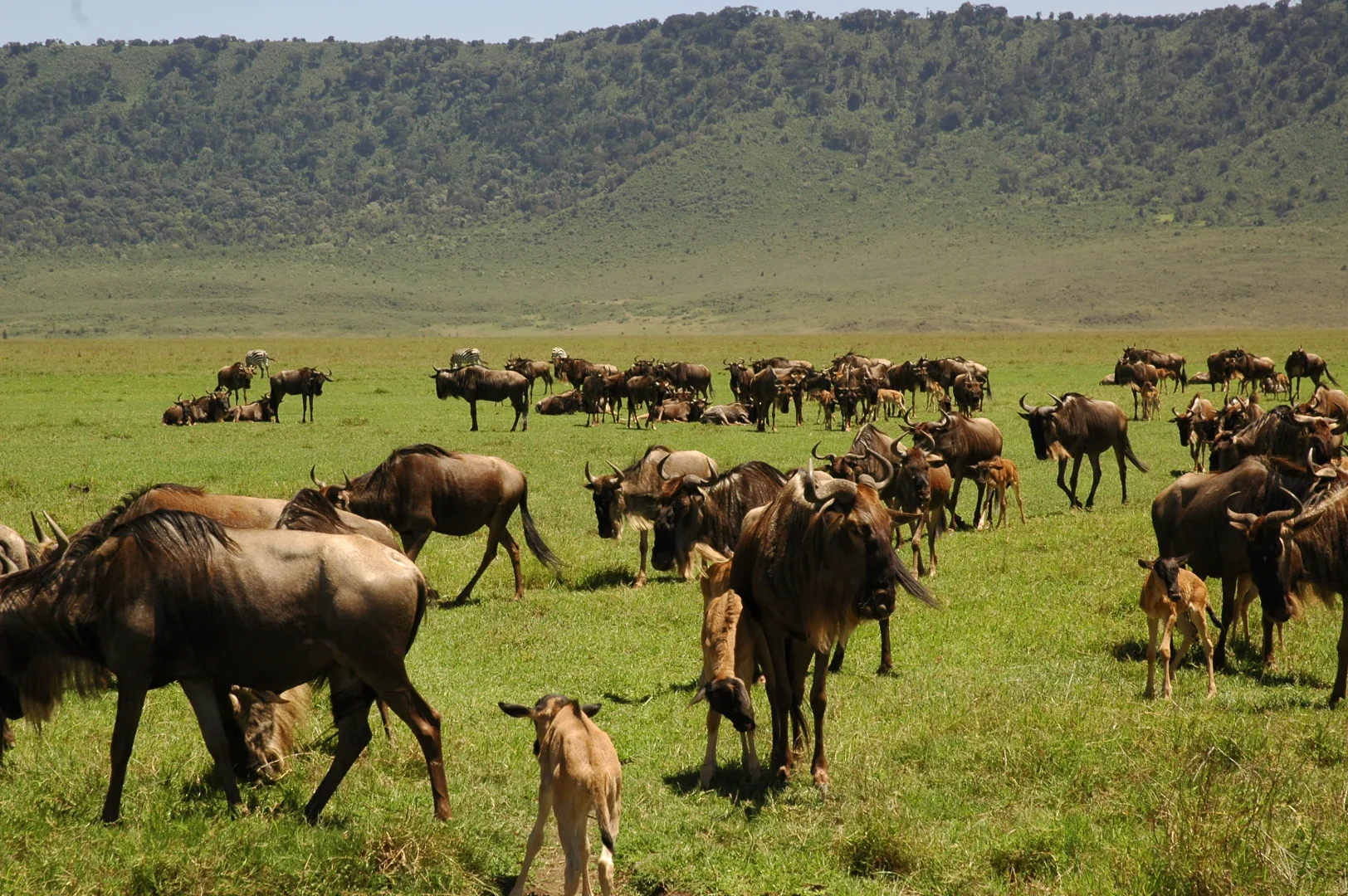
You stay three nights at the EWA Private Mobile Camp in the Ngorongoro Conservation Area, our own mobile camp, which feels more intimate and off-grid than the large lodges on the rim. The highland air is noticeably cooler. After a short rim walk on arrival you get two mornings on the crater floor, where old tusker elephants, lion prides and the rare black rhino are all possible.
What is the photography like in Tarangire at the end of the trip?
+
Tarangire is where you photograph big elephant herds against ancient baobab trees, ideally in golden-hour light. You spend three nights at Kati Kati Tarangire Camp, a tented camp, with dawn and evening drives along the Tarangire River. The park also has its own tree-climbing lions and colourful birdlife such as rollers and raptors.
Where does the safari start and finish?
+
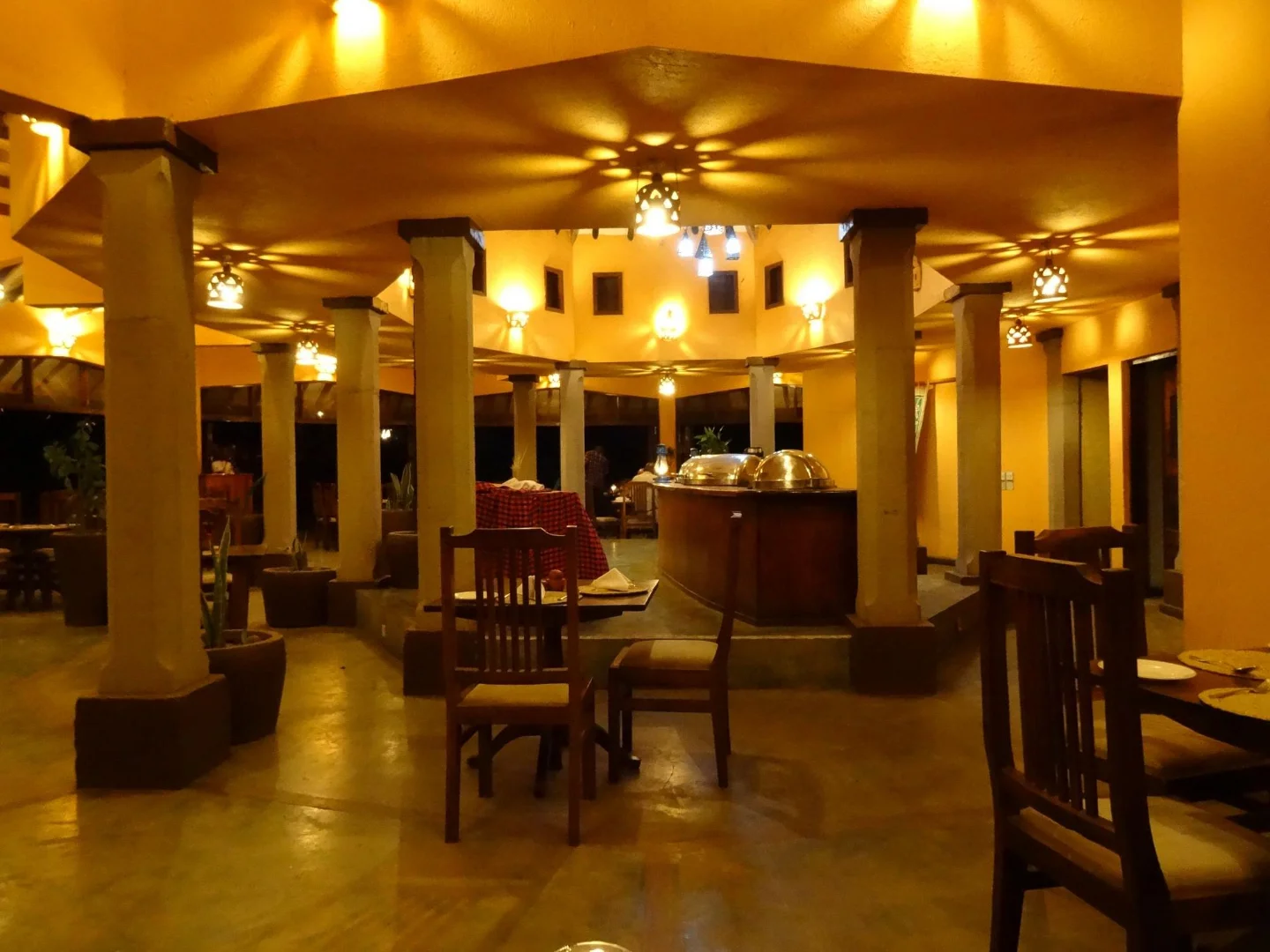
It starts at Kilimanjaro International Airport (JRO), where our team meets you and drives you to The Scenery Residence, a boutique hotel in Arusha, for the first night. On day two you take a light aircraft from Arusha to the Northern Serengeti. The trip ends with a drive back from Tarangire and a day room at Kia Lodge, about three minutes from the airport, before your evening flight.
What should I pack for a photo safari with a light-aircraft flight?
+
Pack in a soft duffel bag, because the bush flight to the Northern Serengeti uses a light aircraft that cannot take hard suitcases easily. Bring neutral-coloured layers for cold early mornings, a warm fleece for the Ngorongoro highlands, a hat, sunscreen, spare batteries and memory cards, and a dust cover for your camera. We will send current baggage limits with your booking confirmation.
Do I need a visa and vaccinations for this Tanzania safari?
+
Most visitors need a Tanzanian tourist visa, which you can apply for through the official eVisa portal before you fly or obtain on arrival. A yellow fever certificate is required if you arrive from, or transit through, a country with yellow fever risk. Malaria prophylaxis is advised for the safari areas, so see a travel clinic a few weeks before you leave.
How long is the 15-Day Mara River Crossing & Big Cats Photo Safari 2026?
+
The 15-Day Mara River Crossing & Big Cats Photo Safari 2026 is 15 days. The day-by-day itinerary on this page shows where you go and stay each day.
Which parks and places does the 15-Day Mara River Crossing & Big Cats Photo Safari 2026 visit?
+
This trip visits Arusha City, Northern Serengeti, Central Serengeti, Ngorongoro Crater and Tarangire National Park.
How difficult is the 15-Day Mara River Crossing & Big Cats Photo Safari 2026?
+
It is rated moderate: a reasonable level of general fitness is enough.
What is the group size on the 15-Day Mara River Crossing & Big Cats Photo Safari 2026?
+
It runs for groups of 2 to 12 travellers.
What is included in the 15-Day Mara River Crossing & Big Cats Photo Safari 2026?
+
Included: Meet and greet at Kilimanjaro International Airport, All ground transportation in 4x4 safari vehicles, Domestic bush flight from Arusha to Northern Serengeti, 14 nights accommodation as per itinerary, All meals from dinner Day 1 to breakfast Day 15, All park entrance fees and conservation fees, Ngorongoro Crater vehicle entrance fee and Unlimited game drives with expert guides, and more (see the full list on this page).
What is not included in the 15-Day Mara River Crossing & Big Cats Photo Safari 2026?
+
Not included: International flights to/from Tanzania, Visa fees (available on arrival ~$50 USD), Travel insurance (mandatory), Optional hot air balloon safari (~$599 per person), Alcoholic and premium beverages, Gratuities for guides and camp staff and Personal expenses and souvenirs.