Why choose southern Tanzania over the northern parks?
+
Southern Tanzania is quieter, with far fewer vehicles than the north, and it offers activities that are harder to find there, such as walking safaris and river boat trips. This route combines Nyerere National Park, Ruaha National Park and Mikumi National Park, each with its own landscape. It suits travellers who want a wilder, more remote feel and a real chance of African wild dogs.
What is the Rufiji River boat safari like?
+
On the afternoon of day two you board a boat on the Rufiji River in Nyerere National Park. You glide past pods of hippos, basking Nile crocodiles and many waterbirds as the late light falls on the riverbanks. It is a calm, close-to-the-water way of watching wildlife that most northern safaris cannot offer.
Are there walking safaris on this trip?
+
Yes, there are two. On day three in Nyerere National Park you join a morning walking safari led by an armed ranger, and on day six in Ruaha a guided walk teaches you to track animals by their spoor and read signs in the bush. Walking is very different from a vehicle drive, and it slows you down to notice smaller details.
Will we see African wild dogs in Nyerere or Mikumi?
+
There is a real chance, but no sighting can be promised. Nyerere National Park is one of the best places in Africa to see endangered African wild dogs, and they also roam Mikumi's Mkata Floodplain. Your guide will plan drives around the areas where packs have been active.
What makes Ruaha National Park special?
+
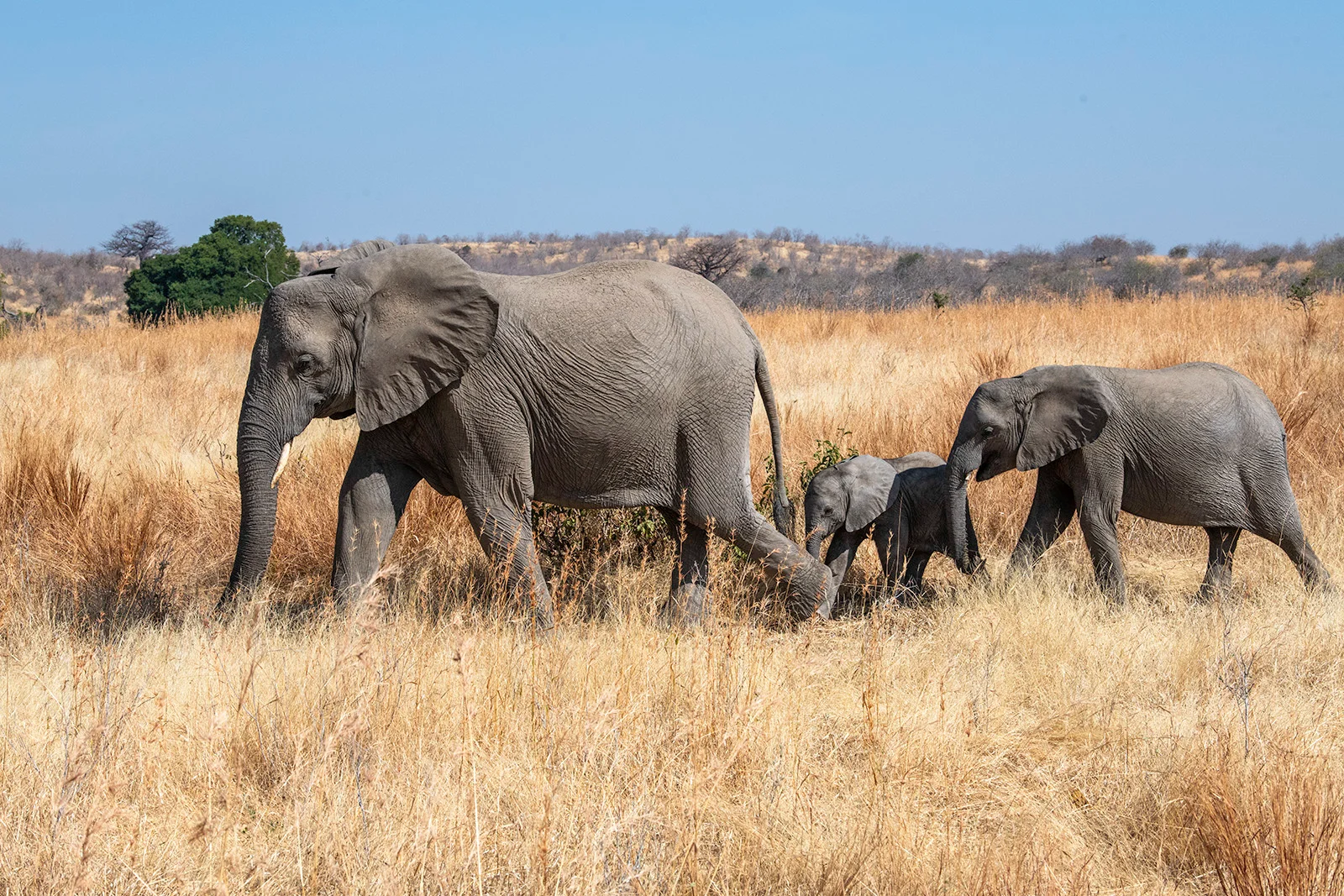
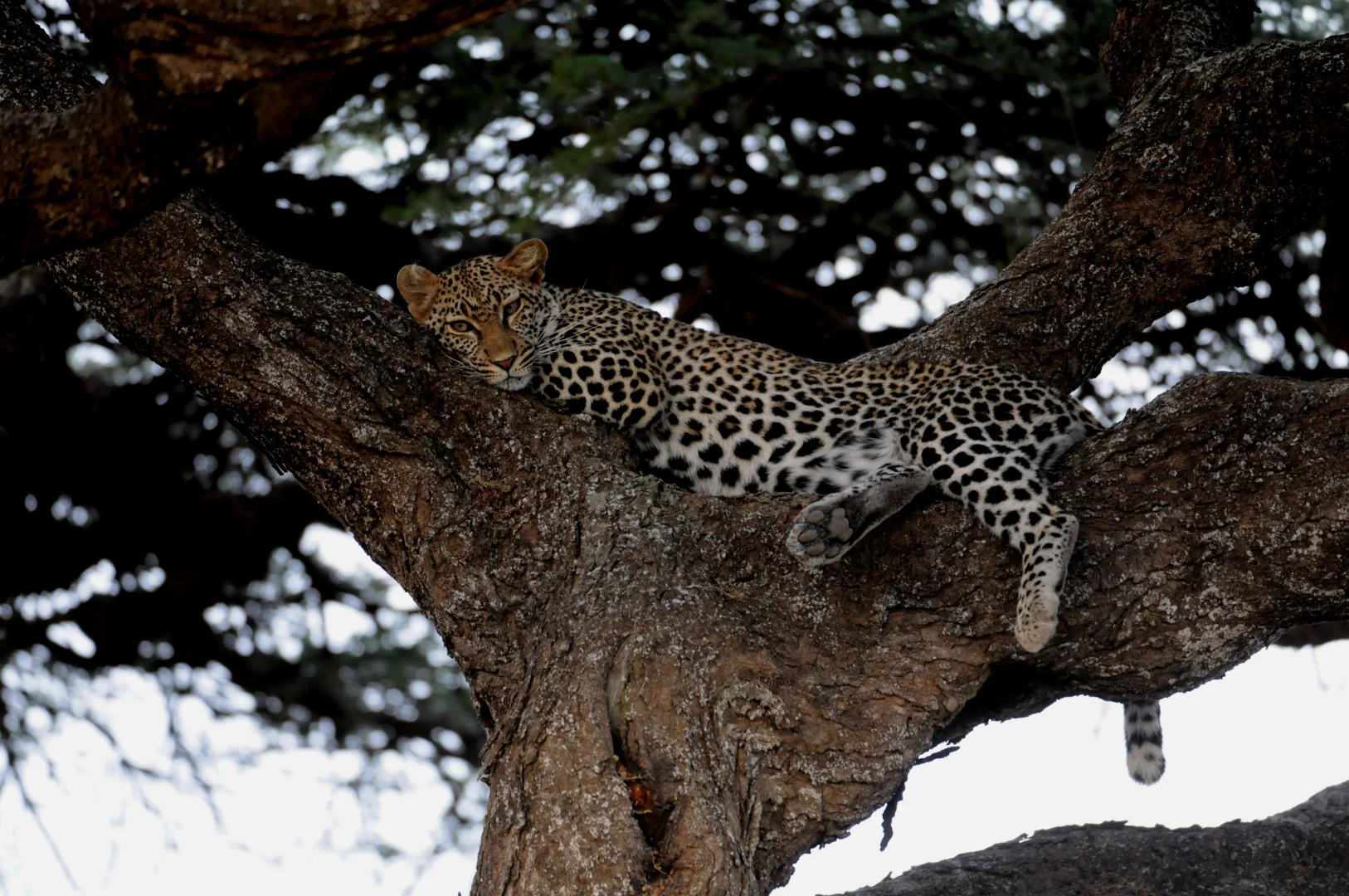
Ruaha is Tanzania's largest national park and one of its most remote, with baobab-studded landscapes, large elephant herds and healthy lion prides. You spend three nights there, with game drives along the Great Ruaha River, where predators wait for animals coming to drink, and a guided walking safari. Its remoteness means far fewer vehicles at sightings.
How do we travel between the parks?
+
The trip mixes road and air. You drive from Dar es Salaam to Nyerere National Park, and an internal flight is recommended from Nyerere to Ruaha, with aerial views over the miombo woodland. From Ruaha to Mikumi you go by internal flight or overland, and the last day is a drive of about five hours back to Dar es Salaam through the Uluguru Mountains.
Where does the southern safari start and end?
+
The safari starts and ends in Dar es Salaam. Day one is an afternoon city tour of Kariakoo Market and the historic harbour, finishing with a seafood dinner at a waterfront restaurant. On day nine you drive back from Mikumi and connect with your onward travel from Julius Nyerere International Airport.
What is Mikumi National Park like?
+
Mikumi borders the northern edge of the Nyerere ecosystem and is known for the open grasslands of the Mkata Floodplain, which feel similar to the Serengeti. Herds of buffalo, wildebeest and zebra graze there, watched by lions and wild dogs. You also visit the hippo pools along the Mkata River and the miombo woodland edges, where elephants, giraffes and sable antelope can be found.
Where do we stay on the southern Tanzania safari?
+
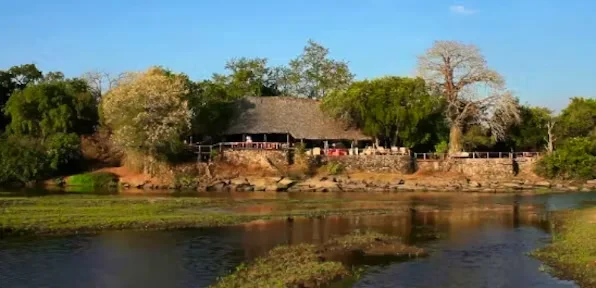
Accommodation is chosen with you, so ask our Arusha team about lodges for each stop. The itinerary uses a hotel in Dar es Salaam on the first night, a riverside lodge in Nyerere National Park, a safari camp in Ruaha and accommodation in Mikumi for the last two nights. We will suggest options that fit your budget and the style of stay you prefer.
What should I pack for a southern Tanzania safari?
+
Pack light, breathable, neutral-coloured clothing for the heat of the south, plus a warm layer for early mornings. For the walking safaris, bring comfortable closed shoes in muted colours. Add a hat, sunscreen, insect repellent and binoculars, and use a soft duffel bag for internal flights. Malaria prophylaxis is advised for safari areas, and most visitors need a Tanzanian tourist visa, via the official eVisa portal or on arrival.
How long is the Southern Tanzania Wilderness?
+
The Southern Tanzania Wilderness is 9 days and 8 nights. The day-by-day itinerary on this page shows where you go and stay each day.
Which parks and places does the Southern Tanzania Wilderness visit?
+
This trip visits Ruaha National Park and Selous Game Reserve.
How difficult is the Southern Tanzania Wilderness?
+
It is rated moderate: a reasonable level of general fitness is enough.
What is the group size on the Southern Tanzania Wilderness?
+
It runs for groups of 2 to 12 travellers.
What is included in the Southern Tanzania Wilderness?
+
Included: Full board accommodation at handpicked lodges and camps, All game drives in 4x4 safari vehicles with pop-up roofs, Professional English-speaking safari guide, Park entry fees for all national parks and conservation areas, Bottled water during game drives, All transfers and transportation and Emergency medical evacuation insurance.
What is not included in the Southern Tanzania Wilderness?
+
Not included: International flights, Visa fees, Travel insurance (recommended), Alcoholic beverages, Tips and gratuities for guide and lodge staff, Personal items and souvenirs, Optional activities not mentioned in itinerary and Additional meals and drinks outside of full board.