Explore Tanzania's most treasured natural heritage—the Serengeti National Park. Learn about its history, conservation success story, and why this 14,763 km² wilderness is central to Tanzania's identity and global wildlife conservation.
The Serengeti is more than a national park—it's Tanzania's greatest natural treasure and a symbol of successful wildlife conservation. Established in 1951, Tanzania's Serengeti National Park has grown from a modest game reserve to a UNESCO World Heritage Site that defines African safari excellence. After 18 years working in this ecosystem, I want to share the story of Tanzania's commitment to preserving this irreplaceable wilderness.
Tanzania's Serengeti: Key Facts
- Established: 1951 as a National Park
- UNESCO Status: World Heritage Site since 1981
- Size: 14,763 km² (larger than Connecticut)
- Location: Northern Tanzania, Mara and Simiyu regions
- Annual Visitors: ~350,000 (generating $100M+ in revenue)
The History of Tanzania's Serengeti
From Hunting Ground to Sanctuary
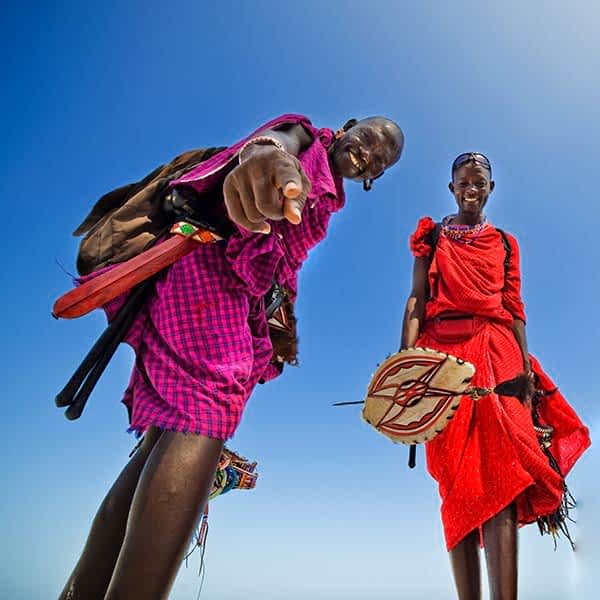
The Serengeti's journey from colonial hunting ground to protected wilderness mirrors Tanzania's own evolution. The name comes from the Maasai word "Siringet," meaning "endless plains"—a testament to the ecosystem's deep connection to indigenous peoples who coexisted with wildlife for millennia.
- 1921: Partial game reserve established by British colonial administration
- 1929: Serengeti Game Reserve expanded
- 1951: Full National Park status granted—hunting prohibited
- 1959: Ngorongoro Conservation Area separated (allowing Maasai habitation)
- 1961: Tanzania independence; commitment to conservation continued
- 1981: UNESCO World Heritage Site designation
Tanzania's Conservation Legacy
Post-independence Tanzania made remarkable decisions that shape conservation today. Rather than converting wildlife areas to agriculture—as happened across much of Africa—Tanzania's founding president Julius Nyerere declared wildlife a national heritage. The famous Arusha Manifesto (1961) stated:
"The survival of our wildlife is a matter of grave concern to all of us in Africa. In accepting the trusteeship of our wildlife, we solemnly declare that we will do everything in our power to make sure that our children's grandchildren will be able to enjoy this rich and precious inheritance."
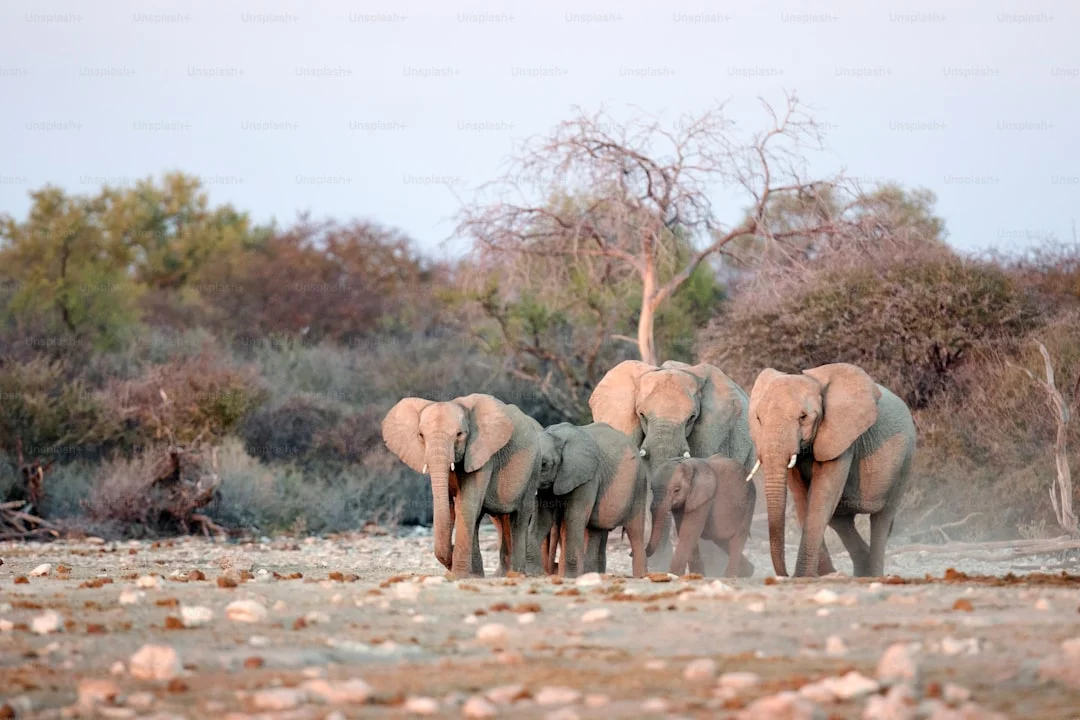
This commitment continues. Tanzania dedicates approximately 38% of its land to conservation—one of the highest percentages globally. The Serengeti stands as the crown jewel of this system.
Why the Serengeti Matters to Tanzania
Economic Importance
The Serengeti ecosystem generates over $1 billion annually for Tanzania's economy through:
Tourism Revenue
Direct park fees ($71.40/adult/day) plus accommodation, transport, and services. Tourism contributes 17% of Tanzania's GDP, with the Serengeti as the primary driver.
Employment
The safari industry employs over 600,000 Tanzanians directly and indirectly. Lodges like Serengeti Serena employ 100+ local staff each.
Community Benefits
25% of park revenue goes directly to surrounding communities, funding schools, healthcare, and water projects.
International Investment
Premium lodges attract foreign investment, with properties like Singita and Four Seasons contributing to economic development.
National Pride
The Serengeti is central to Tanzanian identity. It appears on currency, stamps, and official emblems. When Tanzania speaks to the world about environmental leadership, the Serengeti is exhibit A—proof that conservation and development can coexist.
Wildlife of Tanzania's Serengeti
The Great Migration
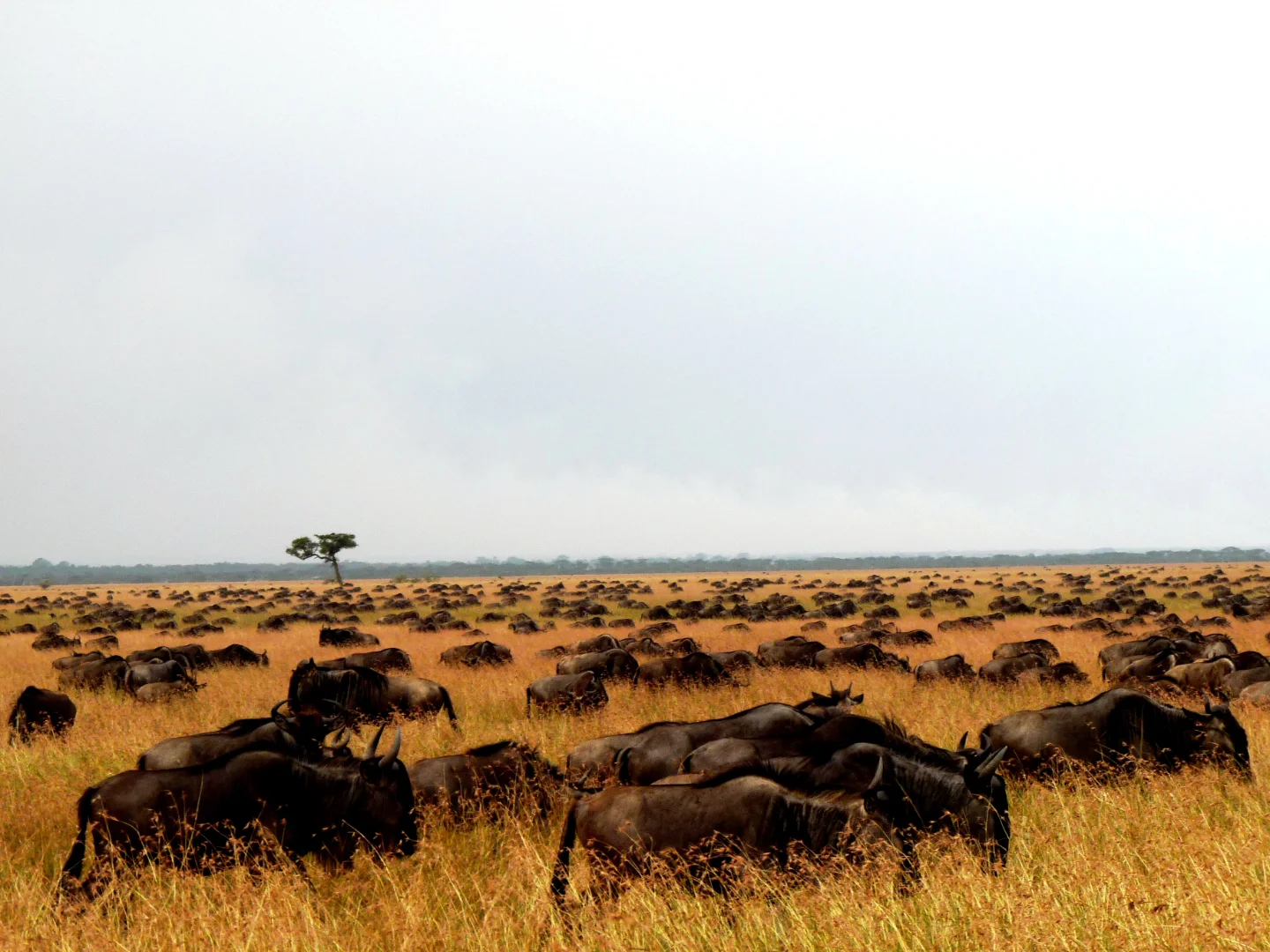
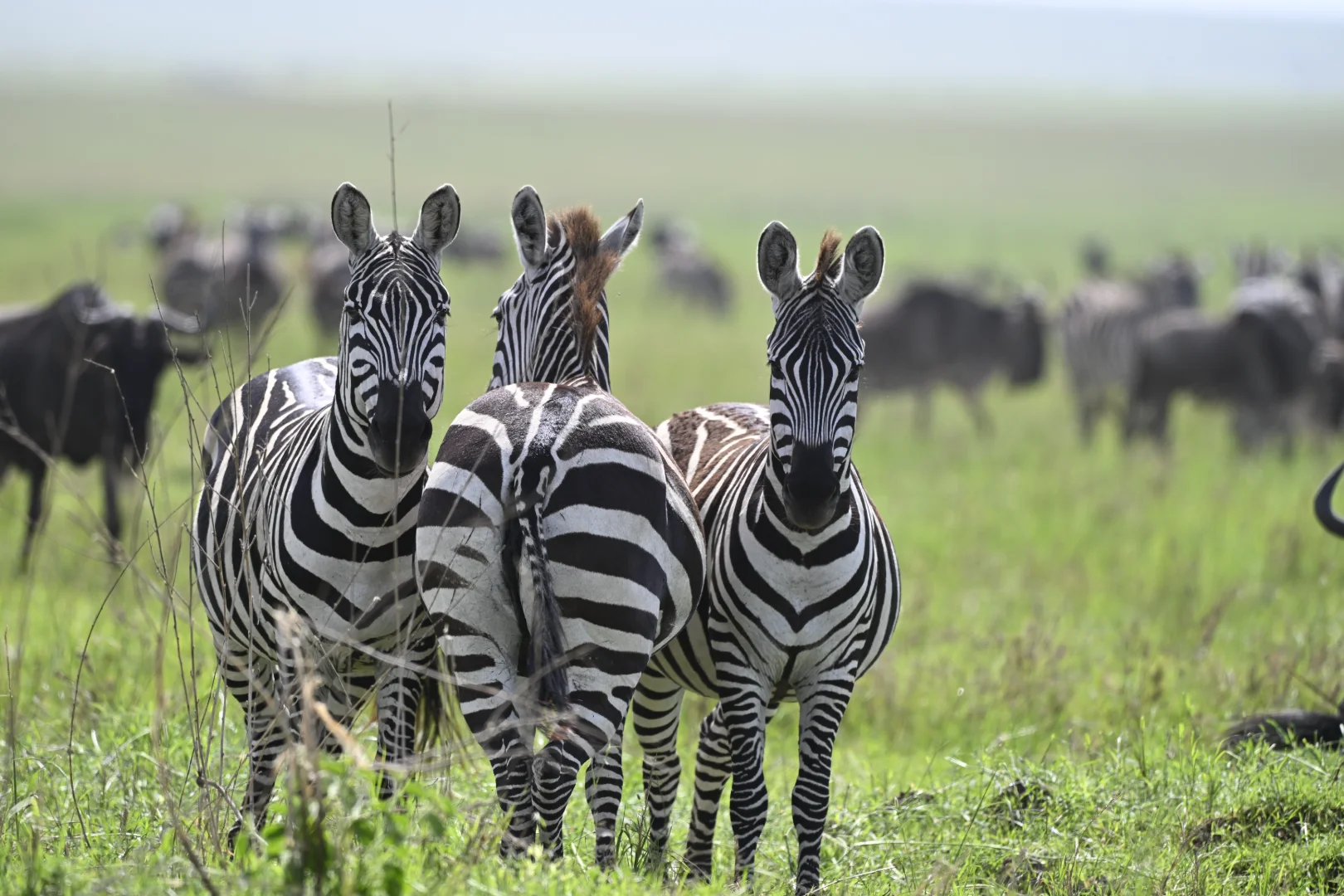
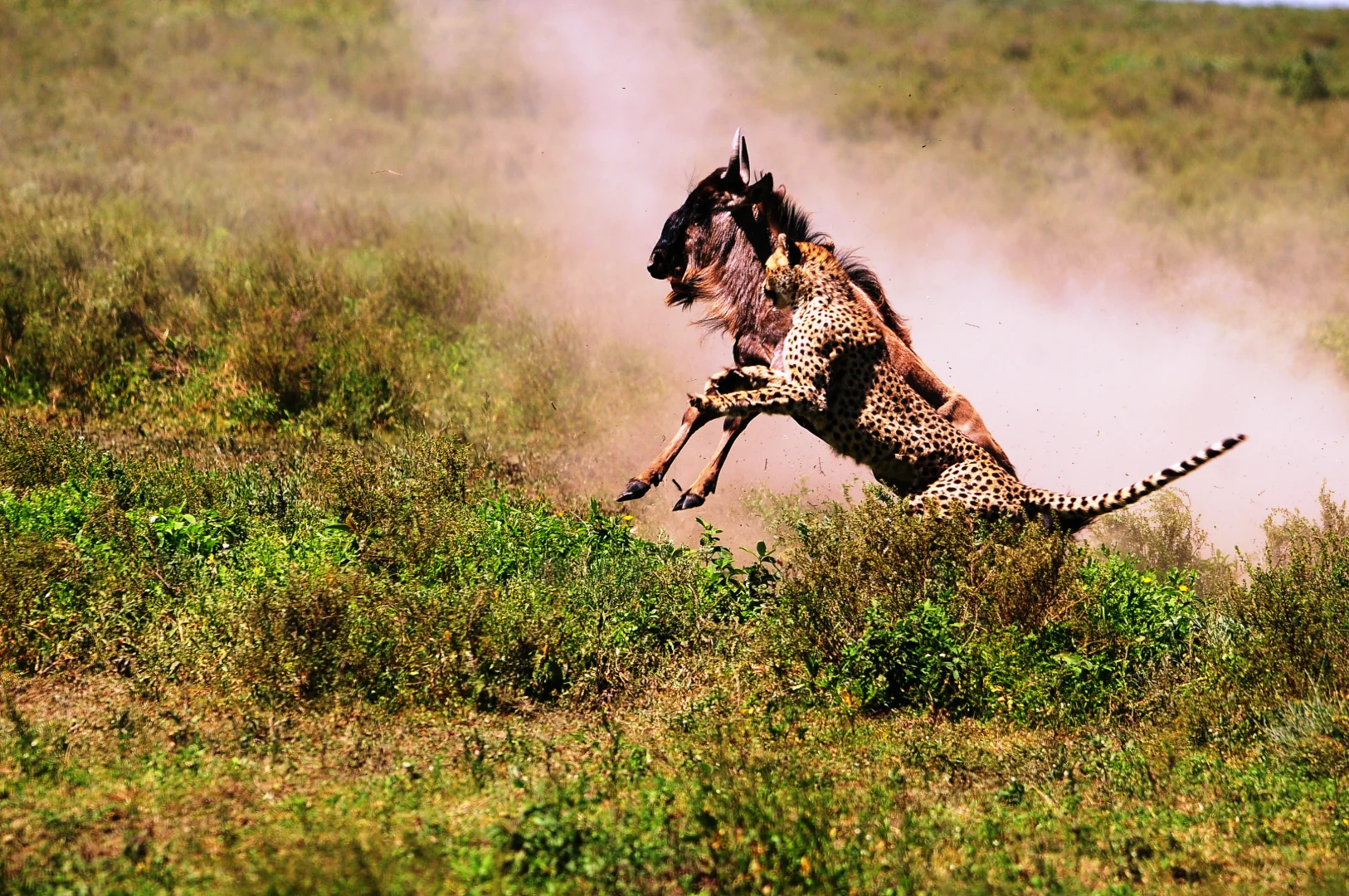
The Great Wildebeest Migration—approximately 1.5 million wildebeest, 400,000 zebras, and 200,000 gazelles moving in an endless circle—is the Serengeti's signature spectacle. This natural phenomenon has occurred for millions of years and continues only because Tanzania protected the land it requires.
Predator Capital of Africa
Tanzania's Serengeti hosts Africa's highest concentration of large predators:
- 3,000+ Lions: The continent's largest population in one ecosystem
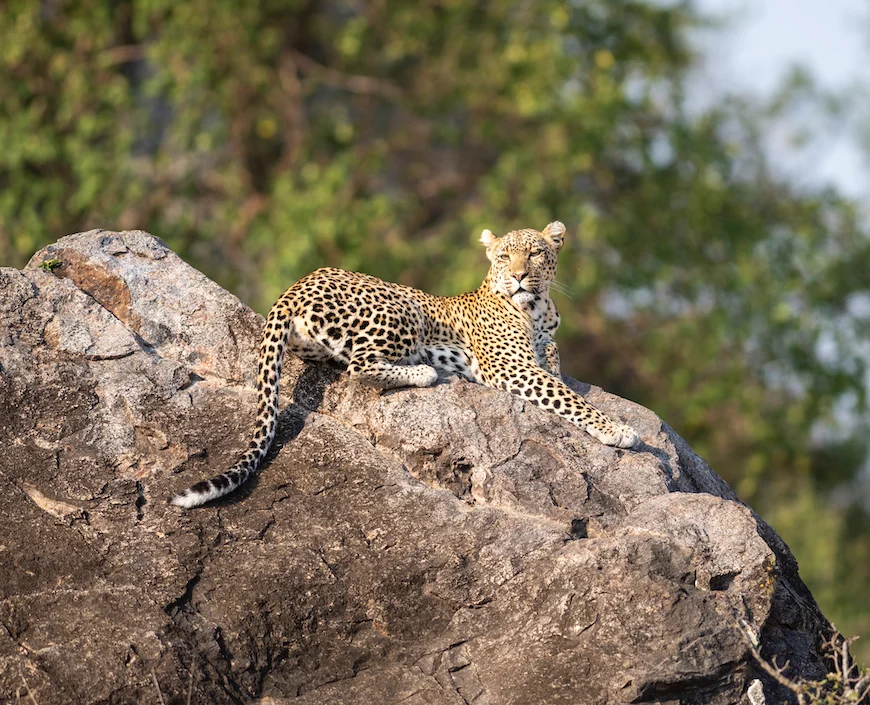
- 1,000+ Leopards: Seronera Valley has Africa's densest population
- 300+ Cheetahs: The southeastern plains are prime cheetah habitat
- 7,500+ Spotted Hyenas: Fascinating social structures and hunting prowess
- African Wild Dogs: Rare but present, especially in the north
The Big Five
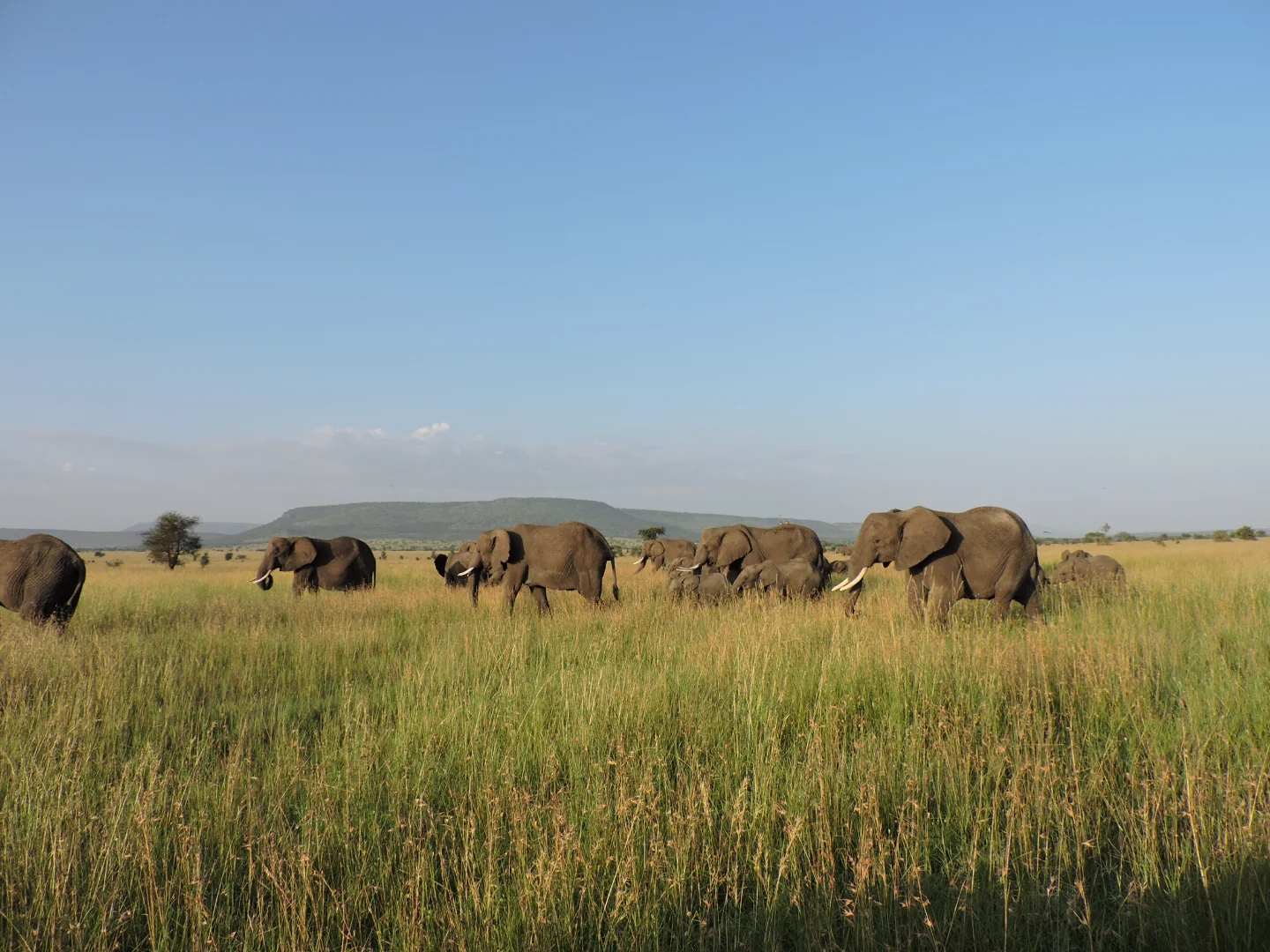
Tanzania's Serengeti offers excellent Big Five viewing. Lions, leopards, elephants, and buffalo are seen regularly. Black rhinos (~70 individuals) are the most elusive but are present in the Moru Kopjes area. For guaranteed Big Five in one day, combine with nearby Ngorongoro Crater.
Visiting Tanzania's Serengeti
Getting There
Most visitors to Tanzania's Serengeti arrive via:
- Kilimanjaro International Airport (JRO): International hub, 1.5-hour drive to Arusha
- Arusha: Safari capital of Tanzania, gateway to northern parks
- Light Aircraft: 1.5-hour flights from Arusha to Serengeti airstrips
- Road Transfer: 7-8 hour scenic drive through Ngorongoro
Best Time to Visit
| Season | Months | Highlights |
|---|---|---|
| Calving | Jan-Mar | 8,000 wildebeest births/day, predator feasts |
| Green Season | Apr-May | Lowest prices, lush landscapes, fewer tourists |
| Dry Season | Jun-Oct | Best game viewing, river crossings, peak season |
| Short Rains | Nov-Dec | Migration returns, newborns, dramatic skies |
Where to Stay
Tanzania's Serengeti offers accommodation at every level, from budget camping to ultra-luxury lodges:
- Serengeti Serena Safari Lodge: Iconic central location, stunning architecture
- Kuhama Camp: Intimate tented camp with exceptional guiding
- ENVI Sisini: Modern eco-luxury with sustainability focus
- Warangi Ridge: Northern Serengeti with river crossing access
- Elewana The Manor: Ngorongoro crater rim elegance
Conservation Challenges & Successes
Ongoing Challenges
- Poaching: Reduced but not eliminated; anti-poaching patrols operate 24/7
- Human-Wildlife Conflict: Buffer zone management with local communities
- Climate Change: Shifting rainfall patterns affecting migration timing
- Development Pressure: Infrastructure projects requiring careful environmental assessment
Conservation Successes
- Lion Recovery: Population stable at 3,000+ after poaching declines in the 1990s
- Community Programs: Villages receiving direct benefits show 70% reduction in poaching
- Black Rhino: Slowly recovering from near-extinction in the 1970s
- Habitat Connectivity: Migration corridors maintained against development pressure
Frequently Asked Questions
Why is Tanzania's Serengeti famous?
Tanzania's Serengeti is famous for hosting the Great Wildebeest Migration (2 million animals), having Africa's highest concentration of large predators (3,000+ lions), and representing the last intact savanna ecosystem where ancient migrations continue unchanged. It's also a UNESCO World Heritage Site and one of the Seven Natural Wonders of Africa.
How big is Tanzania's Serengeti National Park?
Tanzania's Serengeti National Park covers 14,763 km² (5,700 square miles)—larger than the US state of Connecticut. The greater Serengeti ecosystem, including Kenya's Masai Mara and conservation areas, spans approximately 30,000 km².
Is the Serengeti only in Tanzania?
The Serengeti National Park is entirely in Tanzania. However, the Serengeti ecosystem extends into Kenya as the Masai Mara National Reserve (1,510 km²). The migration crosses this international border, but the majority of the ecosystem (about 95%) is in Tanzania.
How much does it cost to visit Tanzania's Serengeti?
Serengeti park fees are $71.40 per adult per 24 hours. All-inclusive safari packages range from $300/day (budget camping) to $1,500+/day (ultra-luxury). Our 7-Day Northern Tanzania Safari costs $4,288 per person including all fees, accommodations, meals, and game drives.
What does "Serengeti" mean in Swahili?
"Serengeti" comes from the Maasai word "Siringet," meaning "endless plains" or "the place where the land runs on forever." The Maasai people have lived alongside this ecosystem for centuries, and their language gave it a name that perfectly captures its vast, open character.
Experience Tanzania's Serengeti
Tanzania's Serengeti represents humanity's best effort to preserve the wild Africa that our ancestors knew. When you visit, you're not just having a holiday—you're supporting conservation, communities, and a vision of coexistence between people and wildlife.
Ready to Visit Tanzania's Serengeti?
Browse our safari packages from $1,899 to $15,890, or contact us for a custom itinerary designed around your interests.
Browse Serengeti SafarisRelated Serengeti Guides
- Serengeti National Park: Complete Guide →
- Tanzania Serengeti Safari Itineraries →
- Great Wildebeest Migration →
- Serengeti Safari Prices 2026 →
Plan this trip: 6-Day Serengeti & Ngorongoro Crater Safari, Tanzania, 7-Day Tanzania Safari: Serengeti, Ngorongoro & Tarangire and 9-Day Great Migration Safari in the Serengeti.

Ecological Wilderness Adventure
Expert safari guide and writer at Ecological Wilderness Adventure, a TATO-licensed operator based in Arusha, Tanzania with 20+ years of experience crafting authentic wildlife expeditions across East Africa.
Published April 16, 2026
You Might Also Enjoy
The Serengeti of Africa: Why It's the World's Greatest Wildlife Destination
Discover why the Serengeti ecosystem is Africa's most celebrated wildlife sanctuary. From the Great Migration to the Big Five, explore what makes this 30,000 km² wilderness the planet's premier safari destination.
Tanzania and Safari: Why This East African Nation Defines the Safari Experience
Discover why Tanzania defines the safari experience. From Serengeti to Ngorongoro, explore what makes this East African nation the world's premier wildlife destination.
Serengeti National Park 2026: Complete Guide to Africa's Greatest Wildlife Sanctuary
Comprehensive guide to Serengeti National Park covering 14,763 km² of pristine wilderness. Discover the best regions, wildlife hotspots, seasonal patterns, and expert tips from guides who know every corner of this UNESCO World Heritage site.