12-Day Predators & Prey Safari
Wildlife Safari · Trip EA-D178

12-Day Predators & Prey Safari

From$7,850per person
Duration12days
Levelmoderate
Book Now
Scroll

Last updated:

Safari Overview

Your Journey

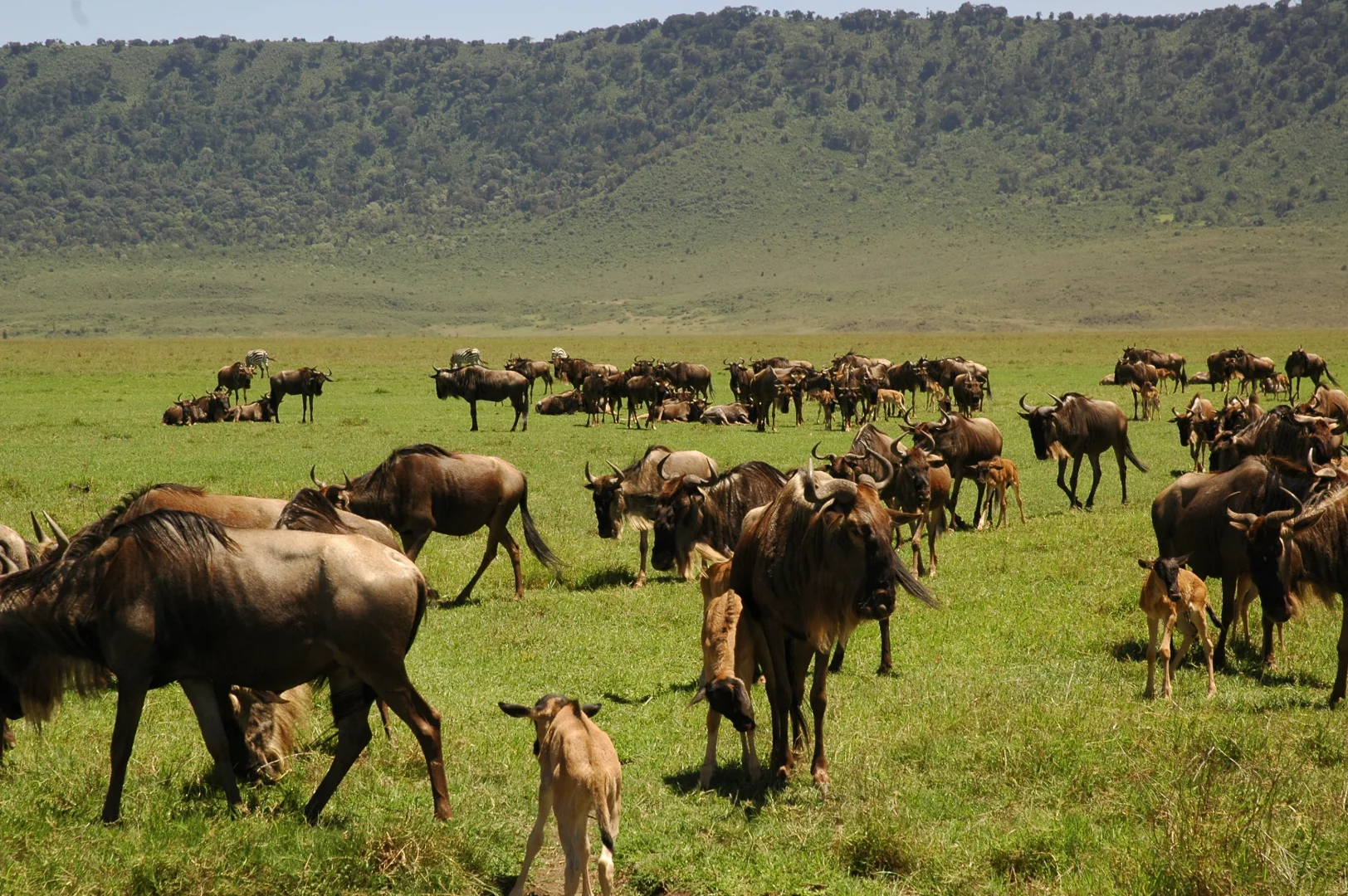
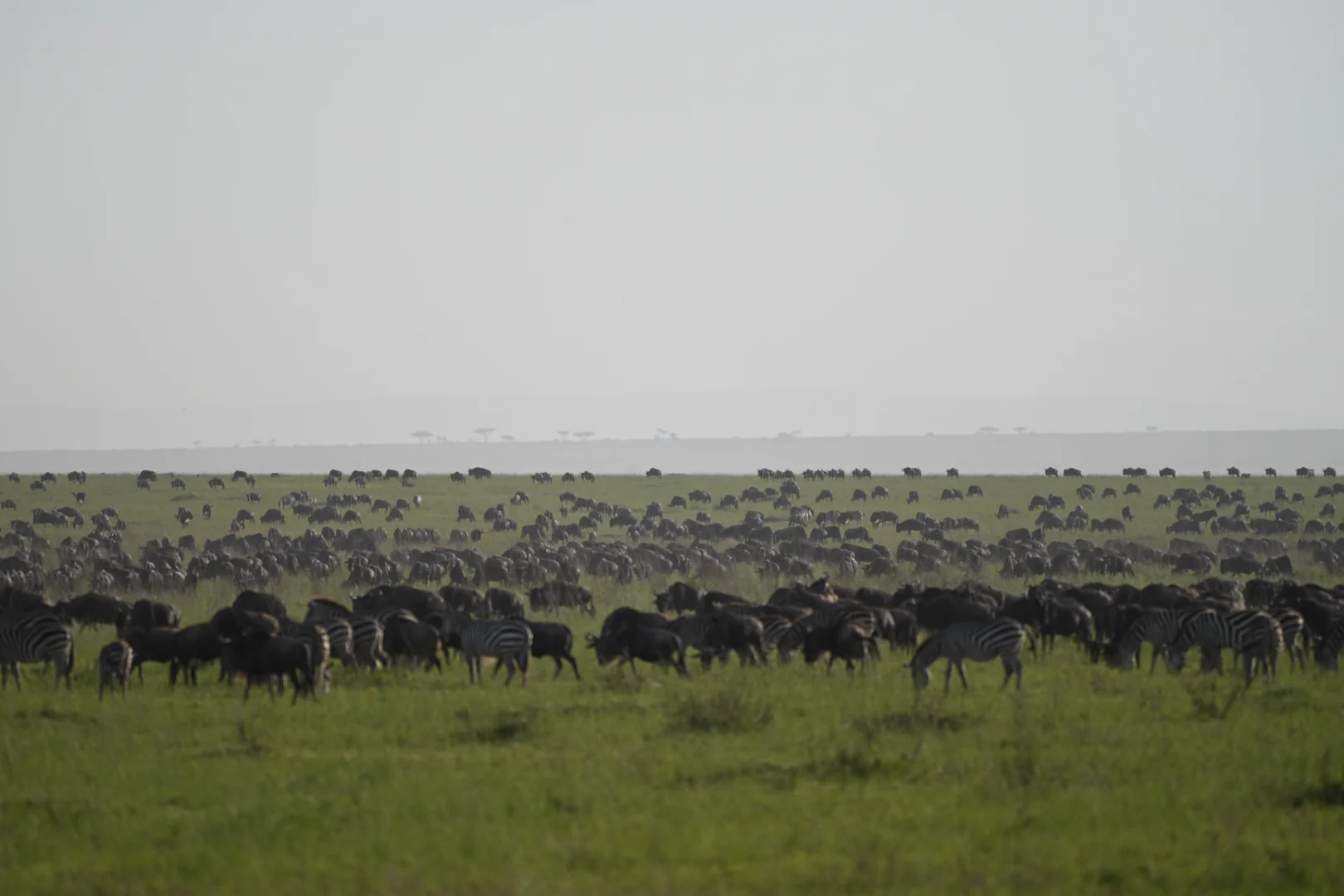
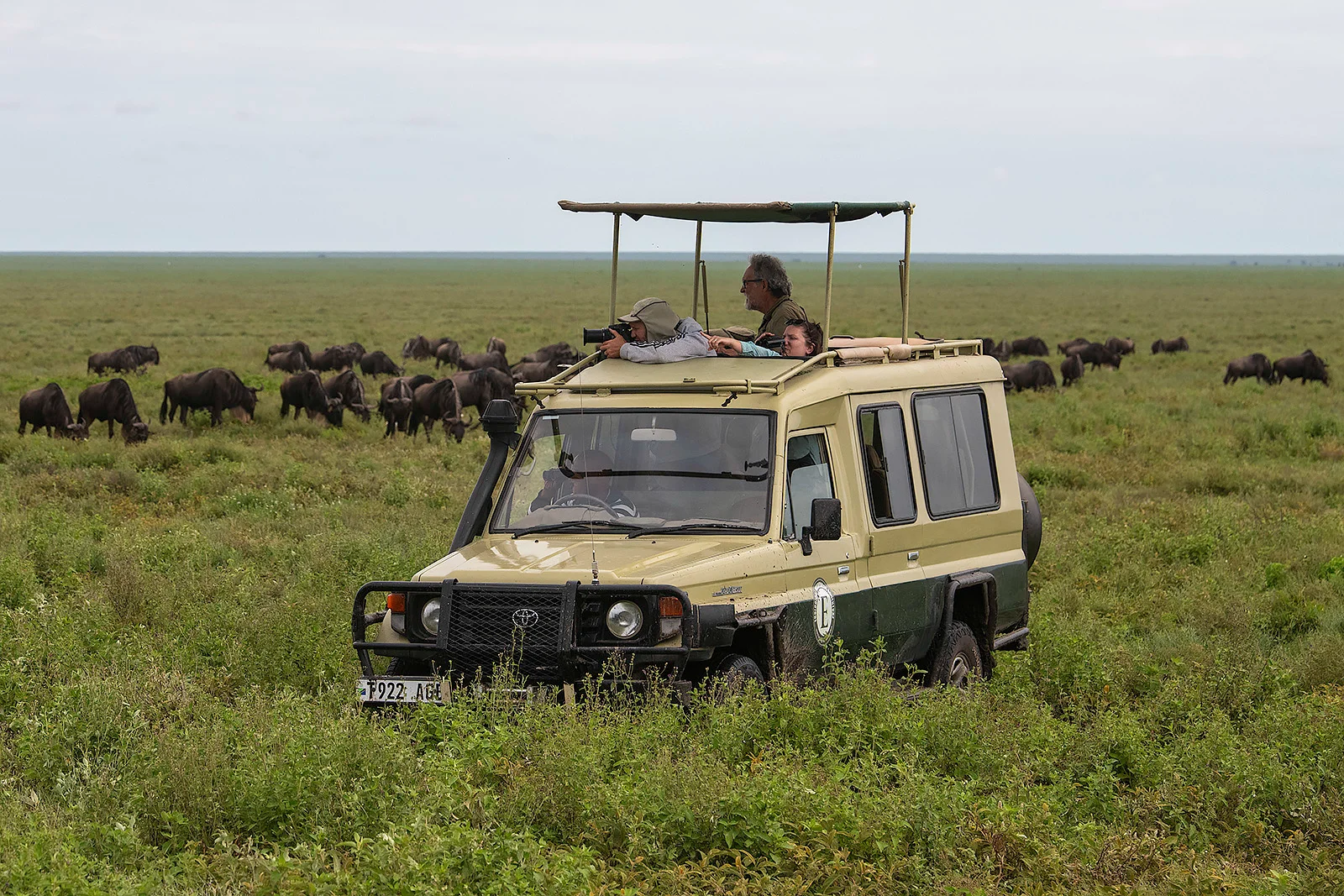
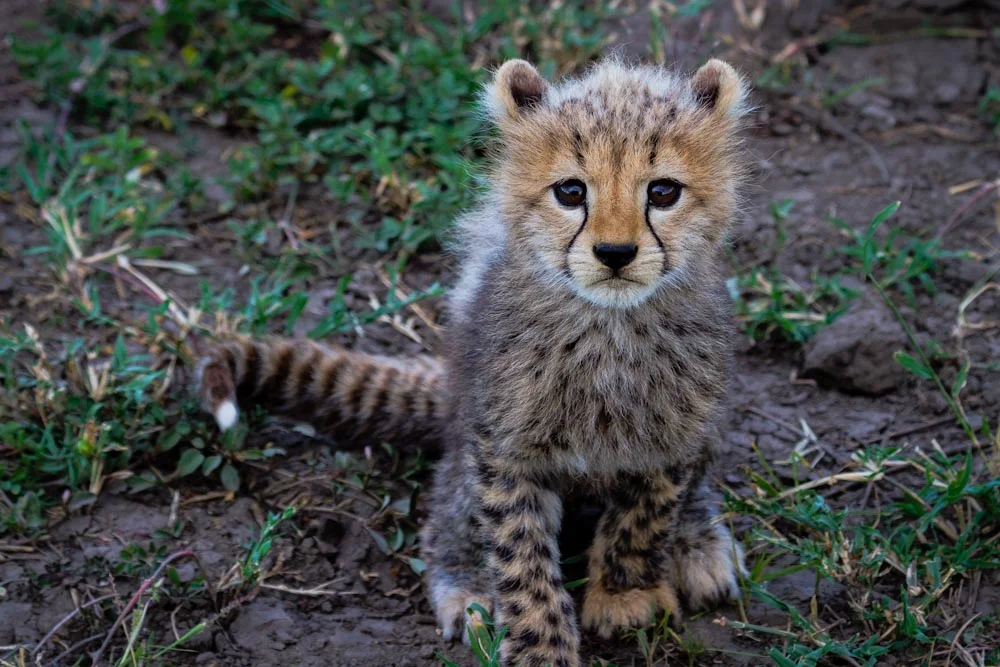
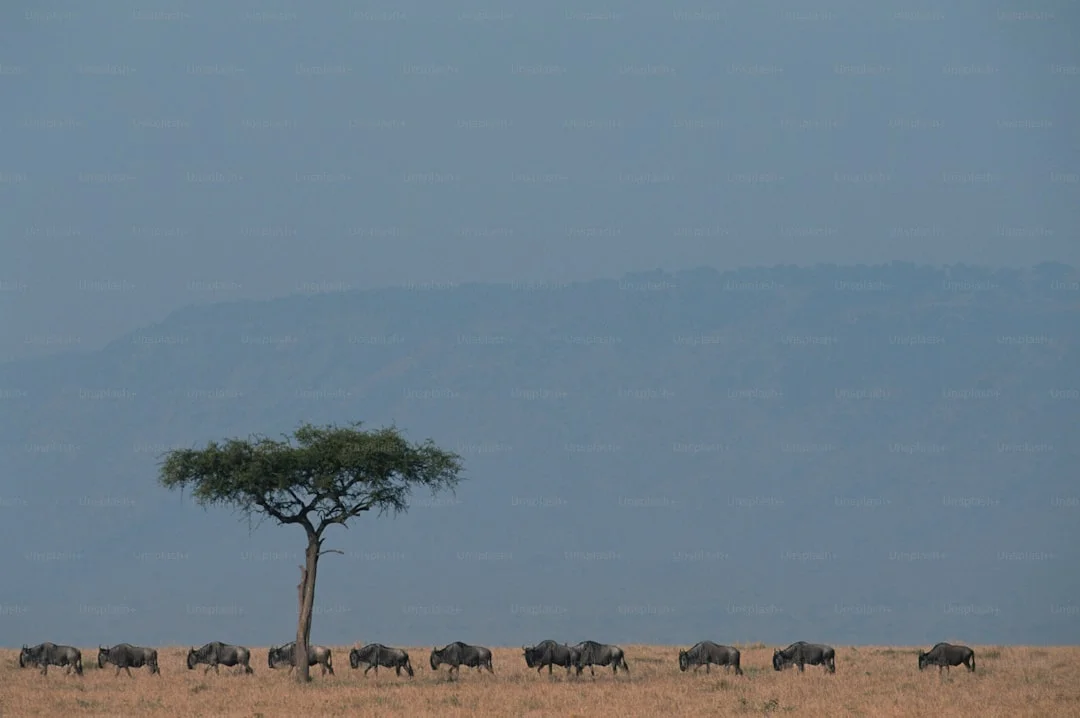
This 12-day safari follows the wildebeest calving season and the predators it draws. Departures run from December through early February, when the herds gather on the short grass around Ndutu and thousands of calves are born each day. That many newborns brings lions, cheetahs and hyenas in close, which is why we plan this as a big cat safari first. It suits travellers who'd rather stay put and watch than race between parks.

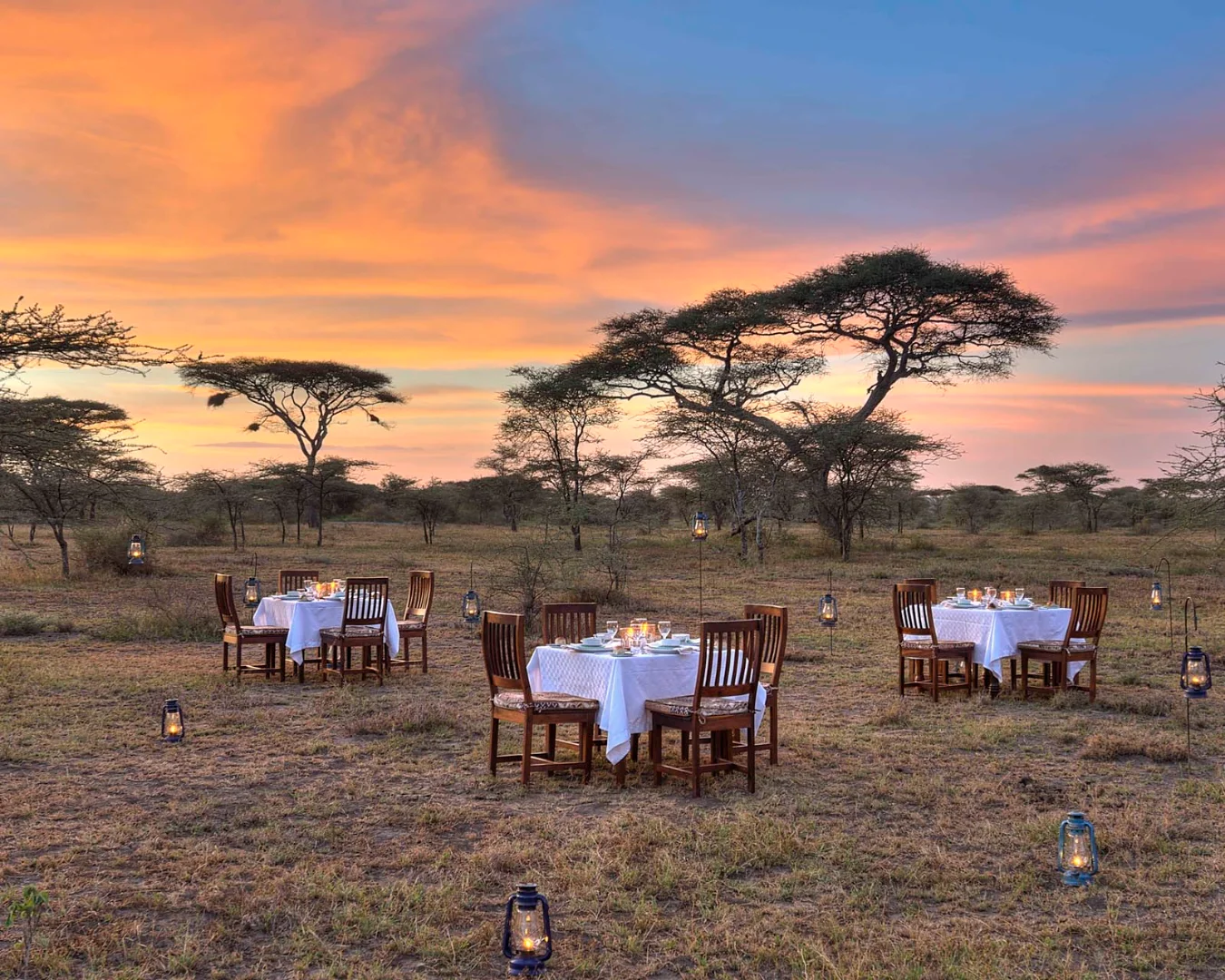
After a first night at The Scenery Residence, a scenic flight takes you to Savannah Ndutu Camp for four nights of game drives among the calving herds. There's no rush. Your guide follows predator activity, and the last full day is kept loose so you can go back to favourite spots or wait for behaviour you haven't seen yet.

Days six to eight are at the EWA Private Mobile Camp in the Ngorongoro highlands, with a full day on the crater floor and a day for walking and a visit to a Maasai community. The last three nights are at Kati Kati Tarangire Camp, tracking lions, leopards and cheetahs through riverine forest and open savanna among the park's elephants and baobabs. Our Arusha team can adjust the pace, the camps or the length to suit you.

Share This Safari
Safari Highlights
  • Scenic flight to the Ndutu calving plains
  • Four nights at Savannah Ndutu Camp among the calving herds
  • Lions, cheetahs and hyenas following the calving herds
  • Full day on the Ngorongoro Crater floor
  • Walking and a Maasai community visit in Ngorongoro
  • Tarangire predators among the park's elephants and baobabs
12-Day Predators & Prey Safari Safari Overview
Featured12-Day Predators & Prey Safari
From$7,850per person
Book Now
Day-by-Day Itinerary

Your Safari Unfolds

Your 12-day adventure across Africa's most spectacular wilderness areas

1
Day 1

Arrive in Tanzania

Arusha City

We meet you at Kilimanjaro International Airport and drive you to The Scenery Residence for your first night. The rest of the day is for getting over the flight. In the evening there's a welcome dinner and a safari briefing, where your guide runs through the plan for the days ahead and answers questions about the flight to Ndutu, luggage and the calving plains. Repack tonight with light aircraft limits in mind: a soft duffel bag works far better than a hard suitcase. Dinner is included.

Meals:Dinner
2
Day 2

Fly to Ndutu: Calving Season Begins

Ndutu Area

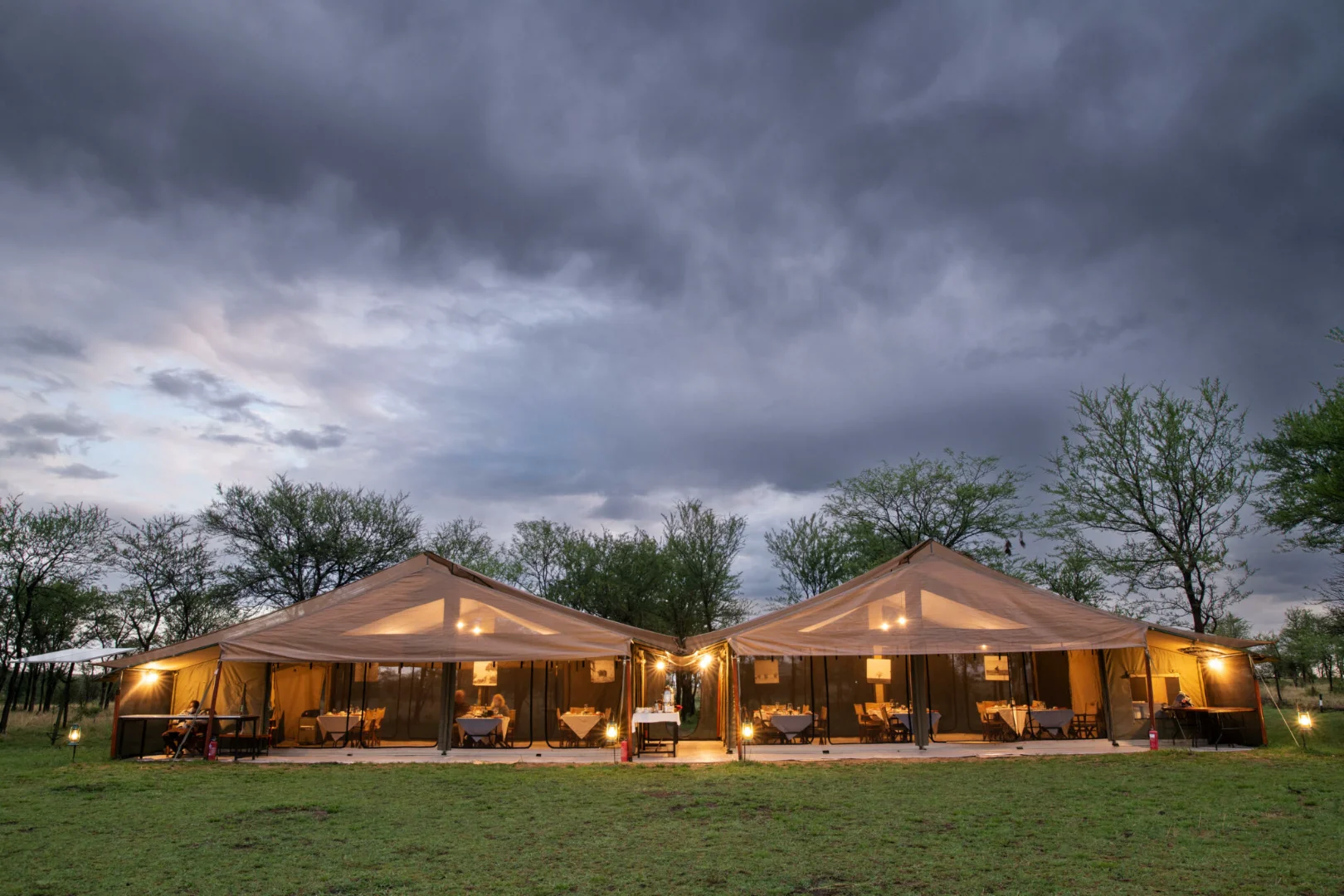
Today you take a scenic flight to the Ndutu plains, where the migration herds gather to give birth. Flying saves a long day on the road and puts you straight into the calving area. Your first game drive starts on arrival, among wildebeest and their newborn calves. In the calving season thousands are born each day, and the predators know it. Then you check into Savannah Ndutu Camp, a tented camp on the calving plains and your base for the next four nights. Breakfast, lunch and dinner are included.

Meals:Breakfast, Lunch, Dinner
3
Day 3

Ndutu Plains: Predators and Calves

Ndutu Area

A full day on the Ndutu plains during calving, when the predators are at their busiest. Lions, cheetahs and hyenas follow the herds closely, and the short grass gives you a clear view of what happens. Your guide follows predator activity rather than a fixed route, so you can stay with a sighting for as long as it's worth staying. Some days bring a chase or a kill. Some don't, and that's the nature of it. Breakfast, lunch and dinner are included, with the night at Savannah Ndutu Camp.

Meals:Breakfast, Lunch, Dinner
4
Day 4

Ndutu: Tracking Predators

Ndutu Area

Another full day in Ndutu, this time tracking different predator species and watching how each one hunts. A cheetah in the open works very differently from a lion pride or a group of hyenas, and with several days on the plains you start to see the patterns for yourself. Away from the hunters there's the other half of the story: newborn calves finding their feet, and mothers doing what they can to protect them. All meals are included, and you spend another night at Savannah Ndutu Camp.

Meals:Breakfast, Lunch, Dinner
5
Day 5

Last Full Day in Ndutu

Ndutu Area

Your last full day in Ndutu is kept flexible. You can return to favourite spots, wait for behaviour you haven't seen yet, or focus on one predator and its habits. If you're photographing, it's a good day to fill the gaps in your shots, since the open short-grass plains give clean backgrounds for predator and newborn action. Tell your guide what matters most to you and the day is planned around it. Breakfast, lunch and dinner are included, and it's your fourth and final night at Savannah Ndutu Camp.

Meals:Breakfast, Lunch, Dinner
6
Day 6

Transfer to Ngorongoro: Private Mobile Camp

Ngorongoro Crater

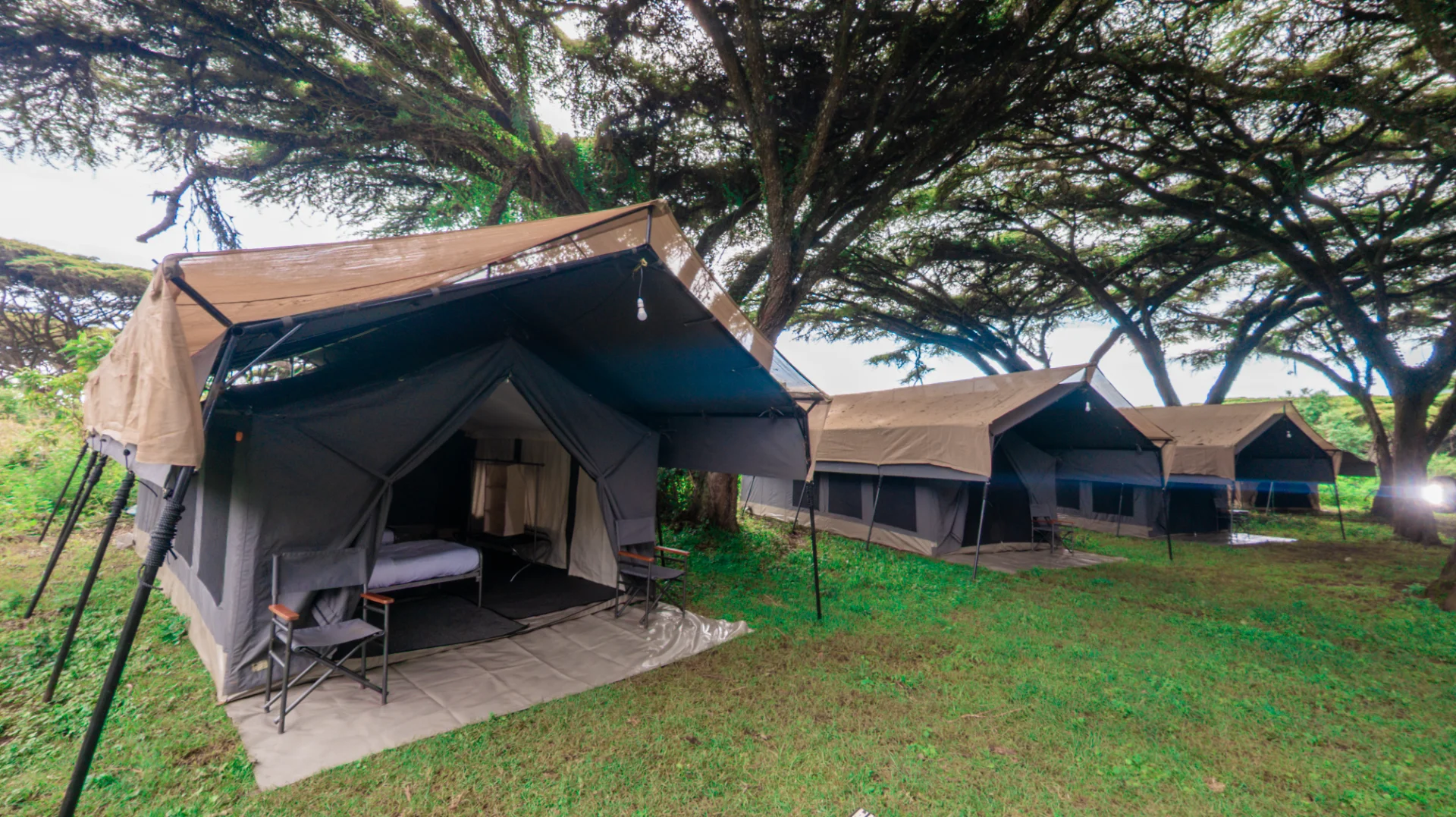
Today you leave Ndutu by road for the Ngorongoro Conservation Area. Your base for the next three nights is the EWA Private Mobile Camp, our own mobile camp, set up for a small, private stay. Because the camp is ours, the timing of the coming days can bend around what your group wants to do. In the afternoon you head out on a game drive in the highlands, where nights are noticeably colder than on the plains, so keep a warm fleece handy. Breakfast, lunch and dinner are included.

Meals:Breakfast, Lunch, Dinner
7
Day 7

Ngorongoro Crater: Nature's Amphitheatre

Ngorongoro Crater

Today you descend into Ngorongoro Crater for a full day on the crater floor. The crater is home to over 25,000 animals, and its steep walls hold a whole ecosystem in one place, predators and prey together. That makes for good predator-prey viewing, and a very different feel from the open Ndutu plains. Your guide plans the drive around where the animals are active that day. The crater descent fee is included. You return to the EWA Private Mobile Camp in the evening, with all meals included.

Meals:Breakfast, Lunch, Dinner
8
Day 8

Walking and a Maasai Visit in Ngorongoro

Ngorongoro Crater

A day to explore the wider Ngorongoro Conservation Area beyond the crater, including remote corners that few visitors reach. Part of the day is on foot. Walking, you notice tracks, plants and smaller creatures that are easy to miss from a vehicle, and your guide sets the pace to suit the group. You also visit a Maasai community and learn how families live and keep cattle alongside wildlife in the highlands. Breakfast, lunch and dinner are included, with a last night at the EWA Private Mobile Camp.

Meals:Breakfast, Lunch, Dinner
9
Day 9

Transfer to Tarangire National Park

Tarangire National Park

Today you drive to Tarangire National Park, known for its big elephant herds and ancient baobab trees. After the open plains of Ndutu and the Ngorongoro highlands, it's a different landscape with a different mix of predators. The drive is part of the safari, so keep your binoculars out. You check into Kati Kati Tarangire Camp, a tented camp and your base for the last three nights, then start exploring the park on your first game drive here. All meals are included.

Meals:Breakfast, Lunch, Dinner
10
Day 10

Tarangire Predator Safari

Tarangire National Park

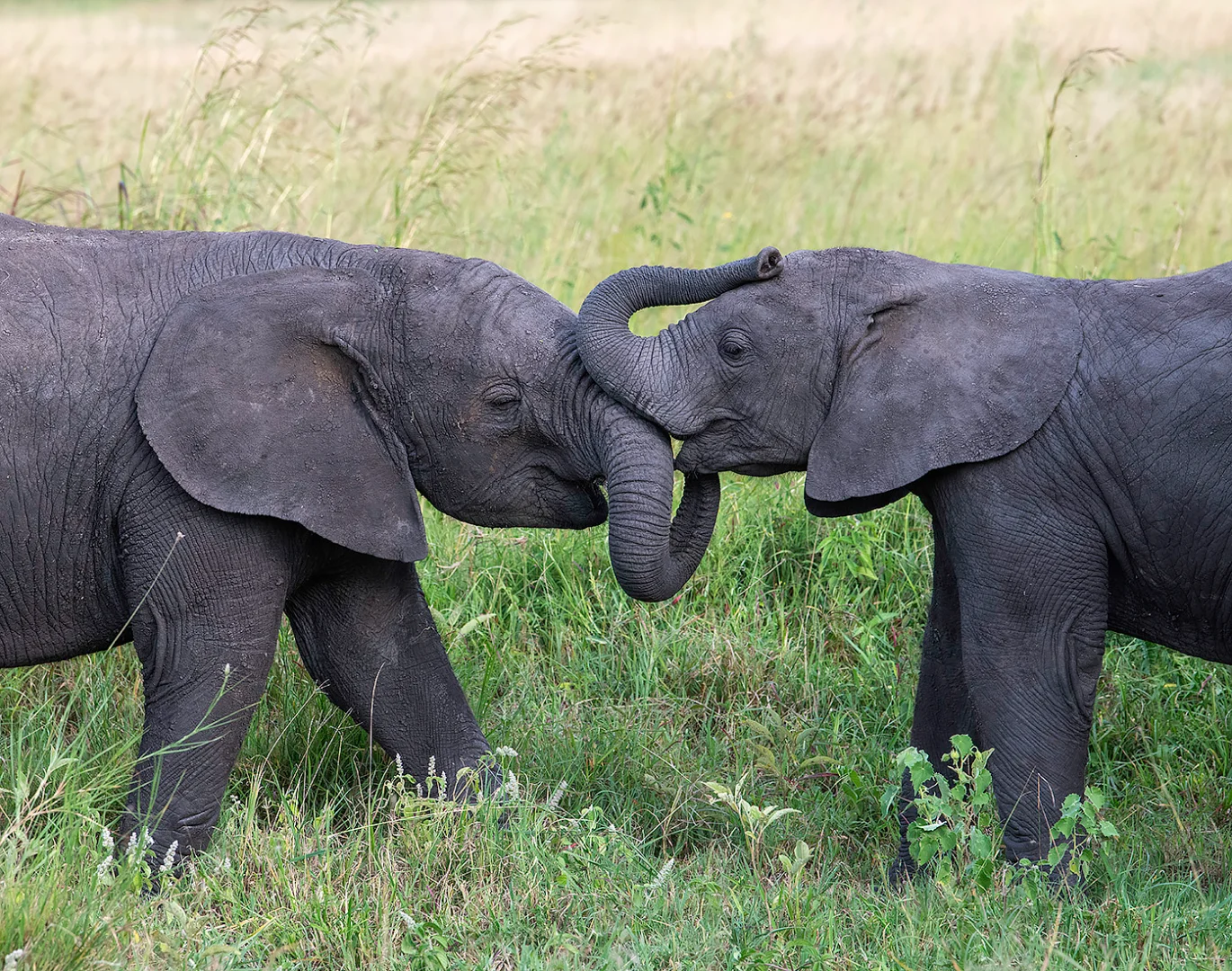
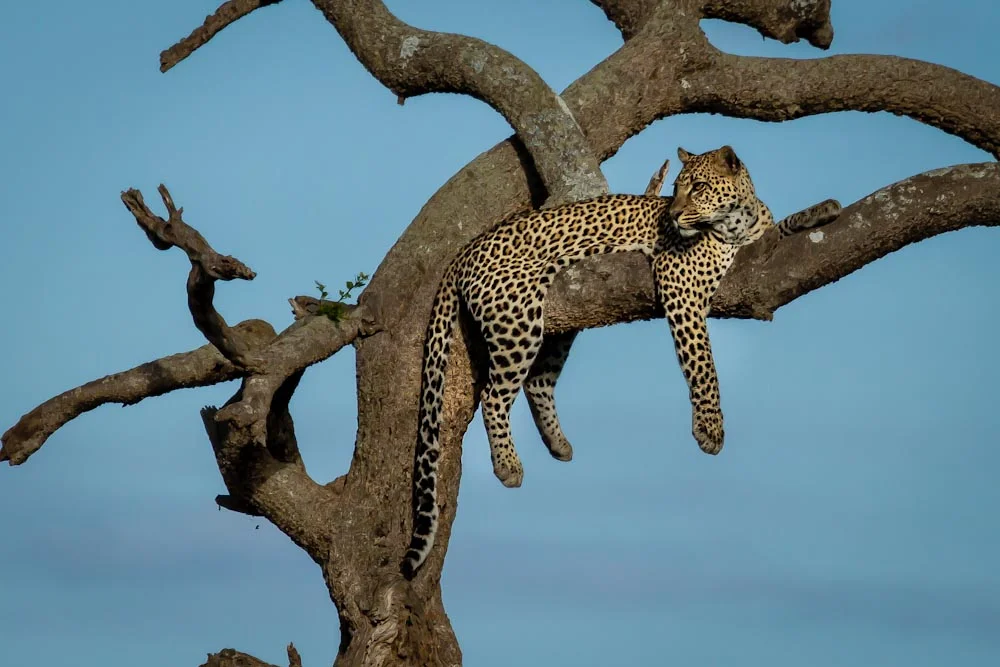
A full day given over to Tarangire's predators. The park is known for its lions, leopards and cheetahs, and your guide works through different habitats to look for them, from riverine forest to open savanna. Each habitat supports different wildlife, so the day has variety even when the cats are quiet. No sighting can be promised, and patience usually pays here. Elephants among the baobabs are rarely far away. Breakfast, lunch and dinner are included, with the night at Kati Kati Tarangire Camp.

Meals:Breakfast, Lunch, Dinner
11
Day 11

Last Full Day in Tarangire

Tarangire National Park

Your last full day on safari is yours to shape. Go back for sightings you missed, spend more time with the elephant herds among the baobabs, or keep tracking predators through the river forest. It's also a good day for final photographs of Tarangire's landscape. Three nights here keep the pace relaxed at the end of a long trip, so there's no pressure to cover ground. All meals are included, and you spend a final night at Kati Kati Tarangire Camp.

Meals:Breakfast, Lunch, Dinner
12
Day 12

Departure

Arusha City

After breakfast in Tarangire, we drive you back through Arusha to Kilimanjaro International Airport for your departure. Because the day starts in the park, an afternoon or evening flight home works best. Tell us your flight times when you book and we'll plan the transfer around them. Breakfast is included today, and no accommodation is booked for tonight. If you'd like to add a night in Arusha before flying out, or carry on to the coast, ask our team when you enquire.

Meals:Breakfast
Safari Route Map
Route Overview

Arusha City → Ndutu Area → Ndutu Area → Ndutu Area → Ndutu Area → Ngorongoro Crater → Ngorongoro Crater → Ngorongoro Crater → Tarangire National Park → Tarangire National Park → Tarangire National Park → Arusha City

Where You'll Stay

Exceptional Stays

Stay at carefully selected luxury lodges and tented camps, chosen for their exceptional locations, world-class service, and commitment to sustainable tourism practices.

Plan Your Safari

Dates & Pricing

From

$7,850

per person

Departure

December 9, 2026

10 spots available

Book Now
What's Included

Your Safari Package

Complete Safari Package
  • Full board accommodation at handpicked lodges and camps
  • All game drives in 4x4 safari vehicles with pop-up roofs
  • Professional English-speaking safari guide
  • Park entry fees for all national parks and conservation areas
  • Ngorongoro Crater descent fee
  • Bottled water during game drives
  • All transfers and transportation
  • Emergency medical evacuation insurance
Not Included
  • International flights
  • Visa fees
  • Travel insurance (recommended)
  • Alcoholic beverages
  • Tips and gratuities for guide and lodge staff
  • Personal items and souvenirs
  • Optional activities not mentioned in itinerary
  • Additional meals and drinks outside of full board

We'll always tell you exactly what your safari covers before you pay. Need help with flights, visas, or insurance? Just ask — we arrange it all.

Safari Value Summary
Total Inclusions
8 Items
Meals Included
33 Meals
Accommodation
11 Nights
Game Drives
20+ Drives
Safari Days
12 Days
All-Inclusive Experience

Our safari package includes everything you need for an unforgettable adventure. No hidden costs or surprise charges.

Prefer it tailor-made? Design your safari
Independent Reviews

What Travellers Say About Us

Reviews of our safaris on independent platforms, from guests who travelled with our Arusha team.

Good to Know

12-Day Predators & Prey Safari: Frequently Asked Questions

When does the Predators & Prey safari run, and why those months?

Departures run from early December to early February, timed for the wildebeest calving season on the Ndutu plains. Scheduled dates are 9, 19 and 23 December 2026, then 5, 16 and 27 January and 7 February 2027. The herds gather on the short grass of the southern Serengeti ecosystem to give birth, and all those young animals draw lions, cheetahs and hyenas in close.

What happens during the four nights in Ndutu?

The Ndutu days are unhurried game drives among the calving herds, with time to stay with a sighting rather than chase the next one. Your guide follows predator activity, so you have a good chance of watching lions, cheetahs and hyenas at work and mothers protecting newborn calves. The last full day stays flexible for favourite spots or behaviour you haven't seen yet.

Where do we stay on this calving season safari?

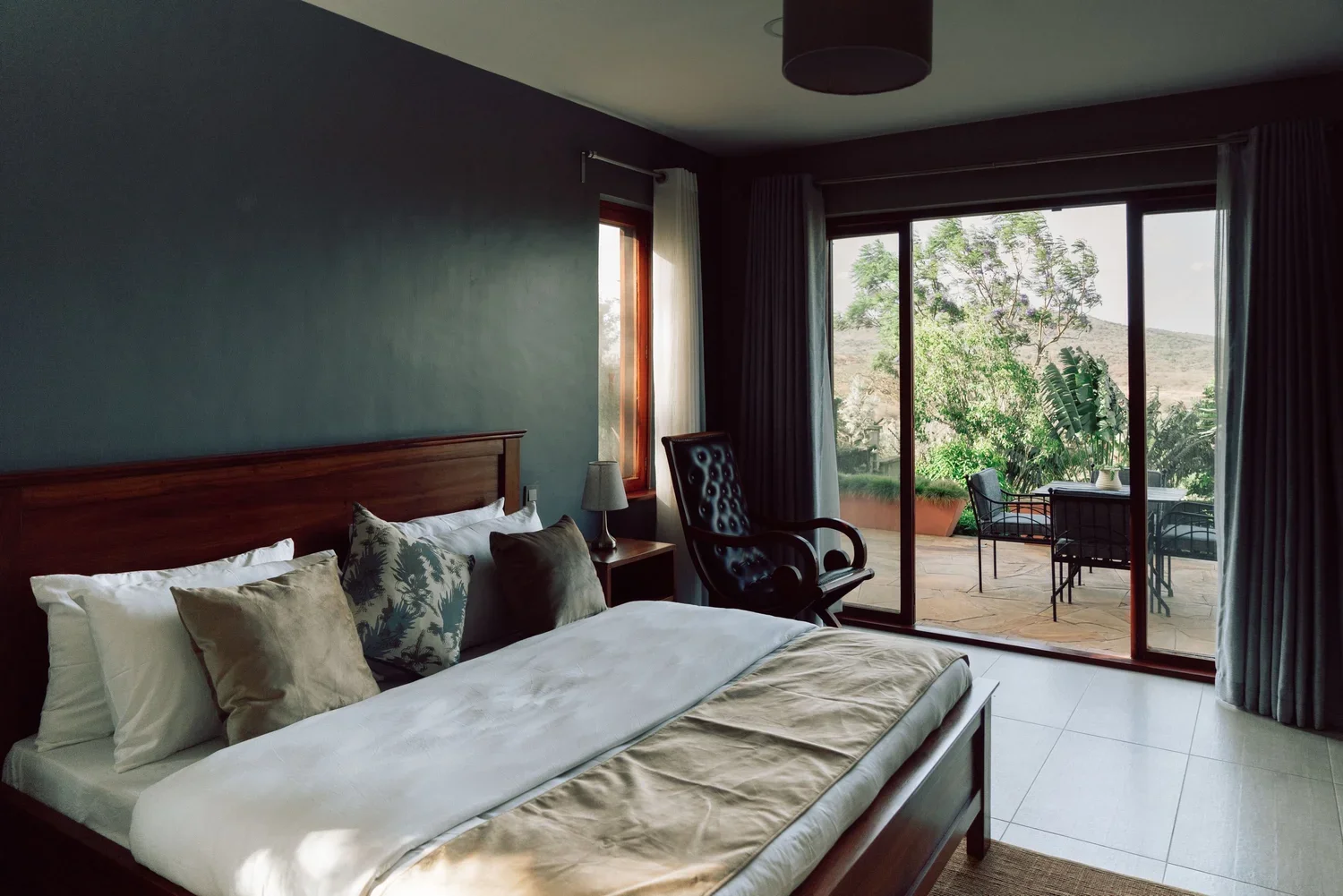
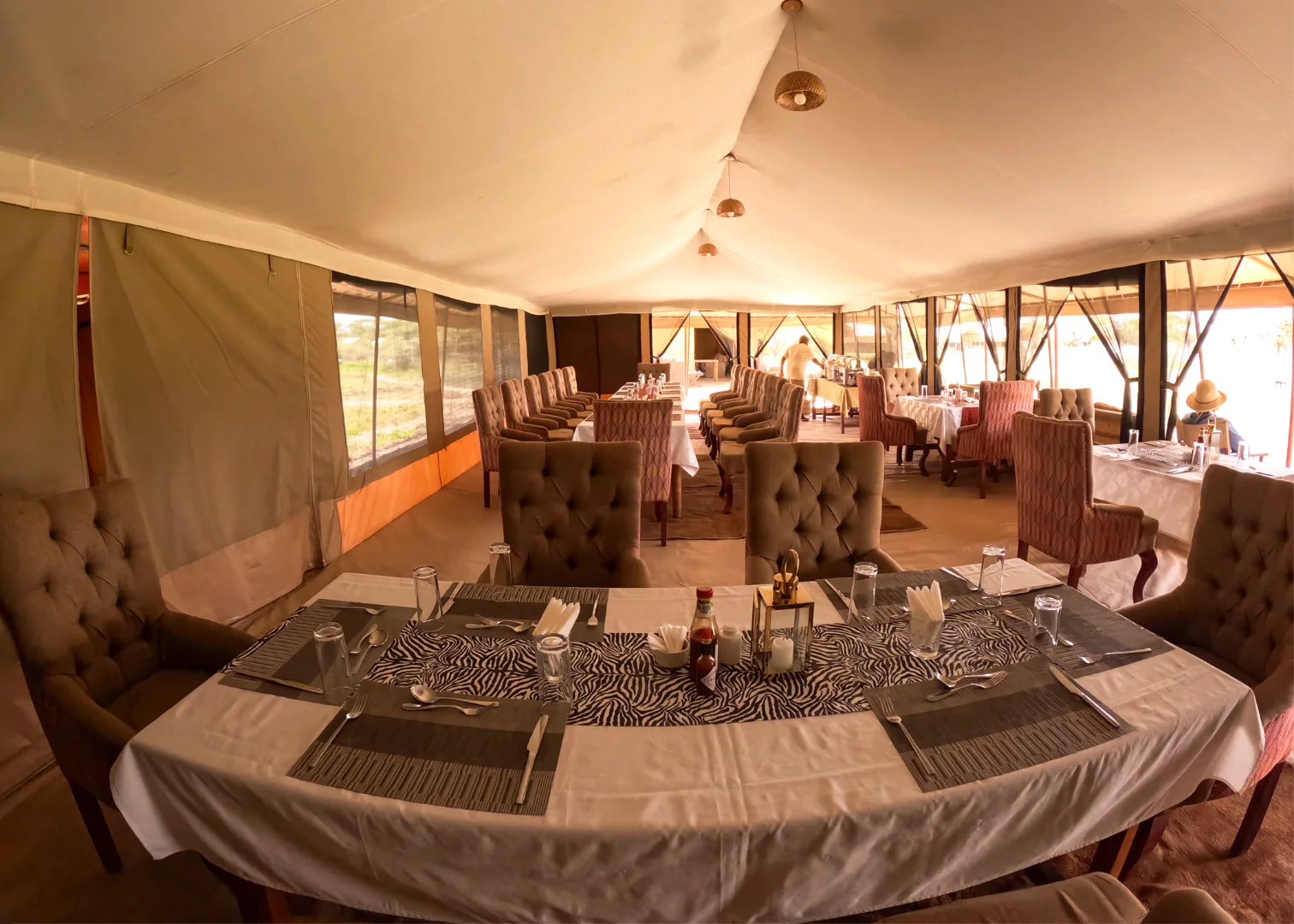
You stay at four places, so you only change rooms three times. The first night is at The Scenery Residence, a boutique hotel, then four nights at Savannah Ndutu Camp, a tented camp on the calving plains. Days six to eight are at the EWA Private Mobile Camp in the Ngorongoro highlands, and the last three nights are at Kati Kati Tarangire Camp.

What is the EWA Private Mobile Camp in Ngorongoro like?

It's our own mobile camp, set up in the Ngorongoro Conservation Area for a small, private stay. From there you have an afternoon drive in the highlands, a full day on the crater floor and a day exploring the wider conservation area, including remote corners few visitors reach. Because the camp is ours, the timing of those days can bend around your group.

How do we get to the Ndutu plains?

On day two you take a scenic flight to the Ndutu plains. It saves a long day on the road and puts you straight into the calving area, with your first game drive on arrival. After Ndutu you continue by road to Ngorongoro and then Tarangire. Pack in a soft duffel bag, since light aircraft have limited luggage space.

Can we do a walking safari or visit a Maasai community on this trip?

Yes. Day eight in the Ngorongoro Conservation Area is set aside for walking and a visit to a Maasai community. On foot you notice tracks, plants and smaller creatures that are easy to miss from a vehicle, and your guide sets the pace to suit the group. The Maasai visit shows how families live and keep cattle alongside wildlife.

Why does the safari finish in Tarangire?

Tarangire gives you a different landscape and a different mix of predators after the open plains of Ndutu. The park is known for its big elephant herds and ancient baobabs, and the full day there is spent looking for lions, leopards and cheetahs in riverine forest and open savanna. Three nights at Kati Kati Tarangire Camp keep the end of the trip relaxed.

Where does the trip start and end?

It starts and ends at Kilimanjaro International Airport. We meet you on arrival and take you to The Scenery Residence for a welcome dinner and safari briefing. On the last day, after breakfast in Tarangire, we drive you back through Arusha to the airport for your departure, so an afternoon or evening flight home works best.

Is this safari a good fit for wildlife photographers?

Yes, the slow pace suits photographers. With four nights in Ndutu and three in Tarangire, you can wait at a sighting for the right behaviour and light instead of moving on after a few minutes. The short-grass calving plains also give clean, open backgrounds for predator and newborn action. Tell our Arusha team if photography is your priority and we'll plan around it.

How long is the 12-Day Predators & Prey Safari?

The 12-Day Predators & Prey Safari is 12 days and 11 nights. The day-by-day itinerary on this page shows where you go and stay each day.

Which parks and places does the 12-Day Predators & Prey Safari visit?

This trip visits Ndutu Area, Ngorongoro Crater and Tarangire National Park.

How difficult is the 12-Day Predators & Prey Safari?

It is rated moderate: a reasonable level of general fitness is enough.

What is the group size on the 12-Day Predators & Prey Safari?

It runs for groups of 2 to 12 travellers.

How much does the 12-Day Predators & Prey Safari cost?

Prices start from USD 7,850 per person. The final price depends on your travel dates and group size.

What is included in the 12-Day Predators & Prey Safari?

Included: Full board accommodation at handpicked lodges and camps, All game drives in 4x4 safari vehicles with pop-up roofs, Professional English-speaking safari guide, Park entry fees for all national parks and conservation areas, Ngorongoro Crater descent fee, Bottled water during game drives, All transfers and transportation and Emergency medical evacuation insurance.

What is not included in the 12-Day Predators & Prey Safari?

Not included: International flights, Visa fees, Travel insurance (recommended), Alcoholic beverages, Tips and gratuities for guide and lodge staff, Personal items and souvenirs, Optional activities not mentioned in itinerary and Additional meals and drinks outside of full board.
From

$7,850

Book Now

Your safari is waiting

Join thousands of travelers who have experienced the magic of Africa's wildlife with us.

Book Now