Rhino Conservation Project
Help protect one of Africa's most endangered species
Your Experience
Participate in rhino monitoring and protection activities
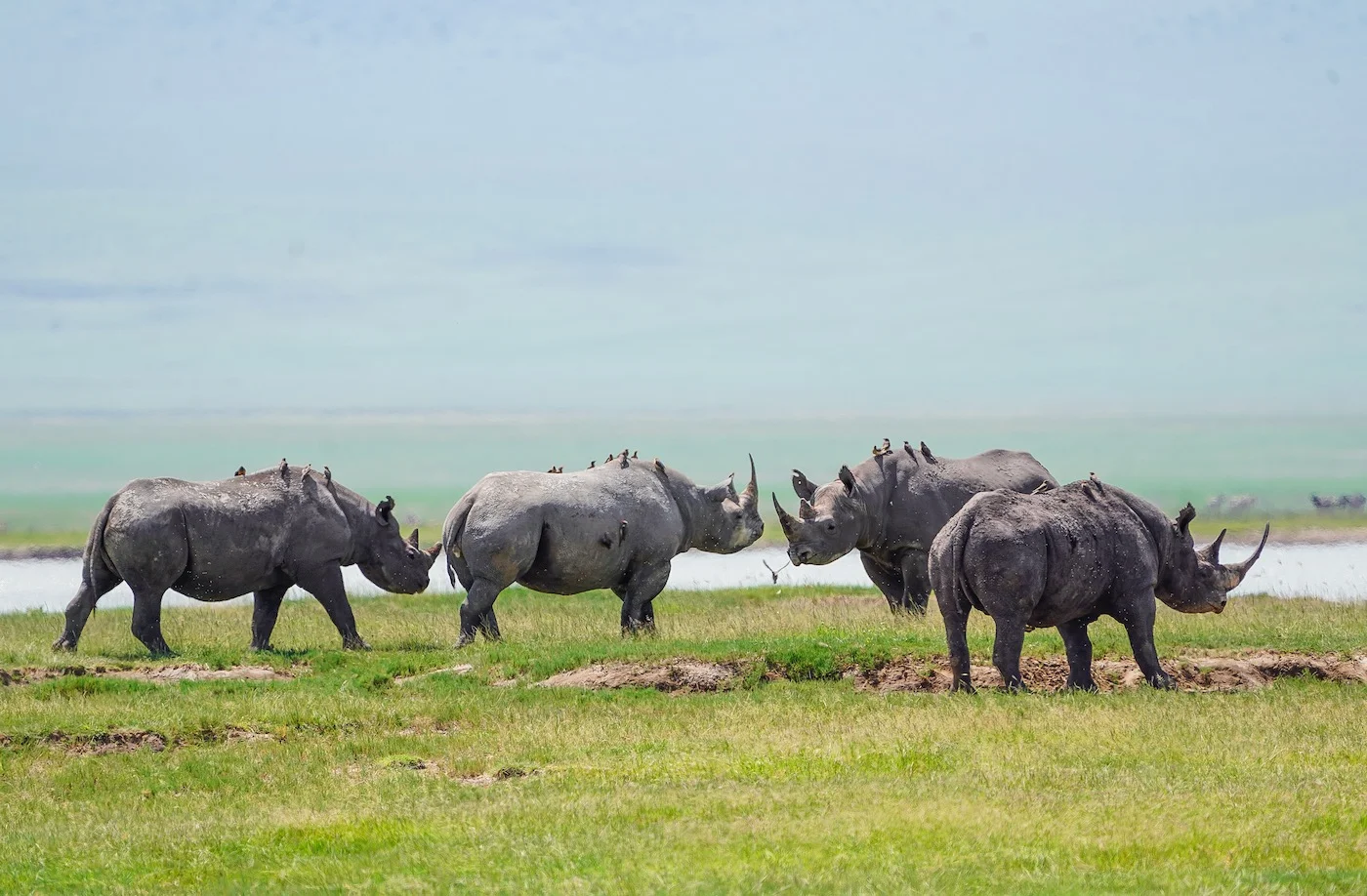
Join a hands-on conservation programme working to secure the future of the critically endangered black rhino in Tanzania. With fewer than 5,500 black rhinos left in the wild, every monitoring patrol, every data point collected, and every anti-poaching effort matters. Based at a working conservation station in the Ngorongoro Conservation Area or Mkomazi National Park, you'll work alongside professional conservationists and armed rangers on daily monitoring patrols. Using GPS tracking, camera traps, and direct observation, you'll help build the population database that informs protection strategies. Activities vary by day and season but typically include: early-morning tracking patrols to locate and identify individual rhinos by horn shape and ear notches; camera-trap deployment and data retrieval; habitat assessment walks measuring vegetation health; community engagement sessions with local villages on coexistence strategies; and evening data entry and analysis with the research team. No prior conservation experience is required — the team provides full training on identification techniques, data recording methods, and field safety protocols. What you need is enthusiasm, reasonable fitness, and a genuine interest in making a difference. Participants receive a conservation certificate and a detailed report on their contribution to the programme. A minimum three-day commitment is required to provide meaningful impact, though most participants stay for five to seven days.
Experience Highlights
What's Included
Not Included
Quick Facts
Experience Details
Everything you need to know about this experience
Requirements
- Conservation interest
- Basic fitness
- Commitment to guidelines
- Minimum 3-day participation
Requirements & Safety
Important information for a safe and enjoyable experience
Age Requirements
Minimum age: 18 years
Difficulty Level
Moderate fitness level recommended. Some walking or physical activity involved.
Group Size
Maximum 6 participants per group for an intimate experience.
Safety Information
All experiences are led by trained professionals with full safety briefings provided. Our guides are equipped to handle any situation that may arise.
Guest Reviews
See what our guests say about this experience
Every rating above is published by the platform itself — follow the links to verify.
Your adventure is waiting
Get in touch with our specialists to customize this experience and secure your booking.
Rhino Conservation Project
3–7 days · moderate level
Rhino Conservation Project: Frequently Asked Questions
Where is the Rhino Conservation Project based in Tanzania?
The programme is based at a working conservation station in the Ngorongoro Conservation Area or Mkomazi National Park. You work alongside professional conservationists and armed rangers on daily monitoring patrols.
Do I need prior conservation or wildlife experience to take part?
No prior conservation experience is required. The team provides full training on rhino identification techniques, data recording methods, and field safety protocols, so you only need enthusiasm, reasonable fitness, and a genuine interest in making a difference.
What activities will I actually do during the rhino conservation programme?
Activities vary by day and season but typically include early-morning tracking patrols to locate and identify individual rhinos by horn shape and ear notches, camera-trap deployment and data retrieval, habitat assessment walks, community engagement sessions, and evening data entry and analysis with the research team.
How many days do I need to commit to the Rhino Conservation Project?
A minimum three-day commitment is required to provide meaningful impact, though most participants stay for five to seven days. Ecological Wilderness Adventure can help tailor the length of your involvement on request.
Will I receive anything to show for my participation?
Yes. Participants receive a conservation certificate and a detailed report on their contribution to the programme.
Is this project specifically about black rhino conservation?
Yes. The programme works to secure the future of the critically endangered black rhino in Tanzania, where fewer than 5,500 black rhinos remain in the wild. Your monitoring patrols, data collection, and anti-poaching support all contribute to that protection effort.