RuahaNational Park
Covering more than 20,226 square kilometers in south-central Tanzania, Ruaha National Park is the country’s second-largest national park, after Nyerere and one of East Africa’s wil…
Last updated:
Ruaha National Park
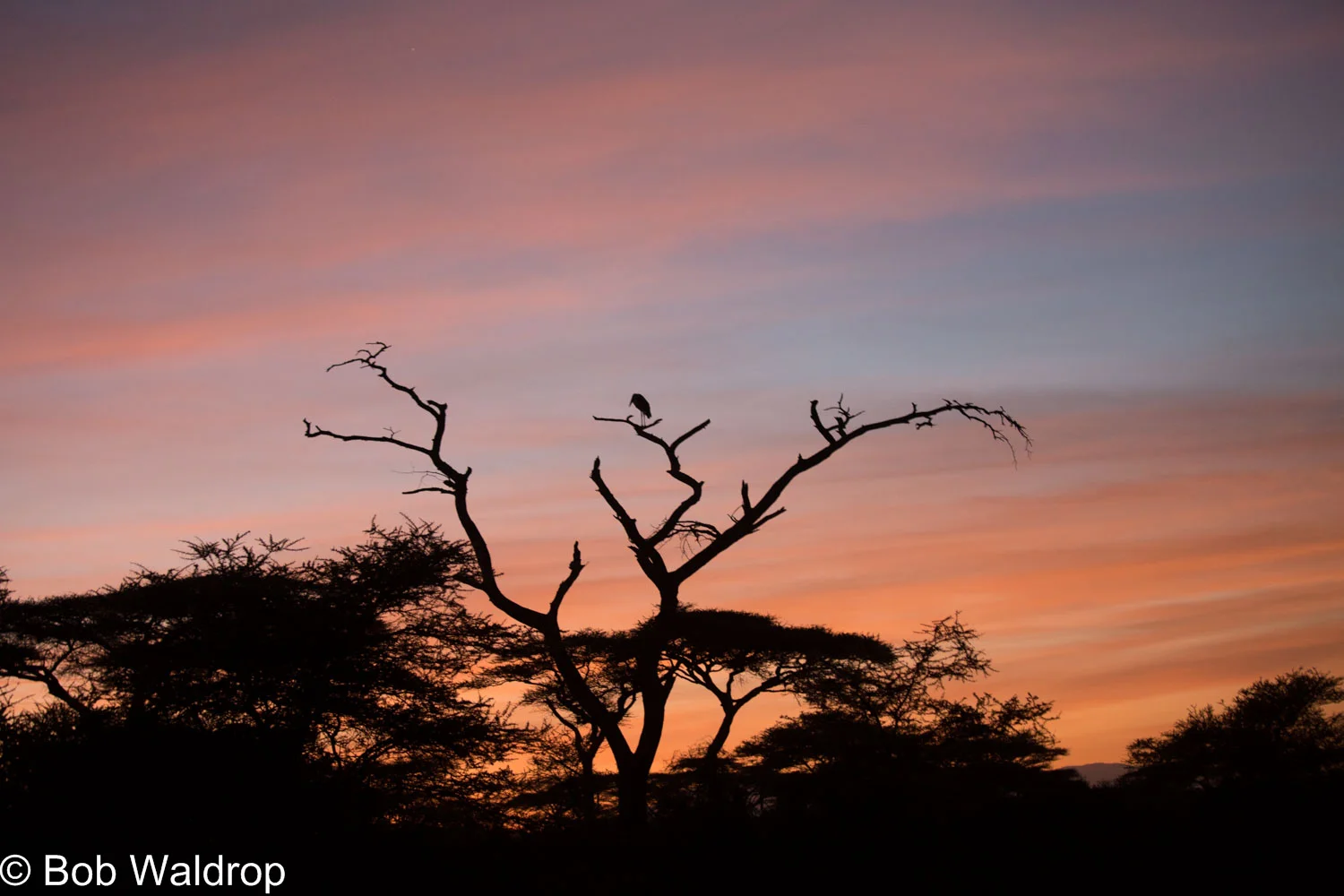
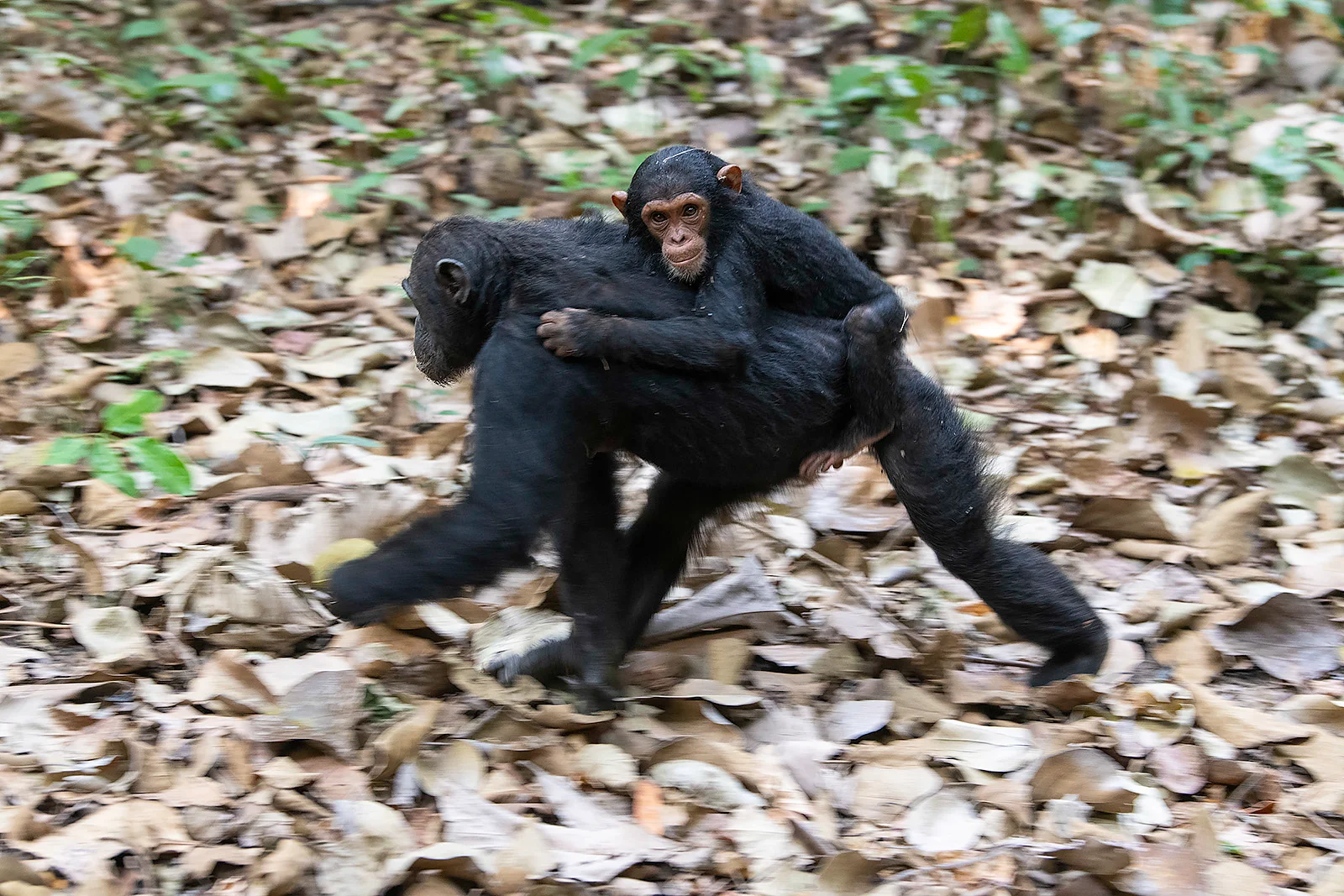
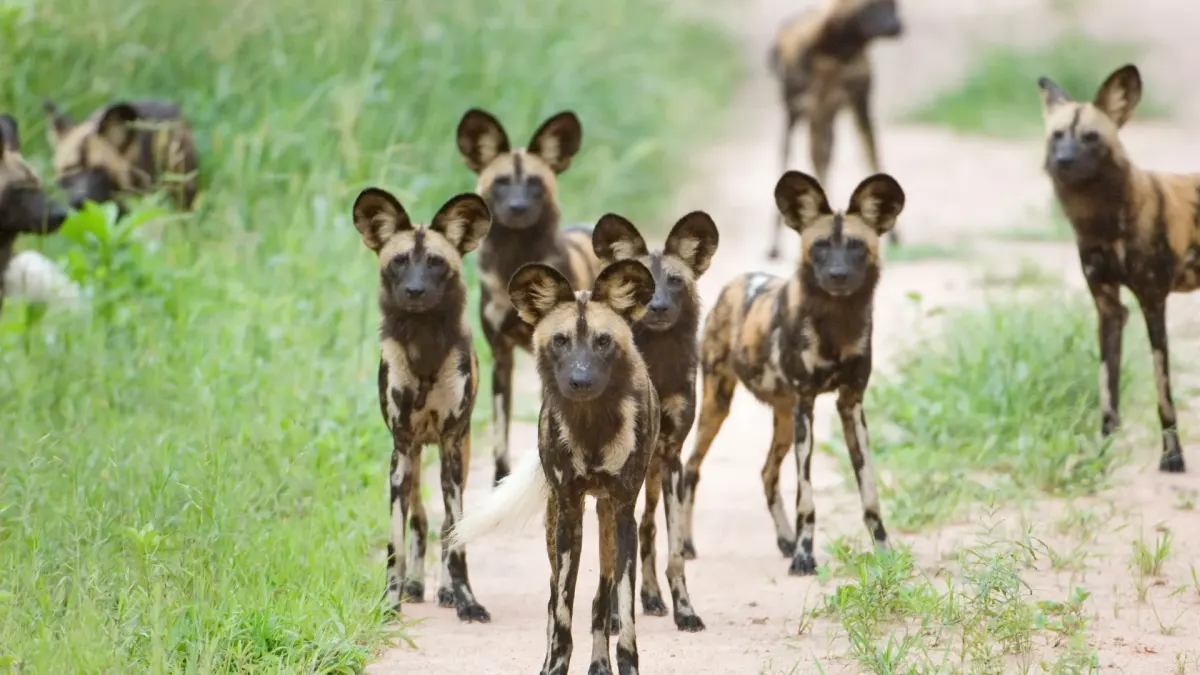
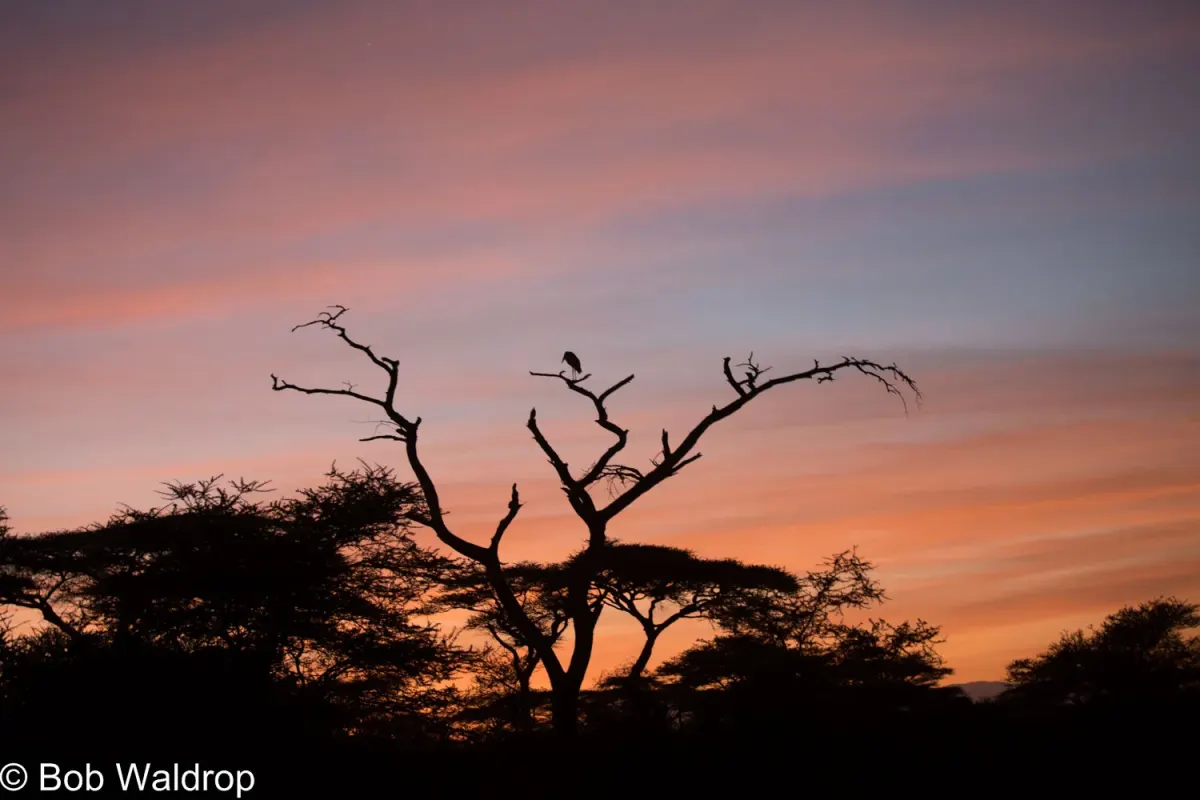
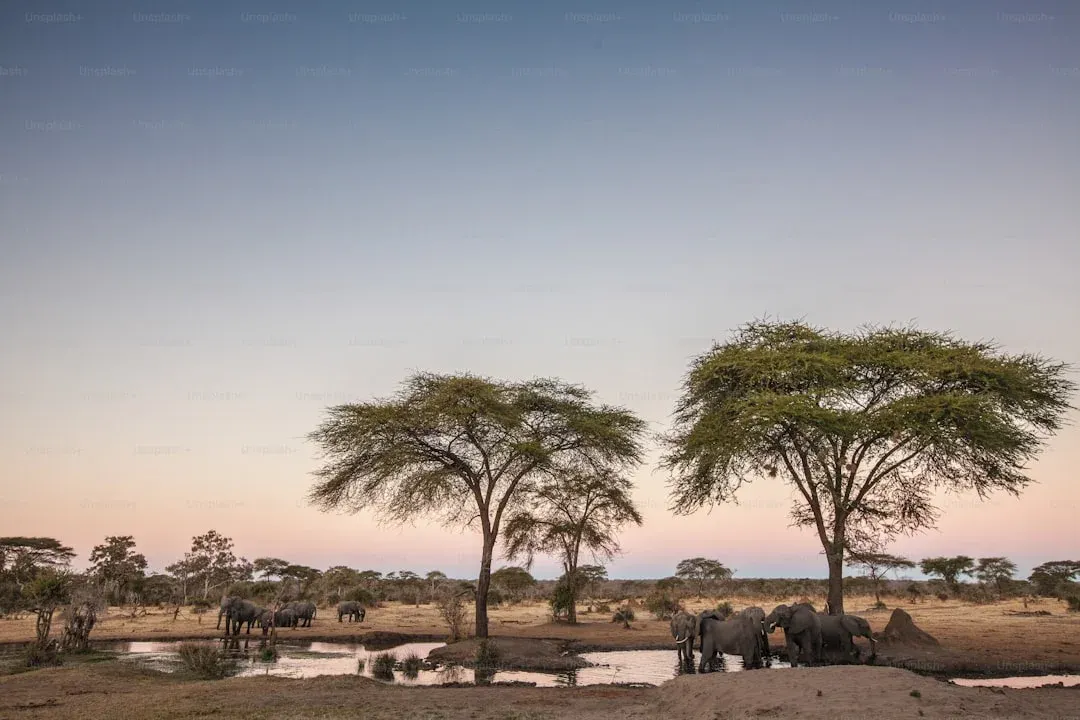
Covering more than 20,226 square kilometers in south-central Tanzania, Ruaha National Park is the country’s second-largest national park, after Nyerere and one of East Africa’s wildest, least-crowded safari spots. Named after the Great Ruaha River along its southeastern edge, this rugged landscape sits where open acacia savannas meet southern miombo woodlands, scattered with giant baobabs and rocky granite hills. Ruaha holds one of Tanzania’s largest elephant populations, which gathers along dry sandy riverbeds between June and October alongside buffaloes, giraffes, hippos, and rarer antelopes like sable, roan, and both greater and lesser kudus. With very few vehicles around, Ruaha rivals the Serengeti for predator sightings, home to large prides of lions, leopards tucked into riverine trees, cheetahs, and packs of endangered African wild dogs. Over 570 bird species live here too, and small riverside camps let you head out on guided walking safaris and night drives. Reached easily by bush flight from Dar es Salaam, Arusha, or Nyerere, Ruaha gives you raw, unhurried wilderness in southern Tanzania.
Ruaha suits travellers who have already seen the northern parks, or who want a big wilderness without the crowds. Most visitors fly in. Bush flights from Dar es Salaam, Arusha and Nyerere land at Msembe airstrip near the park headquarters. By road, the park is about 130 km west of Iringa, mostly on gravel, and the drive takes most of a morning.
The game gathers along the Great Ruaha River and the sand rivers that feed it, the Mwagusi among them. From June to October the pools shrink, and elephant, buffalo and kudu come down to drink, with lion and wild dog close behind. The green season, from December to April, spreads the animals out, but the bush turns lush, migrant birds arrive and the light is beautiful for photography.
Plan at least three nights. The park is huge and the drives are long, and the best sightings often come on the second or third day, once your guide has worked out where the prides are hunting.
June to November for dry season; best August to October
Semi-arid savanna, hot days (30-35°C) and cool nights
TZ, Southern Tanzania
Plan Your Visit
Ready to explore Ruaha National Park? Our experts craft bespoke itineraries tailored to your travel dates and interests.
Browse Safari ToursGet a Custom QuoteWildlife & Activities
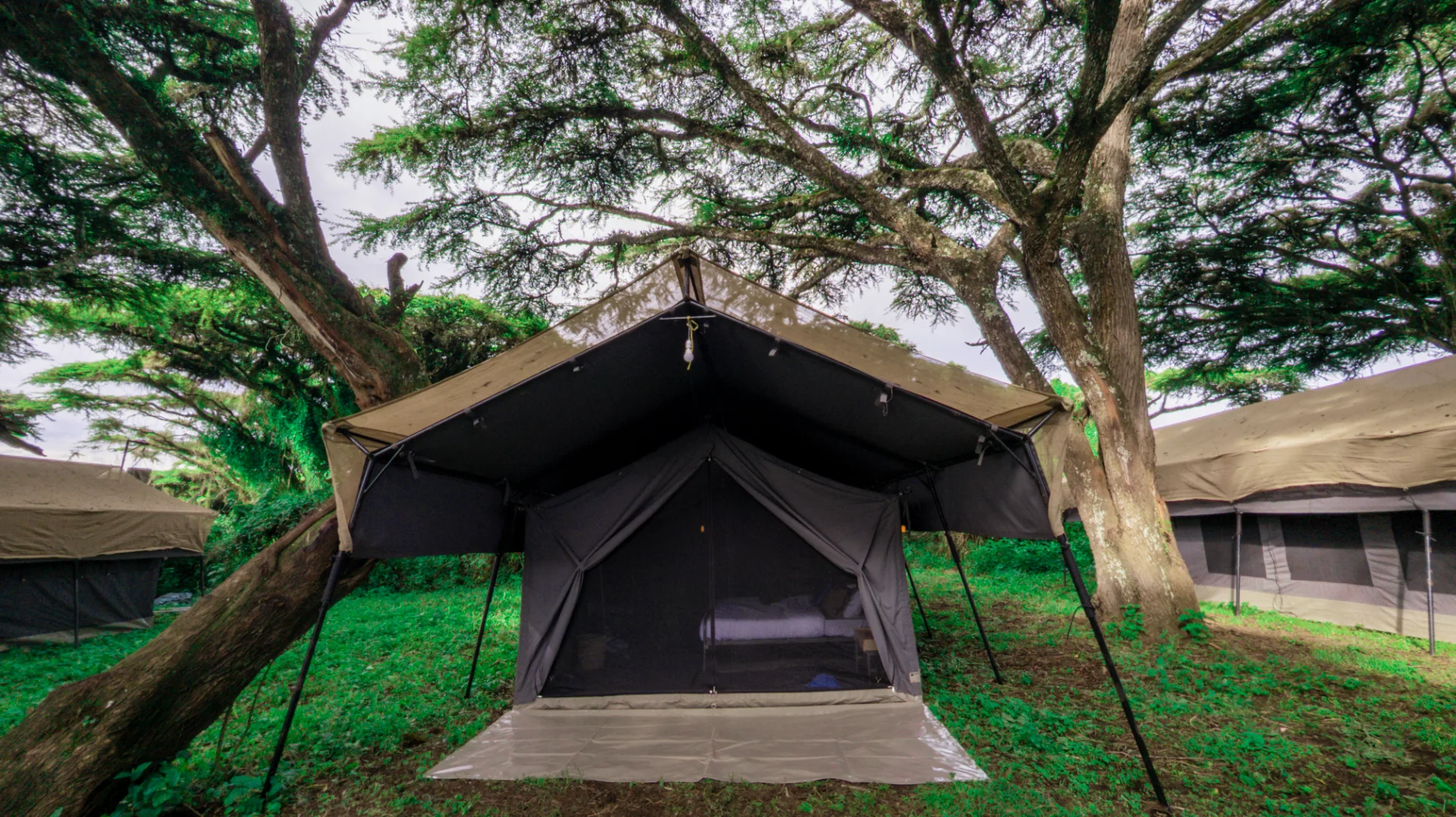
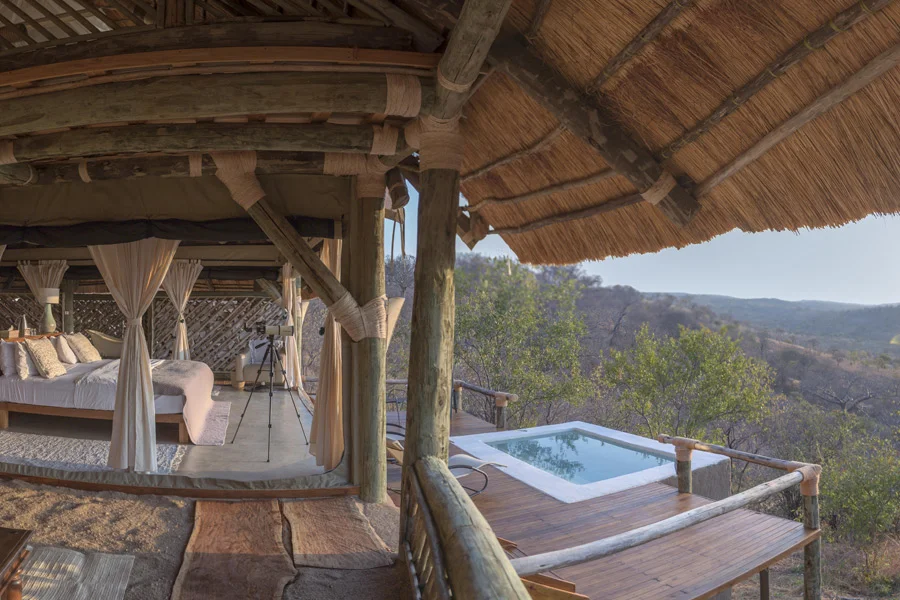
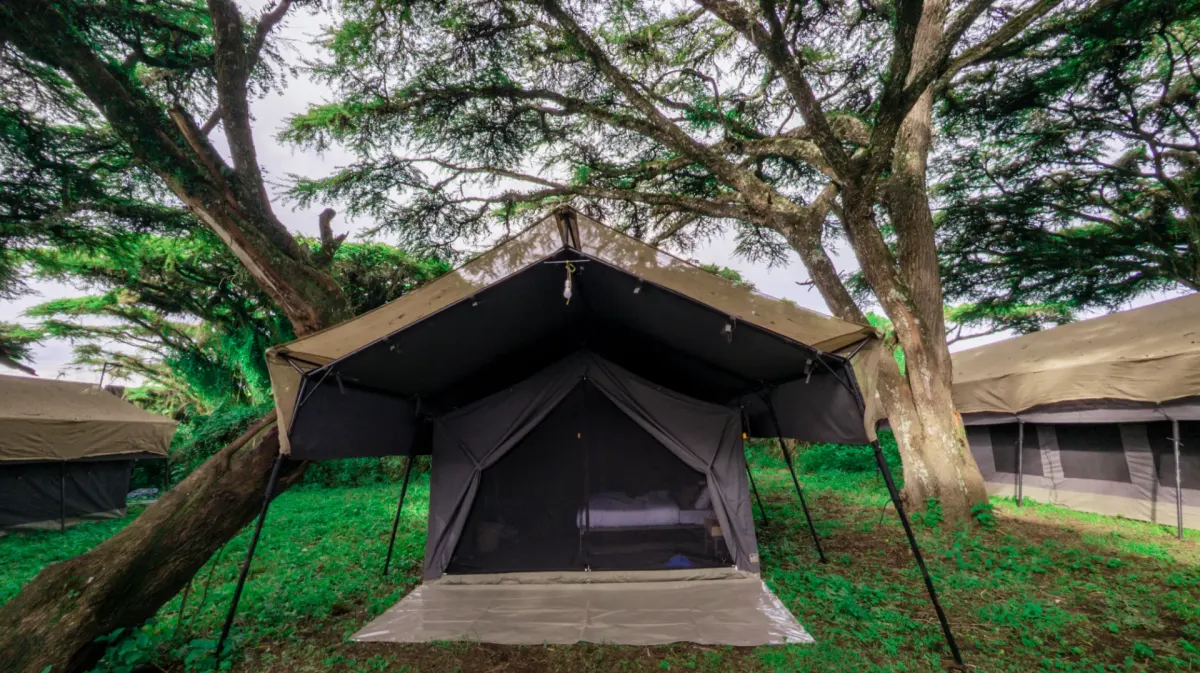
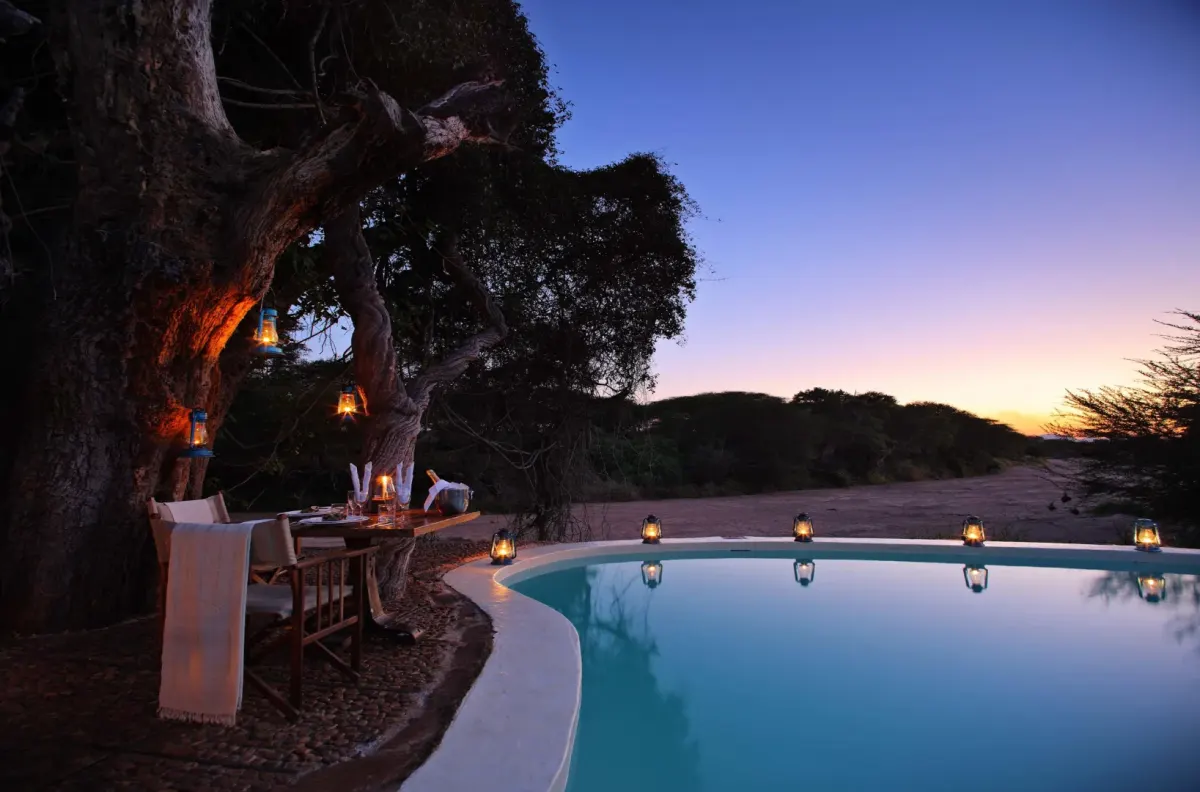
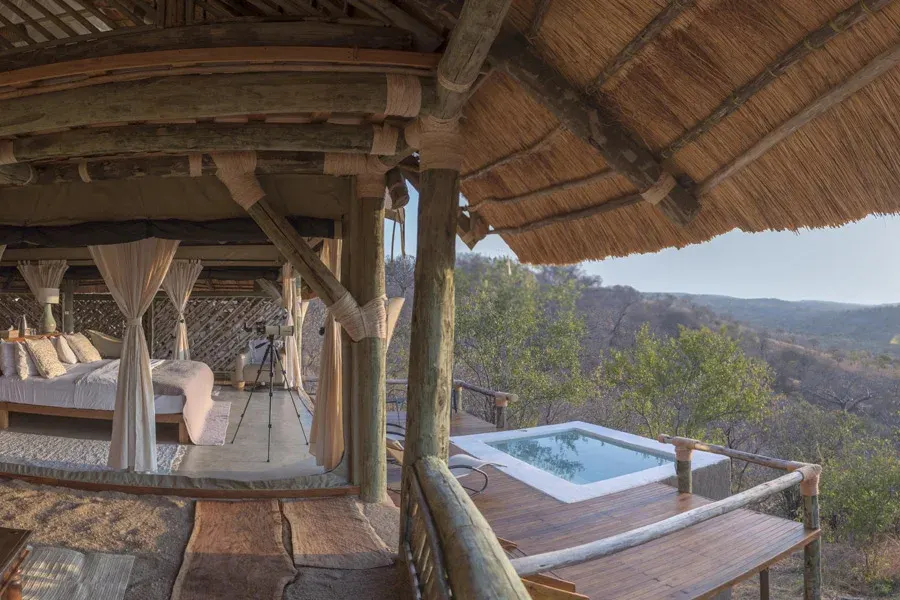
Exceptional Lodges
Hand-curated properties ranging from intimate tented camps to landmark lodges — chosen for extraordinary service and unrivalled wildlife access.
Safari Tours
Through the Lens
Nearby Destinations
Ruaha National Park is waiting for you
Begin your African adventure with expert-guided safaris tailored to your interests.
Ruaha National Park: Frequently Asked Questions
Where is Ruaha National Park and how do travelers get there?
Ruaha sits in southern Tanzania, roughly 130 km west of Iringa, and is the country's largest national park. Most guests fly in on light aircraft from Dar es Salaam or Arusha, while road access runs through Iringa; Ecological Wilderness Adventure can build the flights or road transfers into your itinerary.
What wildlife can I expect to see in Ruaha?
Ruaha holds Tanzania's largest elephant population and offers some of the best predator sightings outside the Serengeti, including lion, leopard, cheetah and African wild dog. The park is also known for both greater and lesser kudu and for birdlife numbering well over 500 species.
When is the best time of year to visit Ruaha?
The dry season from roughly June through October concentrates wildlife along the Great Ruaha River and makes animals easier to find. The greener months still offer good game viewing with lush scenery and far fewer vehicles, so it depends whether you prioritize peak sightings or solitude.
How is Ruaha different from the Serengeti or Ngorongoro Crater?
Ruaha is a remote southern-circuit park with rugged baobab-studded savanna and a fraction of the visitor numbers found in the northern parks. It has no wildebeest migration, but its elephant herds and predator viewing are the draw.
How many days should I plan for Ruaha?
Most travelers find three to four nights gives enough time to explore the Great Ruaha River areas and surrounding savanna without rushing. Because Ruaha is large and distances between game-drive areas are real, a slightly longer stay usually rewards you with more varied sightings.
Can Ruaha be combined with other parks in one Tanzania safari?
Yes, Ruaha pairs naturally with other southern destinations such as Nyerere National Park and Mikumi, and can also be linked to the northern circuit by scheduled light aircraft. Ecological Wilderness Adventure can tailor a route and quote it on request.