Why does this birding safari depart in late October?
+
The 26 October 2026 departure brings you to northern Tanzania as the short rains approach, when migrant birds from Europe and Asia start arriving to join the resident species. That mix of residents and new arrivals makes it a rewarding time for a long list. The seasonal wetlands around Ndutu and the soda lakes of Manyara and Natron widen it further.
What birds can I expect along the Mara River?
+
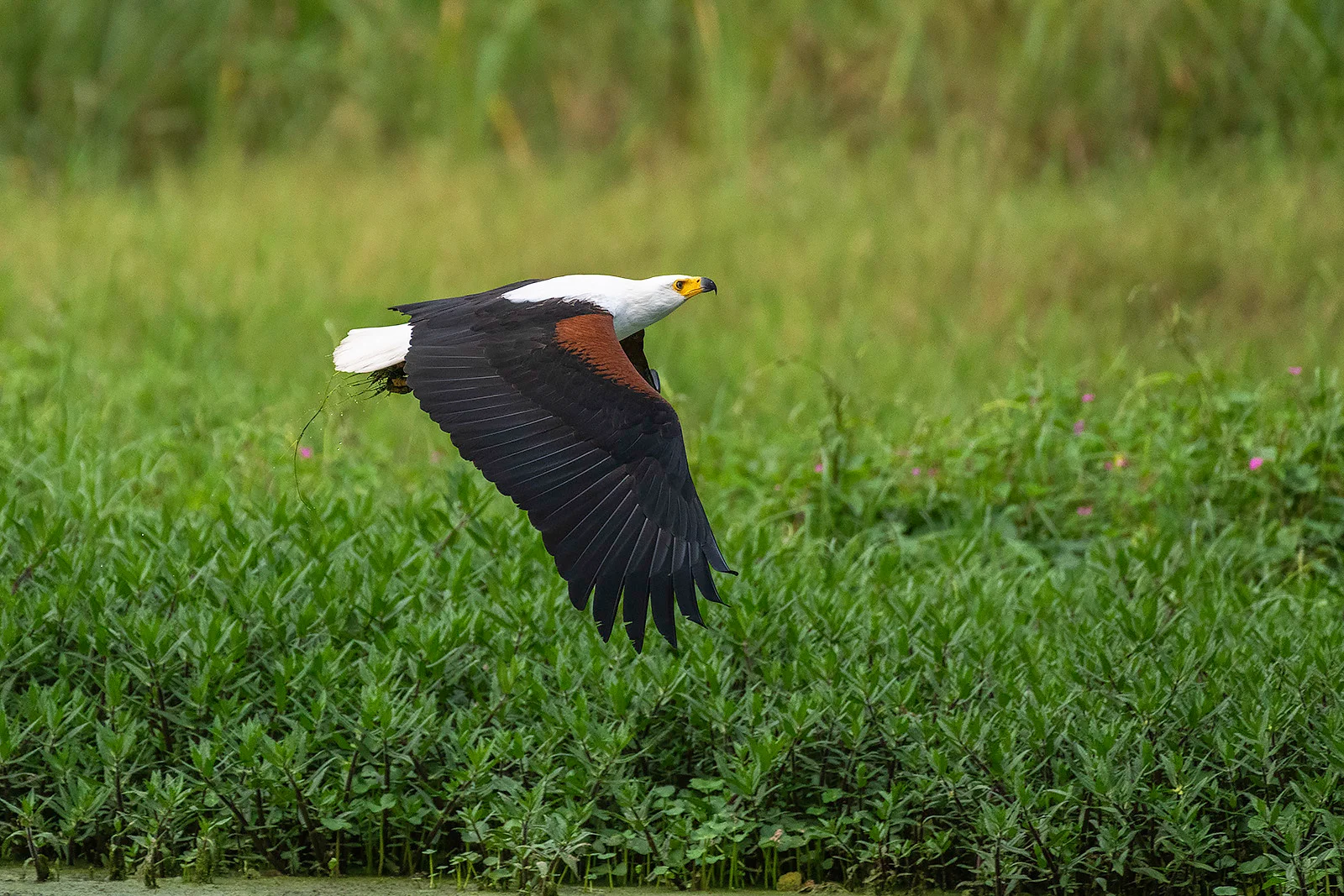
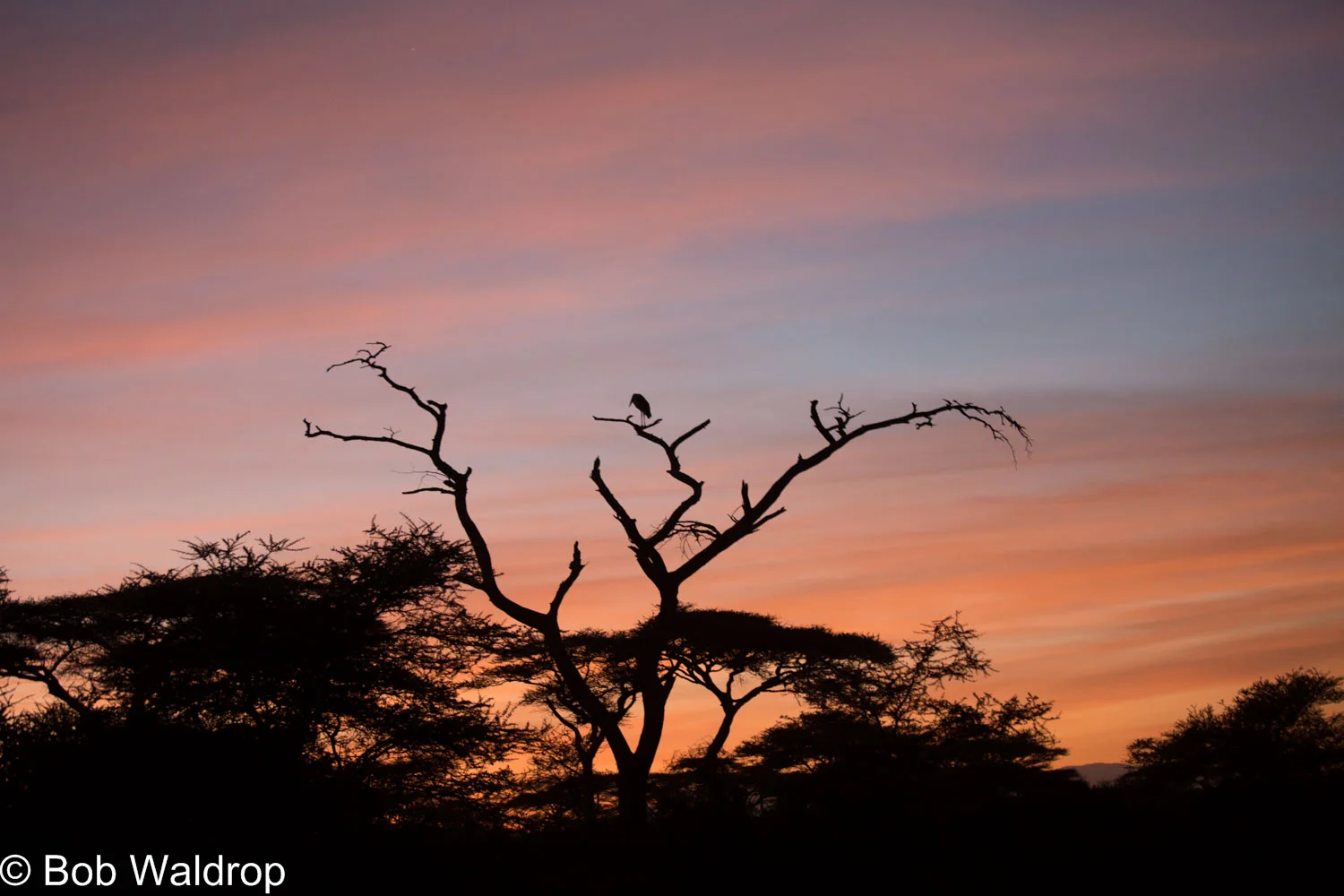
The Mara River section, three nights at Savannah Mara River Camp, concentrates on waterbirds and raptors. Species to look for include saddle-billed storks, African jacanas, fish eagles, kingfishers and bee-eaters, with kori bustards, ostriches and lilac-breasted rollers on the surrounding plains. Morning and afternoon birding drives are split by lunch back at camp.
Where will we see flamingos on this trip?
+
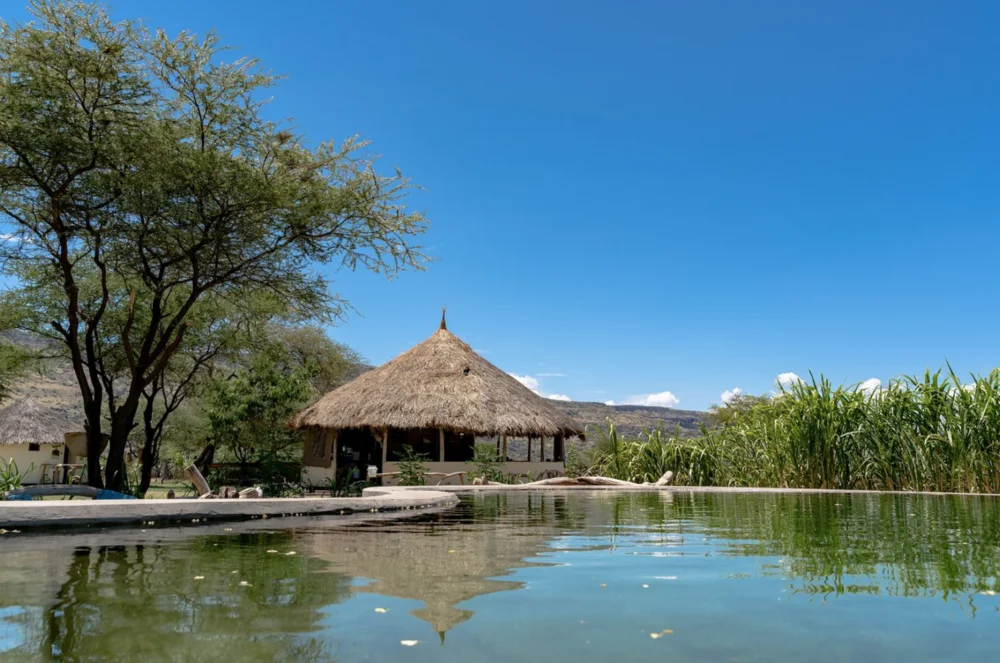
Flamingos can turn up at several stops: on the lake inside Ngorongoro Crater, at Lake Manyara alongside pelicans and spoonbills, and above all at Lake Natron, where you look for lesser flamingos on their breeding grounds. At Natron you stay two nights at Maasai Giraffe Eco Lodge, with guided birding walks along the lake and the option of nearby waterfalls or a Maasai village.
What are the lodges and camps like on this route?
+
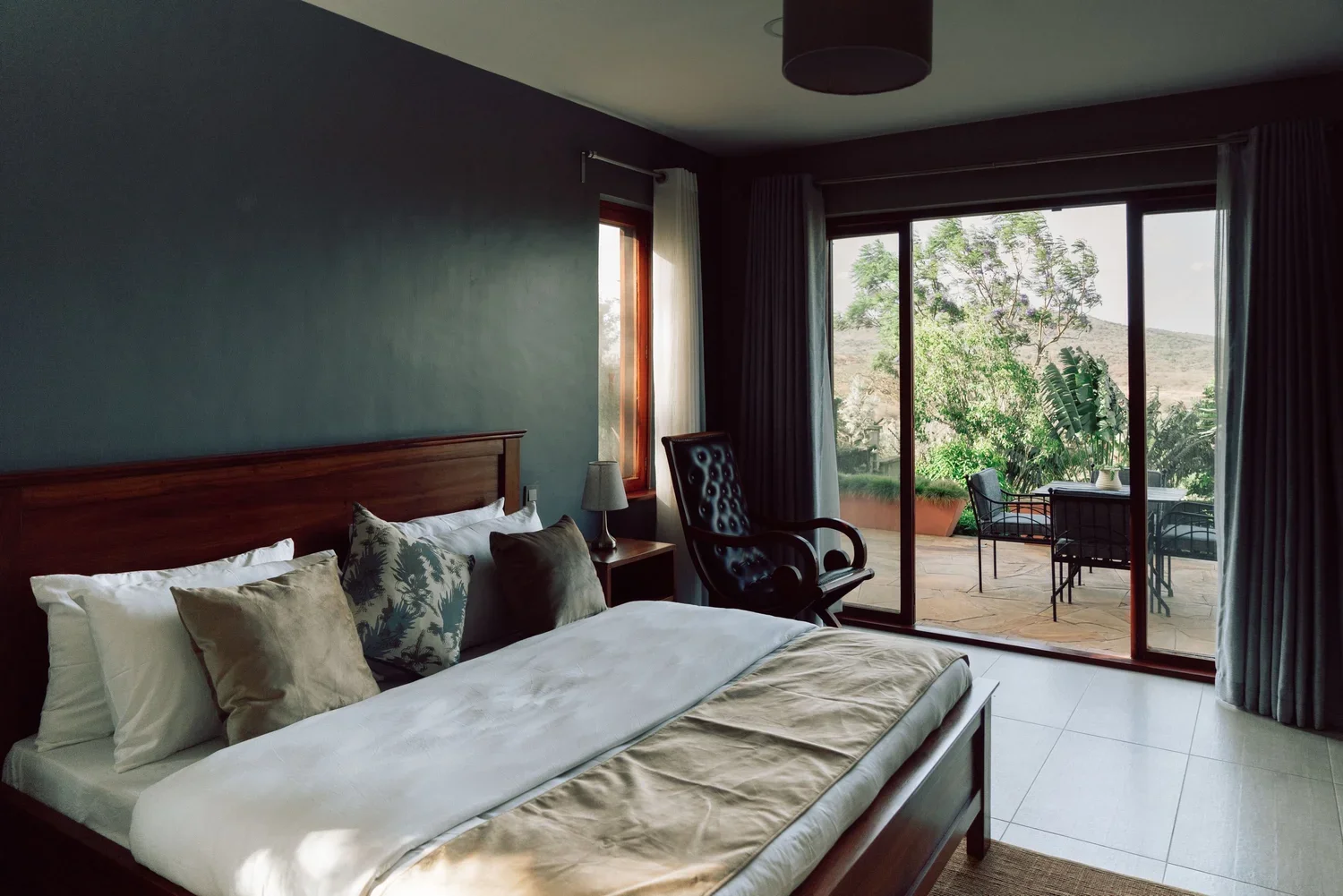
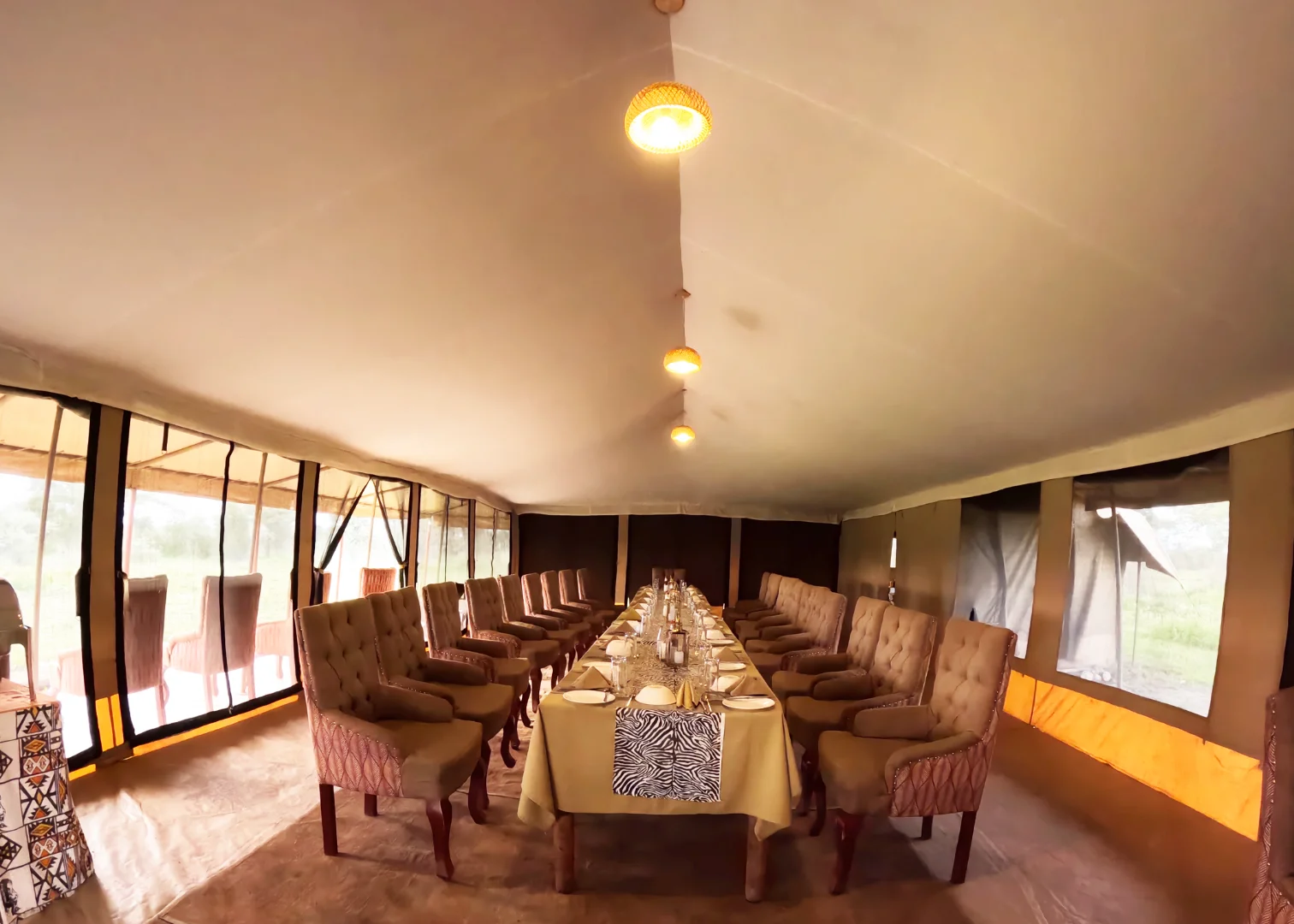
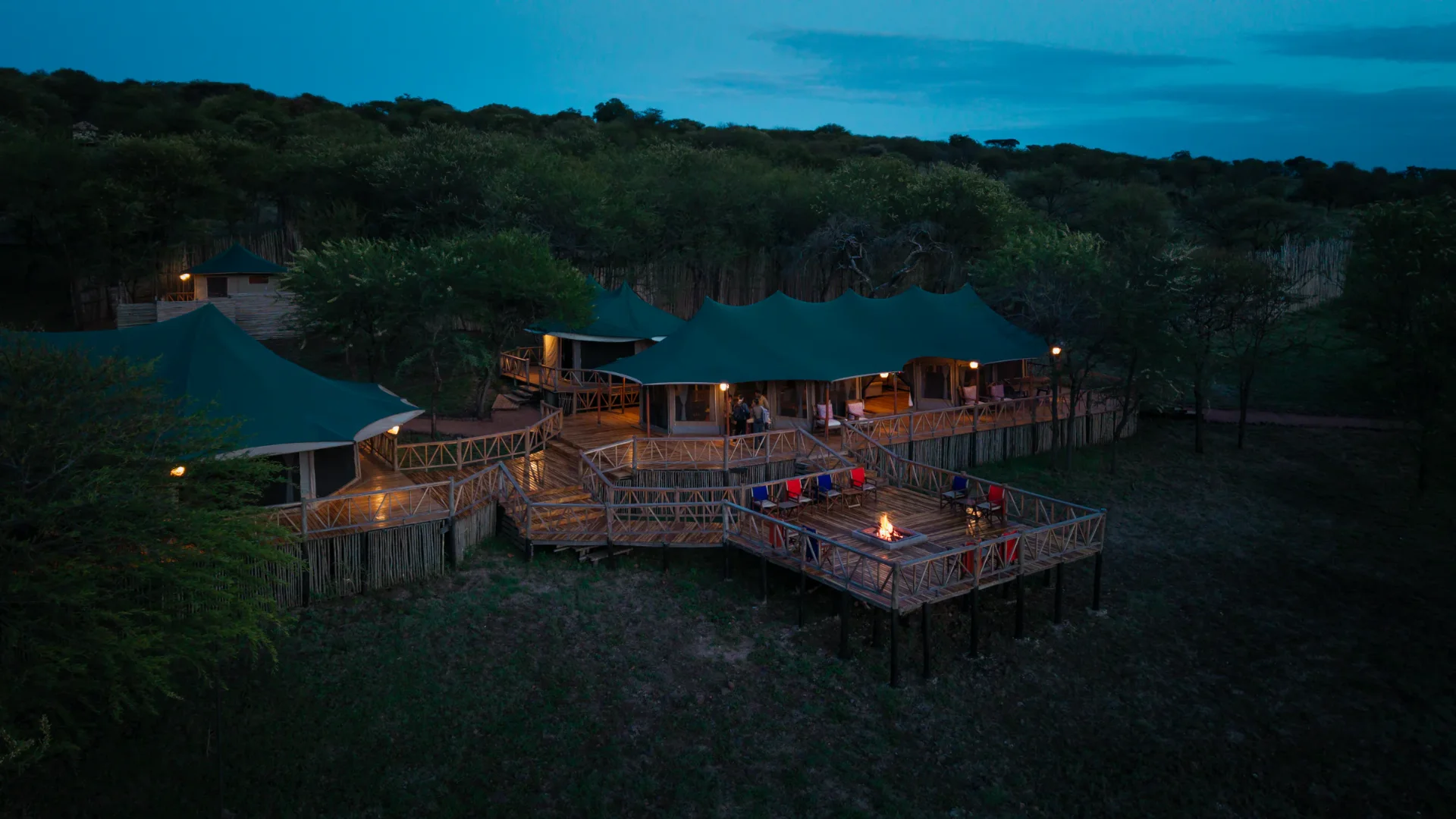
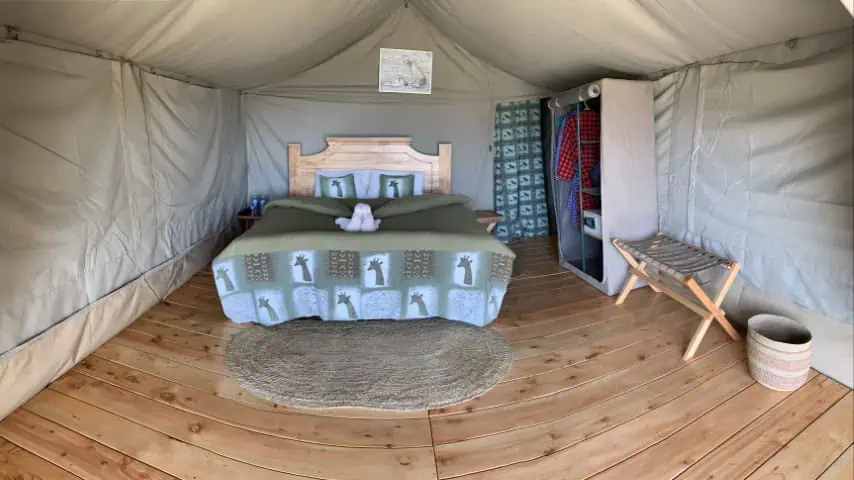
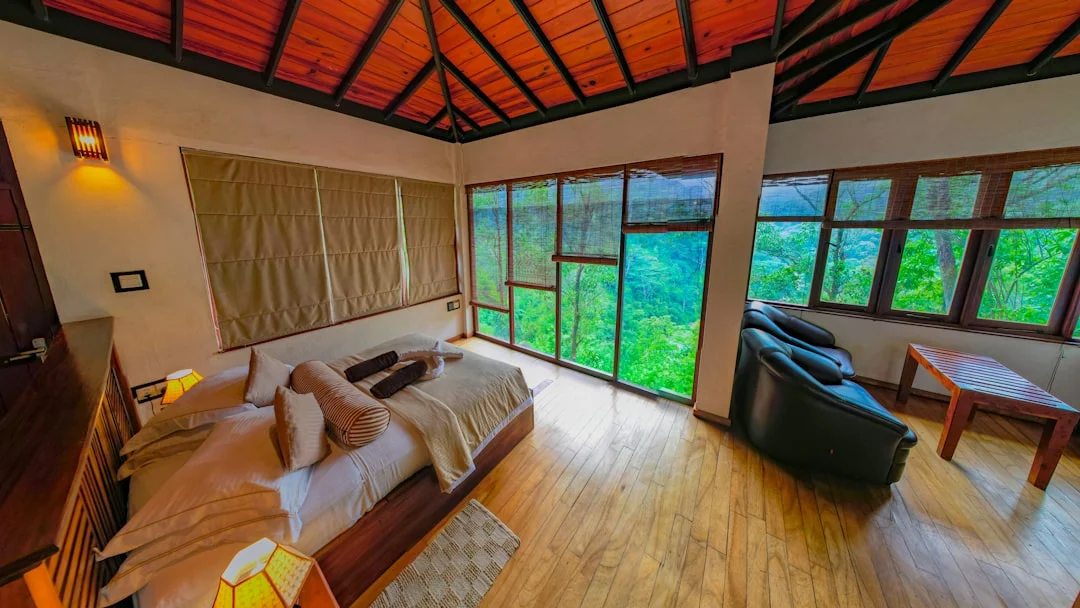
A mix of camps and lodges: The Scenery Residence in Arusha, Savannah Mara River Camp, Enkirari Wilderness Camp, Ndutu Safari Lodge, Ngorongoro Kuhama Camp, Tortilis Camp Manyara, Maasai Giraffe Eco Lodge, Osiligilai Maasai Lodge and Ngare Sero Mountain Lodge. Most stops get two or three nights, so you unpack less and spend more time birding.
What birding is there in the Central Serengeti and Ndutu?
+
The Central Serengeti, based at Enkirari Wilderness Camp, is good for grey-crowned cranes, tawny eagles and other raptors, then smaller songbirds and ground birds on afternoon drives, often with lions resting nearby. Ndutu Safari Lodge sits between woodland and open plains, so mornings target woodland species such as shrikes and harriers, and afternoons go to waterbirds at the seasonal lakes.
Are there walking and cultural activities as well as game drives?
+
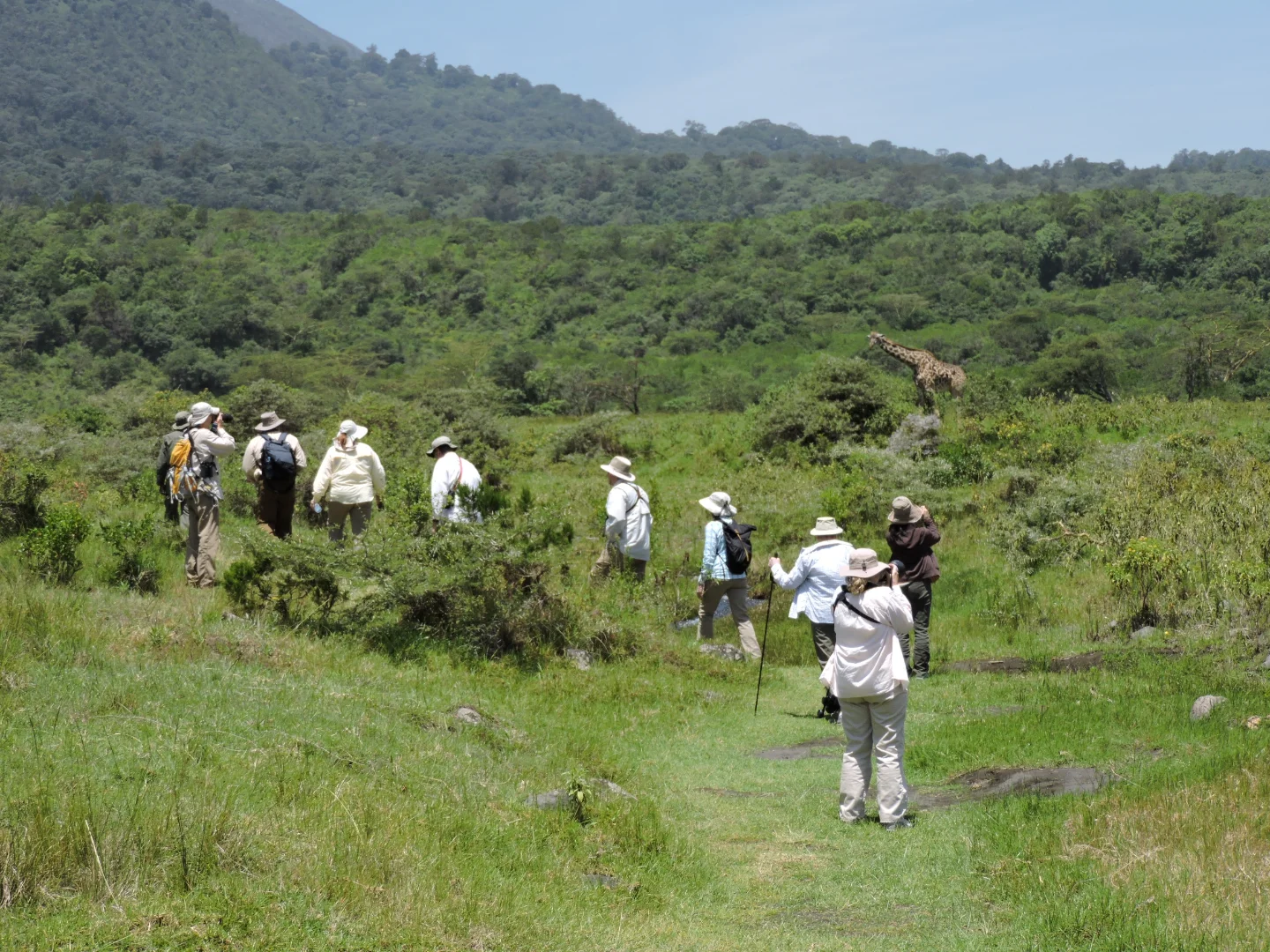
Yes. There's a cultural walking tour and market visit in Mto wa Mbu, guided birding walks on the Lake Natron shores, a guided nature walk in West Kilimanjaro, and relaxed birding walks around Ngorongoro Kuhama Camp and Ngare Sero Mountain Lodge. Time on foot helps with the smaller, skulking birds that are easy to miss from a vehicle.
Which forest birds can I find in Arusha National Park?
+
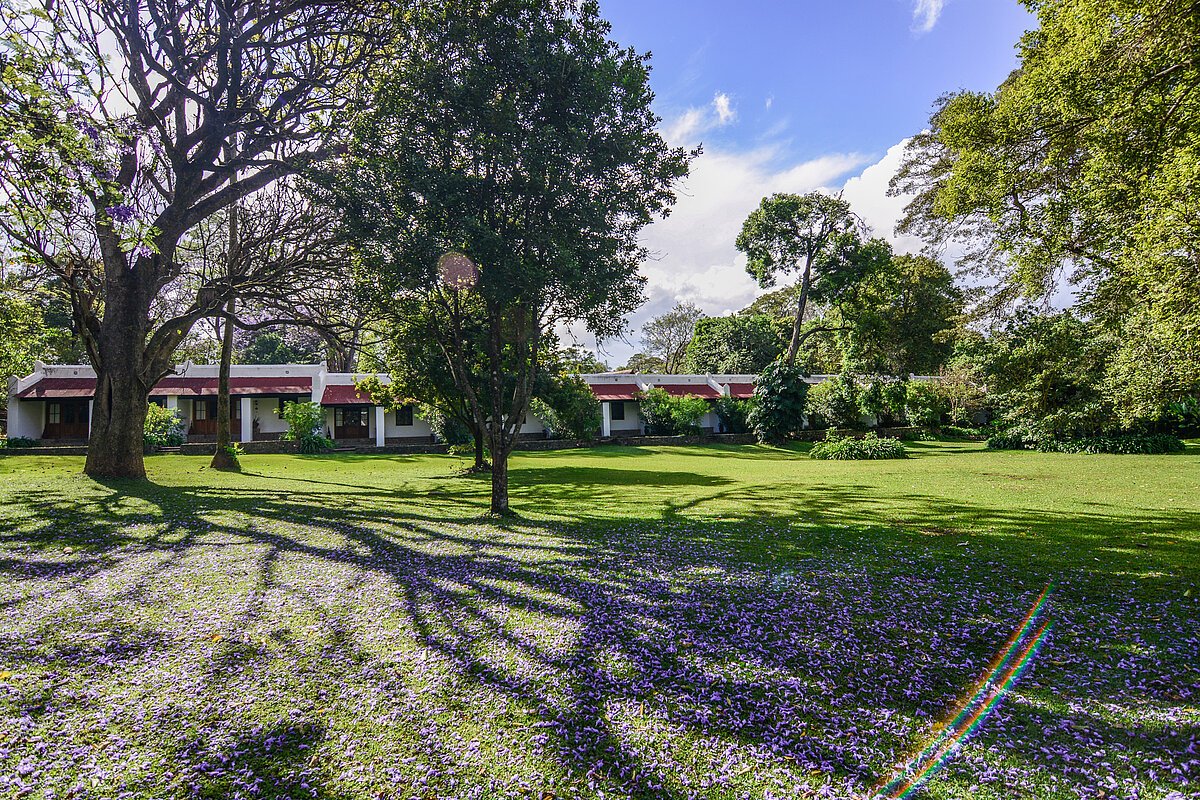
Your final full day is in Arusha National Park, where montane forest, crater lakes and open grassland sit close together. Look for turacos and trogons in the forest and waterbirds on the Momella Lakes, where you stop for a picnic lunch. The afternoon before, the grounds of Ngare Sero Mountain Lodge on the foothills of Mount Meru give you a first walk for forest species.
Can we tailor the route around our target species?
+
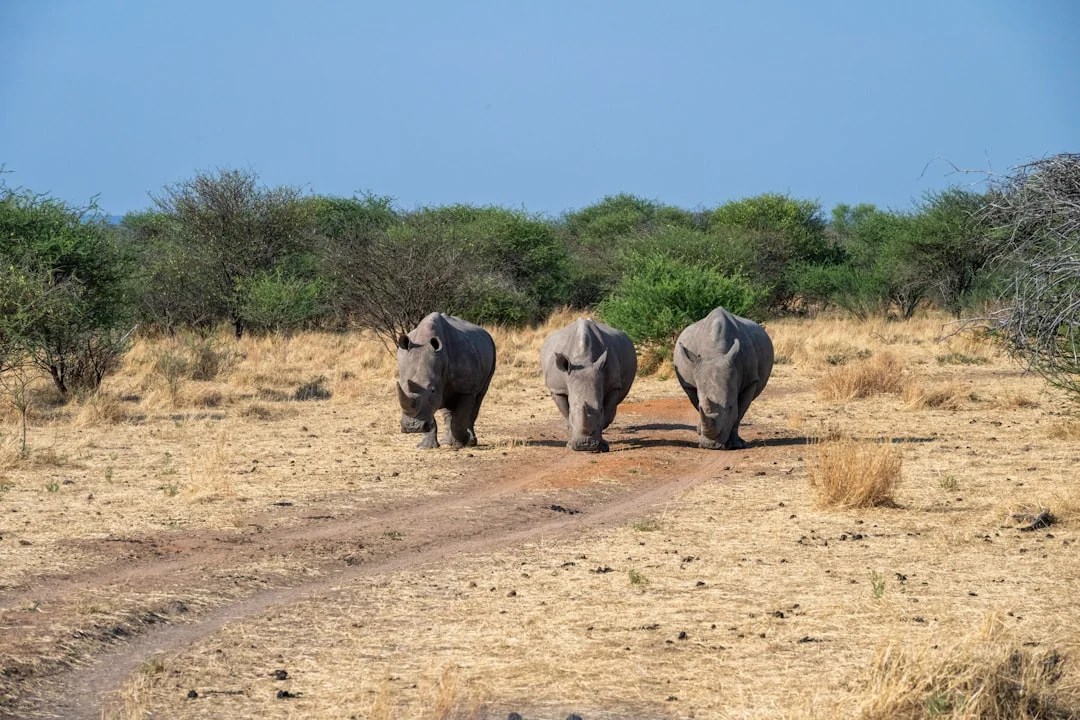
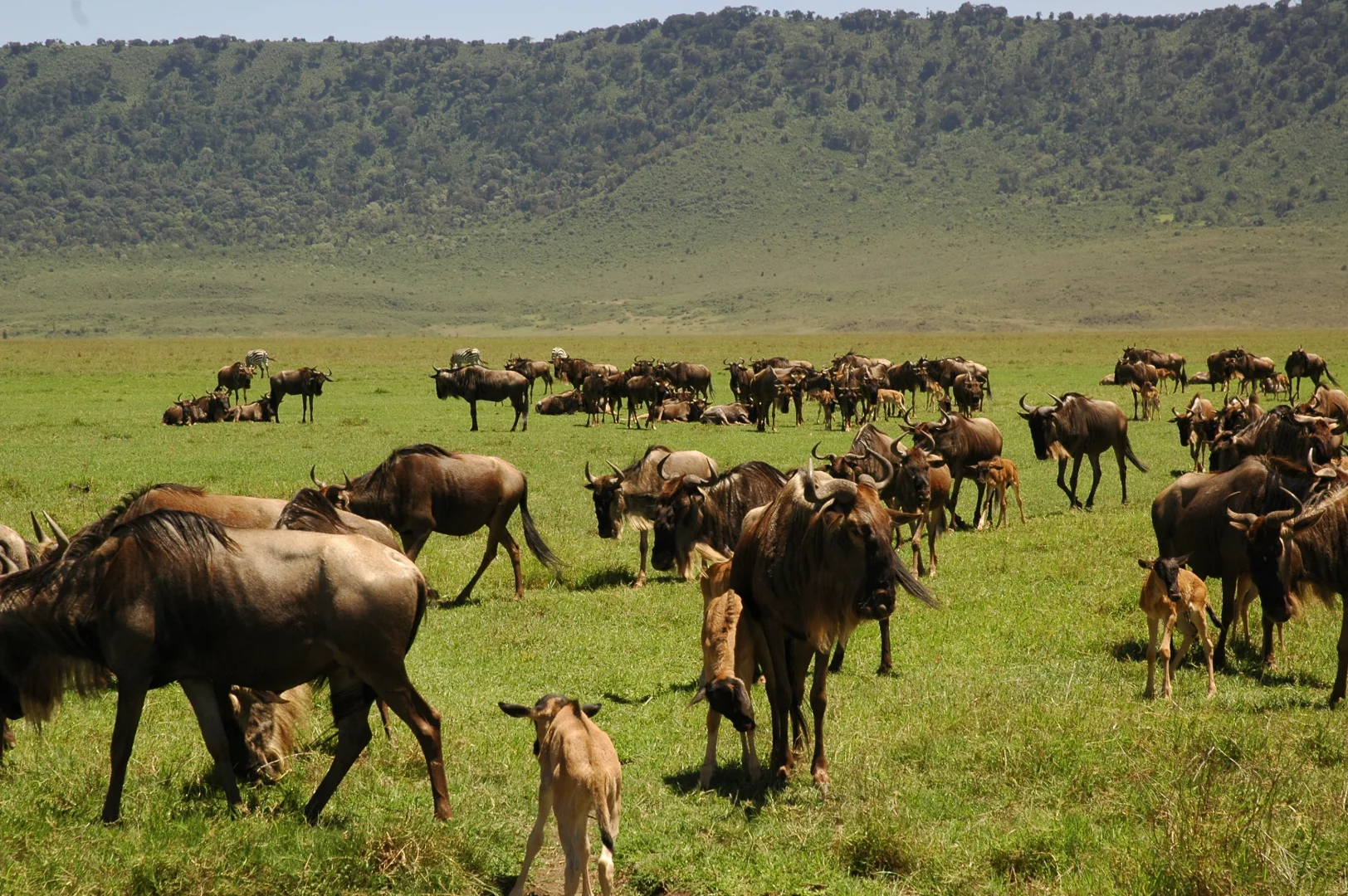
Yes. Send us your target list when you enquire and our Arusha team will reshape the time between habitats, for example more forest time around Arusha National Park or longer at the soda lakes. We can also shorten the route or run it privately for your own group. A non-birding partner still gets plenty of big game, including a full day in Ngorongoro Crater.
Where does the safari start and end?
+
It starts and ends at Kilimanjaro International Airport. We drive you to The Scenery Residence in Arusha for the first night and a briefing with your guide, then you fly to the Northern Serengeti on day two. After the last night at Ngare Sero Mountain Lodge you have a slow breakfast before the transfer back to the airport for your flight home.
How long is the 21-Day Northern Tanzania Birding Safari 2027?
+
The 21-Day Northern Tanzania Birding Safari 2027 is 21 days and 20 nights. The day-by-day itinerary on this page shows where you go and stay each day.
Which parks and places does the 21-Day Northern Tanzania Birding Safari 2027 visit?
+
This trip visits Northern Serengeti, Central Serengeti, Ndutu Area, Ngorongoro Crater, Mto wa Mbu, Lake Manyara National Park, Lake Natron, West Kilimanjaro and Arusha National Park.
How difficult is the 21-Day Northern Tanzania Birding Safari 2027?
+
It is rated moderate: a reasonable level of general fitness is enough.
What is the group size on the 21-Day Northern Tanzania Birding Safari 2027?
+
It runs for groups of 2 to 12 travellers.
How much does the 21-Day Northern Tanzania Birding Safari 2027 cost?
+
Prices start from USD 12,850 per person. The final price depends on your travel dates and group size.
What is included in the 21-Day Northern Tanzania Birding Safari 2027?
+
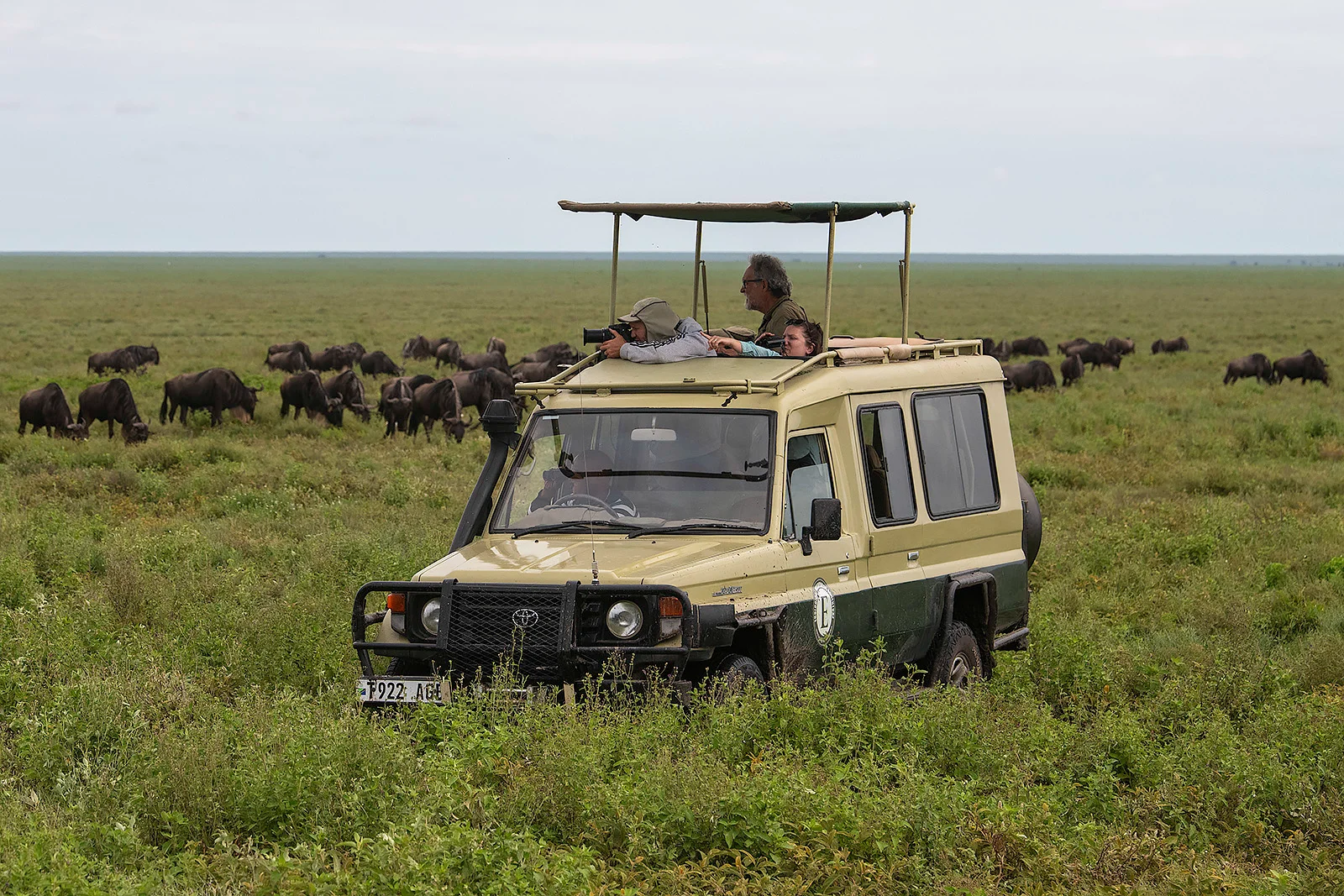
Included: Full board accommodation at handpicked lodges and camps, All game drives in 4x4 safari vehicles with pop-up roofs, Professional English-speaking safari guide, Park entry fees for all national parks and conservation areas, Ngorongoro Crater descent fee, Bottled water during game drives, Cultural walk at Mto wa Mbu and All transfers and transportation, and more (see the full list on this page).
What is not included in the 21-Day Northern Tanzania Birding Safari 2027?
+
Not included: International flights, Visa fees, Travel insurance (recommended), Alcoholic beverages, Tips and gratuities for guide and lodge staff, Personal items and souvenirs, Optional activities not mentioned in itinerary and Additional meals and drinks outside of full board.