Kilimanjaro Region
Rising in northern Tanzania near the Kenyan border, the region surrounding Mount Kilimanjaro forms a lush, fertile world at the foot of Africa’s highest peak. Long before climbers …
Last updated:
Kilimanjaro Region
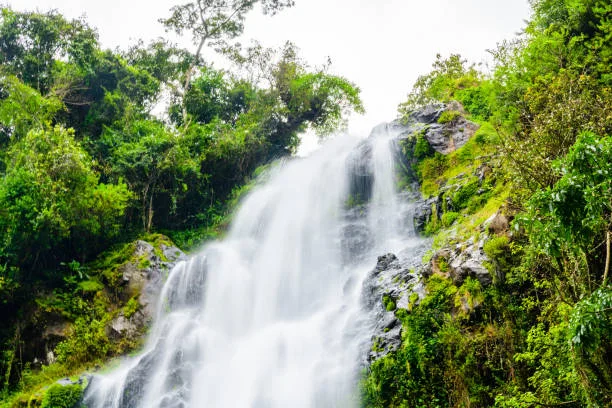
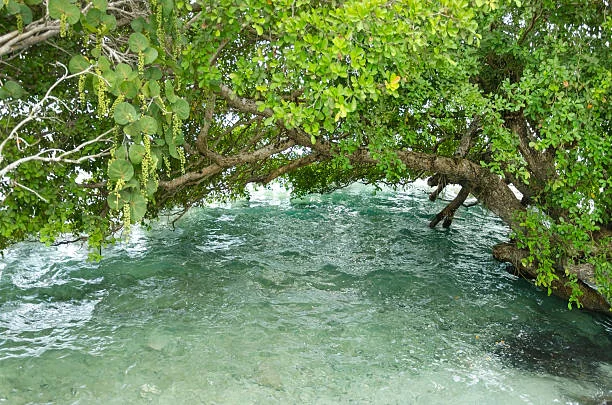
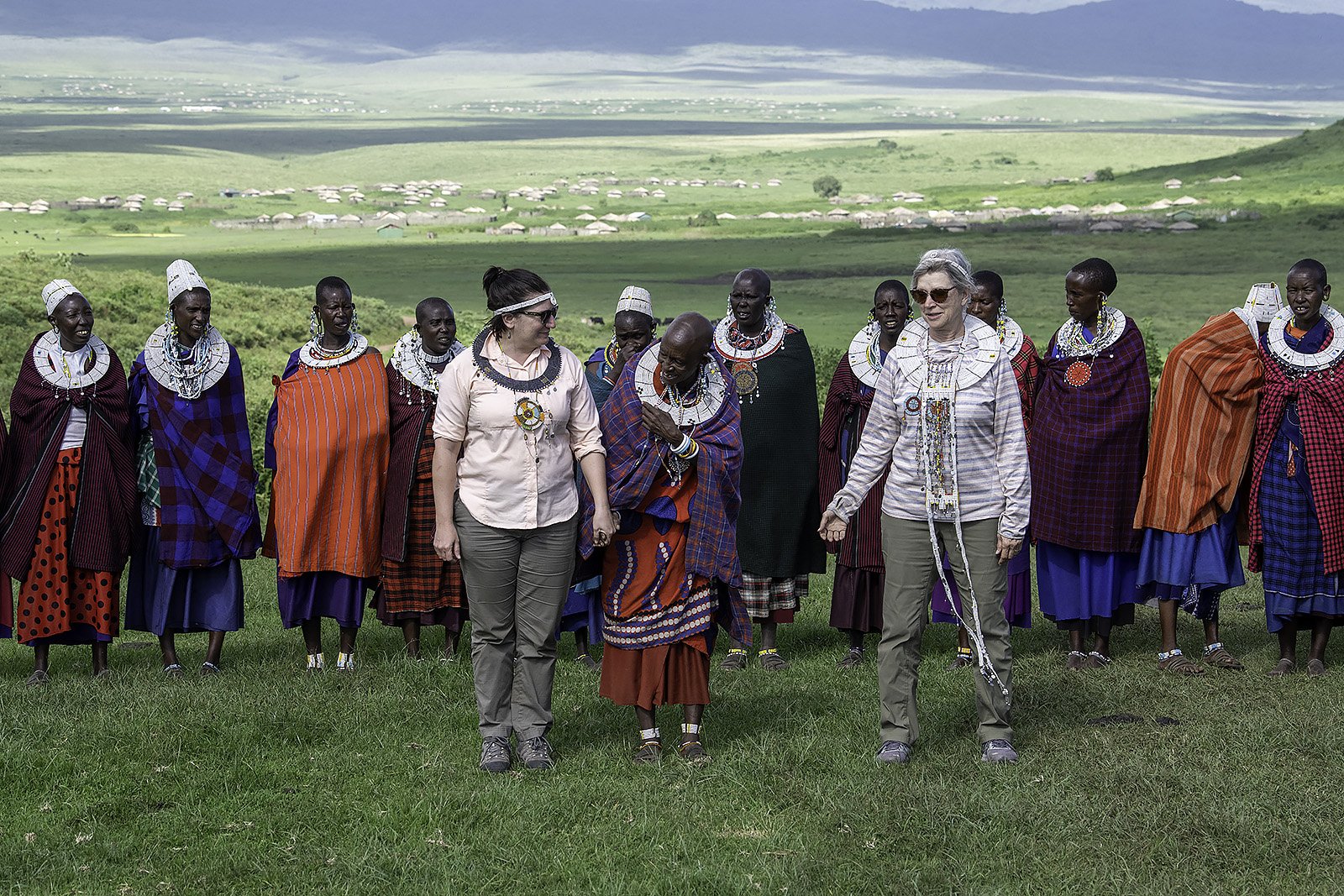
Rising in northern Tanzania near the Kenyan border, the region surrounding Mount Kilimanjaro forms a lush, fertile world at the foot of Africa’s highest peak. Long before climbers step onto the mountain trails, they arrive in the leafy, laid-back town of Moshi the primary staging ground for almost every Kilimanjaro expedition. On clear mornings, the town wakes up to dramatic views of the snow-capped Kibo summit rising straight above its tree lined streets, gear shops, and busy produce markets. The rich volcanic soil on Kilimanjaro’s lower slopes has supported farming communities for centuries. Much of this green foothills belt is home to the Chagga people, whose traditional homesteads—known as kihamba—blend shade-grown Arabica coffee plantations with banana groves, yams, and vegetable gardens under a dense forest canopy. Visitors exploring Chagga cultural villages like Materuni or Marangu can walk through working family farms, roast and grind fresh coffee beans by hand over an open fire, sample local banana beer (mbege), and crawl through the underground caves once dug to shelter families during nineteenth-century clan wars. Tucked among these misty slopes are deep river gorges, waterfalls, and natural springs fed by melting mountain snow and rainwater filtering through porous volcanic rock. Just south of Moshi, the Kikuletwa Hot Springs locally called Chemka form an unexpected oasis of warm, crystal clear turquoise water shaded by giant fig trees, offering a popular spot to swim, swing from rope vines, and unwind after a long trek. Whether travelers come to test themselves on the climb to Uhuru Peak or simply to spend a few quiet days among the foothills, the Kilimanjaro region pairs alpine scale with deep agricultural roots and warm local hospitality.
The region rewards time before or after the climb. A day at Materuni, with its waterfall walk and coffee tasting, works well as a rest day after descending, and the Kikuletwa hot springs are easy to reach from Moshi. January to March and June to October are the driest months and the best for views of Kibo from town, which is clearest in the early morning.
January-March and June-October (dry seasons)
Varied from tropical lowlands to alpine summit
TZ, Northern Tanzania
Plan Your Visit
Ready to explore Kilimanjaro Region? Our experts craft bespoke itineraries tailored to your travel dates and interests.
Browse Safari ToursGet a Custom QuoteWildlife & Activities
Through the Lens
Nearby Destinations
Kilimanjaro Region is waiting for you
Begin your African adventure with expert-guided safaris tailored to your interests.
Kilimanjaro Region: Frequently Asked Questions
What is there to see and do in the Kilimanjaro Region besides climbing the mountain?
The region around Africa's highest peak includes coffee plantations, Chagga cultural villages, hot springs, and the gateway town of Moshi. Many guests combine these experiences with a trek or visit them on their own as day trips.
Is Moshi the starting point for Kilimanjaro climbing expeditions?
Yes, Moshi is the gateway town and staging area for all Kilimanjaro climbing expeditions. Trekkers typically base themselves there before and after the climb.
Can I visit a Chagga village or coffee plantation while I am in the Kilimanjaro Region?
Yes, the region is known for its coffee plantations and Chagga cultural villages, which can be visited around the Moshi area. Ecological Wilderness Adventure can build these visits into a Kilimanjaro itinerary or arrange them as standalone excursions.
Are there hot springs near Moshi that visitors can go to?
The Kilimanjaro Region does include hot springs, and they are commonly visited as a relaxed day trip from Moshi. Ecological Wilderness Adventure can advise on the best way to include one in your itinerary.
Which airport do I fly into for the Kilimanjaro Region and Moshi?
Kilimanjaro International Airport, located between Moshi and Arusha, is the usual arrival point for the Kilimanjaro Region. Transfers onward to Moshi are short and can be arranged as part of a trip.
Can Ecological Wilderness Adventure combine a Kilimanjaro climb with cultural and coffee experiences in the region?
Yes, as a TATO-licensed Tanzania and East Africa safari operator, Ecological Wilderness Adventure can tailor a trip that pairs a Kilimanjaro climb with Moshi, Chagga village, coffee, and hot spring experiences. Contact them with your dates and interests and they will quote a custom itinerary.