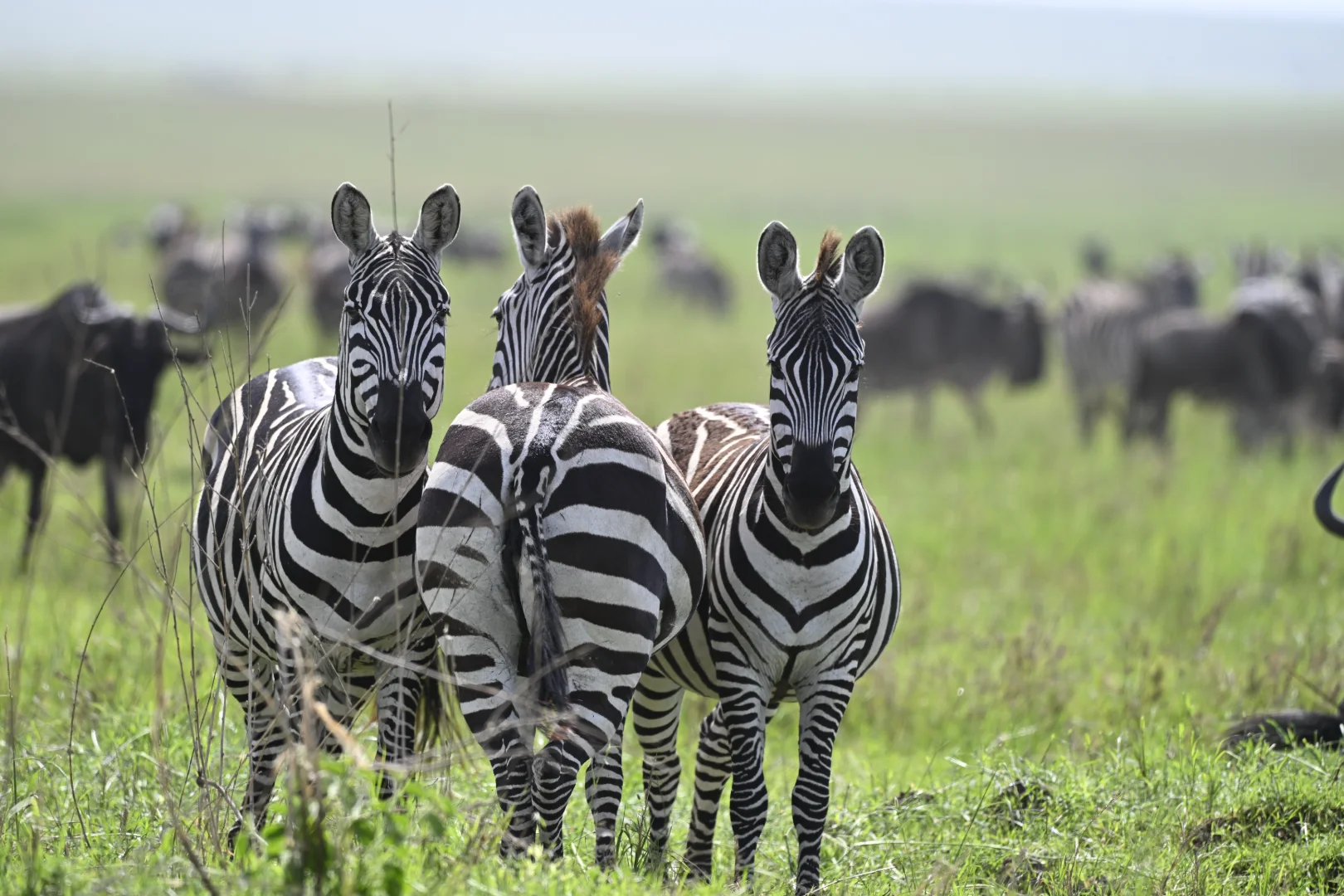
Timing matters more than you might expect when planning a Tanzania safari. The difference between visiting in February versus August can mean watching 500,000 wildebeest give birth versus watching them drown crossing the Mara River. Both are extraordinary - but they're completely different experiences.
Choosing when to visit Tanzania can feel overwhelming, but here's the good news: Tanzania offers exceptional wildlife viewing year-round. The key is matching your travel dates to your priorities—whether that's witnessing the Great Migration, avoiding crowds, or maximizing value.
At a Glance: Best Times by Priority
- Best Weather: June-October (dry season)
- River Crossings: July-September (northern Serengeti)
- Calving Season: January-February (southern Serengeti)
- Best Value: April-May (30-40% discounts)
- Fewer Crowds: March, April-May, November
Dry Season: June to October
The dry season is Tanzania's peak safari period. According to Lonely Planet, this is when wildlife viewing reaches its peak as animals concentrate around remaining water sources.
Advantages
- ✓ Animals concentrate at water
- ✓ Sparse vegetation = easier spotting
- ✓ Cool, comfortable mornings
- ✓ Mara River crossings (Jul-Oct)
- ✓ Minimal rain, clear skies
Considerations
- • Peak season pricing
- • More vehicles at sightings
- • Book 12+ months ahead
- • Dusty conditions
Wet Season: November to May
The wet season is split into "short rains" (November-December) and "long rains" (March-May). Don't dismiss this period—it offers unique experiences:
Short Rains (November-December)
- Brief afternoon showers, mornings usually clear
- Lush green landscapes—excellent for photography
- Migratory birds arrive
- Shoulder season pricing (except Christmas/New Year)
- Migration returns to southern Serengeti
Calving Season (January-March)
Many consider this the best time to visit. Over 500,000 wildebeest calves are born in a 3-week window, creating non-stop predator-prey drama in the southern Serengeti around Ndutu.
Long Rains (April-May)
Green Season Benefits:
- 30-40% Lower Prices: Significant savings on lodges and tours
- Minimal Crowds: Often have sightings to yourself
- Dramatic Skies: Photographers love the storm clouds
- Newborn Animals: Many species give birth during rains
- Birding: Peak season for migrants
Reality Check: Rain typically falls in short afternoon bursts. You can still game drive in mornings. Roads may be muddy, and some remote camps close, but Serengeti, Ngorongoro, and Tarangire remain accessible.
Best Time for Specific Experiences
| Experience | Best Time | Location |
|---|---|---|
| River Crossings | July-September | Northern Serengeti (Kogatende) |
| Calving Season | Late Jan-Feb | Southern Serengeti (Ndutu) |
| Big Five | Year-round | Ngorongoro Crater |
| Elephant Herds | June-October | Tarangire National Park |
| Kilimanjaro Climb | Jan-Mar, Jun-Oct | Mount Kilimanjaro |
| Zanzibar Beach | Jun-Oct, Dec-Feb | Zanzibar Archipelago |
Weather & What to Pack
Tanzania's equatorial location means relatively consistent temperatures year-round, but altitude creates variation:
- Serengeti/Tarangire (1,000-1,500m): Hot days (28-32°C), warm nights
- Ngorongoro Rim (2,200m): Cool mornings (10-15°C), warm days
- Crater Floor: Can be hot midday despite rim temperature
Always pack: Layers for cool mornings, sunscreen, hat, and a rain jacket (even in dry season, brief showers happen).
Frequently Asked Questions
Is dry season really better for safari?
Dry season (June-October) offers excellent game viewing with animals concentrated at water sources and sparse vegetation making spotting easier. However, it's not necessarily "better"—wet season offers unique experiences like calving, dramatic photography conditions, fewer crowds, and 30-40% lower prices. Both have merit.
What is the worst time to visit Tanzania?
There is no truly "bad" time, but April-May has the heaviest rain, some roads become impassable, and several lodges close. If you're flexible and budget-conscious, this can actually be ideal—just work with an experienced operator who knows which areas remain accessible.
When can I combine safari with Zanzibar beach?
June-October and December-February offer the best weather for both safari and beach. Avoid Zanzibar's rainy seasons (March-May, November) for beach relaxation. A classic combination is 5-7 days safari followed by 3-4 days on Zanzibar's beaches.
How far ahead should I book?
For peak season (July-October, December-February), book 12-18 months ahead—top camps sell out quickly. For shoulder and green seasons, 6-9 months is usually fine. Last-minute bookings are possible but with limited choices and potentially higher prices for remaining availability.
Further Reading
- Lonely Planet: Best Time to Visit Tanzania →
- National Geographic: Tanzania Travel Guide →
- TripAdvisor: Tanzania Traveler Reviews →
Ready to Start Planning?
Tell us your dates and priorities, and we'll help you choose the perfect itinerary.
Get Free Safari Quote
Ecological Wilderness Adventure
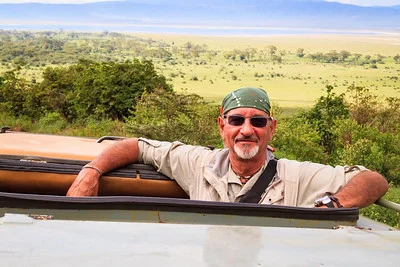
Expert safari guide and writer at Ecological Wilderness Adventure, a TATO-licensed operator based in Arusha, Tanzania with 20+ years of experience crafting authentic wildlife expeditions across East Africa.
Published April 17, 2026
You Might Also Enjoy
Best Time to Visit Tanzania for Safari 2026: Complete Month-by-Month Guide
Choose the perfect time for your Tanzania safari with our comprehensive monthly guide covering wildlife movements, weather patterns, tourist seasons, and pricing.
Best Time to Visit Tanzania 2026-2027: Season by Season Guide
When is the best time to visit Tanzania? Our season-by-season guide helps you choose the perfect dates for your 2026 or 2027 safari adventure.
When to Visit Tanzania: Month-by-Month Safari Guide 2026
Discover the best time to visit Tanzania for safari in 2025. Month-by-month wildlife guide covering migration, weather, crowds, and prices.