SelousGame Reserve
Africa's largest game reserve (now Nyerere National Park) spans 50,000 square kilometres of pristine wilderness — larger than Switzerland. The Rufiji River system creates a dramati…
Last updated:
Selous Game Reserve
Africa's largest game reserve (now Nyerere National Park) spans 50,000 square kilometres of pristine wilderness — larger than Switzerland. The Rufiji River system creates a dramatic landscape of lakes, channels, and floodplains teeming with wildlife.
June to October (dry season); many camps close during long rains
Hot and humid, 25-40°C, with distinct wet and dry seasons
TZ, Southern Tanzania
Plan Your Visit
Ready to explore Selous Game Reserve? Our experts craft bespoke itineraries tailored to your travel dates and interests.
Browse Safari ToursGet a Custom QuoteWildlife & Activities
Exceptional Lodges
Hand-curated properties ranging from intimate tented camps to landmark lodges — chosen for extraordinary service and unrivalled wildlife access.
Safari Tours
Through the Lens
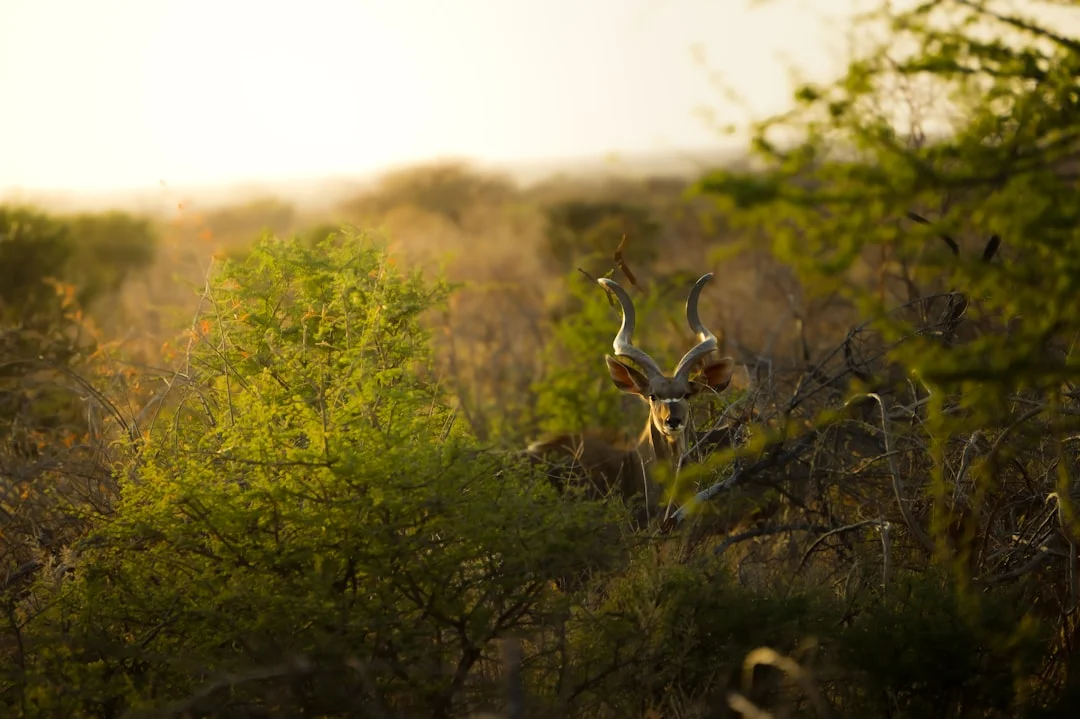
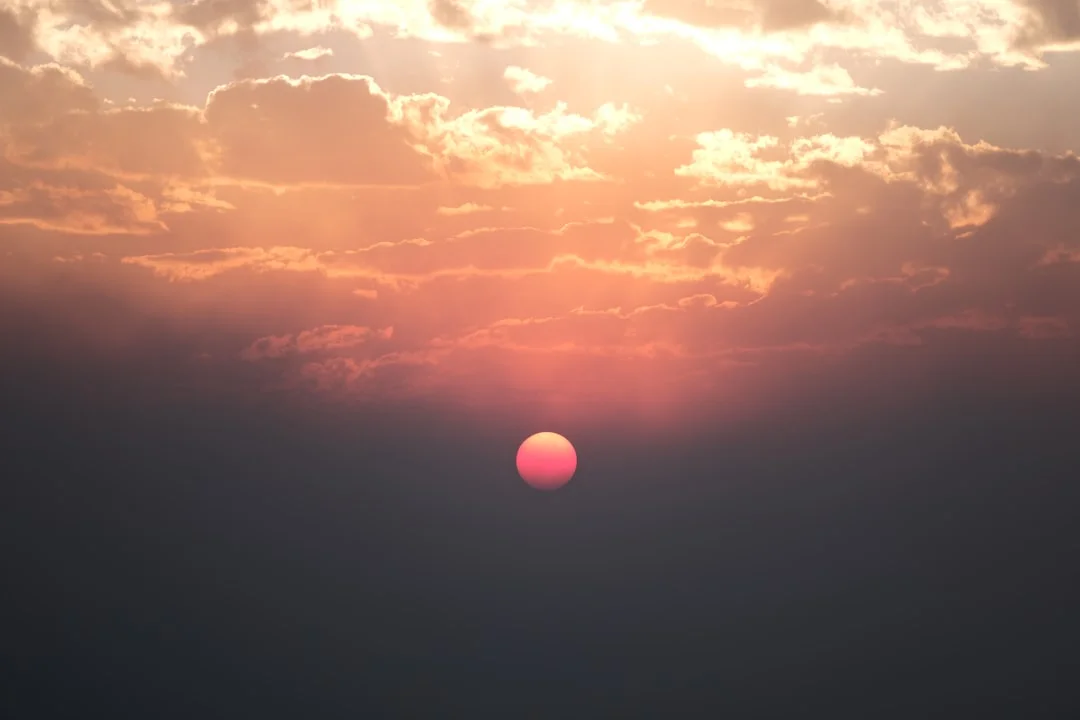
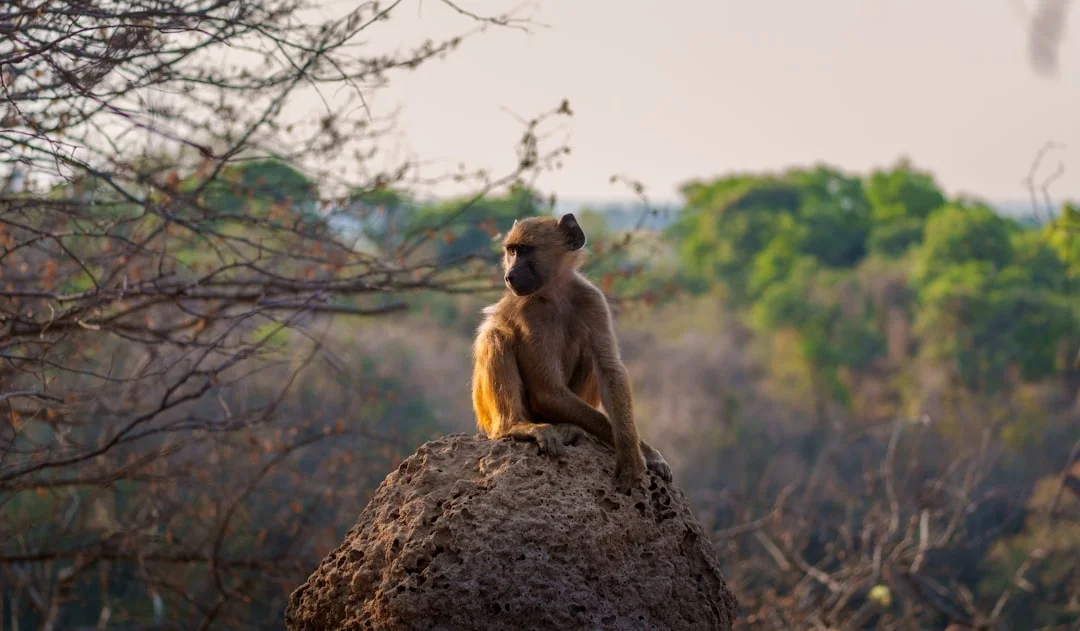
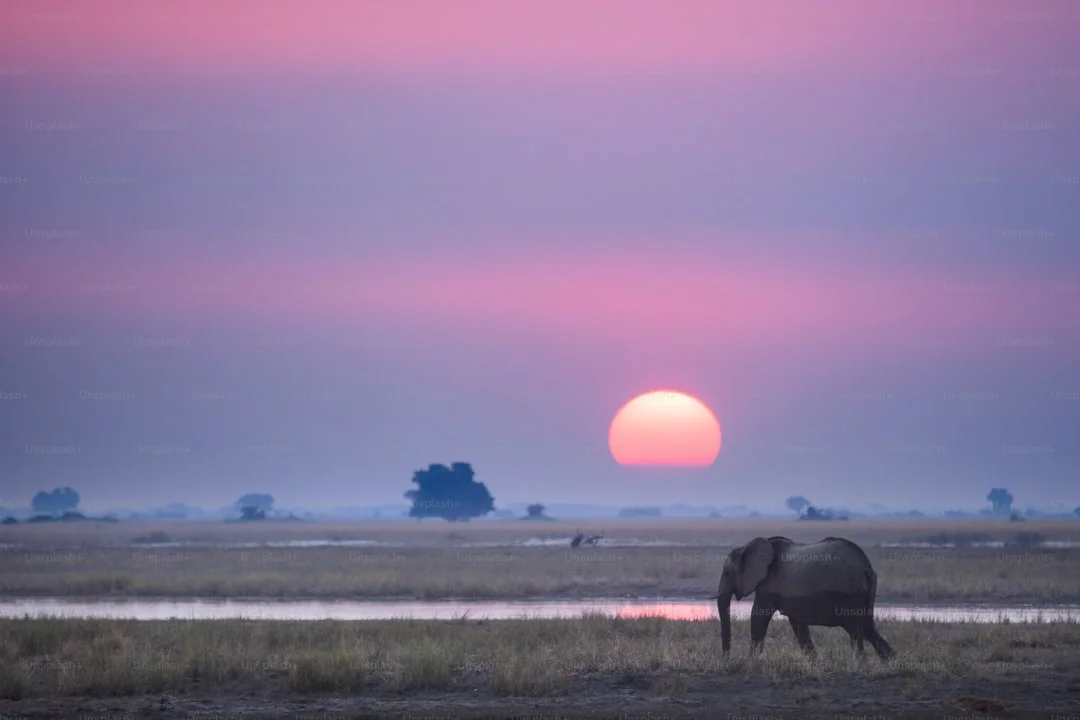
Nearby Destinations
Selous Game Reserve is waiting for you
Begin your African adventure with expert-guided safaris tailored to your interests.
Selous Game Reserve: Frequently Asked Questions
Is Selous Game Reserve the same place as Nyerere National Park?
Yes, the two names refer to the same wilderness area in southern Tanzania. The northern part of the old Selous Game Reserve was renamed Nyerere National Park, while the wider reserve continues to exist around it and remains a UNESCO World Heritage Site.
How big is Selous Game Reserve compared with other parks?
At roughly 50,000 square kilometres it is Africa's largest game reserve, an area larger than Switzerland. That scale means vast stretches of pristine bush, open floodplains and river channels rather than a compact, easily driven park.
What makes the wildlife viewing in Selous different from the northern safari circuit?
The Rufiji River system shapes everything here, creating lakes, channels and floodplains that draw hippos, crocodiles, elephants, buffalo, lions and African wild dogs. Because the reserve is so large and receives far fewer visitors than the Serengeti or Ngorongoro, sightings often happen with very few other vehicles around.
Can you do a boat safari on the Rufiji River in Selous?
Yes, boat safaris on the Rufiji River are one of the signature experiences of this destination, letting you view hippos, crocodiles and waterbirds from the water itself. Game drives and walking safaris in certain areas are also typical, and Ecological Wilderness Adventure can confirm current activity options on request.
How do guests usually get to Selous Game Reserve?
Most visitors fly in by light aircraft from Dar es Salaam, which is the quickest option, while others travel by road to the reserve's main gates. Ecological Wilderness Adventure can plan and quote the routing and transfers that suit your itinerary.
When is the best time of year to visit Selous?
Wildlife viewing is generally strongest in the dry season, roughly June through October, when vegetation thins and animals concentrate around the Rufiji's lakes and channels. The wetter months bring greener scenery, excellent birding and fewer visitors.