Samburu NationalReserve
Tucked into the dry, rugged badlands of northern Kenya, Samburu National Reserve spans 165 square kilometers of red-earth hills, acacia scrubland, and rocky outcrops bordered by th…
Last updated:
Samburu National Reserve
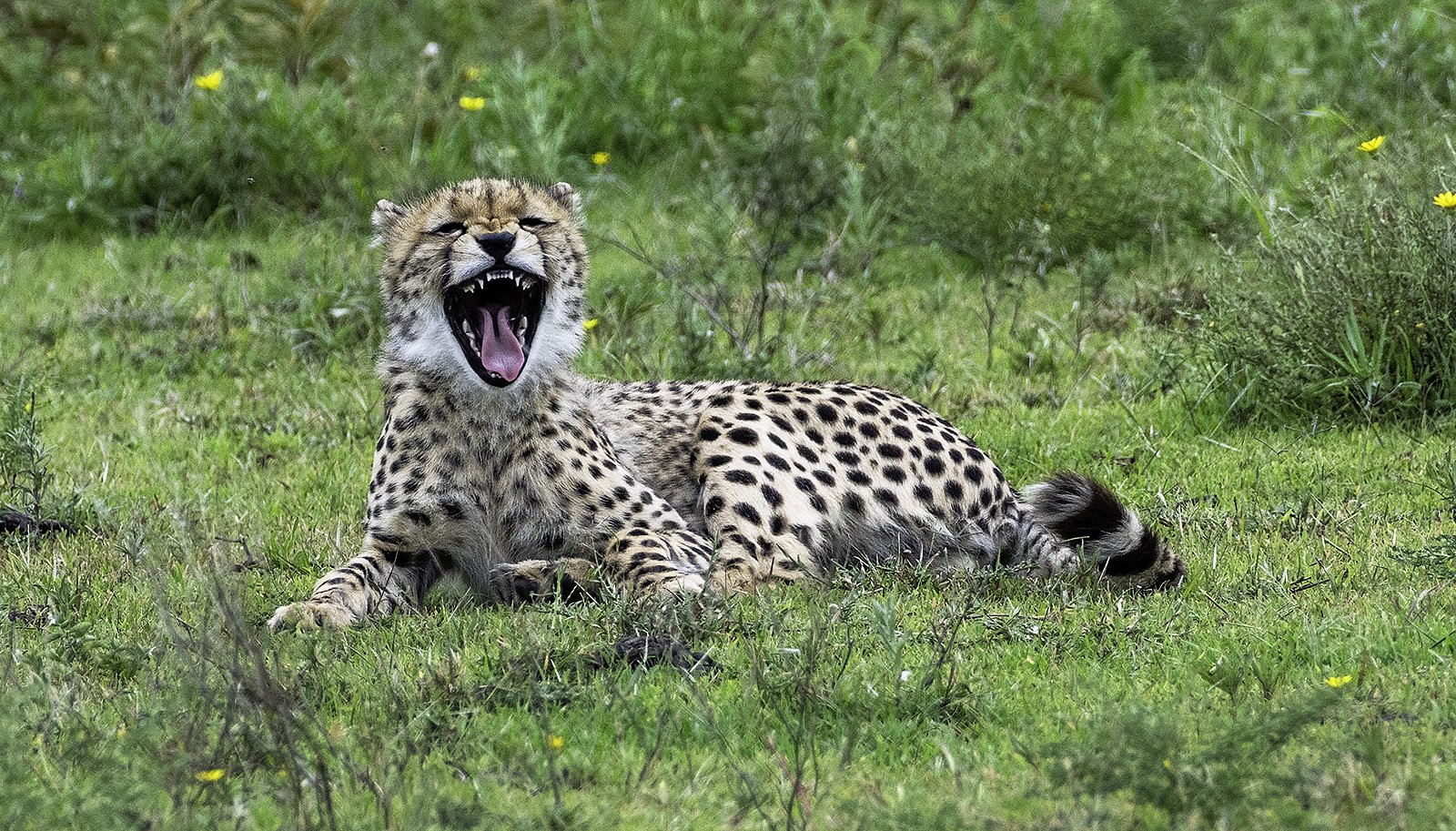
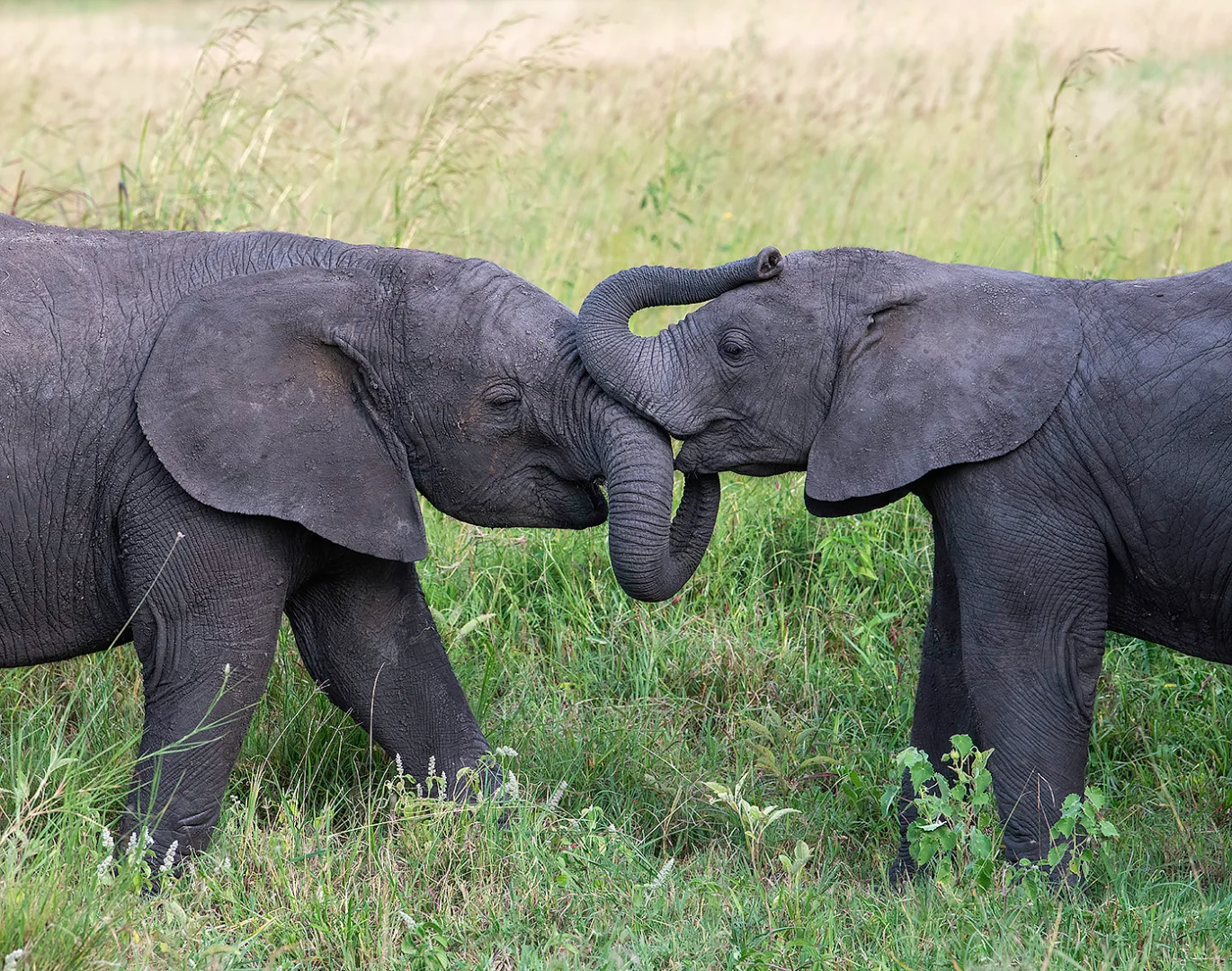
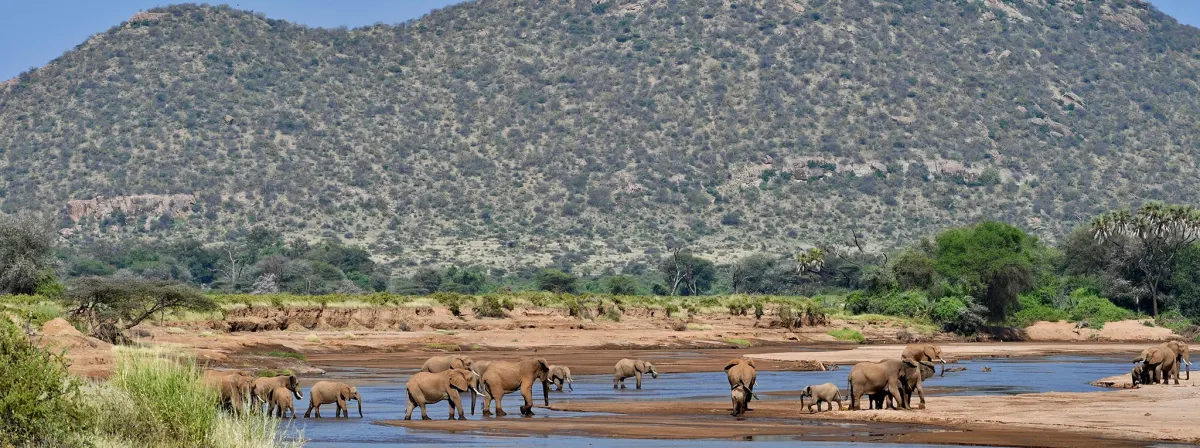
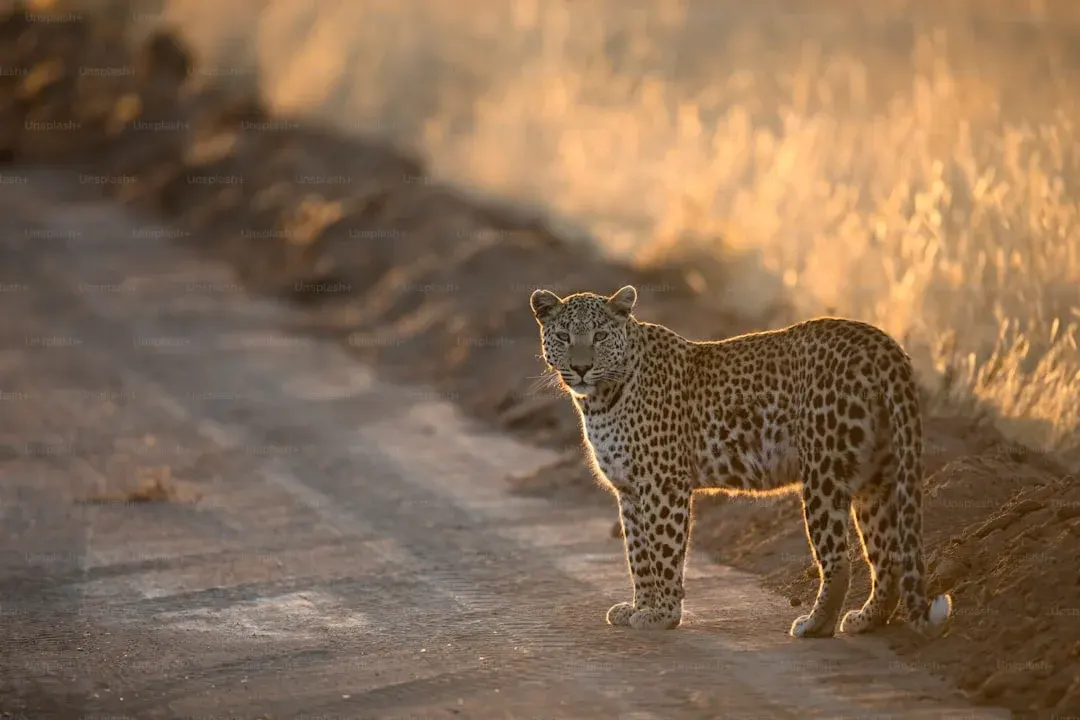
Tucked into the dry, rugged badlands of northern Kenya, Samburu National Reserve spans 165 square kilometers of red-earth hills, acacia scrubland, and rocky outcrops bordered by the palm lined Ewaso Ng’iro River. Sitting north of the equator where southern savannas meet arid northern scrub, the reserve is famous for sheltering the Samburu Special Five rare dry country species seldom seen on standard safari circuits: Grevy’s zebra, reticulated giraffe, Somali ostrich, Beisa oryx, and the long-necked gerenuk. Throughout the day, the river draws large herds of elephants down to drink beneath doum palms, while lions, cheetahs, crocodiles, and frequently spotted leopards patrol the shaded banks alongside more than 450 bird species. Just outside the gates, travelers can visit local Samburu communities to learn about semi-nomadic herding life, traditional songs, and intricate beadwork. Easily combined with neighboring Buffalo Springs and Shaba national reserves—and served by daily flights from Nairobi—Samburu offers a quiet, scenic look at Kenya’s northern frontier
A day in Samburu National Reserve follows the river. Guides usually start at dawn, when the cats are still on the move and the Special Five are easy to find along the banks, then return to the lodge for lunch and a rest before a second drive in the late afternoon. Because the reserve covers only 165 square kilometres, two or three drives cover most of it, and you rarely drive for long between sightings.
The Ewaso Ng’iro marks the southern border, separating Samburu from Buffalo Springs National Reserve, so a day across the river is easy to add. Samburu is roughly five to six hours by road from Nairobi via Nanyuki or Isiolo, or under an hour by air from Wilson Airport. Plan on two or three nights, pack for dust and strong sun, and ask your guide about the research station of Save the Elephants inside the reserve. Bring binoculars as well as a camera, because the doum palms and riverbank trees hold much of the reserve’s birdlife.
June to October (dry season); January to February (short dry)
Hot and semi-arid, 30-38°C, cooled along the river
KE, Northern Kenya
Plan Your Visit
Ready to explore Samburu National Reserve? Our experts craft bespoke itineraries tailored to your travel dates and interests.
Browse Safari ToursGet a Custom QuoteExplore the Park
Distinct ecosystems within Samburu National Reserve, each with unique wildlife and seasonal patterns.
Wildlife & Activities
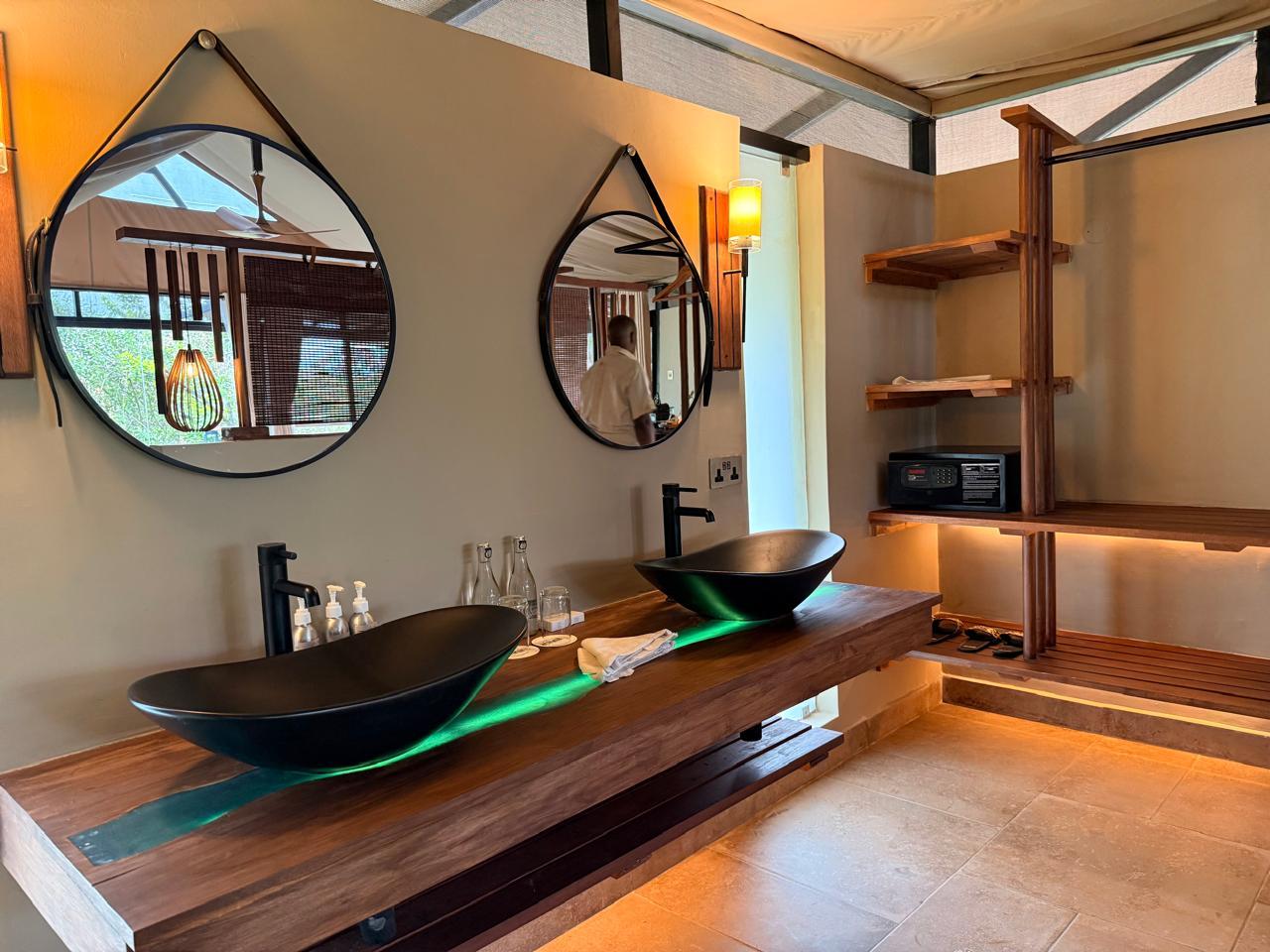
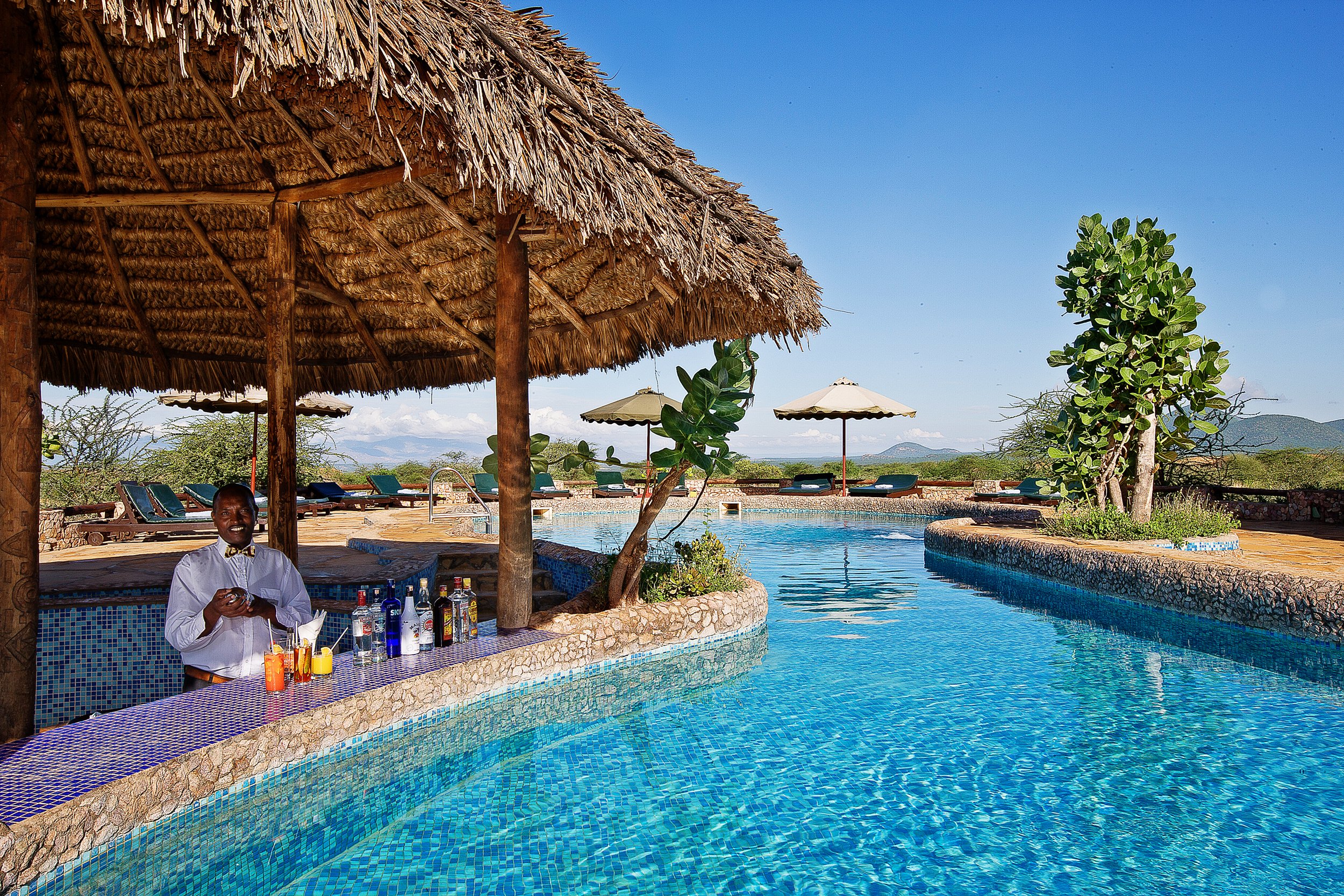
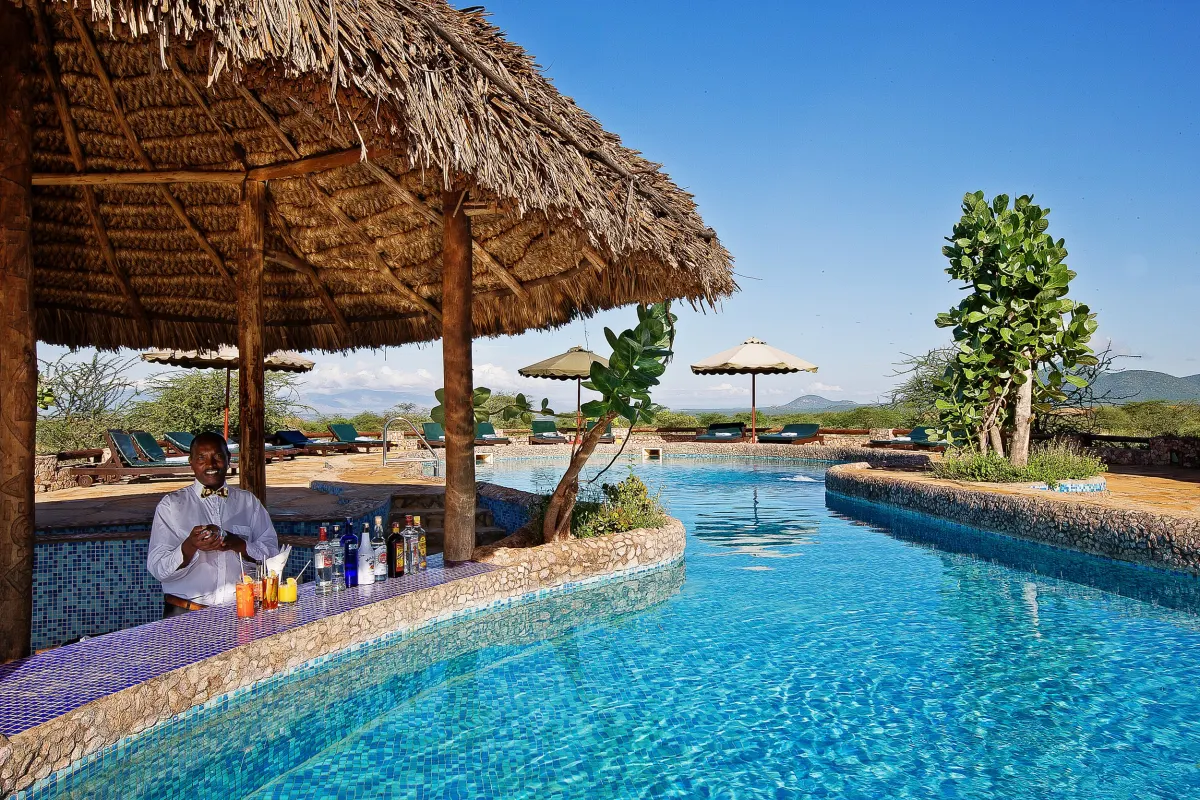
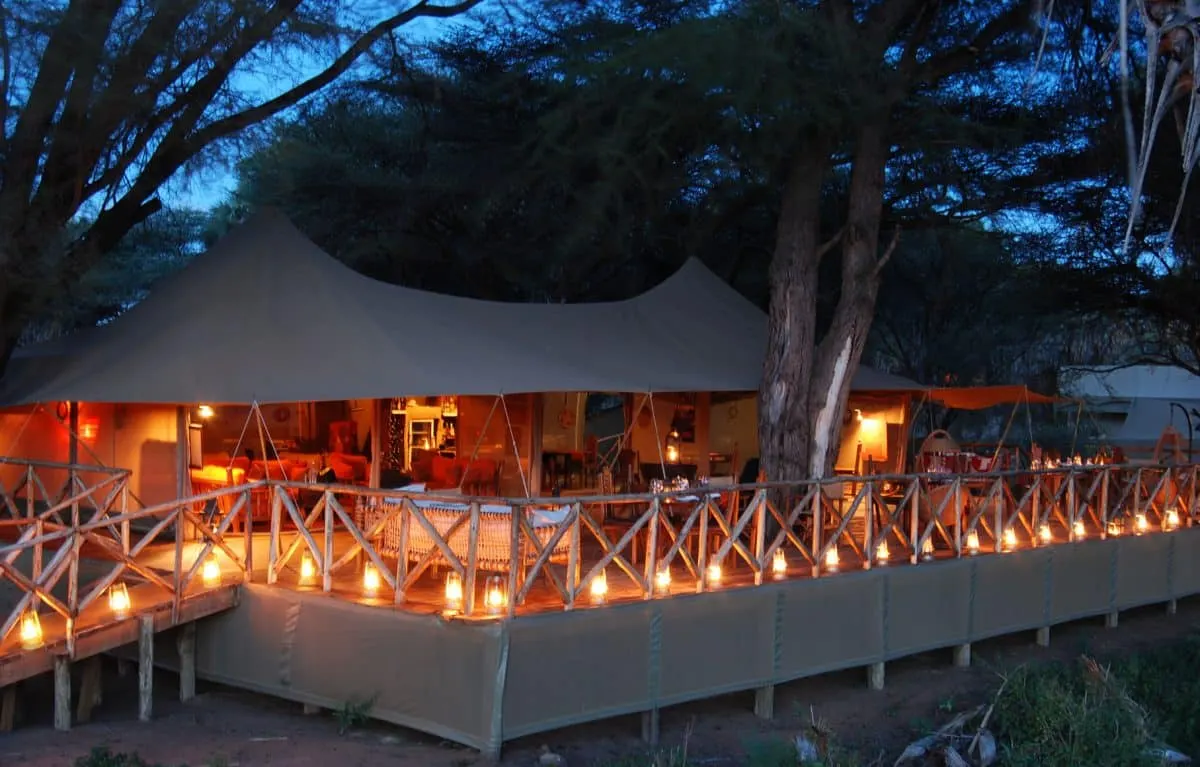
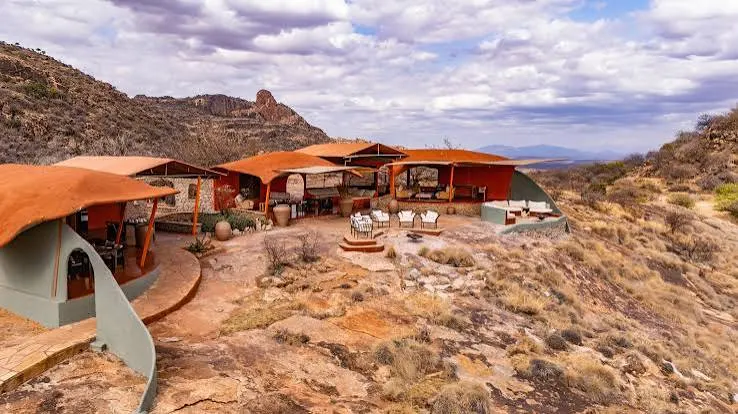
Exceptional Lodges
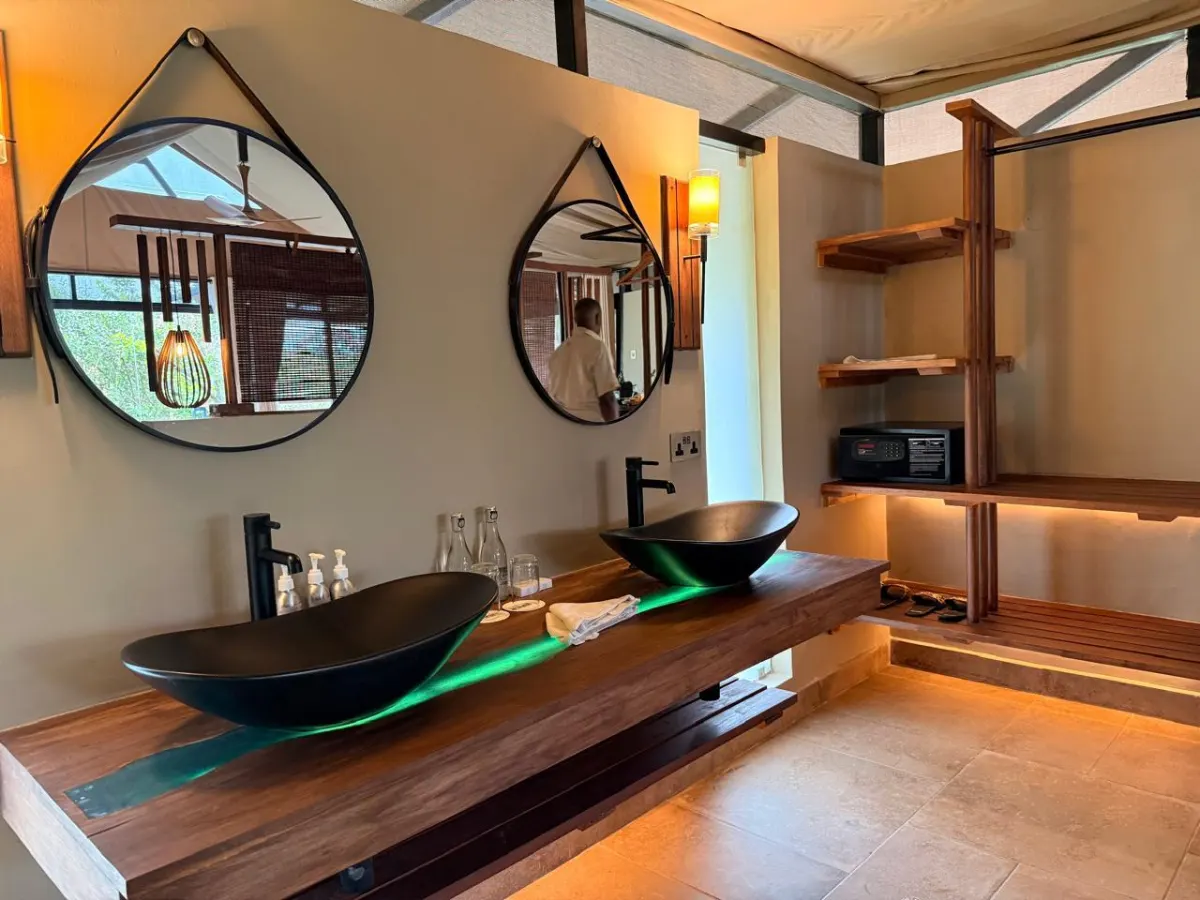
Hand-curated properties ranging from intimate tented camps to landmark lodges — chosen for extraordinary service and unrivalled wildlife access.
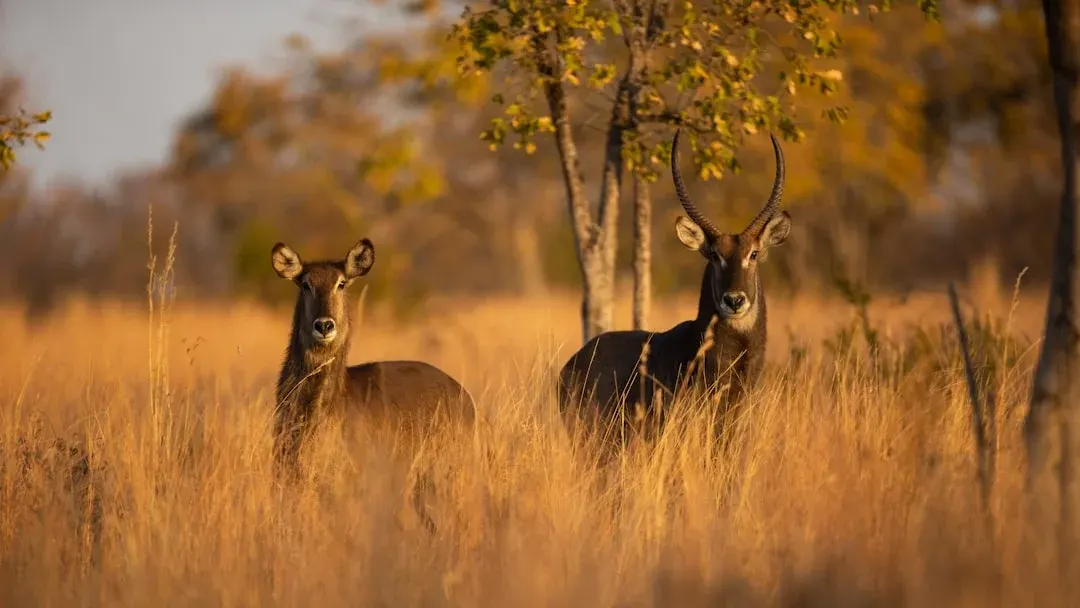
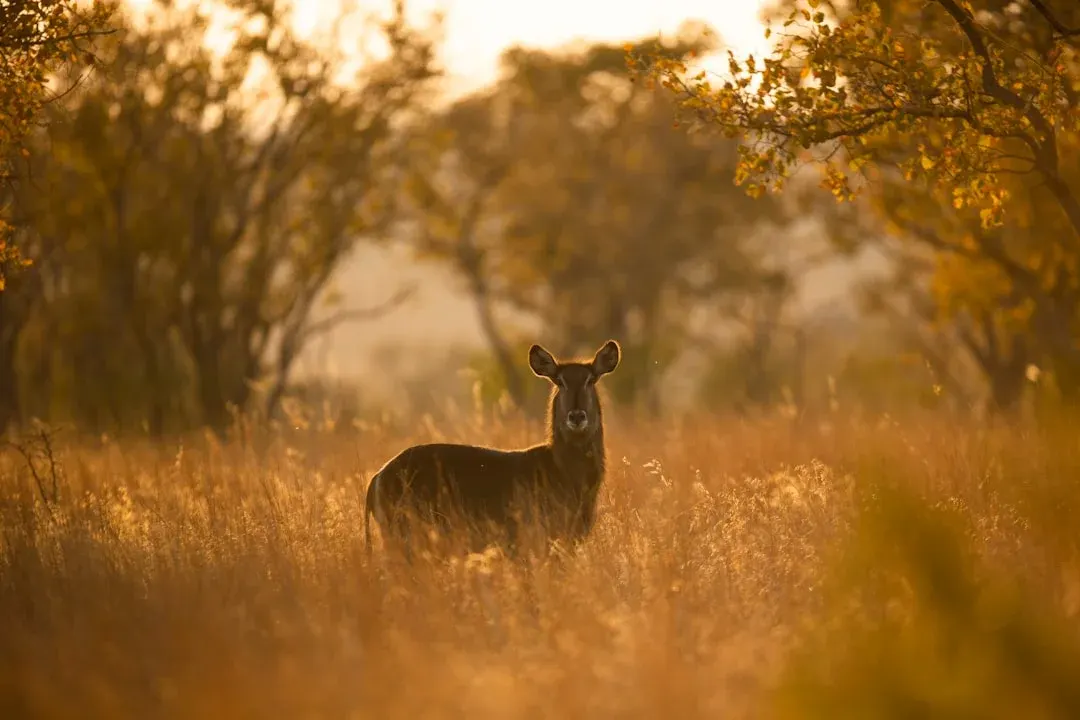
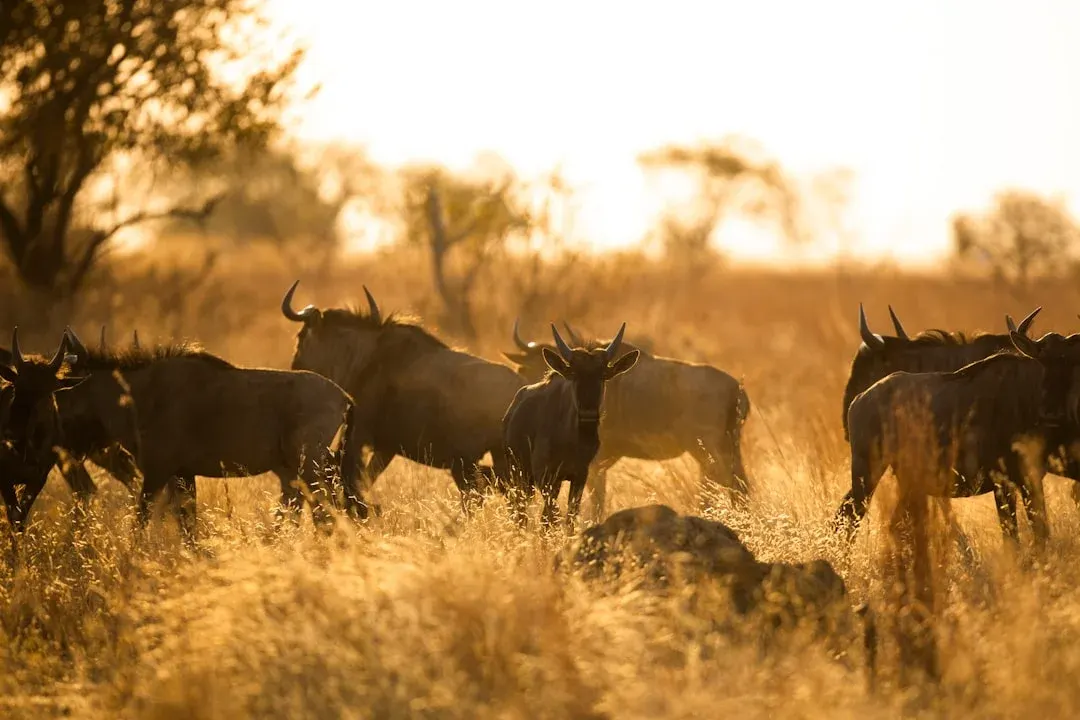
Through the Lens
Nearby Destinations
Samburu National Reserve is waiting for you
Begin your African adventure with expert-guided safaris tailored to your interests.
Samburu National Reserve: Frequently Asked Questions
What are the Samburu Special Five?
The Samburu Special Five are the Grevy's zebra, reticulated giraffe, Beisa oryx, gerenuk and Somali ostrich, five species of Kenya's arid north that you would not normally see on a typical East African safari route. Samburu National Reserve is one of the most reliable places to find all five together.
Where is Samburu National Reserve located?
Samburu National Reserve sits in Kenya's semi-arid north, in Samburu County, and is bisected by the Ewaso Ng'iro River. It lies north of Mount Kenya and is usually reached by road from Nairobi or by light aircraft to airstrips serving the reserve and its neighbouring conservation areas.
Why is the Ewaso Ng'iro River so important in Samburu?
The Ewaso Ng'iro is the lifeblood of this dry reserve, and wildlife concentrates along its banks and doum palm fringes, especially through the dry months. Game viewing in Samburu often follows the river corridor, where elephants, lions, leopards and the Special Five come to drink.
What wildlife can I expect to see in Samburu besides the Special Five?
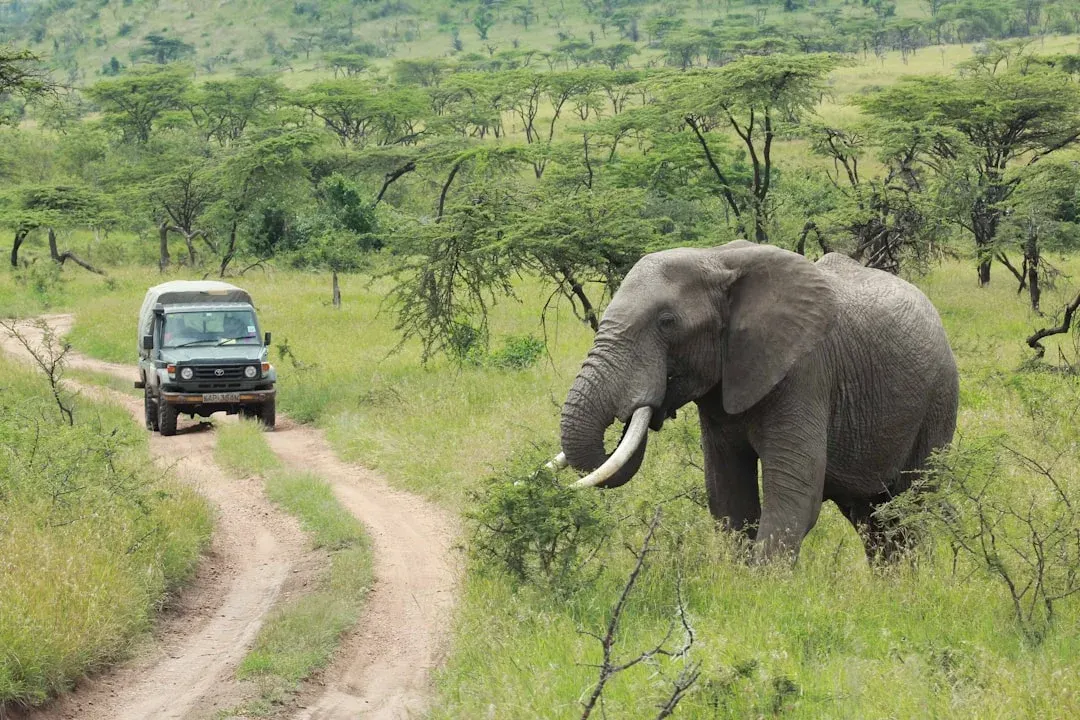
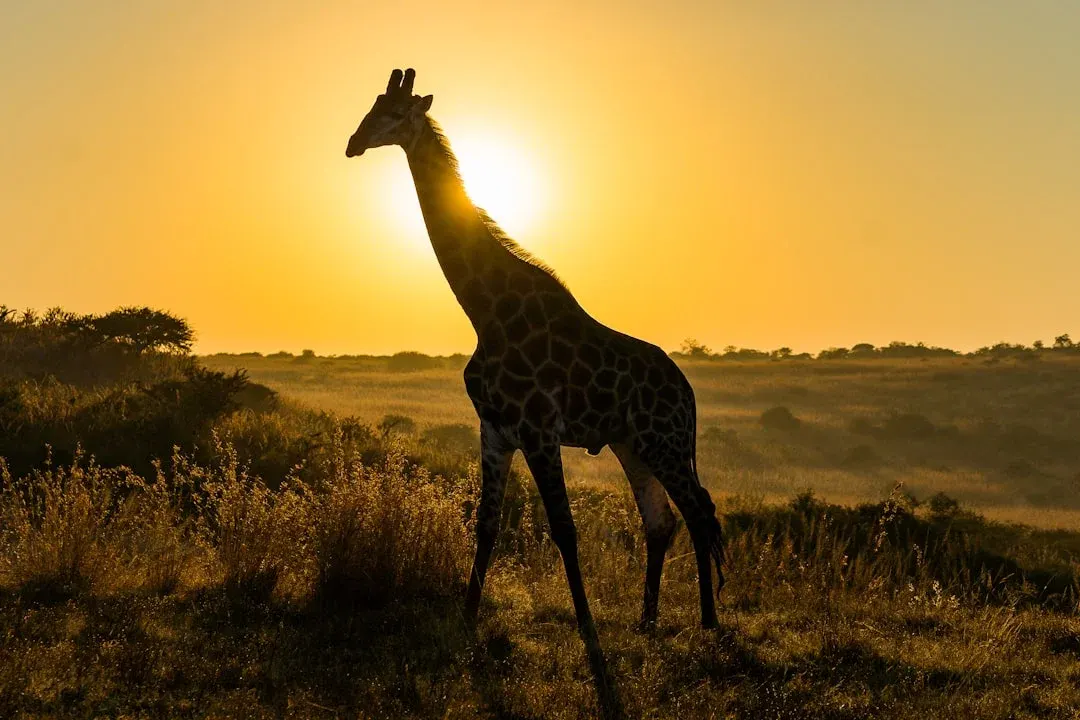
Samburu supports elephants, lions, leopards, cheetahs, buffalo, hippos and crocodiles along the river, plus a rich bird list typical of northern Kenya's semi-arid country. Because the habitat is dry and open, animals are often easier to spot than in denser southern parks.
When is the best time of year to visit Samburu National Reserve?
The dry seasons, roughly June to October and January to February, are generally best, as wildlife gathers around the Ewaso Ng'iro River and vegetation is thinner for viewing. Ecological Wilderness Adventure can advise on timing for your specific dates and tailor a Samburu itinerary to suit.
Can Samburu be combined with other Kenya safari destinations?
Yes, Samburu is commonly combined with nearby northern areas such as Laikipia, Ol Pejeta and Mount Kenya, or with the Maasai Mara for a wider Kenya safari. Ecological Wilderness Adventure can tailor and quote a Samburu trip or a longer multi-park itinerary on request.