Buffalo Springs
Located in northern Kenya just south of the Ewaso Ng’iro River and across from Samburu National Reserve, Buffalo Springs National Reserve covers 131 square kilometers of dry savann…
Last updated:
Buffalo Springs
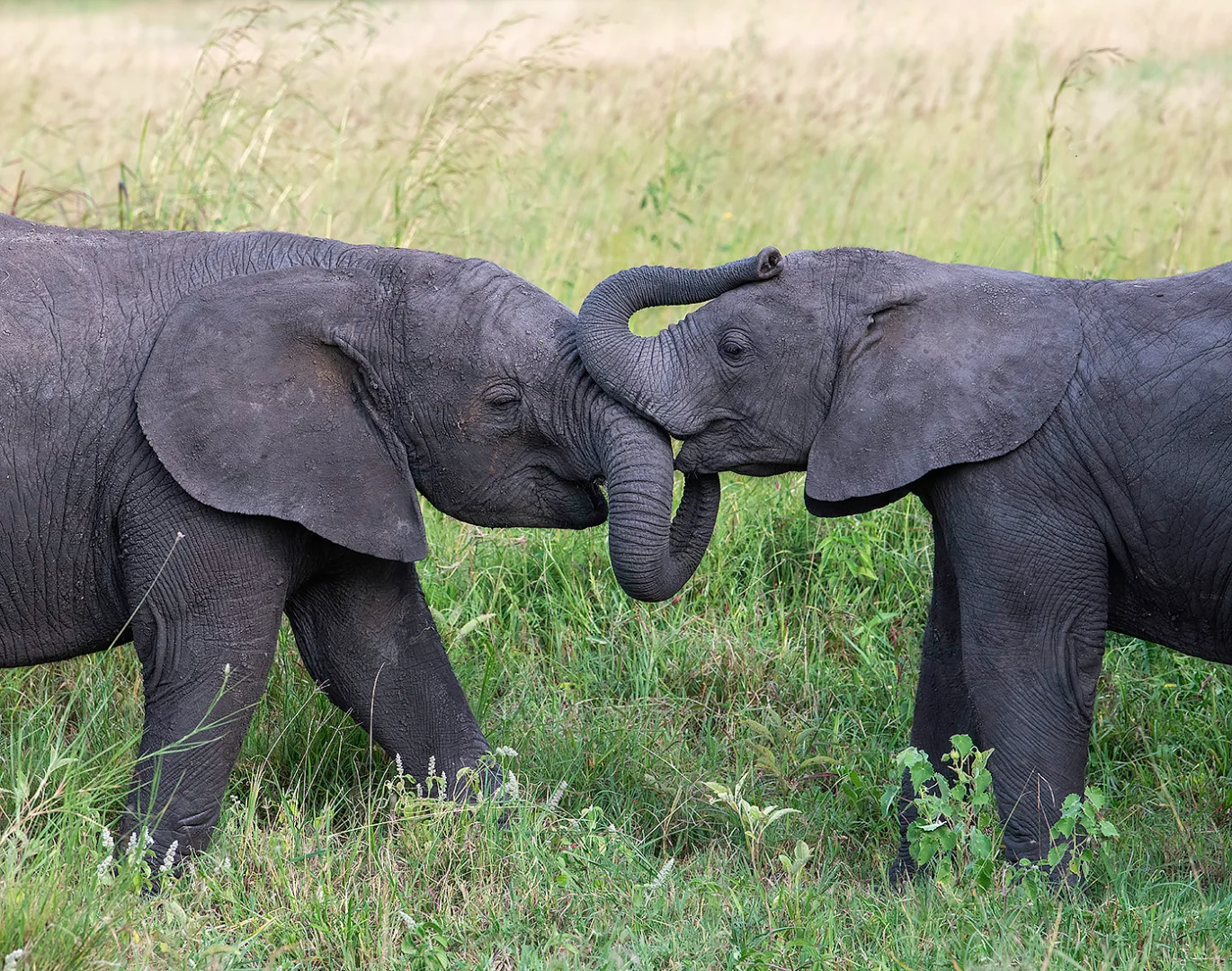
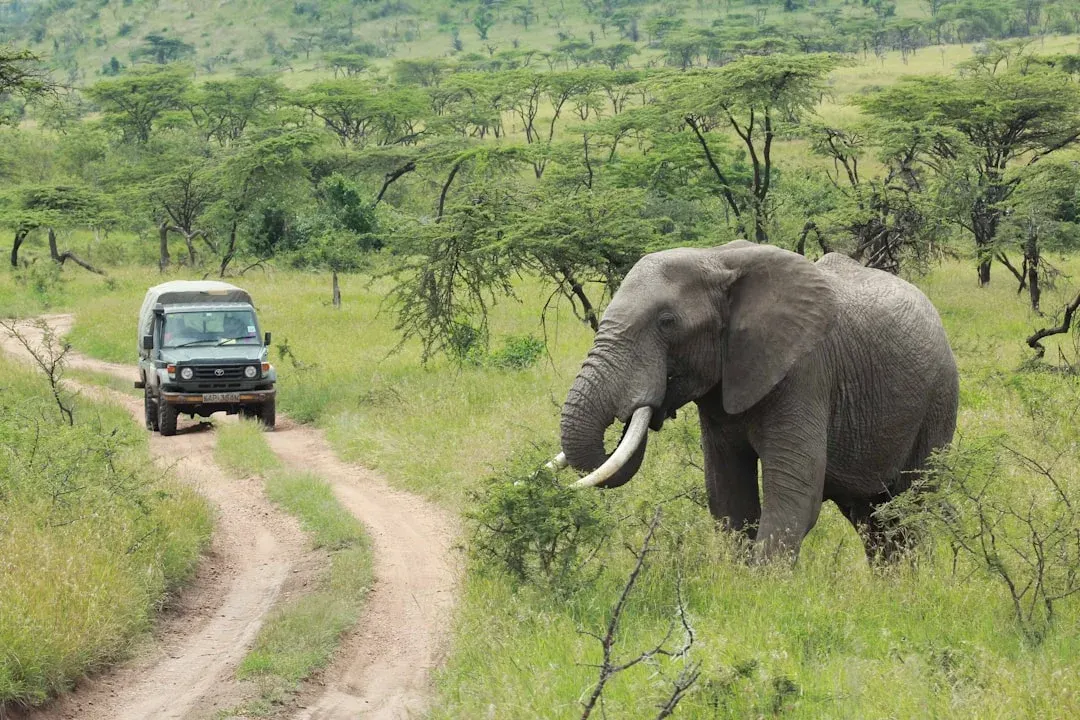
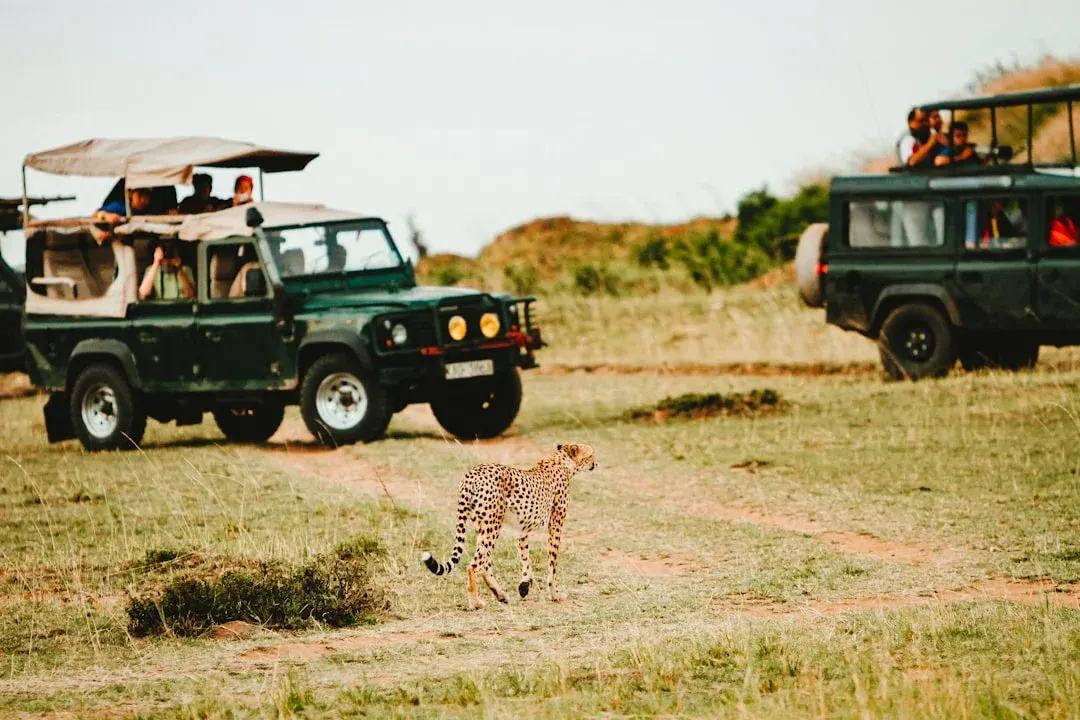
Located in northern Kenya just south of the Ewaso Ng’iro River and across from Samburu National Reserve, Buffalo Springs National Reserve covers 131 square kilometers of dry savanna, scrubland, and palm-lined riverbanks. Named for a clear, spring fed oasis on its eastern edge, this compact reserve is best known for sheltering the Samburu Special Five dry country species rarely found in southern Kenya: Grevy’s zebra, reticulated giraffe, Somali ostrich, Beisa oryx, and the long-necked gerenuk. Along the Ewaso Ng’iro River and the reserve’s bubbling natural springs, large herds of elephants, buffaloes, and waterbucks gather to drink while lions, leopards, and cheetahs hunt along the shaded banks. Beyond big game, the reserve holds over 365 bird species including vulturine guineafowl and martial eagles alongside World War II bomb craters that now fill with rainwater during the wet season. Travelers can also visit nearby Samburu villages to learn about semi-nomadic herding life and traditional beadwork, or pair game drives with neighboring Samburu and Shaba reserves for a quiet look at Kenya’s northern frontier.
Buffalo Springs lies across the Ewaso Ng'iro River from Samburu, and the two reserves are normally visited together. Most lodges sit on the Samburu side, while game drives cross to Buffalo Springs, so a stay of two or three nights lets you cover both banks. Shaba National Reserve is close by, and ticket arrangements between the three reserves vary, so ask your lodge which tickets apply.
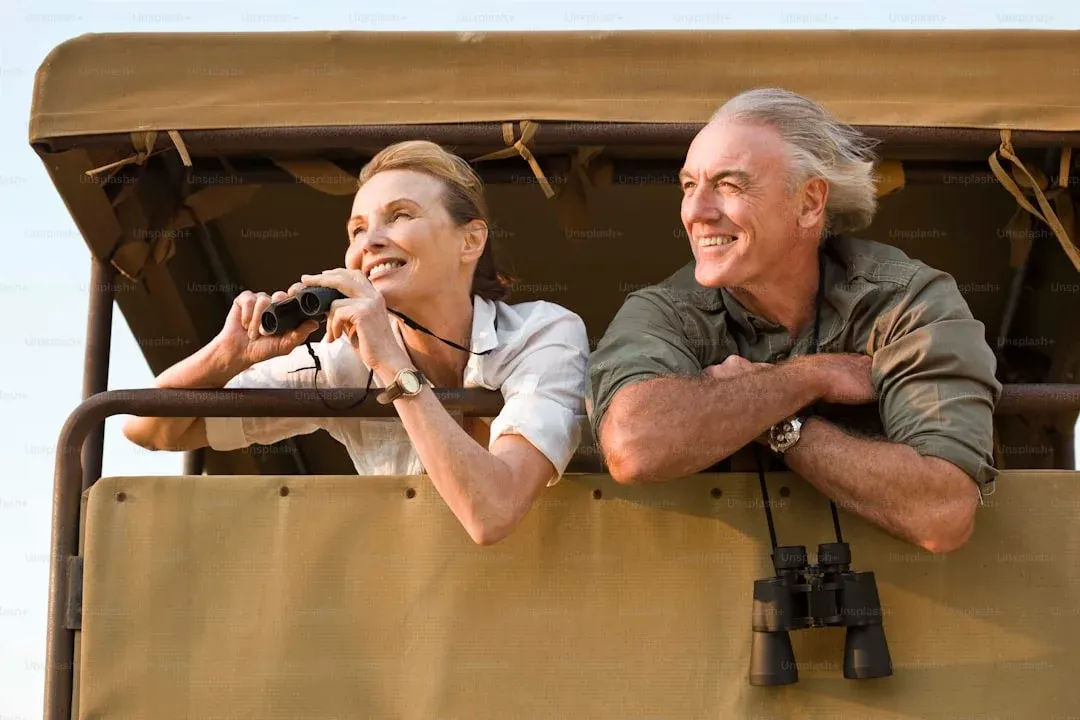
The dry months from June to October, and again in January and February, concentrate wildlife along the river and at the springs. Afternoons are hot, so the best drives are at first and last light. Scan the dry riverbeds and scrub for the Special Five: Grevy's zebra has narrow stripes and large rounded ears, which sets it apart from the plains zebra, and gerenuk often stand on their hind legs to feed from acacia branches. Bring binoculars for the birds, a hat and sunscreen.
You can reach the reserves by road from Nairobi, or by light aircraft to a nearby airstrip, which your operator can arrange. Ecological Adventure can tailor the trip to combine them with the central highlands or a longer northern Kenya route.
June to October (dry season)
Hot and semi-arid, 30-38°C
KE, Northern Kenya
Plan Your Visit
Ready to explore Buffalo Springs? Our experts craft bespoke itineraries tailored to your travel dates and interests.
Browse Safari ToursGet a Custom QuoteWildlife & Activities
Through the Lens
Nearby Destinations
Buffalo Springs is waiting for you
Begin your African adventure with expert-guided safaris tailored to your interests.
Buffalo Springs: Frequently Asked Questions
Where is Buffalo Springs and how do I get there?
Buffalo Springs sits in semi-arid northern Kenya, in Isiolo County, directly adjacent to Samburu National Reserve and separated from it by the Ewaso Ngiro River. It can be reached by road from Nairobi or by light aircraft to airstrips serving the wider Samburu ecosystem, and Ecological Wilderness Adventure can arrange either option as part of a tailor-made itinerary.
What wildlife can I expect to see in Buffalo Springs?
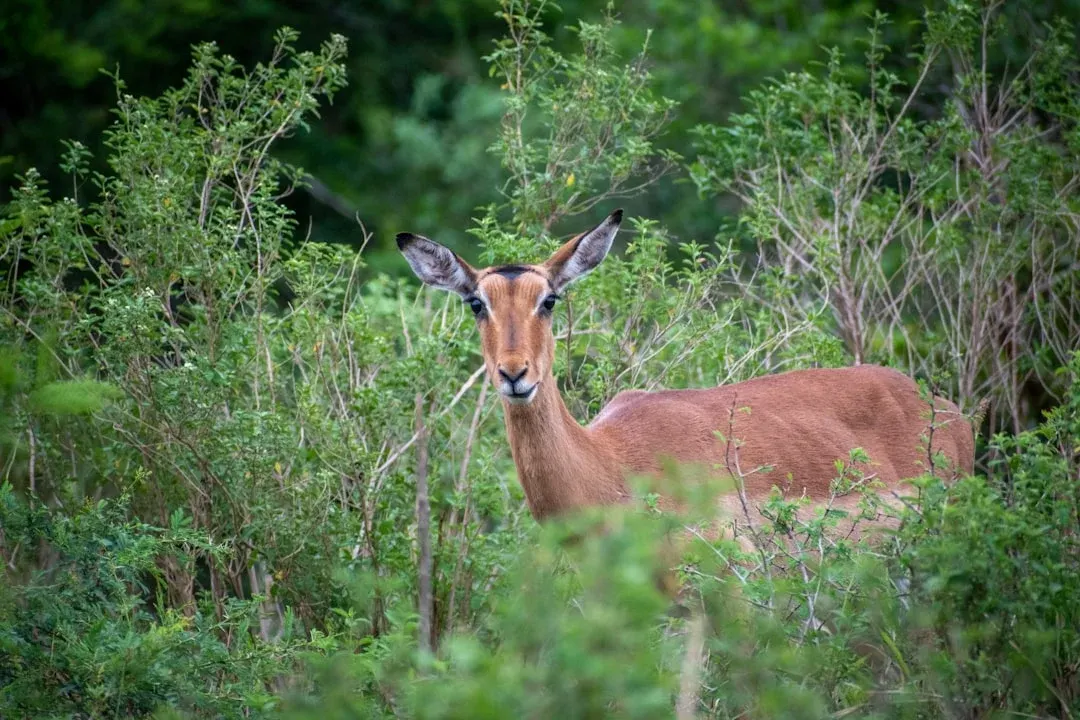
The reserve shares Samburu's signature northern species, including Grevy's zebra, reticulated giraffe, Beisa oryx, gerenuk and Somali ostrich, alongside elephant, lion, leopard and other big game. Its springs and riverine vegetation also draw strong birdlife, making it rewarding for birders as well as general game viewing.
How is Buffalo Springs different from Samburu National Reserve?
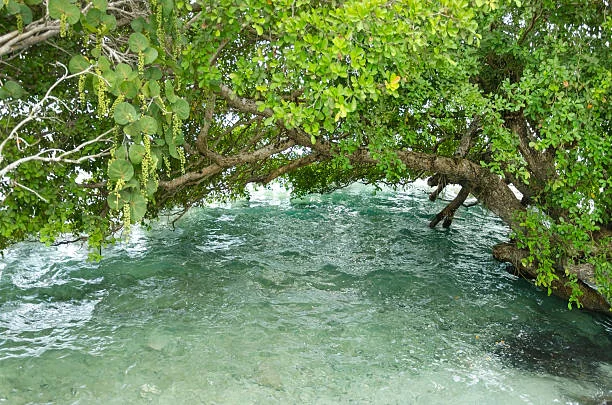
Buffalo Springs is fed by crystal-clear springs that create a green oasis in the surrounding semi-arid country, so its landscape character differs noticeably from Samburu even though the two share the same wildlife species. Visiting both gives you contrasting scenery within one ecosystem.
Can I visit Buffalo Springs and Samburu in the same trip?
Yes. The two reserves are adjacent and are commonly visited together as part of the greater Samburu ecosystem, which also includes Shaba National Reserve. Staying in the area for several days lets you move between them without long drives.
When is the best time to visit Buffalo Springs?
The drier months are generally the most productive for game viewing, because wildlife concentrates around the Ewaso Ngiro River and the spring-fed pools as water elsewhere becomes scarce. The greener months offer lush scenery and excellent birding, so the right timing depends on what you most want to see.
How do I book a Buffalo Springs safari and what will it cost?
Ecological Wilderness Adventure can tailor a Buffalo Springs itinerary to your dates, interests and travel style, and provide a quote on request. As a TATO-licensed Tanzania and East Africa operator, we handle park arrangements, guiding and logistics across the region.