Wondering how safari compares to visiting a zoo? We explain the fundamental differences and why safari offers something zoos simply cannot replicate.
We often hear potential guests ask: "I have seen lions at the zoo - why should I travel all the way to Africa?" It is a fair question. After 20 years of leading safaris, let us explain why wild Africa offers something fundamentally different from even the world best zoos.
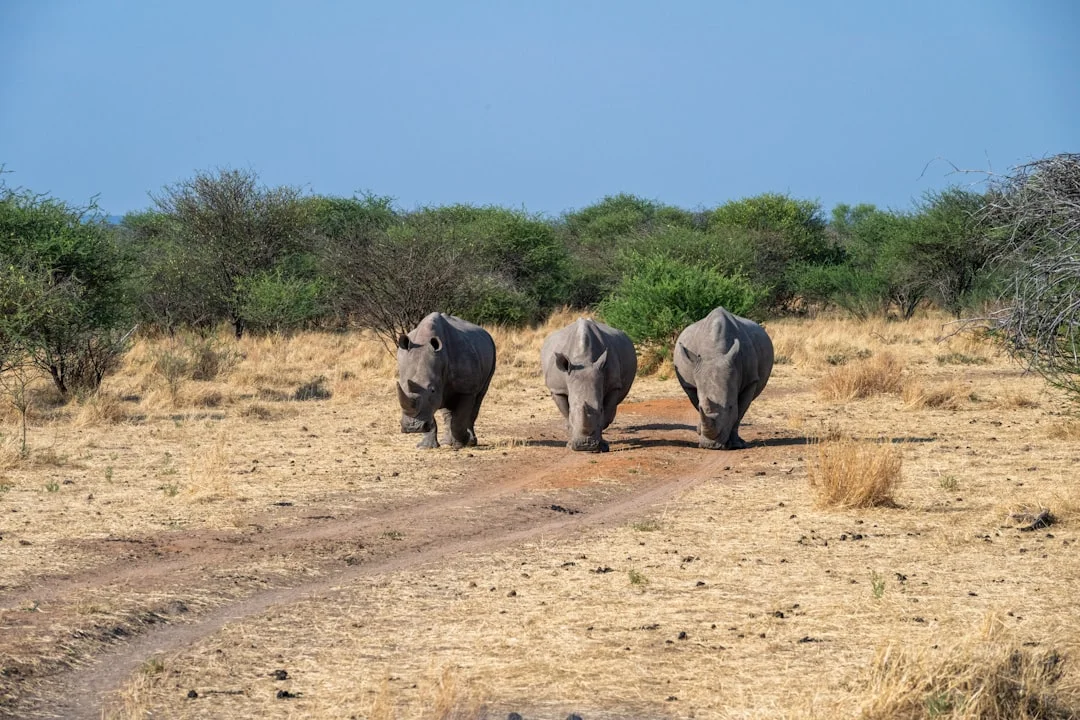
Key Differences: Safari vs Zoo
| Aspect | Zoo | Safari |
|---|---|---|
| Animal Behavior | Adapted to captivity | Completely natural and wild |
| Space | Enclosures (acres) | Endless wilderness (millions of acres) |
| Sightings | Guaranteed, predictable | Earned, unpredictable, thrilling |
| Social Groups | Artificial groupings | Natural prides, herds, families |
| Predation | Never witnessed | Real hunts and survival |
| Scale | Individual animals | Entire ecosystems in motion |
| Connection | Observer through glass/fence | Immersed in the environment |
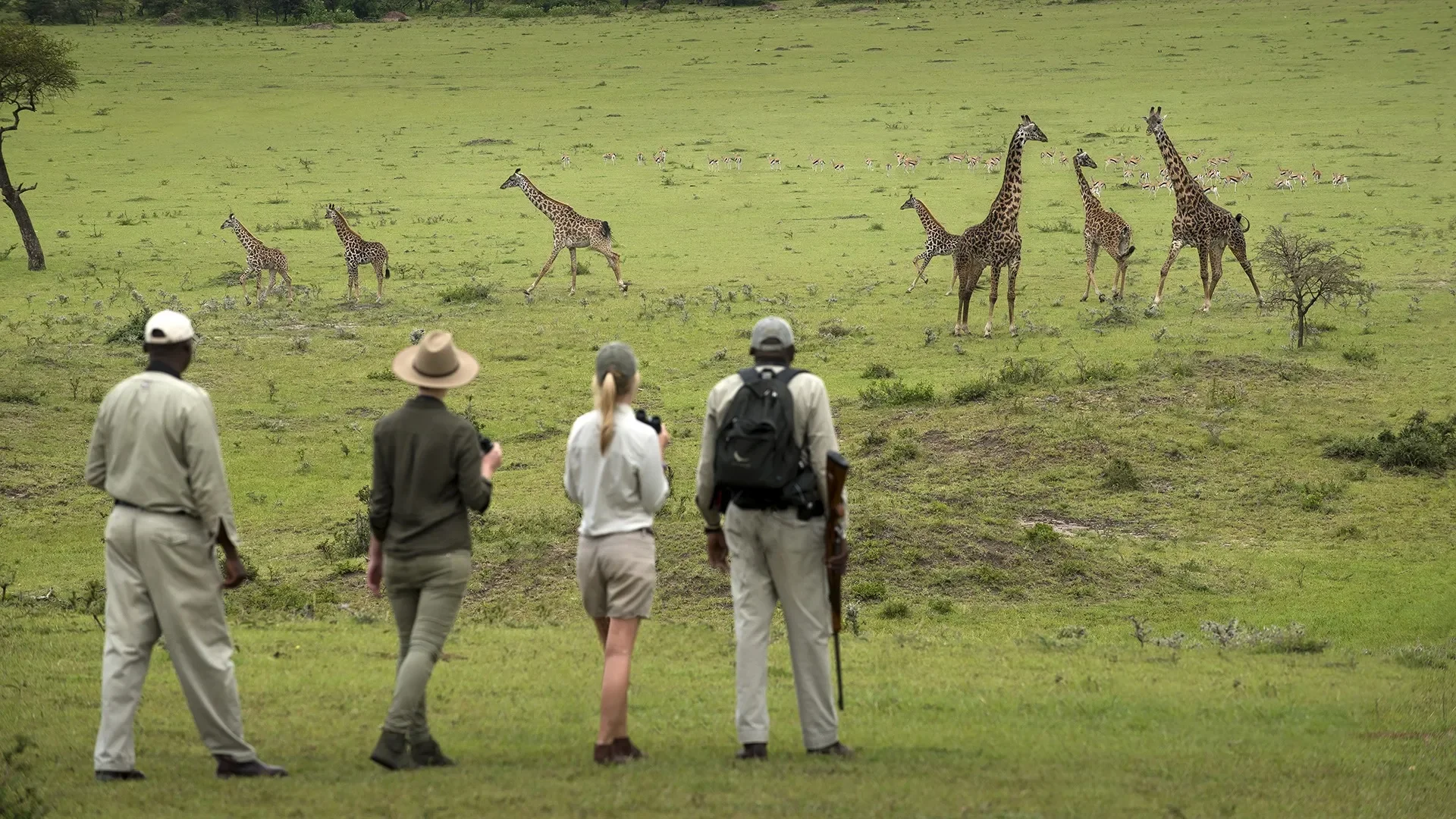
What You Only See on Safari
Natural Hunting Behavior
Watching a lioness stalk, chase, and take down prey is raw, real, and unforgettable. This fundamental aspect of wild life simply does not exist in captivity. The tension, the teamwork, the success or failure - it is nature documentary made real.
The Great Migration
1.5 million wildebeest moving across the Serengeti in an ancient cycle. No zoo can replicate this - it is one of Earth last great wildlife spectacles. See our Migration Calendar to plan your visit.
Family Dynamics
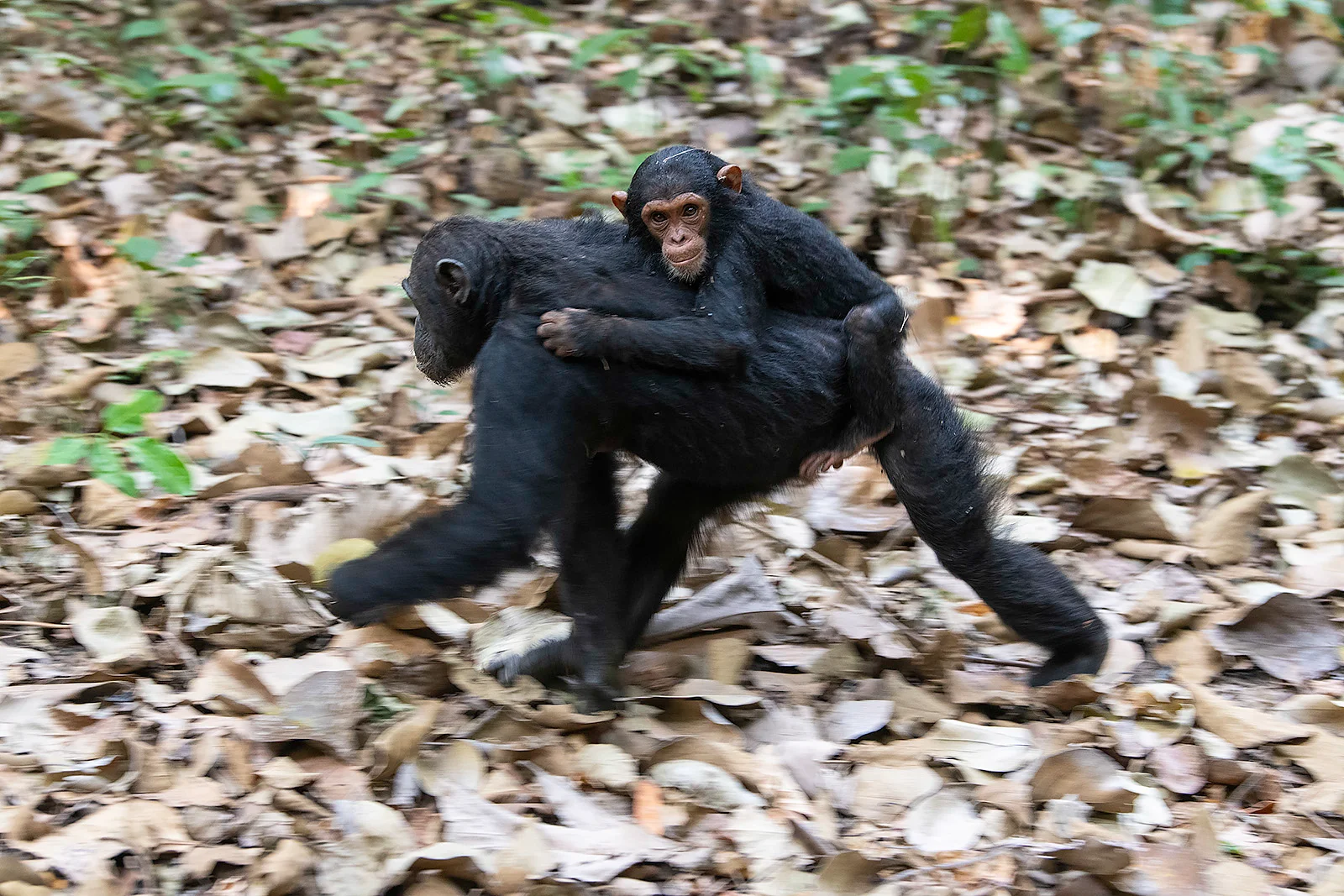
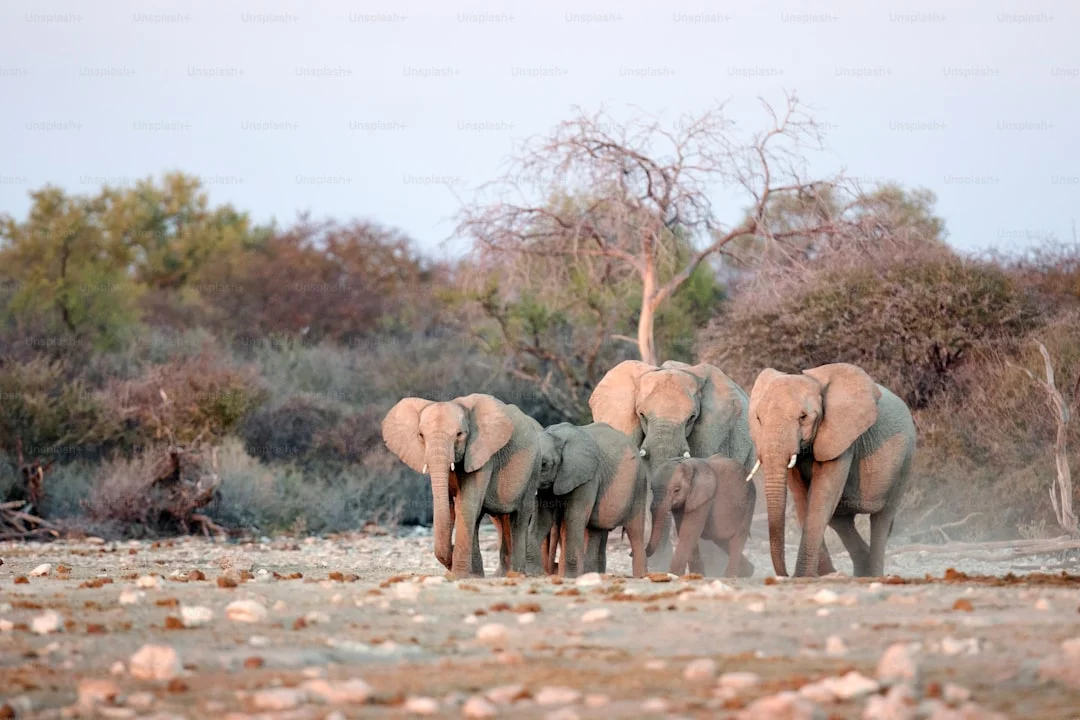
Elephant grandmothers teaching calves. Lion cubs learning to hunt. Cheetah mothers raising cubs alone. These multi-generational family stories unfold naturally over days of observation.
The Ecosystem
Safari shows you the complete picture: the grass that feeds the zebra, the zebra that feeds the lion, the lion that enriches the soil. You understand how everything connects.

The Sensory Experience
Safari engages all your senses in ways zoos cannot:
- Sound: Lion roars at 3 AM. Hyena calls. The silence of the savanna at dawn.
- Smell: Rain on African soil. The musk of elephant herds. Campfire smoke.
- Scale: Endless horizons. Stars undimmed by light pollution. True wilderness.
- Emotion: The thrill of finding a leopard. The patience of waiting. The reward of witnessing rare moments.
The Conservation Argument
Safari tourism directly funds wildlife protection:
- Park fees support anti-poaching patrols
- Tourism creates economic incentive for conservation
- Local communities benefit, reducing human-wildlife conflict
- Your visit helps ensure these animals survive for future generations
According to the World Wildlife Fund, wildlife tourism is one of the most effective conservation tools available.
When a Zoo Might Be Better
We believe in honesty - zoos do have advantages:
- Guaranteed sightings: You will definitely see specific animals
- Accessibility: Better for those with mobility limitations
- Cost: Significantly cheaper than international travel
- Time: A few hours vs a week or more
- Climate controlled: No early mornings or dusty roads
Frequently Asked Questions
Will I definitely see lions on safari?
Very likely but not 100% guaranteed. Our guides have excellent success rates - over 98% of guests see lions. But part of safari magic is that wildlife is wild.
Is safari ethical? What about disturbing the animals?
Responsible safari operators (like us) follow strict guidelines to minimize impact. Vehicles keep respectful distances, and wildlife largely ignores us. Revenue from tourism is essential for conservation funding.
My kids love the zoo - would they enjoy safari?
Children often love safari even more! The adventure, the "treasure hunt" aspect of finding animals, and the campfire stories create lasting memories. See our Family Safari Guide.
Ready to experience the difference? Plan your Tanzania safari and discover what wild Africa truly offers.

Ecological Wilderness Adventure
Expert safari guide and writer at Ecological Wilderness Adventure, a TATO-licensed operator based in Arusha, Tanzania with 20+ years of experience crafting authentic wildlife expeditions across East Africa.
Published April 17, 2026
You Might Also Enjoy
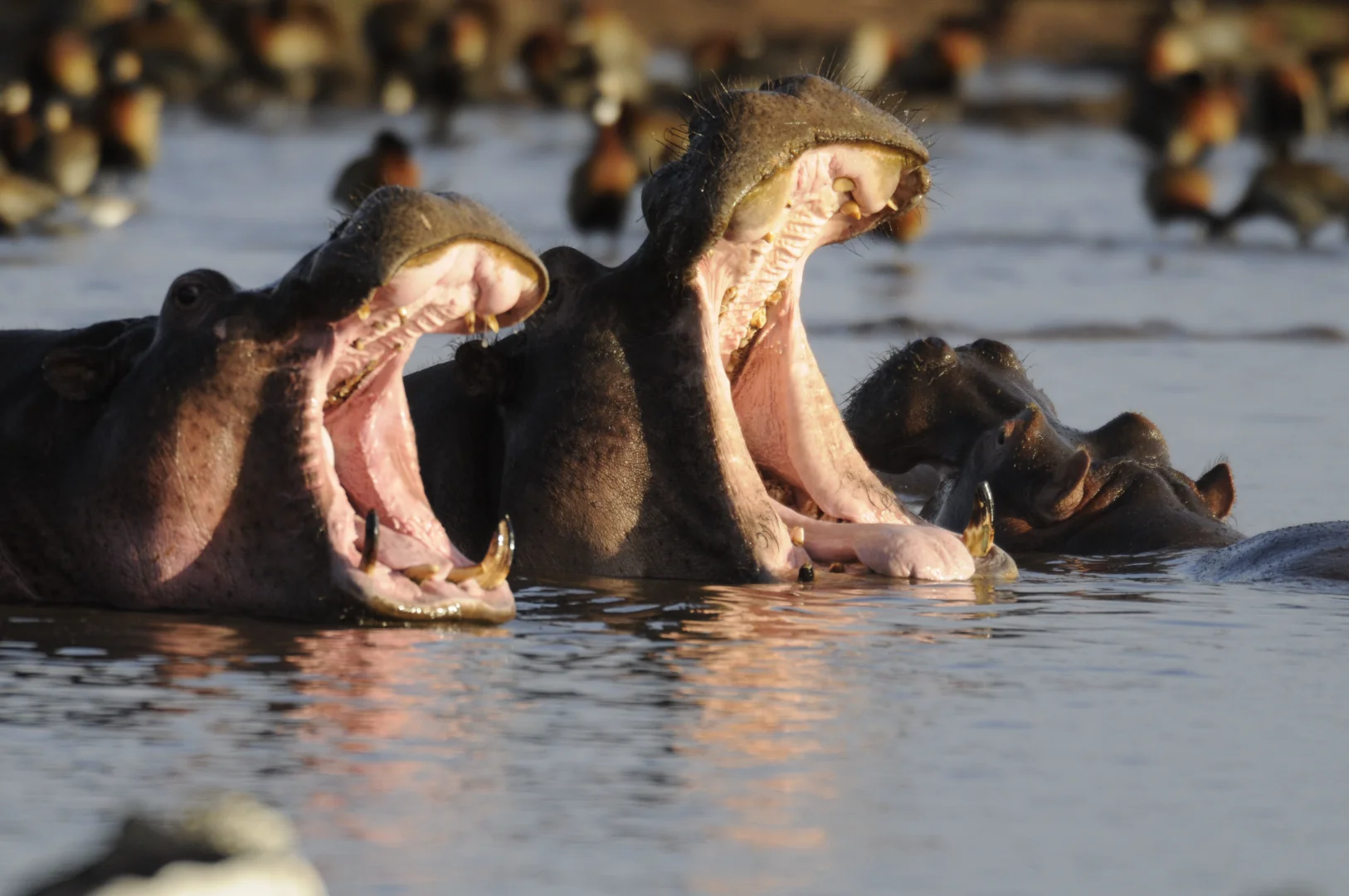
African Safari Guide: Countries, Costs, Best Times & Expert Tips for 2026
A lioness crouches in golden grass, her amber eyes locked on a herd of zebra. The only sounds are your heartbeat and the quiet click of your camera shutter. This is the moment that's pulled you across continents—the reason you're reading this guide. An African safari isn't just a vacation; it's a transformation.
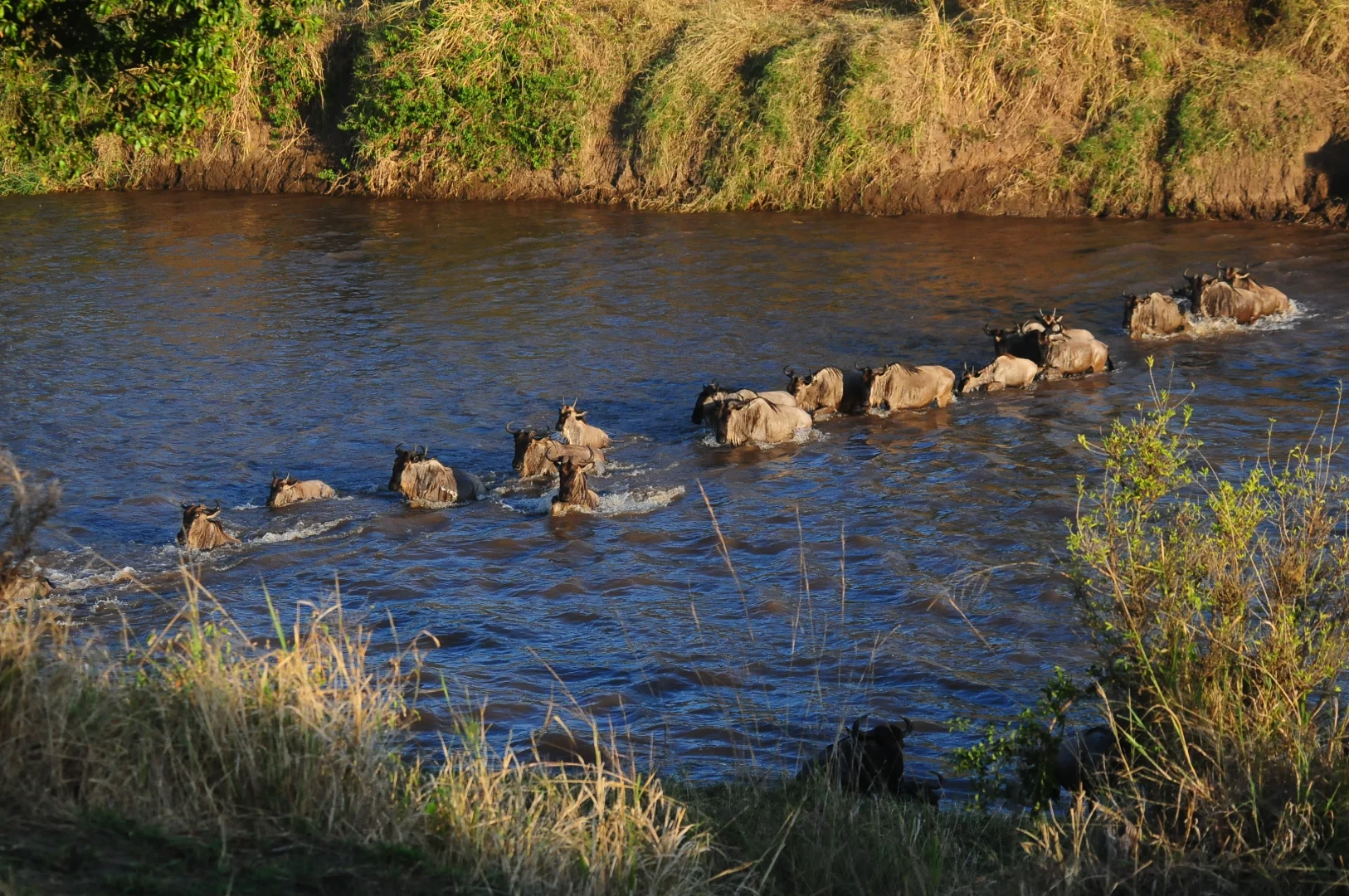
African Safari in Tanzania 2026: Your Ultimate Wildlife Adventure Guide
Planning an African safari in Tanzania? Discover why Tanzania is Africa's top safari destination with our comprehensive guide to parks, wildlife, costs from $1,899, seasons, and practical tips from local experts.
Tanzania Safari Destinations Compared: Complete Guide 2026
Compare all major Tanzania safari destinations. Northern vs Southern circuit, park-by-park breakdown of wildlife, costs, crowds, and best timing.