The Ngorongoro Crater is a natural wonder - a UNESCO World Heritage Site where 25,000 animals live in a perfect ecosystem. Discover why this extinct volcano offers Africa's best wildlife viewing with our comprehensive guide.
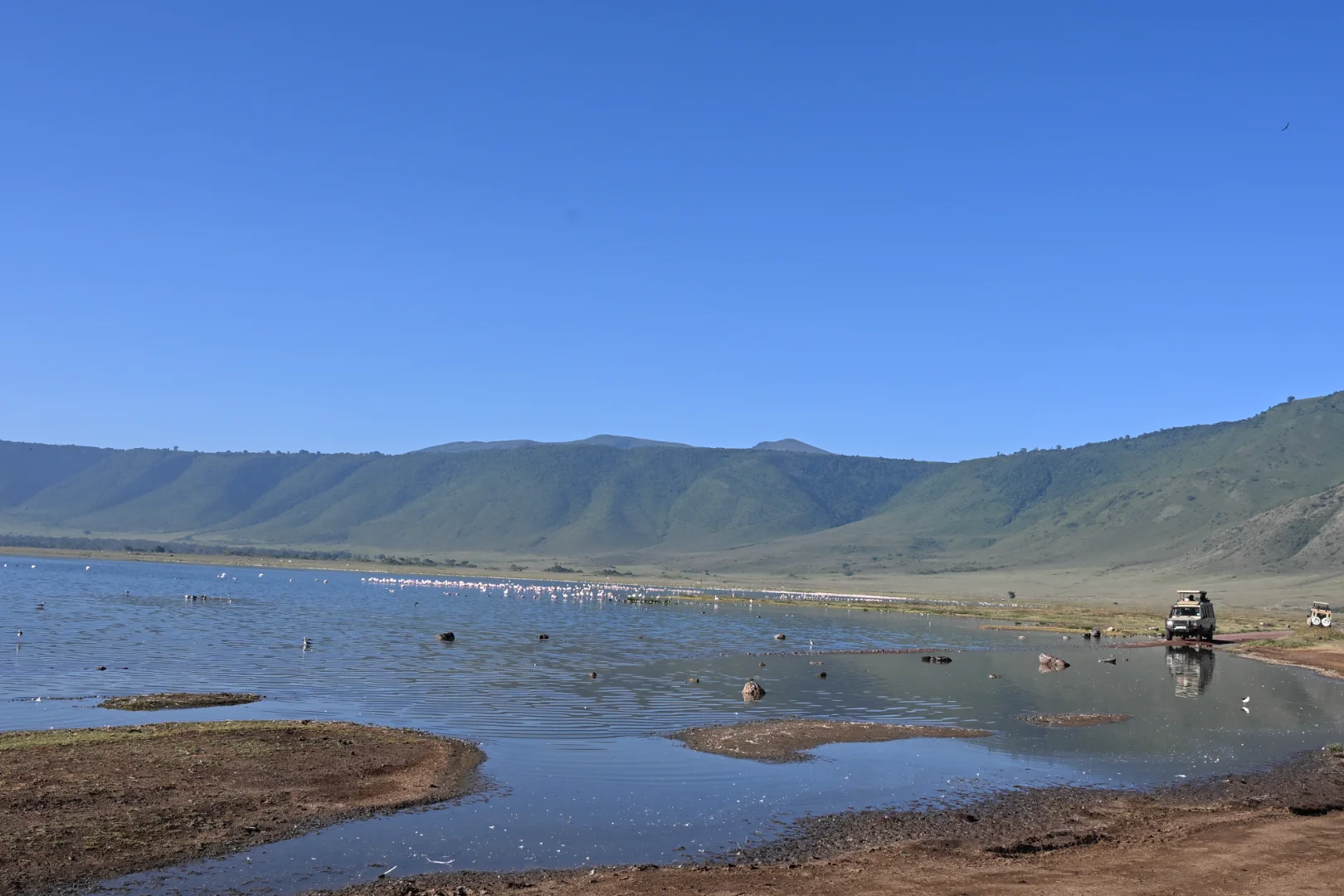
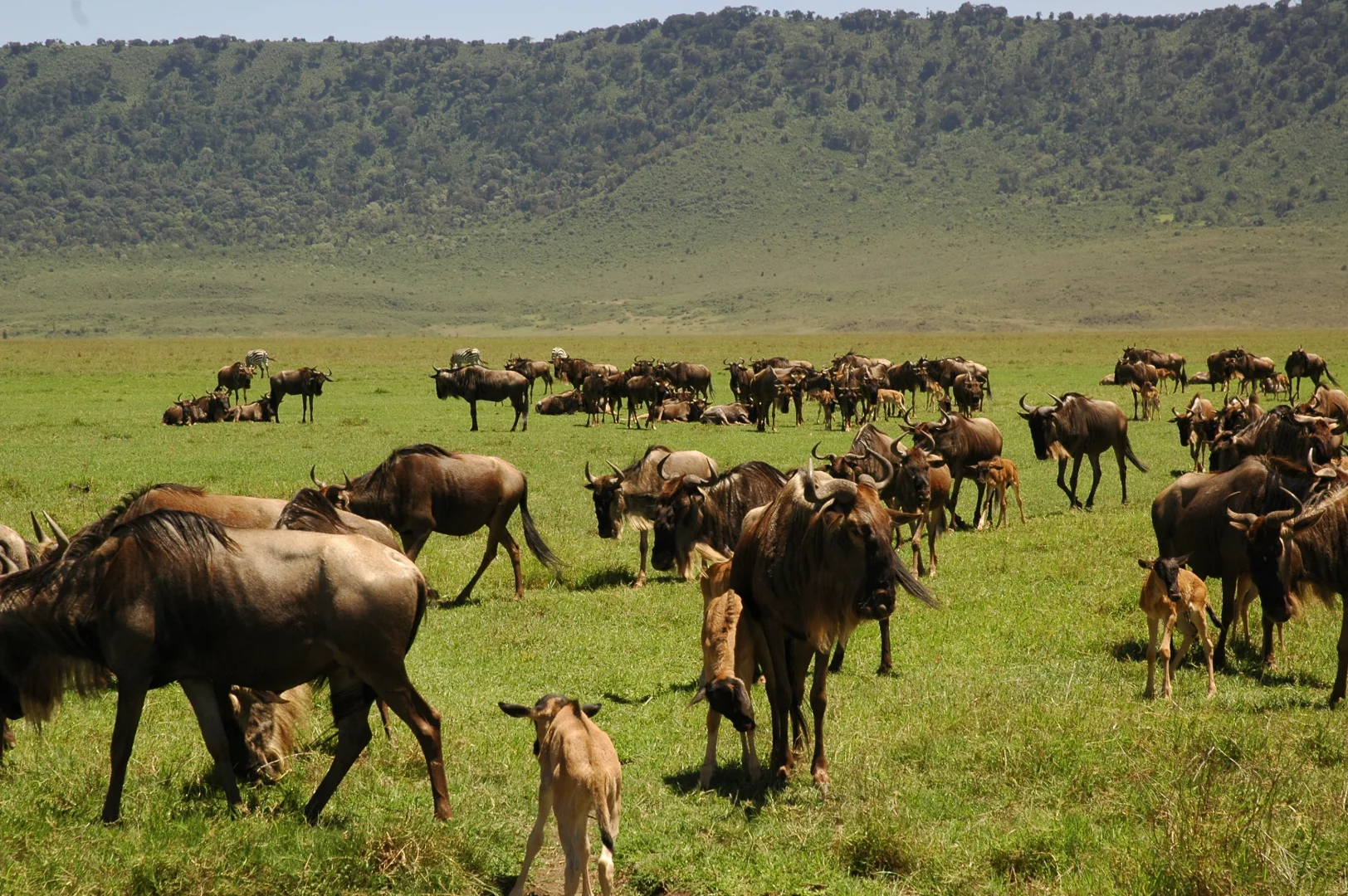
The Ngorongoro Crater stands as one of Africa's most spectacular natural wonders - the world's largest intact volcanic caldera, measuring 19 kilometers across and home to approximately 25,000 large mammals in a self-contained ecosystem.
Why Visit Ngorongoro Crater?
UNESCO World Heritage Site: Recognized for both natural and cultural significance Guaranteed Big 5: 99% chance of seeing all Big 5 in a single day Highest Predator Density: Africa's highest concentration of predators Unique Black-Maned Lions: Endemic sub-species with distinctive black manes Year-Round Wildlife: Permanent water sources keep animals present year-round Ancient Ecosystem: 2.5 million-year-old volcanic caldera
Ngorongoro Crater Wildlife
The Big 5 in the Crater
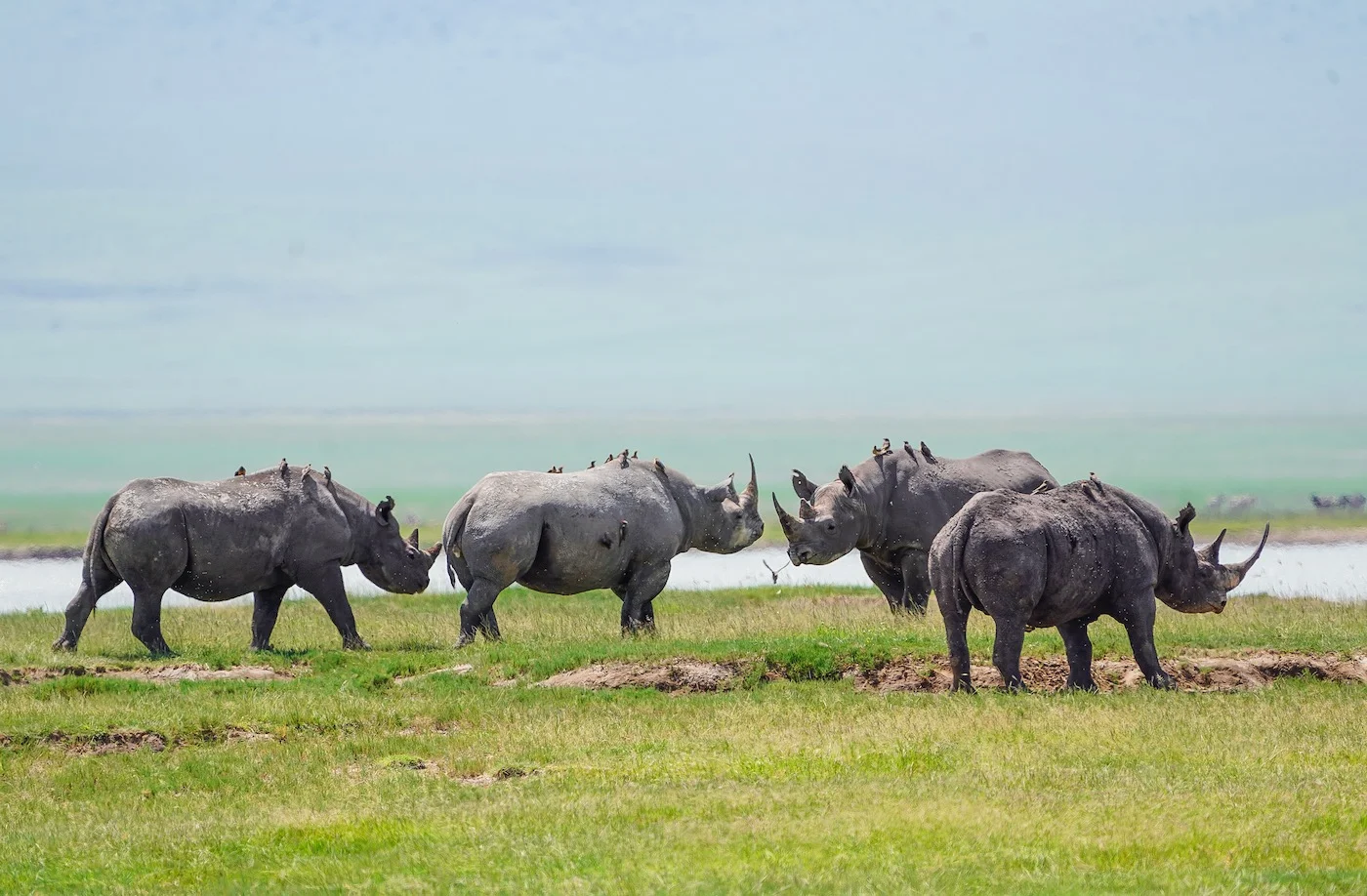
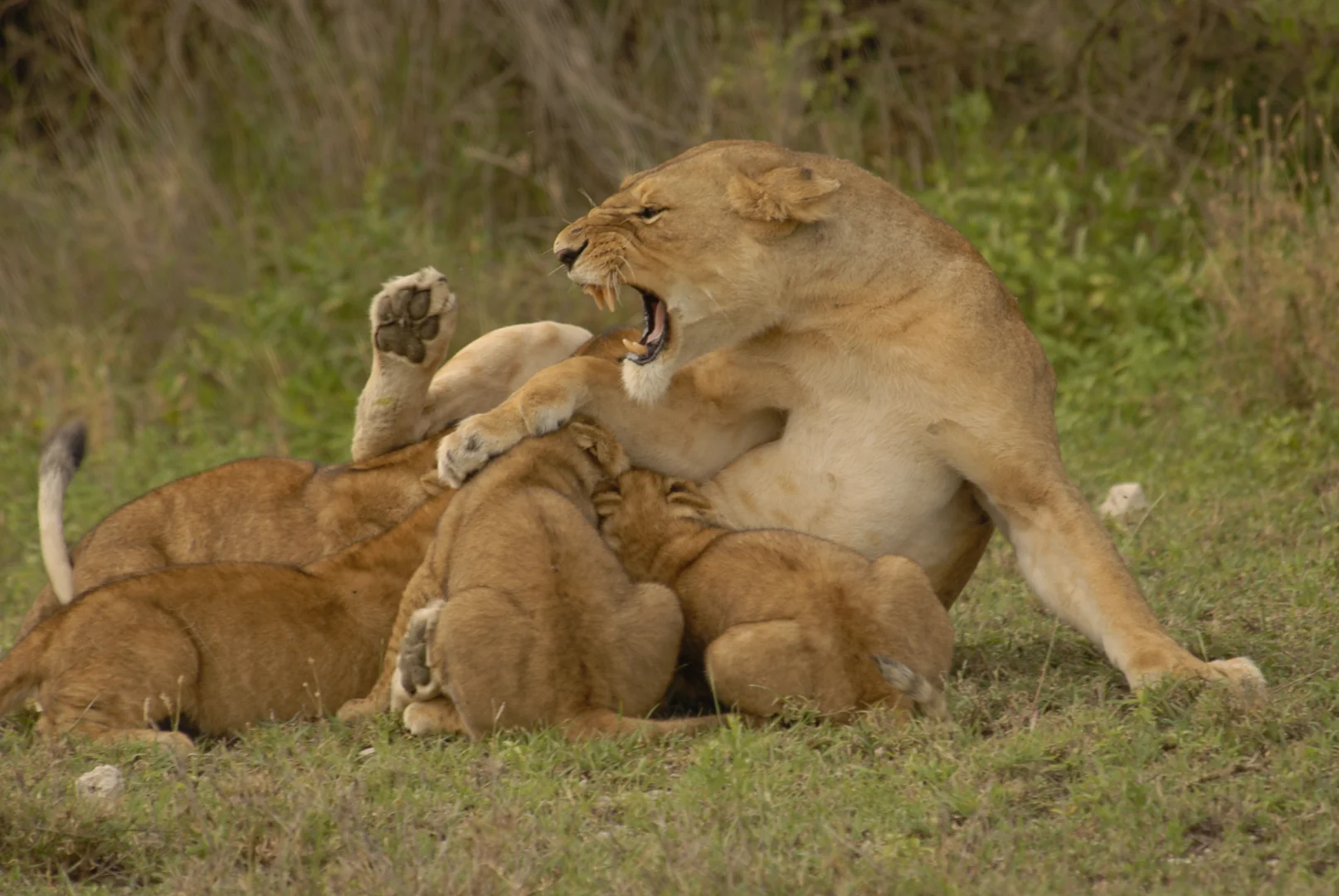
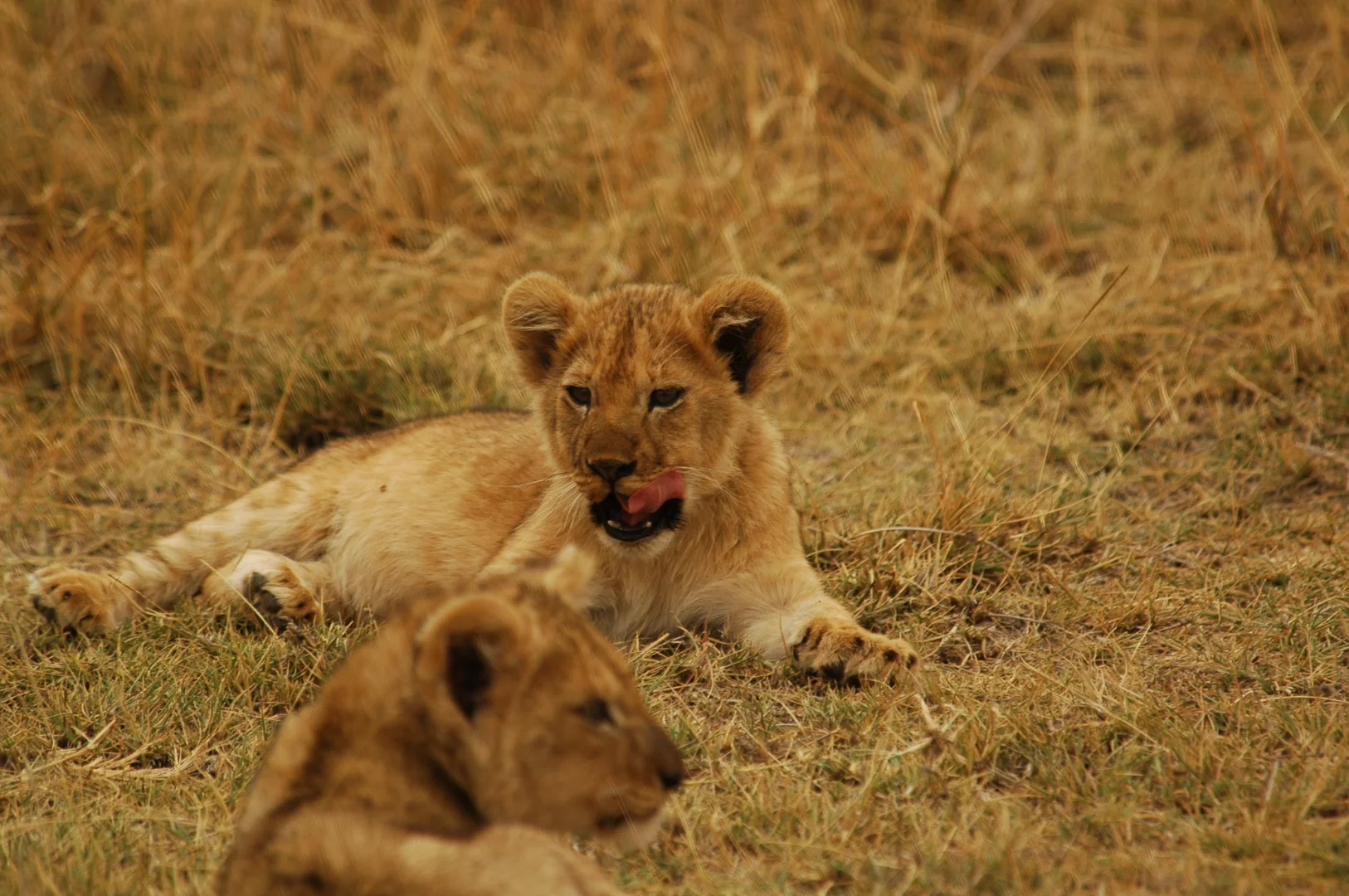
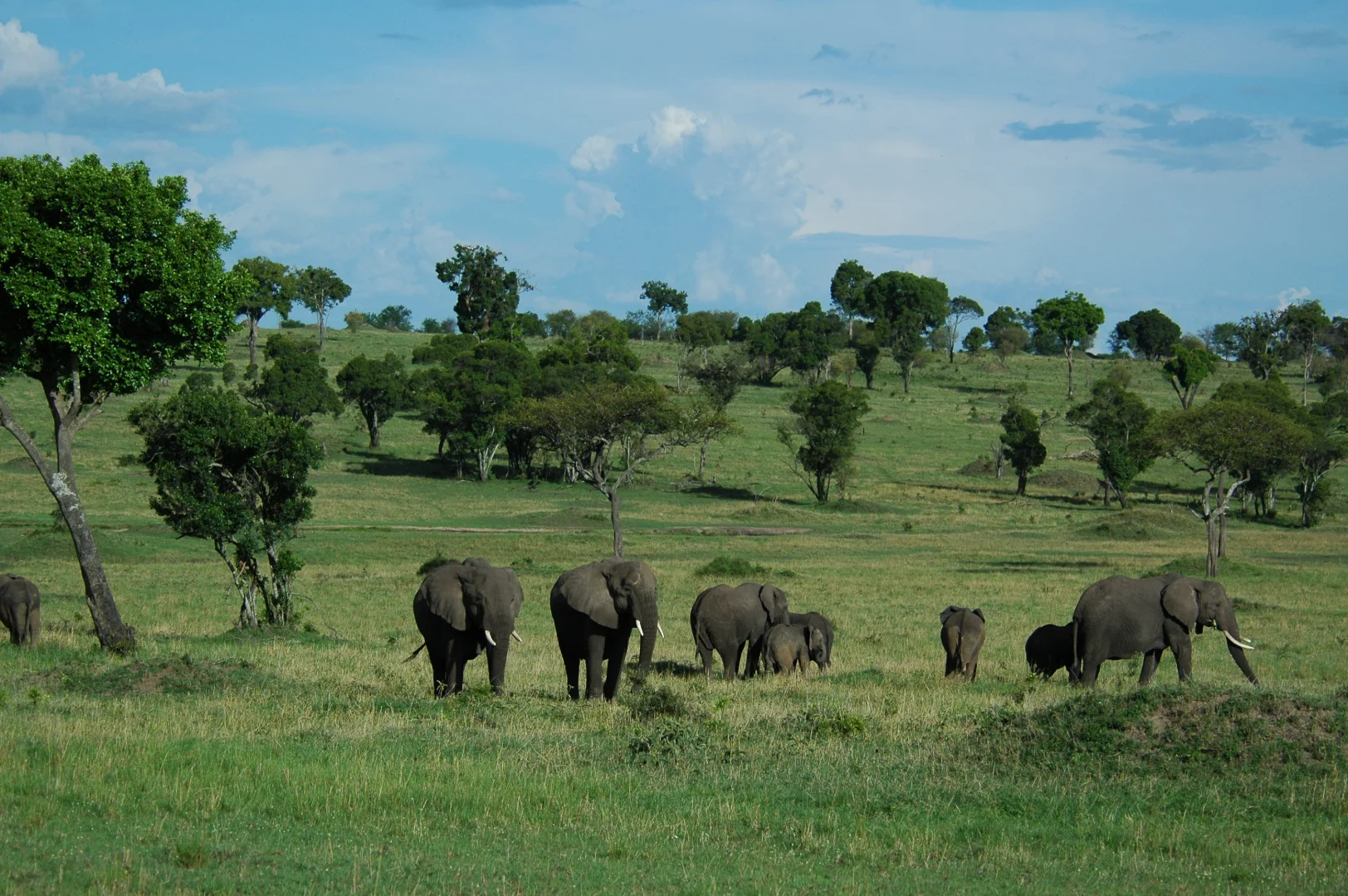
Lions (50-60): Famous black-maned males, 2-3 prides Black Rhinos (30+): One of Tanzania's best places to see endangered black rhino Elephants (50-60): Mostly large bulls; breeding herds on crater rim Buffalo (4,000+): Large herds across crater floor Leopards (20-30): Elusive but present; often in Lerai Forest
Other Wildlife Highlights
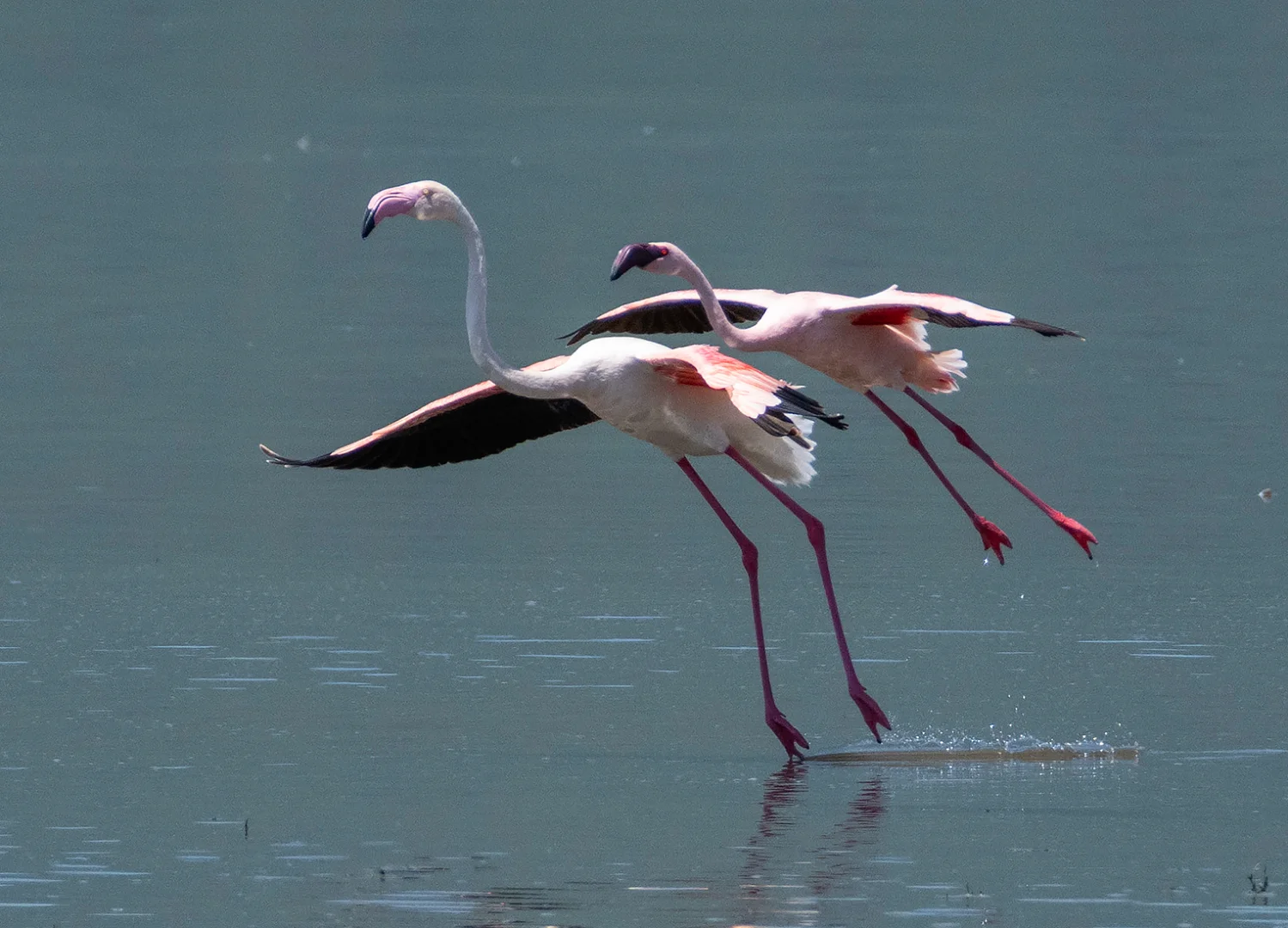
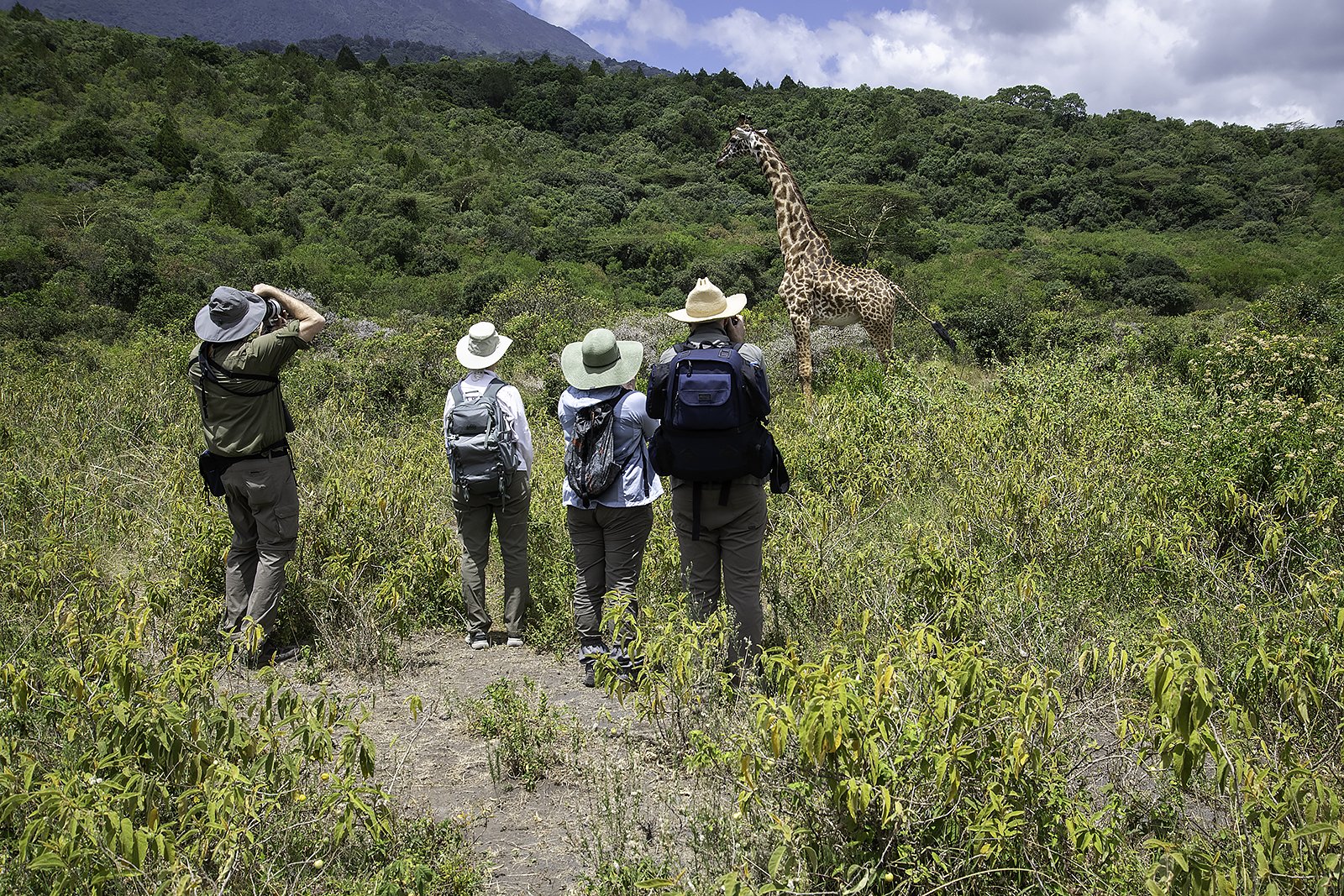
Hippos: 150+ in Ngoitoktok Springs and swamp areas Hyenas: Over 400 spotted hyenas (largest clan concentrations in Africa) Zebras: 4,000+ permanent residents Wildebeest: 7,000+ (some participate in Serengeti migration) Flamingos: Lake Magadi attracts thousands (seasonal) Cheetahs: 5-10 individuals (rare due to lion competition)
Birdlife
Over 500 bird species including:
- Crowned cranes
- Kori bustards (world's heaviest flying bird)
- Secretary birds
- Ostriches
- Various eagles and vultures
Best Time to Visit
Dry Season (June - October)
Advantages:
- Easiest wildlife spotting (sparse vegetation)
- Clear weather, excellent visibility
- Peak tourist season = good infrastructure
- Ideal photography conditions
Disadvantages:
- More crowded (especially July-August)
- Dusty conditions
- Higher accommodation prices
Wet Season (November - May)
November - December (Short Rains):
- Fewer tourists
- Lush green scenery
- Migratory birds arrive
- 20-30% lower prices
January - March:
- Beautiful conditions
- Calving season nearby in Ndutu
- Great weather
- Moderate crowds
April - May (Long Rains):
- Lowest prices (40% off)
- Dramatic landscapes
- Excellent photography (dramatic skies)
- Challenging road conditions
Our Recommendation: January-March combines excellent weather, green scenery, and moderate crowds.
Crater Safari Experience
Typical Crater Day
6:00 AM: Depart lodge/camp 6:30 AM: Descend into crater 6:30 AM - 2:00 PM: Full-day game drive with picnic lunch 2:00 PM: Ascend from crater 3:00 PM: Return to accommodation
Important Rules:
- Vehicles must exit by 6:00 PM (strictly enforced)
- No off-road driving permitted
- Stay in vehicle except at designated picnic sites
What to Expect
Wildlife Viewing: Exceptional - compact area means numerous sightings Landscape: Varied - grasslands, acacia forest, swamps, soda lake Crowds: Can be busy at popular sighting spots (20-30 vehicles) Roads: Well-maintained but descent/ascent roads are steep Picnic Sites: Hippo pool picnic site (watch for aggressive hippos!)
Where to Stay
On the Crater Rim (Premium Views)
Ultra-Luxury:
- Ngorongoro Crater Lodge ($800-$1,500/night): Chandeliers, antiques, incredible views
- The Manor at Ngorongoro ($600-$900/night): Coffee plantation estate, elegant
Mid-Range:
- Ngorongoro Serena Safari Lodge ($250-$400/night): Built into rim, great views
- Ngorongoro Sopa Lodge ($200-$350/night): Excellent value, rim location
- Ngorongoro Wildlife Lodge ($180-$300/night): Classic lodge, crater views
Near Crater (Karatu Area - Better Value)
Mid-Range:
- Eileen's Trees Inn ($150-$250/night): Excellent service, gardens
- Gibb's Farm ($200-$350/night): Historic coffee farm, organic food
- The Retreat at Ngorongoro ($180-$280/night): Wellness-focused, peaceful
Budget:
- Kudu Lodge ($80-$120/night): Good value, comfortable
- Bougainvillea Safari Lodge ($70-$100/night): Basic but clean
Public Campsites ($30-$50/night)
Simba Campsite: On crater rim, spectacular but basic facilities
Crater Conservation Area Highlights
Beyond the Crater
Olduvai Gorge: "Cradle of Mankind" - crucial archaeological site Shifting Sands: Moving dunes of volcanic ash Empakaai Crater: Flamingo-filled crater lake, excellent hiking Olmoti Crater: Source of Munge River, dramatic waterfalls
Cultural Experiences
Maasai Villages: Visit traditional bomas (homesteads) Cultural Heritage Centre: Learn Maasai history and traditions Olduvai Museum: Human evolution exhibits
Photography Tips
Best Spots:
- Crater rim viewpoints (sunrise)
- Lerai Forest (leopard habitat)
- Lake Magadi (flamingos)
- Ngoitoktok Springs (hippos)
Camera Settings:
- Morning: ISO 400-800, f/5.6-8
- Midday: ISO 200-400, f/8-11
- Telephoto: 200-400mm ideal for crater wildlife
- Wide Angle: 24-70mm for landscapes
Composition Tips:
- Include crater rim in background
- Use swamps and lake for reflections
- Capture scale with wide shots showing rim
Combining Ngorongoro with Other Parks
Classic Northern Circuit (7-10 Days)
Day 1-2: Tarangire Day 3-5: Serengeti Day 6: Ngorongoro Crater Day 7: Lake Manyara
Crater-Focused Safari (4-5 Days)
Day 1: Arrival Arusha Day 2: Tarangire Day 3-4: Ngorongoro (crater + surrounding areas) Day 5: Departure
Crater Safari Costs
Park Fees (2025):
- Crater descent fee: $295 per vehicle
- Conservation area entry: $70 per person/day
- Vehicle fee: $50/day
Full-Day Safari: $400-$600 per person (including transport, guide, packed lunch)
Multi-Day Packages:
- Budget: $1,200-$1,800 (3 days/2 nights)
- Mid-Range: $2,000-$3,500 (4 days/3 nights)
- Luxury: $4,000-$8,000+ (4 days/3 nights)
Conservation & Ethics
Protecting the Crater
Threats:
- Tourism pressure
- Human-wildlife conflict
- Limited genetic diversity (isolated population)
What You Can Do:
- Follow all park rules
- Choose ethical operators
- Support conservation fees
- Respect Maasai land rights
- Minimize plastic use
Maasai Community
The Ngorongoro Conservation Area is unique - humans (Maasai) and wildlife coexist:
- 65,000+ Maasai live in the conservation area
- Traditional pastoralism allowed
- Community benefits from tourism
- Support authentic cultural programs
Essential Tips
Best Photography: Sunrise from crater rim Least Crowded Times: November, April-May Must-See: Black rhino at Lerai Forest Unique Experience: Crater rim walk (arranged through lodges) Avoid: Peak hours (10 AM - 2 PM) at popular spots Bring: Warm layers (crater rim is cold), binoculars
Book Your Ngorongoro Safari
Experience the crater with experts who have guided here for 20+ years. We guarantee Big 5 sightings or your money back.
Contact: +255 780 900003 | info@ecologicaladventure.com
Plan this trip: Ngorongoro Crater Day Trip from Arusha: Full-Day Safari, Serengeti and Ngorongoro Safari: 6-Day Tanzania Trip and 3 Day Tanzania Safari: Tarangire, Manyara & Ngorongoro.

Ecological Wilderness Adventure
Expert safari guide and writer at Ecological Wilderness Adventure, a TATO-licensed operator based in Arusha, Tanzania with 20+ years of experience crafting authentic wildlife expeditions across East Africa.
Published October 5, 2025
You Might Also Enjoy
Ngorongoro Crater 2026: Complete Guide to Africa's Eighth Wonder
Discover the Ngorongoro Crater—the world's largest intact volcanic caldera and Africa's premier Big Five destination. Expert guide covering wildlife, best time to visit, crater lodges, and safari tips from local guides.
Ngorongoro Crater Safari 2026: Complete Visitor Guide
Plan your 2026 Ngorongoro Crater visit. Learn about the best times, wildlife, fees, and insider tips for this UNESCO World Heritage Site.
Serengeti vs Ngorongoro Crater: Which Should You Visit?
Serengeti or Ngorongoro Crater? Detailed comparison of Tanzania's two most famous parks covering wildlife, costs, best timing, and which suits your safari style.