Planning an African safari in Tanzania? Discover why Tanzania is Africa's top safari destination with our comprehensive guide to parks, wildlife, costs from $1,899, seasons, and practical tips from local experts.
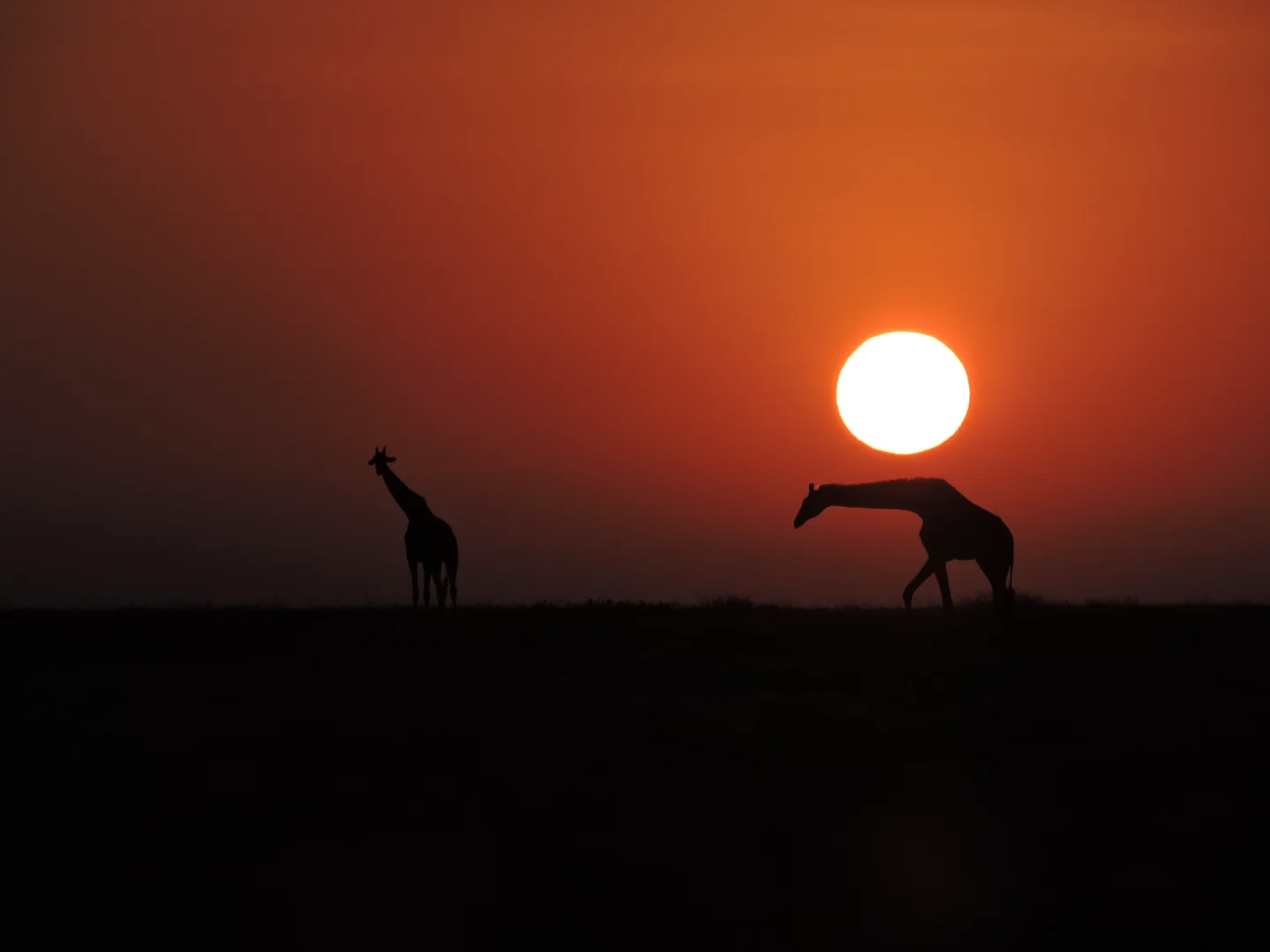
When people dream of an African safari, they're usually picturing Tanzania—even if they don't know it yet. Those sweeping savannah shots with acacia trees silhouetted against the sunset? That's Serengeti. The volcanic crater teeming with wildlife? Ngorongoro. The endless wildebeest herds? The Tanzania-Kenya migration corridor. Tanzania isn't just one of Africa's best safari destinations; it's the template that defined what "African safari" means to the world.
Why Tanzania is Africa's Premier Safari Destination
Tanzania offers something no other African country can match: sheer variety combined with authentic wilderness. Consider these facts:
- Over 25% of the country is protected as national parks or conservation areas, according to the Tanzania Tourism Board
- 22 national parks covering diverse ecosystems from savannah to rainforest
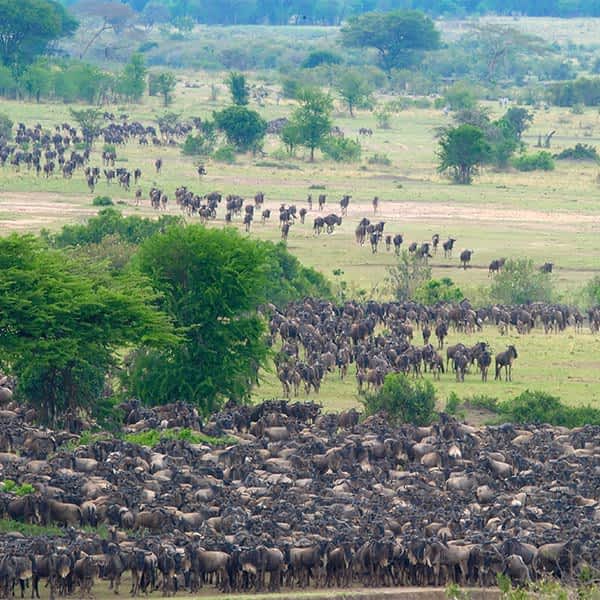
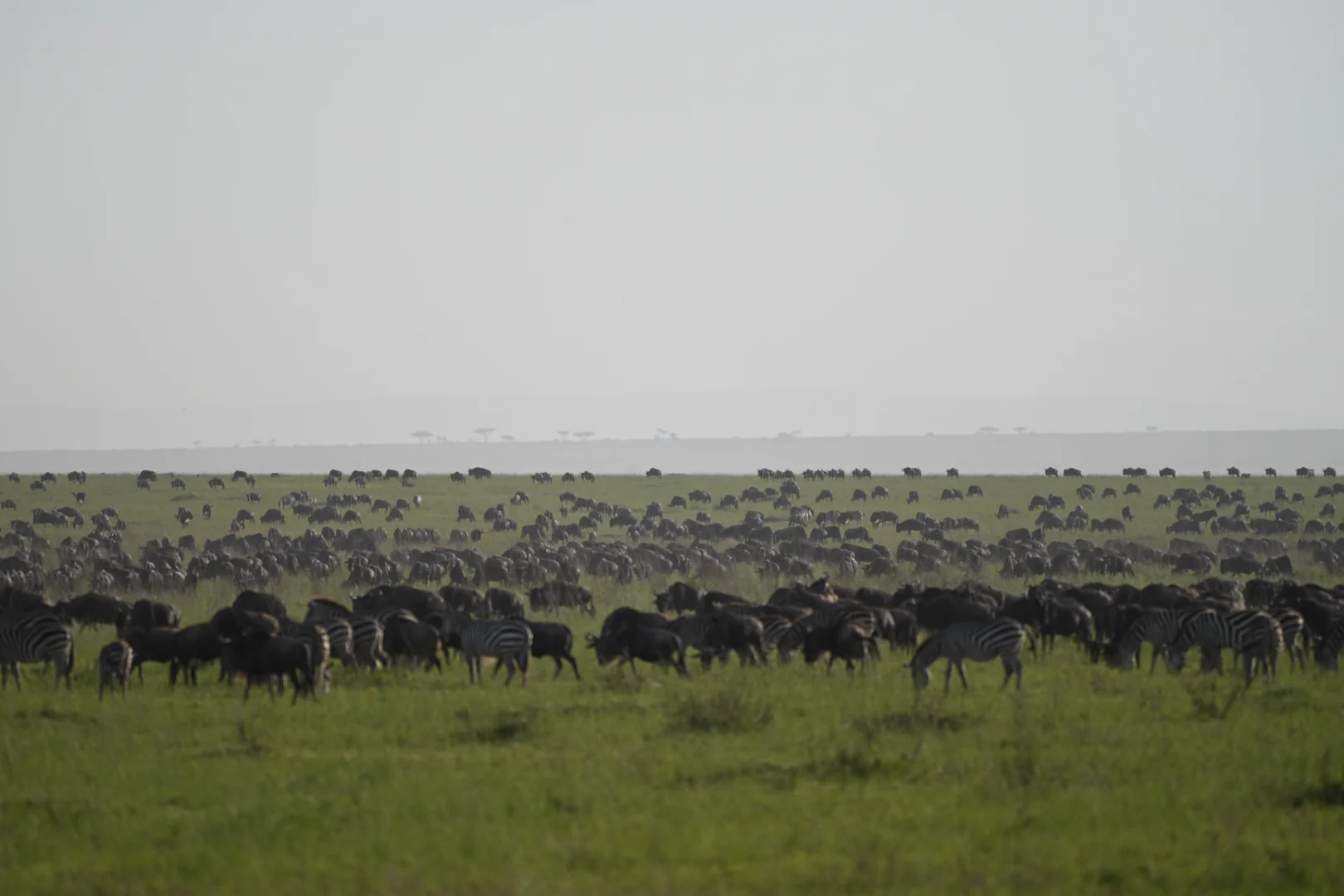
- The Great Migration—1.5 million wildebeest—spends 9 months in Tanzania
- Mount Kilimanjaro—Africa's highest peak at 5,895 meters
- The Big Five can be seen in multiple parks
- Less commercialized than Kenya or South Africa, preserving authentic experiences
Having operated safaris here for over a decade, we've watched Tanzania maintain its wild character even as tourism has grown. The government's commitment to conservation and sustainable tourism means the Tanzania you visit today feels remarkably similar to the Africa of a century ago.
Tanzania vs. Kenya, Botswana, and South Africa
Every safari destination has strengths. Here's how Tanzania compares:
Tanzania vs. Kenya
Kenya and Tanzania share the Serengeti-Mara ecosystem, but Tanzania offers longer migration viewing (9 months vs. 3 months), larger protected areas, and generally fewer tourists. Kenya has better infrastructure in some areas and more budget options. For the migration specifically, Tanzania wins on duration and calving season exclusivity.
Tanzania vs. Botswana
Botswana focuses on exclusive, high-end safaris with strict visitor limits. Tanzania offers more variety in accommodation levels and typically better value for money. Botswana excels in water-based safaris (Okavango Delta); Tanzania offers mountains, craters, and beaches.
Tanzania vs. South Africa
South Africa offers excellent self-drive options and malaria-free reserves. Tanzania provides a more authentic "wild Africa" experience with less fencing and larger wilderness areas. For first-time African travelers seeking the classic safari experience, Tanzania delivers that dream more completely.
The Big Five and Beyond: What Wildlife You'll See
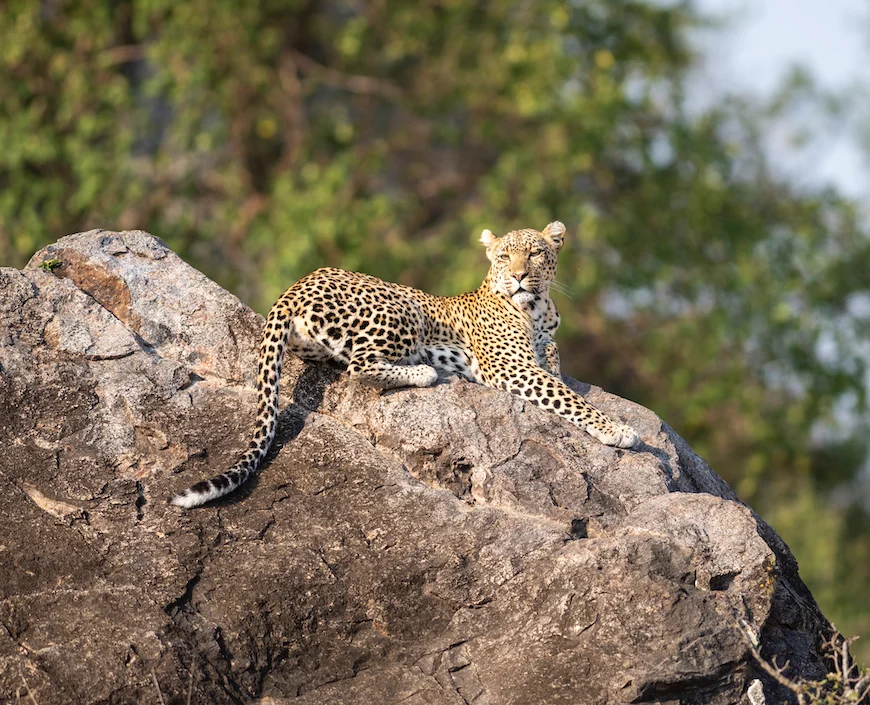
The "Big Five"—lion, leopard, elephant, buffalo, and rhinoceros—originated as the most dangerous animals to hunt on foot. Today, they're the most sought-after sightings on safari. Tanzania offers reliable chances of seeing all five, particularly in:
- Ngorongoro Crater—All Big Five in a single day is common
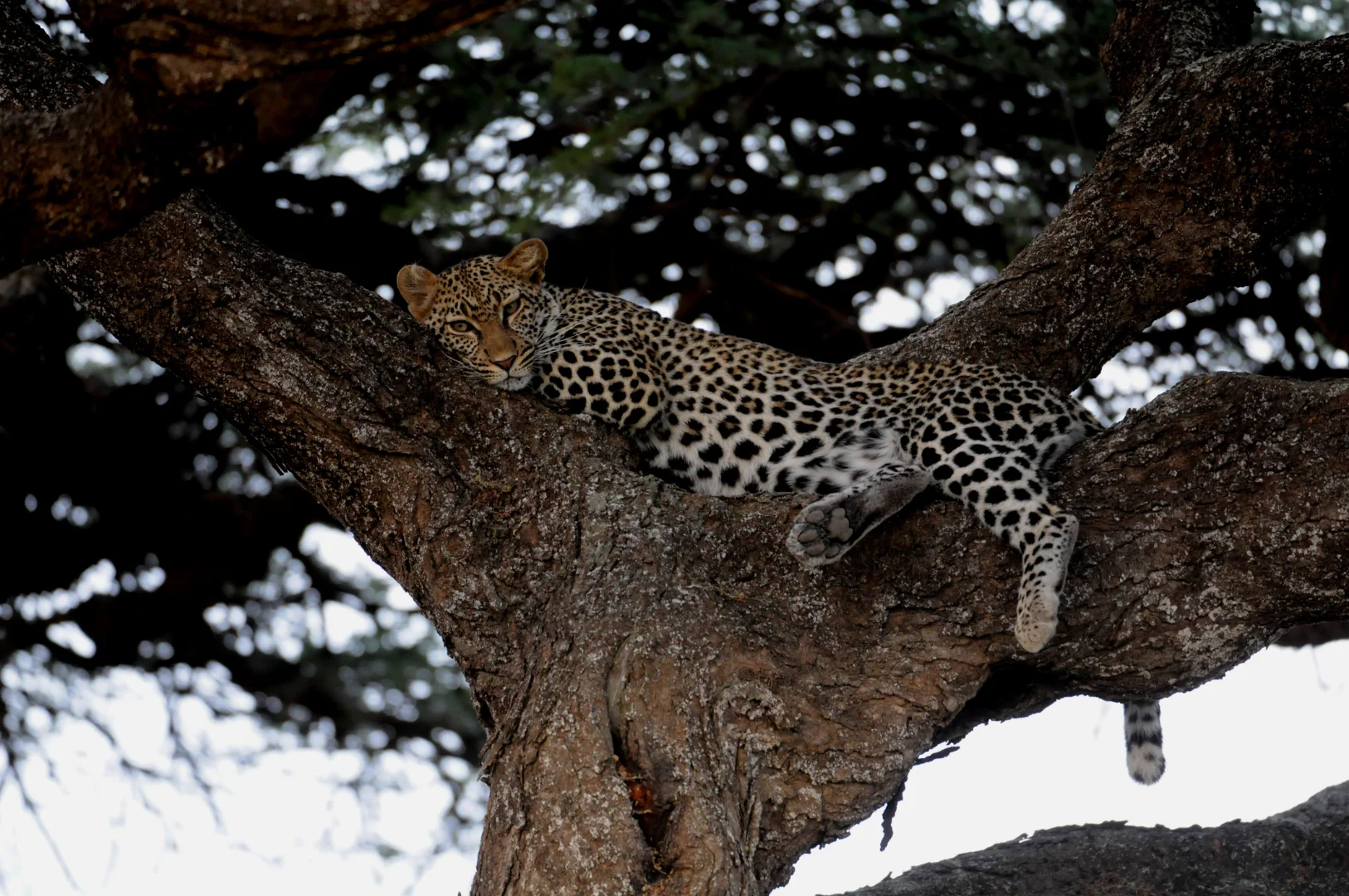
- Serengeti National Park—Excellent for lions and leopards
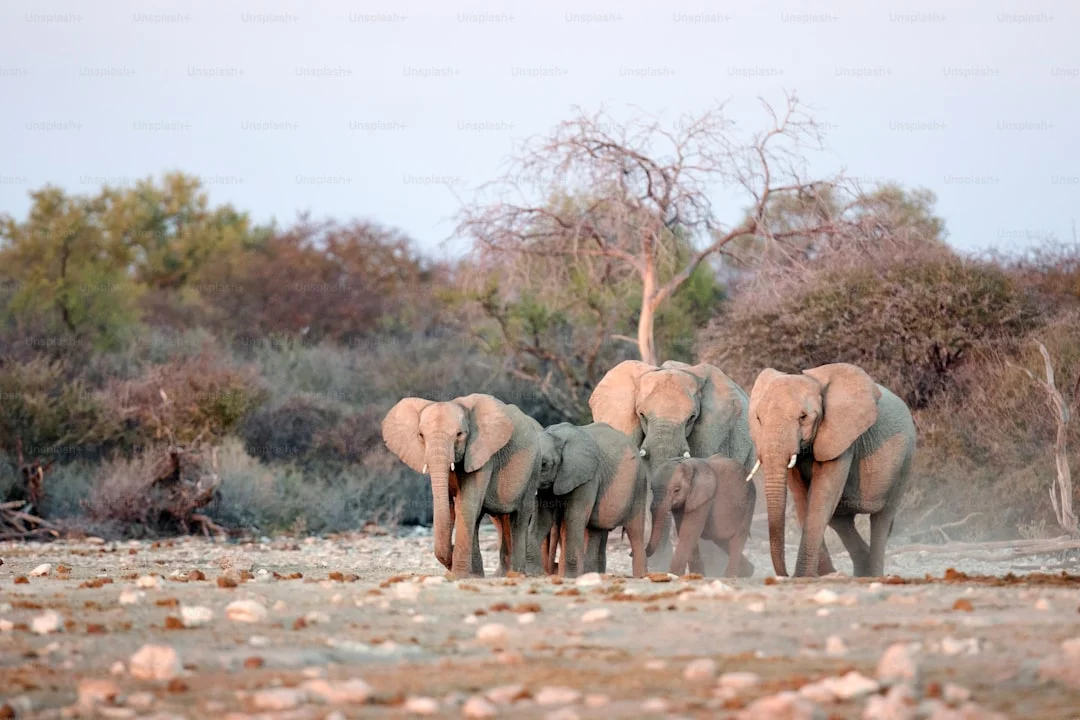
- Tarangire National Park—Massive elephant herds
But Tanzania's wildlife extends far beyond the Big Five:
- Cheetahs—Best seen in the Serengeti's open plains
- Wild dogs—Ruaha and Selous (now Nyerere) have healthy populations
- Wildebeest—1.5 million during migration
- Zebra—400,000 accompany the wildebeest
- Hippos and crocodiles—Abundant in rivers and pools
- Over 1,000 bird species—A birder's paradise
Tanzania's Top Safari Parks
The Northern Circuit
Most first-time visitors focus on the Northern Circuit, which includes Tanzania's most famous parks:
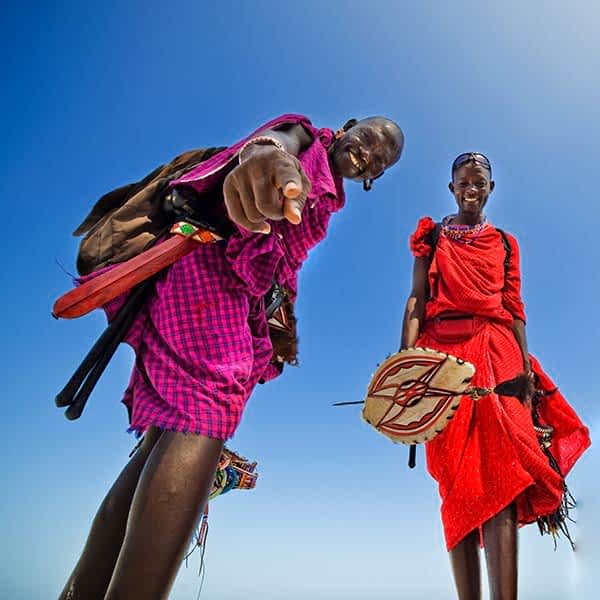
Serengeti National Park—14,763 square kilometers of savannah hosting the Great Migration. The name means "endless plains" in Maasai. Iconic lodges include Kuhama Camp and Serengeti Serena Safari Lodge.
Ngorongoro Crater—A collapsed volcano containing 25,000 large animals in a natural enclosure. The highest density of wildlife in Africa. Stay at Elewana The Manor or Crater's Edge for rim views.
Tarangire National Park—Known for elephant super-herds (up to 300 together) and ancient baobab trees. Excellent dry season destination. Elewana Tarangire Treetops offers treehouse accommodation.
Lake Manyara National Park—Compact park famous for tree-climbing lions and flamingo-lined shores. Often combined with Tarangire as a day stop.
The Southern Circuit
For travelers seeking fewer tourists and wilder experiences:
Ruaha National Park—Tanzania's largest park and one of its best-kept secrets. Excellent predator viewing with hardly any other vehicles.
Nyerere National Park (formerly Selous)—Africa's largest game reserve. Boat safaris and walking safaris supplement traditional game drives.
Safari Seasons: Dry vs. Wet, Pros and Cons
Dry Season (June - October)
Advantages:
- Animals concentrate around water sources—easier wildlife viewing
- Vegetation is sparse—better visibility
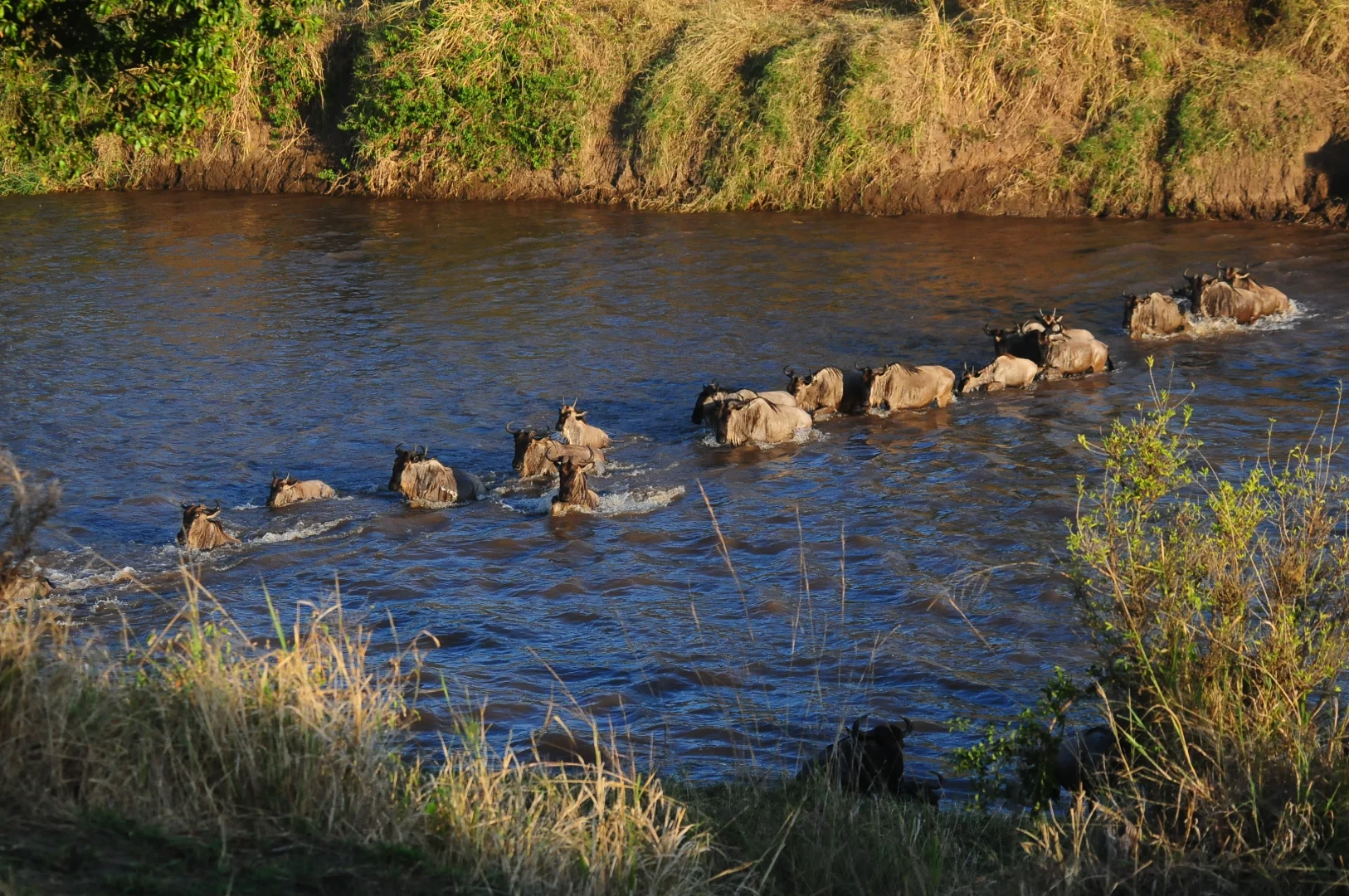
- Migration in the Northern Serengeti (river crossings)
- Best overall weather for safari
Considerations:
- Peak season prices
- More tourists, especially July-August
- Dusty conditions
Green Season (November - May)
Advantages:
- Calving season in the Serengeti (February)
- Lush, photogenic landscapes
- Lower prices at many lodges
- Migratory birds present
- Fewer tourists
Considerations:
- Afternoon rain showers possible
- Some roads may be difficult
- Wildlife more dispersed (except during calving)
Safari Styles: Game Drives, Walking, Balloon
Classic Game Drives
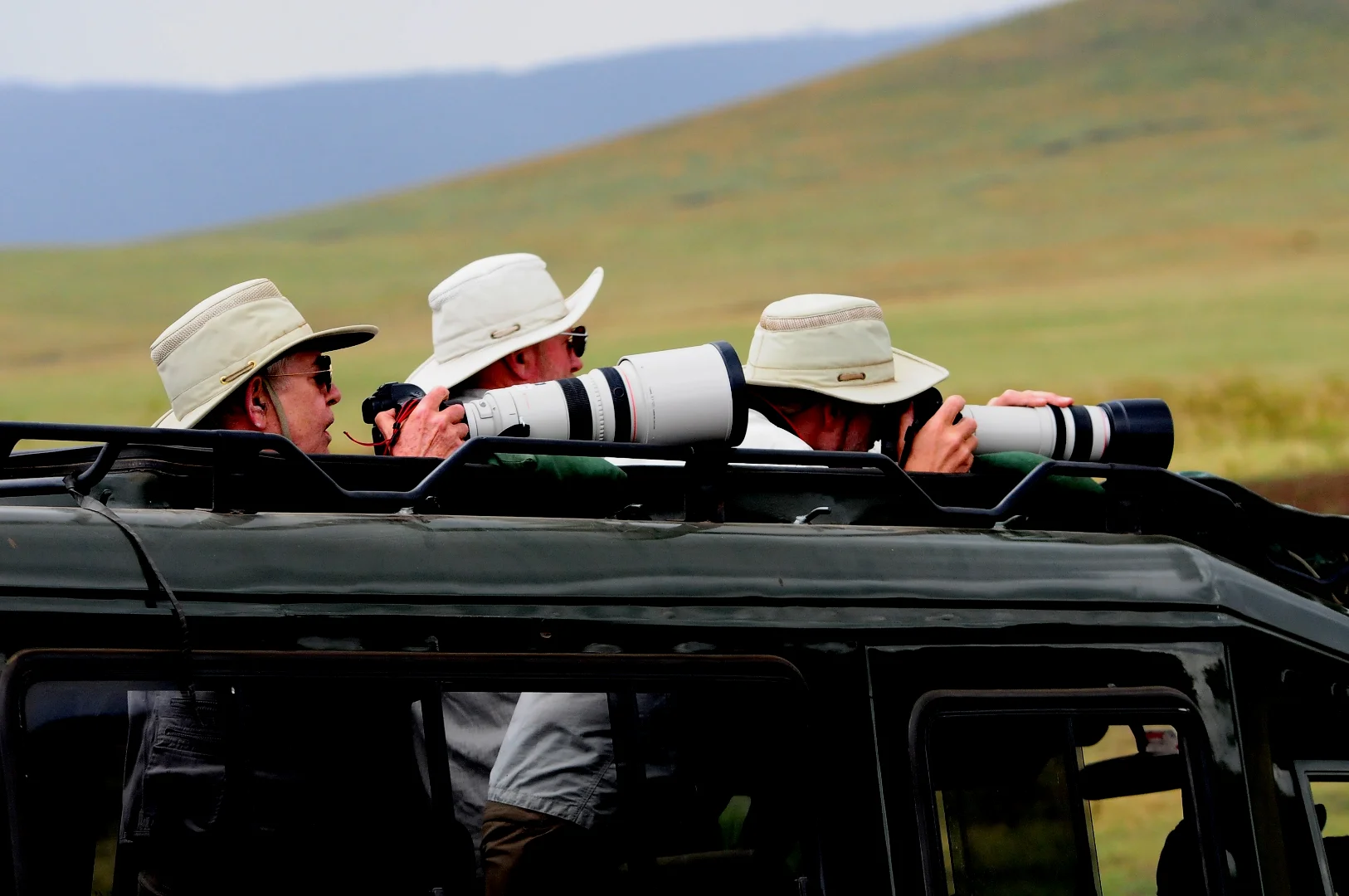
The foundation of any Tanzania safari. You'll travel in a 4x4 vehicle (typically a Land Cruiser) with a pop-up roof for viewing and photography. Morning drives start at sunrise; afternoon drives continue until sunset. Most safaris include 2-3 game drives daily.
Walking Safaris
Experience the bush on foot with an armed ranger. Walking safaris offer a completely different perspective—tracking animals, learning about plants and insects, and feeling the scale of the wilderness. Available in select areas including parts of the Serengeti and conservation areas.
Hot Air Balloon Safaris
Floating over the Serengeti at dawn provides breathtaking views of wildlife from above. Champagne breakfast follows the landing. Available year-round, though best during migration season.
Getting to Tanzania: Flights, Visas, Practicalities
International Flights
Most visitors arrive at Kilimanjaro International Airport (JRO) for Northern Circuit safaris or Julius Nyerere International Airport (DAR) in Dar es Salaam for Southern Circuit or Zanzibar. Major carriers include Ethiopian Airlines, KLM, Turkish Airlines, and Qatar Airways.
Visa Requirements
Most nationalities require a visa. E-visas are available online and recommended before travel. Cost is typically $50-100 depending on nationality. Processing takes 3-5 business days.
Health Considerations
Yellow fever vaccination is required. Malaria prophylaxis is essential—consult your doctor about appropriate medication. Bring insect repellent and cover up at dusk.
Safari Costs: From $1,899 to $15,890
Tanzania safari prices vary dramatically based on accommodation level, season, and duration:
| Level | Per Day | 7-Day Total |
|---|---|---|
| Budget | $250-350 | $1,899-$2,500 |
| Mid-Range | $400-550 | $3,000-$4,000 |
| Luxury | $600-800 | $4,500-$6,000 |
| Ultra-Luxury | $900+ | $7,000+ |
Our most popular packages include:
- 3-Day Crater Escape—From $1,899
- 7-Day Northern Tanzania—From $4,288
- 17-Day Great Migration Photo Safari—From $9,950
Choosing the Right Safari Operator
Not all operators are equal. Look for:
- Local presence—Operators based in Tanzania have better ground knowledge and support
- Licensed guides—TALA (Tanzania Association of Tour Operators) membership indicates legitimacy
- Transparent pricing—Beware operators who hide costs until you're committed
- Customization—Good operators tailor itineraries to your interests
- Conservation commitment—Ask about their sustainability practices
- Reviews and references—Check TripAdvisor, Google, and ask for past client contacts
Frequently Asked Questions
Is Tanzania safe for safari tourists?
Yes. Tanzania is one of Africa's most stable countries with a strong tourism industry. Safari areas are well-protected and professionally managed. Normal travel precautions apply in cities.
How many days do I need for a Tanzania safari?
Minimum 5 days for a meaningful experience covering 2-3 parks. We recommend 7-10 days for comprehensive coverage of the Northern Circuit. 14+ days allows for Southern Circuit additions or beach extensions.
Can I see the Big Five in Tanzania?
Yes. Ngorongoro Crater offers the best chance of seeing all five in a single day. Black rhinos are the most challenging, but the crater has a small population. Serengeti and Tarangire also have four of the five (rhinos are rare in Serengeti).
What should I pack for an African safari in Tanzania?
Neutral-colored clothing (khaki, tan, olive), layers for cool mornings, comfortable walking shoes, sun protection (hat, sunscreen, sunglasses), camera with zoom lens, binoculars, and insect repellent. Most lodges offer laundry service.
Is a Tanzania safari suitable for children?
Yes, with appropriate planning. Many lodges welcome children and offer family-friendly activities. We recommend children be at least 6-7 years old for standard safaris due to early starts and long drives. Some camps have minimum age requirements.
Can I combine a safari with Mount Kilimanjaro?
Absolutely. Kilimanjaro is close to the Northern Circuit parks. Many travelers climb Kilimanjaro first (6-9 days depending on route) then recover with a relaxing safari. We recommend at least 1-2 rest days between activities.
Should I combine with Zanzibar?
A Zanzibar beach extension is popular and highly recommended. After days of early mornings on safari, relaxing on pristine beaches provides perfect contrast. Short flights connect the safari circuit to Zanzibar daily.
When should I book my Tanzania safari?
For peak season (July-October), book 6-12 months in advance, especially for popular lodges. Green season travel can often be booked with shorter notice. Migration-focused safaris benefit from early planning to secure the best camps.
Further Reading
- Tanzania Tourism Board: Official Guide →
- Lonely Planet Tanzania Travel Guide →
- UNESCO World Heritage: Serengeti National Park →
- TripAdvisor: Tanzania Reviews & Tips →
Start Planning Your African Safari in Tanzania
Ready to experience the safari of a lifetime? Our Tanzania-based team specializes in crafting personalized itineraries that maximize wildlife encounters while respecting your budget and interests.
Explore Our Safari Packages
Ecological Wilderness Adventure
Expert safari guide and writer at Ecological Wilderness Adventure, a TATO-licensed operator based in Arusha, Tanzania with 20+ years of experience crafting authentic wildlife expeditions across East Africa.
Published April 17, 2026
You Might Also Enjoy
Tanzania Africa Safari: Planning Your 2026 Dream Wildlife Trip
Experience the ultimate Tanzania Africa safari with our expert guide to wildlife, parks, seasons, and packages from $1,899. Local operator with 1,200+ safaris completed shares insider knowledge.
Tanzania and Safari: Why This East African Nation Defines the Safari Experience
Discover why Tanzania defines the safari experience. From Serengeti to Ngorongoro, explore what makes this East African nation the world's premier wildlife destination.
Tanzania Safari: The Complete Guide to African Safari Tours in Tanzania
Everything you need to know about planning a Tanzania safari—from the Serengeti and Ngorongoro to hidden gems, this is your complete guide to safari tours in East Africa.