Complete month-by-month Great Migration calendar for 2026-2027. Know exactly where the wildebeest herds will be and when to witness river crossings.
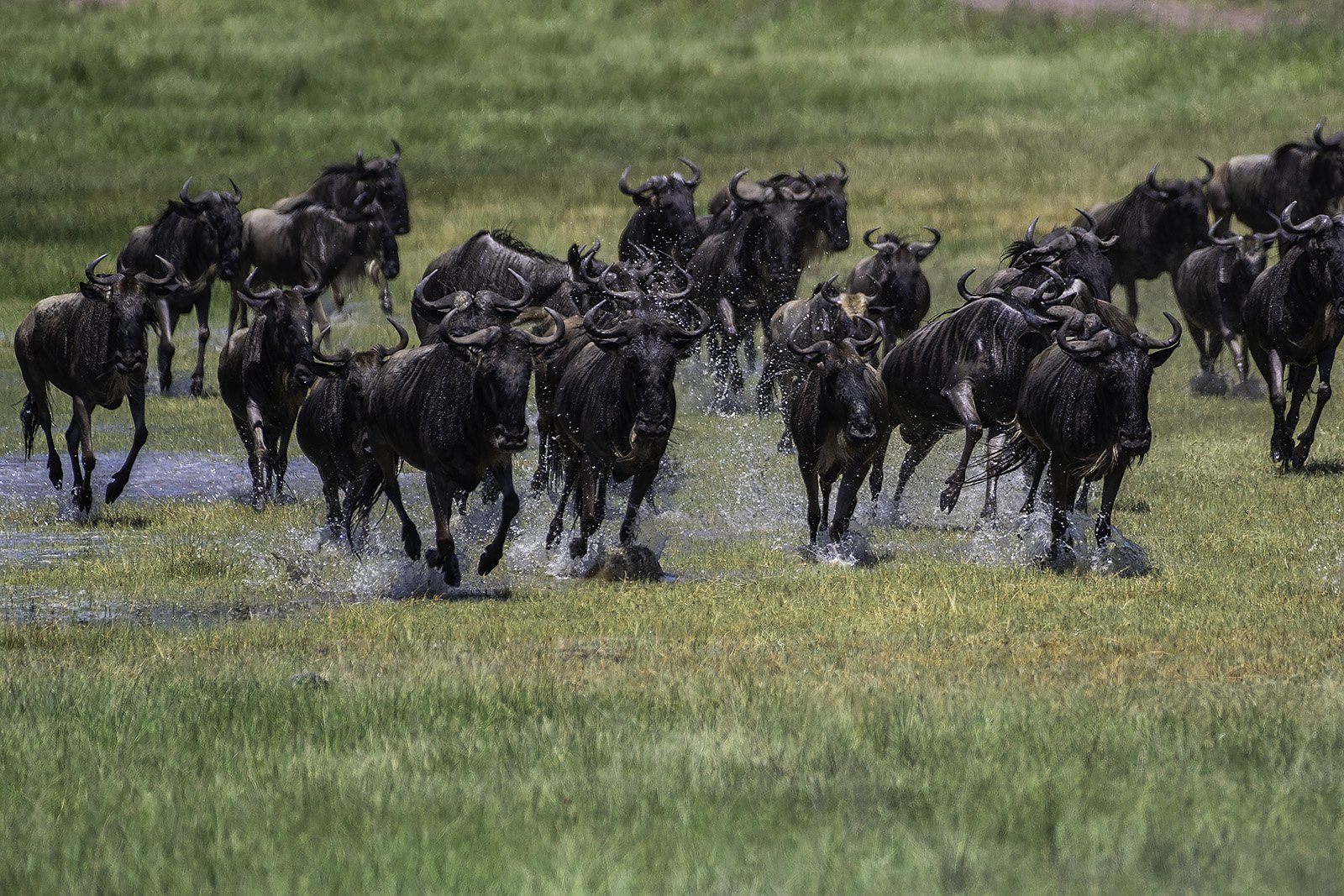
The Great Migration is Earth most spectacular wildlife event, with over 1.5 million wildebeest, 200,000 zebras, and 500,000 gazelles making their annual circuit through the Serengeti-Mara ecosystem. This guide provides a detailed month-by-month breakdown for 2026 and 2027, based on our 20+ years of tracking migration patterns.

Understanding the Great Migration Cycle
The migration is driven by the search for fresh grazing and water. According to research from the Tanzania National Parks Authority (TANAPA), the herds follow ancient routes that have remained largely unchanged for thousands of years.
2026 Great Migration Calendar
| Month | Location | Highlights | Best Camps |
|---|---|---|---|
| January | Southern Serengeti | Peak calving season begins | Ndutu, Kusini |
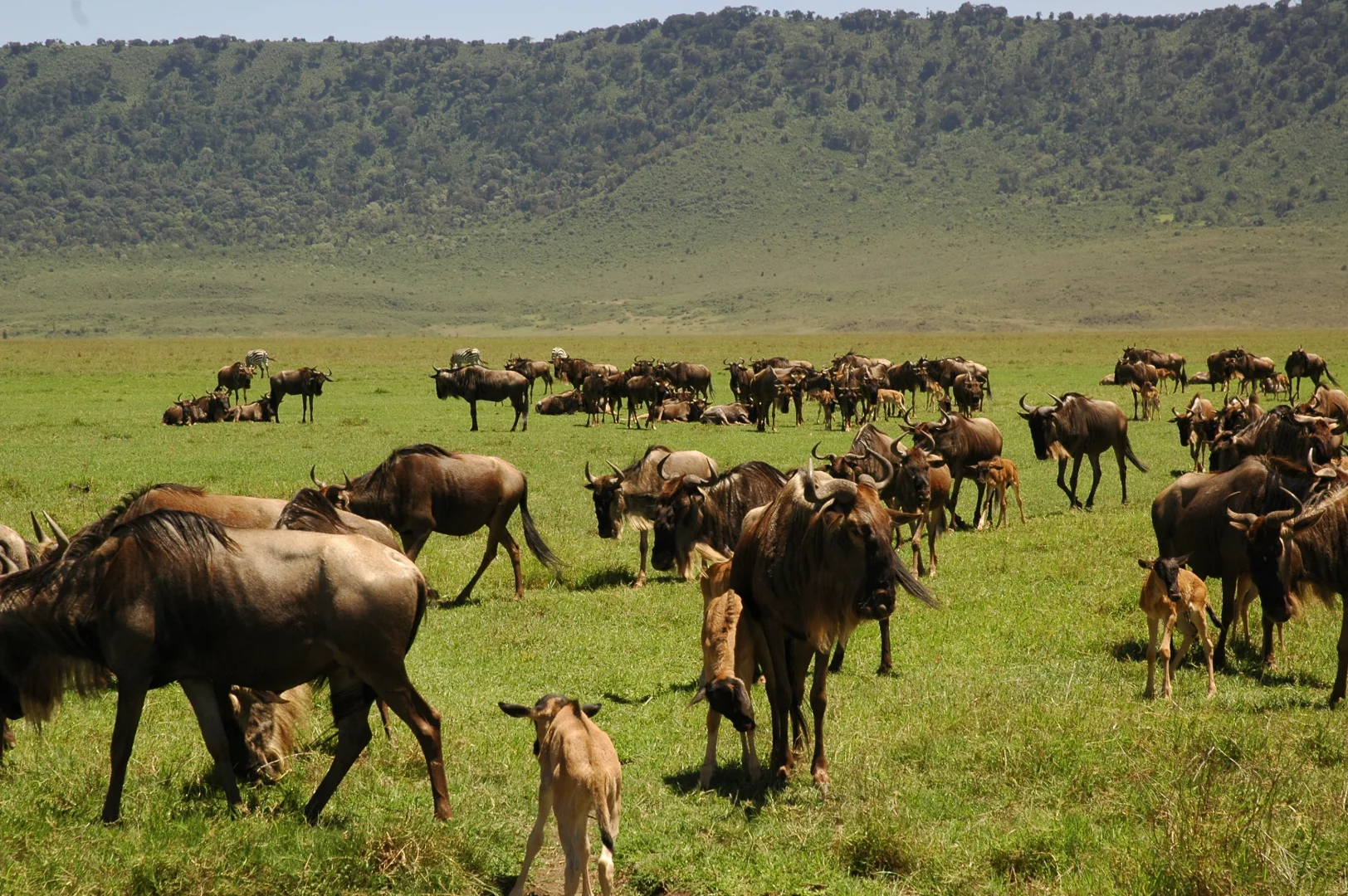
| February | Ndutu Plains | 500,000 calves born, predator action | Ndutu Safari Lodge |
| March | Southern/Central Serengeti | Last of calving, herds start moving | Seronera area |
| April | Central Serengeti | Green season, fewer visitors | Seronera, Moru |
| May | Western Corridor | Herds approach Grumeti River | Grumeti camps |
| June | Grumeti River | First major river crossings | Grumeti Reserves |
| July | Northern Serengeti | Movement toward Mara River | Kogatende, Lamai |
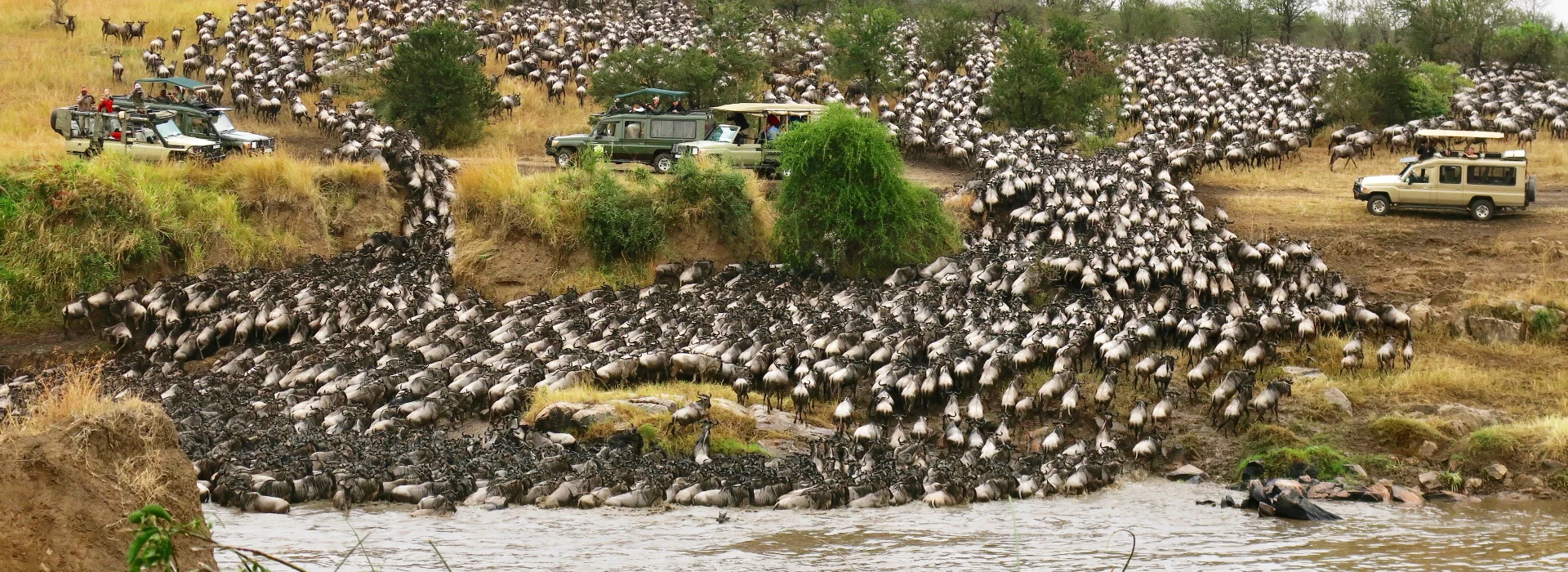
| August | Mara River | Peak crossing season | Sayari, Mara River |
| September | Northern Serengeti/Masai Mara | Continued crossings | Lamai Wedge |
| October | Masai Mara/Northern Serengeti | Return crossings begin | Kogatende |
| November | Central/Eastern Serengeti | Short rains trigger southward movement | Lobo area |
| December | Southern Serengeti | Herds return to calving grounds | Ndutu area |
Best Time for River Crossings
The Mara River crossings are the migration most dramatic moments. Based on our field data:
- Primary Crossing Season: Late July through September
- Peak Activity: August typically offers the most crossing opportunities
- Grumeti Crossings: June offers excellent, less-crowded alternatives
2027 Migration Predictions
While we are still collecting data, early climate models suggest 2027 may see slightly earlier rains, potentially shifting the migration 2-3 weeks ahead of the typical schedule. We will update this guide as more information becomes available.
Frequently Asked Questions
When is the best time to see the Great Migration?
Every month offers unique migration experiences. For river crossings, visit July-September. For calving and predator action, January-February is unbeatable.
How many days do I need for a migration safari?
We recommend minimum 5 days to properly experience the migration. Our most popular option is the 7-day migration safari which allows time for multiple crossing attempts.
Is the migration guaranteed?
The migration always happens, but exact locations vary. Our experienced guides track herd movements daily to position you for the best sightings.
Ready to witness nature greatest spectacle? Contact our migration specialists to plan your 2026 or 2027 safari.
Plan this trip: Great Migration Safari Tanzania: 9 Days in Serengeti.

Ecological Wilderness Adventure
Expert safari guide and writer at Ecological Wilderness Adventure, a TATO-licensed operator based in Arusha, Tanzania with 20+ years of experience crafting authentic wildlife expeditions across East Africa.
Published April 17, 2026