Unguja Island (Zanzibar)
Floating in the Indian Ocean just off mainland Tanzania, Unguja is the main island of the Zanzibar Archipelago and the cultural and coastal heart of Zanzibar. On its western shore …
Last updated:
Unguja Island (Zanzibar)
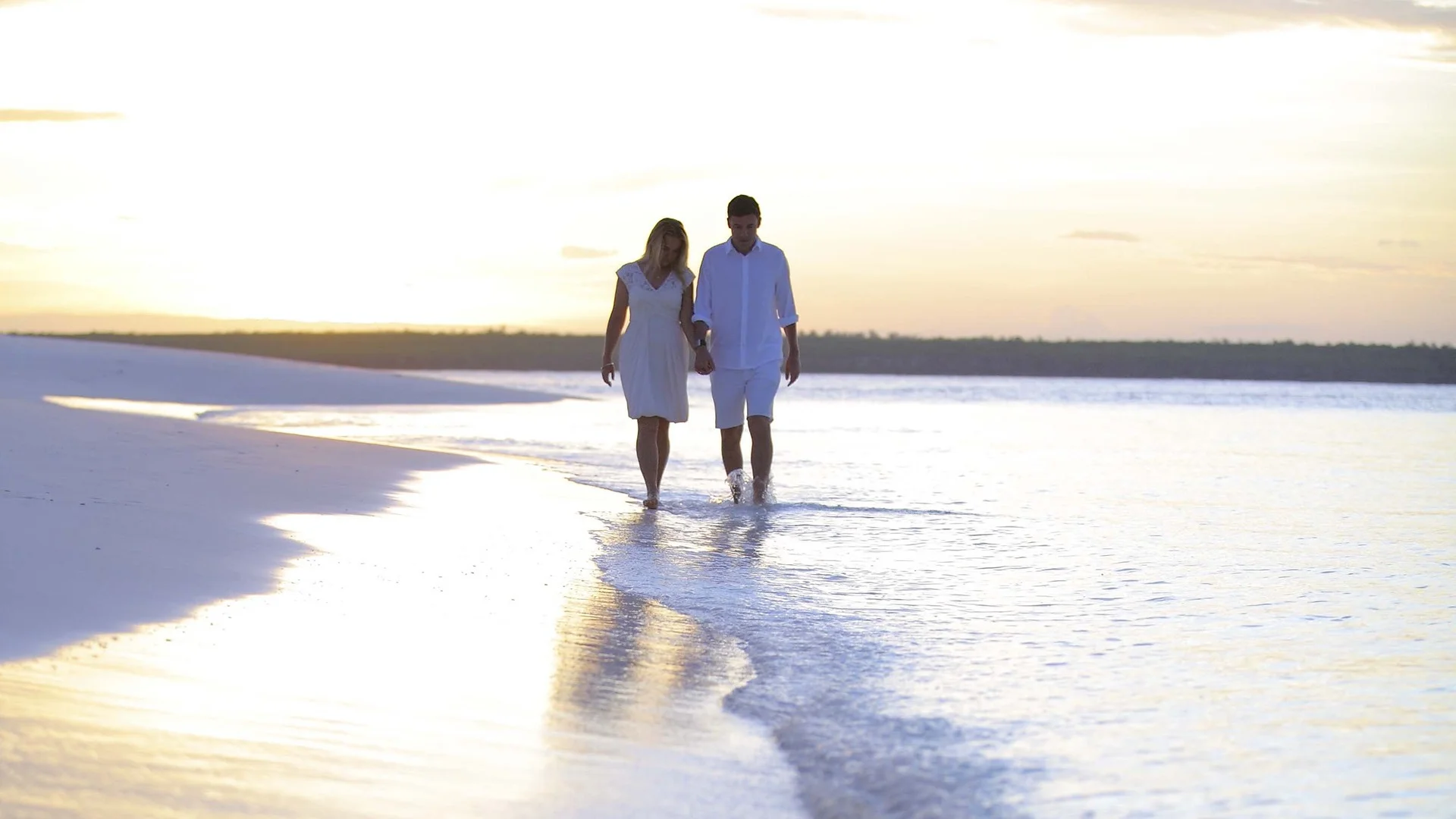
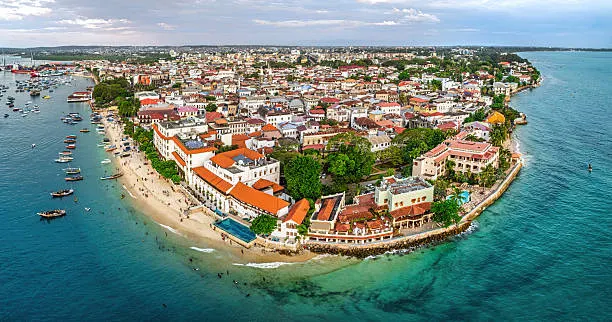
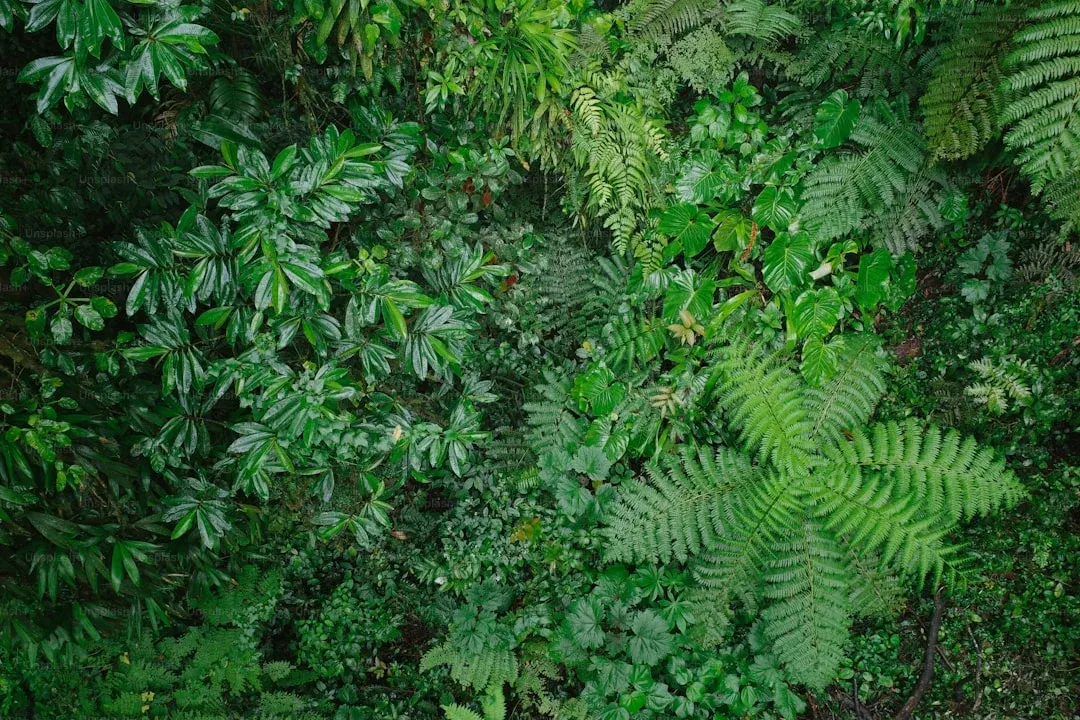
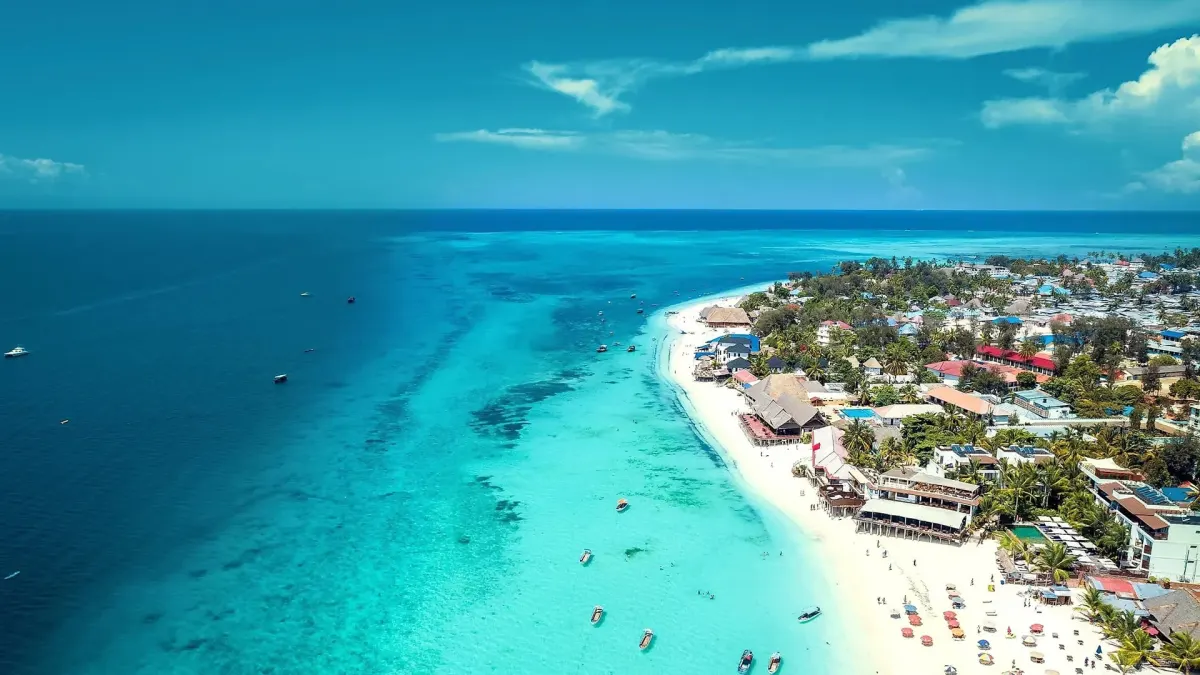
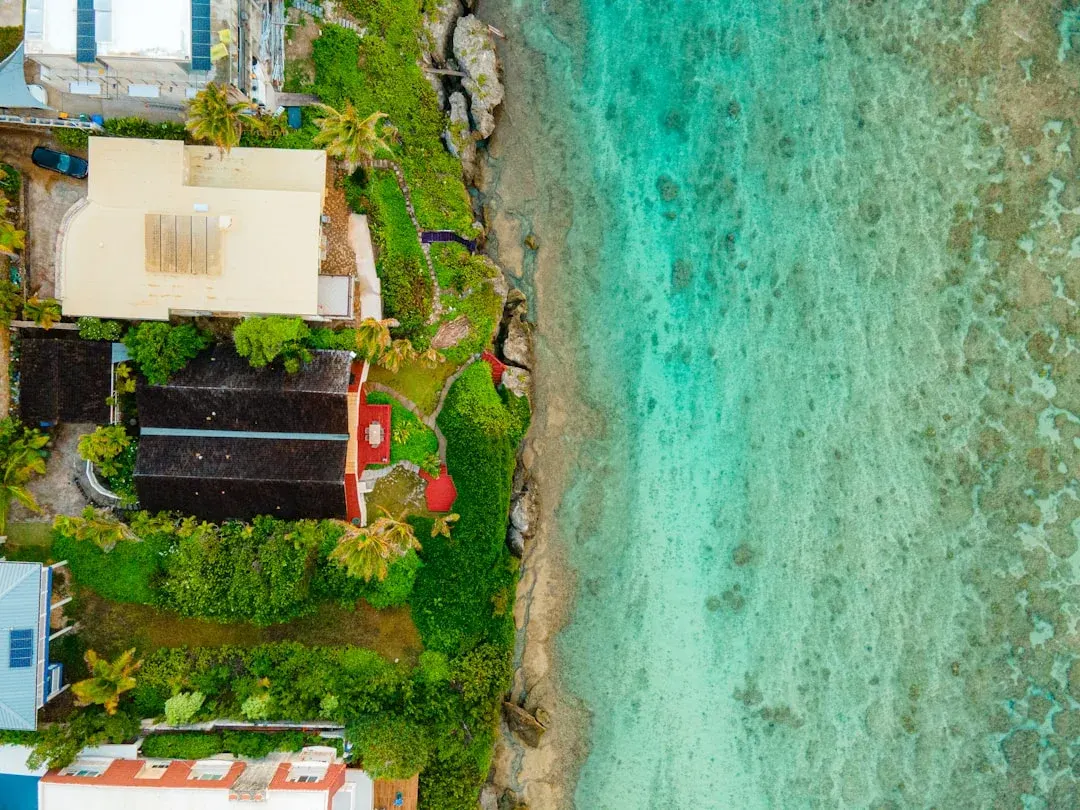
Floating in the Indian Ocean just off mainland Tanzania, Unguja is the main island of the Zanzibar Archipelago and the cultural and coastal heart of Zanzibar. On its western shore sits Stone Town, a UNESCO World Heritage Site where narrow coral stone alleys, brass-studded carved doors, spice markets, and sunset seafood stalls at Forodhani Gardens reflect centuries of Swahili, Arab, Indian, and European trade. Inland, rolling hills hold fragrant spice plantations growing cloves, nutmeg, cinnamon, vanilla, and tropical fruits, while Jozani Forest shelters the endangered Zanzibar red colobus monkey, an endemic primate found nowhere else on Earth. Around the island’s perimeter, each coastline offers a distinct Indian Ocean escape from the deep, swimmable turquoise waters of Nungwi and Kendwa in the north to the wide tidal lagoons and kitesurfing beaches of Matemwe, Paje, and Jambiani along the east coast. Offshore coral reefs at Mnemba Atoll and Menai Bay draw snorkelers and divers to swim alongside sea turtles and dolphins. Reached easily by direct flights into Zanzibar’s international airport or fast ferries from Dar es Salaam, Unguja brings rich heritage, spice-scented forests, and white-sand beaches together on one island.
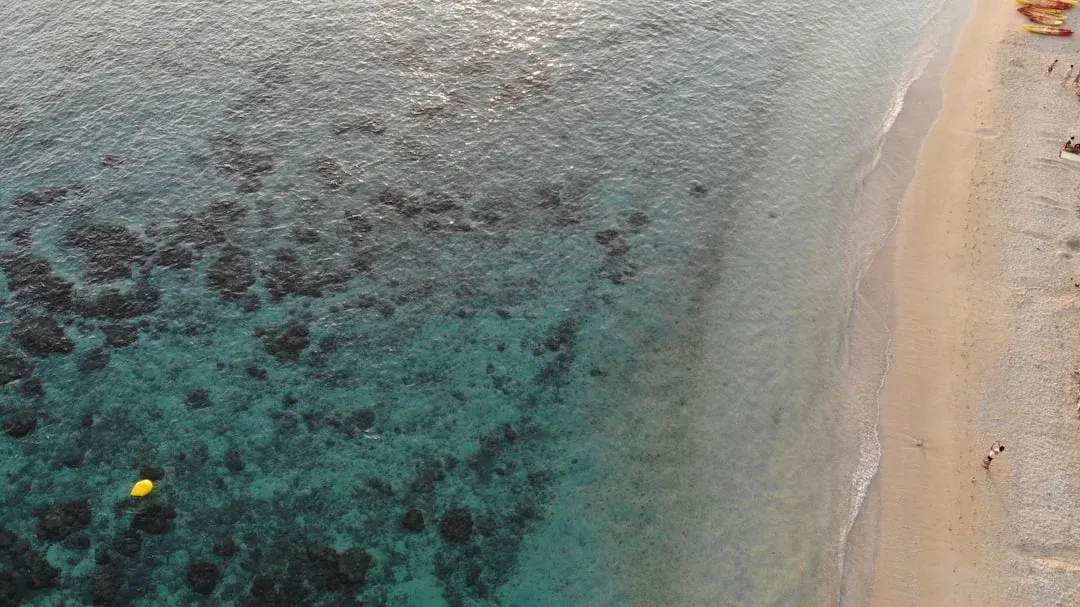
Choose your beach by the tide. On the east coast the sea retreats a long way at low tide, in places exposing the seabed for a kilometre or more, so swimming is best around high tide. Nungwi and Kendwa in the north sit outside the main reef line and are the usual choice if you want to swim at any hour. Check a current tide table when you plan a low-tide walk, and ask your hotel about local timings.
Fast ferries from Dar es Salaam take around two hours, though operators quote different times, and there are direct flights into Zanzibar’s international airport. Jozani Forest is within about an hour’s drive of both Stone Town and the Matemwe coast, which makes it an easy half-day outing. Most travellers spend one night in Stone Town and three or four on the coast after a safari. The dry months are June to October and December to February.
June to October and December to February
Tropical maritime, 25-33°C with sea breezes
TZ, Zanzibar
Plan Your Visit
Ready to explore Unguja Island (Zanzibar)? Our experts craft bespoke itineraries tailored to your travel dates and interests.
Browse Safari ToursGet a Custom QuoteExplore the Park
Distinct ecosystems within Unguja Island (Zanzibar), each with unique wildlife and seasonal patterns.
Wildlife & Activities
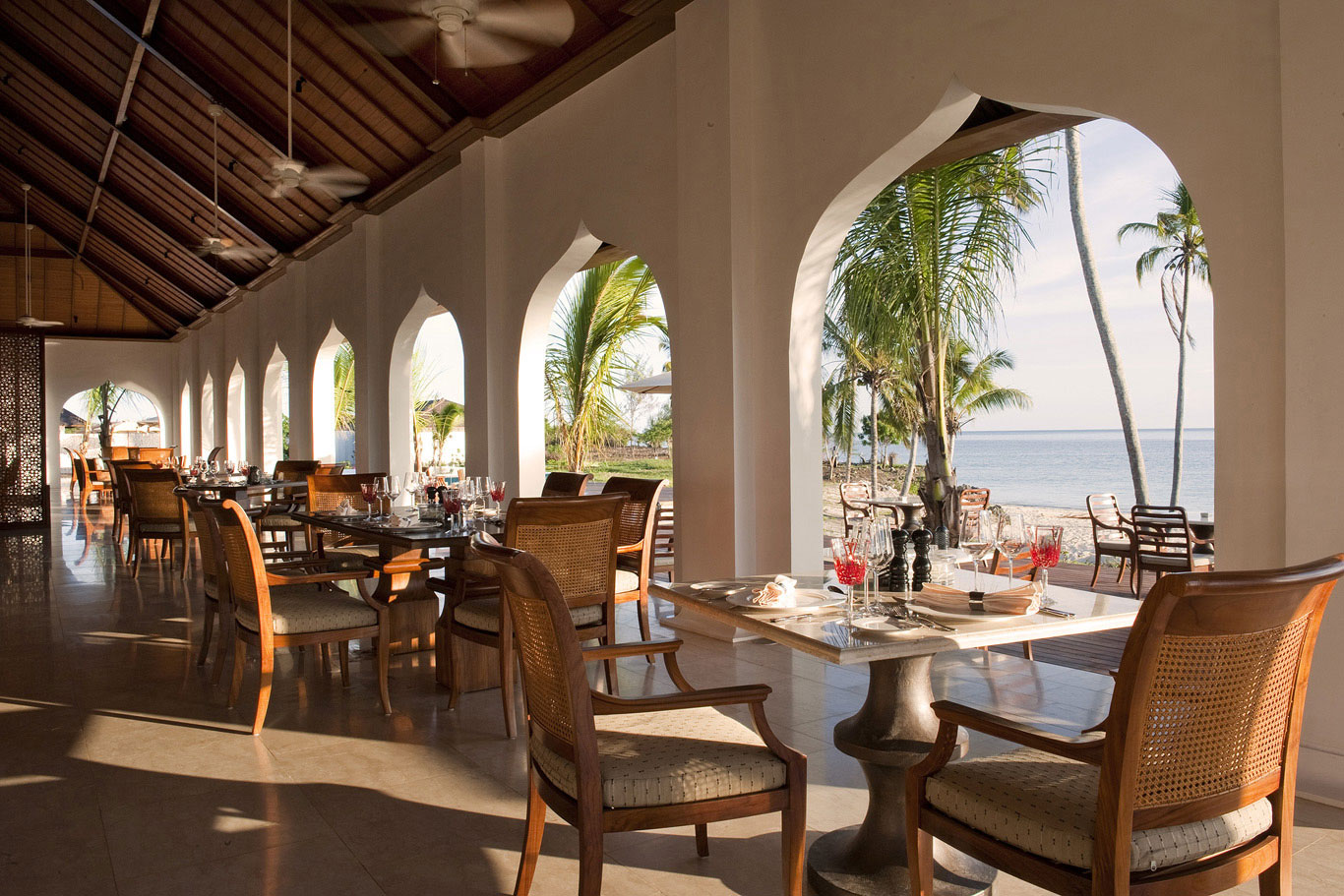
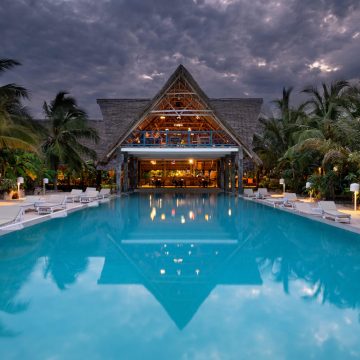
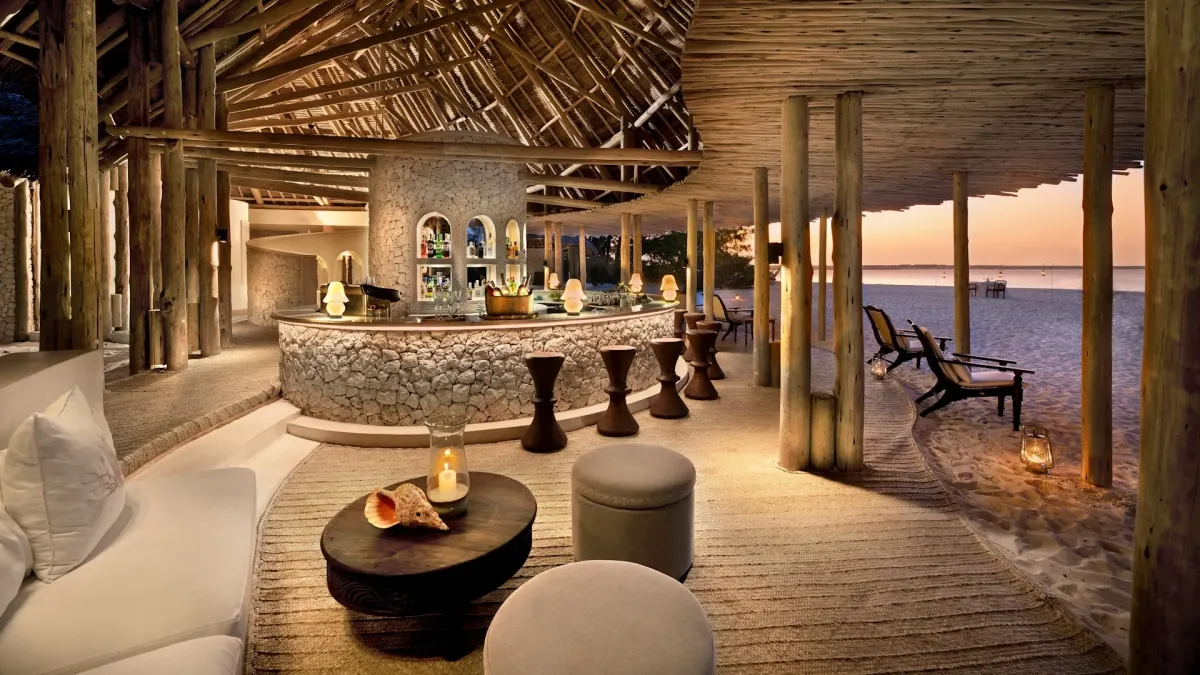
Exceptional Lodges
Hand-curated properties ranging from intimate tented camps to landmark lodges — chosen for extraordinary service and unrivalled wildlife access.
Through the Lens
Nearby Destinations

Unguja Island (Zanzibar) is waiting for you
Begin your African adventure with expert-guided safaris tailored to your interests.
Unguja Island (Zanzibar): Frequently Asked Questions
What is Unguja Island and how is it different from Zanzibar as a whole?
Unguja is the main island of the Zanzibar Archipelago, and it is what most people actually mean when they say Zanzibar. The archipelago also includes Pemba and smaller islands, but Unguja is home to Stone Town, the best-known beaches, the spice plantations and Jozani Forest.
What is there to see and do on Unguja Island?
Highlights include the historic streets of Stone Town, the island's pristine beaches, working spice plantations, and Jozani Forest, which is known for its endemic Red Colobus monkeys. Ecological Wilderness Adventure can build an Unguja stay around the experiences that interest you most.
Why is Jozani Forest worth visiting on Unguja?
Jozani Forest is the island's best-known natural attraction and is home to the endemic Zanzibar Red Colobus monkey, which is found only on Unguja. It gives a break from the beach and a chance to see a species you will not encounter anywhere else.
Can I combine Unguja Island with a safari on the Tanzania mainland?
Yes. As a TATO-licensed Tanzania and East Africa safari operator, Ecological Wilderness Adventure can pair a Zanzibar beach stay on Unguja with a mainland safari itinerary. Contact them to have a combined trip tailored and quoted for your dates.
How do travellers usually reach Unguja Island?
Most visitors arrive by short flight from Dar es Salaam, Arusha or other Tanzanian hubs, or by ferry from Dar es Salaam to Stone Town. Ecological Wilderness Adventure can advise on the routing that fits best with the rest of your itinerary.
How do I book an Unguja Island trip and what will it cost?
Ecological Wilderness Adventure tailors Unguja itineraries to your interests, travel dates and style of accommodation, so pricing depends on what you choose. Send them your plans and they will put together a trip and quote on request.