JozaniForest
Tucked into the central-southern interior of Unguja Island about 35 kilometers southeast of Stone Town, Jozani Chwaka Bay National Park is Zanzibar’s only national park and protect…
Last updated:
Jozani Forest
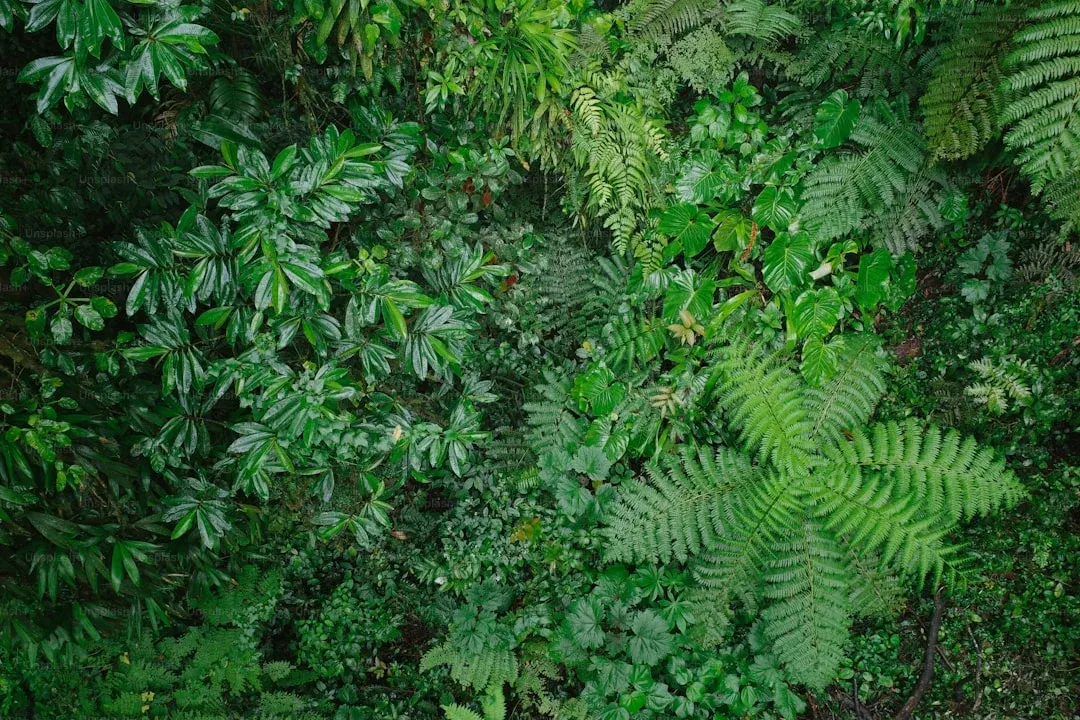
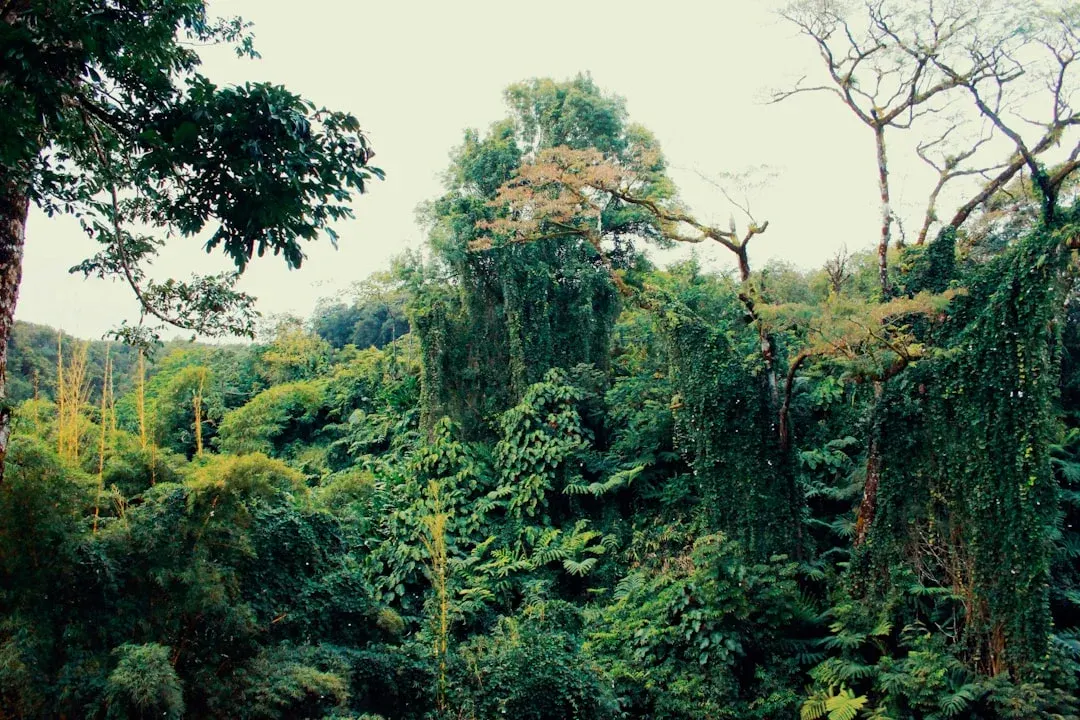
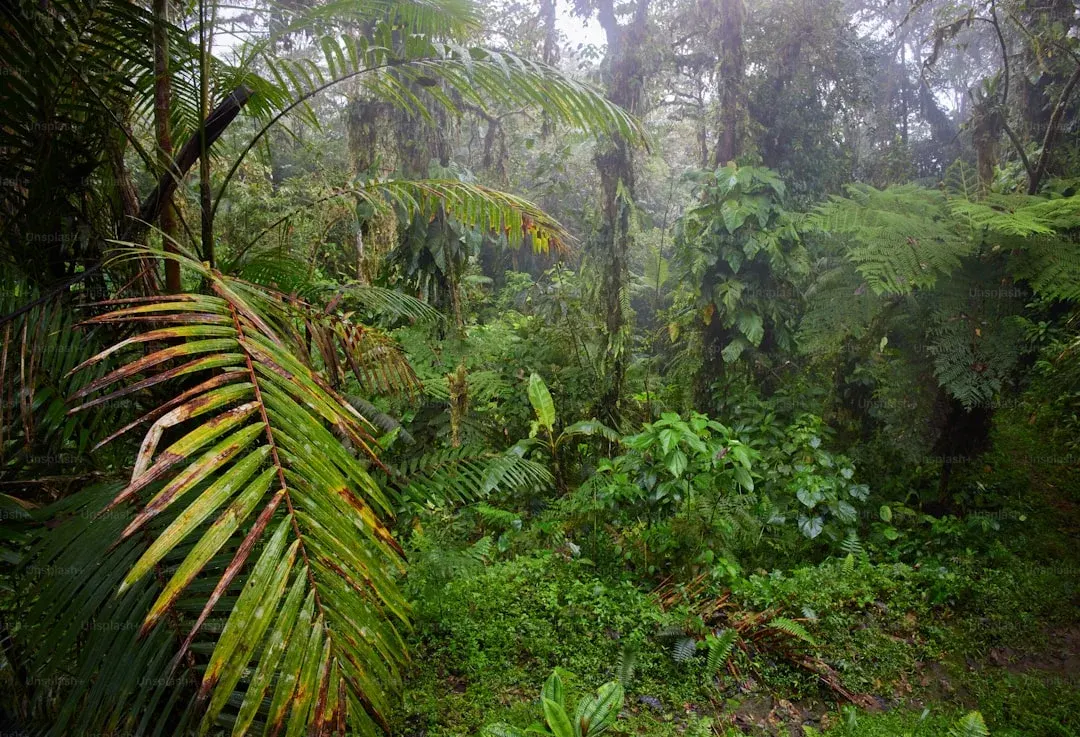
Tucked into the central-southern interior of Unguja Island about 35 kilometers southeast of Stone Town, Jozani Chwaka Bay National Park is Zanzibar’s only national park and protects the last major stretch of indigenous forest on the island. Spanning roughly 50 square kilometers of groundwater forest, coastal thicket, and salt marshes, this shaded sanctuary is the sole home of the endangered Zanzibar red colobus monkey. Recognized by its rust-red back, white chest, and crown of wispy white hair, this endemic primate lives nowhere else on Earth, and guided walks along forest paths bring visitors within meters of relaxed troops feeding and grooming in the trees alongside Sykes’ monkeys, chameleons, bushbabies, and colorful butterflies. Across the road from the main forest, a raised wooden boardwalk winds through a dense tidal mangrove swamp bordering Chwaka Bay, where guides show how red, black, and white mangroves protect the coastline and shelter juvenile fish and crabs. With entrance fees supporting surrounding villages and local conservation projects, a quick walk through Jozani fits easily along the main road between Stone Town and the east-coast beaches of Paje and Jambiani.
A guide is required in the park, so visits start at the entrance, where the fee is paid and a guide leads the group along the forest trail and then on to the mangrove boardwalk. The walk is short and easy, which is why Jozani suits children and visitors who do not want a long hike. Mornings are best for monkey sightings, and the dry months from June to October and January to February make the trails firmer.
Wear closed shoes and light clothing, carry water, and keep your distance from the monkeys, even when they come close. The forest is humid, so a hat and insect repellent help. Jozani fits neatly into a day between Stone Town and the east coast, so you can stop for an hour or two on the way to Paje or Jambiani rather than making it a separate outing. Ecological Adventure can fit the stop into a Zanzibar itinerary.
Year-round; mornings best for monkey sightings
Tropical, hot and humid, 25-33°C
TZ, Zanzibar
Plan Your Visit
Ready to explore Jozani Forest? Our experts craft bespoke itineraries tailored to your travel dates and interests.
Browse Safari ToursGet a Custom QuoteWildlife & Activities
Through the Lens
Nearby Destinations
Jozani Forest is waiting for you
Begin your African adventure with expert-guided safaris tailored to your interests.
Jozani Forest: Frequently Asked Questions
What is Jozani Forest known for?
Jozani Forest is Zanzibar's only national park and protects the last significant area of indigenous forest on the island. It is also the sole home of the endemic Zanzibar Red Colobus monkey, which is found nowhere else on Earth.
Can I see the Zanzibar Red Colobus monkey in Jozani Forest?
Yes. Jozani Forest is the only place in the world where the endemic Zanzibar Red Colobus monkey lives.
Is Jozani Forest a national park?
Yes. It is Zanzibar's only national park and protects the island's last significant area of indigenous forest.
Where is Jozani Forest located?
Jozani Forest is on Zanzibar island in Tanzania and forms part of Jozani-Chwaka Bay National Park. It is commonly visited from Stone Town as a day excursion.
Why is Jozani Forest important for conservation?
It protects the last significant area of indigenous forest on Zanzibar and provides the only habitat for the endemic Zanzibar Red Colobus monkey. That makes it a key conservation site for the island's native wildlife.
How can I arrange a visit to Jozani Forest?
Ecological Wilderness Adventure can tailor a Zanzibar or East Africa itinerary that includes Jozani Forest and provide a quote on request.