Tsavo WestNational Park
Covering 9,065 square kilometers of southeastern Kenya, Tsavo West National Park is the rugged, scenic neighbor to Tsavo East. Separated from its sister park by the Nairobi Mombasa…
Last updated:
Tsavo West National Park
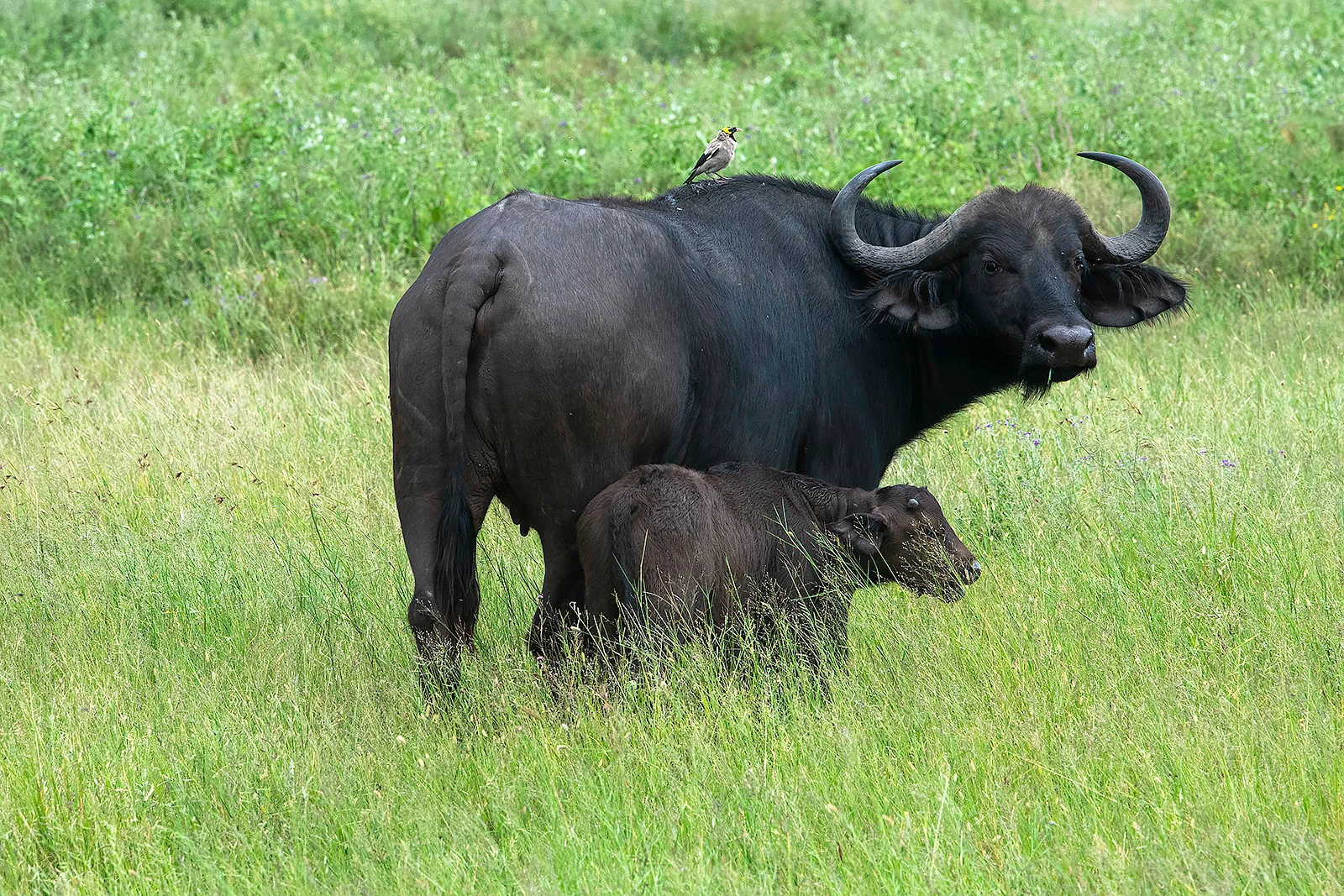
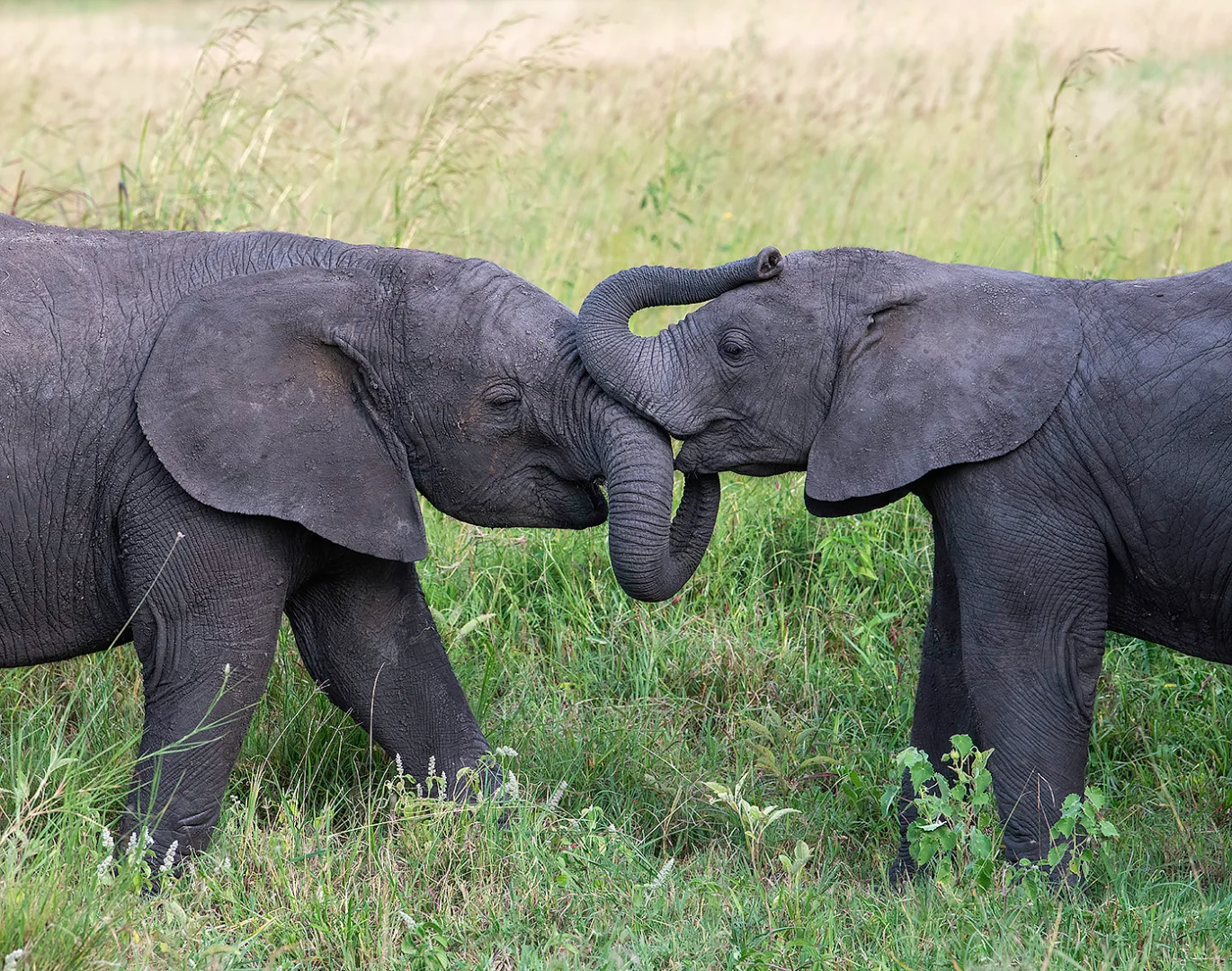
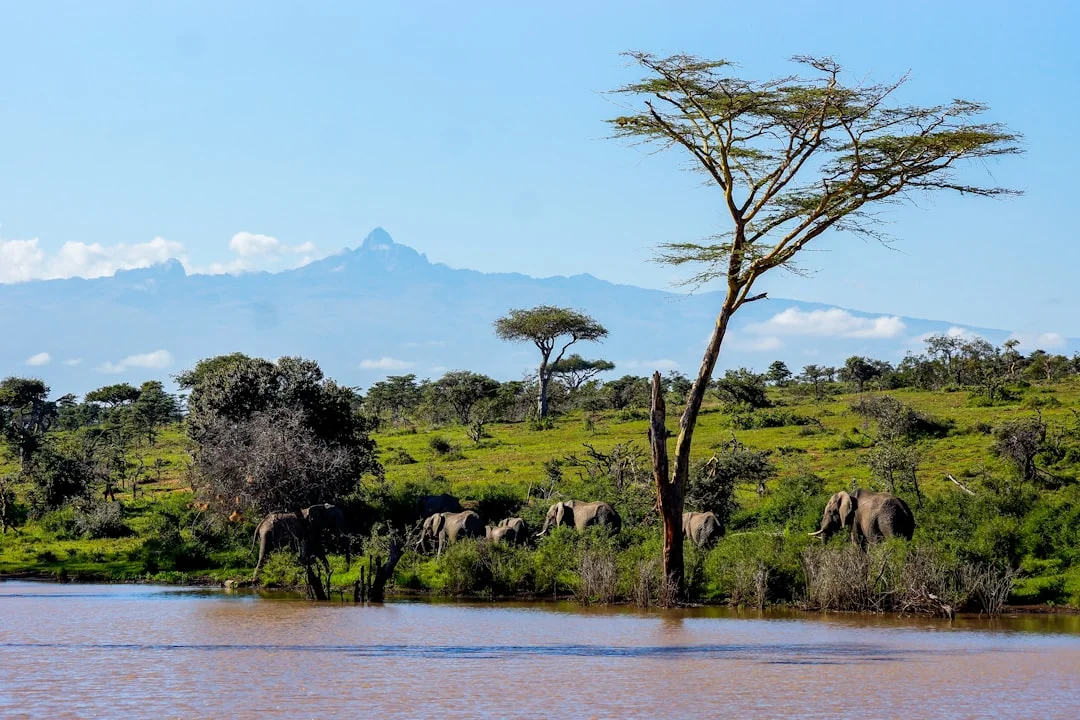
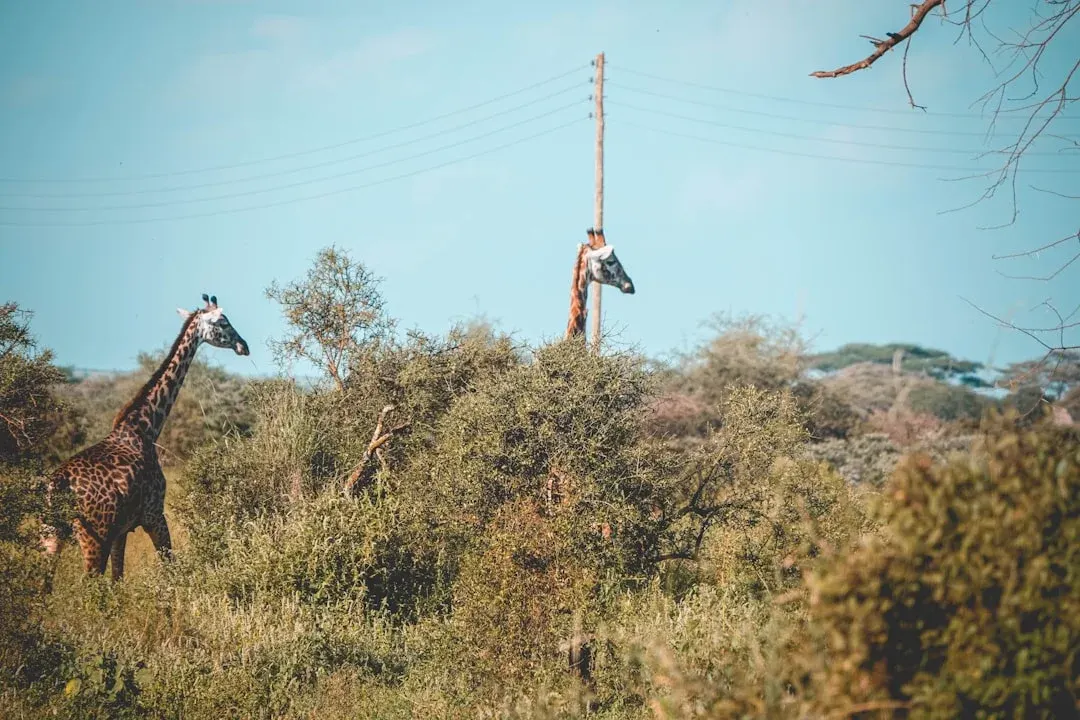
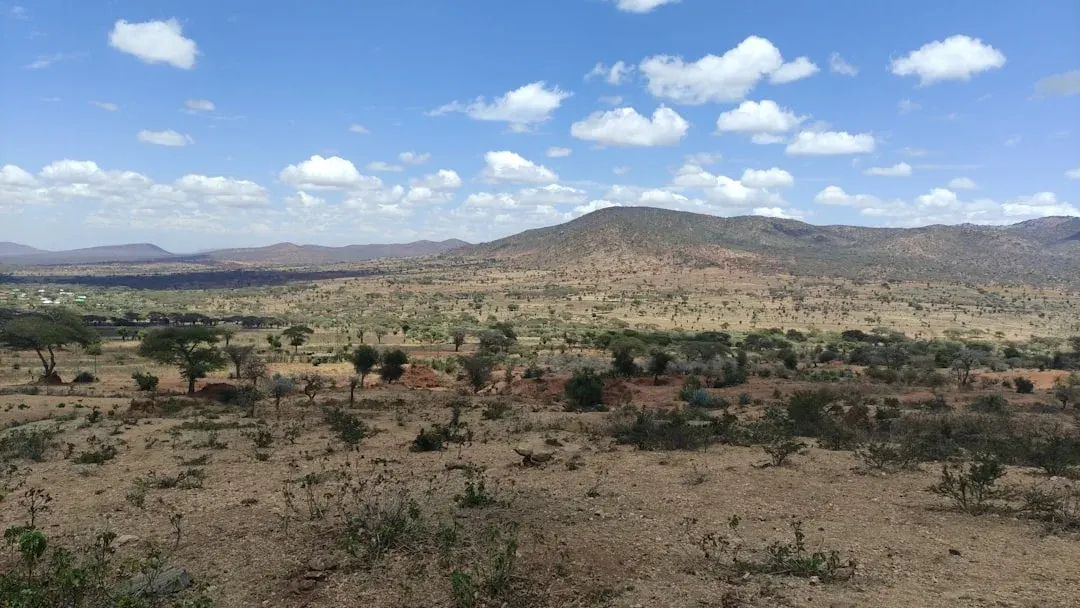
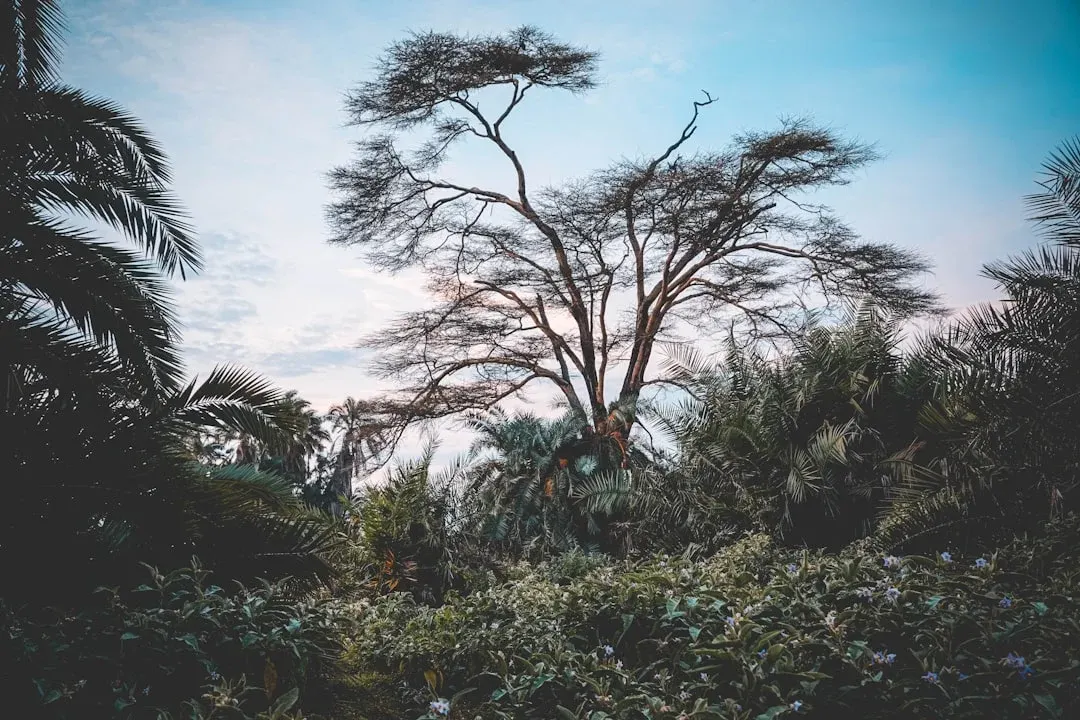
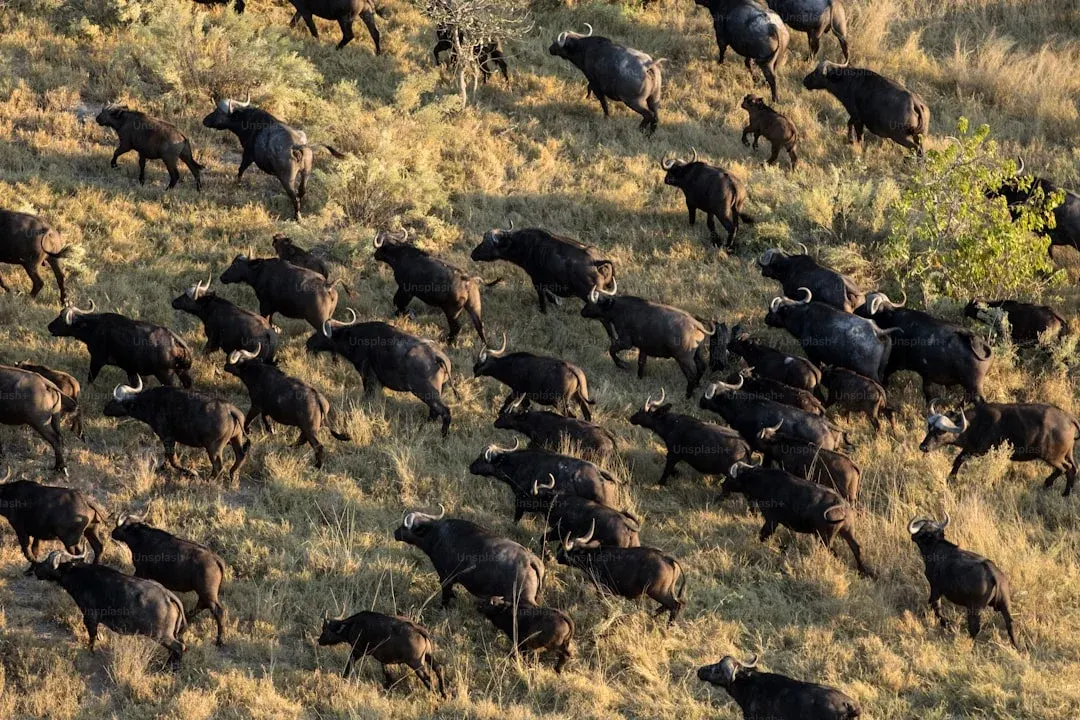
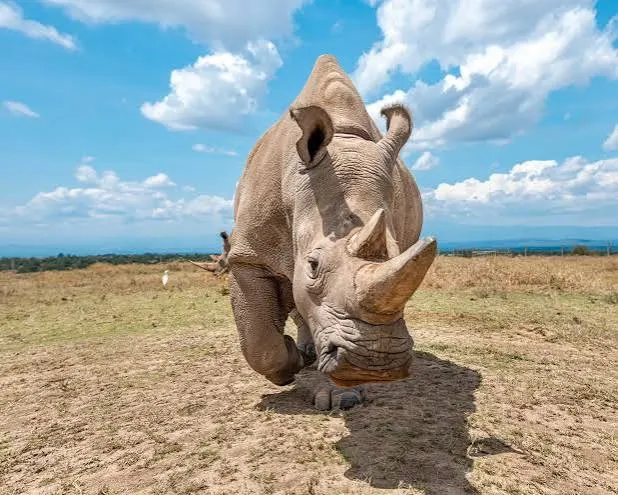
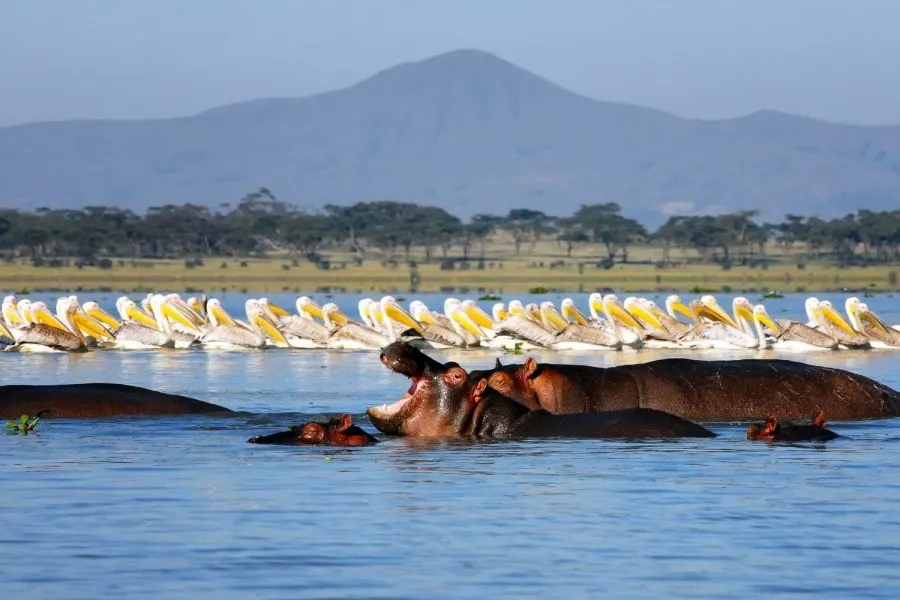
Covering 9,065 square kilometers of southeastern Kenya, Tsavo West National Park is the rugged, scenic neighbor to Tsavo East. Separated from its sister park by the Nairobi Mombasa highway and railway, Tsavo West swaps flat red plains for volcanic hills, jagged black lava flows, rocky ridges, and thicker acacia bush framed by distant views of Mount Kilimanjaro. One of its biggest draws is Mzima Springs, a palm-shaded oasis fed by underground water from the Chyulu Hills, where an underwater viewing chamber lets you watch hippos, Nile crocodiles, and fish gliding right past the glass. Across the park, you can explore the black volcanic rock of the Shetani Lava Flow, hike up Chaimu Crater, or take in wide views from Poacher’s Lookout and Roaring Rocks. While the dense bush makes wildlife spotting feel like a true safari search, Tsavo West holds all of the Big Five—including red-dusted elephants, buffaloes, lions, leopards, and critically endangered eastern black rhinos protected inside the fenced Ngulia Rhino Sanctuary. Sitting midway between Nairobi and the coast, it pairs easily with Tsavo East, Amboseli, or Diani Beach.
Tsavo West suits travellers who like variety: springs, lava, crater walks and a rhino sanctuary within a single park. Mtito Andei Gate, about 250 km from Mombasa by road, is the main entrance on the Nairobi to Mombasa highway, and Mzima Springs lies roughly 48 km beyond it. Ngulia Rhino Sanctuary covers about 90 square kilometres at the foot of the Ngulia Hills and was set up in 1986.
At the south-western end of the park, Lake Jipe is shared with Tanzania and fed by run-off from Mount Kilimanjaro and the North Pare mountains, a quieter corner of the park for those with time. The dry months, June to October and January to February, are best. The thick bush makes sightings harder than in open country, so book a guide for the full stay and plan on at least two nights, ideally paired with Tsavo East or Amboseli.
June to October and January to February (dry seasons)
Semi-arid with some cooler highland areas, 23-33°C
KE, Southeastern Kenya
Plan Your Visit
Ready to explore Tsavo West National Park? Our experts craft bespoke itineraries tailored to your travel dates and interests.
Browse Safari ToursGet a Custom QuoteWildlife & Activities
Safari Tours
Through the Lens
Nearby Destinations
Tsavo West National Park is waiting for you
Begin your African adventure with expert-guided safaris tailored to your interests.
Tsavo West National Park: Frequently Asked Questions
Where is Tsavo West National Park and how do guests usually get there?
Tsavo West sits in southeastern Kenya between Nairobi and Mombasa, close to the main Mombasa highway, so it is normally reached by road from either city or by light aircraft to park airstrips. Ecological Wilderness Adventure arranges the transport and routing as part of a tailored itinerary.
What makes Tsavo West different from Tsavo East?
Tsavo West is the more scenic and varied half of the Tsavo ecosystem, known for volcanic hills, lava flows, Mzima Springs and thick bush rather than Tsavo East's flatter, drier open plains. The denser vegetation makes sightings less predictable but the landscapes and water features far more dramatic.
Can you really watch hippos and crocodiles underwater at Mzima Springs?
Yes. Mzima Springs is fed by water that filters through the volcanic rock of the Chyulu Hills, and its submerged viewing chamber lets visitors look through glass at hippos, crocodiles and fish moving below the surface of the clear pools.
What wildlife can I expect to see in Tsavo West?
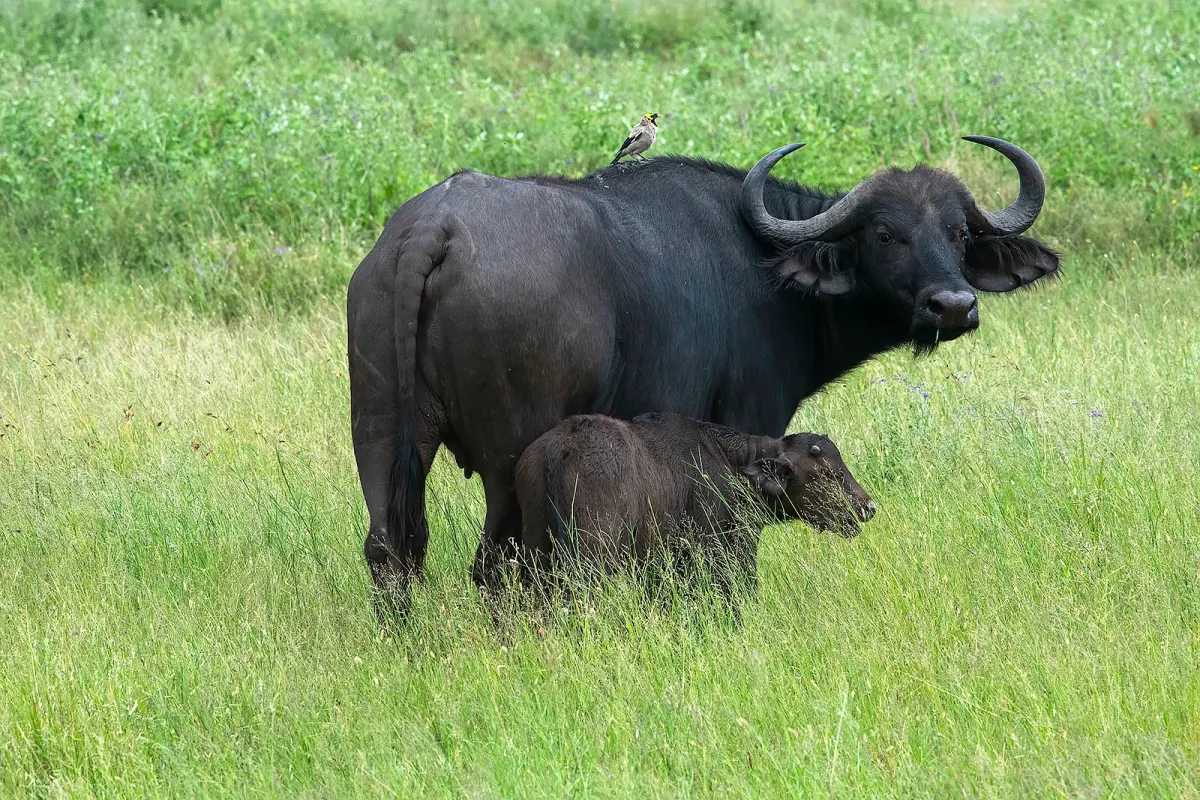
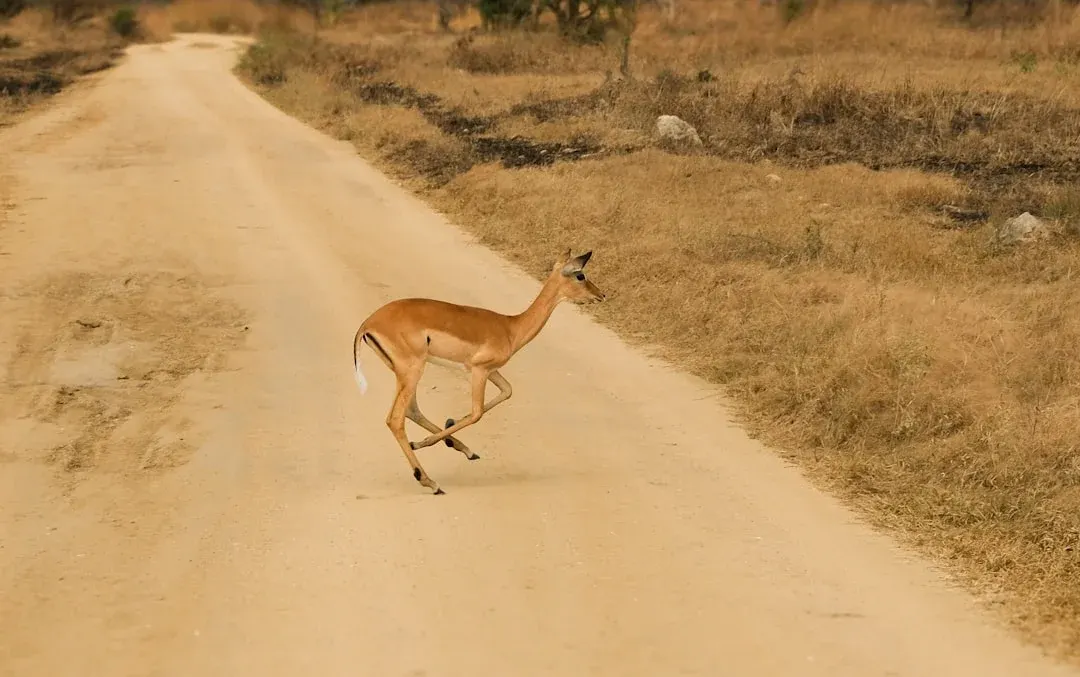
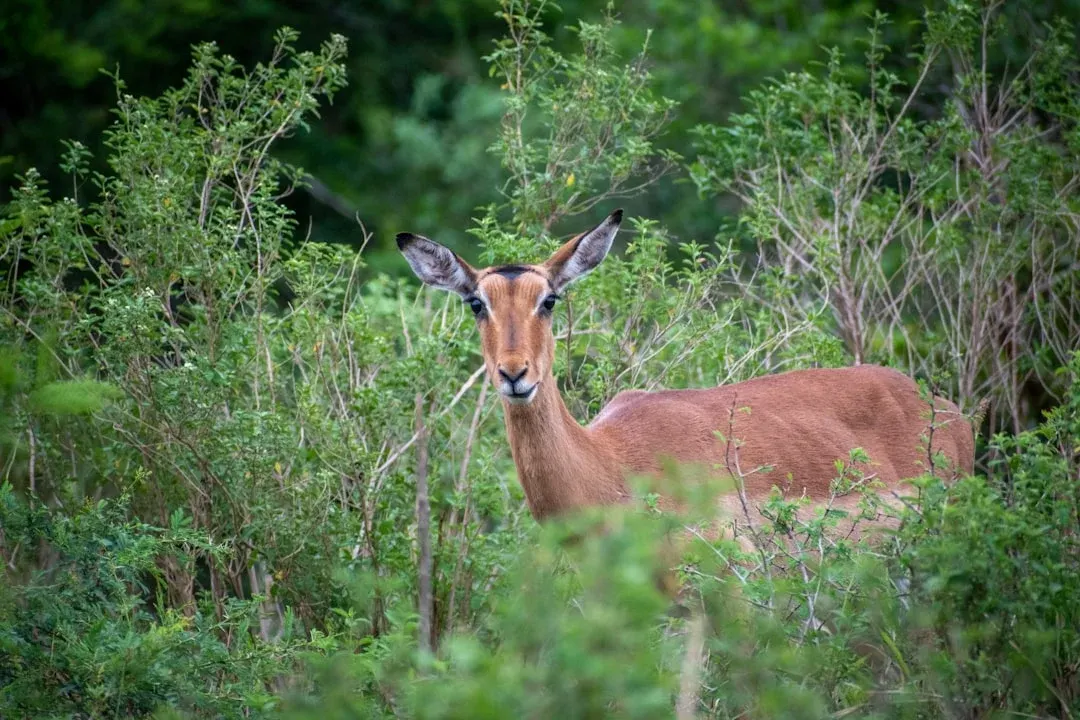
The park holds elephant, lion, leopard, buffalo, hippo, crocodile and antelope such as lesser kudu and klipspringer, along with a strong bird list, and rhino are protected in a fenced sanctuary within the park. The springs, lava flows and volcanic hills concentrate animals and make the game viewing varied rather than purely open-plains.
Can Tsavo West be combined with Tsavo East or Amboseli in one safari?
Yes. Tsavo West adjoins Tsavo East and lies close to Amboseli and the Chyulu Hills, so the parks are commonly linked in a single road or fly-in circuit. Ecological Wilderness Adventure can tailor and quote a combination itinerary on request.
When is the best time of year to visit Tsavo West?
The dry seasons, roughly January to February and June to October, generally give the easiest game viewing because vegetation thins and animals gather around water. The park is open year-round, and Mzima Springs flows in all seasons.