Rubondo IslandNational Park
Rubondo Island National Park is a forested island sanctuary in the south-west of Lake Victoria, far from any safari crowds. It protects a population of chimpanzees, shy sitatunga a…
Last updated:
Rubondo Island National Park
Rubondo Island National Park is a forested island sanctuary in the south-west of Lake Victoria, far from any safari crowds. It protects a population of chimpanzees, shy sitatunga antelope that move through the papyrus swamps, and superb birdlife on the lakeshore. Guided chimpanzee tracking, boat trips and walks make Rubondo a peaceful, off-the-beaten-track extension to a Serengeti safari.
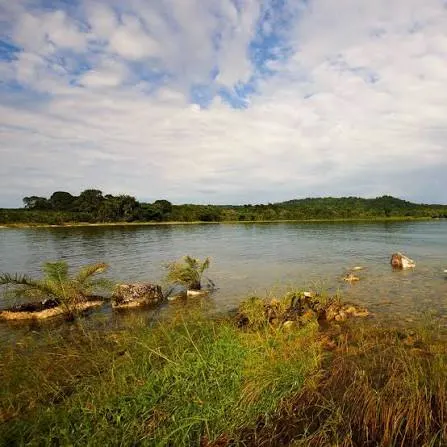
The park covers Rubondo Island and several smaller islets. Around a third of the area is water, and the island itself is cloaked in moist forest, open grassland and papyrus swamp.
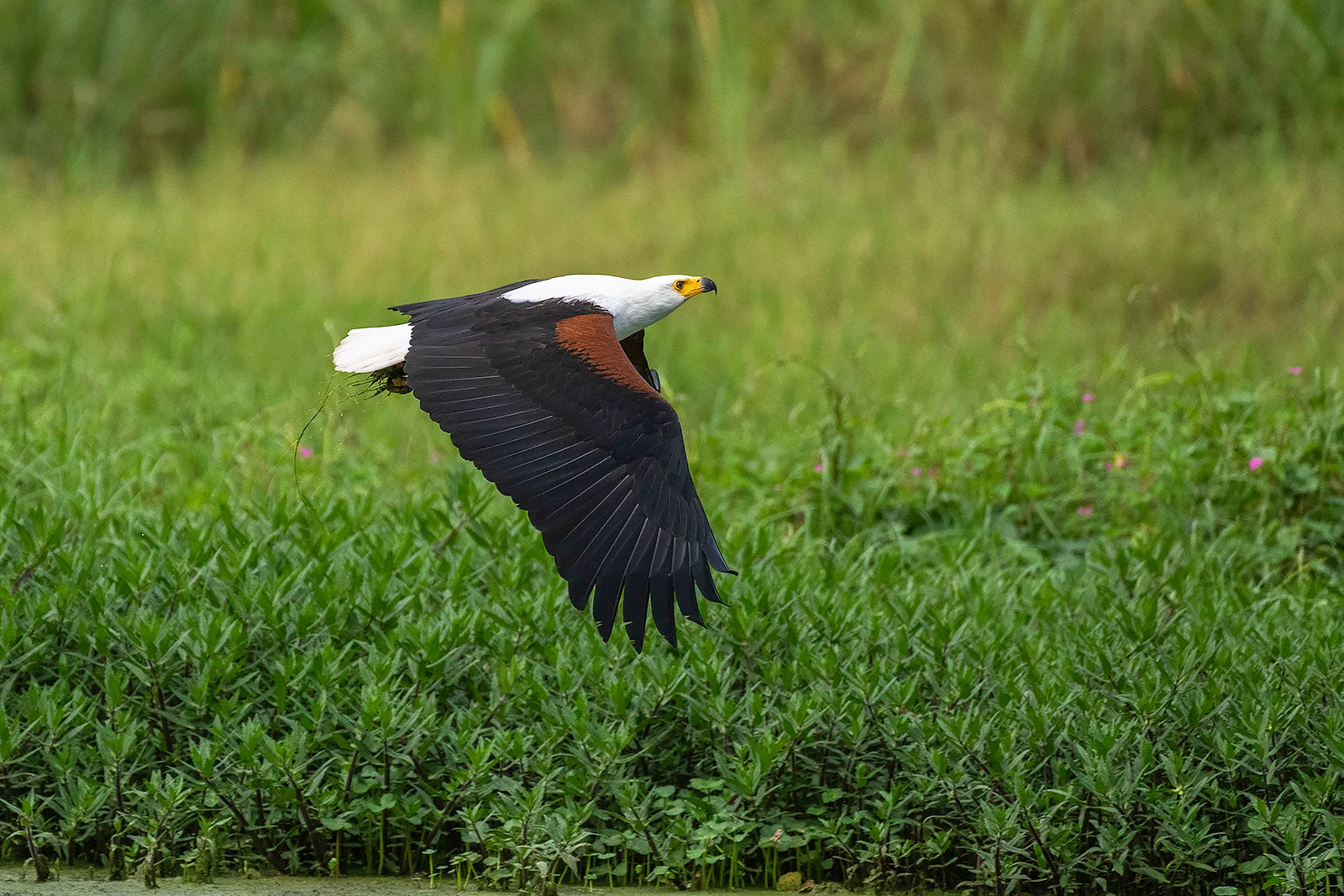
Chimpanzees were introduced to Rubondo in the 1960s, and a project to habituate them to visitors now makes guided tracking possible. Sitatunga — a semi-aquatic antelope that is hard to see elsewhere — are relatively easy to spot, along with bushbuck, hippos and crocodiles. The lakeshore attracts fish eagles, kingfishers, herons and storks, and the island is a well-known birding destination.
Boat excursions, forest walks and catch-and-release sport fishing for Nile perch are all possible, and because visitor numbers are tiny, Rubondo feels truly wild.
June to August and December to February, when the weather is drier; birding is excellent year-round
Warm and humid lake climate, with rain spread through much of the year
TZ, Lake Victoria, Tanzania
Plan Your Visit
Ready to explore Rubondo Island National Park? Our experts craft bespoke itineraries tailored to your travel dates and interests.
Browse Safari ToursGet a Custom QuoteWildlife & Activities
Before You Go
Rubondo is usually reached by light aircraft to the island airstrip, often as a two- or three-night extension after the Serengeti. It can also be reached by road to the Lake Victoria shore followed by a boat transfer.
Chimpanzee tracking is not guaranteed, so allow more than one tracking session. Bring binoculars — the birdlife is a highlight for many guests.
Nearby Destinations

Rubondo Island National Park is waiting for you
Begin your African adventure with expert-guided safaris tailored to your interests.
Rubondo Island National Park: Frequently Asked Questions
Where is Rubondo Island National Park located?
Rubondo Island National Park sits in the south-west of Lake Victoria, covering Rubondo Island together with several smaller islets. Around a third of the park's area is water, and the island itself is a mix of moist forest, open grassland and papyrus swamp.
Can visitors actually see chimpanzees on Rubondo Island?
Yes, guided chimpanzee tracking is possible on Rubondo because chimpanzees were introduced to the island in the 1960s and a habituation project has since made them approachable by visitors. Tracking is done with guides, so sightings depend on the day's conditions and the animals' movements.
What wildlife and birds can I expect to see on Rubondo?
Rubondo is known for its chimpanzees, semi-aquatic sitatunga antelope in the papyrus swamps, plus bushbuck, hippos and crocodiles. The lakeshore attracts fish eagles, kingfishers, herons and storks, making the island a well-known birding destination.
What activities are available on Rubondo Island?
Guided chimpanzee tracking, boat excursions and forest walks are the main ways to explore the island, and catch-and-release sport fishing for Nile perch is also possible. Visitor numbers are tiny, so the experience feels truly wild rather than crowded.
Is Rubondo Island a good add-on to a Serengeti safari?
Yes, Rubondo works well as a peaceful, off-the-beaten-track extension to a Serengeti safari because it is a forested island sanctuary far from the usual safari crowds. Ecological Wilderness Adventure can tailor an itinerary combining the two and quote it on request.
Is the sitatunga antelope easy to spot on Rubondo Island?
Sitatunga are relatively easy to see on Rubondo compared with elsewhere, since this semi-aquatic antelope moves through the island's papyrus swamps. A guide and a boat or swamp-side walk give the best chances of a sighting.