KituloNational Park
Kitulo National Park protects the high Kitulo Plateau in Tanzania's Southern Highlands, known locally as Bustani ya Mungu — the Garden of God. During the rains the grassland bursts…
Last updated:
Kitulo National Park
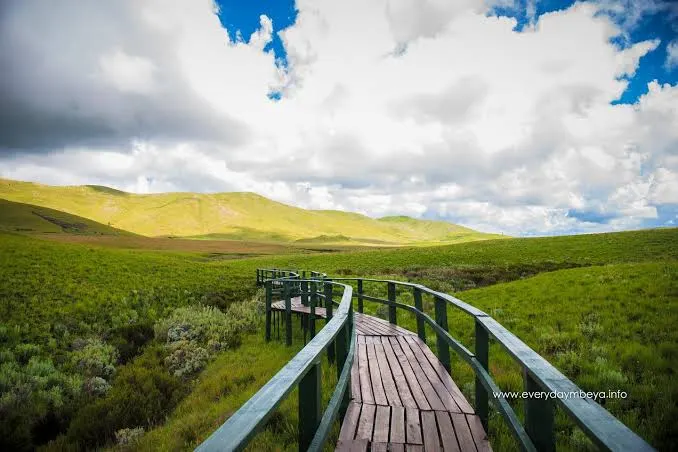
Kitulo National Park protects the high Kitulo Plateau in Tanzania's Southern Highlands, known locally as Bustani ya Mungu — the Garden of God. During the rains the grassland bursts into one of the greatest floral displays in tropical Africa, with a remarkable variety of wild orchids, red-hot pokers, lilies and aloes. It is a place for walkers, botanists and birders rather than big game.
Gazetted in 2005, Kitulo was the first national park in tropical Africa created mainly to protect its flora. The plateau sits at around 2,600 metres, between the Kipengere, Poroto and Livingstone mountains, and hosts hundreds of plant species, including dozens of terrestrial orchids.
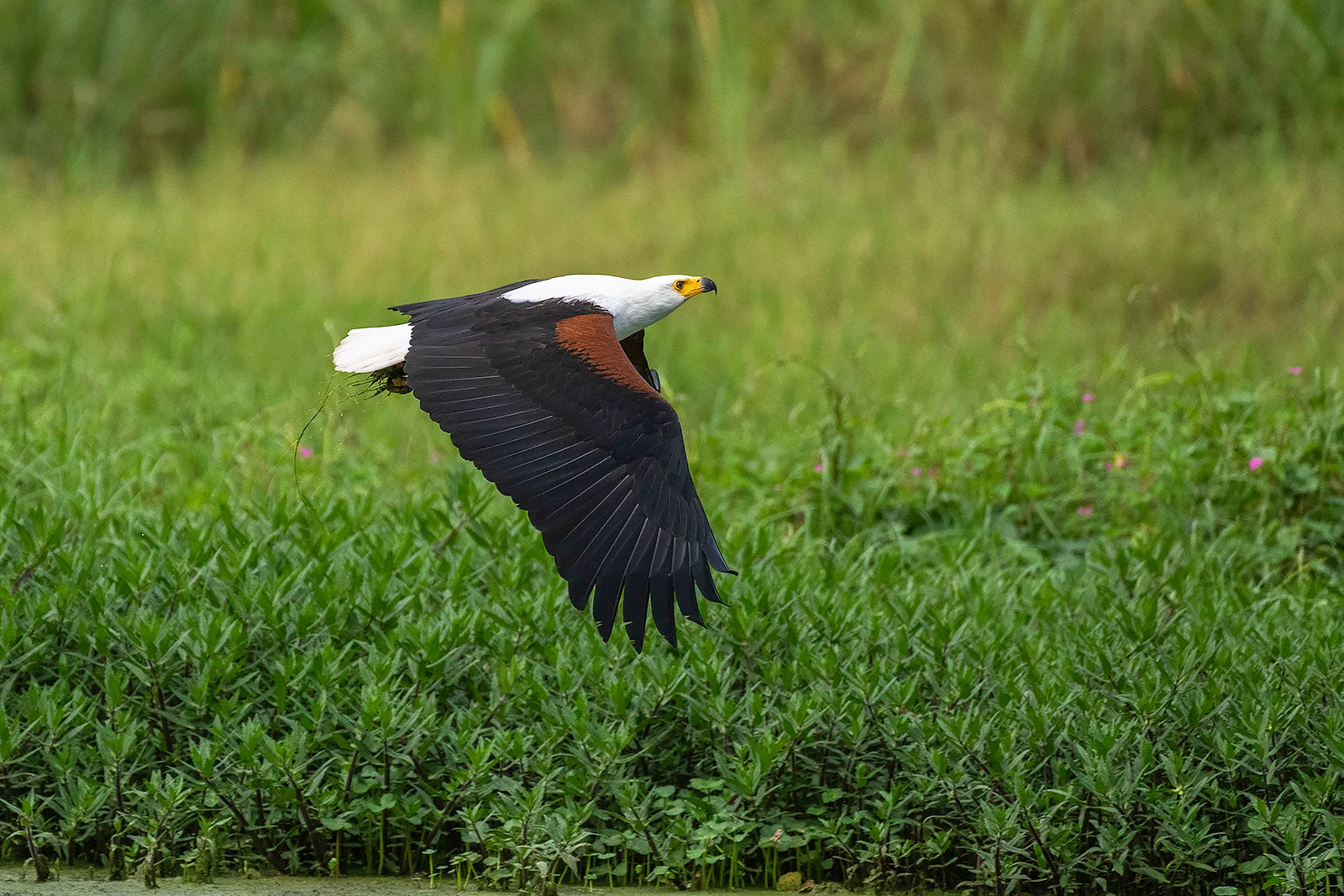
The park also protects montane forest in the Livingstone Mountains, home to the kipunji, a monkey that was only described by scientists in 2005. Rare highland birds such as Denham's bustard and the blue swallow draw dedicated birders.
Kitulo is best explored on foot, on day hikes across the flower meadows and to waterfalls and viewpoints over the surrounding highlands.
December to April for the wildflower season; September to November is dry and good for hiking
Cool to cold highland climate; nights can be near freezing in June and July
TZ, Southern Highlands, Tanzania
Plan Your Visit
Ready to explore Kitulo National Park? Our experts craft bespoke itineraries tailored to your travel dates and interests.
Browse Safari ToursGet a Custom QuoteWildlife & Activities
Before You Go
Kitulo is reached from Mbeya, which has a domestic airport, followed by a two- to three-hour drive; a 4x4 vehicle is essential during the rains. Accommodation near the park is simple, so many visitors base themselves in Mbeya or Matamba.
Pack warm layers and waterproofs — the plateau is cold, and the flowers are at their best when it rains.
Nearby Destinations
Kitulo National Park is waiting for you
Begin your African adventure with expert-guided safaris tailored to your interests.
Kitulo National Park: Frequently Asked Questions
What is Kitulo National Park best known for?
Kitulo National Park is known as Bustani ya Mungu, the Garden of God, because its high plateau grassland erupts during the rains into one of the greatest floral displays in tropical Africa, with wild orchids, red-hot pokers, lilies and aloes. Gazetted in 2005, it was the first national park in tropical Africa created mainly to protect its flora.
Is Kitulo National Park good for seeing big game like elephants or lions?
No. Kitulo is a destination for walkers, botanists and birders rather than big game, and it is best explored on foot on day hikes across the flower meadows and to waterfalls and viewpoints. Its wildlife interest lies in plants, montane forest and rare highland birds.
When should I visit Kitulo National Park to see the wildflowers?
The floral spectacle comes with the rains, when the grassland bursts into bloom across the plateau. Ecological Wilderness Adventure can advise on timing and tailor a trip around the flowering season on request.
What animals and birds can I see in Kitulo National Park?
The park protects montane forest in the Livingstone Mountains that is home to the kipunji, a monkey only described by scientists in 2005. Rare highland birds such as Denham's bustard and the blue swallow draw dedicated birders to the plateau.
Where is Kitulo National Park and how high is it?
Kitulo National Park protects the high Kitulo Plateau in Tanzania's Southern Highlands, sitting at around 2,600 metres between the Kipengere, Poroto and Livingstone mountains. The plateau hosts hundreds of plant species, including dozens of terrestrial orchids.
How do I visit Kitulo National Park with Ecological Wilderness Adventure?
Kitulo is explored on foot, with day hikes across the flower meadows and to waterfalls and viewpoints over the surrounding highlands. As a TATO-licensed Tanzania and East Africa safari operator, Ecological Wilderness Adventure can tailor an itinerary and quote a trip on request.