Kibale ForestNational Park
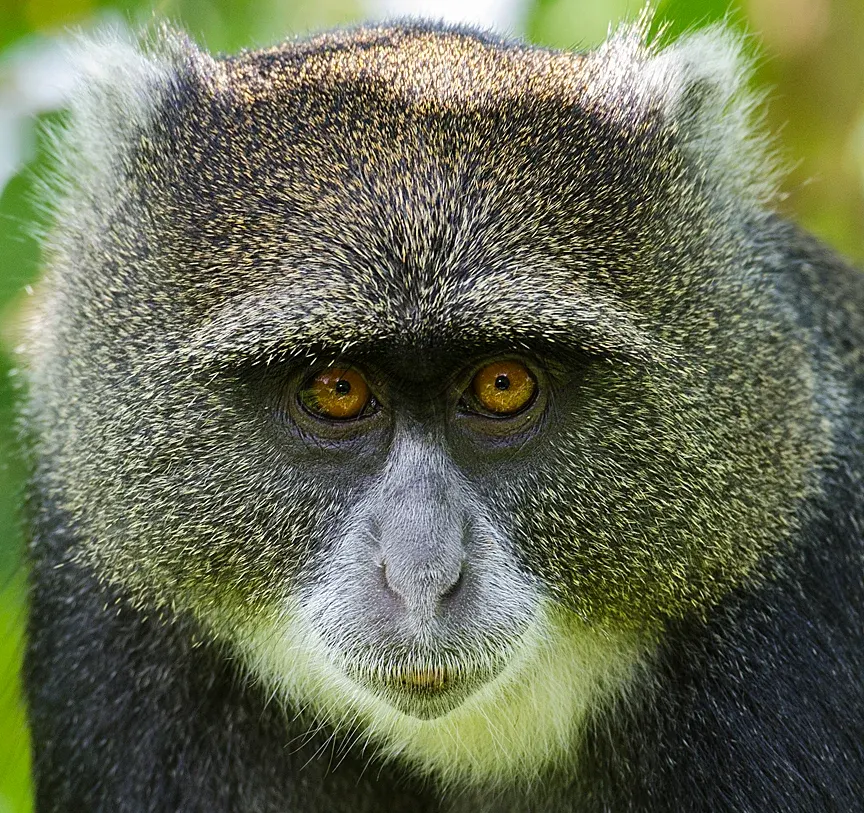
Kibale Forest has the highest density and diversity of primates in Africa — 13 species including over 1,500 chimpanzees. Walking through this ancient tropical rainforest listening …
Last updated:
Kibale Forest National Park
Kibale Forest has the highest density and diversity of primates in Africa — 13 species including over 1,500 chimpanzees. Walking through this ancient tropical rainforest listening for chimp calls is one of East Africa's great wildlife experiences.
June to September and December to February; chimp tracking year-round
Tropical rainforest, 15-25°C, high humidity
UG, Western Uganda
Plan Your Visit
Ready to explore Kibale Forest National Park? Our experts craft bespoke itineraries tailored to your travel dates and interests.
Browse Safari ToursGet a Custom QuoteWildlife & Activities
Safari Tours
Through the Lens
Nearby Destinations

Kibale Forest National Park is waiting for you
Begin your African adventure with expert-guided safaris tailored to your interests.
Kibale Forest National Park: Frequently Asked Questions
What primates can I see in Kibale Forest National Park?
Kibale Forest has the highest density and diversity of primates in Africa, with 13 species including more than 1,500 chimpanzees. Other commonly seen primates include red colobus, black-and-white colobus, L'Hoest's monkeys, grey-cheeked mangabeys and baboons. Walking the trails while listening for chimp calls is considered one of East Africa's great wildlife experiences.
Do I need a permit for chimpanzee trekking in Kibale?
Yes, chimpanzee trekking in Kibale requires a permit issued by the Uganda Wildlife Authority, and daily visitor numbers are limited so permits should be secured well in advance. Ecological Wilderness Adventure can arrange permits and build them into a tailored itinerary, quoted on request.
Where is Kibale Forest National Park and how do I reach it?
Kibale lies in western Uganda near the town of Fort Portal, roughly a five to six hour drive from Kampala and close to Queen Elizabeth National Park and the Ndali-Kasenda crater lakes. Most guests visit it as part of a longer western Uganda itinerary, and we can organise the road transfers and routing.
What is the chimpanzee habituation experience in Kibale?
The habituation experience gives a small number of visitors a much longer stay in the forest with researchers, following a chimpanzee community from early morning and observing behaviour beyond what a standard trek allows. It is a full-day commitment and requires advance booking, which we can handle as part of your trip.
What else is there to do around Kibale besides chimpanzee trekking?
Kibale is excellent for birding, with hundreds of recorded species, and the nearby Bigodi Wetland Sanctuary offers a community-run swamp walk known for monkeys and birds. Crater lakes, tea estates and cultural visits around Fort Portal are easy add-ons. We can combine these with your chimp trek in a tailored itinerary.
When is the best time of year to visit Kibale Forest?
Kibale can be visited year round, but the drier months from roughly January to February and June to September usually mean firmer forest trails and easier walking. Chimpanzee trekking operates throughout the year, and we can advise on timing based on your wider East Africa plans.