Central Kenya Highlands
Rising between Nairobi and the drier northern plains, the fertile highlands of central Kenya sit at the heart of the country’s agricultural and natural landscape. Anchored by snow-…
Last updated:
Central Kenya Highlands
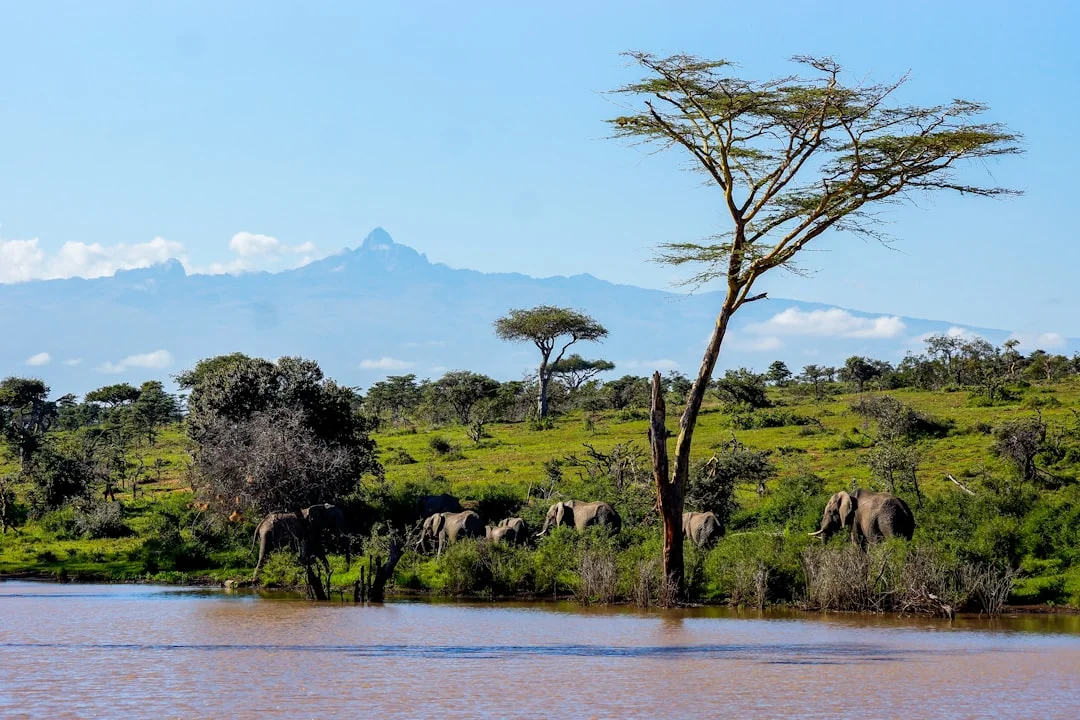
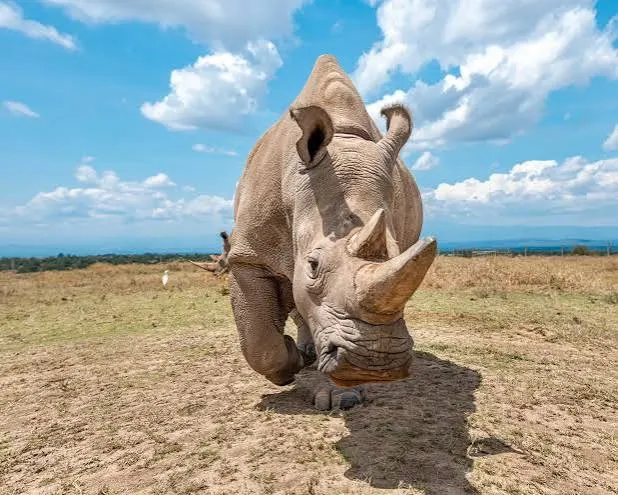
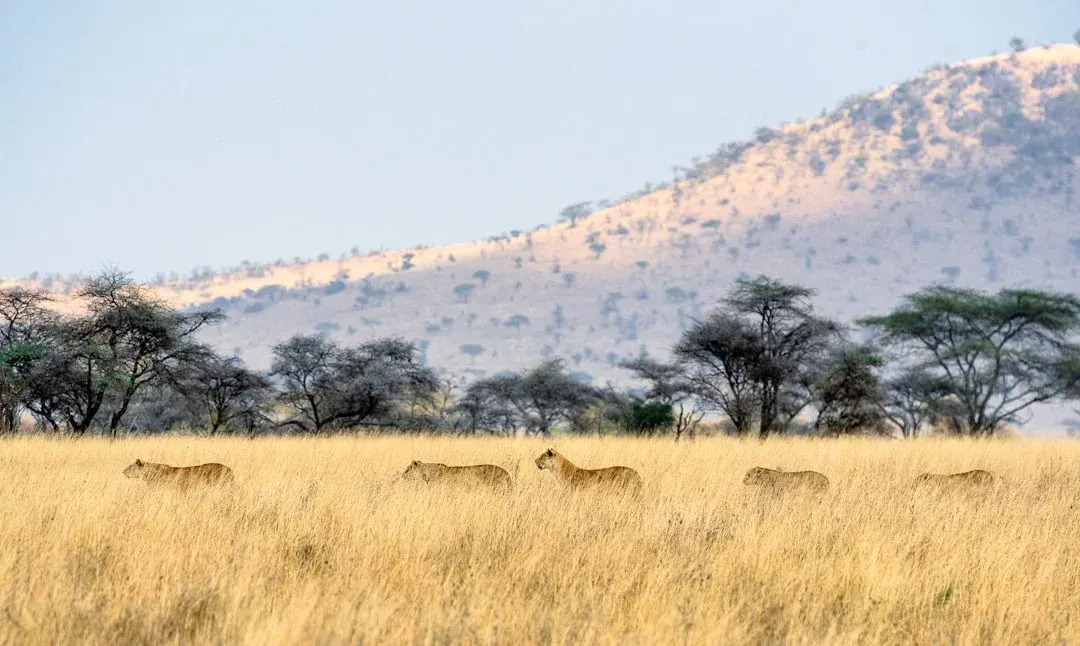
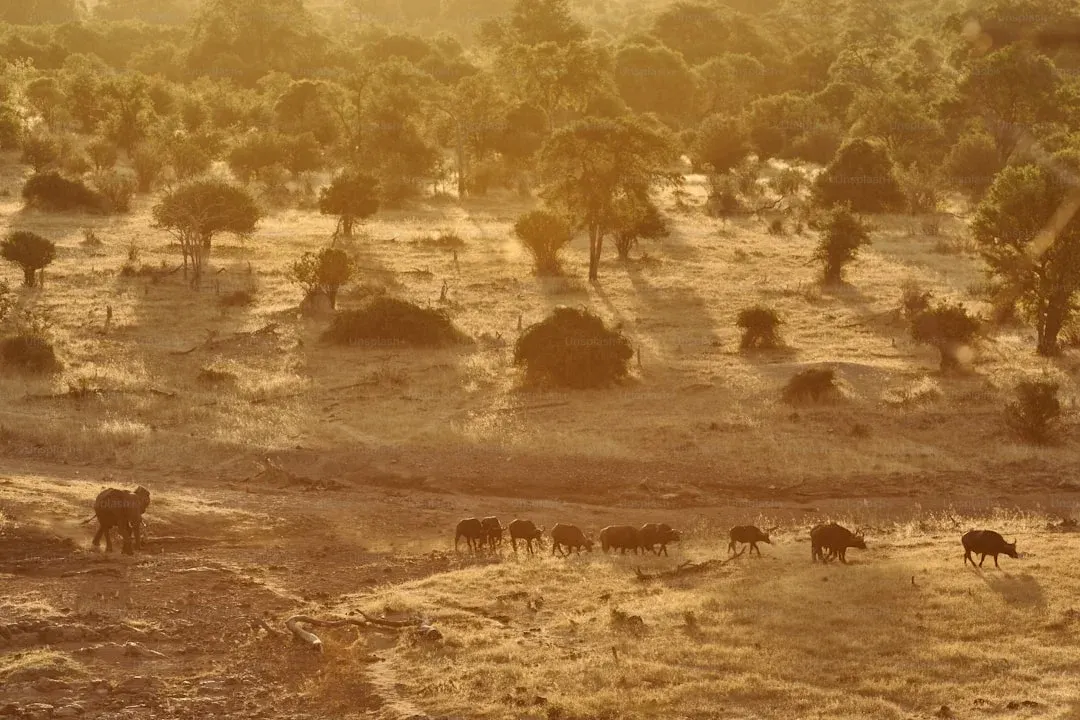
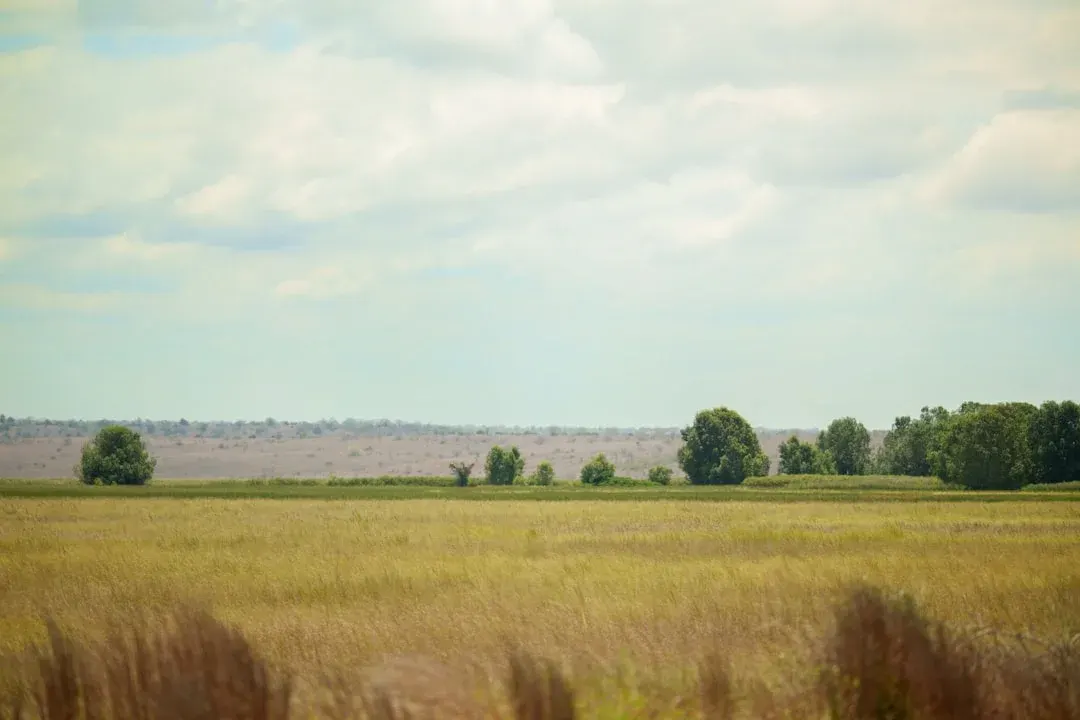
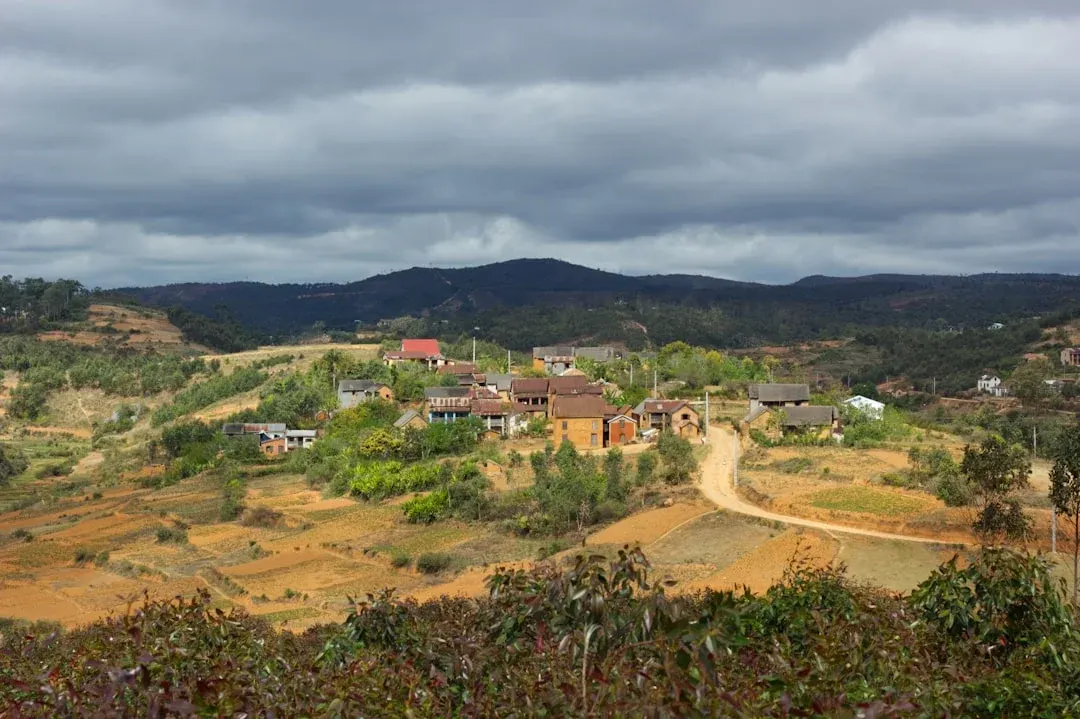
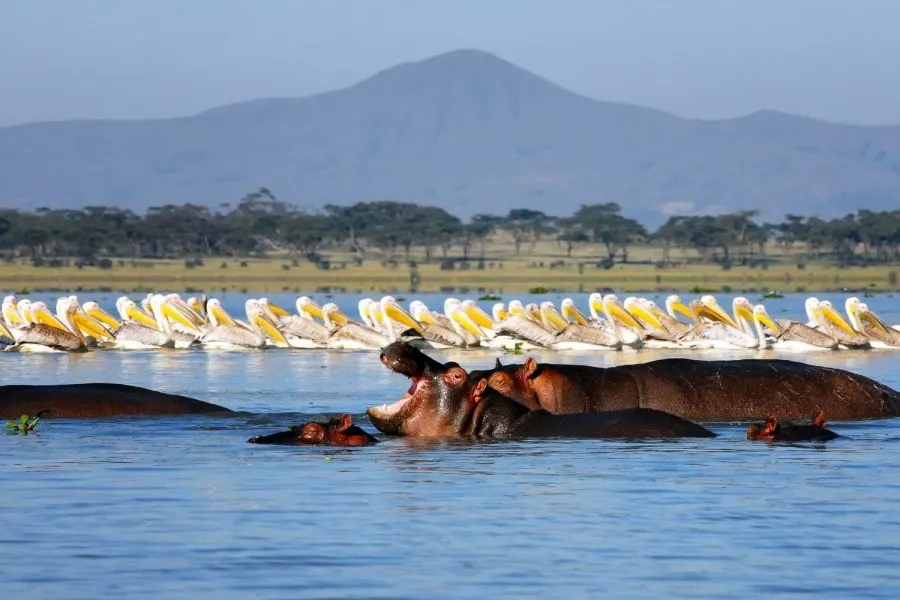
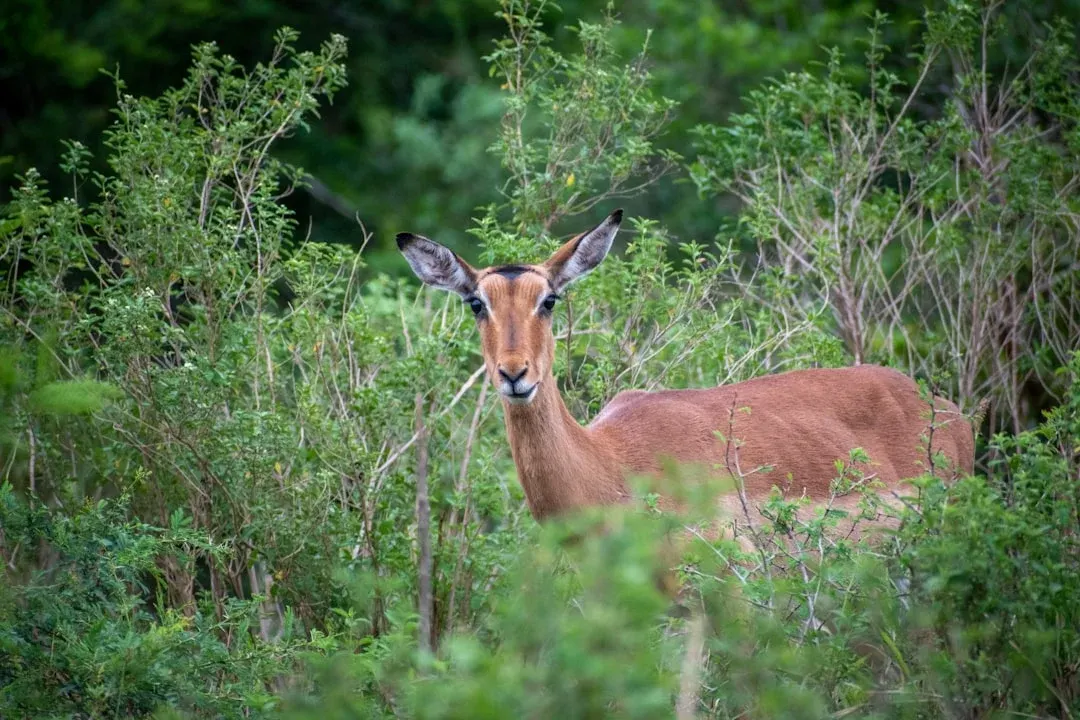
Rising between Nairobi and the drier northern plains, the fertile highlands of central Kenya sit at the heart of the country’s agricultural and natural landscape. Anchored by snow-dusted Mount Kenya, the mist-covered Aberdare Range, and the shimmering lakes of the Great Rift Valley, this cool, green region feels worlds away from the warm savanna below. Rich red volcanic soil and steady mountain rains make these slopes some of the most productive farmland in East Africa. Driving through counties like Nyeri, Murang’a, and Kiambu, winding roads pass neatly trimmed carpets of bright green tea bushes and shaded rows of coffee trees clinging to steep hillsides. Small family plots sit beside historic estates, where crisp mountain air slows the ripening of red coffee cherries and gives Kenyan tea its brisk, full-bodied flavor. Tucked right between these working farms are wild mountain forests and protected national parks. On the slopes of Mount Kenya—Africa’s second-highest peak—thick bamboo zones and giant heather moorlands climb toward jagged volcanic spires and shrinking equatorial glaciers. Just to the west, the Aberdare Range rises in steep, forested ridges broken by rushing waterfalls and open highland plateaus, sheltering elusive bongo antelopes, forest elephants, leopards, and black rhinos. Further west, the land drops sharply into the Great Rift Valley, where a chain of freshwater and alkaline soda lakes lines the valley floor. Lakes Naivasha, Nakuru, and Elementaita draw huge flocks of pelicans, cormorants, and flamingos, while surrounding yellow-barked acacia woods and conservancies host giraffes, zebras, buffaloes, and lions. Together, the farms, mountains, and lakes make central Kenya a rich meeting point of everyday rural life and highland wilderness
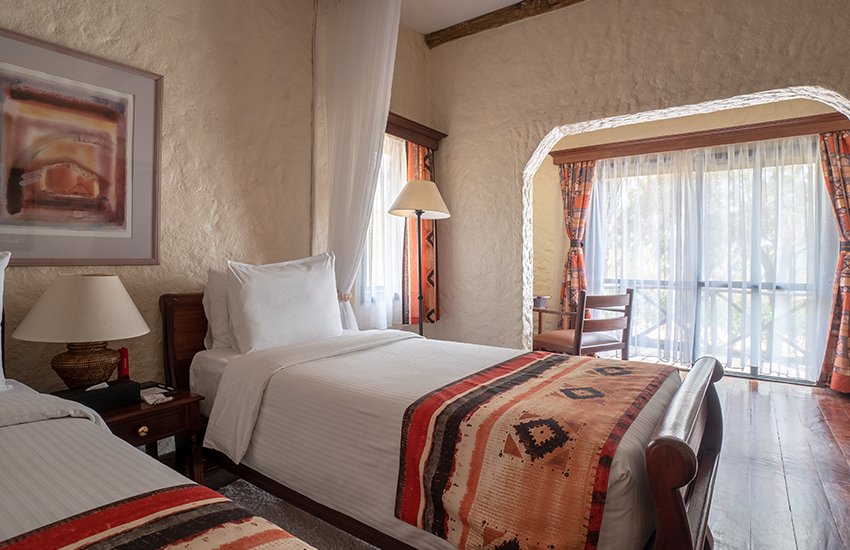
The highlands suit travellers who want a cooler, slower stretch between the Mara or Amboseli and the coast. A sensible loop runs from Nairobi through tea and coffee country, with a night at an Aberdare tree hotel, a morning on the Mount Kenya foothills and a stop at one of the Rift Valley lakes. Mornings are often misty and evenings are cold at altitude, so pack layers and a rain jacket. January to March and July to October are the driest months.
January to March and July to October (dry seasons)
KE, Central Kenya
Plan Your Visit
Ready to explore Central Kenya Highlands? Our experts craft bespoke itineraries tailored to your travel dates and interests.
Browse Safari ToursGet a Custom QuoteExplore the Park
Distinct ecosystems within Central Kenya Highlands, each with unique wildlife and seasonal patterns.
Wildlife & Activities
Through the Lens
Nearby Destinations
Central Kenya Highlands is waiting for you
Begin your African adventure with expert-guided safaris tailored to your interests.
Central Kenya Highlands: Frequently Asked Questions
What does the Central Kenya Highlands region cover?
The region encompasses Mount Kenya, the Aberdare Range, and the Great Rift Valley lakes, with tea and coffee plantations blanketing the hillsides between wildlife-rich national parks. Ecological Wilderness Adventure can build an itinerary covering as much or as little of it as you like.
Can I combine Mount Kenya and the Aberdare Range in one safari?
Yes. Both Mount Kenya and the Aberdare Range sit within the Central Kenya Highlands, so they pair naturally in a single itinerary that Ecological Wilderness Adventure will tailor to your travel dates and pace.
What wildlife can I expect in the Central Kenya Highlands?
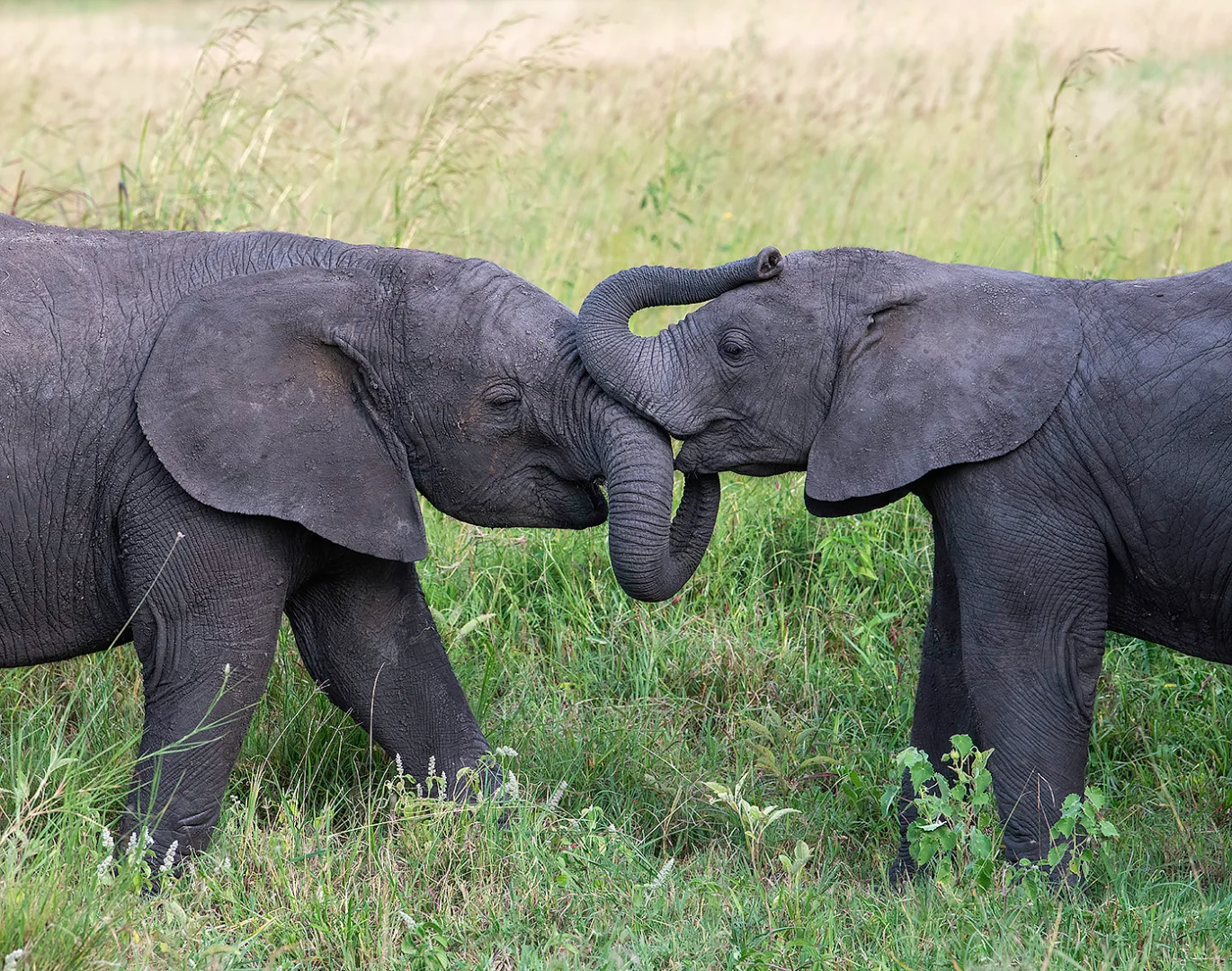
The national parks here are well known for large mammals such as elephants and buffalo, plus forest species like colobus monkeys and bushbuck around Mount Kenya and the Aberdares. The Rift Valley lakes add birdlife and water-associated wildlife, including hippos.
Why is the Central Kenya Highlands worth visiting beyond the wildlife?
The highlands are fertile farming country, with tea and coffee plantations covering the hillsides alongside the parks, so scenery, agriculture and wildlife sit close together. That makes the region a strong contrast to the drier savannah areas of East Africa.
Is the Central Kenya Highlands a good add-on to a Tanzania safari?
It can be. As a TATO-licensed operator working across Tanzania and East Africa, Ecological Wilderness Adventure can combine a Tanzania trip with a Kenya Highlands leg, or quote the highlands as a standalone itinerary.
What does a Central Kenya Highlands trip cost, and how do I book?
Rates depend entirely on your route, accommodation choices and trip length, so Ecological Wilderness Adventure tailors and quotes each trip on request. Contact them with your preferred dates and interests to get a personalised proposal.