Capture stunning safari photos with our expert wildlife photography guide covering optimal camera settings, composition techniques, equipment recommendations, and insider tips.
Tanzania offers some of the world's best wildlife photography opportunities—from the Great Migration river crossings to intimate predator encounters in the Serengeti. After photographing over 200 safaris, here's everything you need to capture stunning wildlife images.
Quick Camera Settings Reference
- Mode: Aperture Priority (Av/A) or Manual
- Shutter Speed: 1/1000s minimum for action, 1/500s for static
- Aperture: f/5.6-f/8 for sharpness with background separation
- ISO: Auto ISO 100-6400 (modern cameras handle 12800+)
- Focus: Continuous AF (AI Servo/AF-C), animal eye detection
Essential Camera Gear
Camera Bodies
Modern mirrorless cameras have revolutionized wildlife photography with their fast autofocus and animal eye detection. According to National Geographic photographers, the key features to prioritize are:
- Fast Autofocus: Essential for tracking moving animals
- High Frame Rate: 10+ fps for action sequences
- Good High ISO: Clean images at ISO 6400+
- Weather Sealing: Dust and moisture protection
Professional Bodies
- • Sony A1 / A9 III
- • Canon R3 / R5
- • Nikon Z8 / Z9
Enthusiast Bodies
- • Sony A7R V / A7 IV
- • Canon R6 II / R7
- • Nikon Z6 III / Zf
Lenses for Safari
The right lens makes or breaks safari photography. Here's what the pros use:
| Lens Type | Best For | Recommendations |
|---|---|---|
| 100-400mm | Versatile, close encounters | Sony 100-400 GM, Canon 100-500 |
| 200-600mm | Distant subjects, birds | Sony 200-600, Nikon 200-600 |
| 600mm f/4 | Ultimate reach, low light | Pro-level, $10,000+ |
| 24-70mm | Landscapes, environmental | Essential backup lens |
Pro Tip: A 100-400mm or 200-600mm zoom is more practical than prime lenses on safari. Animals move unpredictably—flexibility beats maximum aperture.
Support & Accessories
- Bean Bag: Essential for resting lens on vehicle door/window
- Memory Cards: 256GB+ capacity, fast write speeds (V90/CFexpress)
- Spare Batteries: Bring 3-4 extras (cold mornings drain faster)
- Sensor Cleaning Kit: Dust is unavoidable
- Rain Cover: Sudden storms happen
- Dust-Proof Bag: Keep gear protected between drives
Camera Settings by Scenario
Action Shots (Chases, Crossings)
- Shutter Speed: 1/2000s or faster
- Aperture: f/5.6-f/8 (forgives focus errors)
- ISO: Auto, accept grain for speed
- Focus Mode: Continuous AF, wide area tracking
- Drive Mode: High-speed continuous
Portraits (Static Animals)
- Shutter Speed: 1/500s minimum
- Aperture: f/4-f/5.6 (beautiful bokeh)
- ISO: Lowest possible for conditions
- Focus: Single point on eye, animal eye AF
- Consider: Wait for catchlights in eyes
Low Light (Dawn/Dusk)
- Shutter Speed: 1/250-1/500s (accept some motion blur)
- Aperture: Wide open (f/4, f/5.6)
- ISO: Push to 6400-12800 if needed
- Note: Best light is golden hour—prioritize this time
Best Photography Locations
Serengeti
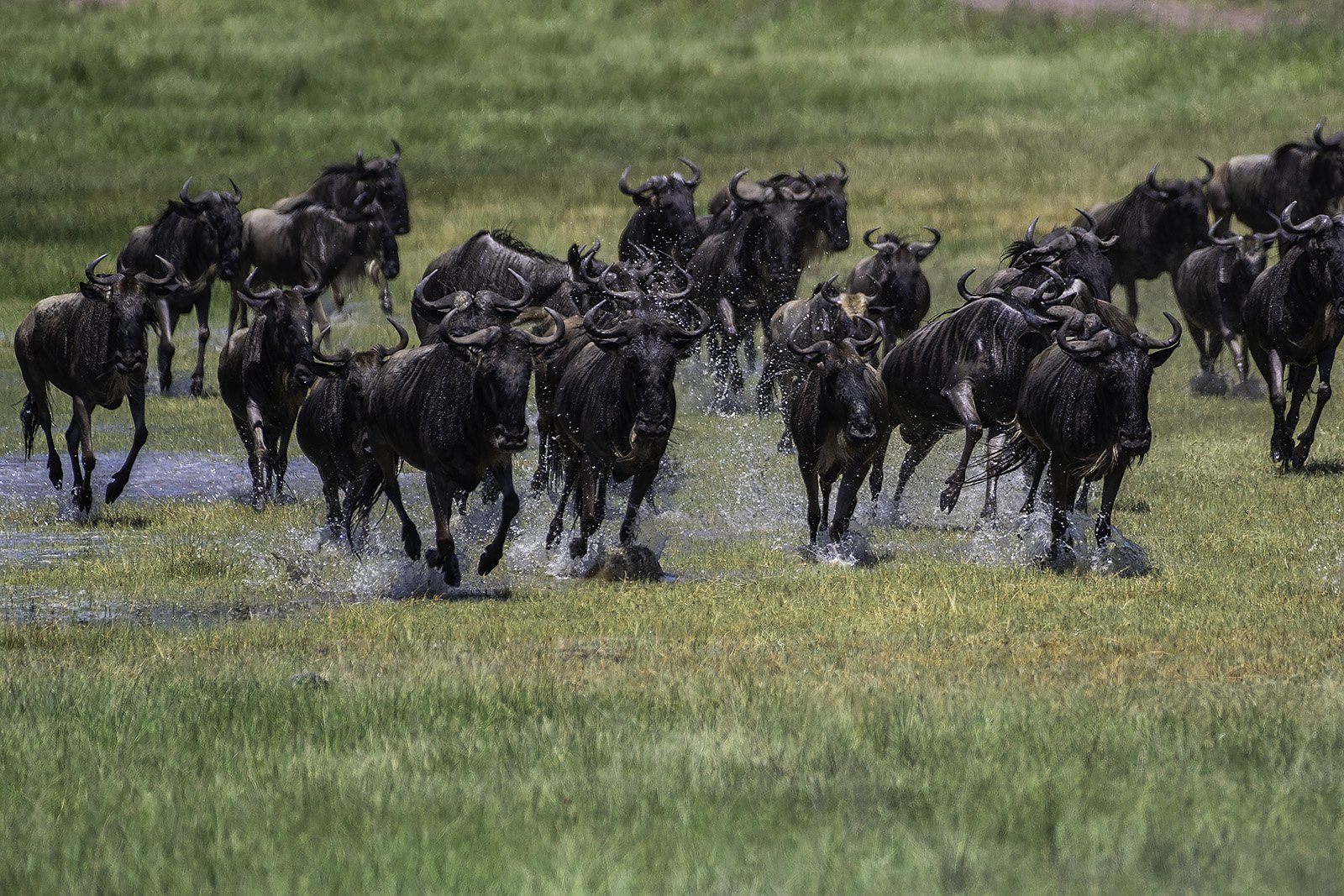
- • Migration crossings (Jul-Oct)
- • Big cat action year-round
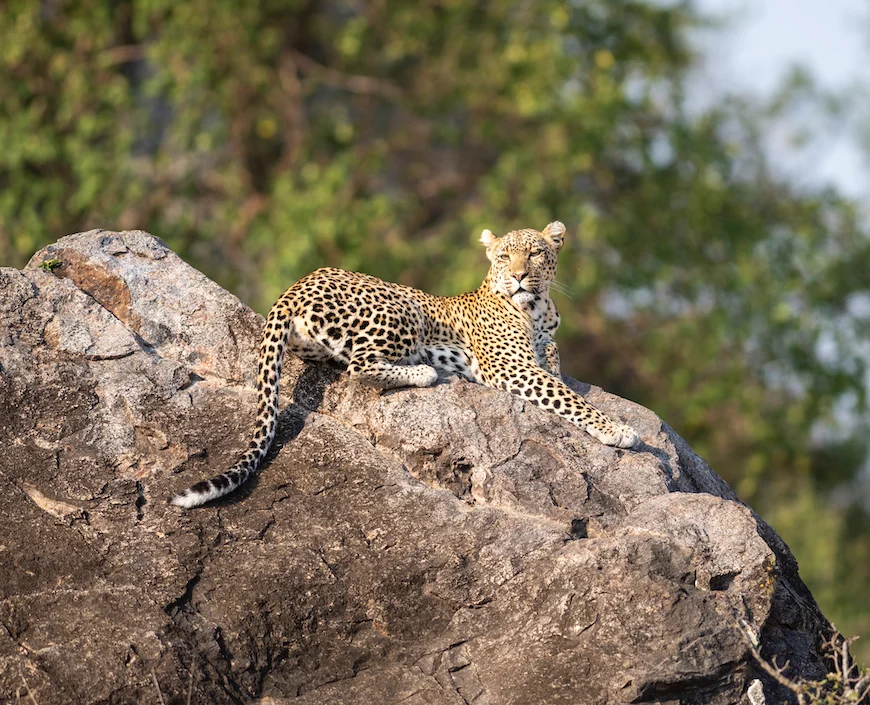
- • Seronera for leopards
Ngorongoro Crater
- • Dense wildlife, guaranteed sightings
- • Black rhino opportunities
- • Dramatic crater backdrop
Tarangire
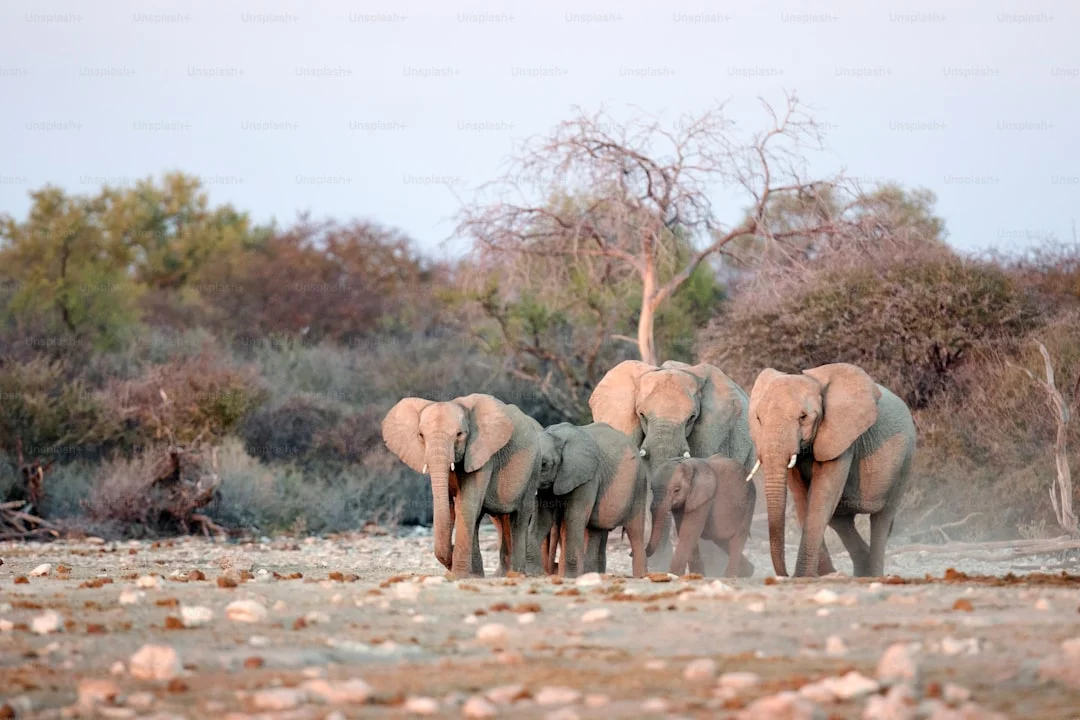
- • Elephant herds + baobabs
- • Dry season concentrations
- • Tree-climbing lions
Lake Manyara
- • Flamingos and waterbirds
- • Forest elephants
- • Dramatic escarpment views
Composition Tips
- Eye Level: Get low when possible—eye-level shots are most engaging
- Space to Move: Leave room in front of the animal for implied movement
- Environmental Context: Don't always zoom tight—show habitat
- Rule of Thirds: Place eyes on upper third intersection
- Patience: Wait for behavior, don't just document presence
- Light Direction: Side light creates depth, backlight creates drama
Frequently Asked Questions
What is the best lens for safari photography?
A 100-400mm or 200-600mm zoom is the most versatile choice for safari. These ranges cover most situations from vehicle-based photography. Prime telephotos (600mm f/4) offer superior image quality but less flexibility. Always pair with a 24-70mm for landscapes and close encounters.
What camera settings for wildlife action shots?
For action shots, use shutter speed 1/2000s or faster, aperture f/5.6-f/8 for focus forgiveness, Auto ISO, continuous autofocus with wide-area tracking, and high-speed continuous drive mode. Accept higher ISO and grain to freeze motion—you can reduce noise in post, but you can't fix blur.
Do I need a tripod for safari photography?
Traditional tripods are impractical in safari vehicles. Instead, bring a bean bag to rest your lens on the vehicle door or window frame. This provides excellent stability while allowing quick repositioning as animals move. Some photographers use gimbal heads clamped to the vehicle.
How much memory card storage do I need?
Plan for 500-1000 images per game drive when shooting RAW. For a week-long safari, bring 256-512GB total storage. Use fast cards (V90 SD or CFexpress) to handle high-speed bursts. Bring a laptop or portable storage device for backup—never rely on a single card.
Further Reading
Plan Your Photography Safari
We specialize in safaris designed for serious photographers—optimal positioning, patient guides, and prime locations.
View Photography Safaris
Ecological Wilderness Adventure
Expert safari guide and writer at Ecological Wilderness Adventure, a TATO-licensed operator based in Arusha, Tanzania with 20+ years of experience crafting authentic wildlife expeditions across East Africa.
Published October 5, 2025
You Might Also Enjoy
Wildlife Photography Safari Tanzania 2026: Pro Tips & Best Locations
Master wildlife photography on your 2026 Tanzania safari. Expert tips on equipment, settings, best locations, and timing for stunning shots.
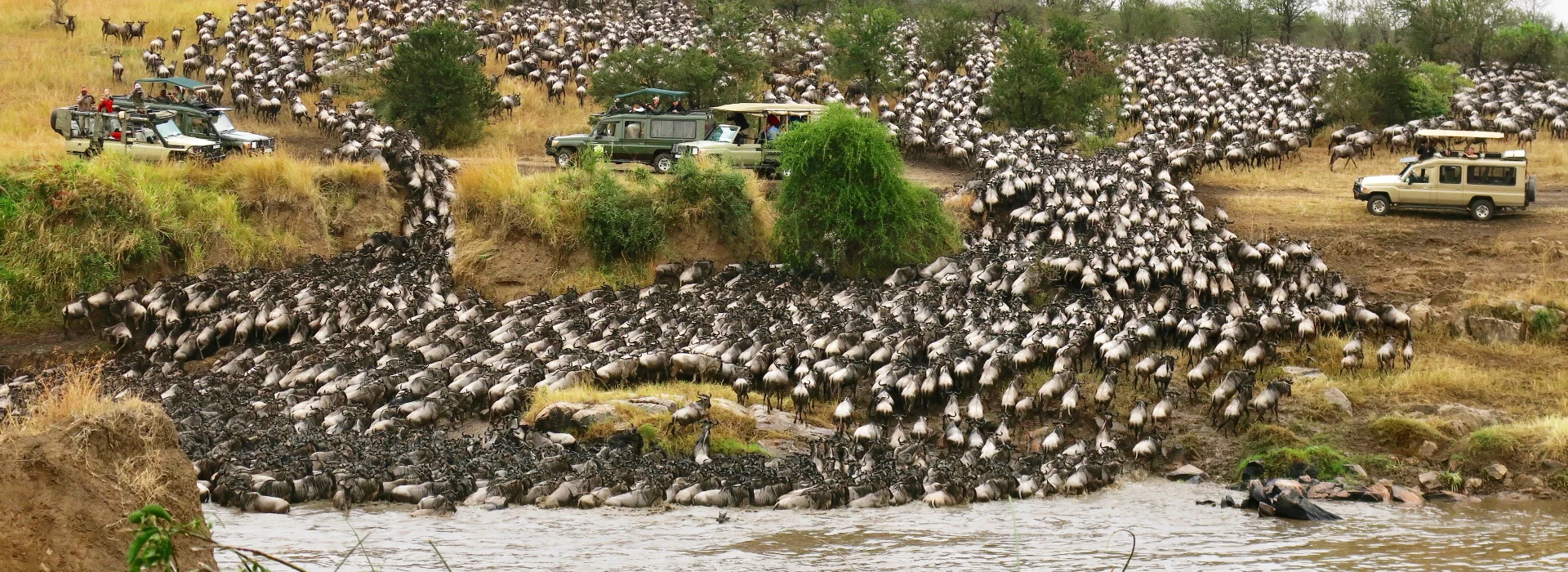
The Great Wildebeest Migration 2026: Complete Month-by-Month Guide
Plan your wildebeest migration safari with our expert guide covering month-by-month locations, calving season dates, river crossings, best camps, and photography tips from 10+ years of leading safaris across the Serengeti-Mara ecosystem.
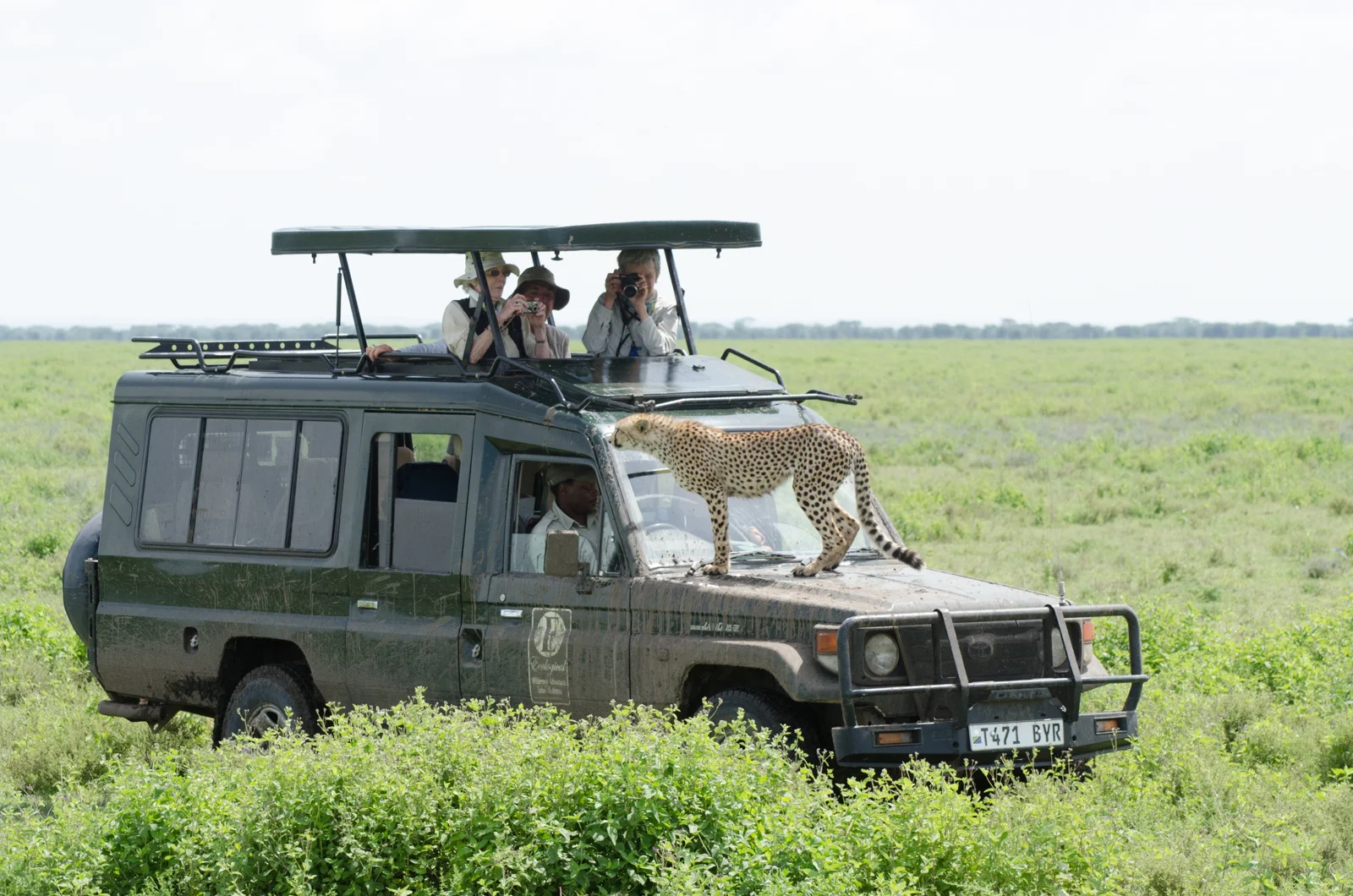
Tanzania Safari Packing List: What to Pack (And Skip)
Complete Tanzania safari packing guide. Essential items, what to skip, clothing tips, camera gear, and practical advice from safari experts.