Northern Circuit · TZ · national park
SerengetiNational Park
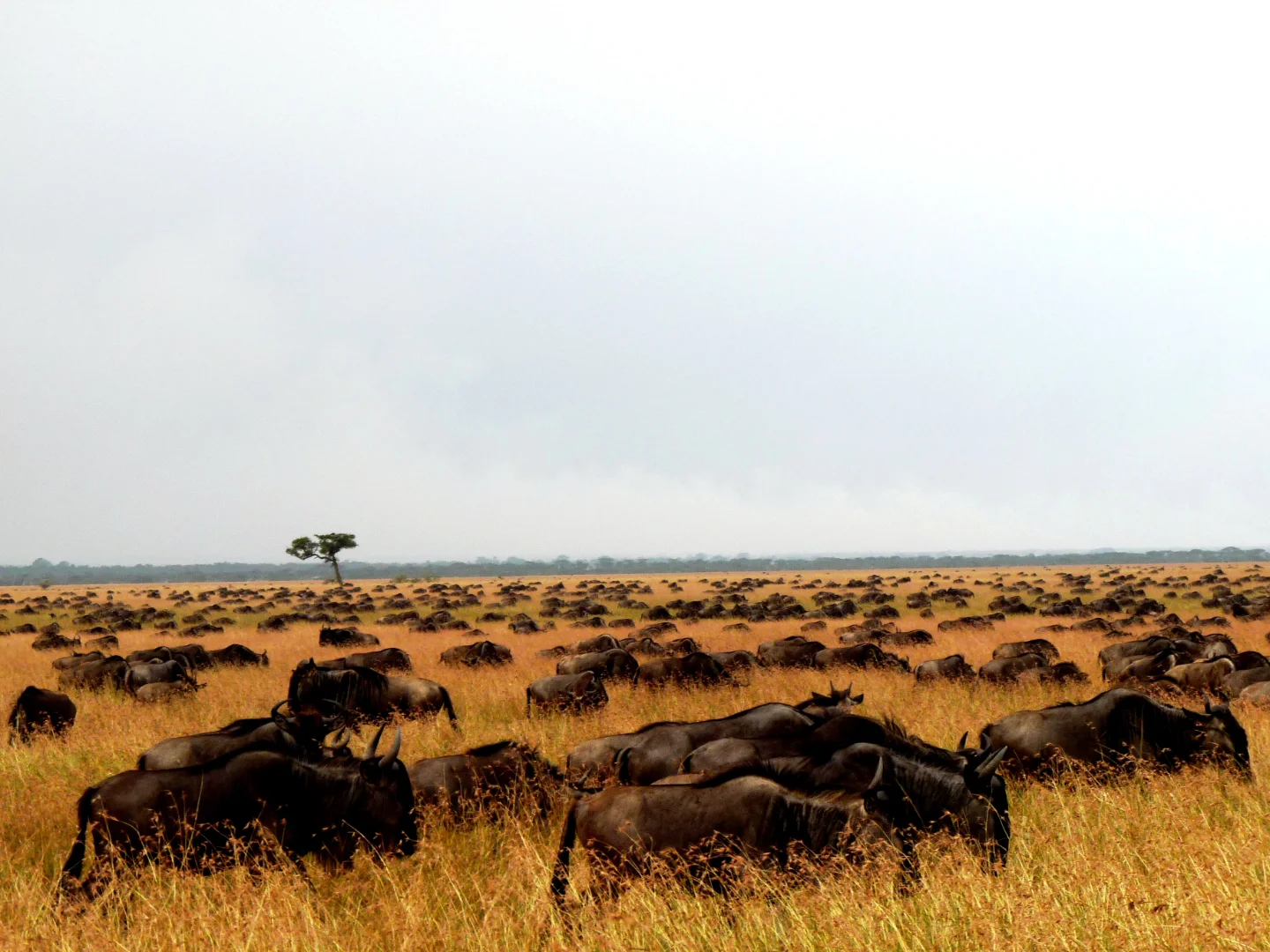
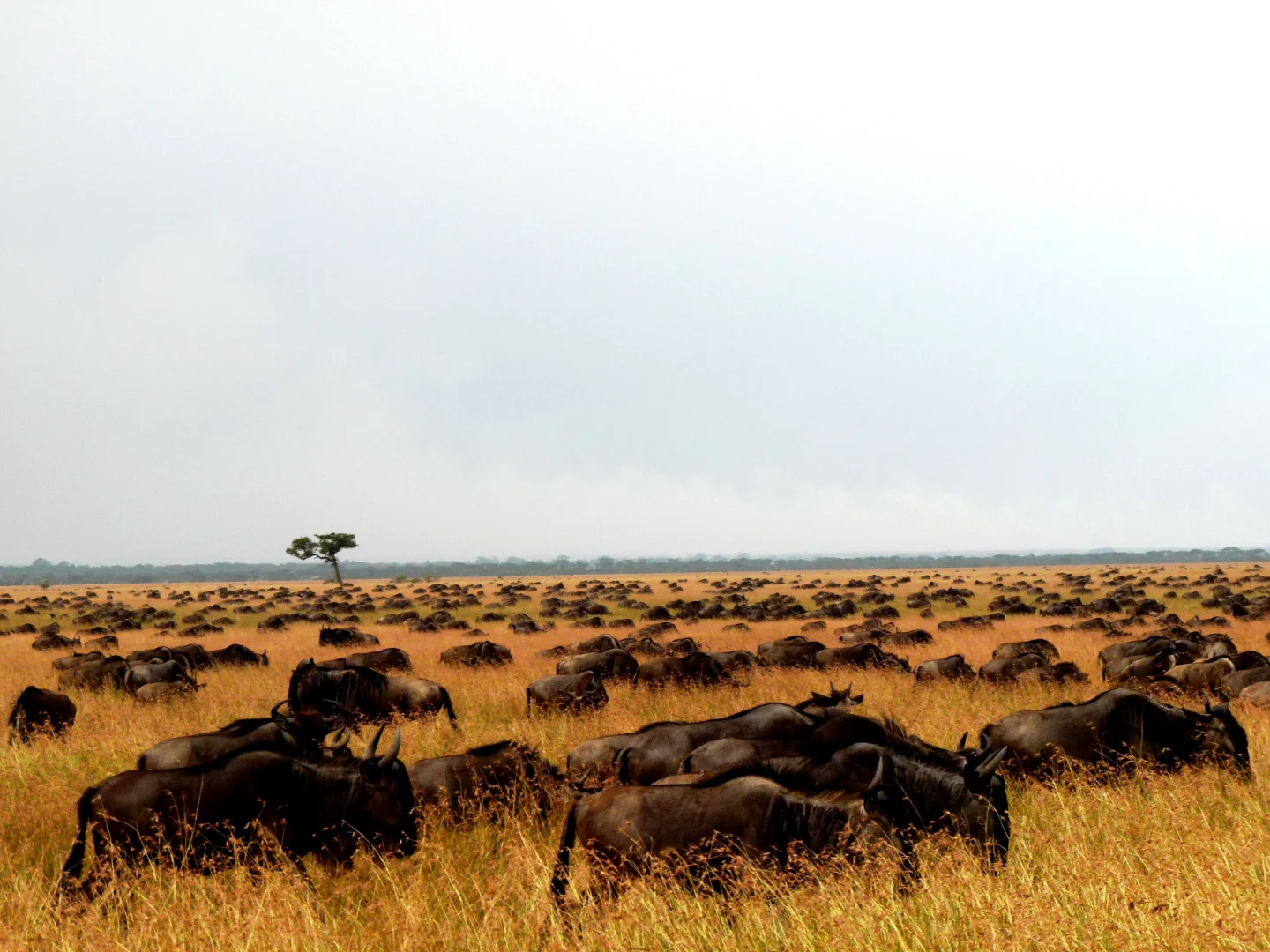
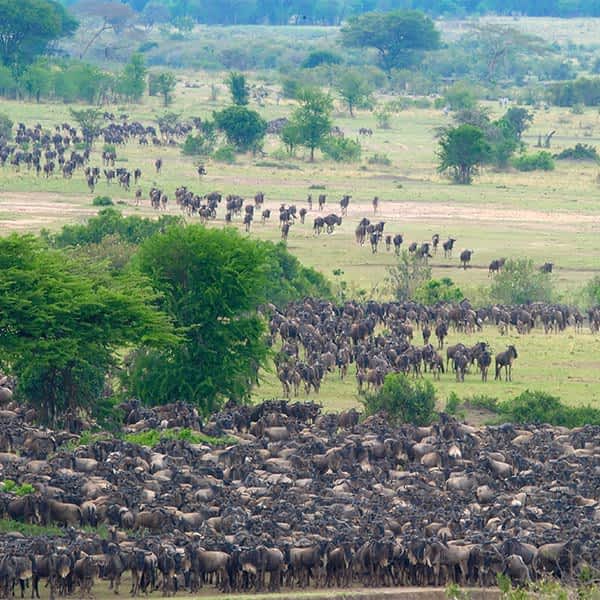
The Serengeti is home to the largest terrestrial mammal migration in the world. Over 1.5 million wildebeest, 300,000 zebra, and hundreds of thousands of gazelle sweep across 30,000…
Best Time to VisitJune–October for migration river crossings · December–March for calving season
Scroll
30+
Species of Wildlife
10
Safari Activities
5
Park Highlights
5
Safari Tours
Last updated:
Overview
Serengeti National Park
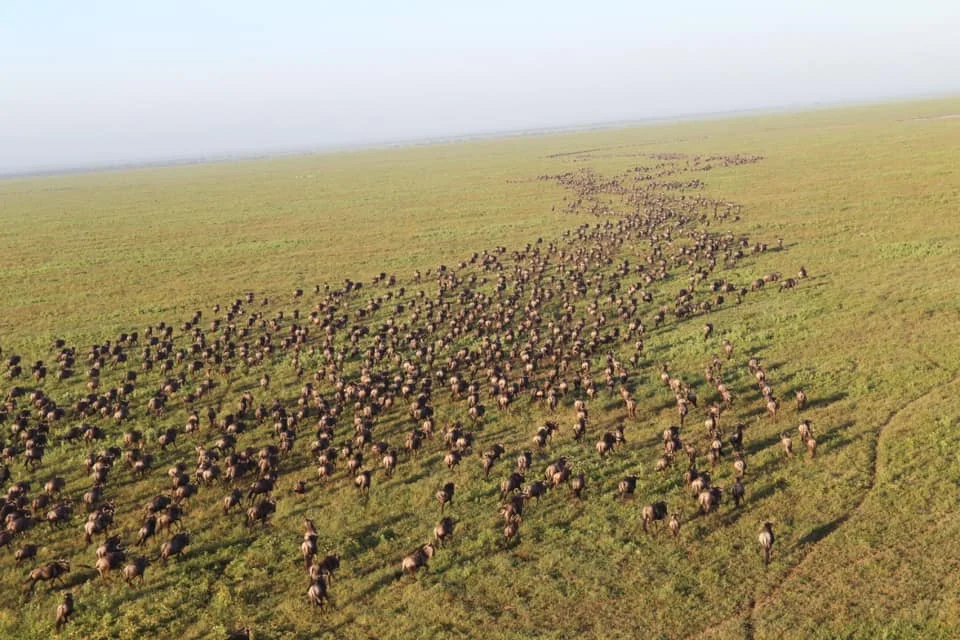
The Serengeti is home to the largest terrestrial mammal migration in the world. Over 1.5 million wildebeest, 300,000 zebra, and hundreds of thousands of gazelle sweep across 30,000 square kilometres of grassland in an endless cycle of birth, life, and death.
Named from the Maasai word 'siringet' meaning endless plains, the Serengeti is Tanzania's oldest and most popular national park, gazetted in 1951. Its ecosystem — spanning 30,000 km² from the Ngorongoro highlands to Kenya's Masai Mara — supports one of the highest concentrations of large predators in Africa: over 3,000 lions, 1,000 leopards, and the continent's largest population of cheetah.
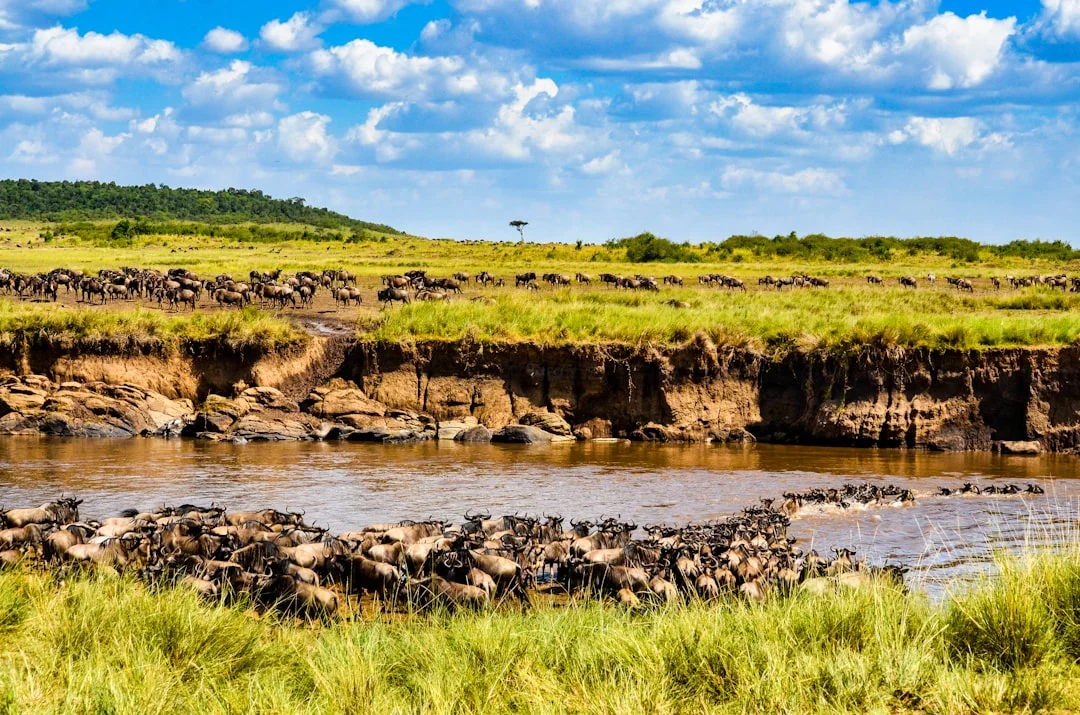
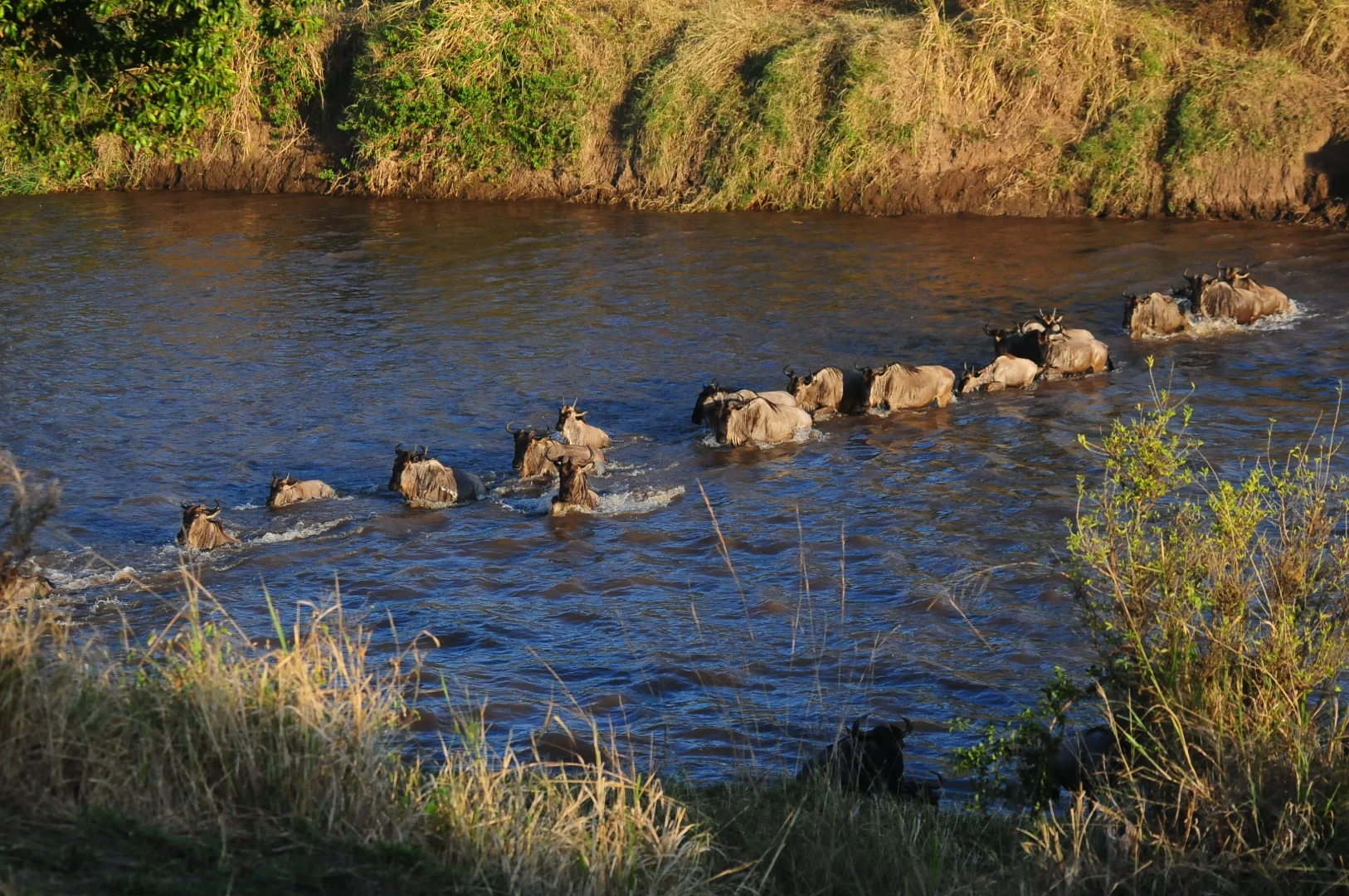
The park divides naturally into four distinct zones. The Southern Plains (Ndutu area) host the calving season from January to March, when over 8,000 wildebeest are born daily. The Central Serengeti around Seronera offers year-round predator action in dense acacia woodland. The Western Corridor follows the Grumeti River where colossal Nile crocodiles ambush crossing herds in June and July. The Northern Serengeti, bordering the Mara River, stages the most dramatic river crossings from August to October.
Beyond the migration, the Serengeti supports over 500 bird species, ancient granite kopjes sheltering lions and klipspringers, and one of Africa's last viable populations of African wild dog. Balloon safaris at dawn offer a perspective found nowhere else on Earth — the sunrise gilding an ocean of grass as far as the eye can see.
Park Highlights
01Big Five sightings — lion, leopard, elephant, buffalo, rhino
02Seronera Valley — year-round predator action and leopard country
03Hot air balloon flights over the endless Serengeti plains
04Over 500 bird species including ostriches, secretary birds, and raptors
05Ancient granite kopjes — lions, klipspringers, and agama lizards
Best Time to Visit
June–October for migration river crossings · December–March for calving season
Climate
Tropical savanna with distinct wet and dry seasons
Location
TZ, Northern Circuit
2.3333° S, 34.8333° E
Plan Your Visit
Ready to explore Serengeti National Park? Our experts craft bespoke itineraries tailored to your travel dates and interests.
Browse Safari ToursGet a Custom QuotePark Regions
Explore the Park
Distinct ecosystems within Serengeti National Park, each with unique wildlife and seasonal patterns.
Flora & Fauna
Wildlife & Activities
Animals
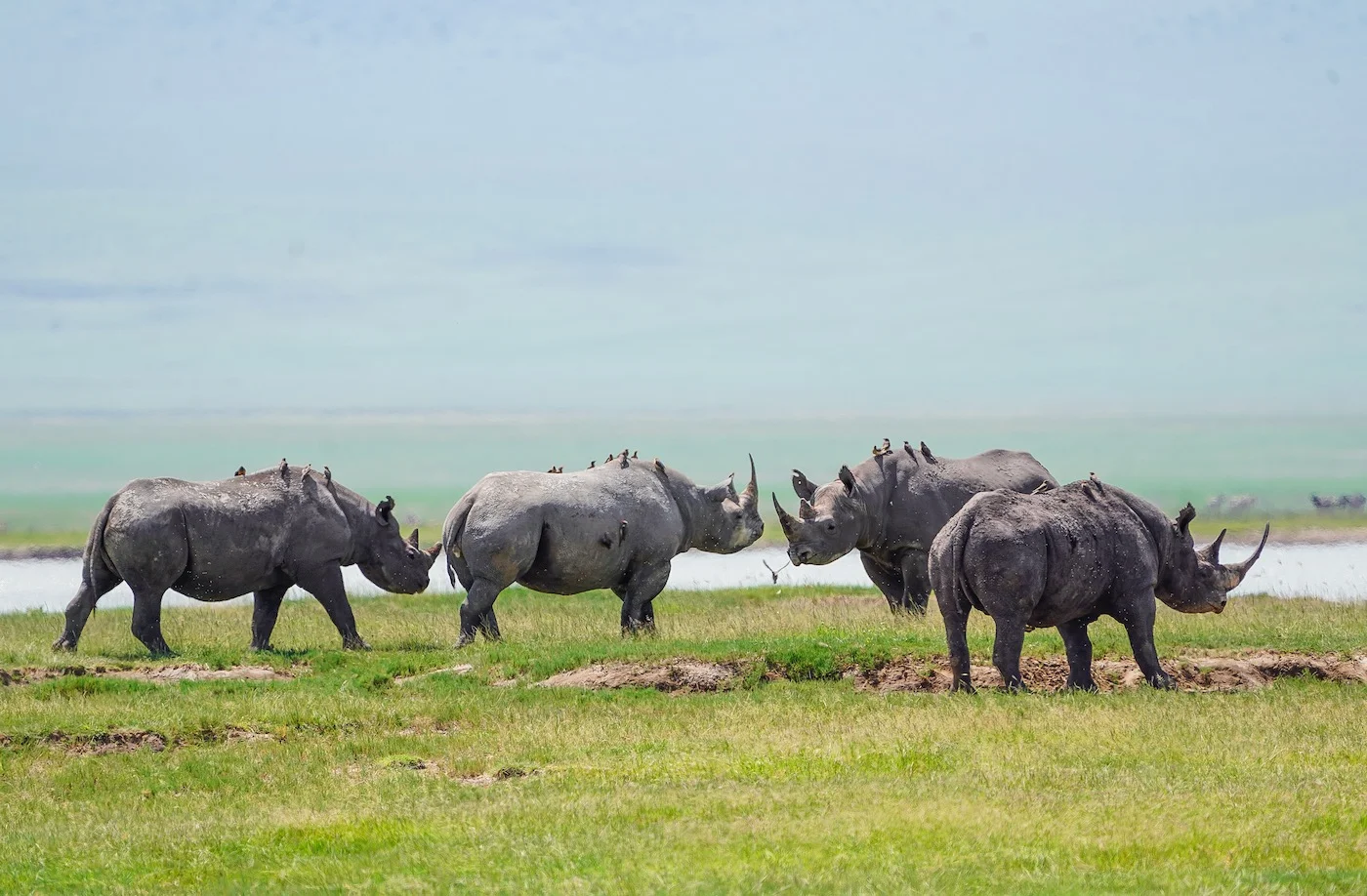
LionLeopardElephantCape BuffaloBlack RhinocerosCheetahWildebeestZebraThomson's GazelleGrant's GazelleTopiElandGiraffeHippopotamusNile CrocodileSpotted HyenaAfrican Wild DogServalCaracalBat-eared FoxHoney BadgerOlive BaboonVervet MonkeyRock HyraxKlipspringerOstrichSecretary BirdKori BustardMartial EagleLilac-breasted Roller
Activities
Game drives (morning, afternoon, full-day)Hot air balloon safaris over the plainsWalking safaris with armed rangerNight game drives (western corridor)Photography safaris with specialist guidesBirdwatching (500+ species)Cultural visits to Maasai bomasBush breakfast & sundowner experiencesMigration tracking with expert naturalistKopje exploration and geology walks
Migration Calendar
Month by Month
The Great Migration follows a year-round cycle. Plan your visit around the spectacle you most want to witness.
Jan
9/10
Southern plains (Ndutu) — herds gathering for calving season
Feb
10/10
Southern plains — peak calving, up to 8,000 births per day
Mar
7/10
Southern to central plains — herds beginning to move
Apr
5/10
Central Serengeti — herds dispersed across the woodland zone
May
6/10
Central to western Serengeti — herds forming columns moving northwest
Jun
9/10
Western Corridor — Grumeti River crossings begin
Jul
9/10
Western to northern Serengeti — herds pushing toward Mara River
Aug
10/10
Northern Serengeti — Mara River crossings at their peak
Sep
10/10
Northern Serengeti / Mara — crossings continue, herds spread across border region
Oct
8/10
Northern to central — herds beginning return south following short rains
Nov
7/10
Central Serengeti — herds passing through on their way south
Dec
8/10
Southern plains (Ndutu) — herds arriving for calving season
Monthly Weather
Jan
28°
16°
65mm
Feb
28°
16°
80mm
Mar
28°
16°
115mm
Apr
26°
16°
150mm
May
26°
15°
85mm
Jun
26°
14°
25mm
Jul
26°
13°
15mm
Aug
27°
14°
20mm
Sep
28°
15°
30mm
Oct
28°
16°
50mm
Nov
27°
16°
100mm
Dec
27°
16°
80mm
Where to Stay
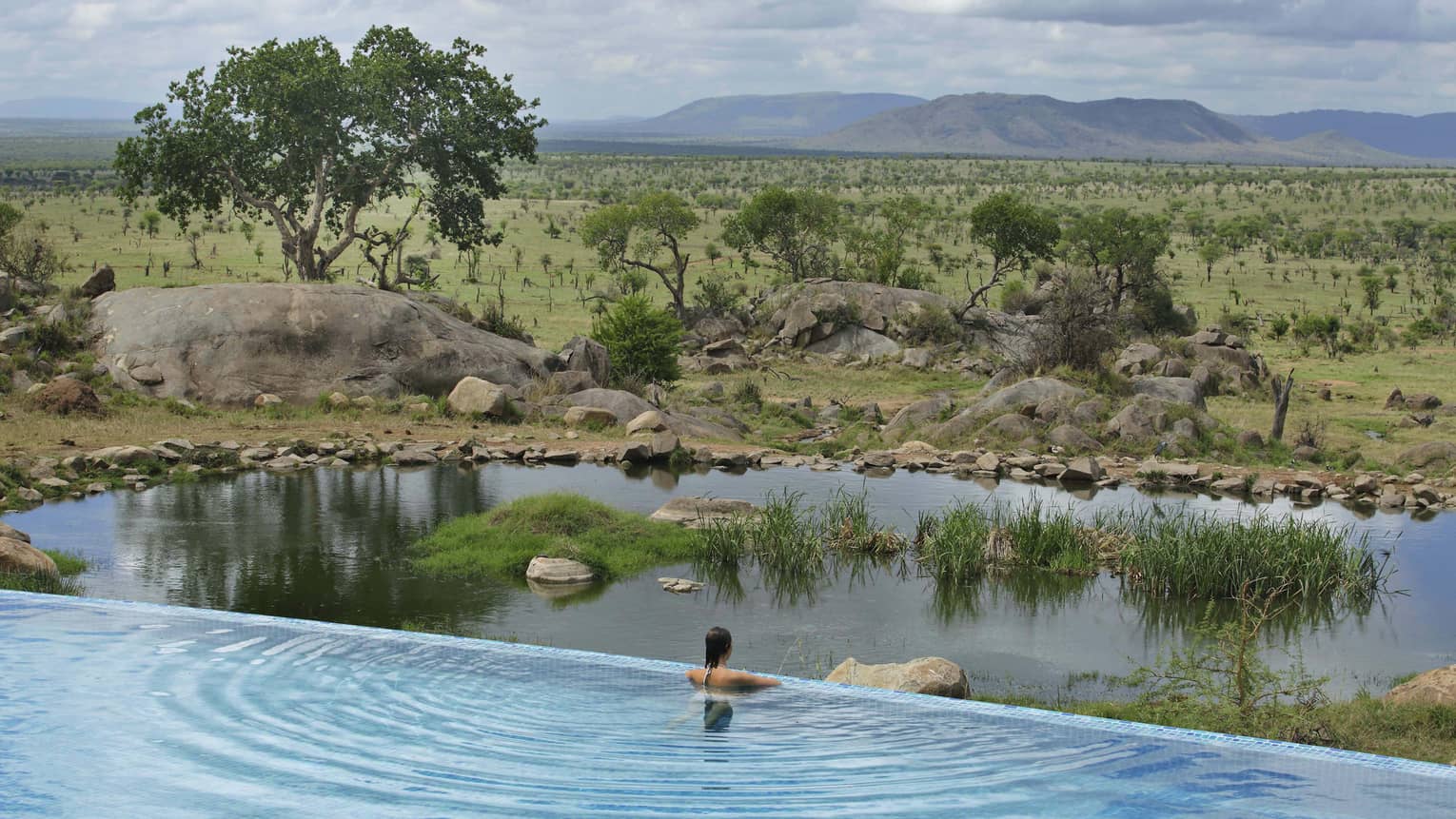
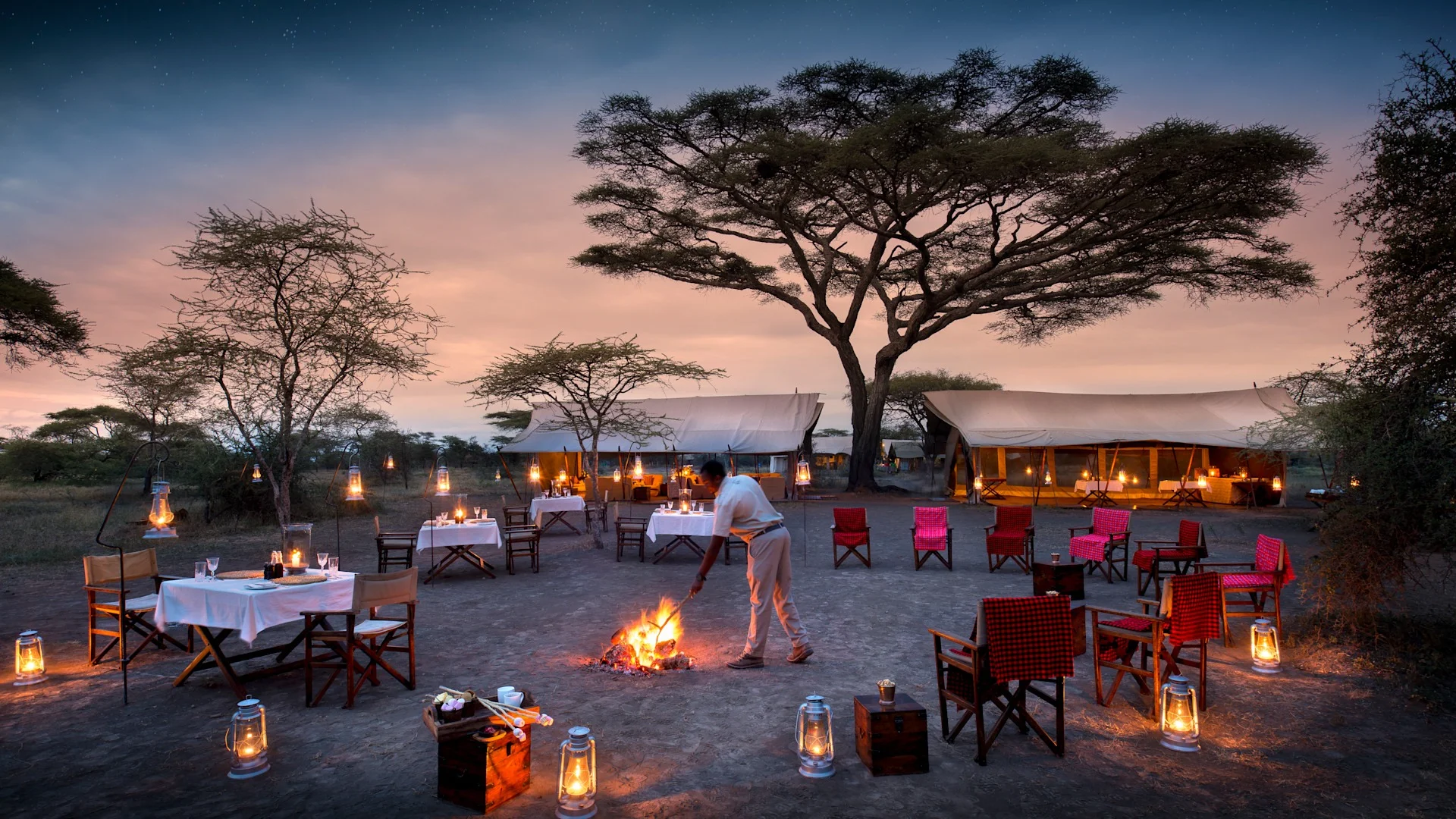
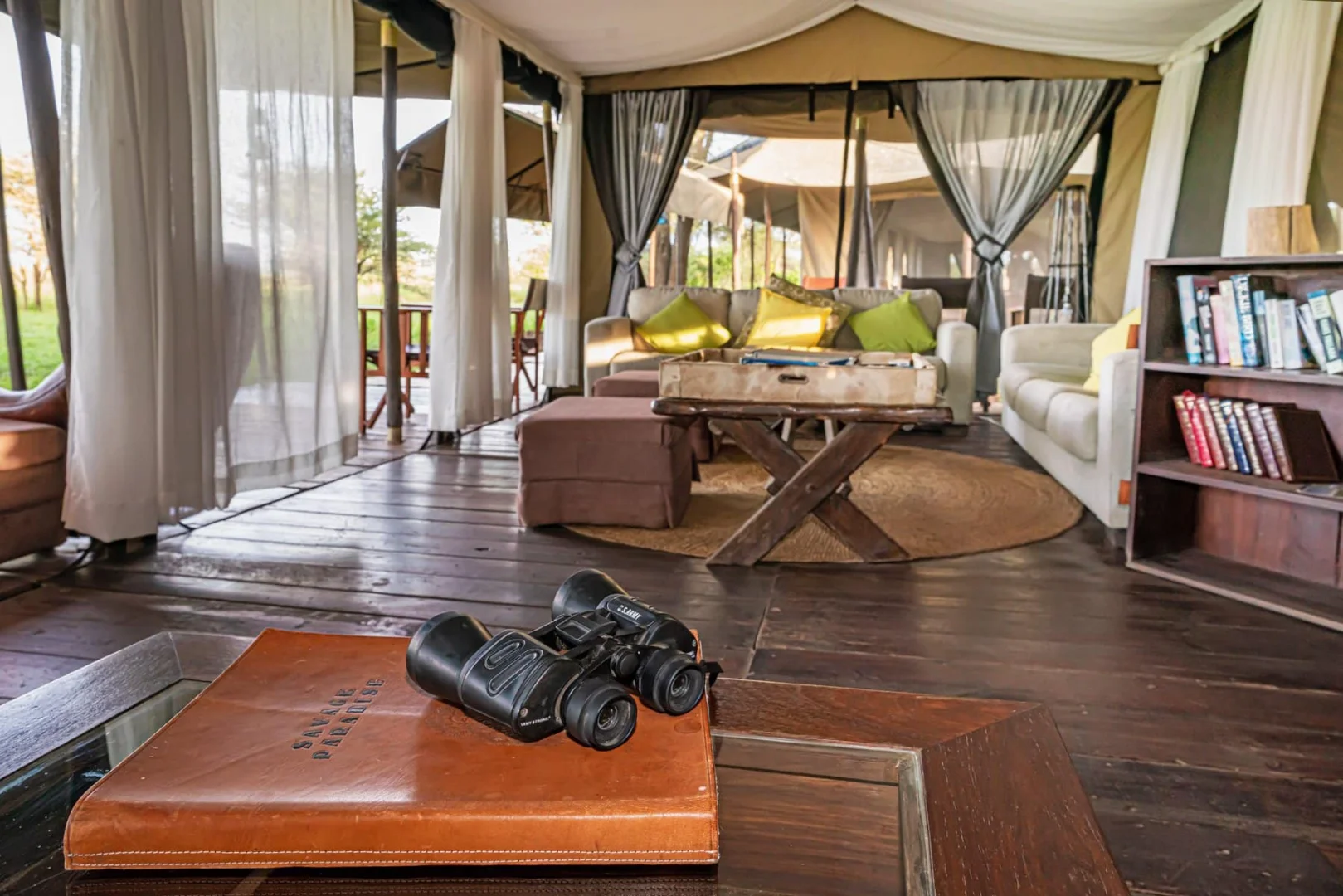
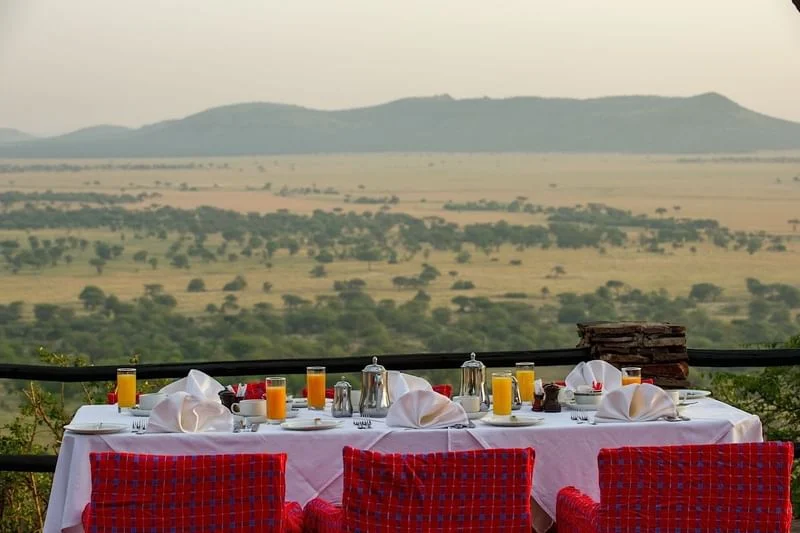
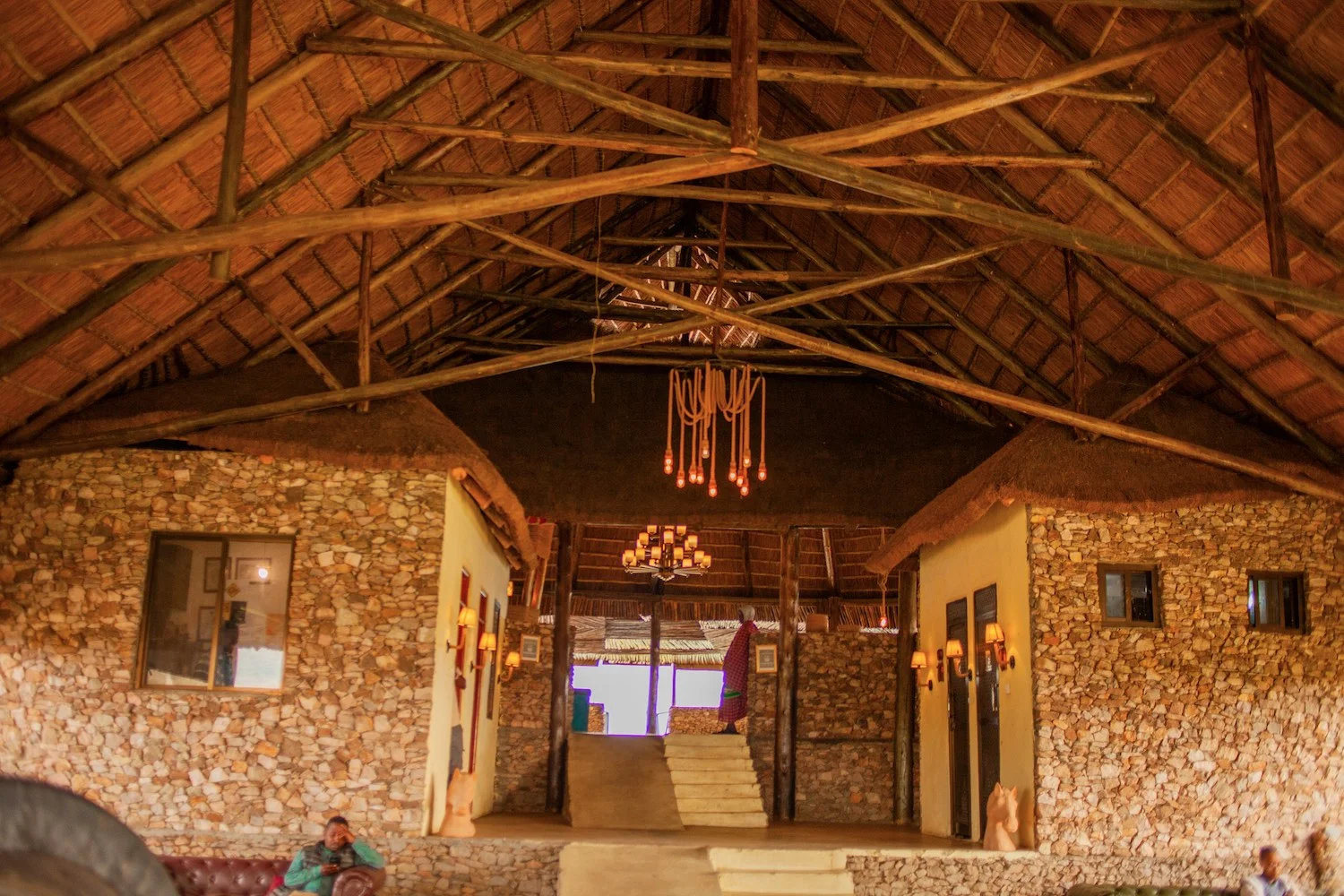
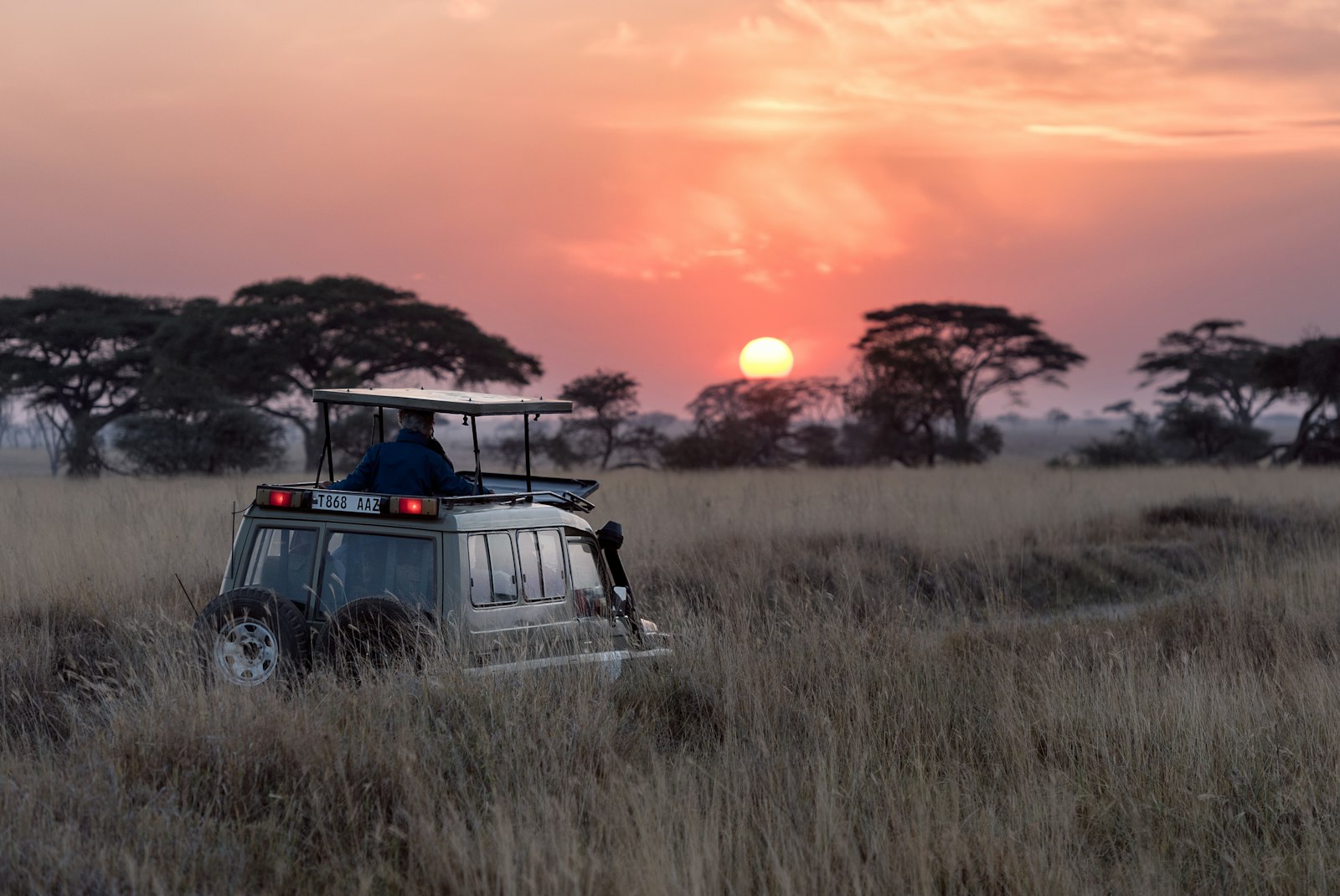
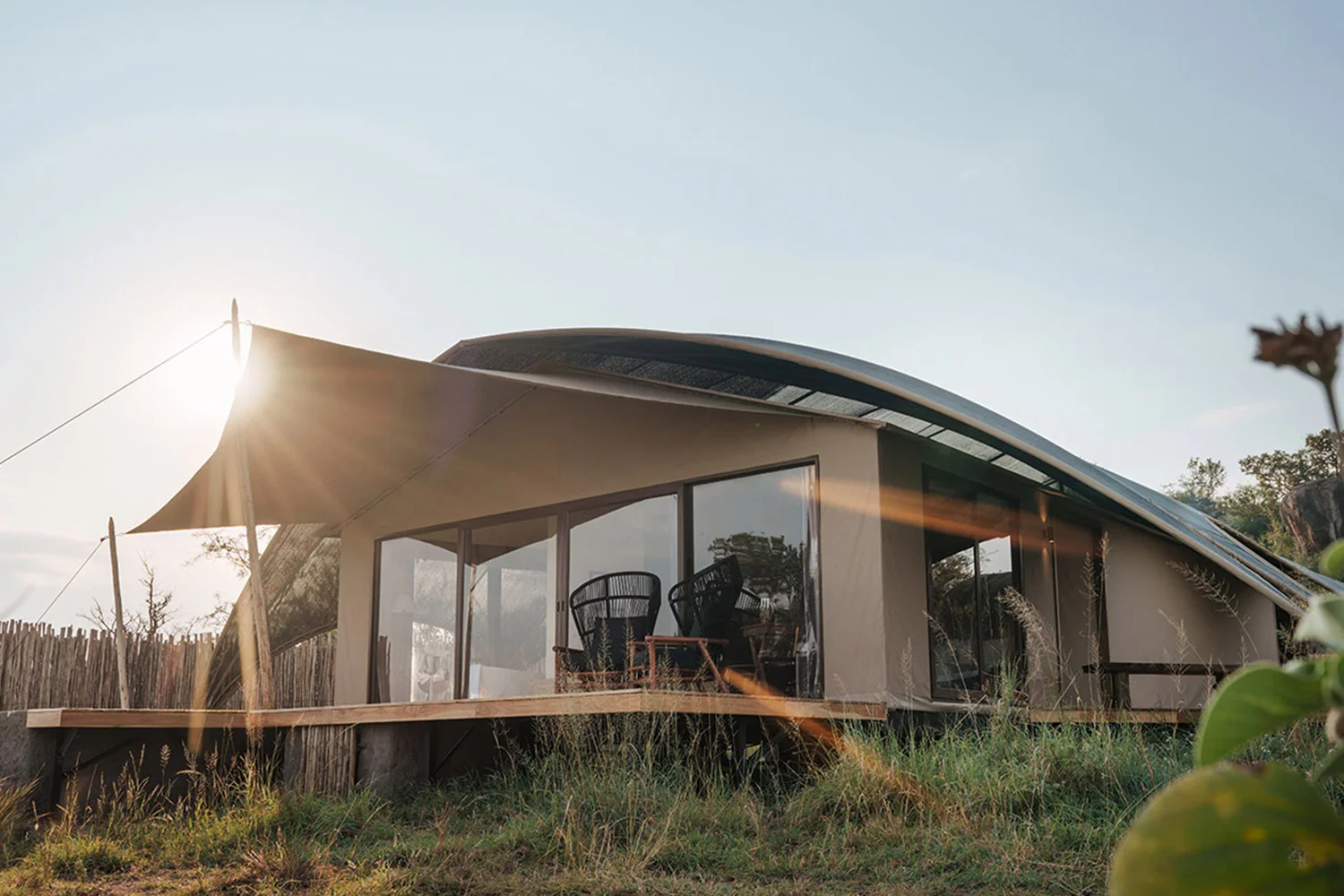
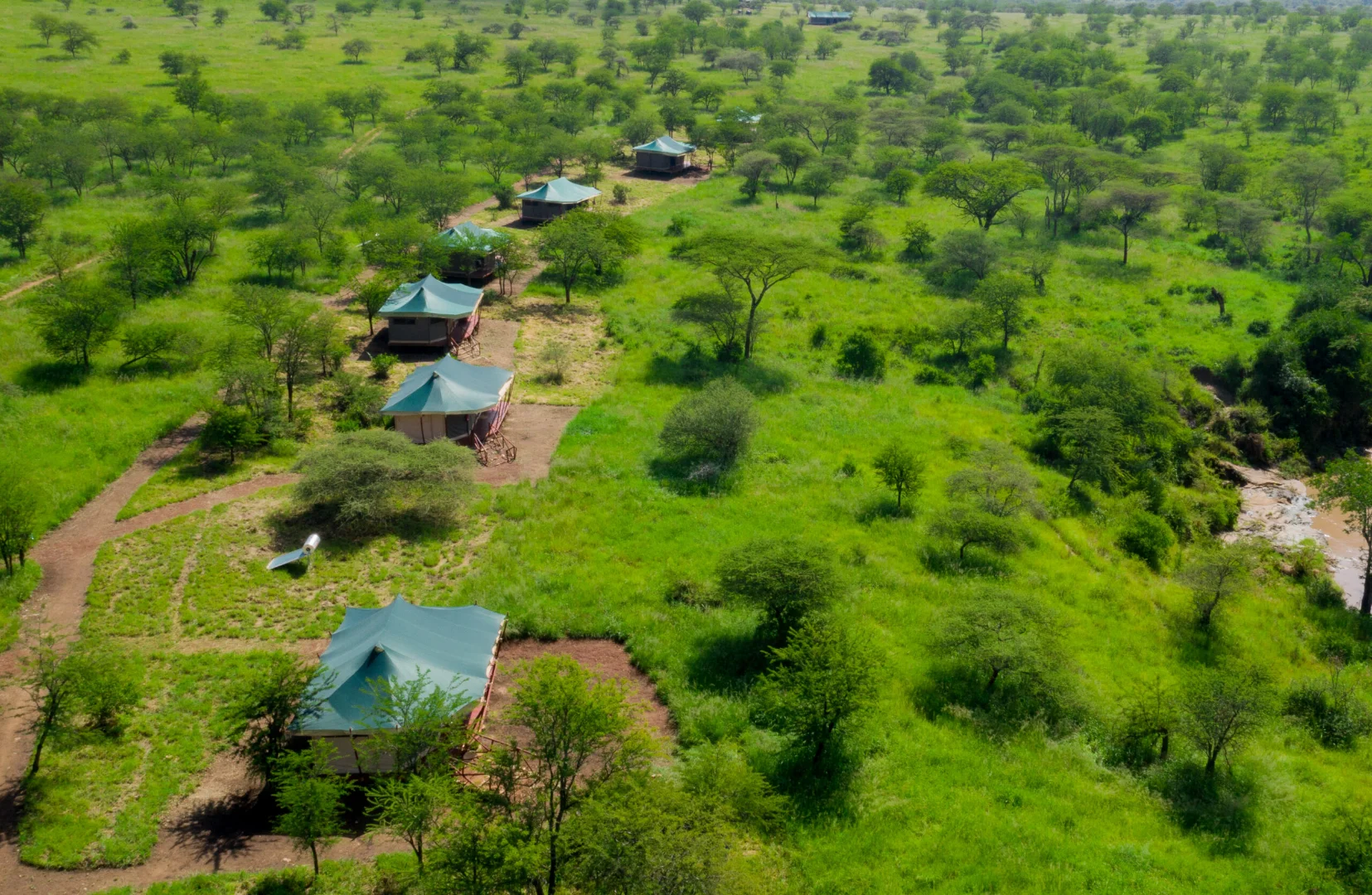
Exceptional Lodges
Hand-curated properties ranging from intimate tented camps to landmark lodges — chosen for extraordinary service and unrivalled wildlife access.


Safari Experiences
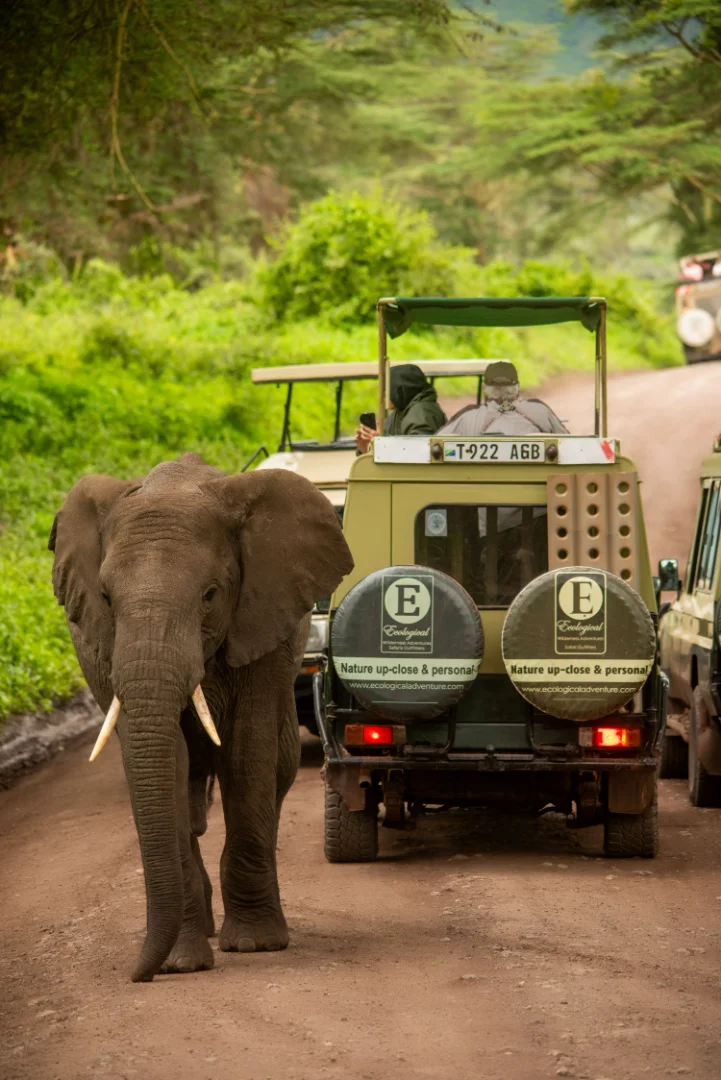
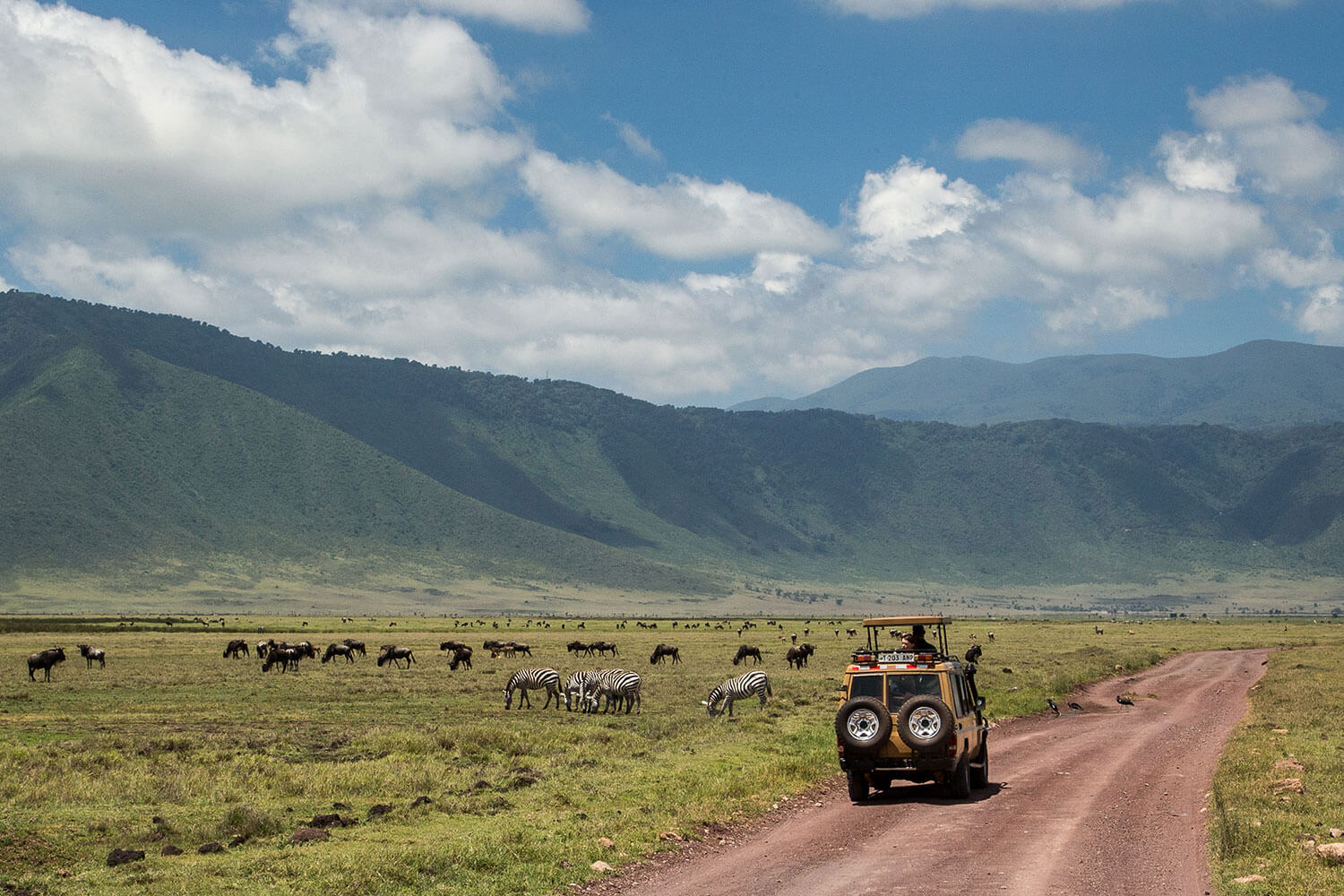
Safari Tours

Plan Your Visit
Before You Go
Travel Tips
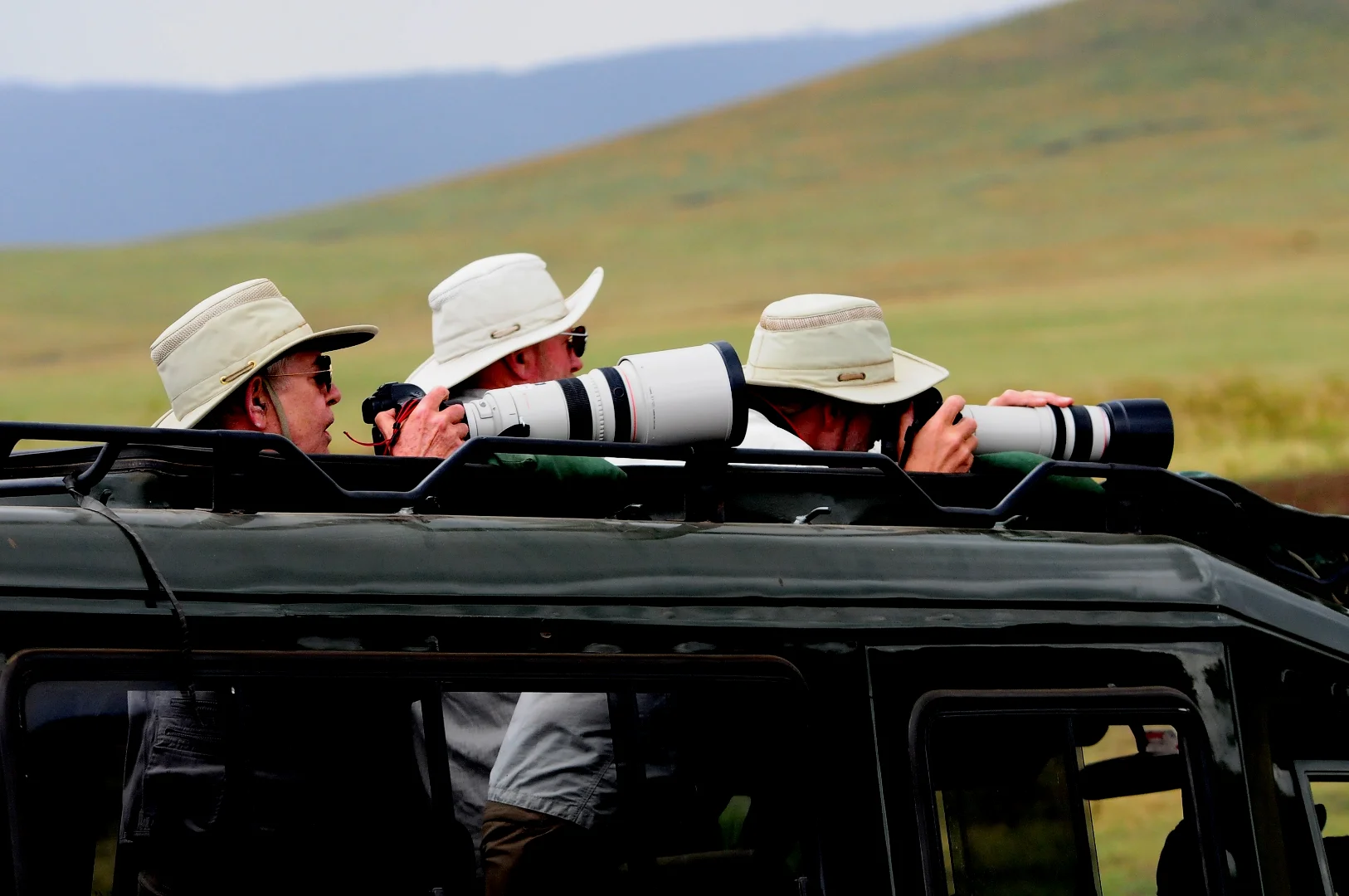
Pack layers — mornings and evenings on the Serengeti plains can drop to 13°C, while midday temperatures reach 28°C. A warm fleece and windbreaker are essential for early morning game drives. Bring binoculars (8×42 or 10×42 recommended), a camera with at least 200mm lens, and a dust cover for your gear.
Sunscreen (SPF 50+) and a wide-brimmed hat are non-negotiable — the equatorial sun is intense even on overcast days. Neutral-coloured clothing (khaki, olive, tan) works best; avoid bright white or dark black which can spook animals.
For the best game viewing, request morning drives departing at 6:00–6:30 AM. Predators are most active at dawn. Afternoon drives from 3:30 PM onward capture the golden hour light and evening hunts.
If visiting during migration season (June–October in the north, January–March in the south), book lodges in the correct zone — the Serengeti is vast and it takes 4–6 hours to drive between the southern plains and the Mara River.
Bring US dollars in small denominations ($1, $5, $10, $20) for tips. A general guideline: $15–20/day for your safari guide, $5–10/day for lodge/camp staff. Credit cards are accepted at some larger lodges but cash is essential at smaller camps.
Drinking water is provided by all lodges and camps. Bring a refillable bottle to stay hydrated during game drives — the dry season dust is dehydrating. Anti-malaria medication is strongly recommended; consult your doctor at least 4 weeks before travel.
Entry Requirements
Tanzania visa required for most nationalities — available as e-Visa (https://visa.immigration.go.tz) or on arrival at Kilimanjaro/Dar es Salaam airports. Cost: $50 USD (single entry) for most countries, $100 for US citizens.
Serengeti National Park entry fees (2024/2025 season): Adults $70 USD per person per 24 hours, children (5–15) $20 USD. Conservation fee of $30 per vehicle per entry. Fees are payable via TANAPA smart card or pre-arranged through your tour operator.
Yellow fever vaccination certificate required if arriving from or transiting through a yellow fever endemic country. COVID-19 vaccination certificate no longer required.
Passport must be valid for at least 6 months beyond your date of entry. Two blank pages required for visa stamps.
Travel insurance with medical evacuation coverage is strongly recommended. The nearest major hospital is in Arusha (8+ hours drive). Flying doctor services (AMREF) operate emergency evacuations from Serengeti airstrips.
Drone use is strictly prohibited inside all Tanzanian national parks without special TANAPA permit.
Gallery
Through the Lens
Continue Exploring
Nearby Destinations
Serengeti National Park is waiting for you
Begin your African adventure with expert-guided safaris tailored to your interests.