Honest guide to Tanzania's challenging travel months. What to expect in rainy season, when lodges close, and who might still enjoy green season.
Every travel article promises "there's no bad time to visit Tanzania." That's marketing, not truth. Some months present genuine challenges that disappoint unprepared travelers. Here's the honest assessment of when Tanzania safari requires extra consideration.
The Challenging Months: April-May
April and May represent Tanzania's "long rains"—the period most operators acknowledge as challenging. Understanding what this actually means helps you decide whether potential savings justify the trade-offs.
What "Rainy Season" Actually Looks Like
- Rain Pattern: Typically heavy afternoon showers (2-4 hours), not all-day rain
- Road Conditions: Some routes become impassable; black cotton soil turns to mud
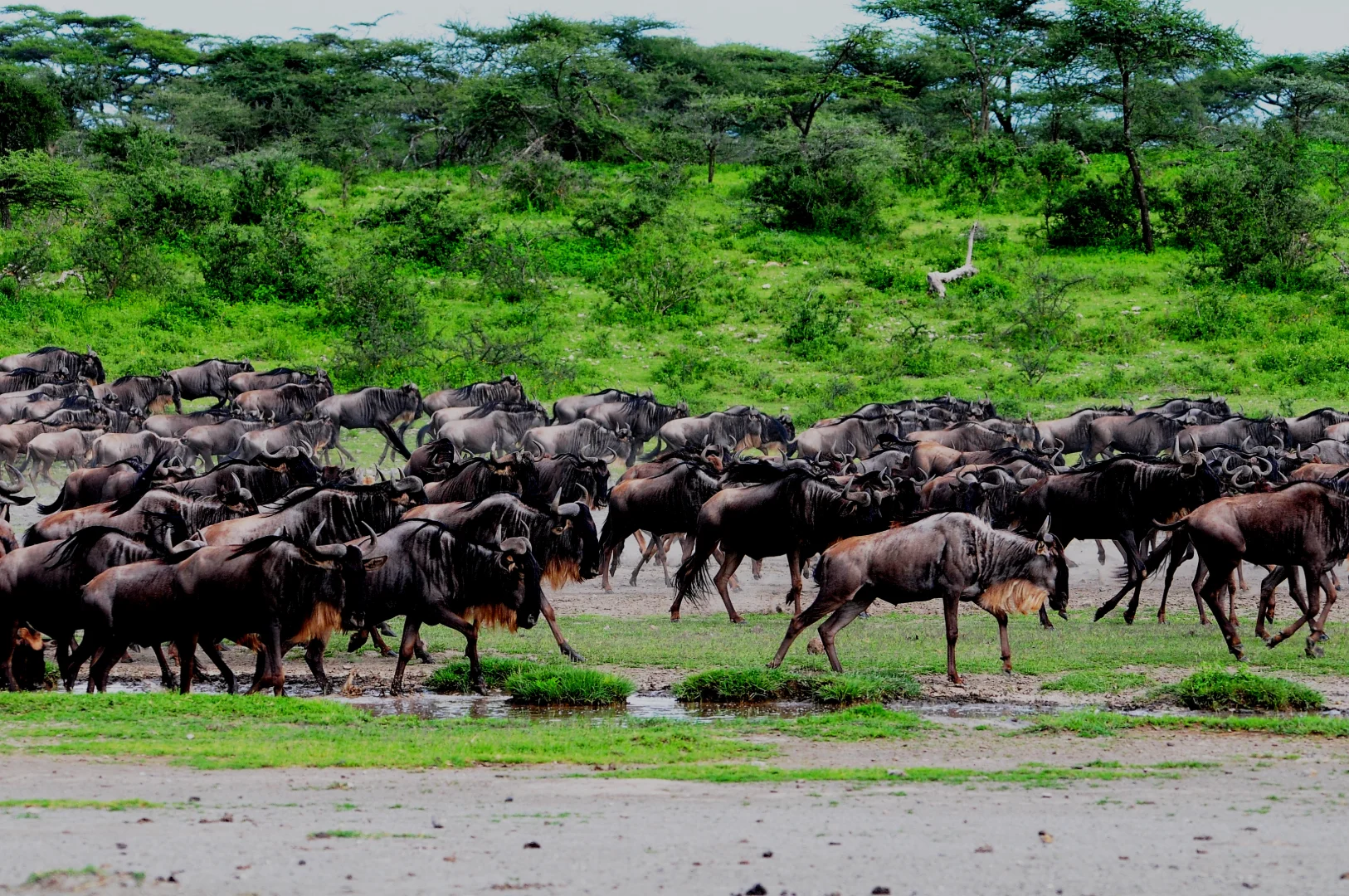
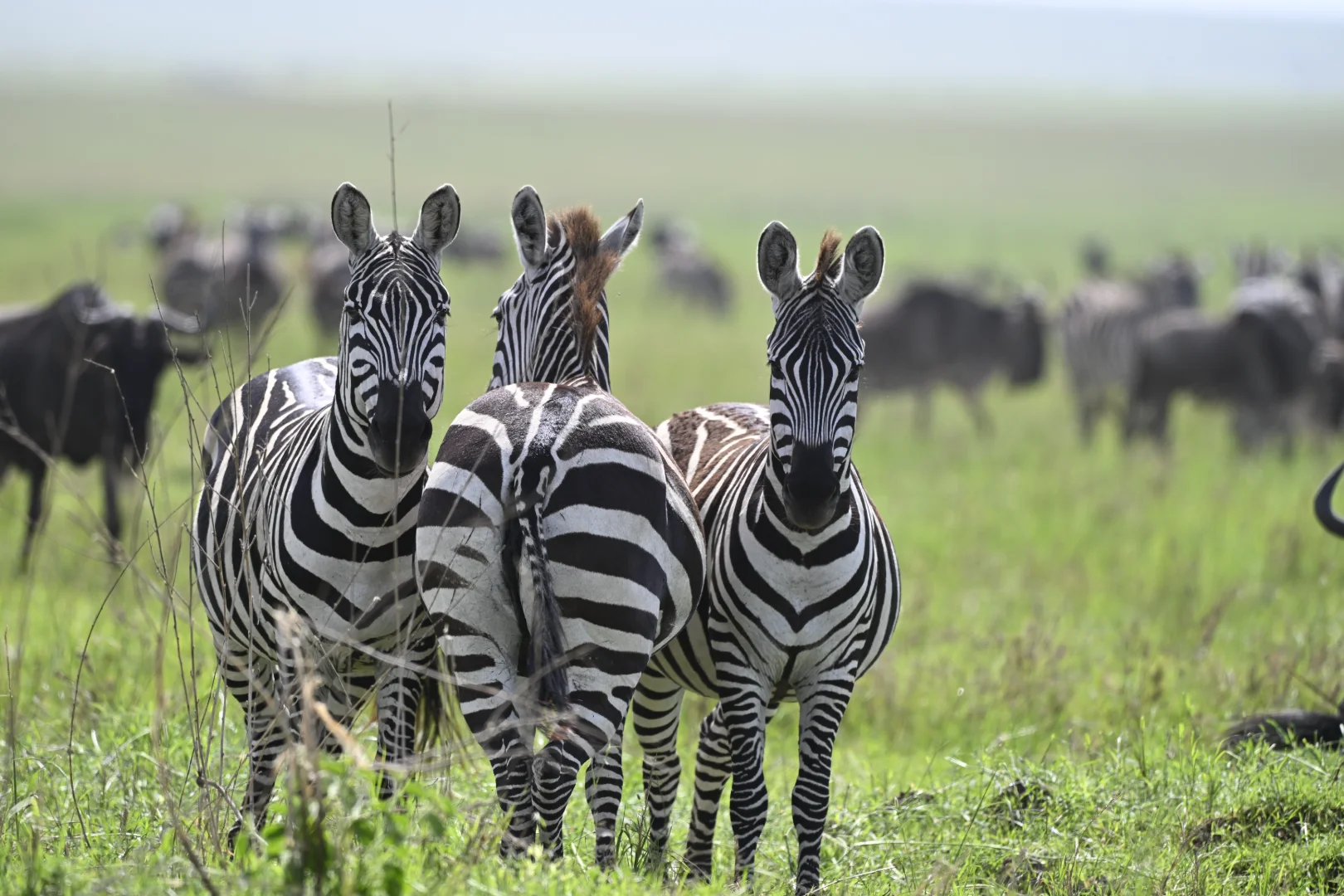
- Wildlife Behavior: Animals disperse with abundant water; predators hunt less visibly
- Vegetation: Tall grass obscures wildlife; photography challenging
- Lodge Closures: 30-40% of premium lodges close completely
April: The Wettest Month
April typically sees the heaviest rainfall. Early April can be particularly challenging with near-daily downpours. Some areas receive 150-200mm of rain during the month. Road closures occur, flight schedules adjust, and game viewing becomes unpredictable.
Who Should Avoid April:
- First-time safari visitors expecting classic dry-season experience
- Photographers relying on optimal conditions
- Travelers with inflexible schedules or limited time
- Those uncomfortable with uncertainty and weather disruptions
May: Continued Challenges
May continues the rainy pattern, though intensity typically decreases late month. Landscape transforms to lush green—beautiful but challenging for wildlife spotting. Many travelers who brave May report mixed experiences: some excellent, some frustrating.
Honest Assessment
We occasionally discourage April-May bookings for first-time visitors expecting the "National Geographic experience." The potential for disappointment outweighs savings for travelers with high expectations and limited safari experience. Repeat visitors who understand trade-offs often love green season.
Who Actually Enjoys Green Season
Despite challenges, some travelers genuinely prefer April-May:
Budget-Conscious Travelers
30-50% discounts attract budget travelers for whom cost matters more than optimal conditions. A $3,000 safari for $1,800 appeals to those comfortable with weather gambling.
Photographers Seeking Unique Images
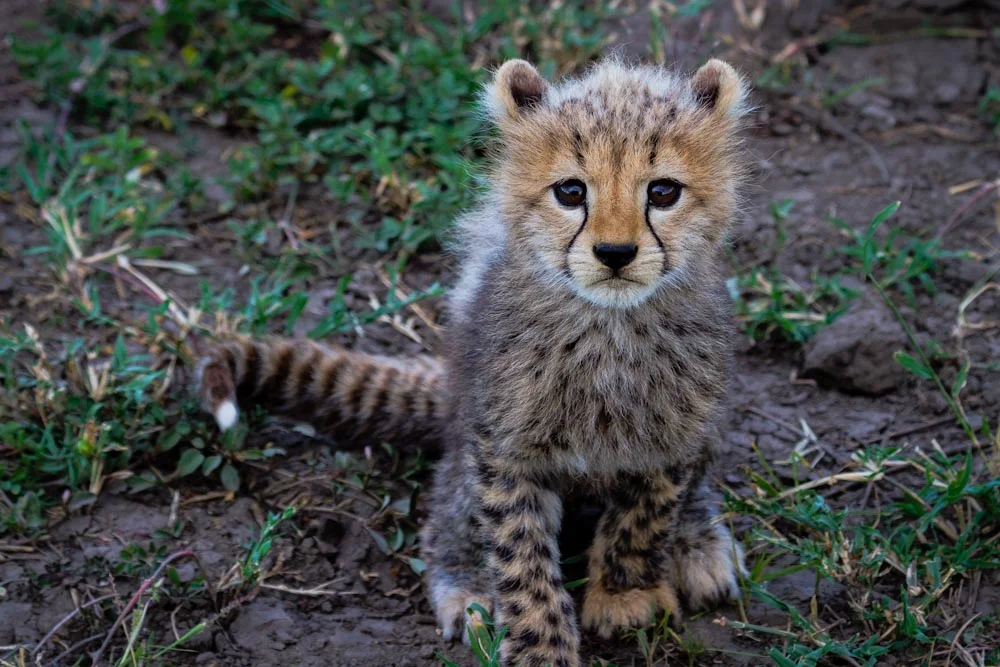
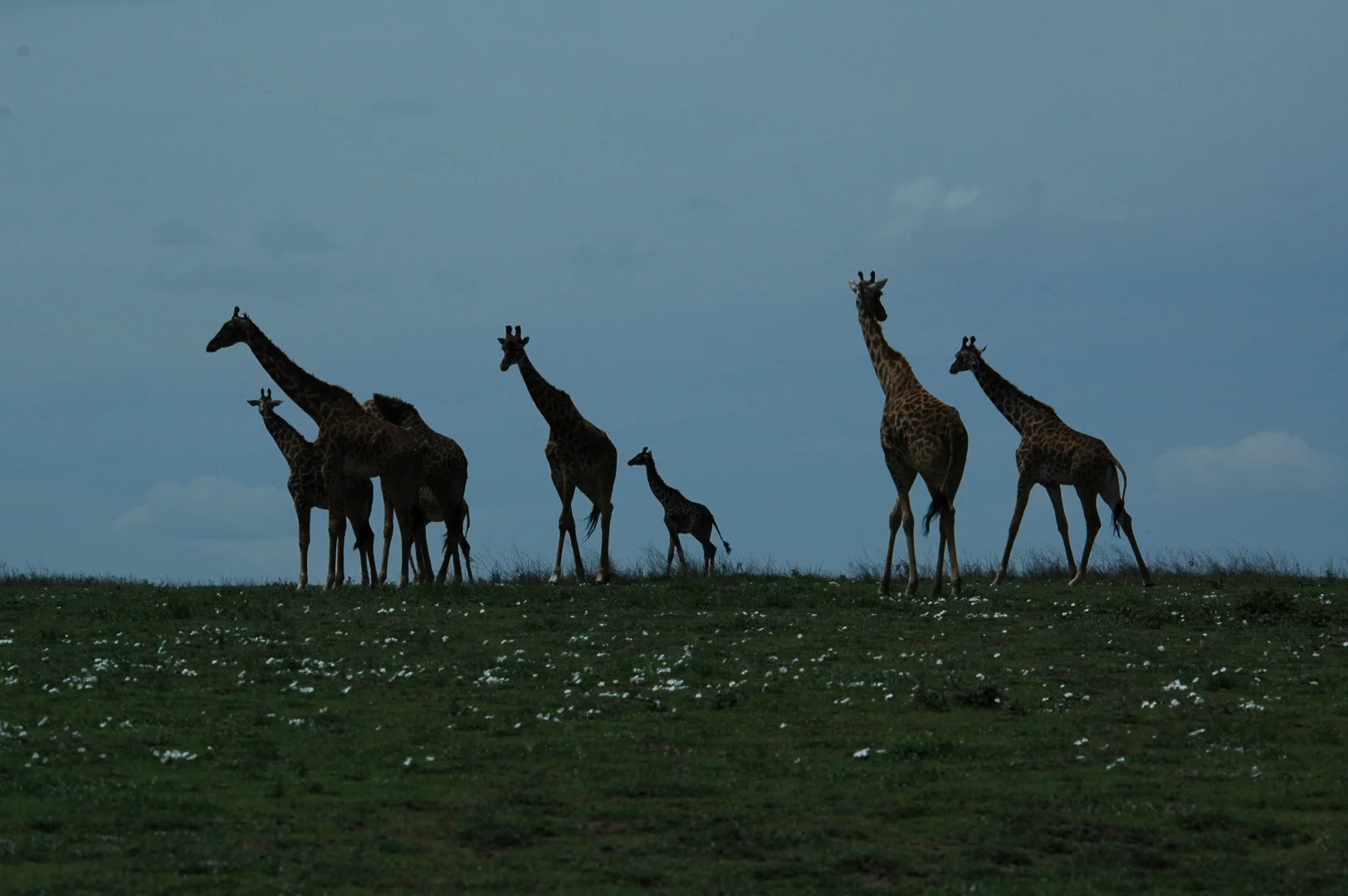
Dramatic storm skies, lush landscapes, newborn animals, and migratory birds create images impossible during dry season. Serious photographers often schedule green season trips specifically for these opportunities.
Repeat Visitors
Travelers who've experienced peak-season Tanzania and want something different find green season revelatory. Uncrowded parks, intimate encounters, and transformed landscapes provide fresh perspectives.
Birders
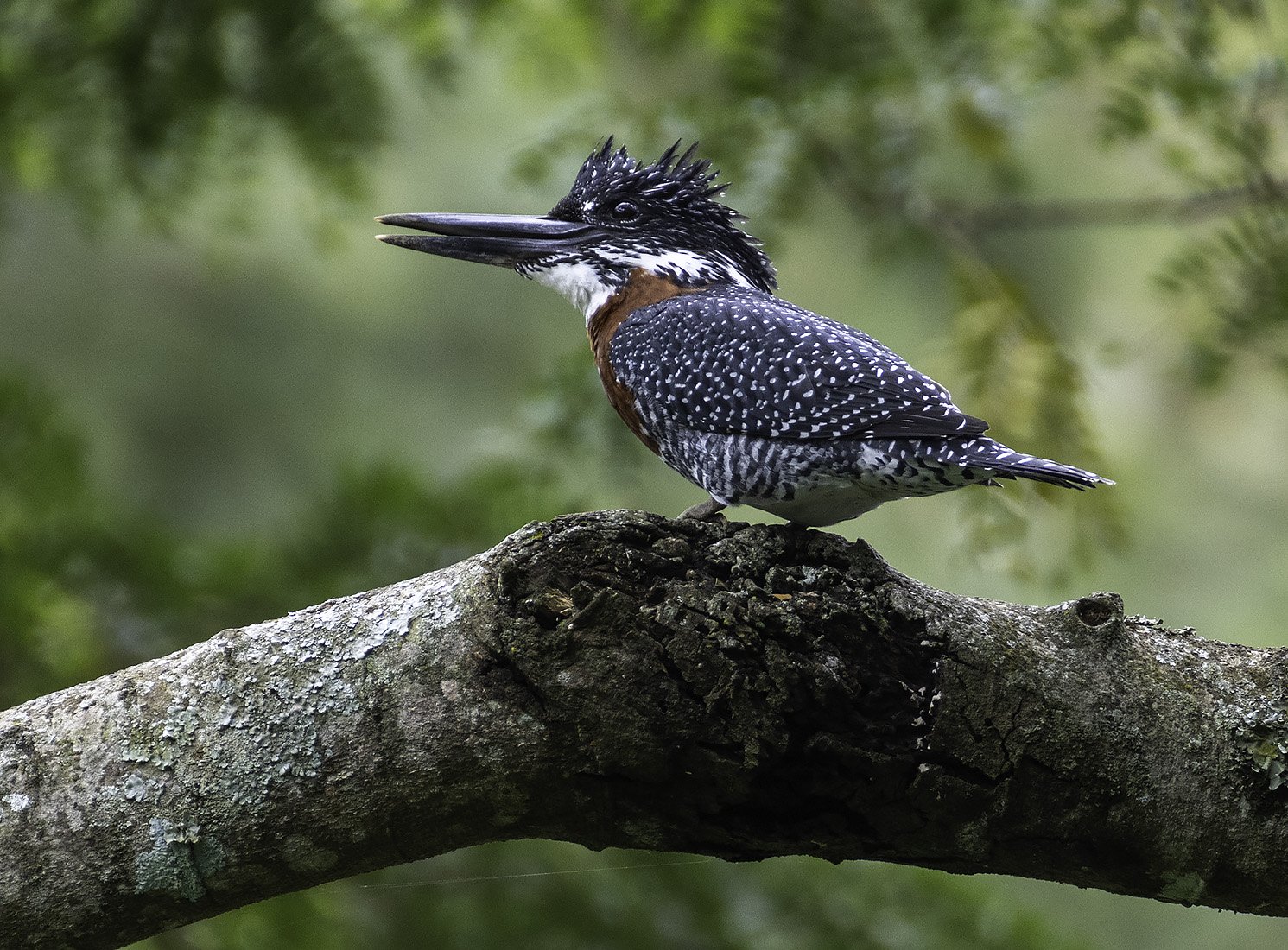
Migratory bird populations peak during green season. Dedicated birders prioritize this timing despite mammal-viewing challenges.

Other Periods Requiring Consideration
Late March: Transition Uncertainty
Late March presents gambling territory—sometimes dry and excellent, sometimes early rains disrupt plans. Weather forecasting proves unreliable. Book with operators offering flexibility or accept uncertainty.
Early November: Short Rains Beginning
The "short rains" (November-December) typically cause fewer problems than long rains, but early November can be unpredictable. Usually scattered afternoon showers rather than heavy rains, but some years prove wetter than expected.
Holiday Periods: Crowds and Prices
Christmas/New Year and July-August school holidays bring different challenges: maximum crowds and premium pricing. Wildlife viewing remains excellent, but the wilderness experience diminishes with vehicle congestion at popular sightings. If solitude matters, avoid peak holiday weeks.
What Operators Won't Tell You
Lodge Closures Aren't Advertised
Premium lodges close during green season for maintenance and because occupancy doesn't justify operations. Quotes for April-May often default to lower-tier properties that remain open—not because they're recommended, but because they're available.
Some Roads Become Impassable
Black cotton soil in areas like western Serengeti becomes genuinely dangerous when wet. Vehicles get stuck for hours; itineraries require last-minute changes. This isn't inconvenience—it's operational reality that affects your experience.
Wildlife Disperses
With water available everywhere, animals spread across vast areas rather than concentrating at rivers and waterholes. Game drives cover more distance with fewer sightings. The Big Five don't disappear, but encounters require more patience and luck.
Making Informed Decisions
If You're Considering Green Season:
- Accept that some game drives may be shortened or rerouted
- Bring appropriate rain gear and waterproof camera protection
- Choose operators with backup plans and flexible policies
- Extend your trip if possible—more days hedge against weather luck
- Focus expectations on landscape beauty and unique experiences rather than maximum wildlife density
If You Want Guaranteed Quality:
- Book June-October for reliable dry conditions
- Accept higher prices as insurance against disappointment
- Avoid mid-April through mid-May entirely
- Book early enough to secure preferred accommodations
Why Trust This Guide
Our Honest Approach
- 20+ years operating through all seasons
- No financial incentive to sell difficult months
- Direct experience with green season challenges
- Commitment to managing expectations honestly
Frequently Asked Questions
Is it really impossible to safari in April-May?
Not impossible—just challenging. Wildlife exists, some lodges operate, and many travelers have successful trips. However, expectations must adjust: fewer animals visible, potential weather disruptions, and different overall experience. It's not the classic safari most first-timers envision.
How much can I save in green season?
Genuine savings of 30-50% on accommodation and packages. A $5,000 mid-range safari might cost $2,800-3,500 in April-May. Whether savings justify trade-offs depends entirely on your priorities, flexibility, and experience level.
Which parks handle rain best?
Ngorongoro Crater, Tarangire, and southern Serengeti manage rain better than western Serengeti or remote areas. The crater's contained ecosystem keeps wildlife visible even during rains. Road conditions vary less in developed areas. See destinations compared.
Should I buy travel insurance for green season?
Absolutely—more important than peak season. Policies covering trip interruption, itinerary changes, and weather-related disruptions provide crucial protection when conditions are unpredictable. Don't visit green season without comprehensive coverage.
What if my only available dates are in April?
Focus on: Ngorongoro Crater (most weather-resistant), choose flexible operators, extend trip if possible, and embrace green season for what it offers rather than expecting dry-season experience. Many April travelers have wonderful trips—with appropriate expectations.
Get Honest Timing Advice
Share your dates, expectations, and flexibility level. We'll provide honest assessment of what to expect and whether your timing works for your goals.
Discuss Your Dates View Seasonal Options
Ecological Wilderness Adventure
Expert safari guide and writer at Ecological Wilderness Adventure, a TATO-licensed operator based in Arusha, Tanzania with 20+ years of experience crafting authentic wildlife expeditions across East Africa.
Published April 17, 2026