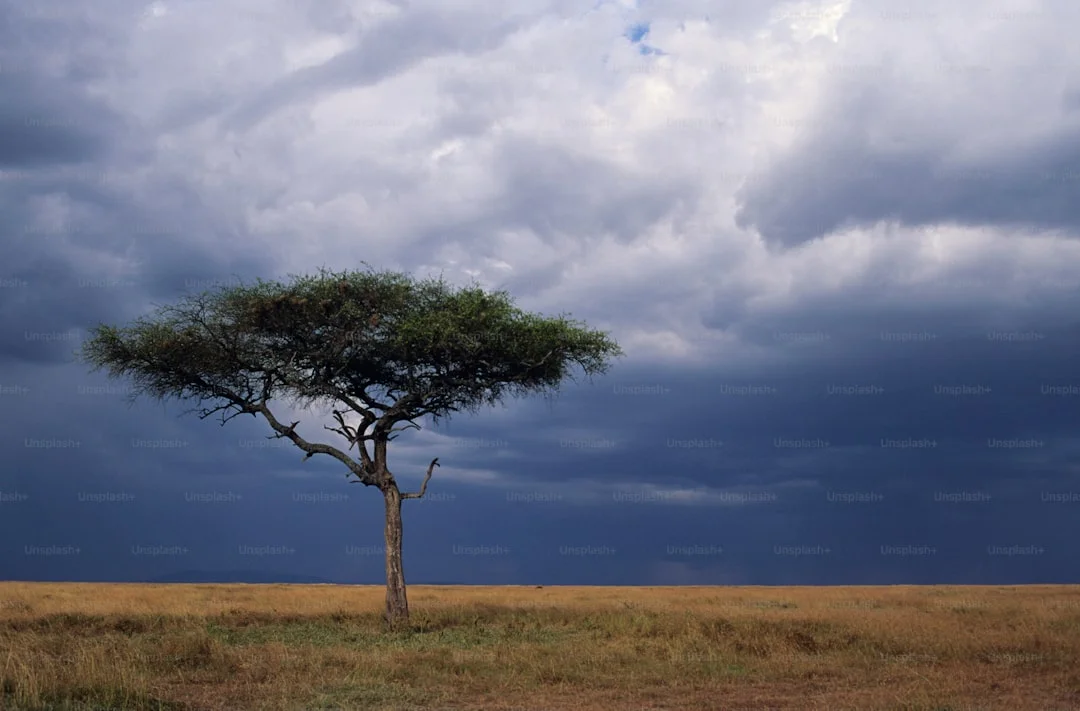
Serengeti plains at sunrise — Tanzania safari, Africa
The Definitive Guide · 2026

Tanzania Safari: Africa's Best Wildlife Country

Parks, costs, the Great Migration calendar, and the right itinerary for every trip — written by an Arusha-based, TATO-licensed safari operator with 20+ years on the ground.

What Is a Tanzania Safari, and Why Africa's Best?

A Tanzania safari is a guided wildlife trip across the country's 22 national parks and game reserves, typically focused on the Northern Circuit: Serengeti National Park, Ngorongoro Crater, Tarangire, and Lake Manyara. Tanzania protects roughly 38% of its surface area as wildlife habitat — more than any other country in Africa — and hosts the full Great Migration of 1.5 million wildebeest year-round across the Serengeti. SafariBookings has ranked Tanzania the top safari country in Africa multiple years running. A typical 7-day mid-range safari costs USD 4,000–5,500 per person sharing in 2026 (excluding international flights), bookable from Arusha (gateway: Kilimanjaro International Airport, JRO). Tanzania is the only country where you can combine the Migration, Africa's highest peak (Kilimanjaro), and a major Indian Ocean beach destination (Zanzibar) in a single trip.

22
National Parks
38%
Land Protected
1.5M
Wildebeest in Migration
20+
Years on the Ground
The Northern Circuit

The Four Parks Every First-Timer Should See

The Northern Circuit is the route 80% of first-time Tanzania travellers do, and it's the most efficient way to see the best of Tanzania's wildlife in a single trip.

Serengeti National Park

14,750 km²

Tanzania's flagship park and home of the Great Migration. Three sub-regions — south (Ndutu calving), central (Seronera, year-round game), and north (Mara River crossings) — each with peak months. UNESCO World Heritage Site since 1981.

Great Migration year-round3,000+ lionsBig FiveHot air balloon safaris

Best months: Year-round; July–Oct for Mara crossings, Jan–Mar for calving

Ngorongoro Crater

260 km² (caldera)

The world's largest unbroken caldera at 600 m deep — a self-contained safari amphitheatre. Highest density of mammals in Africa per km². Tanzania's most reliable place to see Black Rhino in the wild.

Big Five in one dayBlack Rhino25,000+ large mammalsLake Magadi flamingos

Best months: Year-round; coolest in Jun–Aug

Tarangire National Park

2,850 km²

The Tarangire River concentrates wildlife in the dry season — elephant herds reach 3,000, more than any other park in northern Tanzania. Iconic baobab landscape, fewer crowds than the Serengeti.

3,000-strong elephant herdsTree-climbing pythonsBaobab forestsBirding (550+ species)

Best months: Jun–Oct (dry season concentrating wildlife)

Lake Manyara National Park

330 km²

Compact rift-valley park with tree-climbing lions, hot springs, and a soda-lake flamingo flock that can number in the tens of thousands during the wet season. Perfect half-day stop en route to Serengeti.

Tree-climbing lionsFlamingo flocksHippo poolsGround-water forest

Best months: Nov–May (flamingos peak); Jun–Sep (drier game viewing)

Best Time to Visit

Tanzania Safari Month by Month

There is no bad month for a Tanzania safari — there are just different months for different priorities.

MonthWhat's HappeningCrowd / Price
JanuaryWildebeest calving in southern Serengeti (Ndutu) starts. Hot, occasional showers.Mid-high season
FebruaryPeak calving — up to 8,000 calves born/day. Predator action at its highest.High season
MarchCalving ends, herds begin moving north. Rates dropping.Shoulder
AprilLong rains. Lush, dramatic skies, very few tourists. Some camps close.Green-season — best value
MayLong rains taper. Migration in central/western Serengeti.Green-season — best value
JuneDry season starts. Grumeti River crossings in western Serengeti.Mid-high season
JulyPeak dry season begins. First Mara River crossings in northern Serengeti.Peak season
AugustMara River crossings in full force. Best big-cat hunting on herds.Peak season
SeptemberBest all-round month — peak wildlife concentration, river crossings continue.Peak season
OctoberLast river crossings, herds turn south. Hot but quieter than Aug.Mid-high season
NovemberShort rains begin (brief, daily showers). Good rates, good game viewing.Shoulder — good value
DecemberShort rains taper. Herds gathering in southern Serengeti for calving.High season (holidays)

Operator pick: September is the single best all-round month — peak wildlife density, Mara crossings still active, July–August crowd peak has passed. Best value: April and May. Lodges drop rates 25–40%, parks are emerald, photography is dramatic.

What It Costs

Tanzania Safari Cost in 2026

Per person sharing, 7-day Northern Circuit, excluding international flights.

Budget Camping

USD 2,000 – 2,800

per person · 7 days

  • Public campsites in/near parks
  • Shared 4WD safari vehicle (max 7)
  • Driver-guide, full-board meals
  • All park fees included

Best for: Backpackers, gap-year, fitness travellers

Most Popular

Mid-range Lodges

USD 4,000 – 5,500

per person · 7 days

  • Permanent lodges or comfortable tented camps
  • Private 4WD with pop-up roof
  • Professional guide, full-board meals
  • All park fees, transfers, water

Best for: Most travellers — best price-to-quality ratio

Luxury / Fly-In

USD 8,500 – 16,000+

per person · 7 days

  • Premium lodges (Singita, andBeyond, Asilia, Nomad)
  • Internal charter flights between parks
  • Private guide, gourmet bush dining
  • All-inclusive with select drinks

Best for: Honeymoons, milestone trips, time-poor travellers

Sample Itineraries

Six Itineraries for Every Trip Length

5 days

Quick Northern Circuit

Arusha → Tarangire → Serengeti → Ngorongoro Crater → Arusha

USD 2,400 – 4,000 pps

Short safari, first-timers, families with limited time

7 days

Classic Northern Circuit

Arusha → Tarangire → Lake Manyara → Serengeti (3 nights) → Ngorongoro Crater → Arusha

USD 3,500 – 5,500 pps

Sweet-spot itinerary for most travellers

10 days

Safari + Zanzibar

Arusha → Tarangire → Serengeti (3 nights) → Ngorongoro → fly to Zanzibar (3 nights)

USD 4,800 – 7,500 pps

Honeymoons, milestone trips, beach-and-bush travellers

12 days

Combined Kenya + Tanzania

Nairobi → Maasai Mara → Serengeti → Ngorongoro → Tarangire → Arusha

USD 6,500 – 11,000 pps

Repeat safari travellers, photographers, milestone trips

12–14 days

Tanzania Wild South

Arusha → Tarangire → Lake Manyara → fly south → Nyerere/Selous → Ruaha → Dar

USD 7,200 – 13,000 pps

Second-time safari travellers wanting fewer crowds

14+ days

Kilimanjaro + Safari

Arusha → 7-day Lemosho route Kilimanjaro climb → Tarangire → Serengeti → Ngorongoro

USD 6,800 – 10,500 pps (depending on Kili route + safari tier)

Adventure travellers combining peak and plains

Beyond the Northern Circuit

Tanzania's Wild South & West

Most Tanzania safari guides stop at the Northern Circuit. The Southern and Western Circuits hold three of Africa's great wilderness areas — quieter, wilder, and increasingly accessible via internal charter flights.

Nyerere National Park (Selous)

30,893 km²

Africa's largest game reserve. Walking safaris, boat safaris on the Rufiji River, wild dog sightings, and almost no Northern-Circuit crowds. Best done as a 3–4 night fly-in.

Jun–Oct dry season

Ruaha National Park

20,226 km²

Tanzania's largest national park. Highest concentration of elephants in East Africa (~12,000), 10% of Africa's lions, and a meeting point of southern and eastern African wildlife species.

Jun–Oct dry season

Mahale Mountains National Park

1,613 km²

On the shores of Lake Tanganyika. Home to roughly 1,000 wild chimpanzees and the most respected chimpanzee tracking experience in Africa. Charter-flight only, exceptional wilderness.

Jul–Oct (dry, easier tracking)

Why Tanzania Over Other Safari Countries?

What Tanzania Has That Nowhere Else Does

The full Great Migration year-round

Kenya hosts the Migration for ~3 months. Botswana, South Africa, and Namibia don't have it at all. Tanzania has it 9–10 months a year across the Serengeti.

Africa's highest mammal density per km²

The Ngorongoro Crater concentrates roughly 25,000 large mammals into a 260 km² caldera — the highest density anywhere on the continent.

Safari + mountain + beach in one country

Mt Kilimanjaro is Africa's highest peak. Zanzibar is one of the Indian Ocean's most loved beach destinations. Both bookable from Arusha alongside your safari.

The most reliable Black Rhino sighting

Black Rhinos are critically endangered and notoriously elusive. The Ngorongoro Crater holds Tanzania's only easily-viewable population — better odds than anywhere else in East Africa.

World-class southern wilderness too

Beyond the Northern Circuit, Nyerere/Selous and Ruaha hold elephant and lion populations rivalling any park in Africa, with a fraction of the Serengeti's vehicle traffic.

Compare the alternative — see Kenya vs Tanzania head-to-head

Kenya vs Tanzania safari comparison
Written by an Operator

Brian Kimaro — Founder & Lead Safari Guide

I've guided Tanzania safaris since 2005. Ecological Wilderness Adventure is a TATO-licensed operator based in Arusha — we own our 4WDs, employ our guides full-time, and run safaris across every park on this page personally. This guide reflects current 2026 operating costs, park fees, and conditions on the ground, not second-hand research. The 5-star ratings on TripAdvisor and SafariBookings come from over 500 verified guests across 50+ countries.

Frequently Asked Questions

Tanzania Safari FAQ

Is Tanzania the best country in Africa for a safari?

Tanzania is consistently ranked the best safari country in Africa by SafariBookings, Travel + Leisure, and Condé Nast Traveler readers. The reason is unique scale: the Serengeti–Ngorongoro–Maasai Mara ecosystem is the largest connected wildlife habitat in Africa, and Tanzania holds roughly 38% of its total land surface as protected wildlife area — more than any other country on the continent. Tanzania also has the full Great Migration year-round (Kenya only sees it for 2–3 months), the most reliable Black Rhino sighting in the wild (Ngorongoro Crater), and the highest African mountain (Kilimanjaro) for an add-on climb.

How much does a Tanzania safari cost in 2026?

A 7-day Tanzania safari in 2026 costs approximately USD 2,000–2,800 per person sharing for budget camping, USD 4,000–5,500 for mid-range lodges, and USD 8,500–16,000 for luxury fly-in safaris. International flights are excluded. Park fees (USD 70/day for the Serengeti, USD 70.80 for the Ngorongoro Crater descent) are bundled into operator pricing. Green-season rates (April–May) drop by 25–40% with no significant compromise on wildlife viewing.

What is the best time of year for a Tanzania safari?

The dry season from late June through October is the best time for general game viewing across all Tanzanian parks — wildlife concentrates at water sources, vegetation is sparse, and the Mara River crossings happen in the northern Serengeti. February is the best month for the Migration calving in the southern Serengeti (Ndutu) when up to 8,000 wildebeest calves are born per day at the peak. April and May are the cheapest months due to long rains, but lodges are open and parks are stunningly green. November short rains are brief and rarely disrupt safari plans.

How many days do I need for a Tanzania safari?

A minimum of 5 days is recommended for a Tanzania safari to make travel time worthwhile: 1 night Tarangire or Manyara, 2–3 nights Serengeti, 1 night Ngorongoro Crater. Seven days is ideal and gives time to slow down. Ten to fourteen days lets you add Zanzibar (3–4 nights beach extension) or a Kilimanjaro climb (5–8 days), or visit the southern circuit (Nyerere/Selous and Ruaha) which is far quieter than the north.

What animals will I see on a Tanzania safari?

Tanzania has the Big Five (lion, leopard, elephant, buffalo, rhino) plus all other classic East African wildlife. The Serengeti has the highest lion population in Africa (around 3,000), the Ngorongoro Crater has the highest density of large predators per km² in the world, and Tarangire has elephant herds that can reach 3,000 in the dry season. Other regular sightings include cheetah, hyena, giraffe, zebra, wildebeest (1.5 million), hippo, crocodile, baboons, and over 500 bird species.

Which parks should I visit on my first Tanzania safari?

First-time visitors should focus on the Northern Circuit: Tarangire National Park (massive elephant herds, baobabs), Lake Manyara National Park (tree-climbing lions, flamingos), Serengeti National Park (Great Migration, Big Five, predator density), and Ngorongoro Crater (most reliable Black Rhino sighting). This sequence works geographically — you drive in a roughly anti-clockwise loop from Arusha, ending each section in a different ecosystem. Second-time visitors often skip Manyara and add Lake Natron or fly south to Nyerere.

Is a Tanzania safari safe?

Tanzania is one of the safest African countries for tourism, with a stable government, low urban crime relative to neighbours, and no active insurgency in safari areas. The main daily risks on safari are road conditions on long transfers, malaria (mosquito-borne, prophylaxis recommended), and following your guide's instructions around wildlife. Booking with a TATO-licensed operator removes most logistical risk: vehicles are inspected annually, guides are first-aid certified, and emergency evacuation insurance is standard.

Do I need vaccinations or a visa for Tanzania?

Yellow fever vaccination is required if arriving from a yellow-fever endemic country (most of sub-Saharan Africa) and is recommended for everyone else. Routine vaccinations (tetanus, hepatitis A and B, typhoid) should be up to date, and malaria prophylaxis is strongly recommended — consult your doctor 6 weeks before travel. A Tanzania visa costs USD 50 (USD 100 for US passports), available as eVisa or visa-on-arrival at JRO, DAR, and ZNZ airports.
Plan your Tanzania safari

Talk to a TATO-licensed local operator. We'll build a no-pressure custom itinerary from the parks, pace, and budget that fit your trip.