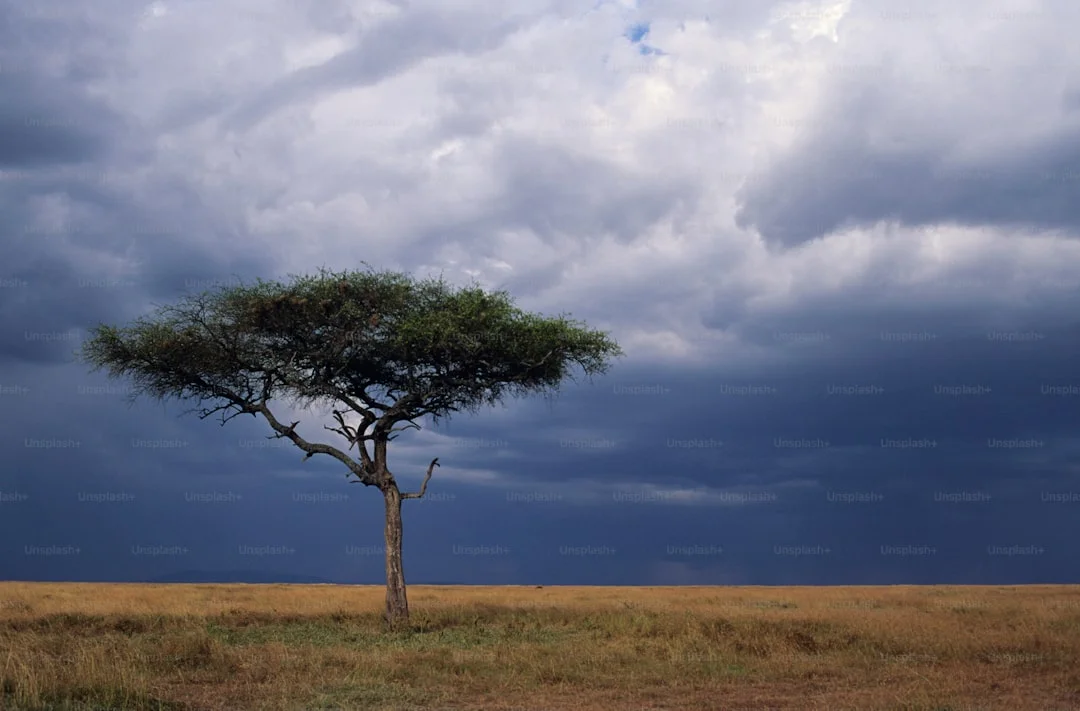
State of Tanzania Safari 2026
Original research from a 20-year TATO-licensed operator
Tanzania's safari industry enters 2026 in its strongest position since pre-COVID, with tourist arrivals reaching an estimated 1.8 million in 2025. Mid-range safari costs have increased 15-20% since 2022, driven primarily by park fee increases and fuel costs. The USA has overtaken the UK as the largest single source market at 22% share, while solo and family safari segments are the fastest-growing demographics. Booking windows have extended to 9-14 months ahead, and multi-country itineraries combining Tanzania with neighbouring countries are growing 25% year-over-year. Park fees now fund approximately 85% of TANAPA's conservation budget, underscoring the direct link between tourism revenue and wildlife protection.
Safari Pricing Trends
Per-person-per-day pricing evolution across three tiers, based on operator booking data and published rack rates.
| Safari Tier (per person/day) | 2022 | 2023 | 2024 | 2025 | 2026 |
|---|---|---|---|---|---|
| Budget (camping) | $200-280 | $220-300 | $240-320 | $250-340 | $250-350 |
| Mid-range (lodge) | $350-550 | $380-580 | $420-630 | $440-670 | $450-700 |
| Luxury (tented camp) | $650-1,200 | $700-1,250 | $750-1,350 | $780-1,400 | $800-1,500 |
National Park Entry Fees (Non-Resident Adult, USD/day)
| Park | 2022 | 2023 | 2024 | 2025 | 2026 |
|---|---|---|---|---|---|
| Serengeti NP | $60 | $60 | $70 | $70 | $70 |
| Ngorongoro CA | $70 | $70 | $80 | $80 | $80 |
| Kilimanjaro NP | $70 | $70 | $70 | $70 | $70 |
| Tarangire NP | $45 | $45 | $53 | $53 | $53 |
| Lake Manyara NP | $45 | $45 | $53 | $53 | $53 |
Key Insight
Mid-range safari costs have increased 15-20% since 2022, driven by park fee increases (Serengeti up 17%, Ngorongoro up 14%) and fuel costs. Luxury tier pricing has grown even faster at 20-25%, reflecting strong demand and limited inventory of premium tented camps. Budget tier increases have been more modest (10-15%) as operators absorb costs to remain competitive.
Source: Ecological Adventure operator data & TANAPA estimates. Pricing reflects peak-season rates inclusive of accommodation, meals, park fees, transport, and guiding.
Tourist Volume & Source Markets
1.8M
International tourists (2025 est.)
+20%
Growth from 1.5M in 2023
3M
Government target by 2030
Top Source Markets (2025 Estimated Share)
| Country / Region | Est. Share | Trend |
|---|---|---|
| United States | 22% | Growing |
| United Kingdom | 14% | Stable |
| Germany | 11% | Stable |
| France | 8% | Growing |
| Australia | 6% | Growing |
| China | 5% | Recovering |
| Other Europe | 18% | Stable |
| Rest of World | 16% | Growing |
Growth Trend
Solo and family safari segments are growing fastest, each up an estimated 30% year-over-year. Solo travellers (particularly women aged 30-50) now represent approximately 12% of bookings, up from 7% in 2022. Family safaris with children under 12 have grown from 15% to 22% of bookings as operators invest in family-friendly camps and child-specific programming.
Source: Ecological Adventure operator data & TANAPA estimates. Market share figures are approximations based on available industry data and operator booking patterns.
Great Migration Calendar 2026-2027
Month-by-month position of the wildebeest herds across the Serengeti-Mara ecosystem. Timing varies 2-4 weeks depending on rainfall.
| Month | Herd Location | Key Event |
|---|---|---|
| January | Southern Serengeti / Ndutu | Calving season begins |
| February | Southern Serengeti / Ndutu | Peak calving — 8,000 calves born daily |
| March | Southern / Central Serengeti | Herds begin moving north as rains arrive |
| April | Central Serengeti | Herds cross the central plains in scattered groups |
| May | Western Corridor | Herds gather along the Grumeti River area |
| June | Western Corridor / Grumeti | Grumeti River crossings (crocodiles active) |
| July | Northern Serengeti / Kogatende | First Mara River crossings begin |
| August | Northern Serengeti / Mara River | Peak Mara River crossing activity |
| September | Northern Serengeti / Mara River | Continued crossings; some herds enter Kenya |
| October | Northern Serengeti / Mara | Last crossings; herds prepare to head south |
| November | Eastern / Central Serengeti | Southward return begins following short rains |
| December | Southern Serengeti | Herds arrive in the south; cycle restarts |
2026 River Crossing Windows (Estimated)
Grumeti River: Late May to mid-June. Smaller crossings, fewer tourists, excellent crocodile action.
Mara River: Late June through mid-October, with peak activity in August and September. Multiple crossing points along the Mara River in the Kogatende area of northern Serengeti. Crossings can happen multiple times per day during peak weeks. Exact timing depends on 2026 rainfall patterns — early rains shift the cycle forward by 2-3 weeks.
Source: Ecological Adventure operator data & TANAPA estimates. Migration timing is approximate and varies annually based on rainfall patterns.
Conservation Impact
Tourism revenue is the backbone of Tanzania's wildlife protection infrastructure. Every safari directly funds conservation.
~85%
TANAPA budget funded by park fees
+40%
Anti-poaching investment growth (2020-2025)
$32M+
Est. community tourism revenue (2025)
Park Fee Revenue
TANAPA manages 22 national parks covering over 57,000 square kilometres. Park entry fees and concession fees from tourism operators fund approximately 85% of the authority's operational budget, including ranger salaries, road maintenance, wildlife monitoring, and research programmes. The 2024 park fee increase for Serengeti and Ngorongoro was projected to generate an additional $15-20 million annually.
Anti-Poaching Investment
Tanzania has significantly increased anti-poaching spending since 2020, with an estimated 40% growth in dedicated budgets. This includes deployment of additional ranger patrols, canine units, aerial surveillance, and technology-assisted monitoring (camera traps, GPS tracking). Elephant poaching incidents in the Serengeti ecosystem have declined an estimated 75% compared to the 2012-2014 crisis peak.
Community Tourism Revenue
Community-based tourism and Wildlife Management Areas (WMAs) generated an estimated $32 million in direct revenue for local communities in 2025. This includes village cultural visits, community-owned campsites, walking safari fees in WMAs, and revenue-sharing agreements with national parks. Community revenue has grown approximately 60% since 2020 as operators invest in more authentic cultural experiences.
Source: Ecological Adventure operator data & TANAPA estimates. Conservation figures are approximations based on published TANAPA reports and industry sources.
2026 Outlook
What operators, travellers, and the industry should expect in the year ahead.
Booking Trends
- Average booking window extended to 9-14 months ahead (vs. 6-9 months pre-COVID)
- Peak season (Jul-Oct) inventory at premium camps selling out 12+ months ahead
- Last-minute deals increasingly rare in dry season; still available Apr-May
Emerging Trends
- AI trip planning tools changing how travellers research and compare operators
- Carbon offsetting and sustainability credentials influencing booking decisions
- Multi-country itineraries (Tanzania + Kenya/Rwanda/Uganda) growing 25% YoY
2027 Price Forecast
- Budget tier expected to hold steady or increase 3-5%
- Mid-range and luxury tiers likely up 5-10% driven by demand and new premium inventory
- Park fee increases possible for 2027 — TANAPA reviews fees periodically
Source: Ecological Adventure operator data & TANAPA estimates. Forecasts are based on current trends and may change with economic conditions.
Methodology
This report is based on 20 years of proprietary operator booking data from Ecological Wilderness Adventure (TATO License holder since 2005), supplemented by published TANAPA statistics, Tanzania National Bureau of Statistics tourism data, and industry reports from the Tanzania Tourism Board and East African tourism associations. All figures marked as "estimated" or "approximate" represent our best assessment based on available data and should not be cited as official government statistics. Tourist volume figures use the most recent published data supplemented by our industry estimates for 2025-2026. Pricing data reflects rates collected from our own operations and a sample of peer operators across budget, mid-range, and luxury tiers.
Safari Industry FAQ
How much does a Tanzania safari cost in 2026?
In 2026, budget camping safaris start at approximately $250-350 per person per day, mid-range lodge safaris run $450-700 per person per day, and luxury tented camp safaris range from $800-1,500+ per person per day. These figures include accommodation, meals, park fees, transport, and guiding. Costs have risen 15-20% since 2022 primarily due to park fee increases and fuel costs. The Great Migration season (July-October) commands a 20-30% premium over shoulder months.
How many tourists visit Tanzania each year?
Tanzania received an estimated 1.8 million international tourists in 2025, up from approximately 1.5 million in 2023 and a post-COVID low of 900,000 in 2021. The government targets 3 million visitors by 2030. Safari tourism accounts for roughly 40% of all arrivals, with beach tourism (Zanzibar) making up another 35%. The USA is now the largest single source market, followed by the UK and Germany.
What are the biggest trends in Tanzania safari tourism for 2026?
Five key trends are shaping 2026: (1) Earlier booking windows — guests are reserving 9-14 months ahead vs. 6-9 months pre-COVID. (2) Solo and family safari segments are the fastest-growing demographics. (3) AI-assisted trip planning is changing how travellers research and compare operators. (4) Carbon offsetting and sustainability credentials are increasingly influencing booking decisions. (5) Multi-country itineraries combining Tanzania with Kenya, Rwanda, or Uganda are growing 25% year-over-year.
When is the Great Migration in 2026?
The Great Migration follows a broadly predictable annual cycle: calving in the southern Serengeti (January-February), northward movement through the western corridor (April-June), Grumeti River crossings (June), Mara River crossings in the northern Serengeti (July-October), and southward return (November-December). In 2026, the first Mara River crossings are estimated for late June to early July, with peak crossing activity expected in August and September. Exact timing varies by 2-4 weeks depending on rainfall patterns.
How do Tanzania park fees compare to other African safari destinations?
Tanzania's park fees are among the highest in Africa. As of 2026, Serengeti entry is $70/day for non-resident adults (up from $60 in 2022), and Ngorongoro Crater access is $80/day. By comparison, Kenya's Masai Mara charges $80/day, Botswana's Chobe is $13/day, and South Africa's Kruger is approximately $25/day. However, Tanzania's fees directly fund TANAPA's conservation operations, anti-poaching patrols, and community development — covering approximately 85% of the national parks budget.
Want the Full Report?
Request the complete State of Tanzania Safari 2026 report with additional data tables, regional breakdowns, and operator benchmarks. Available for journalists, researchers, and industry professionals.
Request Full ReportPlan Your 2026 Safari
Based on the data in this report, we can help you choose the ideal timing, parks, and budget for your Tanzania safari.