Get honest Tanzania safari pricing for 2025. We break down real costs from budget camping to luxury lodges, including hidden fees most operators won't mention.
Safari pricing confuses everyone. Quotes range from $200 to $2,000 per day, and figuring out what you're actually getting proves nearly impossible. After two decades of operating safaris, we're sharing the honest breakdown most operators avoid discussing.
This isn't marketing copy—it's real pricing from our 2024-2025 operations, including the uncomfortable details about why costs vary so dramatically and where your money actually goes.
The Real Cost Breakdown
Every Tanzania safari dollar splits between fixed costs you can't avoid and variable costs where your choices matter enormously. Understanding this split helps you evaluate quotes intelligently.
Fixed Costs: What You Can't Change
Regardless of how you safari, certain costs remain constant. Park fees set by TANAPA apply to every visitor equally. Currently, Serengeti and Ngorongoro charge $70.80 per adult per 24-hour period. Tarangire and Lake Manyara cost $53.10. These fees fund conservation and aren't negotiable.
Vehicle operating costs within parks—fuel, maintenance, insurance—run approximately $80-120 per vehicle per day depending on distances covered. This cost divides among passengers, making shared vehicles significantly cheaper per person.
Variable Costs: Where Choices Matter
Accommodation represents the biggest variable, ranging from $30 camping to $3,000+ per night at exclusive properties. The same Serengeti ecosystem can cost vastly different amounts depending on where you sleep.
| Accommodation Type | Price Range/Night | Experience Level |
|---|---|---|
| Public Campsite | $30-50 | Basic, shared facilities |
| Budget Lodge | $80-150 | Simple comfort, outside parks |
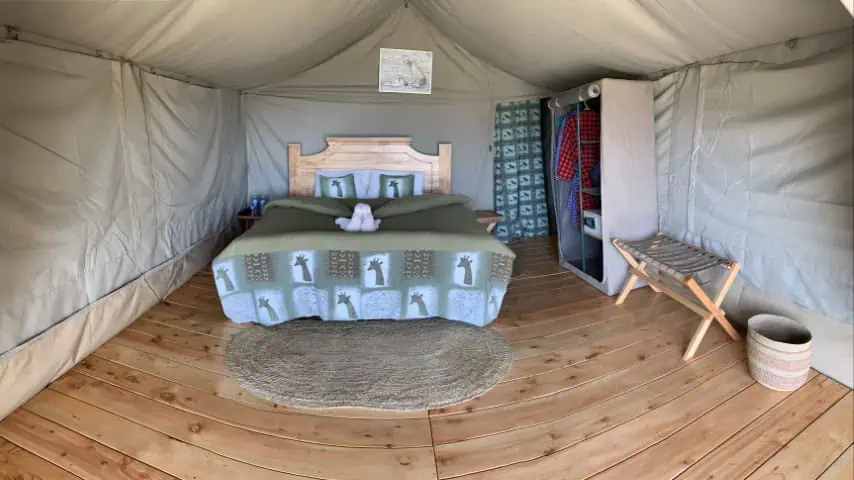
| Mid-Range Tented Camp | $200-400 | Comfortable, good locations |
| Luxury Lodge | $500-900 | High comfort, premium service |
| Ultra-Luxury Camp | $1,000-3,000+ | Exclusive, exceptional service |
What $200/Day Actually Gets You
At $200 per person per day, expect shared vehicles with 5-7 travelers, basic camping or budget guesthouses outside parks, simple meals, and guides with varying English proficiency. You'll see wildlife—Tanzania delivers regardless of budget—but comfort and flexibility are limited.
This tier works for young travelers, backpackers, and those prioritizing wildlife quantity over experience quality. It doesn't work well for travelers expecting personal attention, dietary accommodations, or schedule flexibility.
What $400/Day Actually Gets You
The mid-range tier transforms safari from endurance test to enjoyable experience. Private vehicles (or small groups of 4), comfortable lodges with en-suite bathrooms, quality meals, and professional guides create significantly better experiences.
At this price point, you're paying for: private vehicle flexibility, knowledgeable guides who enhance understanding, accommodations inside or adjacent to parks, and meals suited to Western preferences. Most travelers find this tier represents optimal value.
What $800+/Day Actually Gets You
Luxury pricing covers prime locations within parks, experienced specialist guides, gourmet cuisine, and service levels comparable to high-end hotels worldwide. Properties like Lemala, Asilia, and similar brands define this category.
Beyond comfort, premium pricing often buys exclusive concession access—private wilderness areas where your vehicle might be the only one within miles. This changes wildlife viewing fundamentally, creating intimate encounters impossible in busy public areas.
Value Insight
The biggest quality jump happens between $200 and $400 per day. Going from camping with 6 strangers to a private vehicle with comfortable lodges transforms the experience. Above $600/day, you're paying primarily for exclusivity and luxury—nice to have, but not essential for wildlife viewing.
Hidden Costs That Surprise Travelers
Crater Service Fee
Ngorongoro Crater charges a $295 vehicle fee for crater descent, divided among passengers. In a shared vehicle of 6, that's roughly $50 each. In a private vehicle for two, it's $147.50 per person—rarely mentioned in initial quotes.
Single Supplements
Solo travelers typically pay 50-100% extra for private room occupancy. A $400/day quote might become $550-600 for single travelers. Ask about single supplements specifically when comparing quotes.
Internal Flights
Flying between regions (Arusha to Serengeti, Northern to Southern circuits) costs $200-400 per sector. Quotes often exclude these, showing driving itineraries that actually require flights for practical execution.
Balloon Safaris
The iconic Serengeti balloon experience costs $550-650 per person. Worthwhile but rarely included in package prices—budget separately if interested.
Why Prices Vary So Much Between Operators
Same itinerary, different prices—here's what explains the gaps:
Accommodation Tier Differences
Operators quote different accommodation levels without clear disclosure. One "7-day Serengeti safari" might use $150/night lodges while another uses $600/night properties. Both legitimate but vastly different.
Vehicle Sharing vs. Private
Shared vehicle quotes seem cheaper until you divide private vehicle costs appropriately. For couples, private vehicles cost roughly 40% more total but deliver dramatically better experiences.
International vs. Local Operators
Booking through international travel agents typically adds 20-35% markup for their commission and overhead. Reputable local operators deliver identical experiences at lower costs while keeping more money within Tanzania's economy.
Seasonal Price Variations
Timing affects costs significantly. Understanding seasons helps budget travelers find value without sacrificing wildlife viewing.
| Period | Months | Price Impact | Wildlife Quality |
|---|---|---|---|
| Peak Season | July-October | Full price | Excellent (dry season) |
| High Season | December-February | Full price | Very good (calving) |
| Shoulder Season | June, November | 10-20% less | Very good |
| Green Season | March-May | 25-40% less | Good but challenging |
How to Get Accurate Quotes
When requesting quotes, specify exactly what you want to compare fairly:
- Private vehicle or shared?
- Accommodation tier preference (budget/mid-range/luxury)?
- Which parks and how many nights each?
- Any specific lodges or camp styles?
- Internal flights or driving throughout?
- Single traveler or sharing rooms?
Vague requests generate vague quotes designed to look competitive. Specific requests reveal true pricing differences.
Why Trust This Guide
Our Transparency Commitment
- 20+ years Tanzania safari operations
- Prices reflect actual 2024-2025 costs
- TATO certified operator
- No hidden fees in our quotes
- Direct lodge relationships for accurate pricing
We publish this because informed travelers make better clients. Understanding costs builds trust.
Frequently Asked Questions
What is the average cost of a Tanzania safari?
Most travelers spend $350-500 per person per day for quality mid-range safaris with private vehicles and comfortable lodges. This translates to $2,500-3,500 for a 7-day safari excluding international flights. Budget options exist from $150/day, while luxury safaris range $700-1,500+/day. See our complete cost guide for detailed breakdowns.
Why are Tanzania safaris so expensive?
High park fees ($70/day for premium parks), remote lodge logistics, vehicle maintenance costs, and professional guide salaries combine to create baseline costs that can't be reduced below certain thresholds. Tanzania also limits visitor numbers, maintaining quality over quantity—you're paying for less crowded wildlife viewing.
Can I do a Tanzania safari for under $1,000?
Yes, but with significant compromises. Budget camping safaris of 4-5 days with shared vehicles cost $800-1,200 total. You'll see wildlife but experience basic facilities, limited flexibility, and potentially crowded vehicles. For many travelers, saving longer to afford mid-range proves more satisfying than budget safari compromises.
Is it cheaper to book safari locally or from home?
Booking directly with reputable local operators typically saves 15-30% versus international agents. You'll also get more personalized service and flexible itineraries. Ensure any local operator is TATO-registered. Arriving without bookings hoping for last-minute deals rarely works—good lodges book months ahead.
What's not included in safari prices?
Typically excluded: international flights, visa fees ($50-100), travel insurance, tips ($15-25/day), alcoholic beverages, optional activities (balloon safaris, walking safaris), and personal expenses. Always request itemized inclusions before comparing quotes.
How much do safari tips cost?
Budget $15-25 per person per day for all staff combined. Your guide receives $15-20/day, lodge staff receive $5-10/day collectively. Exceptional service merits higher tips. This represents significant income for staff and is culturally expected in Tanzania's tourism industry.
Get Transparent Safari Pricing
Tell us your dates, preferences, and budget range. We'll create an itemized quote with no hidden costs—exactly what you'll pay, explained clearly.
Request Detailed Quote Browse Safari OptionsPlan this trip: 3 Day Tanzania Safari: Tarangire, Manyara & Ngorongoro and 6 Day Tanzania Safari: Itinerary, Parks & Inclusions.

Ecological Wilderness Adventure
Expert safari guide and writer at Ecological Wilderness Adventure, a TATO-licensed operator based in Arusha, Tanzania with 20+ years of experience crafting authentic wildlife expeditions across East Africa.
Published April 17, 2026